This is a German soldiers complete with its leather liner still in place M40 steel helmet that was recovered from the famous battlefield in Russia.
The helmet has no rust holes or damage it still remains in solid but relic condition, with heavier corrosion in some areas and is rusty all over it is structurally stable and not breaking apart. The helmet has been carefully cleaned and presents very well and has some original green paintwork in places. The helmet is complete with its leather liner also chin strap holders the leather is loose from the ring in places but is original to the helmet its just come loose over time but the leather is still solid not braking up at and its original brown colour. The helmet remains an exceptional display piece due to the strong combination of paintwork and liner, rare to find on a battlefield example in this condition. The helmet was recovered rom Suhaya Mechetka Ravine in Stalingrad which was heavily fought over during battle in the Russian City of 1942-1943.The helmet comes with 2 x A5 laminated information cards with map and many pictures.
The clash at the Sukhaya Mechetka Ravine on August 23–24, 1942, was a desperate Soviet delaying action that successfully blocked the German 16th Panzer Division from capturing the vital Stalingrad Tractor Factory and seizing the Volga River banks. Having rapidly outpaced their own infantry support across the open steppe, General Hans-Valentin Hube's tanks arrived at the northern rim of the steep, natural gully, only to face an improvised defensive line consisting of the 1077th Anti-Aircraft Regiment—uniquely manned by young female volunteers—alongside elements of the 10th NKVD Rifle Division and civilian factory worker militias. Lacking proper infantry protection and standard armor-piercing ammunition, the women lowered their high-velocity anti-aircraft guns to fire directly into the oncoming panzers, while factory laborers drove newly assembled, unpainted T-34 tanks straight off the assembly lines and directly into the battle lines. This fierce, unexpected resistance shredded German transport vehicles, forced the enemy tanks to take cover inside the ravine, and successfully blunted the German advance; though many of the Soviet gun positions were eventually overrun and destroyed, the stand at the Sukhaya Mechetka bought the Soviet High Command the critical hours needed to ferry regular reinforcements across the river and secure the northern sector of the city.
This is a German soldiers complete with its leather liner still in place M40 steel helmet that was recovered from the famous battlefield in Russia.
The helmet has no rust holes or damage it still remains in solid but relic condition, with heavier corrosion in some areas and is rusty all over it is structurally stable and not breaking apart. The helmet has been carefully cleaned and presents very well and has some original green paintwork in places. The helmet is complete with its leather liner also chin strap holders the leather is loose from the ring in places but is original to the helmet its just come loose over time but the leather is still solid not braking up at and its original brown colour. The helmet remains an exceptional display piece due to the strong combination of paintwork and liner, rare to find on a battlefield example in this condition. The helmet was recovered rom Suhaya Mechetka Ravine in Stalingrad which was heavily fought over during battle in the Russian City of 1942-1943.The helmet comes with 2 x A5 laminated information cards with map and many pictures.
The clash at the Sukhaya Mechetka Ravine on August 23–24, 1942, was a desperate Soviet delaying action that successfully blocked the German 16th Panzer Division from capturing the vital Stalingrad Tractor Factory and seizing the Volga River banks. Having rapidly outpaced their own infantry support across the open steppe, General Hans-Valentin Hube's tanks arrived at the northern rim of the steep, natural gully, only to face an improvised defensive line consisting of the 1077th Anti-Aircraft Regiment—uniquely manned by young female volunteers—alongside elements of the 10th NKVD Rifle Division and civilian factory worker militias. Lacking proper infantry protection and standard armor-piercing ammunition, the women lowered their high-velocity anti-aircraft guns to fire directly into the oncoming panzers, while factory laborers drove newly assembled, unpainted T-34 tanks straight off the assembly lines and directly into the battle lines. This fierce, unexpected resistance shredded German transport vehicles, forced the enemy tanks to take cover inside the ravine, and successfully blunted the German advance; though many of the Soviet gun positions were eventually overrun and destroyed, the stand at the Sukhaya Mechetka bought the Soviet High Command the critical hours needed to ferry regular reinforcements across the river and secure the northern sector of the city.

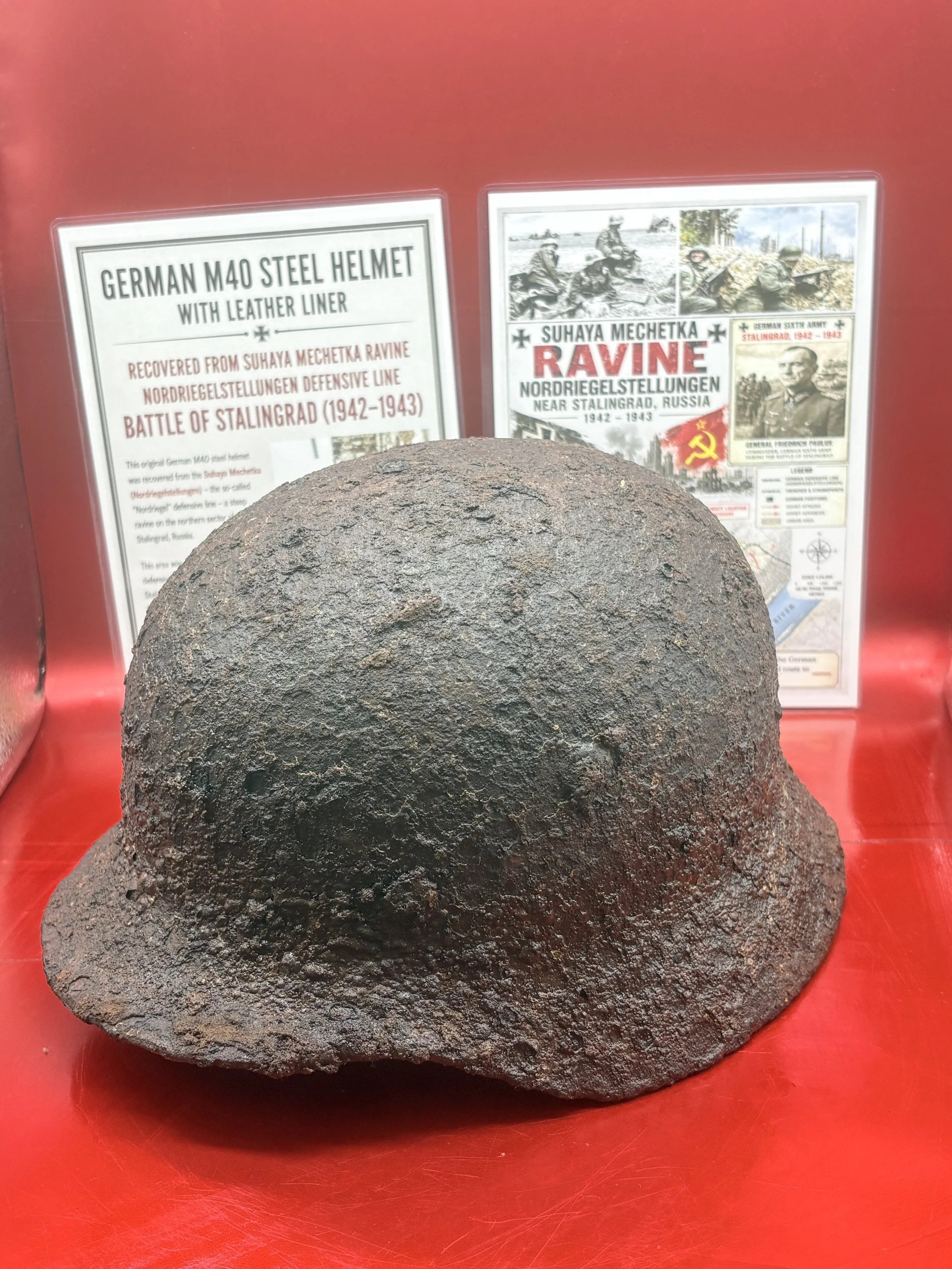 Image 1 of 12
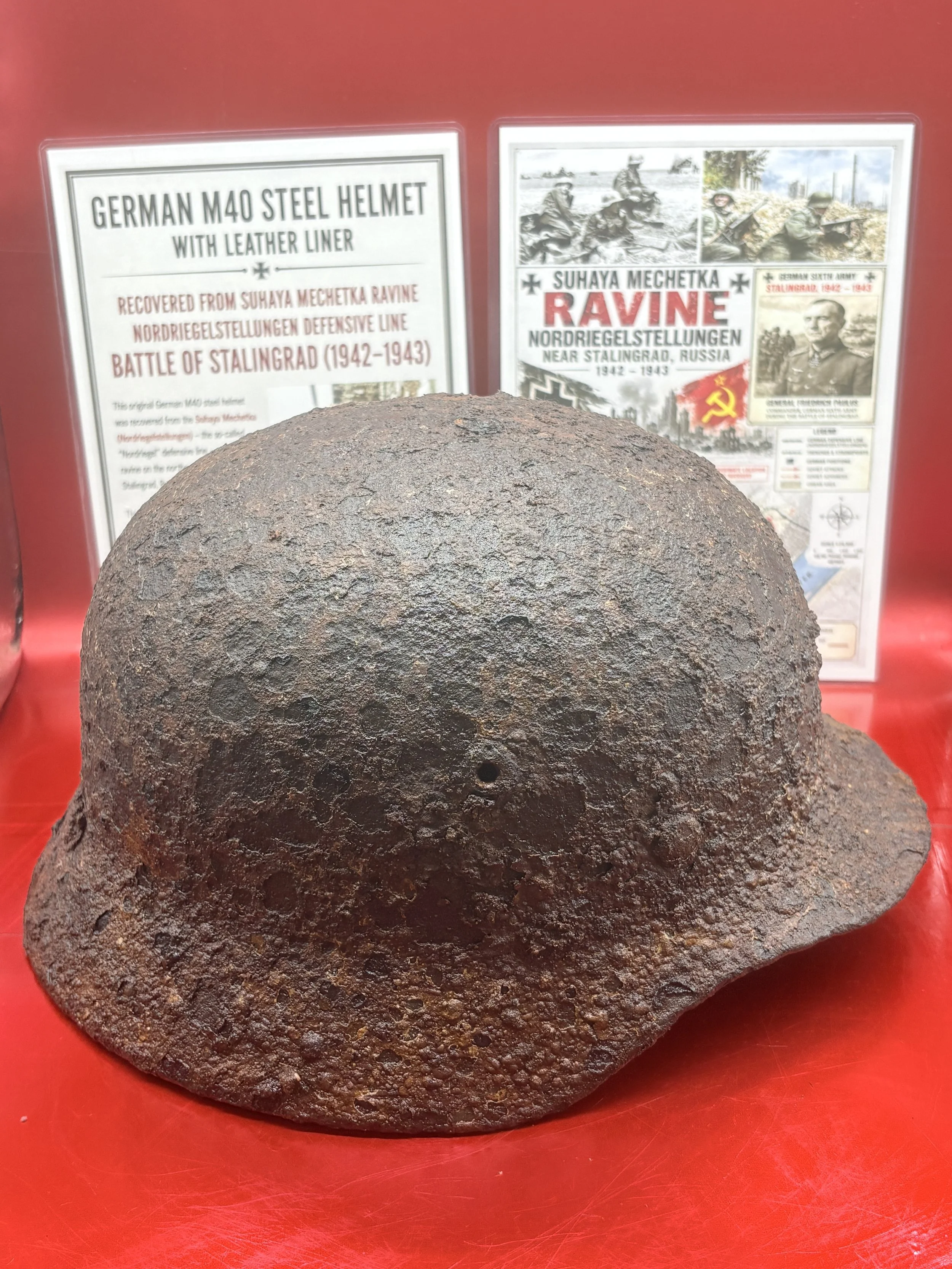 Image 2 of 12
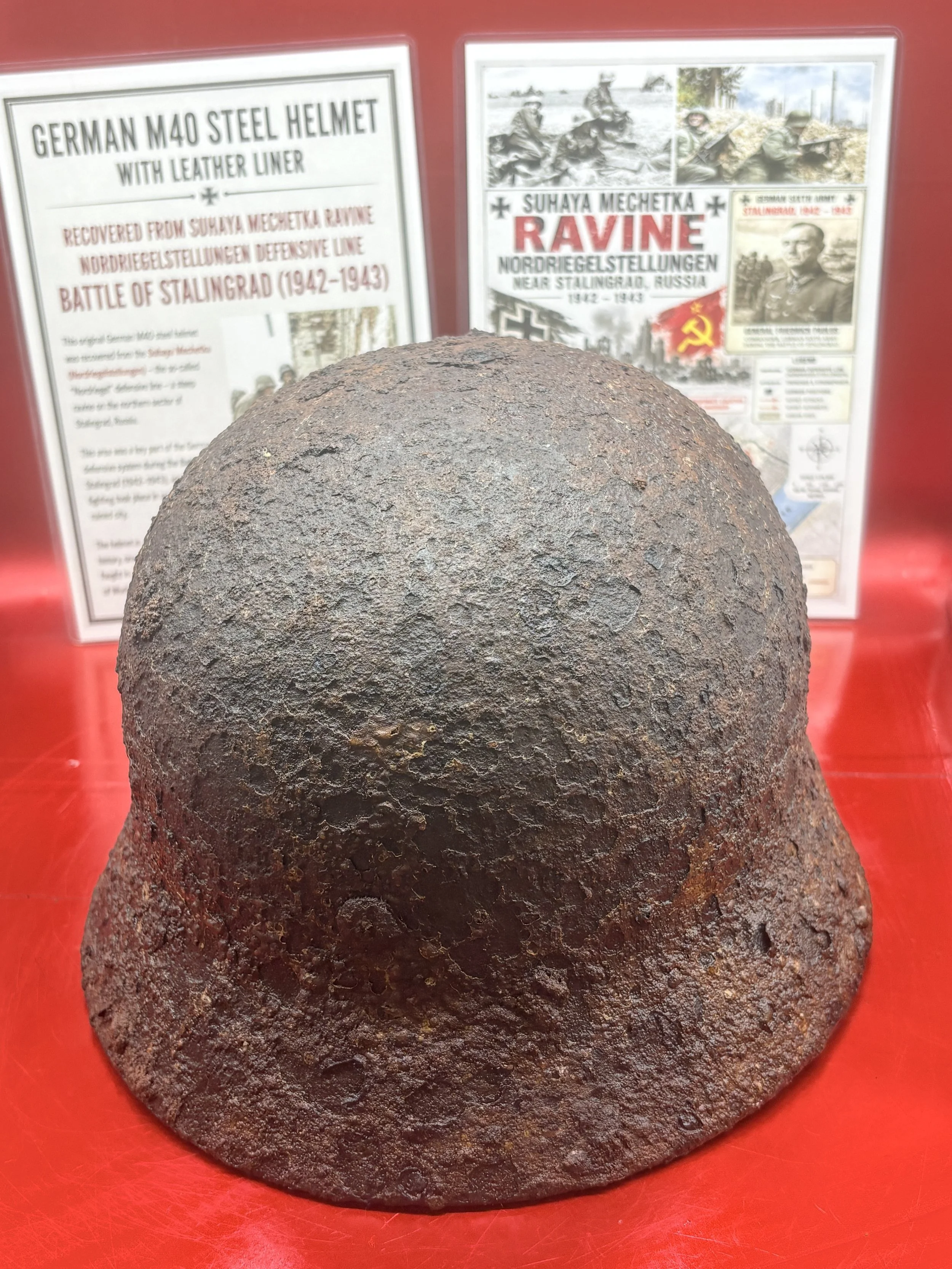 Image 3 of 12
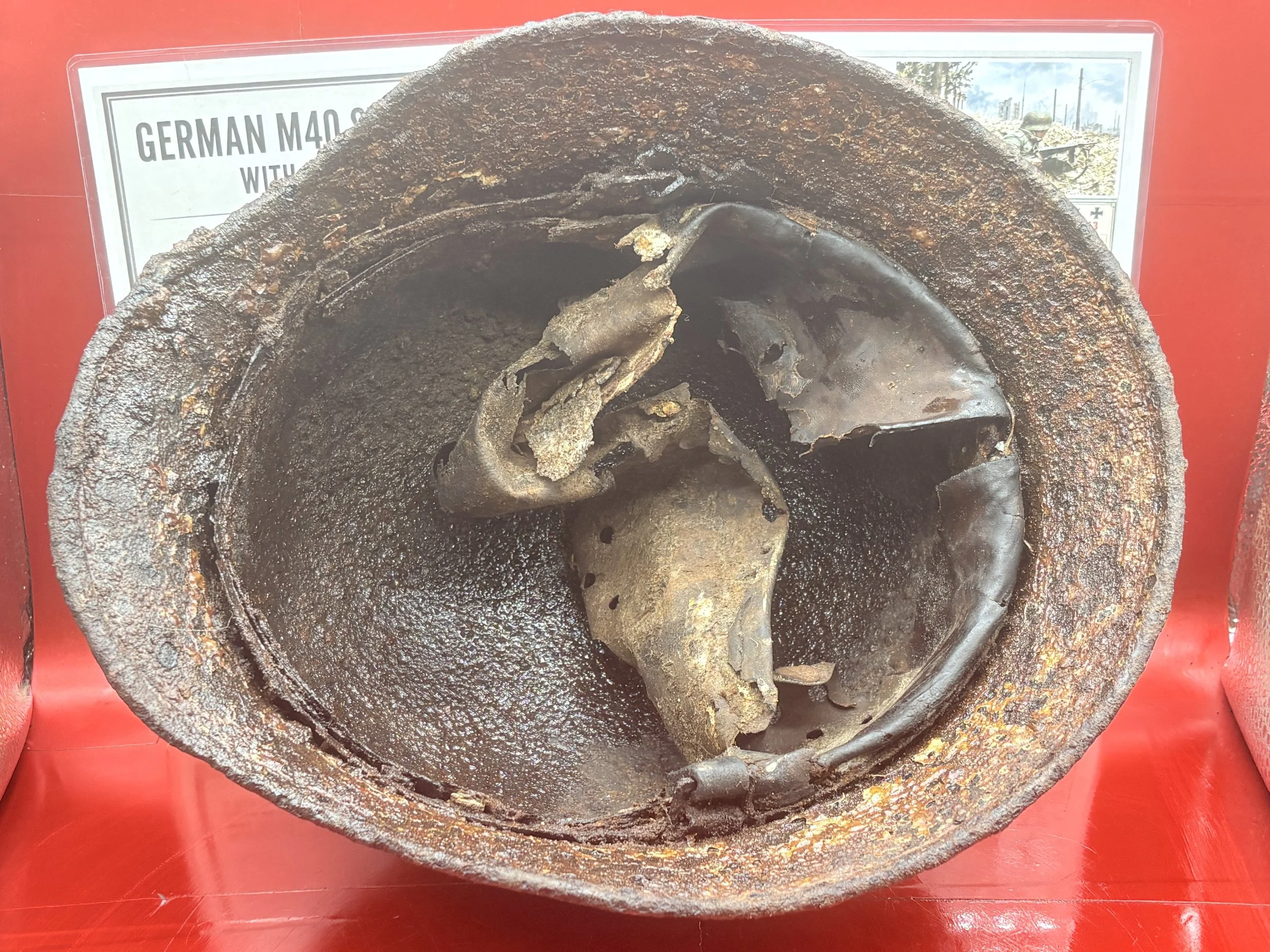 Image 4 of 12
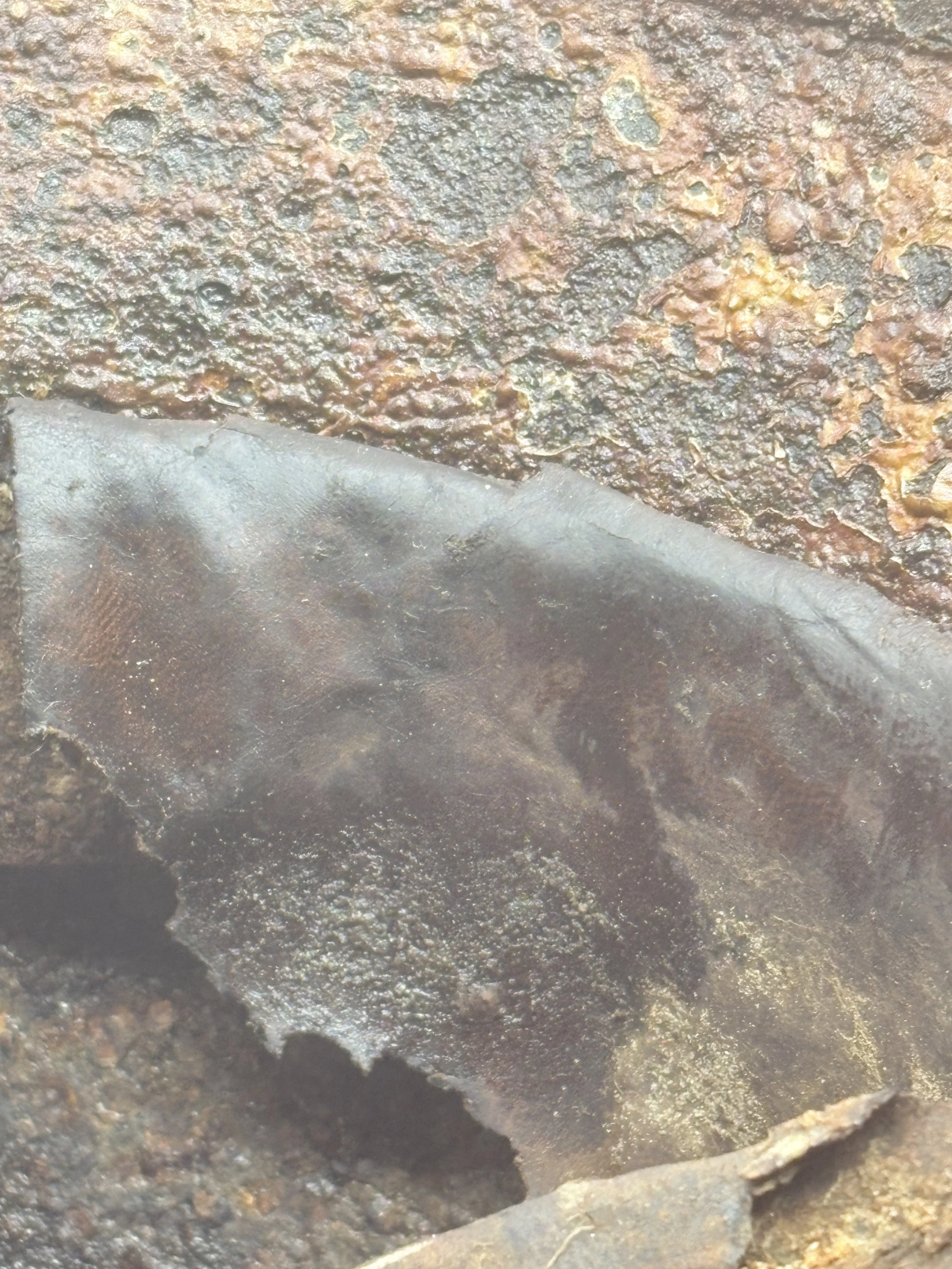 Image 5 of 12
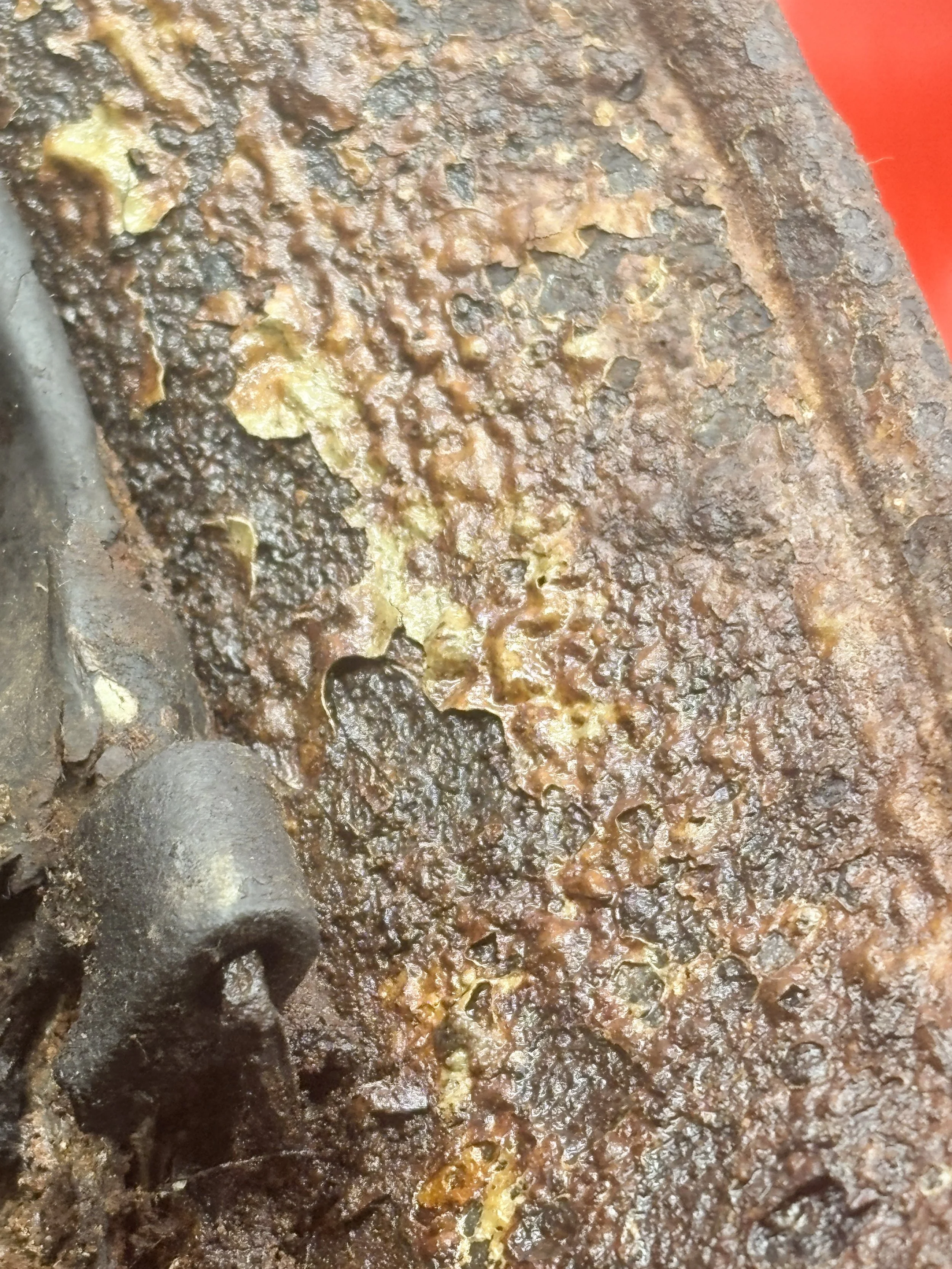 Image 6 of 12
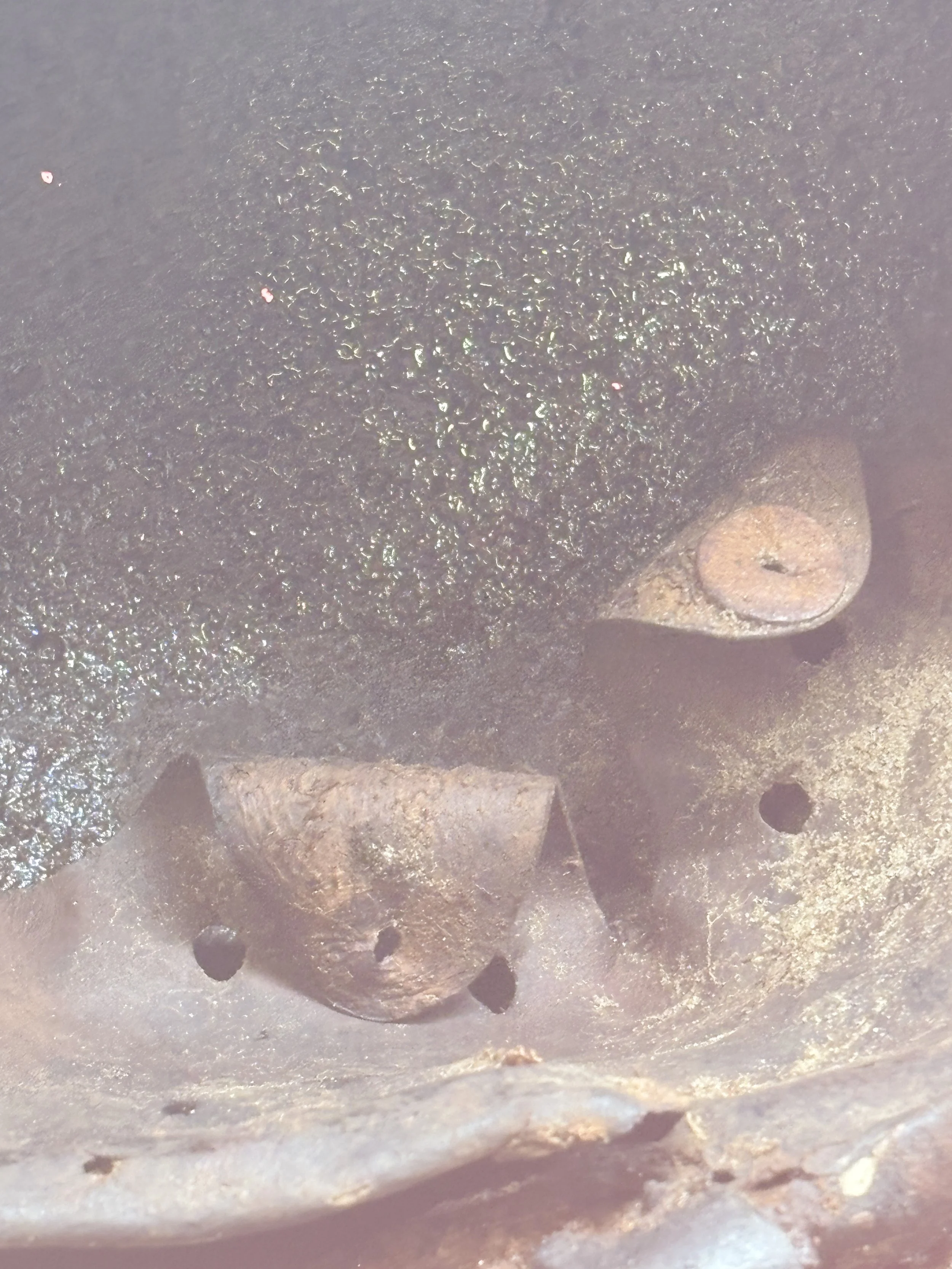 Image 7 of 12
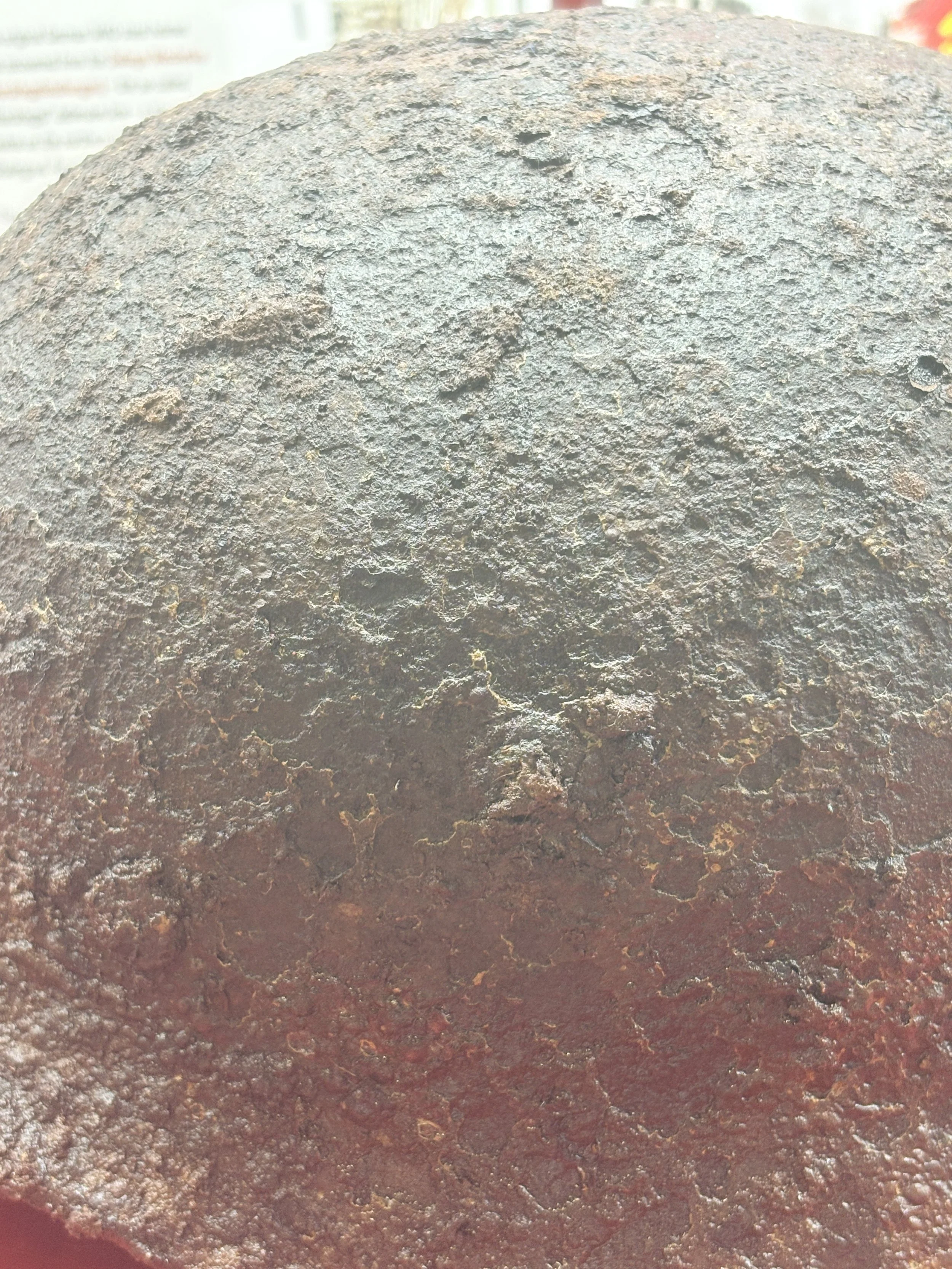 Image 8 of 12
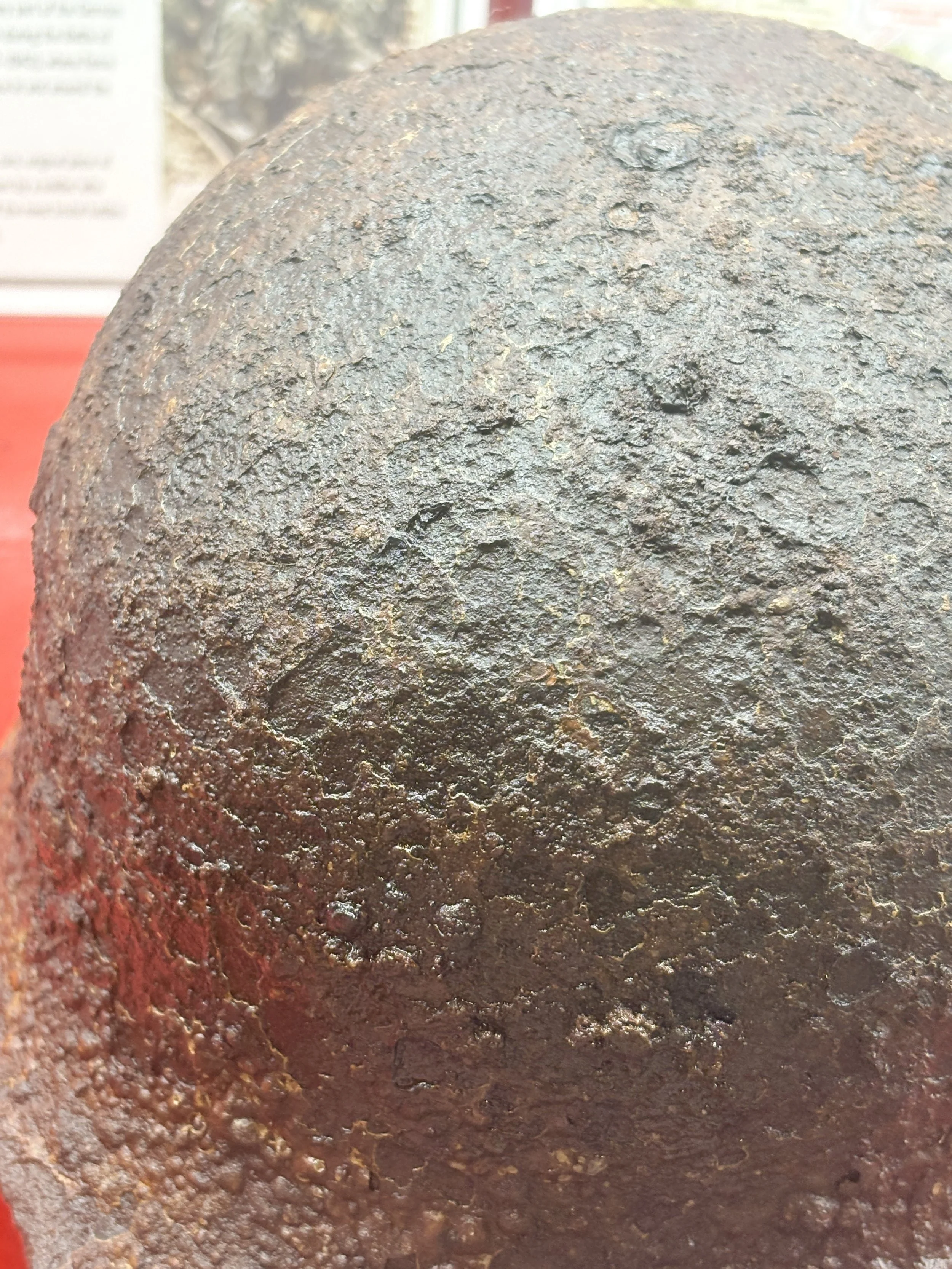 Image 9 of 12
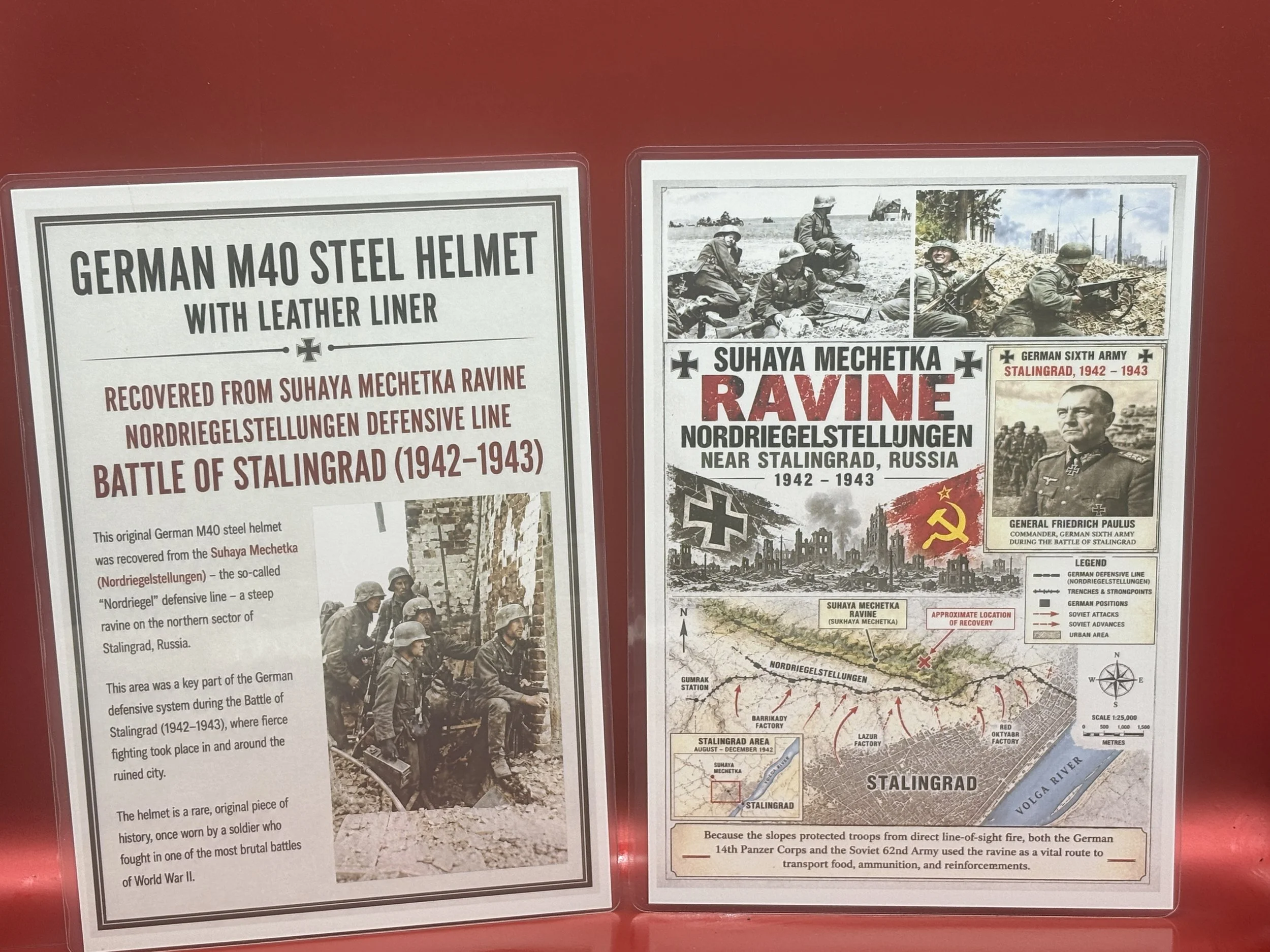 Image 10 of 12
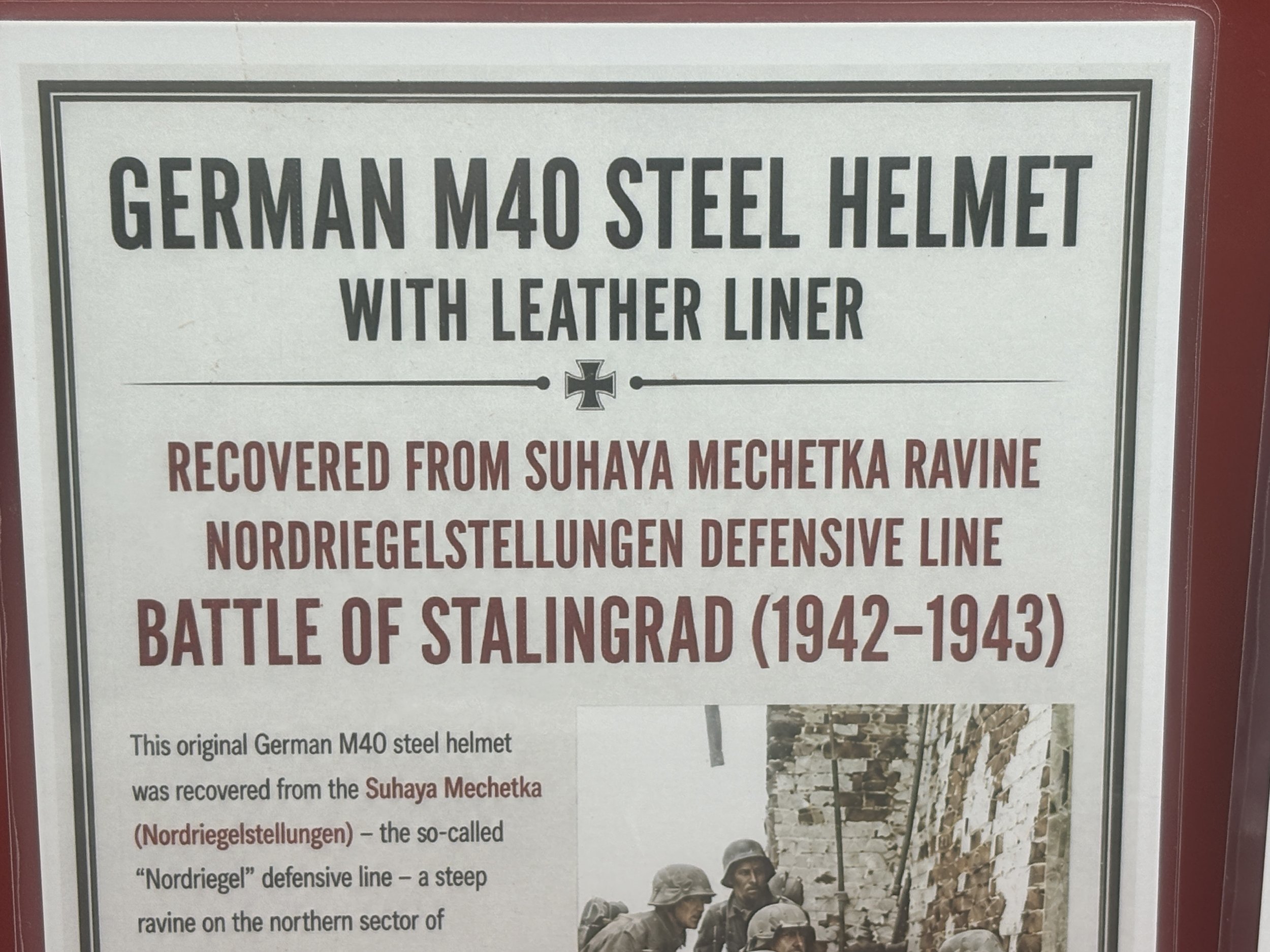 Image 11 of 12
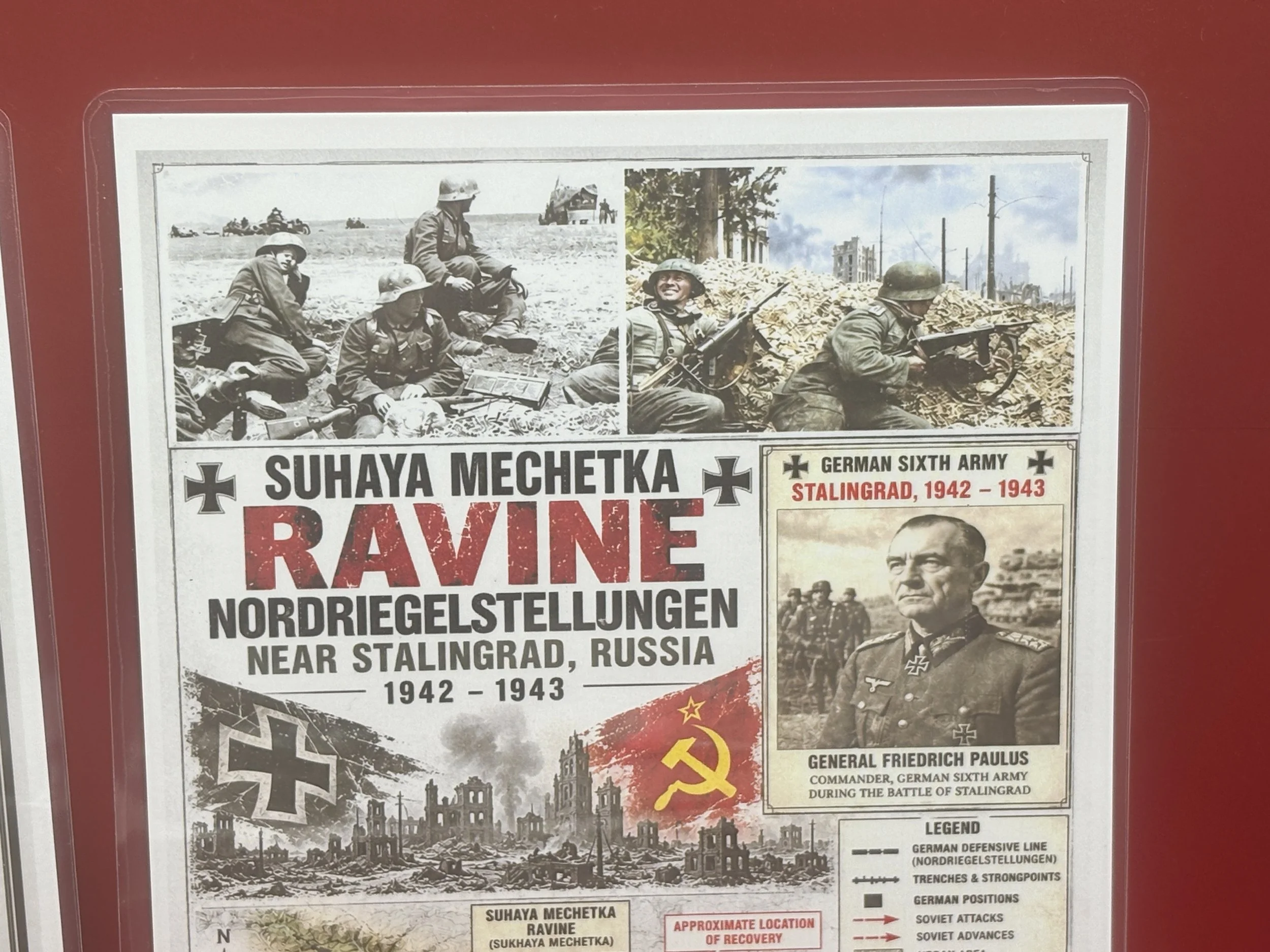 Image 12 of 12