This is a German soldiers M1916 steel helmet lovely semi-relic condition as it is much better condition then a normal relic helmet and the rare bit with a far bit of original green paintwork remains which is very clear see. The helmet is only lightly rusty with only a few small pin prick rust holes and blast crack battle damage in the top, it is very solid and is not braking up or falling apart but does not have any of its leather liner it has been very nicely cleaned and is perfect for display or any collection. This M16 steel helmet was recovered years ago from the site when ground work was being done a modern house that was being built in the famous high woods on the 1916 Somme Battlefield. The helmet comes with 2xA5 laminated information cards with many pictures including the house inside the wood and a map.
High Wood, a small forest in the Somme, was the scene of intense 64-day fighting between British and German forces from 14 July to 15 September 1916, culminating in a hard-fought British victory.
High Wood, known in French as Bois des Fourcaux, became a pivotal objective during the Battle of the Somme due to its elevated position overlooking the surrounding terrain. The first assault began on 14 July 1916, following the capture of Bazentin Ridge. Initial British attempts involved an extraordinary cavalry charge by the 7th Dragoon Guards and the 20th Deccan Horse, which temporarily gained entrance to the wood but were ultimately forced to withdraw by reinforced German positions
From this point, the British Fourth Army and German 1st Army engaged in almost continuous combat, with piecemeal infantry assaults, counter-attacks, and artillery bombardments creating one of the most brutal episodes of the Somme. Conditions worsened with shell-cratered terrain, mud, and unrelenting machine-gun fire, making infantry advances slow and costly
Throughout July and August, successive divisions, including the 33rd and 51st (Highland) Divisions, launched numerous attacks, often repulsed by German defenders entrenched along the Switch Line and fortified positions. New tactics and technologies were gradually introduced, such as tunnelling operations under German strongpoints, use of Livens flame projectors, Stokes mortars, and ultimately, four early British tanks in September
Despite repeated failures and heavy casualties—estimated at over 13,000 for the British and 9,500 for the Germans in the High Wood sector—the British finally seized the wood on 15 September 1916 as part of the Battle of Flers–Courcelette. The capture marked the conclusion of two months of persistent struggle for this 75-acre patch of forest, which had become a "hell on Earth" due to the sheer intensity of fighting, dead and wounded strewn across the battlefield, and the almost complete destruction of the woodland
High Wood’s combat history serves as a stark example of the attritional nature of World War I, illustrating prolonged casualties, use of combined arms, evolving warfare technology, and the strategic importance of terrain within the broader Somme offensive. Even today, the wood contains the remains of thousands of soldiers and memorials commemorate the loss of life during this relentless battle
This is a German soldiers M1916 steel helmet lovely semi-relic condition as it is much better condition then a normal relic helmet and the rare bit with a far bit of original green paintwork remains which is very clear see. The helmet is only lightly rusty with only a few small pin prick rust holes and blast crack battle damage in the top, it is very solid and is not braking up or falling apart but does not have any of its leather liner it has been very nicely cleaned and is perfect for display or any collection. This M16 steel helmet was recovered years ago from the site when ground work was being done a modern house that was being built in the famous high woods on the 1916 Somme Battlefield. The helmet comes with 2xA5 laminated information cards with many pictures including the house inside the wood and a map.
High Wood, a small forest in the Somme, was the scene of intense 64-day fighting between British and German forces from 14 July to 15 September 1916, culminating in a hard-fought British victory.
High Wood, known in French as Bois des Fourcaux, became a pivotal objective during the Battle of the Somme due to its elevated position overlooking the surrounding terrain. The first assault began on 14 July 1916, following the capture of Bazentin Ridge. Initial British attempts involved an extraordinary cavalry charge by the 7th Dragoon Guards and the 20th Deccan Horse, which temporarily gained entrance to the wood but were ultimately forced to withdraw by reinforced German positions
From this point, the British Fourth Army and German 1st Army engaged in almost continuous combat, with piecemeal infantry assaults, counter-attacks, and artillery bombardments creating one of the most brutal episodes of the Somme. Conditions worsened with shell-cratered terrain, mud, and unrelenting machine-gun fire, making infantry advances slow and costly
Throughout July and August, successive divisions, including the 33rd and 51st (Highland) Divisions, launched numerous attacks, often repulsed by German defenders entrenched along the Switch Line and fortified positions. New tactics and technologies were gradually introduced, such as tunnelling operations under German strongpoints, use of Livens flame projectors, Stokes mortars, and ultimately, four early British tanks in September
Despite repeated failures and heavy casualties—estimated at over 13,000 for the British and 9,500 for the Germans in the High Wood sector—the British finally seized the wood on 15 September 1916 as part of the Battle of Flers–Courcelette. The capture marked the conclusion of two months of persistent struggle for this 75-acre patch of forest, which had become a "hell on Earth" due to the sheer intensity of fighting, dead and wounded strewn across the battlefield, and the almost complete destruction of the woodland
High Wood’s combat history serves as a stark example of the attritional nature of World War I, illustrating prolonged casualties, use of combined arms, evolving warfare technology, and the strategic importance of terrain within the broader Somme offensive. Even today, the wood contains the remains of thousands of soldiers and memorials commemorate the loss of life during this relentless battle

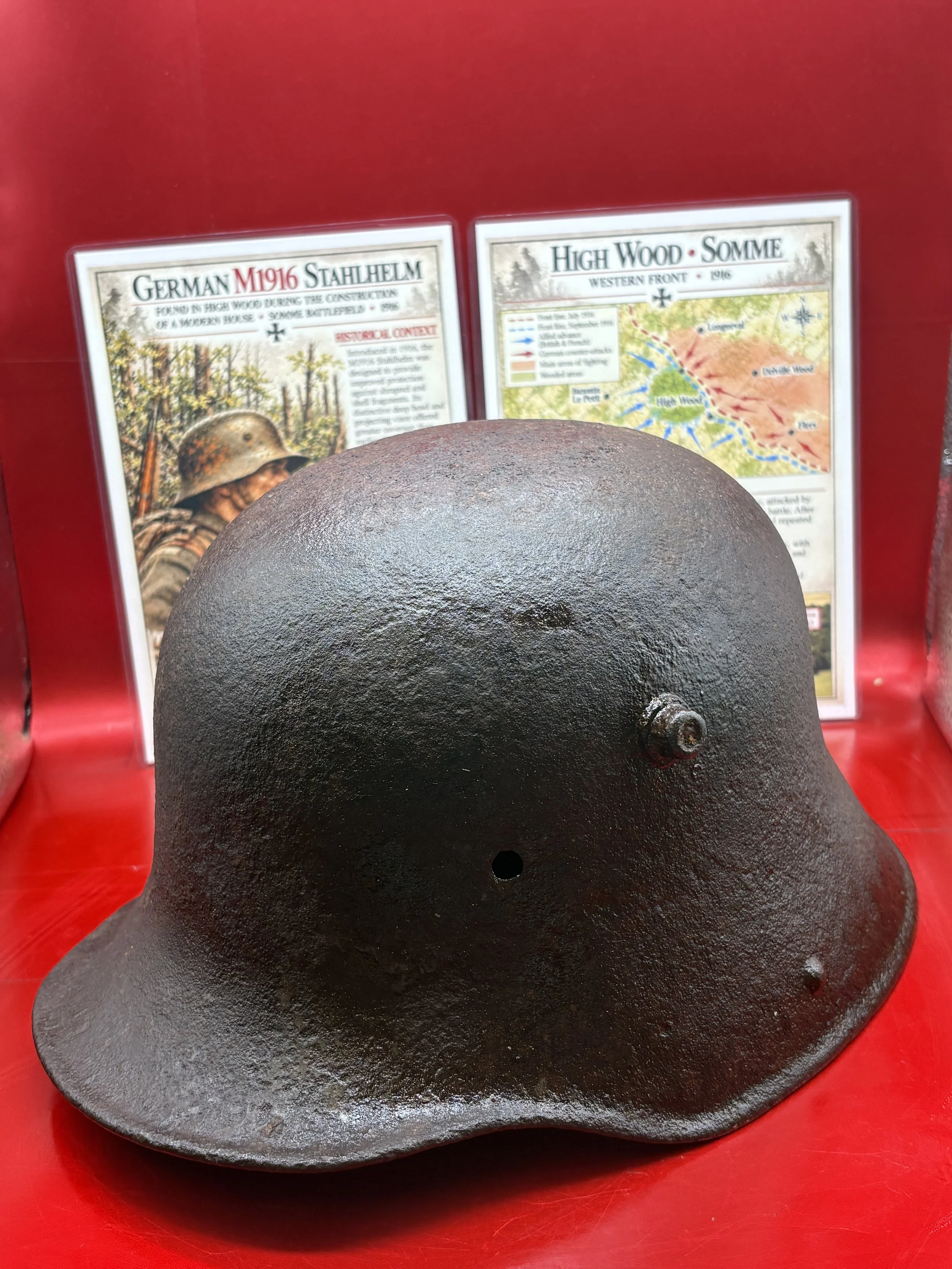 Image 1 of 12
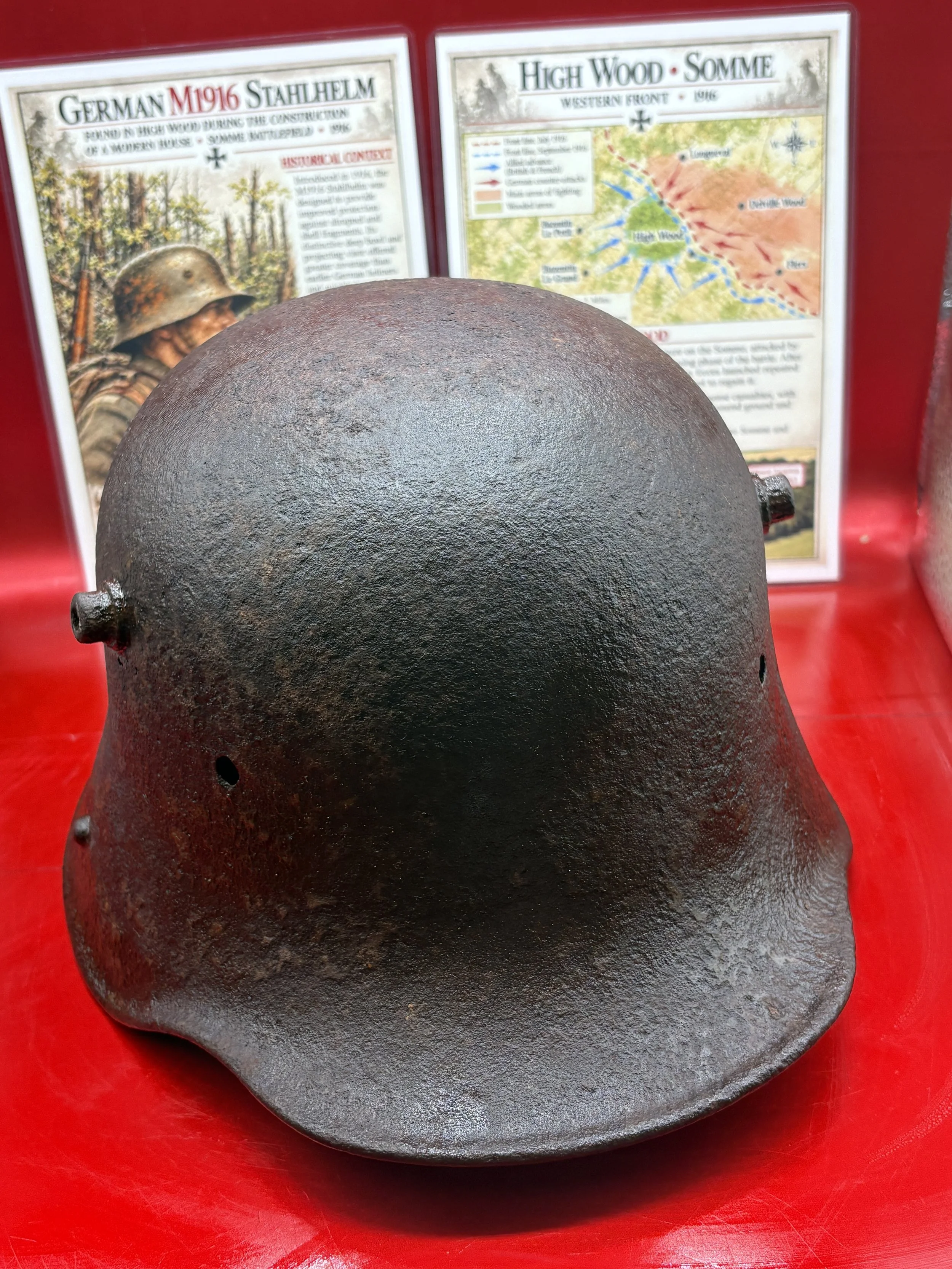 Image 2 of 12
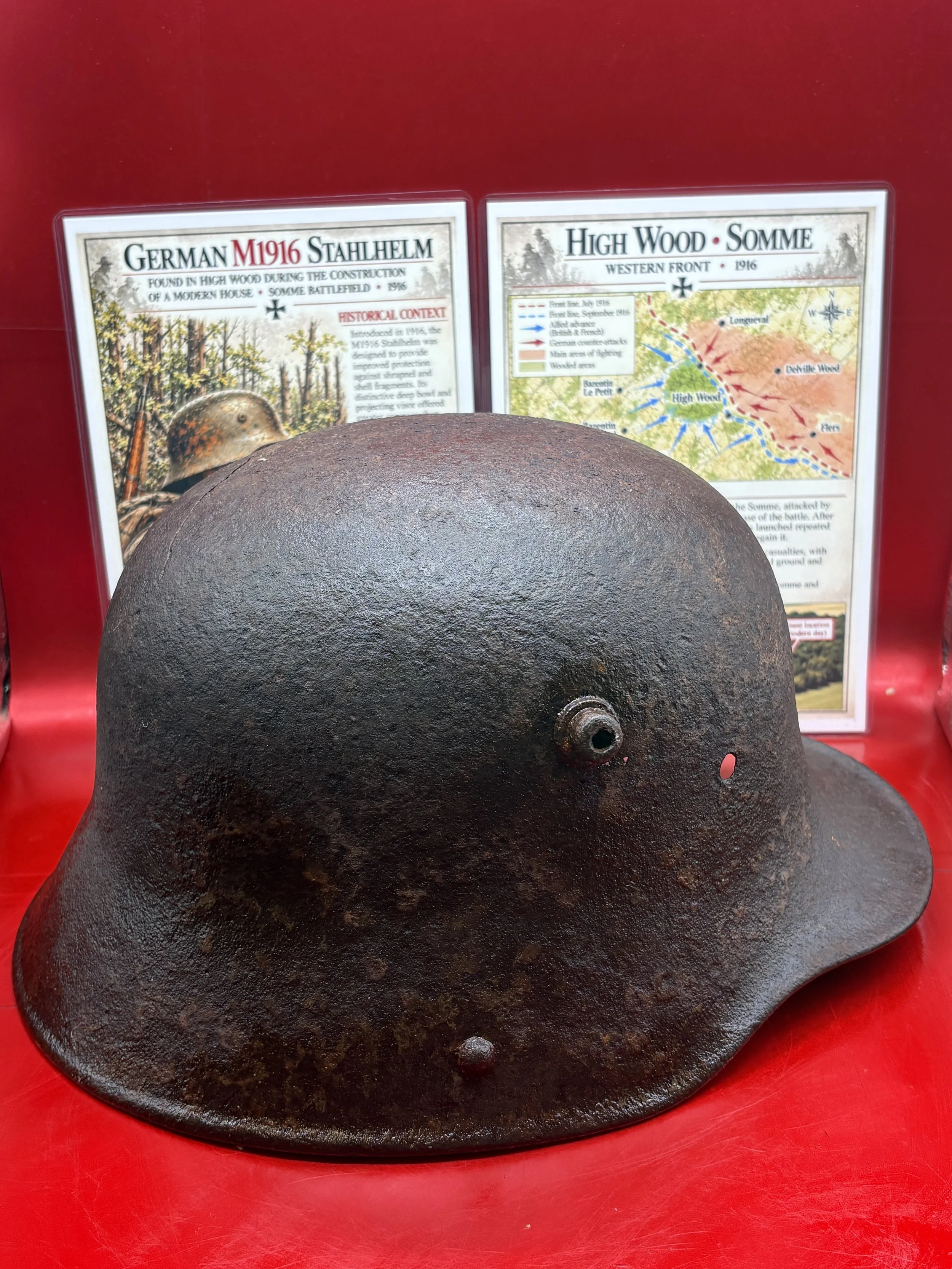 Image 3 of 12
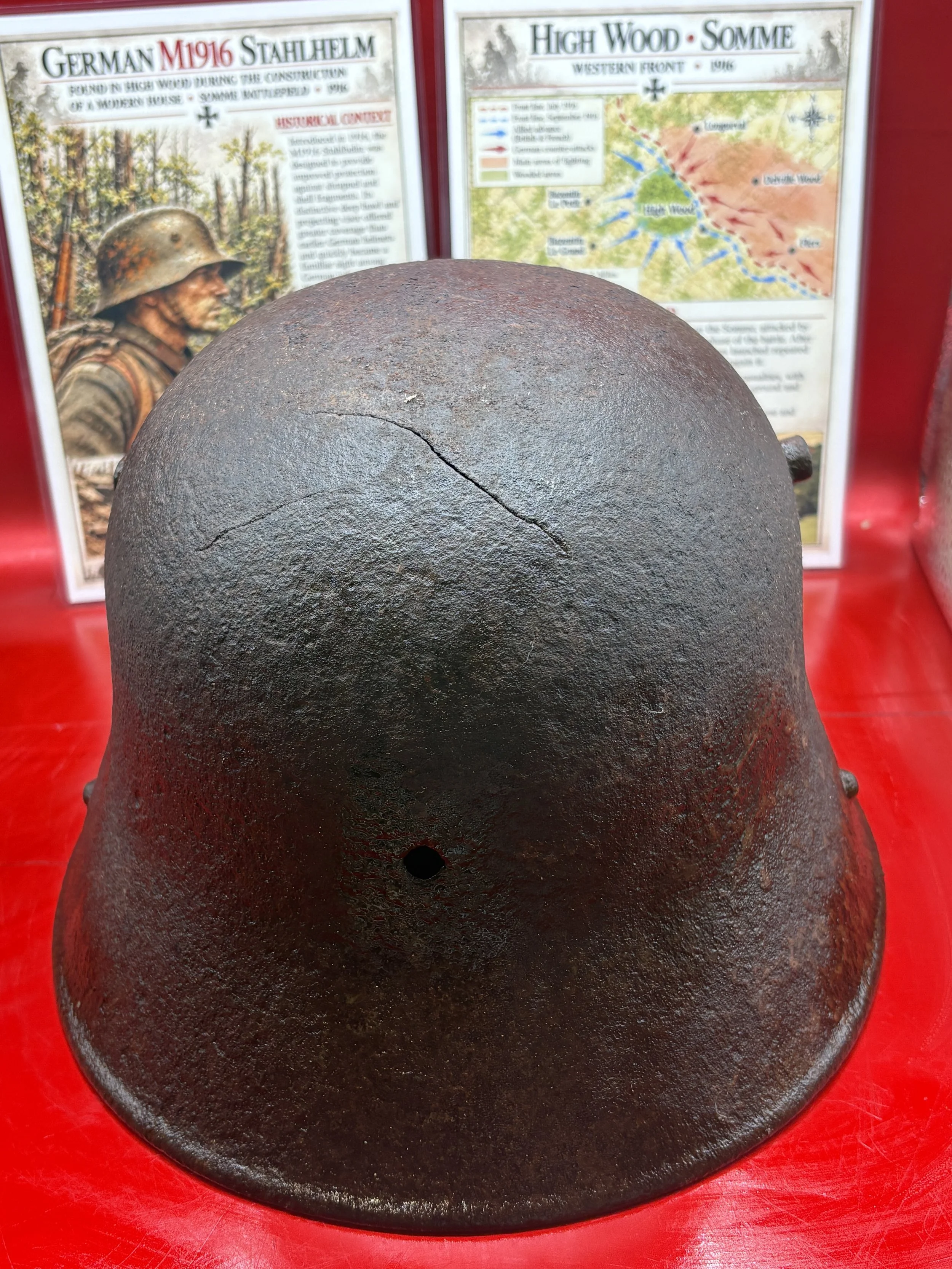 Image 4 of 12
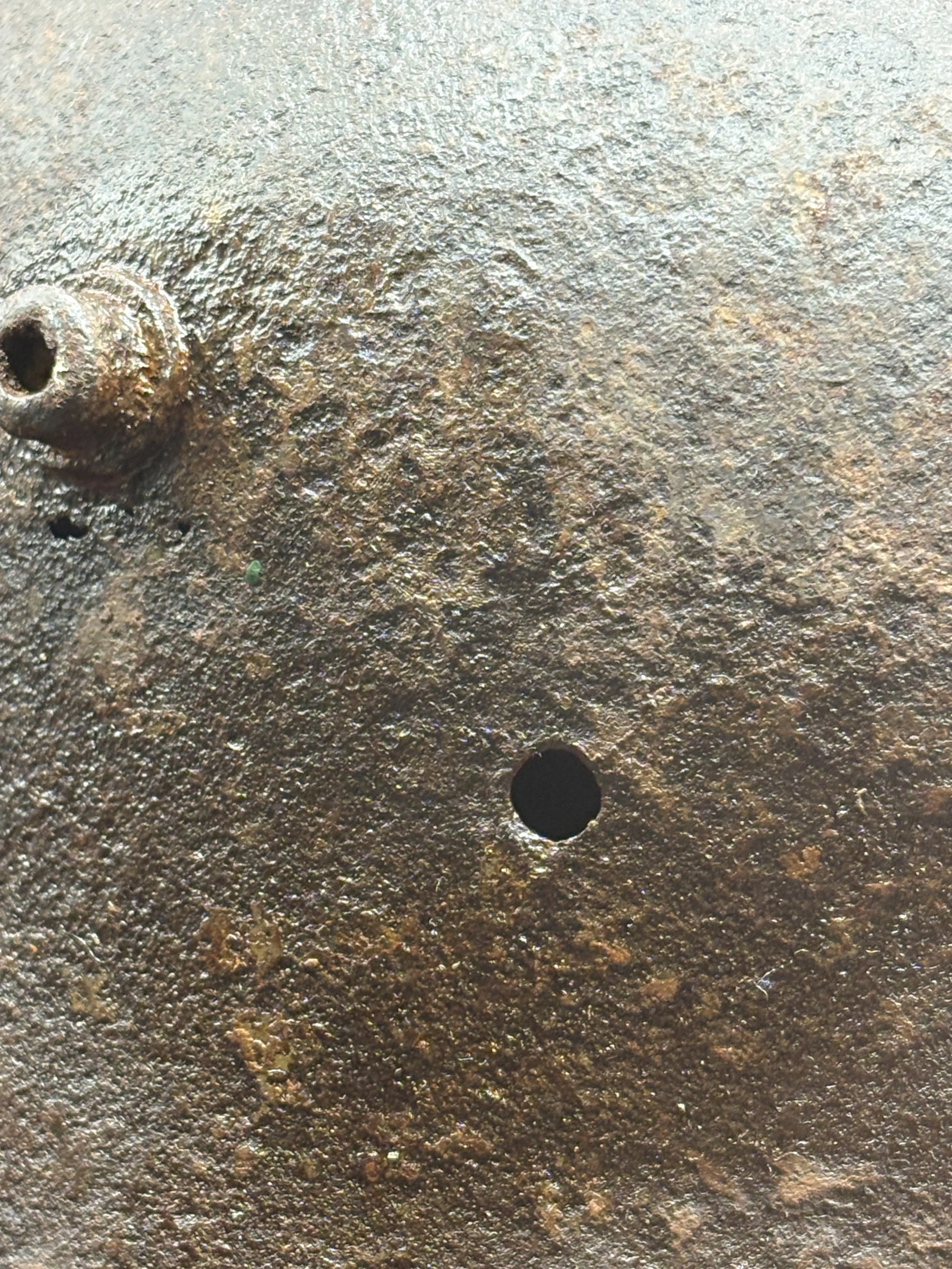 Image 5 of 12
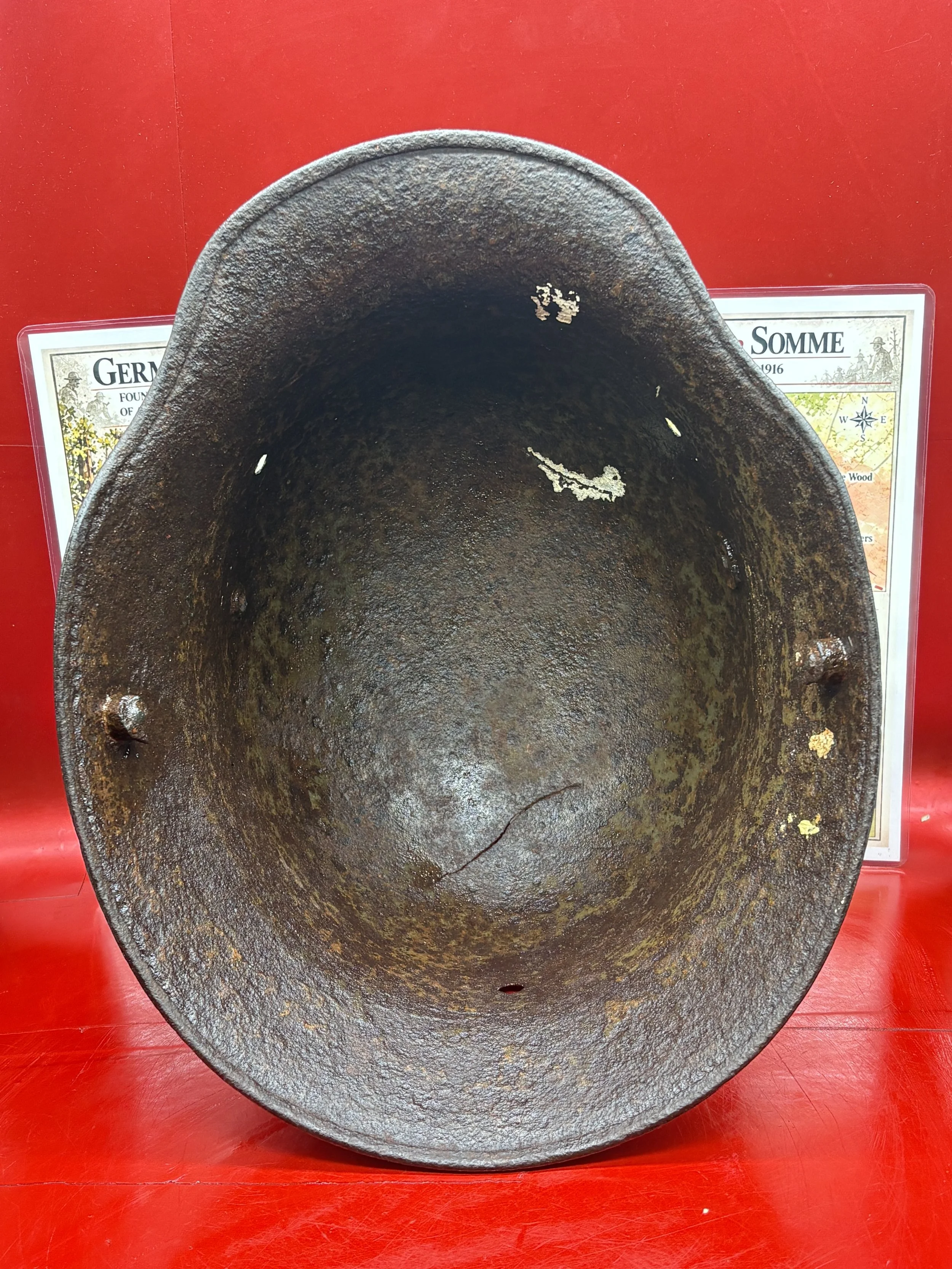 Image 6 of 12
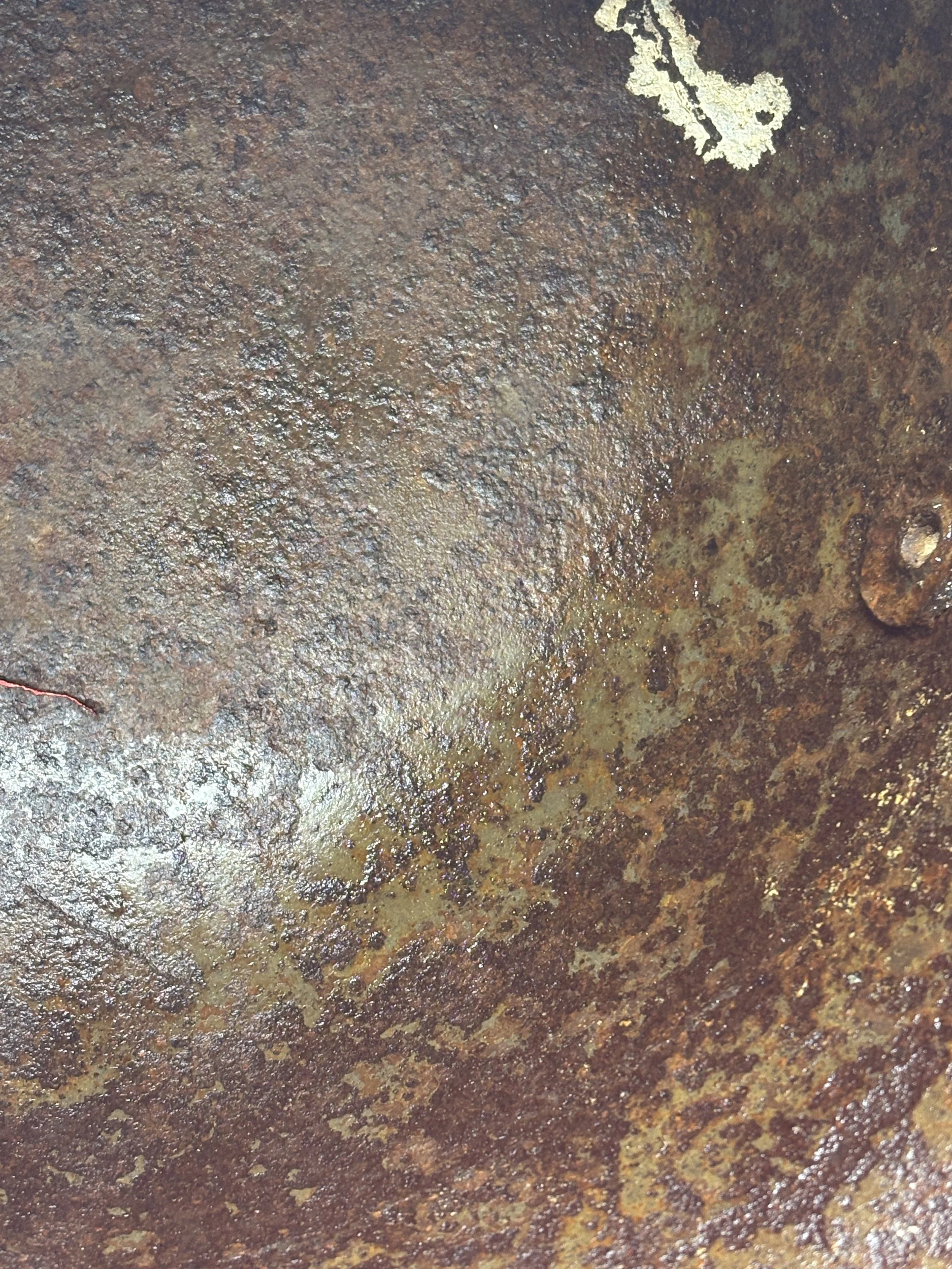 Image 7 of 12
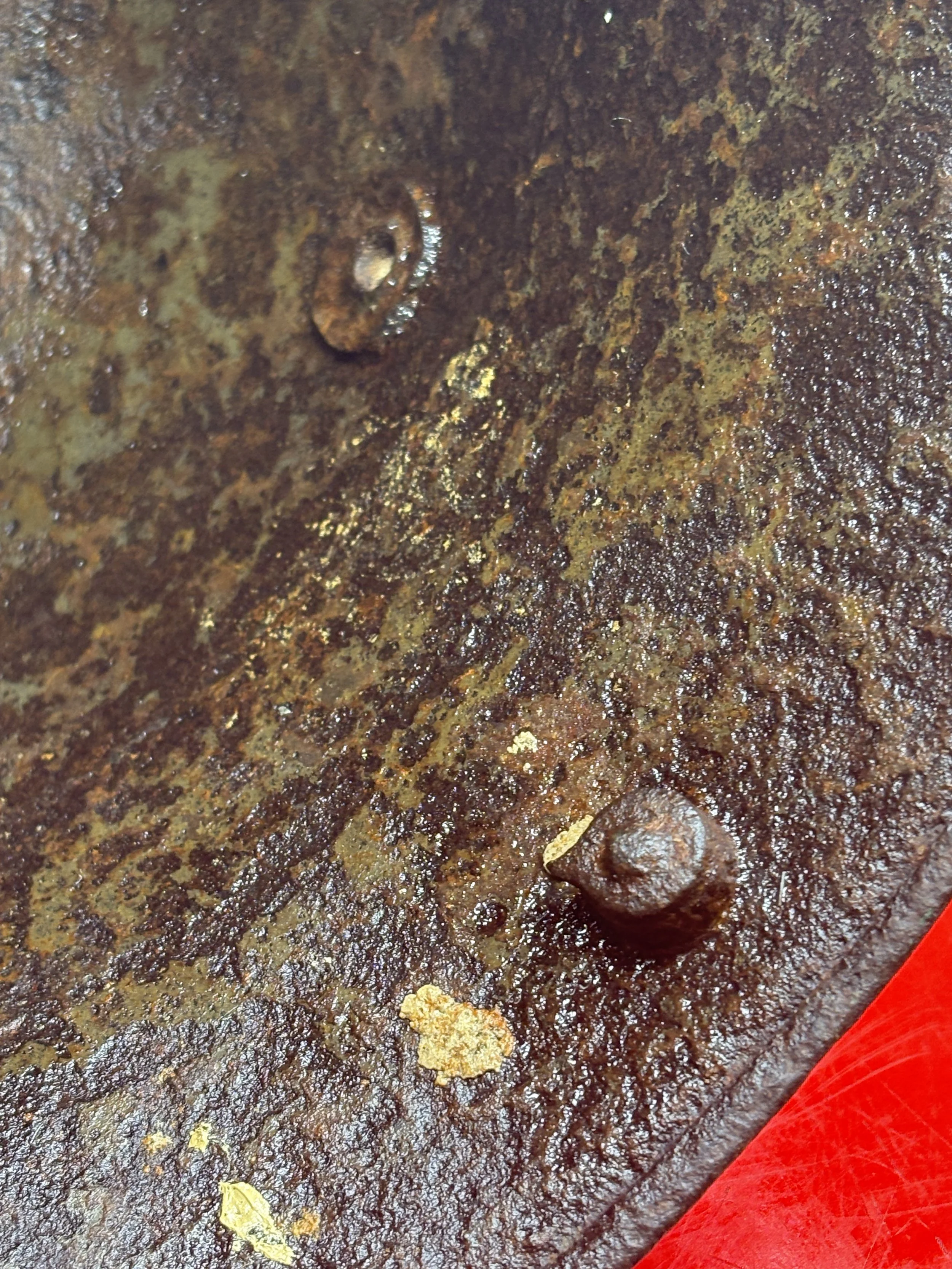 Image 8 of 12
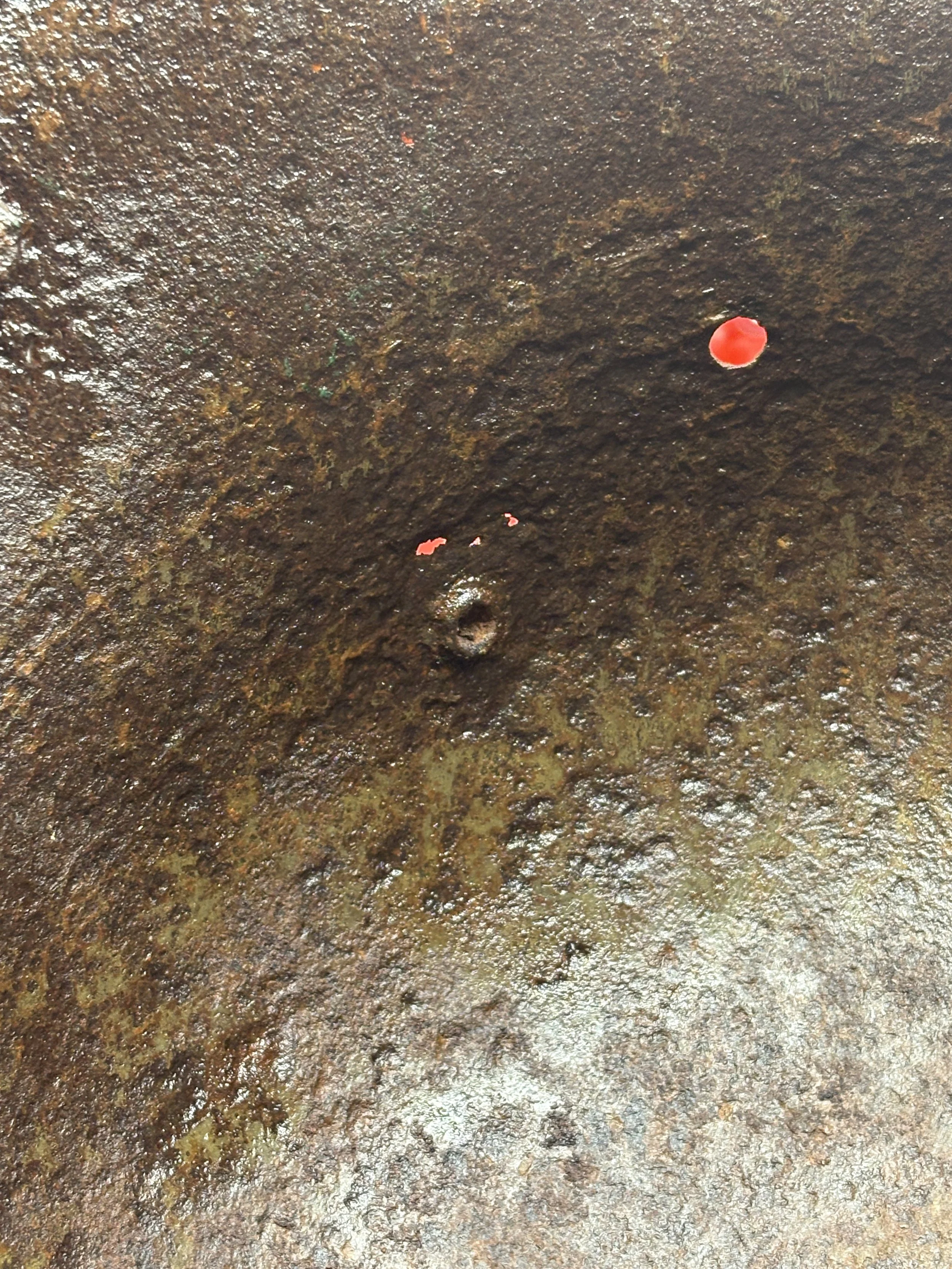 Image 9 of 12
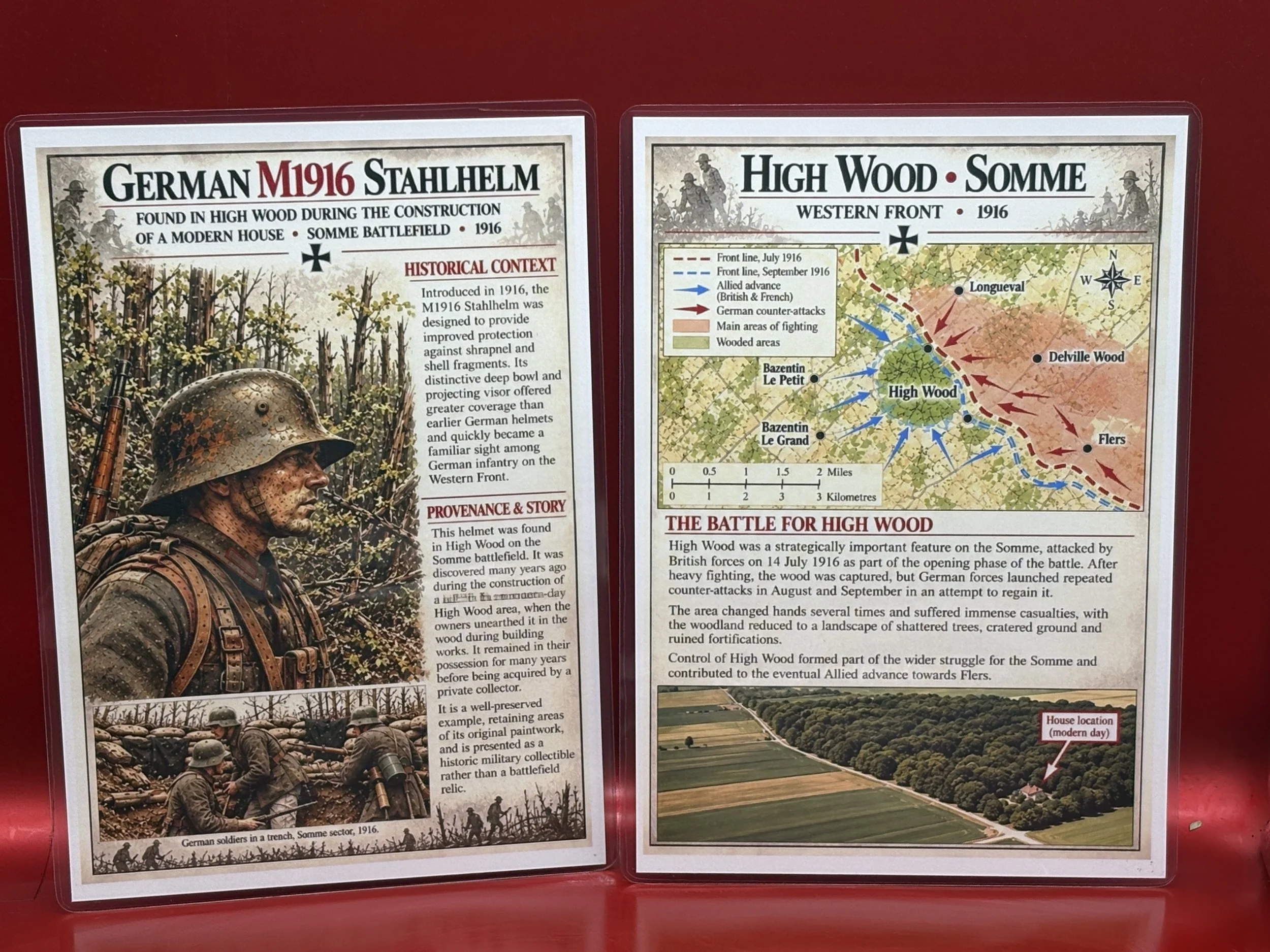 Image 10 of 12
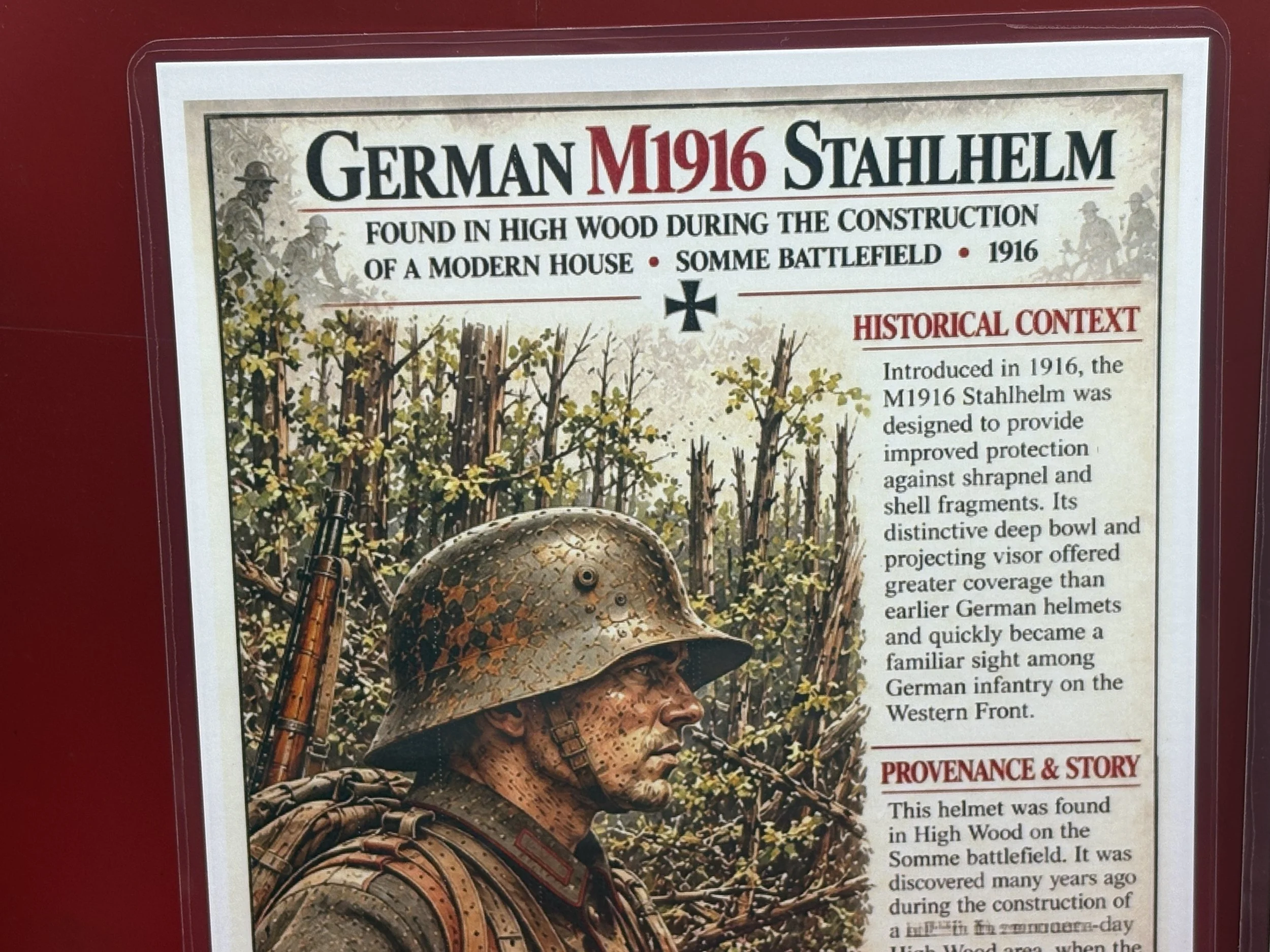 Image 11 of 12
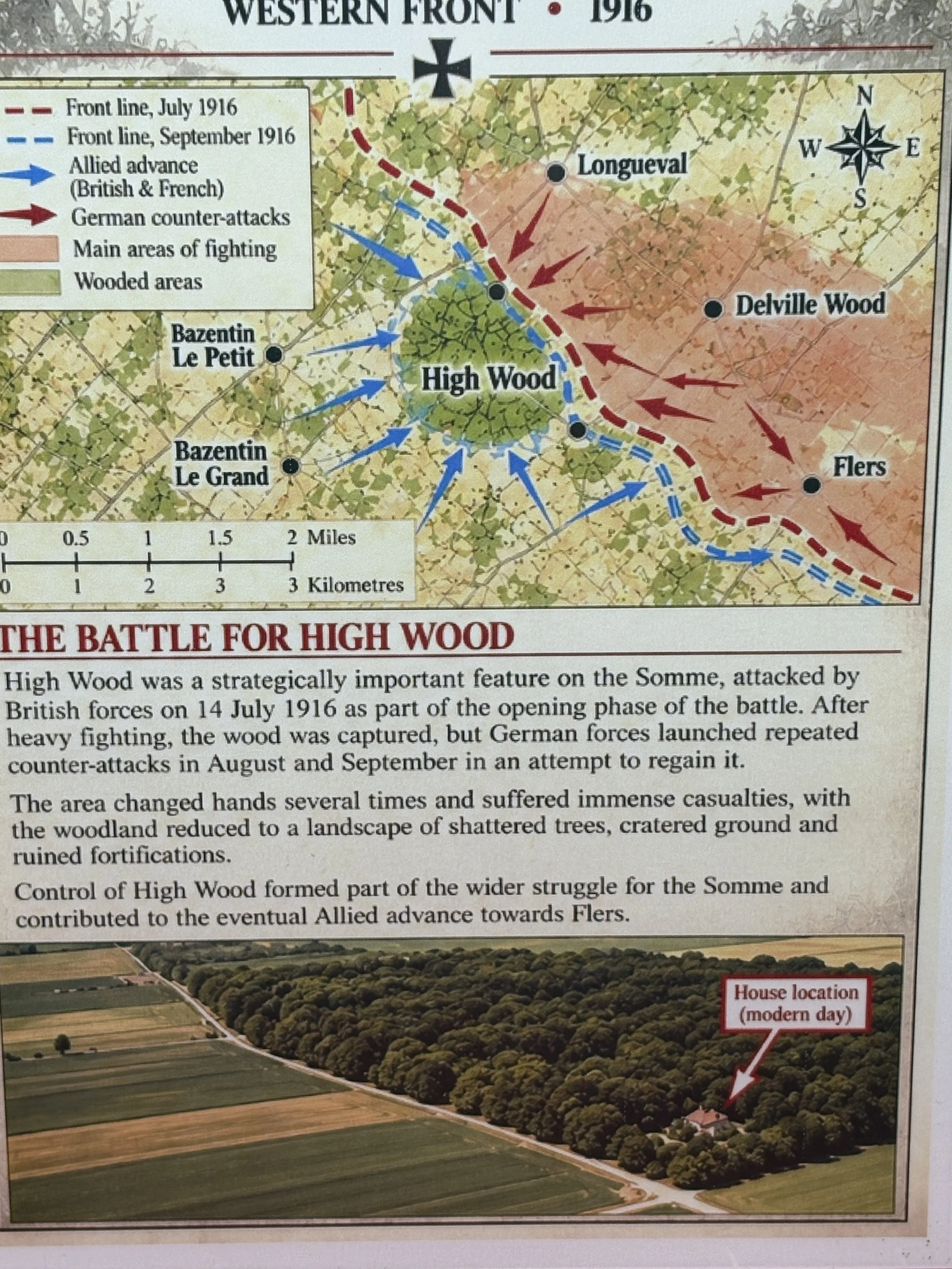 Image 12 of 12