This is a very rare Structural bracket/hull plate still with lots of original blue paintwork and red undercoat. The section has some weld remains at one end it is in relic but solid condition it does have some original colour left it is rusty but solid and has been very well cleaned up the part is 8 inches long by 4 inches wide and perfect for display or any collection. The section was recovered from American DD Sherman tank sunk off the Normandy coast on D-Day on 6th June 1944 it recovered in the 1970's by a Royal Navy Diver. This Item comes with A5 laminated information cards with many pictures also close up pictures of the part and diagrams.
This item along with many other items were recovered in the 1970’s-1980’s by Royal Naval diver Ron King who recovered these items from the sea bed in to his private collection where they have been ever since and are now available for the first time since there recovery. Photos below are of Ron in the Royal Navy taken in front of HMS Hampshire the county class destroyer he served on. Below British soldiers on the D-Day Beeches in June 1944.
During the Normandy landings on D-Day, June 6, 1944, a notable number of Sherman tanks, particularly the amphibious Duplex Drive (DD) variants, sank off the Normandy coast, especially at Omaha Beach. The DD Shermans were specially modified to “float” using a collapsible canvas flotation screen supported by metal hoops and inflated rubber tubes, supplemented with a twin-propeller system that allowed the tank to swim from Landing Craft, Tank (LCT) to the beaches. These tanks were intended to provide immediate armored support to infantry as they landed.
On Omaha Beach, 32 DD Shermans of the U.S. 741st Tank Battalion were launched in the early morning, but rough seas, strong currents, and the long launch distance—up to 2.9 nautical miles—led to catastrophic losses. Of these, 27 sank, and only two successfully reached the shore, while the remaining three were beached due to LCT ramp issues. The tanks sank at varying positions offshore, and modern hydrographic surveys between 2000 and 2019, using sonar and remotely operated vehicles (ROVs), have located many of these wrecks. At least seven confirmed wrecks were identified as Sherman DDs through analysis of their canvas skirt support structures and propeller attachments. The wrecks remain in poor condition, lying in water depths ranging from about 27 meters (88 feet) to deeper portions of the English Channel.
This is a very rare Structural bracket/hull plate still with lots of original blue paintwork and red undercoat. The section has some weld remains at one end it is in relic but solid condition it does have some original colour left it is rusty but solid and has been very well cleaned up the part is 8 inches long by 4 inches wide and perfect for display or any collection. The section was recovered from American DD Sherman tank sunk off the Normandy coast on D-Day on 6th June 1944 it recovered in the 1970's by a Royal Navy Diver. This Item comes with A5 laminated information cards with many pictures also close up pictures of the part and diagrams.
This item along with many other items were recovered in the 1970’s-1980’s by Royal Naval diver Ron King who recovered these items from the sea bed in to his private collection where they have been ever since and are now available for the first time since there recovery. Photos below are of Ron in the Royal Navy taken in front of HMS Hampshire the county class destroyer he served on. Below British soldiers on the D-Day Beeches in June 1944.
During the Normandy landings on D-Day, June 6, 1944, a notable number of Sherman tanks, particularly the amphibious Duplex Drive (DD) variants, sank off the Normandy coast, especially at Omaha Beach. The DD Shermans were specially modified to “float” using a collapsible canvas flotation screen supported by metal hoops and inflated rubber tubes, supplemented with a twin-propeller system that allowed the tank to swim from Landing Craft, Tank (LCT) to the beaches. These tanks were intended to provide immediate armored support to infantry as they landed.
On Omaha Beach, 32 DD Shermans of the U.S. 741st Tank Battalion were launched in the early morning, but rough seas, strong currents, and the long launch distance—up to 2.9 nautical miles—led to catastrophic losses. Of these, 27 sank, and only two successfully reached the shore, while the remaining three were beached due to LCT ramp issues. The tanks sank at varying positions offshore, and modern hydrographic surveys between 2000 and 2019, using sonar and remotely operated vehicles (ROVs), have located many of these wrecks. At least seven confirmed wrecks were identified as Sherman DDs through analysis of their canvas skirt support structures and propeller attachments. The wrecks remain in poor condition, lying in water depths ranging from about 27 meters (88 feet) to deeper portions of the English Channel.

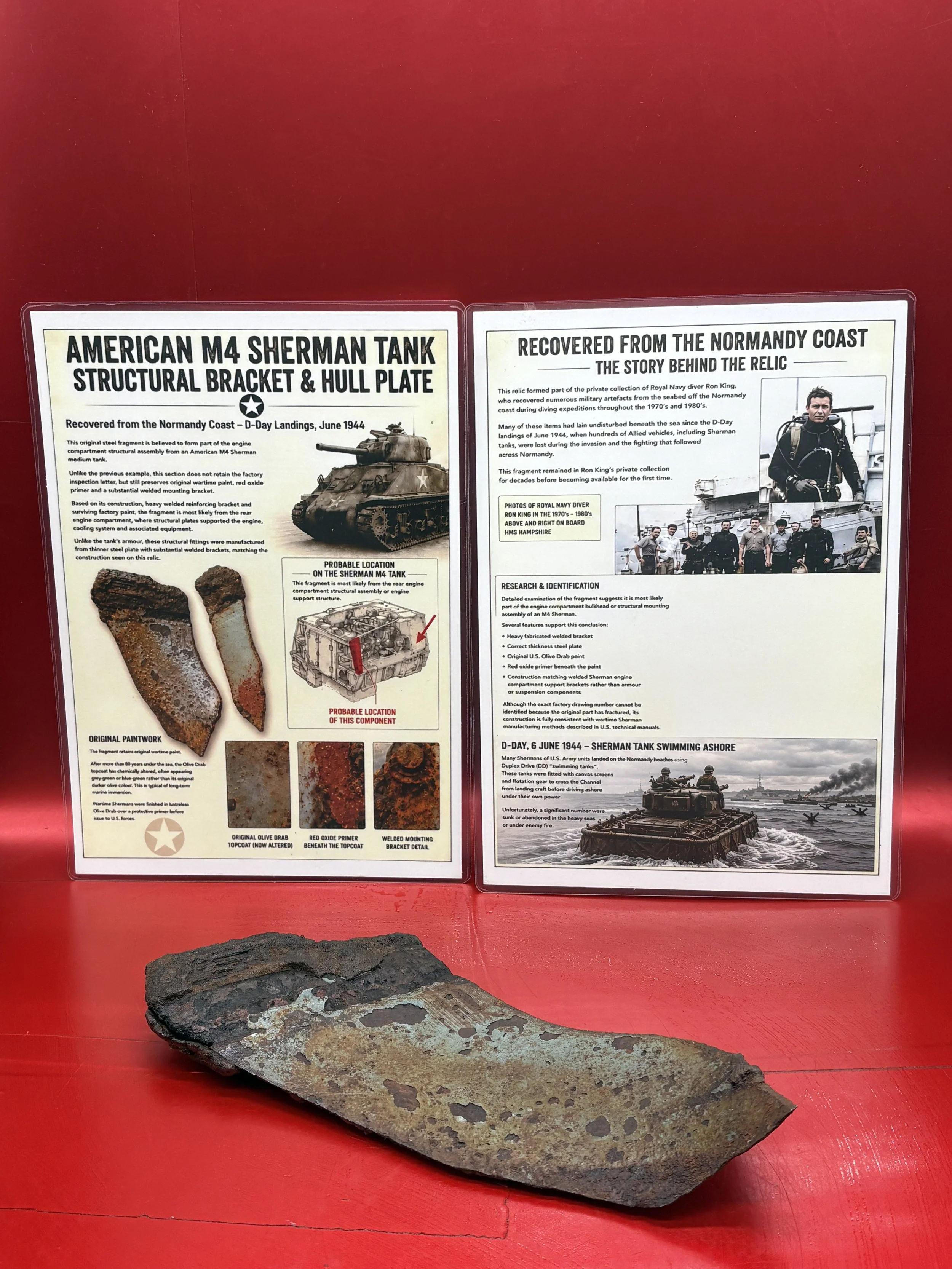 Image 1 of 10
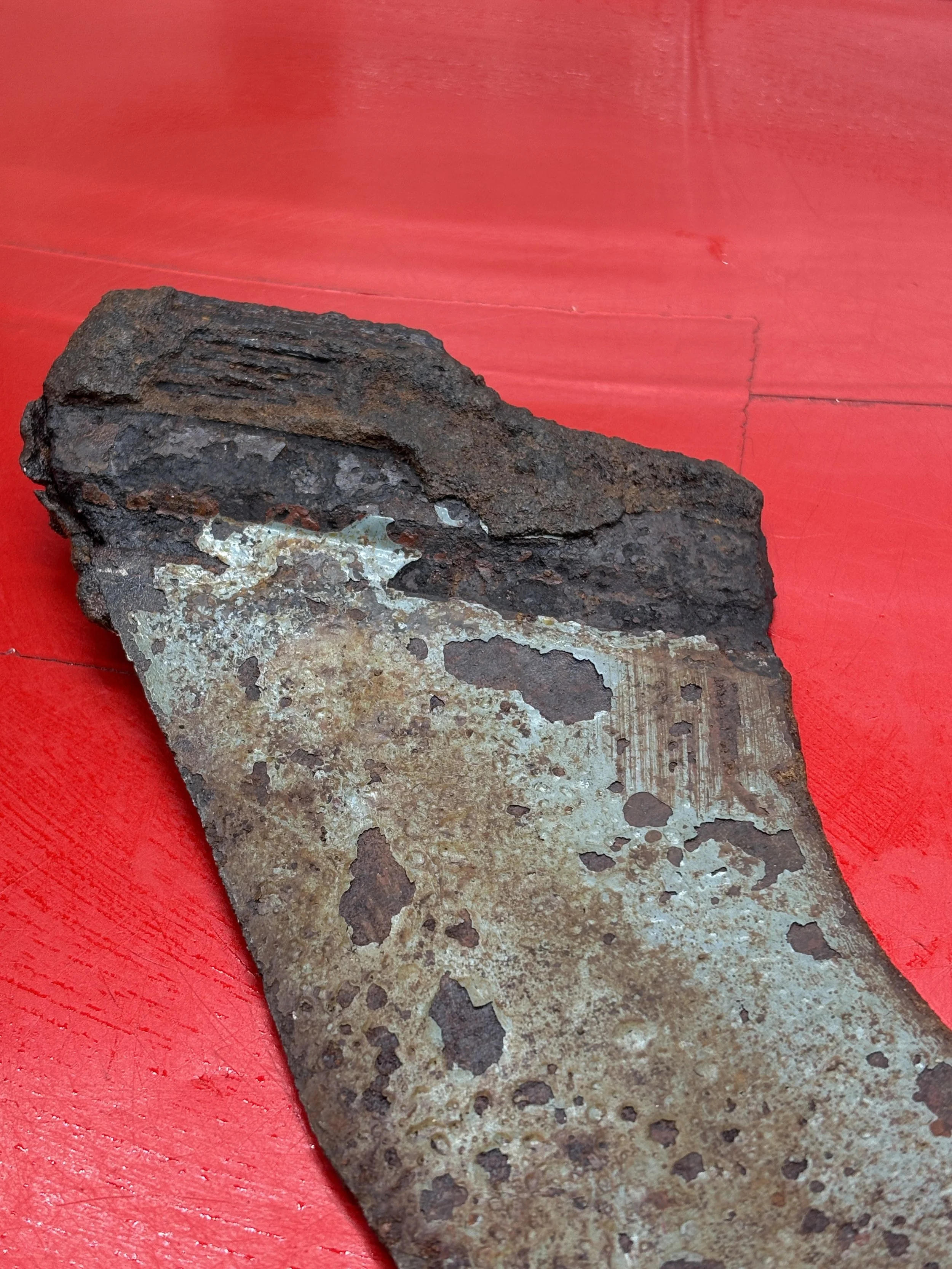 Image 2 of 10
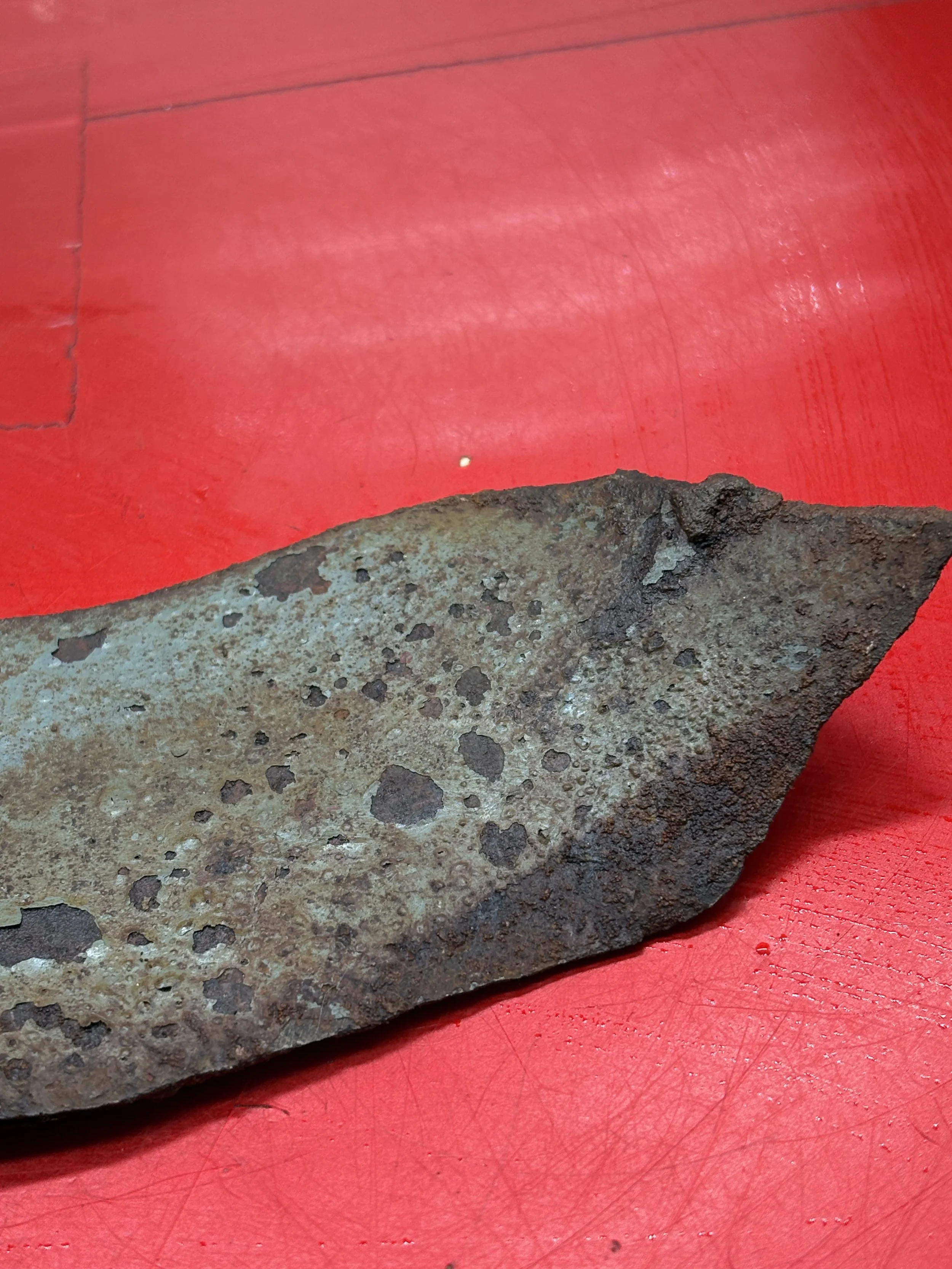 Image 3 of 10
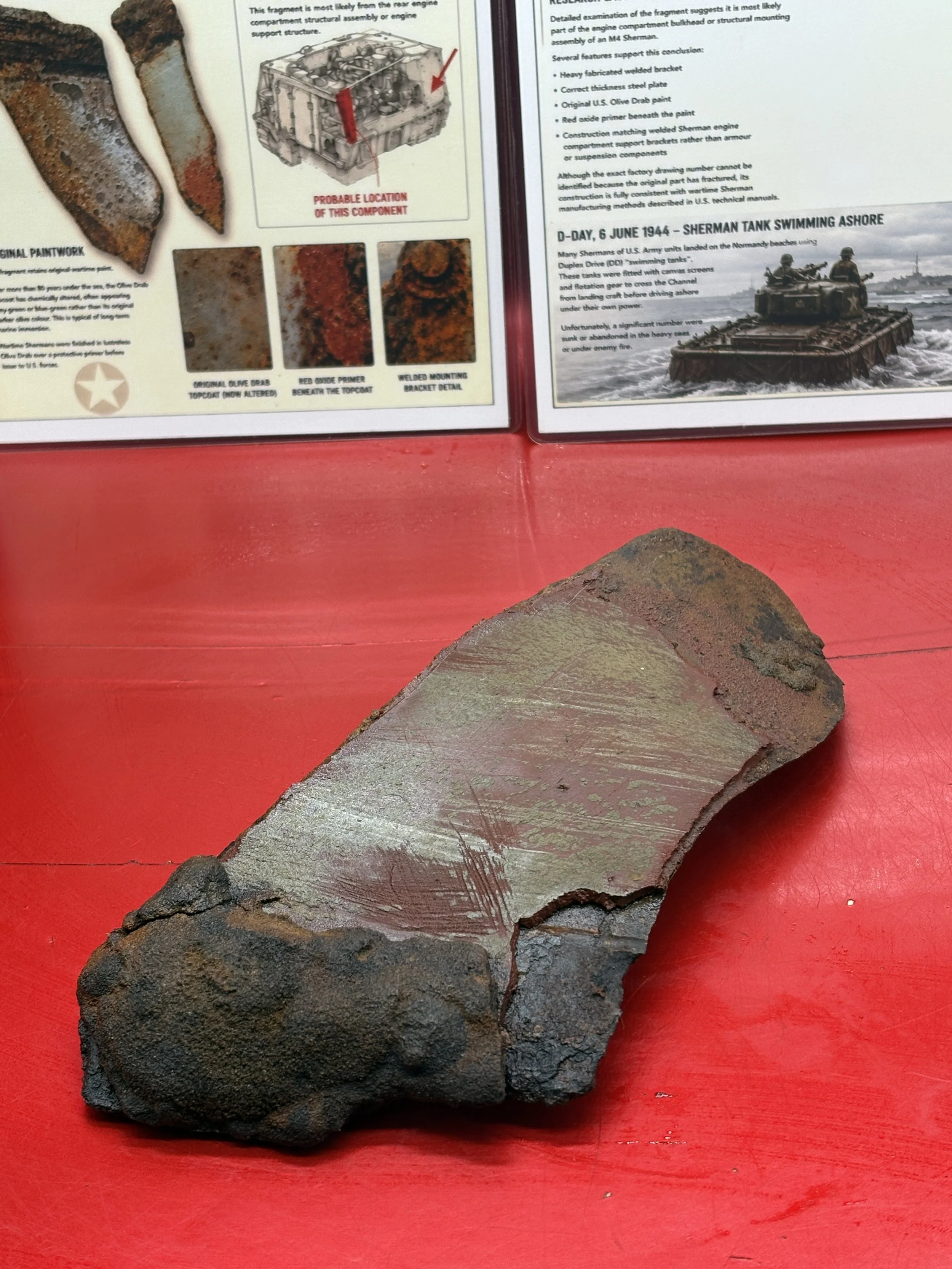 Image 4 of 10
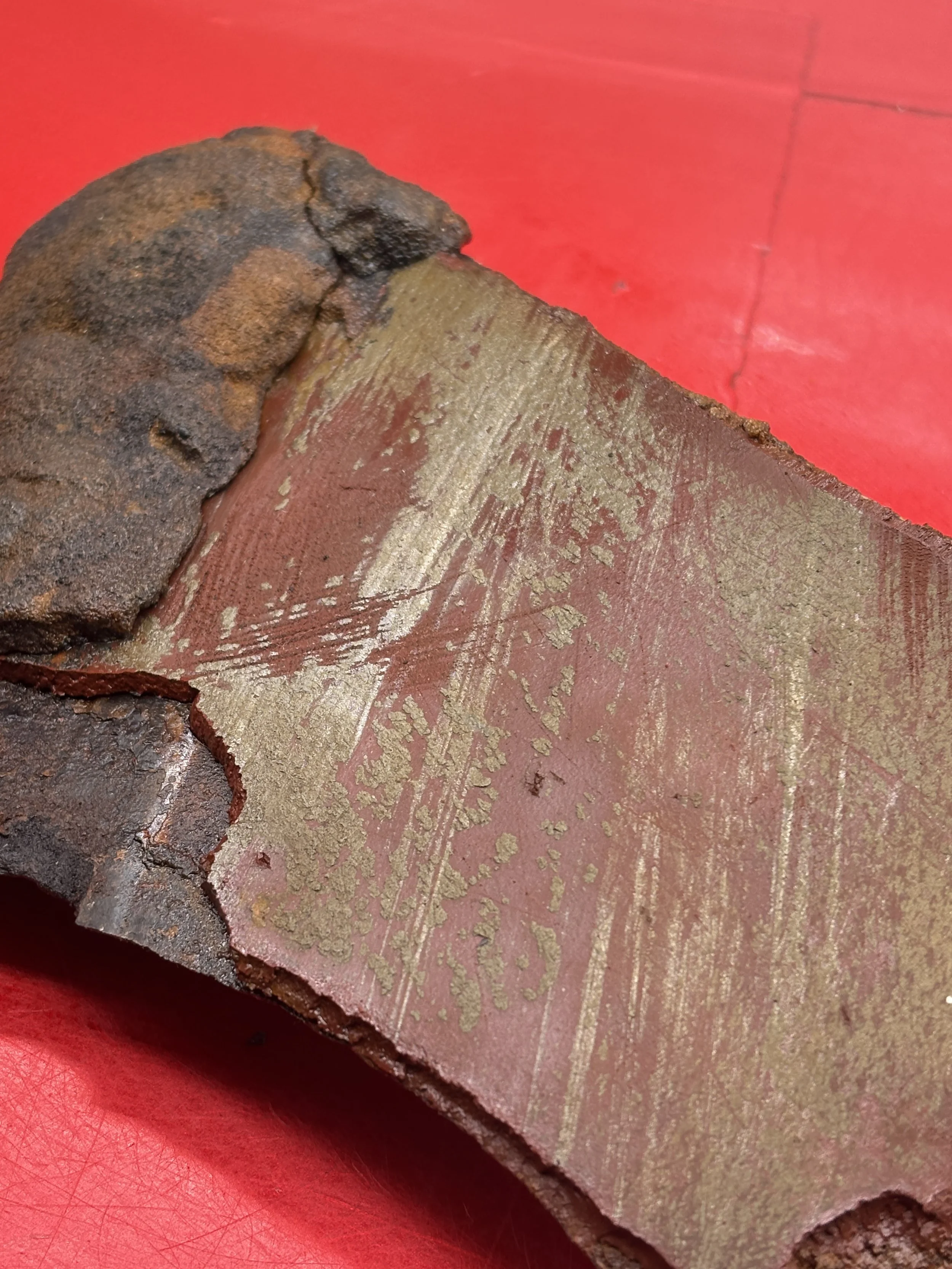 Image 5 of 10
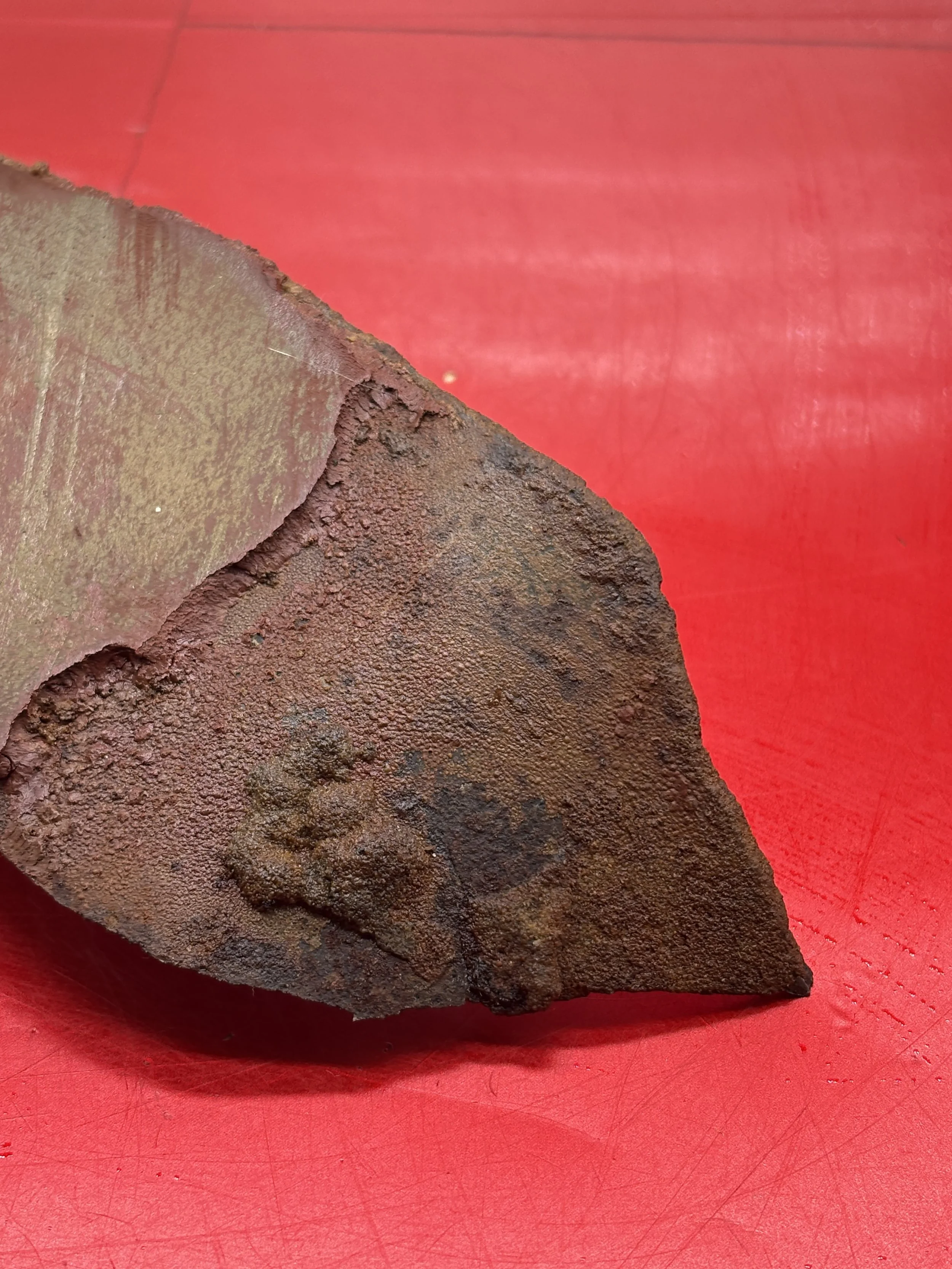 Image 6 of 10
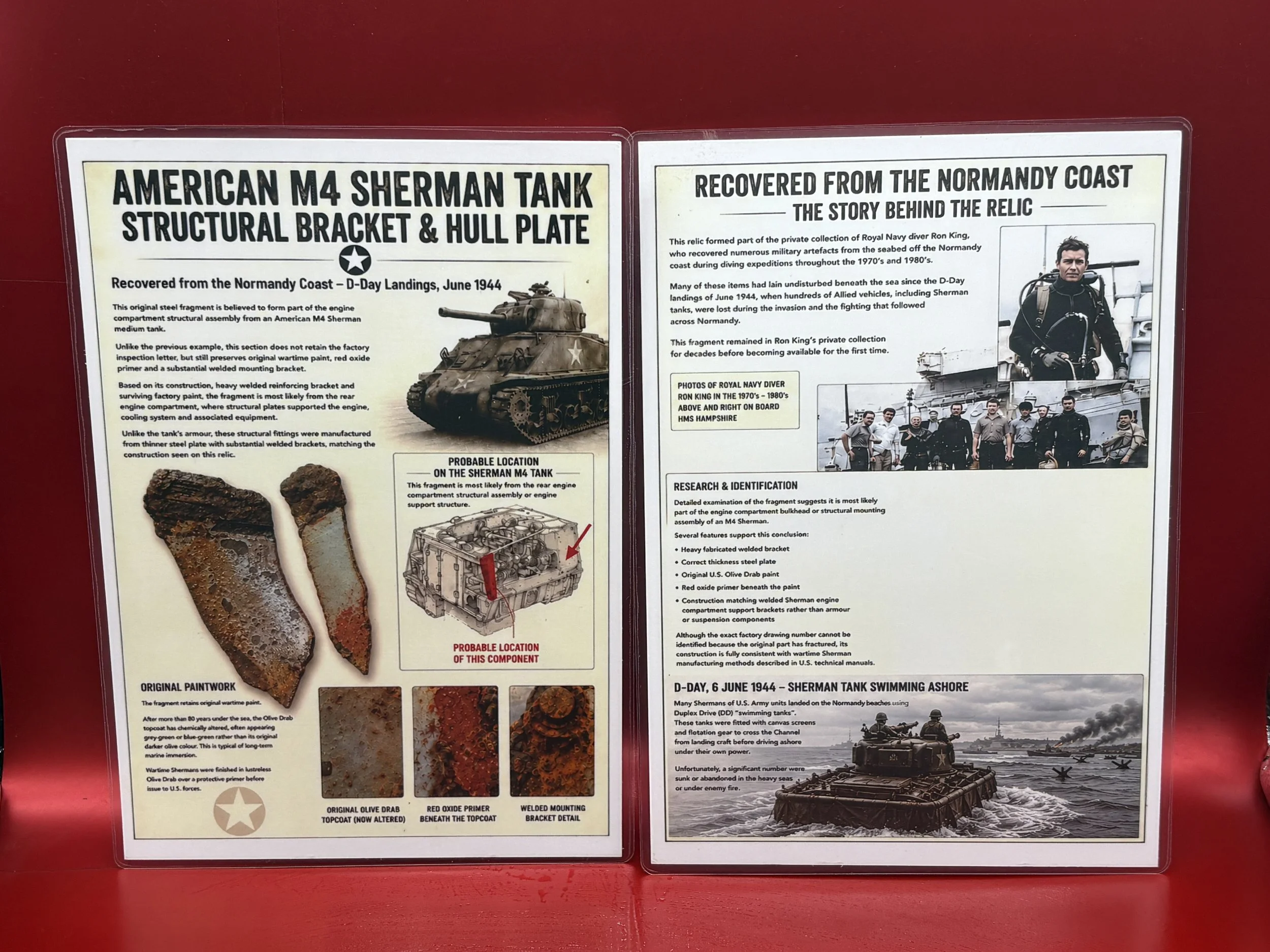 Image 7 of 10
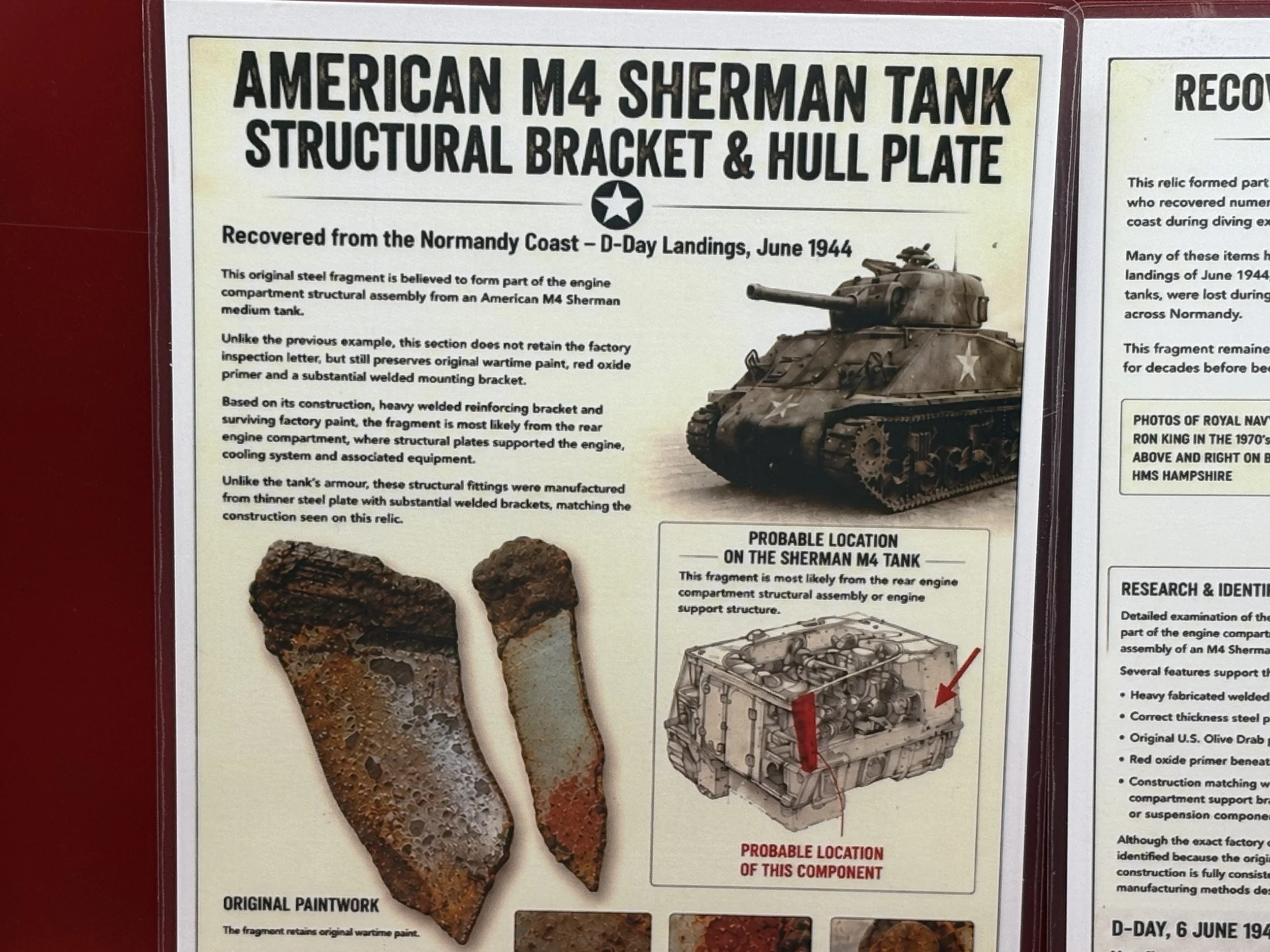 Image 8 of 10
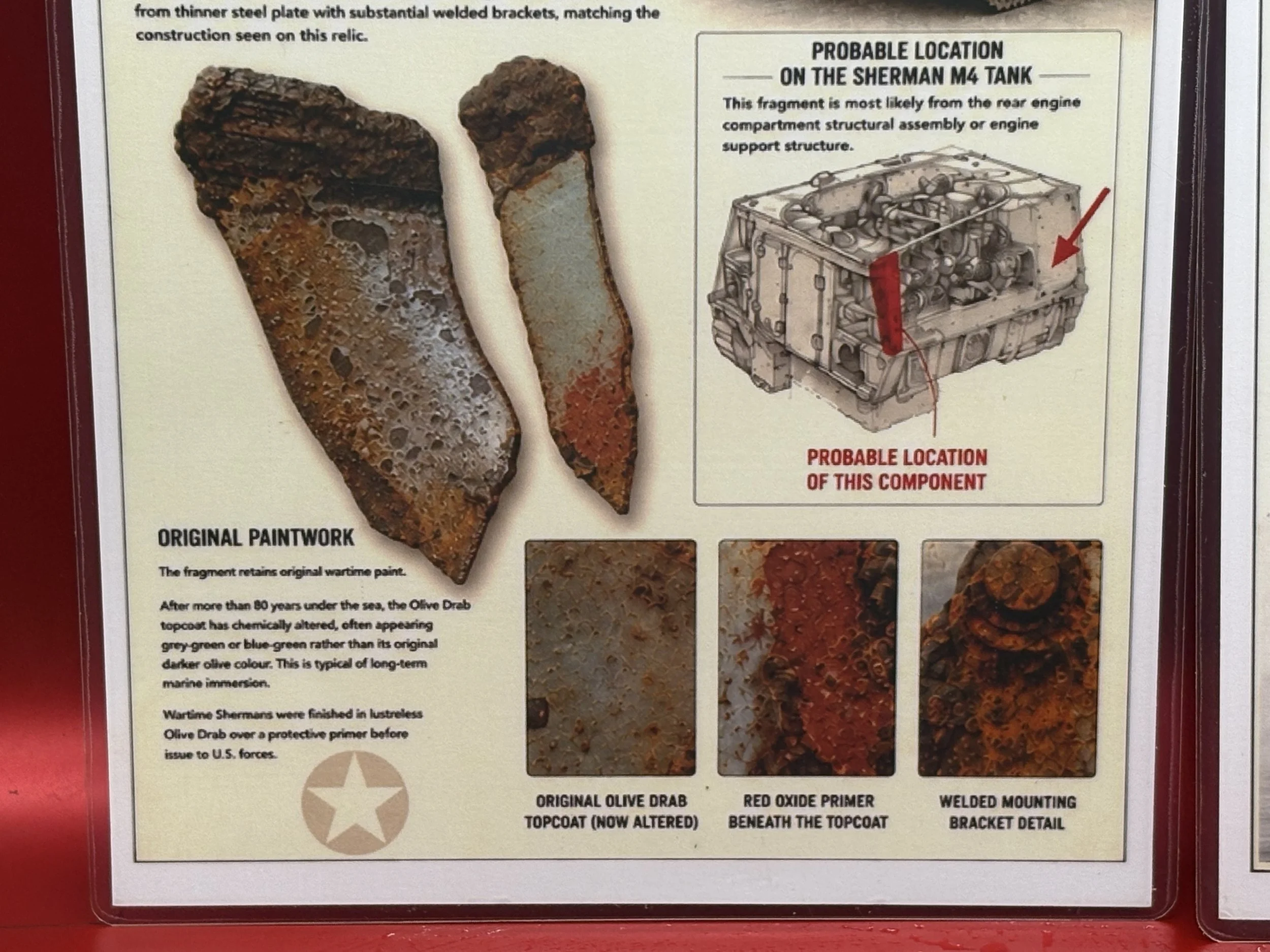 Image 9 of 10
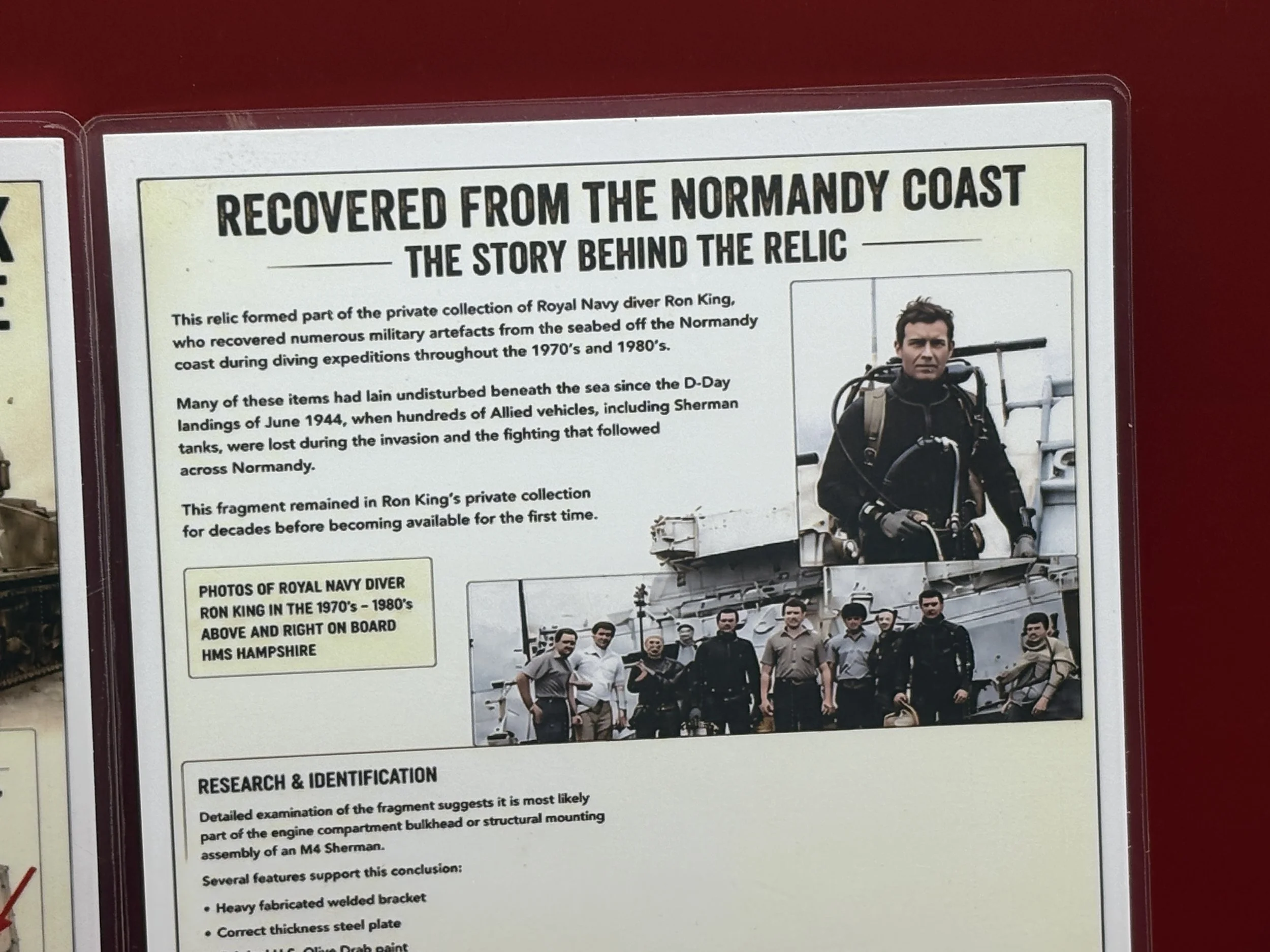 Image 10 of 10