Sale Price:
£80.00
Original Price:
£120.00
This is a very nice, rare battlefield relic: a German sawback “butcher” bayonet dating from the 1898–1905 pattern. This example is believed to be a field-made piece, modified or produced by a soldier themselves.
The bayonet is largely complete, with the exception of its missing wooden grip scales. A maker’s mark is still clearly visible on the handle. It retains much of its original finish, showing only light surface rust, and remains in solid relic condition. The blade shows more wear than the handle but has been carefully cleaned. Overall, it presents very well and would make an excellent display piece or a valuable addition to any collection, particularly given the rarity of these German sawback bayonets today.
This item was recovered in 2011 from the area of Regina Trench near Courcelette. At the time, this position was held by German forces of the Marine Infantry Brigade and was attacked by the 2nd Canadian Division in October 1916 during the Allied advance on the Somme battlefield. The bayonet comes with two A5 laminated information cards, including a map of the area.
Regina Trench (Staufen Riegel) was a major German defensive position, dug along the north-facing slope of a ridge running from northwest of Le Sars to Stuff Redoubt (Staufenfeste), near the fortifications at Thiepval on the Somme battlefield. It was the longest trench on the German front during the First World War. Early attacks on 8 October by the 1st and 3rd Canadian Divisions were unsuccessful. However, on 21 October, the 4th Canadian Division captured the western section of Regina Trench with relatively little resistance, while British II Corps divisions simultaneously took nearby Stuff Trench in a rapid assault, securing control of the Thiepval Ridge. Several German counterattacks were repelled, and by 22 October over a thousand German prisoners had been taken. The eastern end of the trench was finally secured by the 4th Canadian Division during the night of 10–11 November.
This is a very nice, rare battlefield relic: a German sawback “butcher” bayonet dating from the 1898–1905 pattern. This example is believed to be a field-made piece, modified or produced by a soldier themselves.
The bayonet is largely complete, with the exception of its missing wooden grip scales. A maker’s mark is still clearly visible on the handle. It retains much of its original finish, showing only light surface rust, and remains in solid relic condition. The blade shows more wear than the handle but has been carefully cleaned. Overall, it presents very well and would make an excellent display piece or a valuable addition to any collection, particularly given the rarity of these German sawback bayonets today.
This item was recovered in 2011 from the area of Regina Trench near Courcelette. At the time, this position was held by German forces of the Marine Infantry Brigade and was attacked by the 2nd Canadian Division in October 1916 during the Allied advance on the Somme battlefield. The bayonet comes with two A5 laminated information cards, including a map of the area.
Regina Trench (Staufen Riegel) was a major German defensive position, dug along the north-facing slope of a ridge running from northwest of Le Sars to Stuff Redoubt (Staufenfeste), near the fortifications at Thiepval on the Somme battlefield. It was the longest trench on the German front during the First World War. Early attacks on 8 October by the 1st and 3rd Canadian Divisions were unsuccessful. However, on 21 October, the 4th Canadian Division captured the western section of Regina Trench with relatively little resistance, while British II Corps divisions simultaneously took nearby Stuff Trench in a rapid assault, securing control of the Thiepval Ridge. Several German counterattacks were repelled, and by 22 October over a thousand German prisoners had been taken. The eastern end of the trench was finally secured by the 4th Canadian Division during the night of 10–11 November.

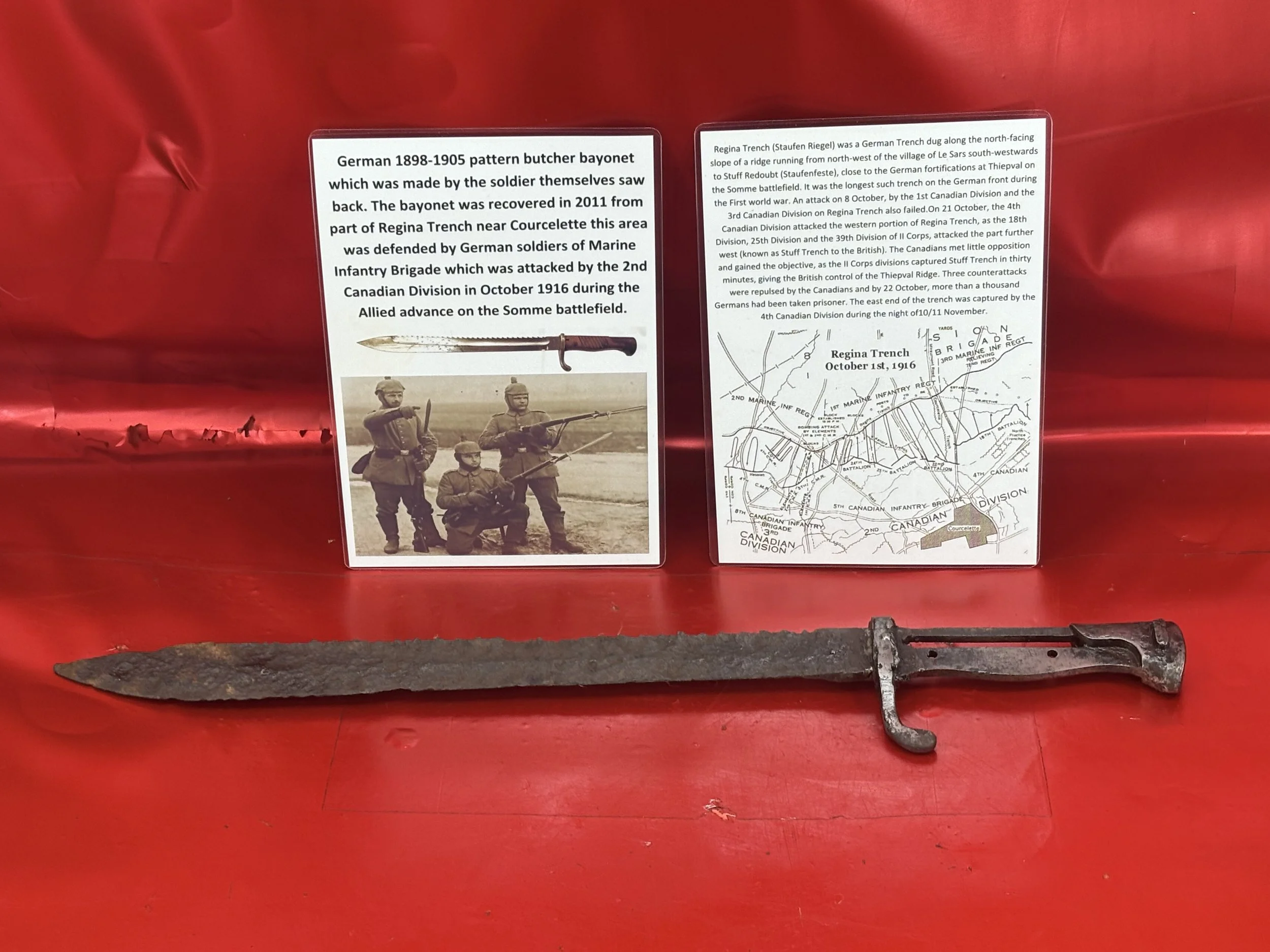 Image 1 of 12
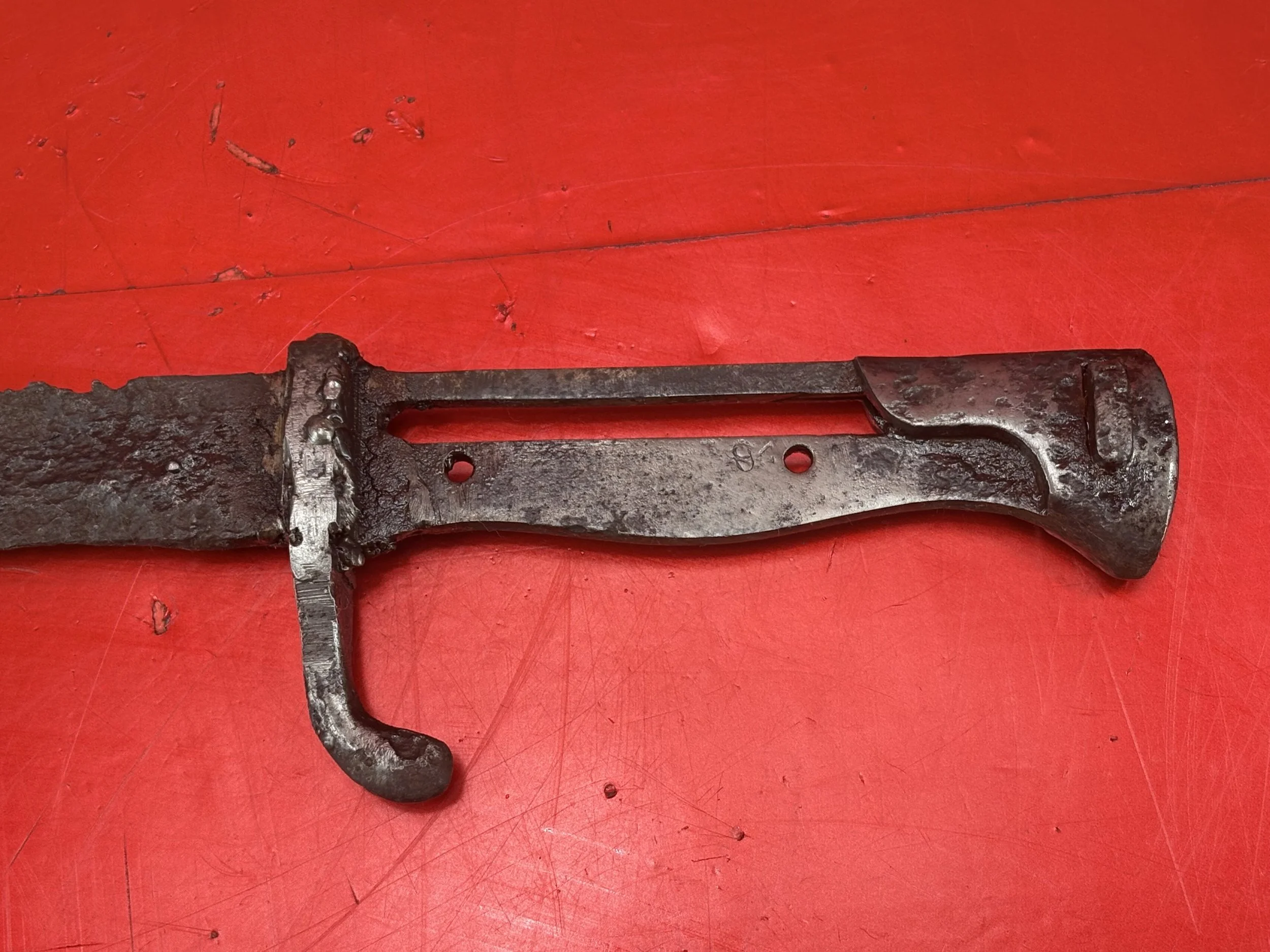 Image 2 of 12
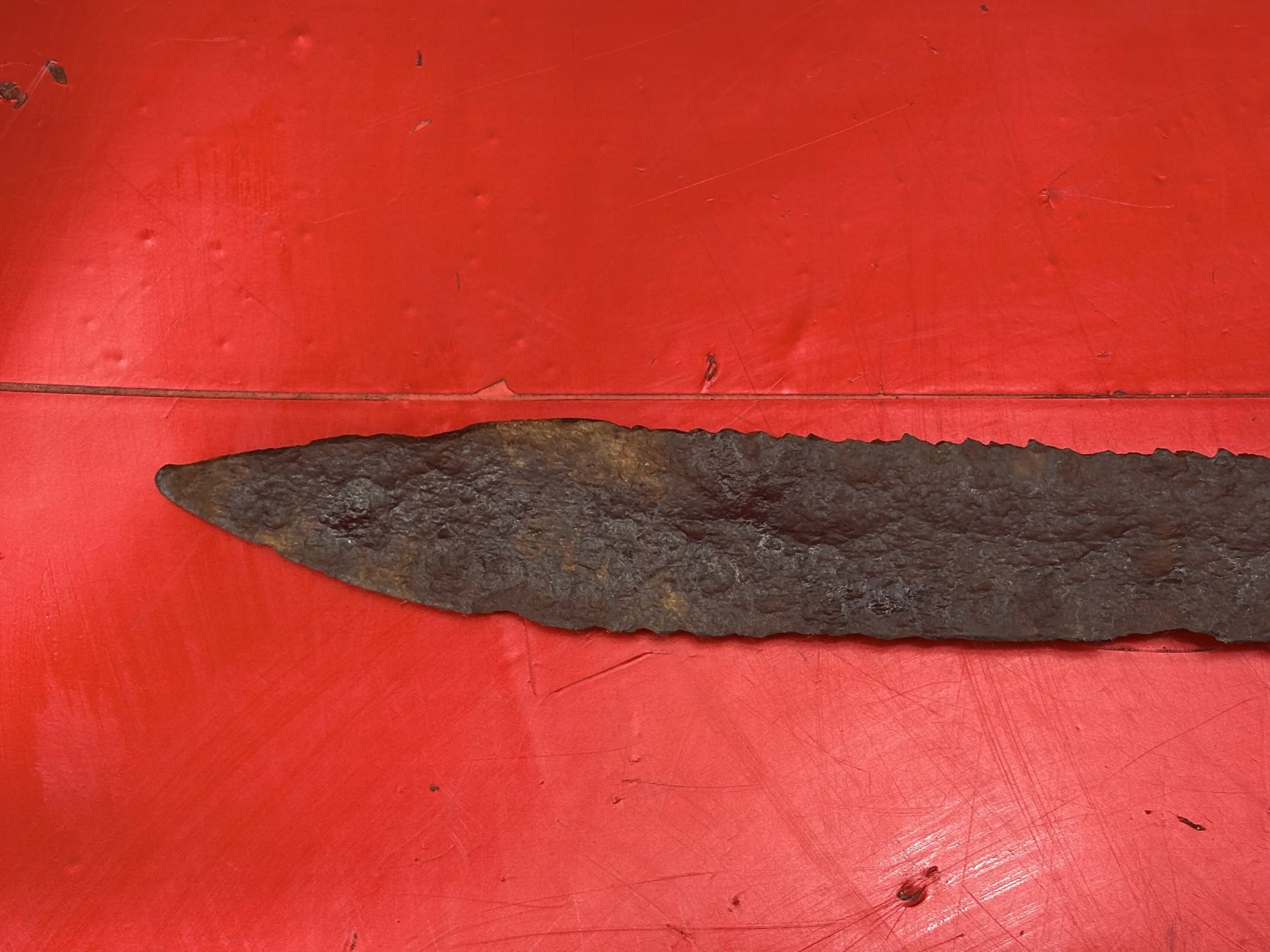 Image 3 of 12
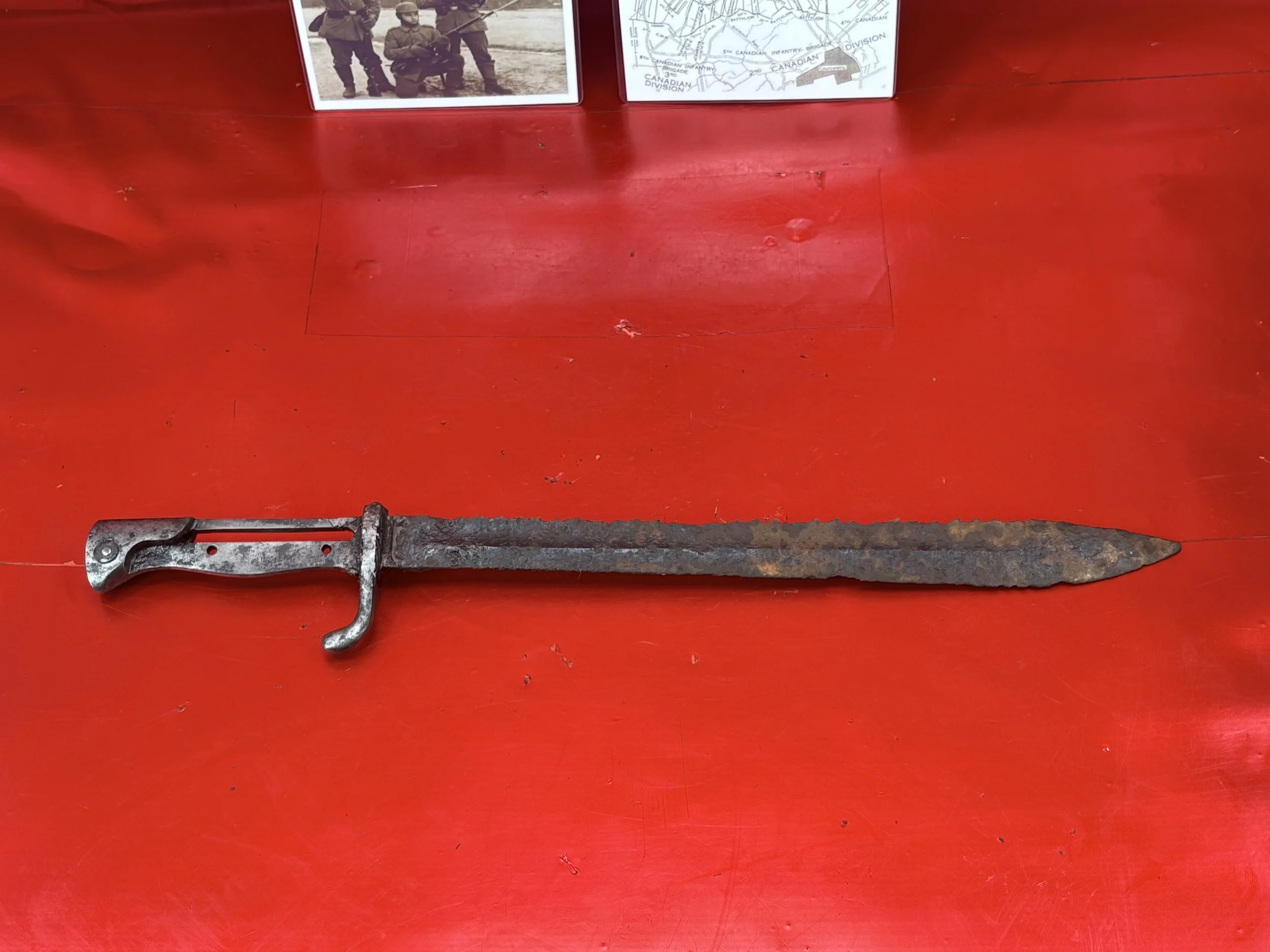 Image 4 of 12
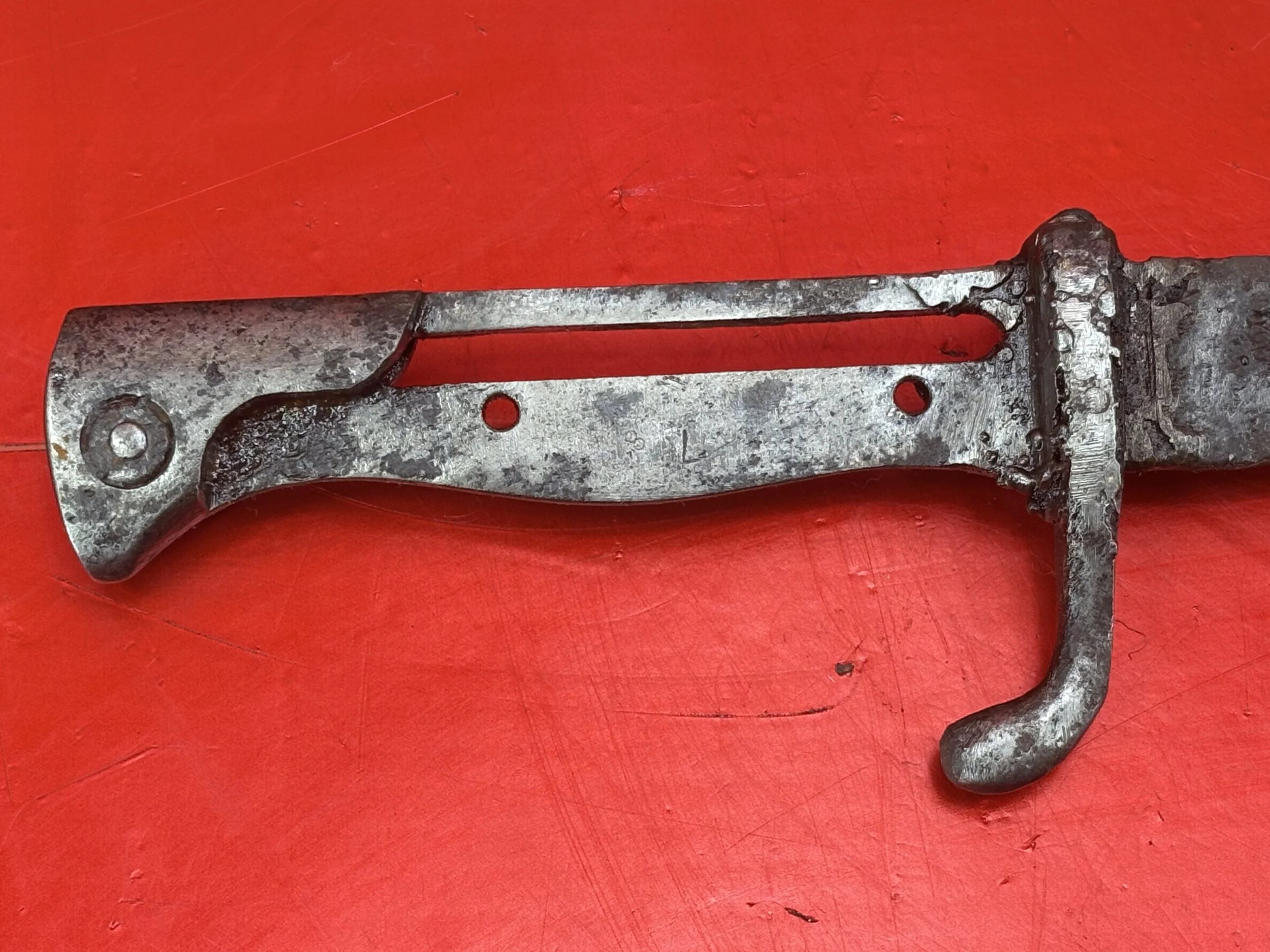 Image 5 of 12
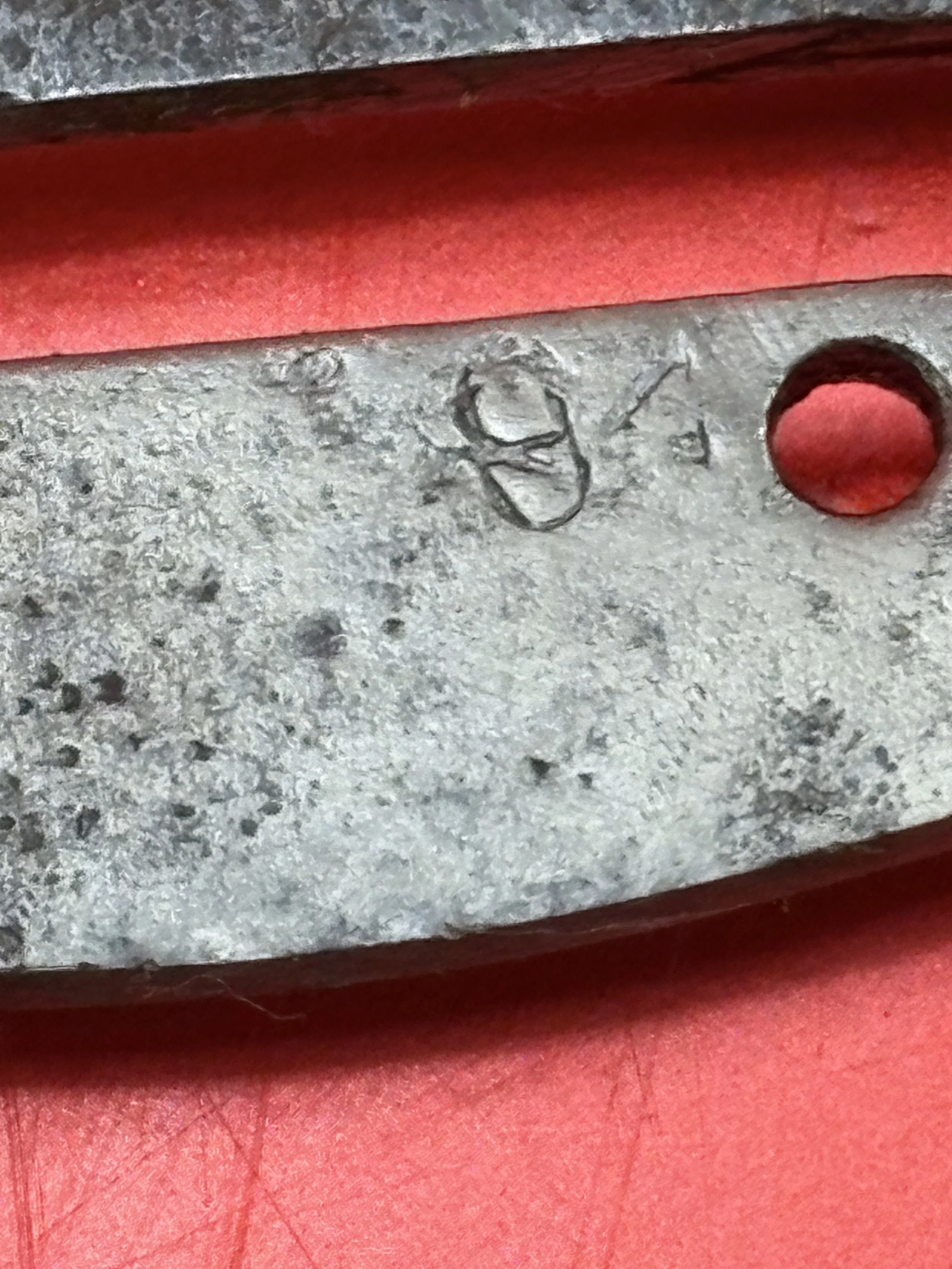 Image 6 of 12
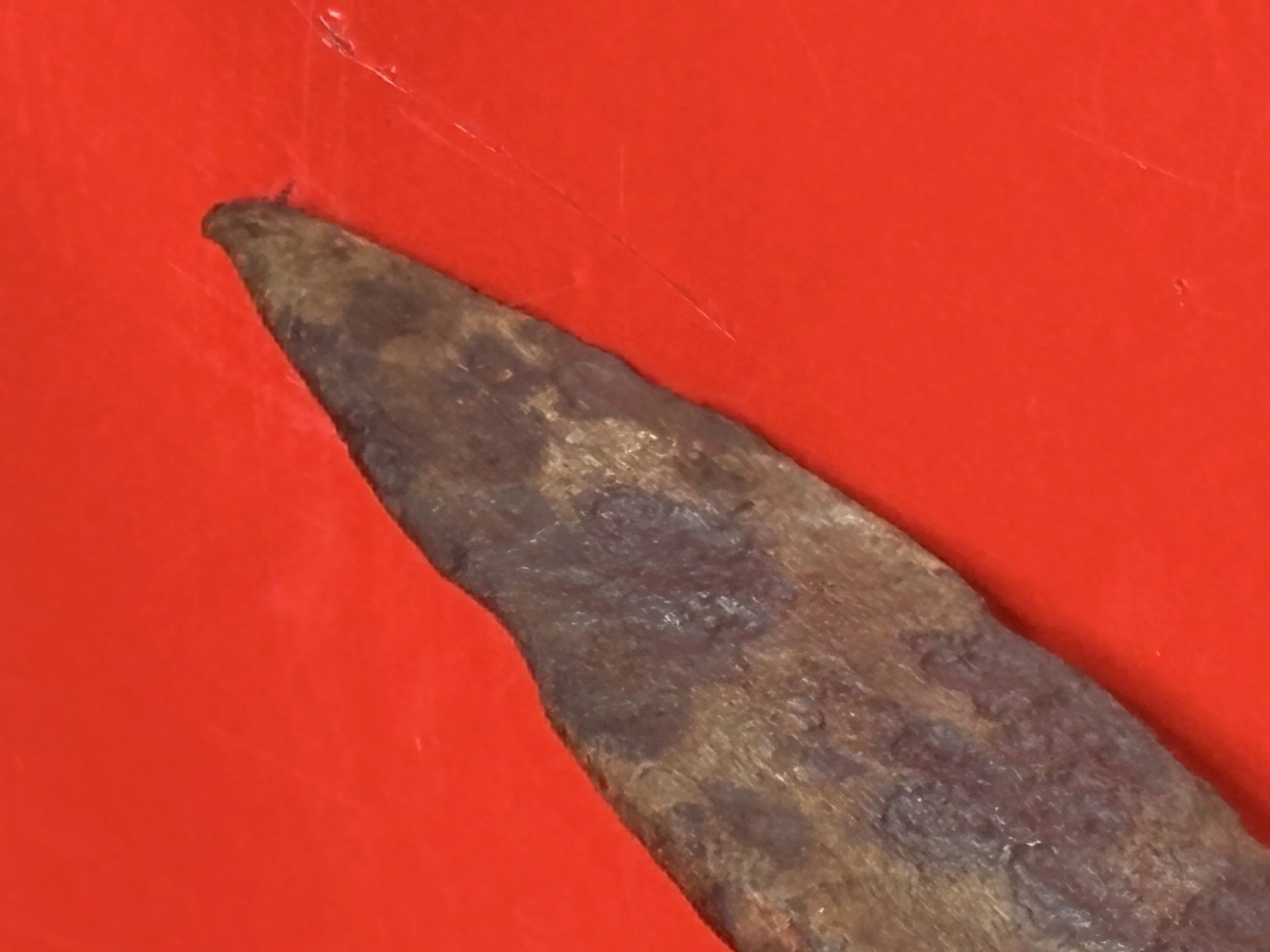 Image 7 of 12
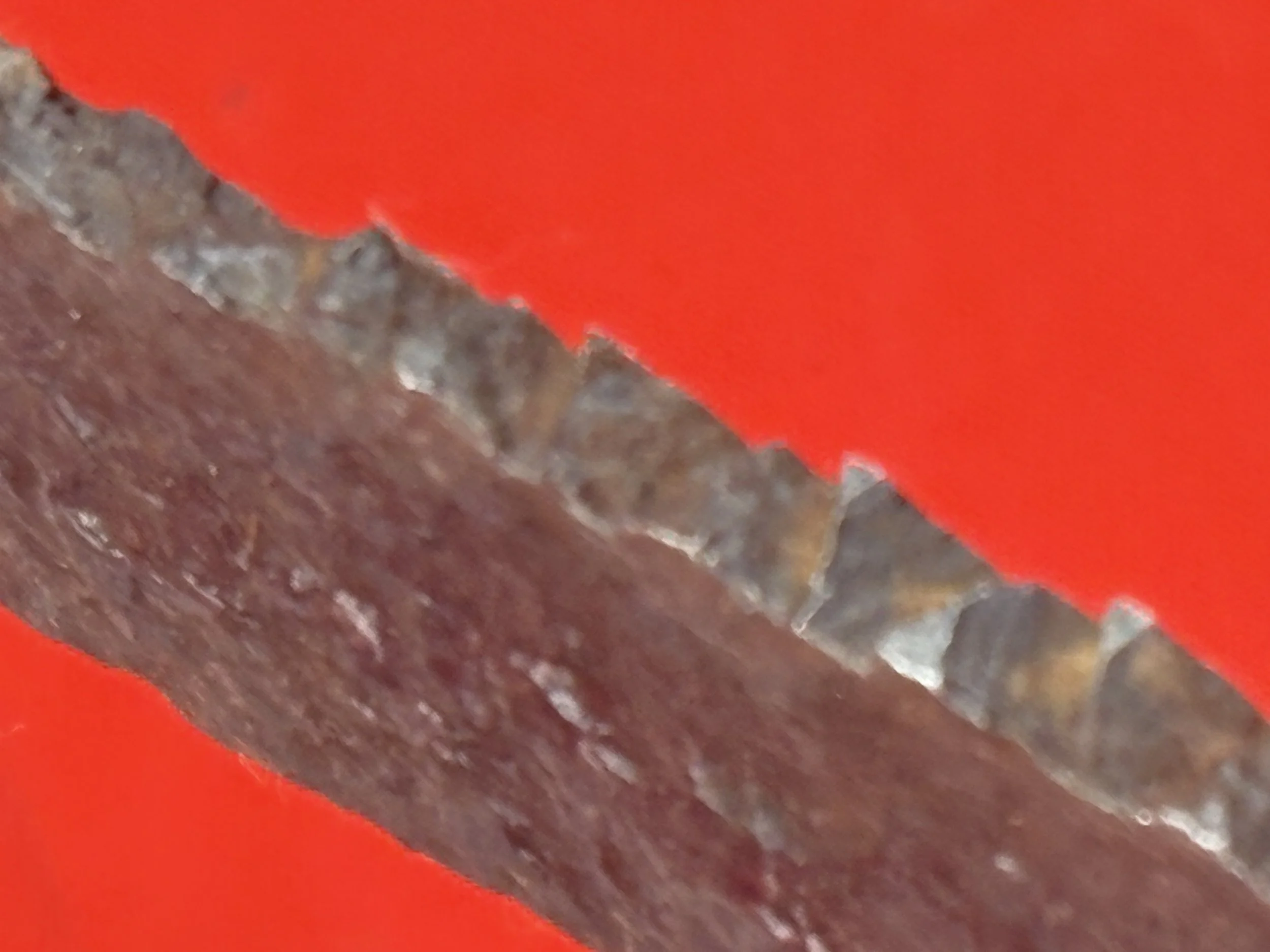 Image 8 of 12
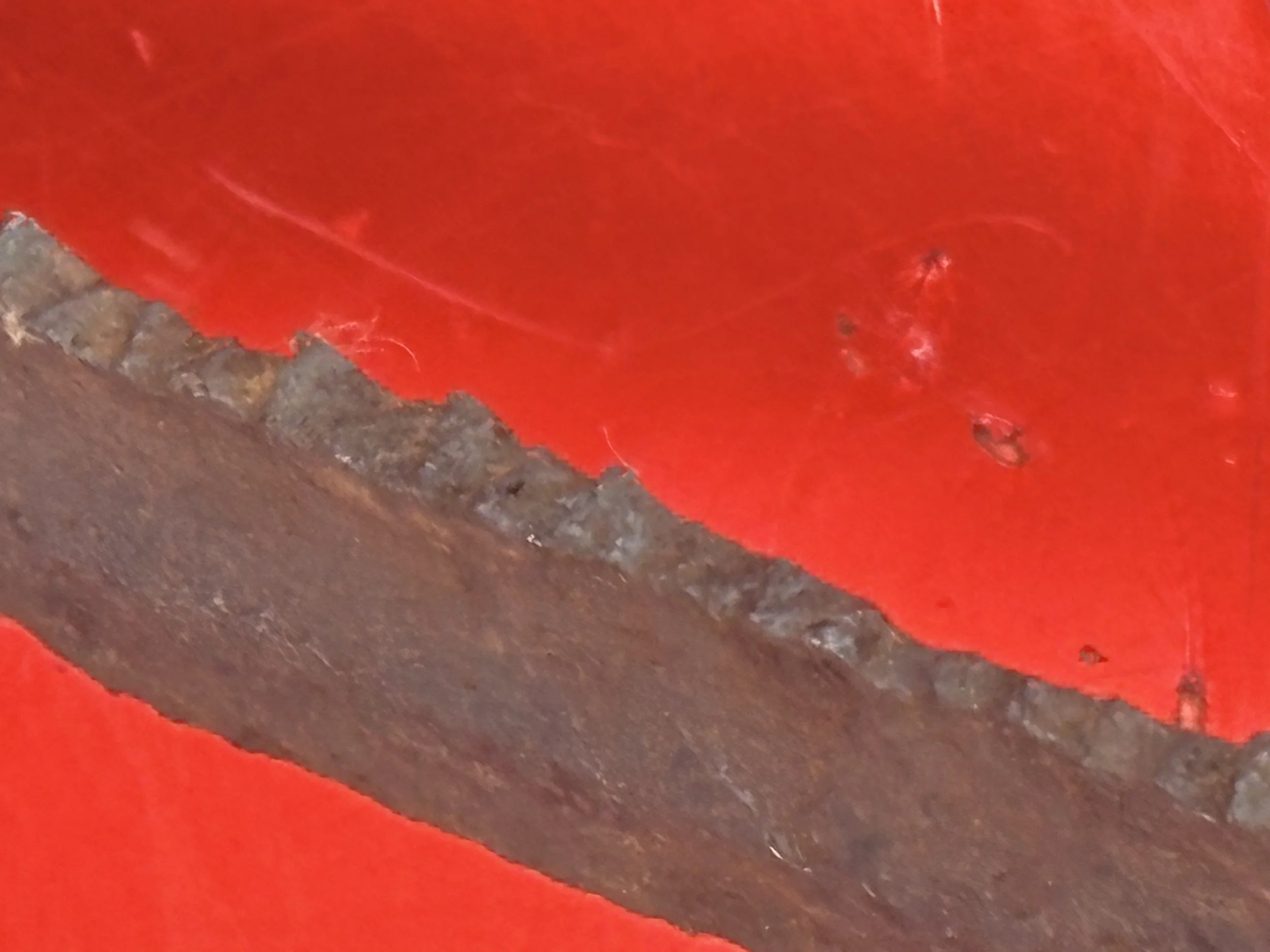 Image 9 of 12
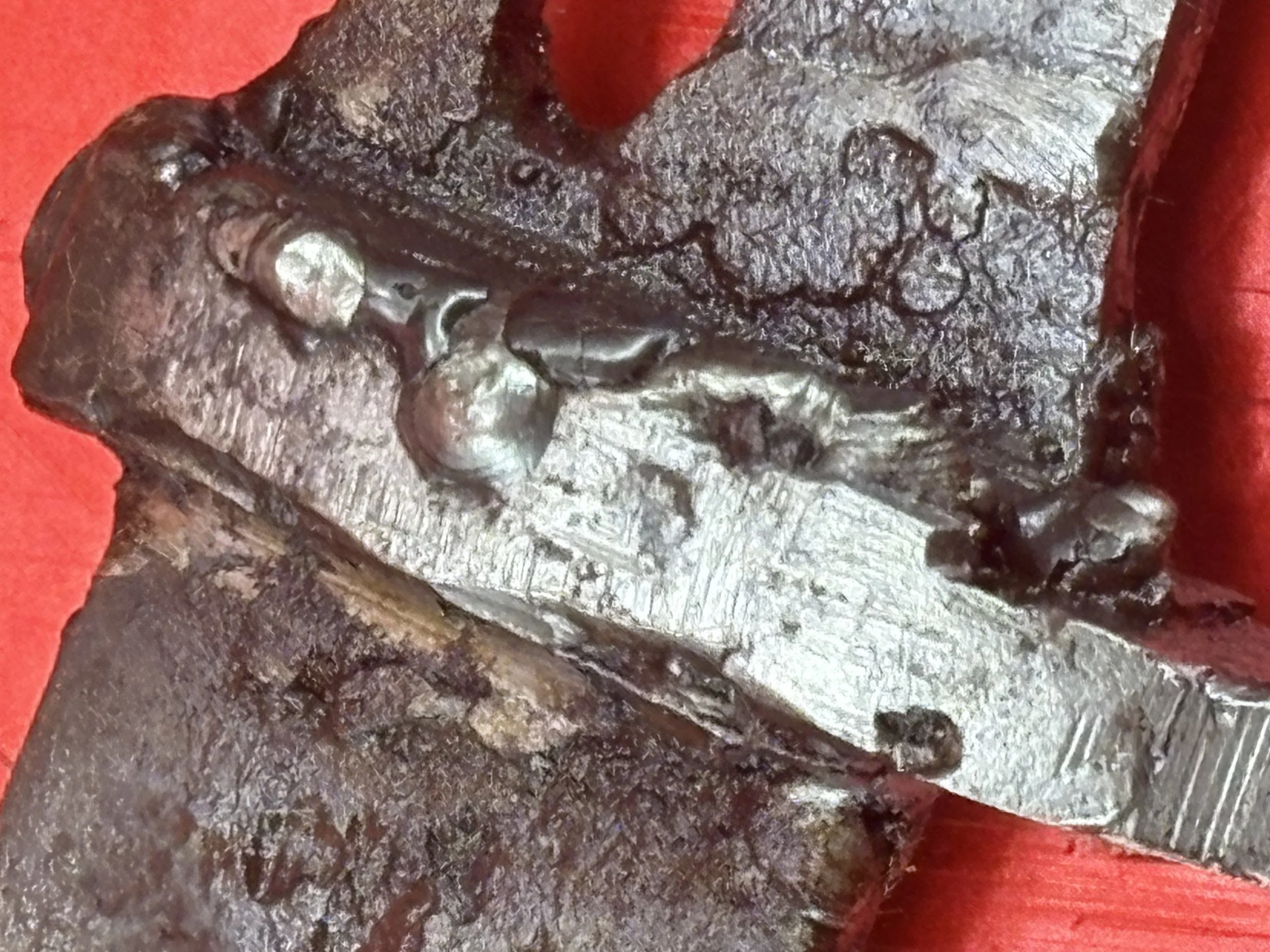 Image 10 of 12
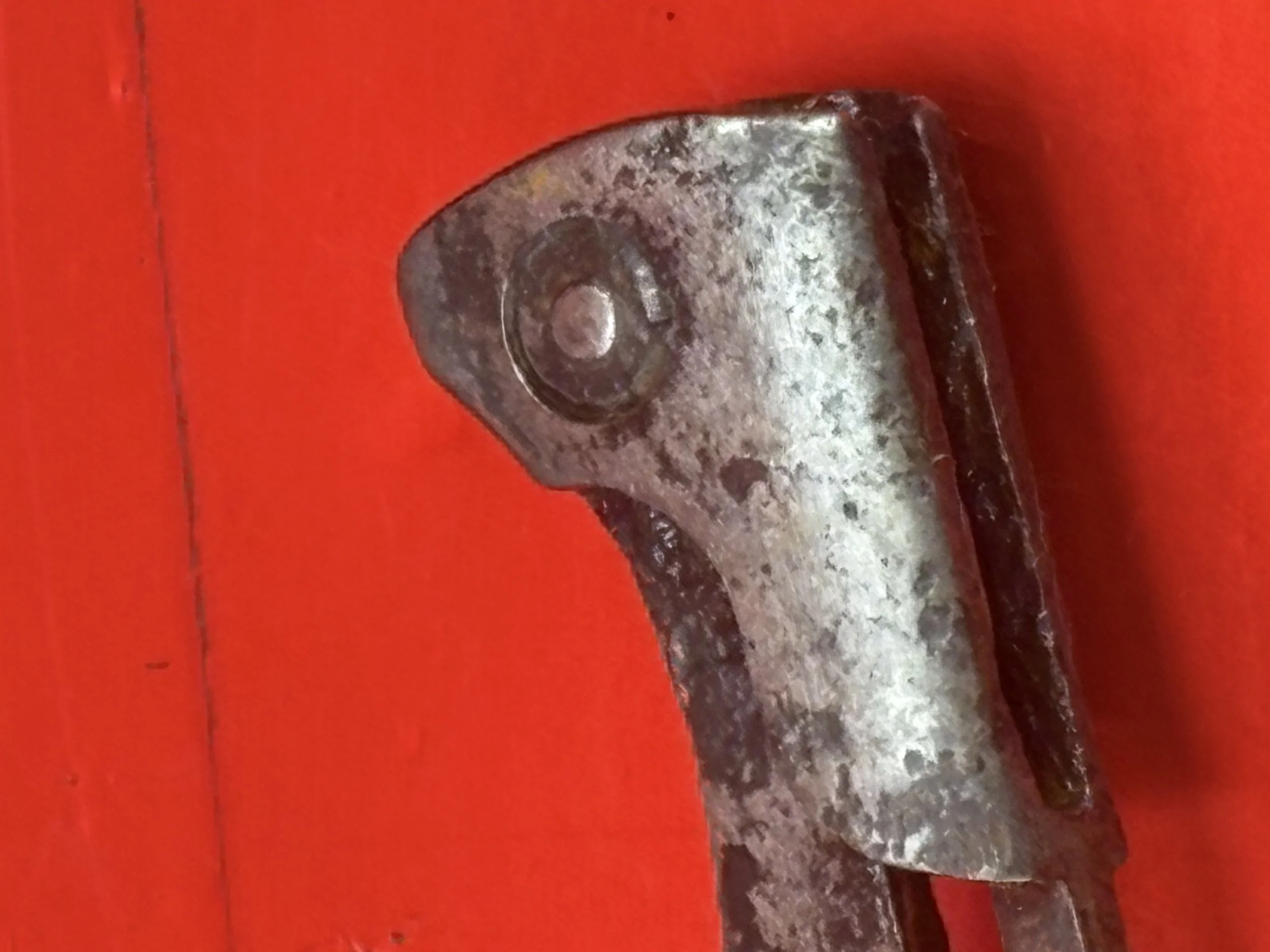 Image 11 of 12
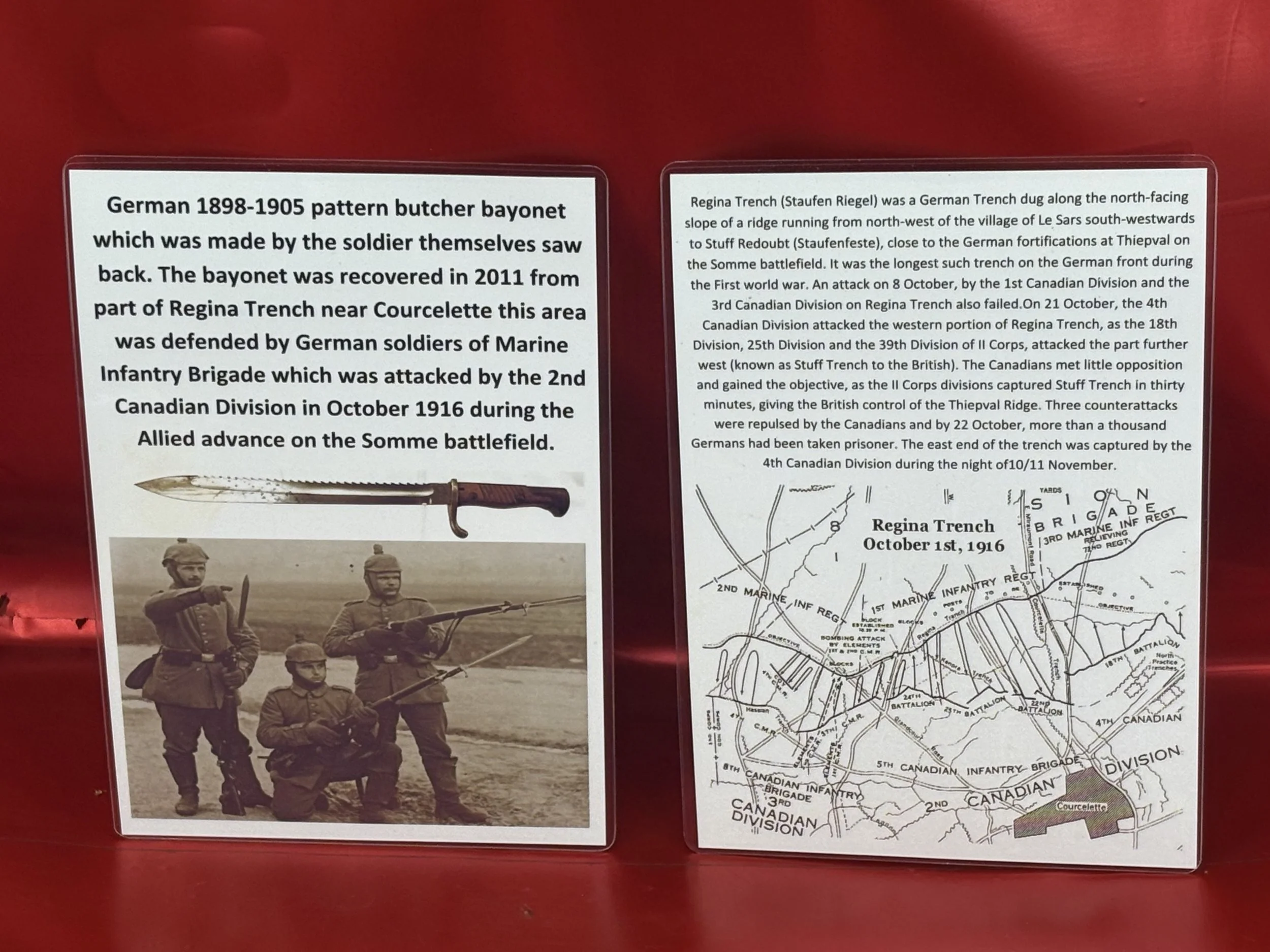 Image 12 of 12