This is a large glass-framed very rare find a American Parachute silk fragment which is a ripped apart section..The silk section is in nice condition for relic it still retains its original colours it is very solid not braking up or falling apart it is a bit dirty and stained from being buried .The part has been mounted in to a glass-fronted frame, complete with background information,map and pictures, making it perfect for display. The frame measures 17 inches by 13 inches in size. The parachute part was recovered from the area of Drop Zone T which is west of Sainte Mere Eglise used by the 507-parachute infantry regiment on the 6th June 1944 on D-Day in Normandy.
The 507th PIR first saw combat during the Normandy invasion - 6 June 1944. The 507th and the 508th PIRs were to be dropped near the west bank of the Merderet River. The objectives of both regiments were to establish defensive positions in those areas and prepare to attack westward sealing off the Cotentin Peninsula. In the predawn hours of D-Day the sporadic jump patterns of the 507th and 508th PIRs left troopers spread out over a twenty-mile area. Some who overshot the Drop Zone (DZ) dropped into the Merderet River and its adjoining marshes. Many troopers who jumped with heavy equipment were unable to swim free and drowned. Others roamed the countryside until they encountered other units and joined their effort. Even Colonel Millett, the commanding officer of the 507th was unable to muster his troops and was captured three days after the drop in the vicinity of Amfreville. Only the 2nd Battalion under the command of Lieutenant Colonel Charles J Timmes was able to function as a team and began digging in around Cauquigny on the west bank of the Merderet River. Throughout the confusion the indomitable spirit of the paratroopers in the days and weeks following D-Day enabled the 82nd Airborne to seize La Fiere bridge and push westward to cut off the Cotentin Penninsula. After 33 days of continuous combat the 82nd, 101st Airborne Divisions were withdrawn.
This is a large glass-framed very rare find a American Parachute silk fragment which is a ripped apart section..The silk section is in nice condition for relic it still retains its original colours it is very solid not braking up or falling apart it is a bit dirty and stained from being buried .The part has been mounted in to a glass-fronted frame, complete with background information,map and pictures, making it perfect for display. The frame measures 17 inches by 13 inches in size. The parachute part was recovered from the area of Drop Zone T which is west of Sainte Mere Eglise used by the 507-parachute infantry regiment on the 6th June 1944 on D-Day in Normandy.
The 507th PIR first saw combat during the Normandy invasion - 6 June 1944. The 507th and the 508th PIRs were to be dropped near the west bank of the Merderet River. The objectives of both regiments were to establish defensive positions in those areas and prepare to attack westward sealing off the Cotentin Peninsula. In the predawn hours of D-Day the sporadic jump patterns of the 507th and 508th PIRs left troopers spread out over a twenty-mile area. Some who overshot the Drop Zone (DZ) dropped into the Merderet River and its adjoining marshes. Many troopers who jumped with heavy equipment were unable to swim free and drowned. Others roamed the countryside until they encountered other units and joined their effort. Even Colonel Millett, the commanding officer of the 507th was unable to muster his troops and was captured three days after the drop in the vicinity of Amfreville. Only the 2nd Battalion under the command of Lieutenant Colonel Charles J Timmes was able to function as a team and began digging in around Cauquigny on the west bank of the Merderet River. Throughout the confusion the indomitable spirit of the paratroopers in the days and weeks following D-Day enabled the 82nd Airborne to seize La Fiere bridge and push westward to cut off the Cotentin Penninsula. After 33 days of continuous combat the 82nd, 101st Airborne Divisions were withdrawn.

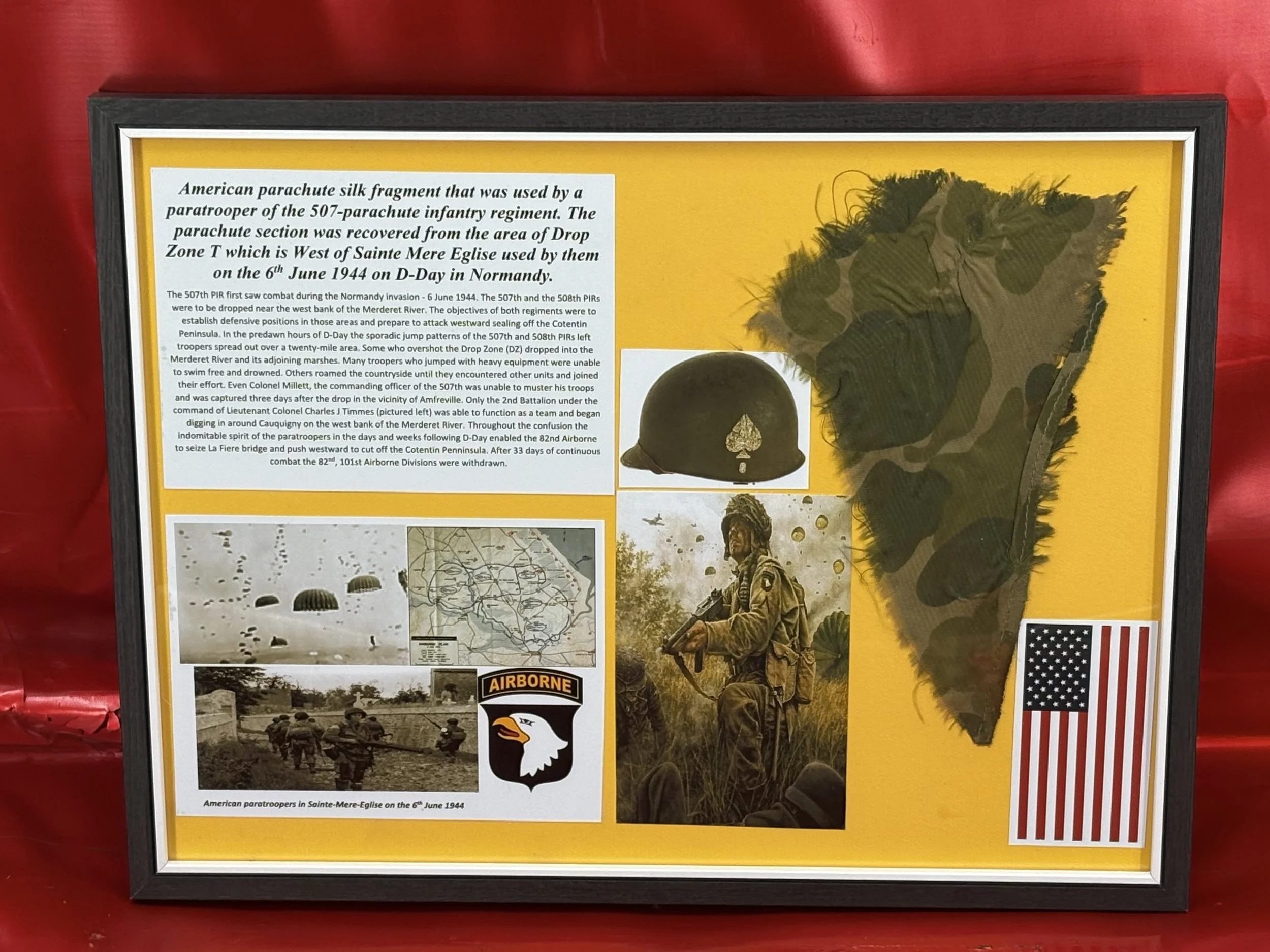 Image 1 of 9
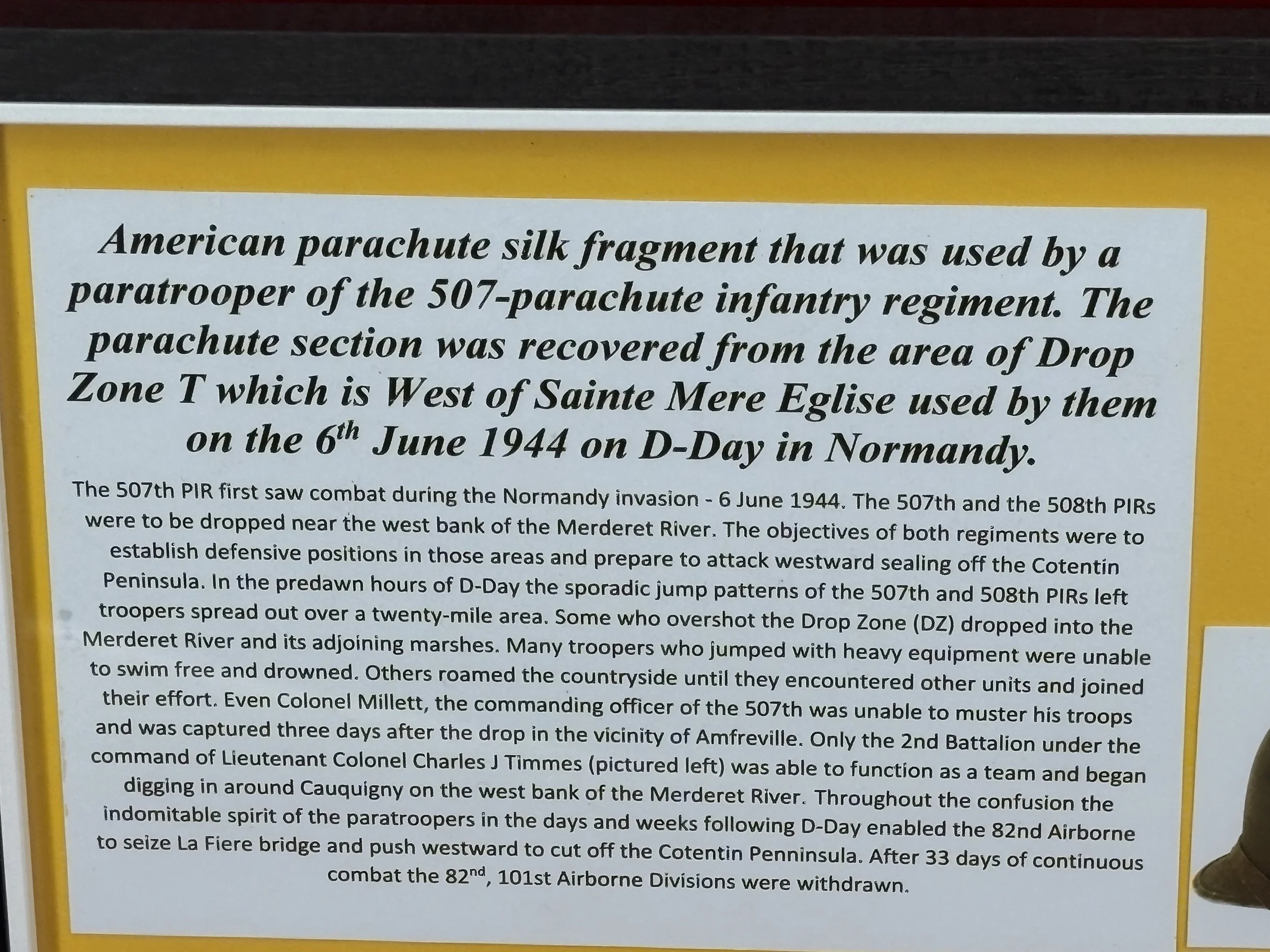 Image 2 of 9
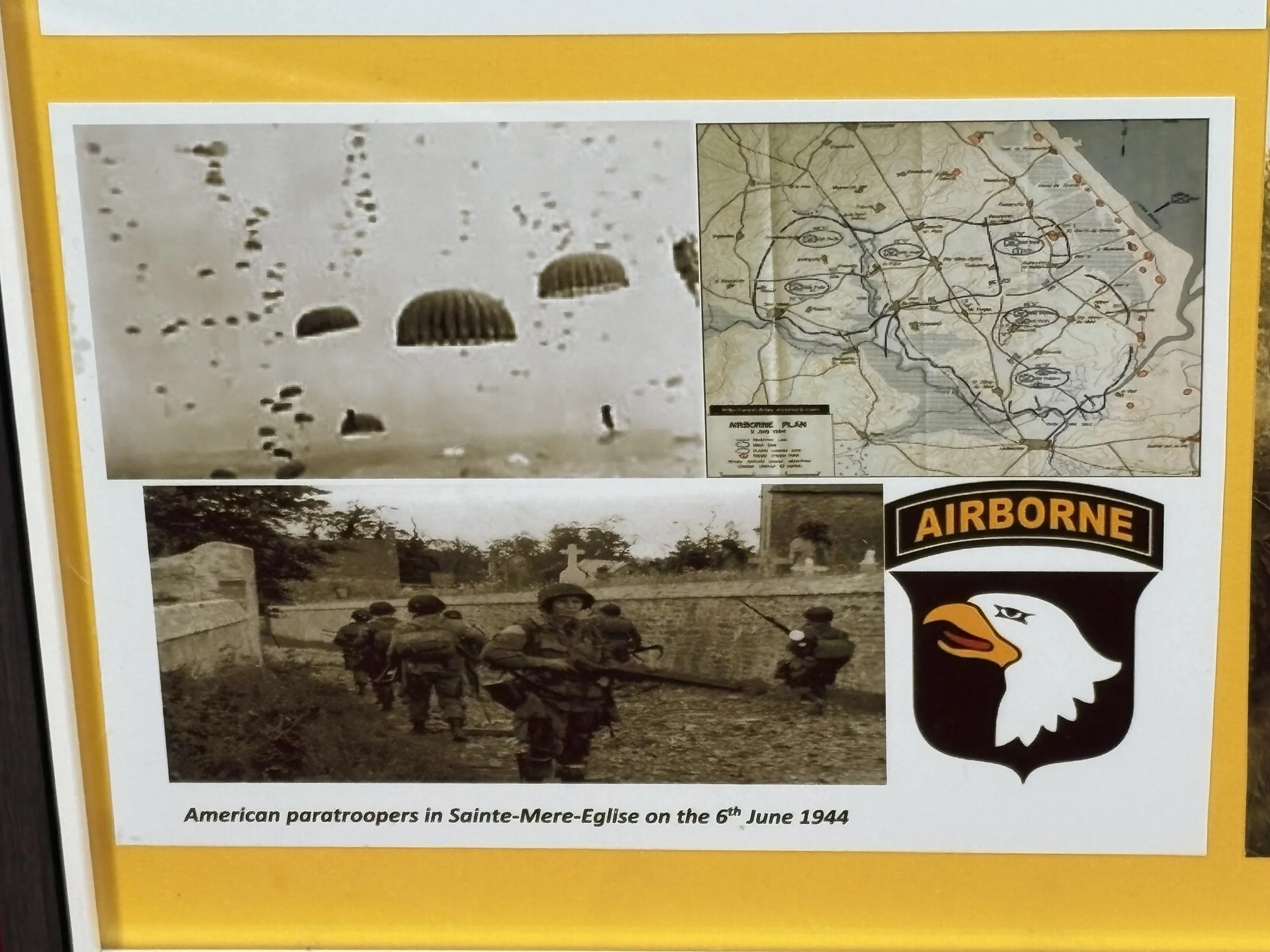 Image 3 of 9
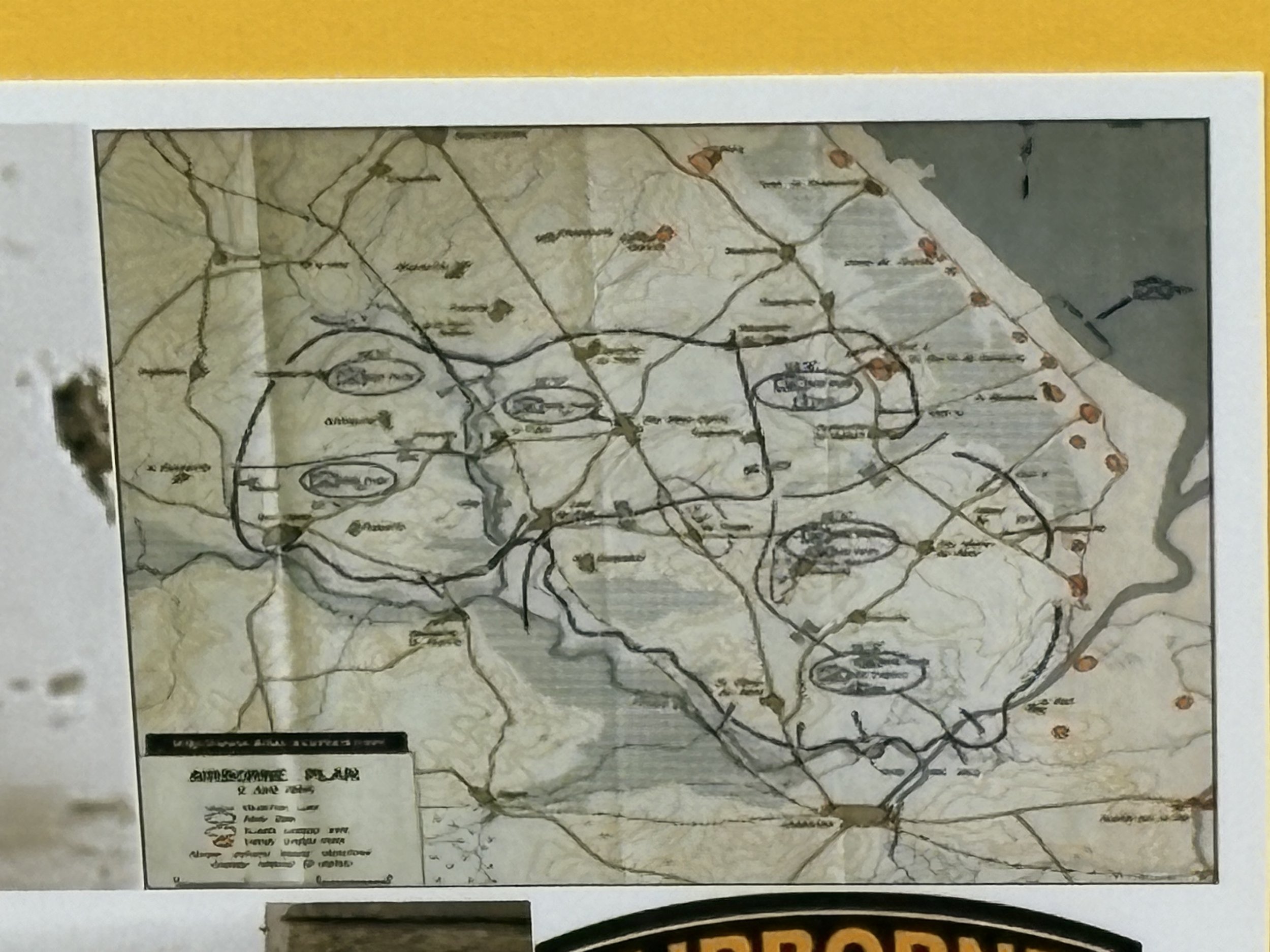 Image 4 of 9
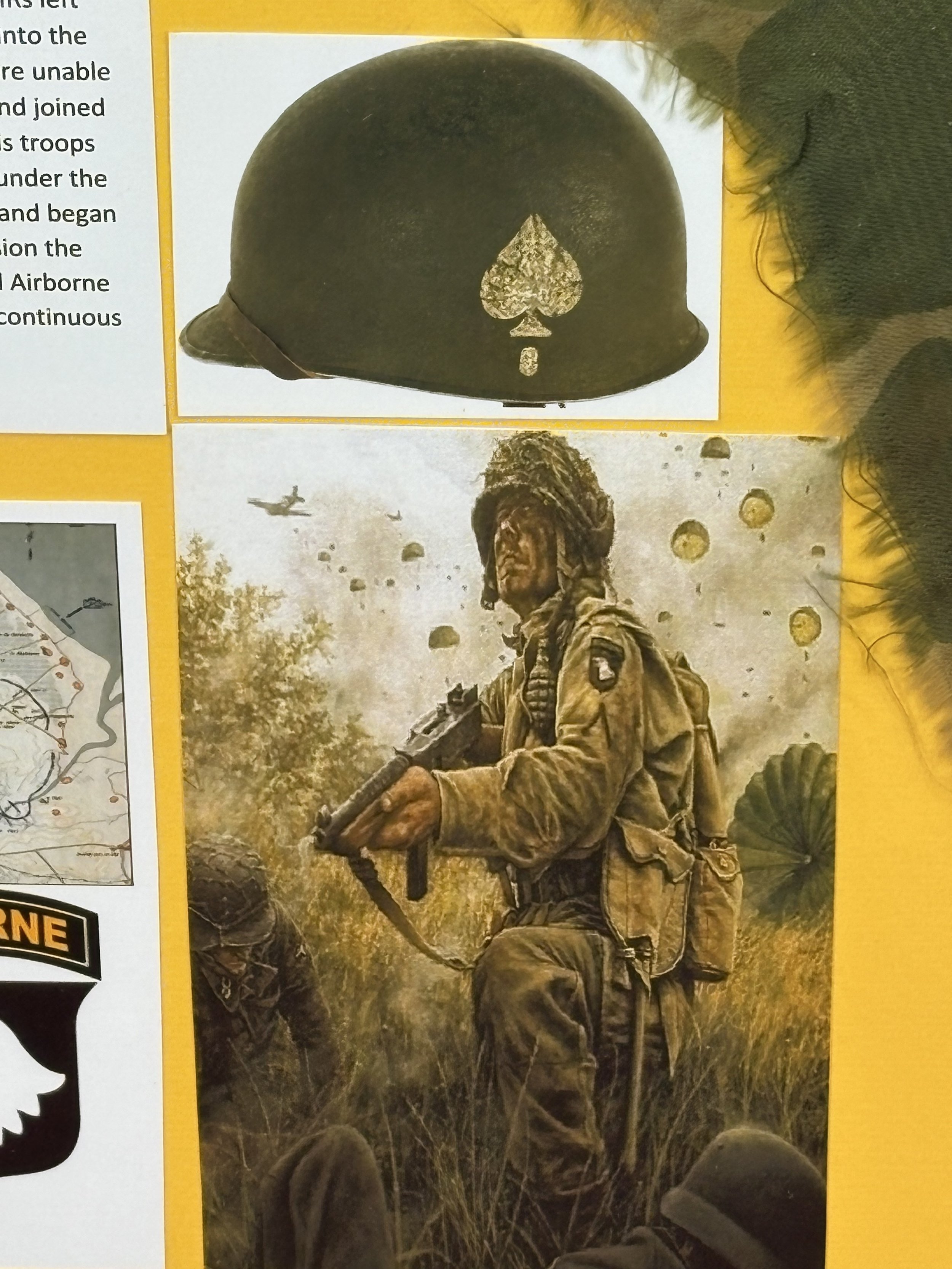 Image 5 of 9
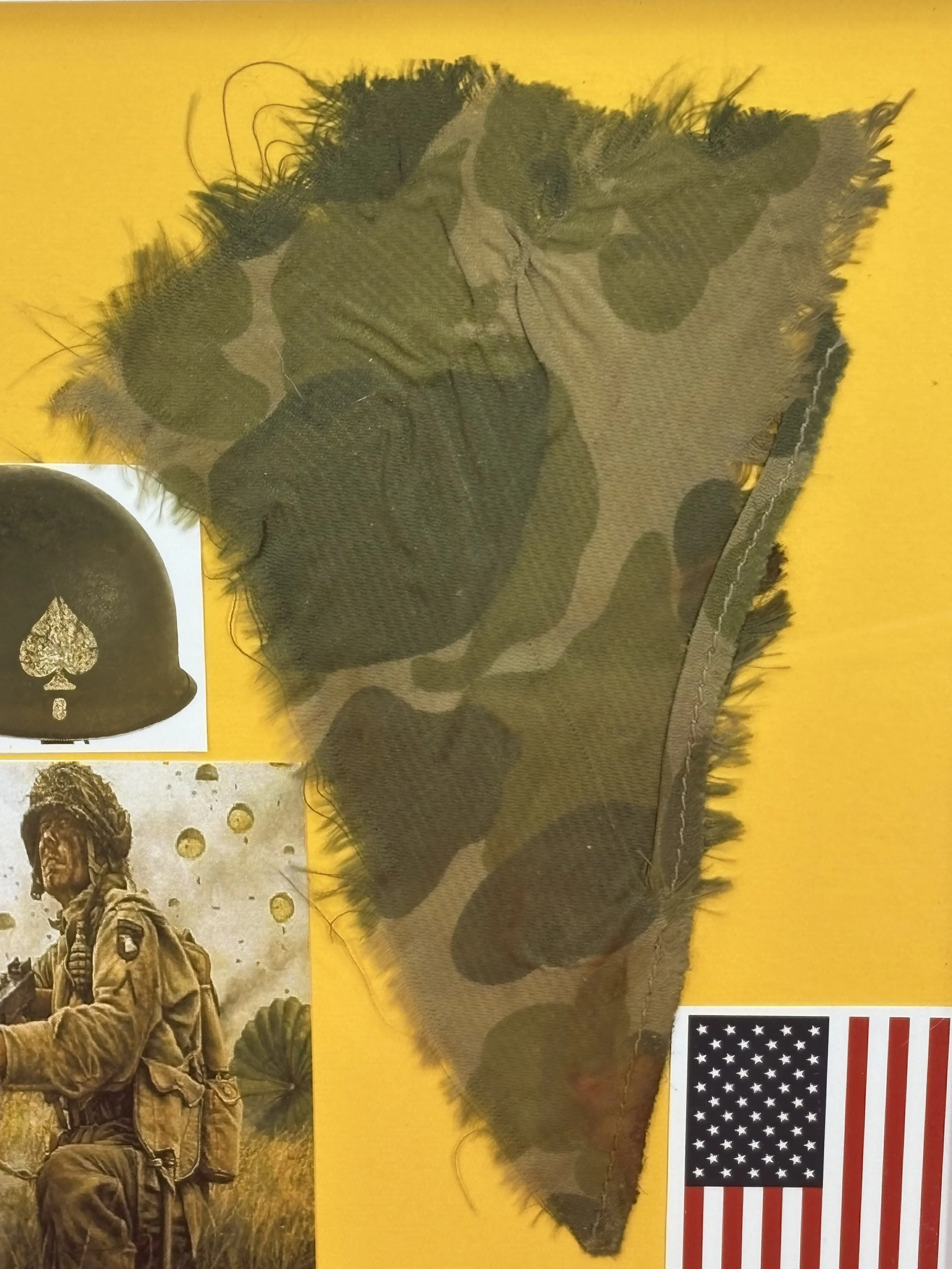 Image 6 of 9
 Image 7 of 9
 Image 8 of 9
 Image 9 of 9