This is a very rare glass framed group of relics which are 6 parts in all inclding musket balls which still have some of there original colours but are mostley dirty and green. The parts are in nice solid condition not braking up or falling apart they have been very nicely cleaned and is perfect for collection and perfect for display and have been mounted in to a glass fronted box frame 12 inches by 12 inches in size. The parts which are extreamley rare to find were recovered over the years by local farmers from the Waterloo battlefield of 1815 in Belgium.
The Battle of Waterloo was fought on 18 June 1815 between Napoleon’s French Army and a coalition led by the Duke of Wellington and Marshal Blücher. The decisive battle of its age, it concluded a war that had raged for 23 years, ended French attempts to dominate Europe, and destroyed Napoleon’s imperial power forever. Napoleon was defeated. He spoke of fighting on but was forced to abdicate when the Allies entered Paris on 7 July. He spent the rest of his life in exile on the island of St Helena in the South Atlantic.
The French Army had their greatest military commander in Napoleon Bonaparte. He was loved by his loyal troops, demonised by his enemies, feared and respected by all. His army was composed of veterans who had rallied to his cause on his return from exile. Having detached 33,000 men to follow the Prussians after Ligny, Napoleon had 72,000 men and 246 guns at Waterloo.
The Anglo-Allied army had 68,000 men and 156 guns. The men were a blend of inexperienced troops and veterans of the Peninsular War (1808-14). With such a mixed force, there was no question of Wellington going on the offensive. The French under Napoleon lost nearly 40,000 men killed, wounded or captured. The Allies suffered 22,000 casualties.
This is a very rare glass framed group of relics which are 6 parts in all inclding musket balls which still have some of there original colours but are mostley dirty and green. The parts are in nice solid condition not braking up or falling apart they have been very nicely cleaned and is perfect for collection and perfect for display and have been mounted in to a glass fronted box frame 12 inches by 12 inches in size. The parts which are extreamley rare to find were recovered over the years by local farmers from the Waterloo battlefield of 1815 in Belgium.
The Battle of Waterloo was fought on 18 June 1815 between Napoleon’s French Army and a coalition led by the Duke of Wellington and Marshal Blücher. The decisive battle of its age, it concluded a war that had raged for 23 years, ended French attempts to dominate Europe, and destroyed Napoleon’s imperial power forever. Napoleon was defeated. He spoke of fighting on but was forced to abdicate when the Allies entered Paris on 7 July. He spent the rest of his life in exile on the island of St Helena in the South Atlantic.
The French Army had their greatest military commander in Napoleon Bonaparte. He was loved by his loyal troops, demonised by his enemies, feared and respected by all. His army was composed of veterans who had rallied to his cause on his return from exile. Having detached 33,000 men to follow the Prussians after Ligny, Napoleon had 72,000 men and 246 guns at Waterloo.
The Anglo-Allied army had 68,000 men and 156 guns. The men were a blend of inexperienced troops and veterans of the Peninsular War (1808-14). With such a mixed force, there was no question of Wellington going on the offensive. The French under Napoleon lost nearly 40,000 men killed, wounded or captured. The Allies suffered 22,000 casualties.

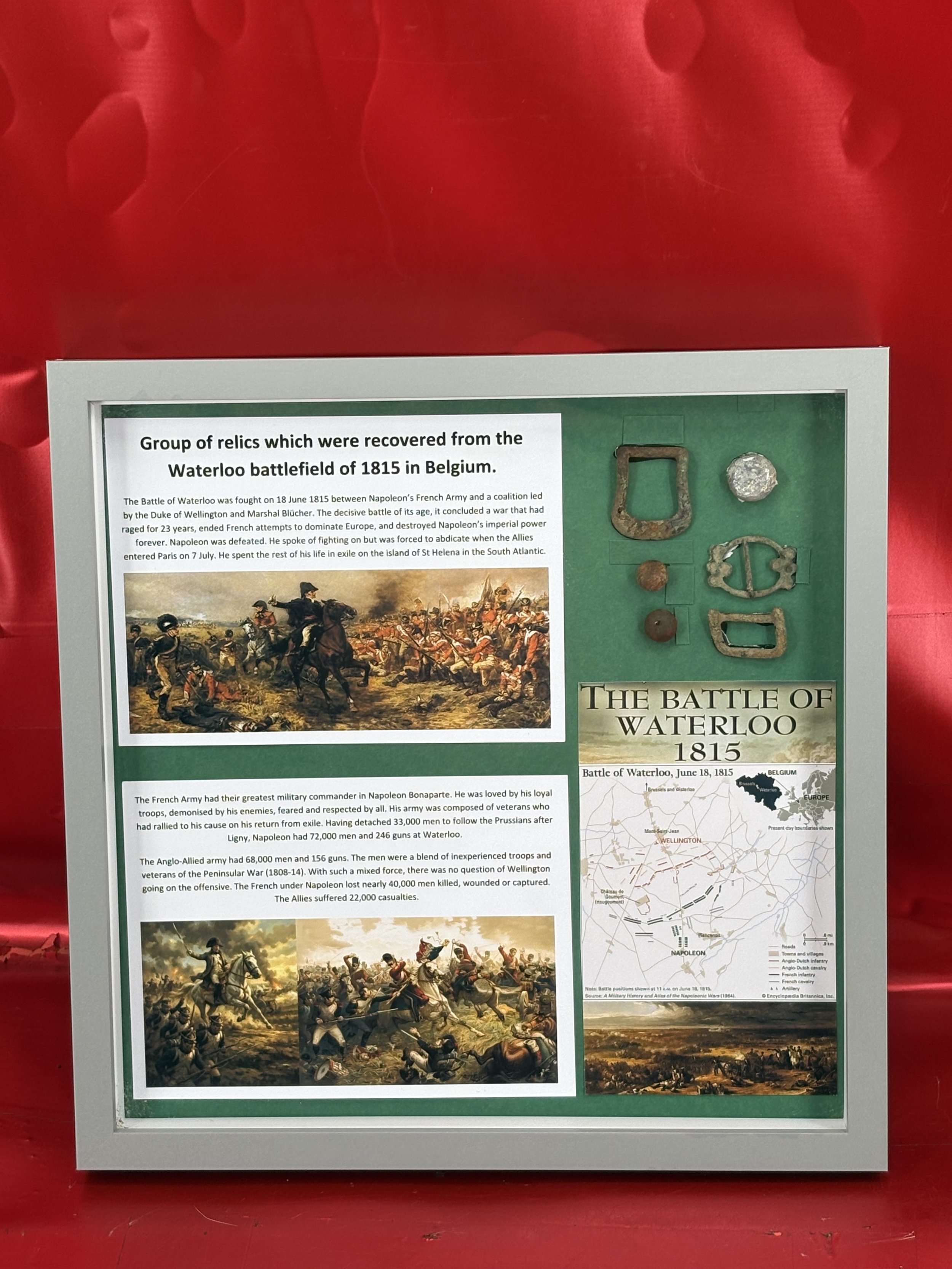 Image 1 of 7
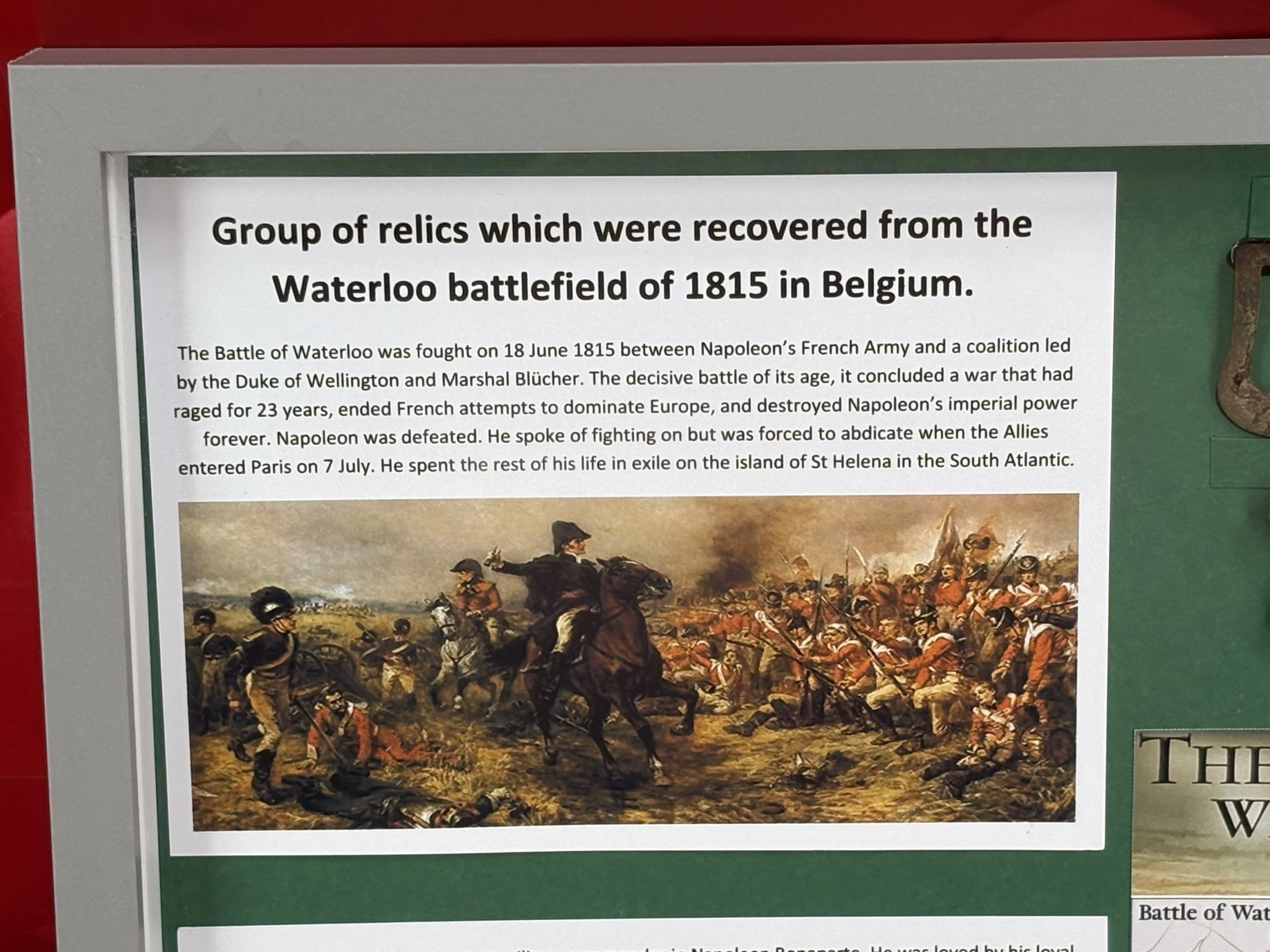 Image 2 of 7
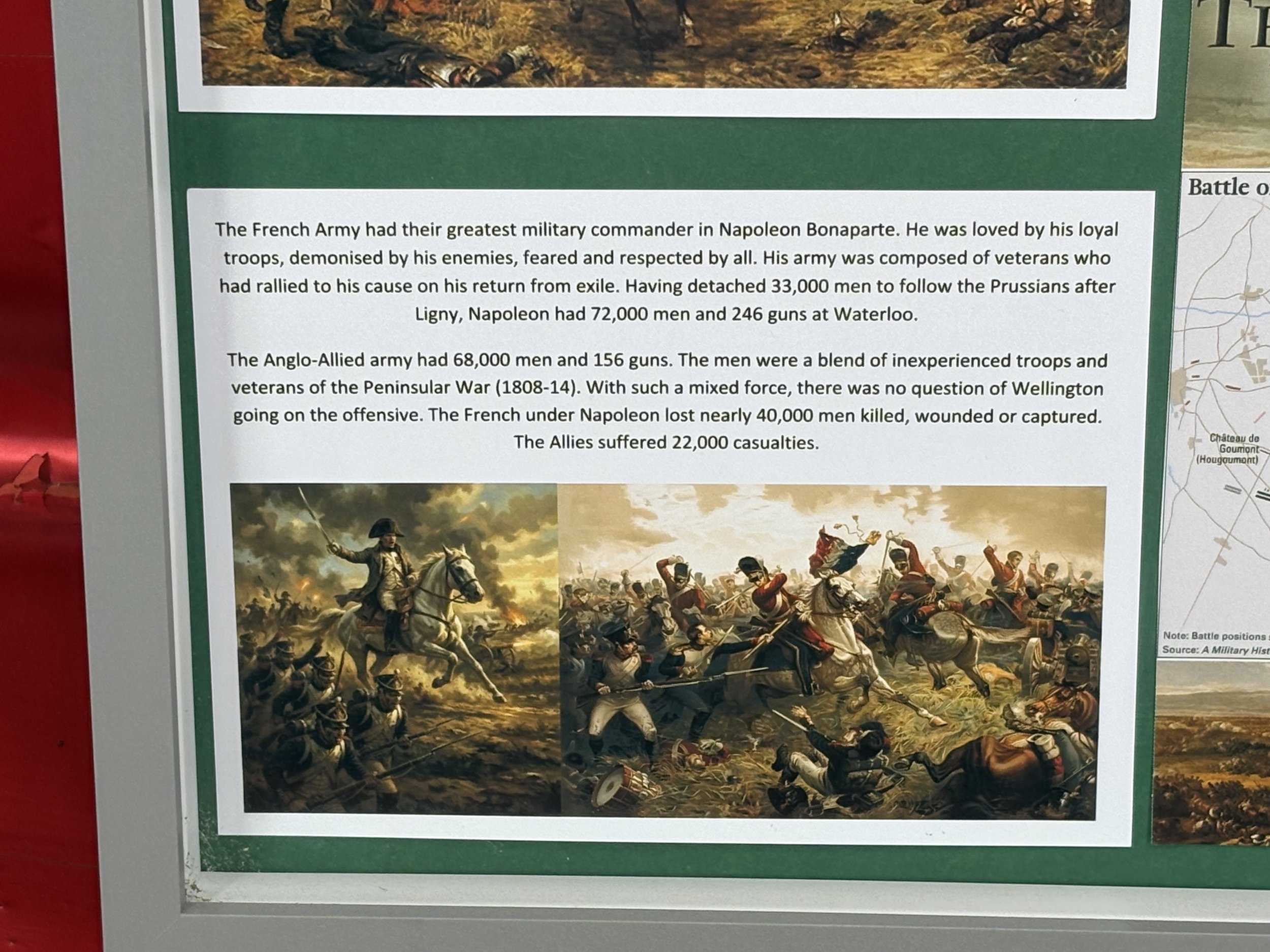 Image 3 of 7
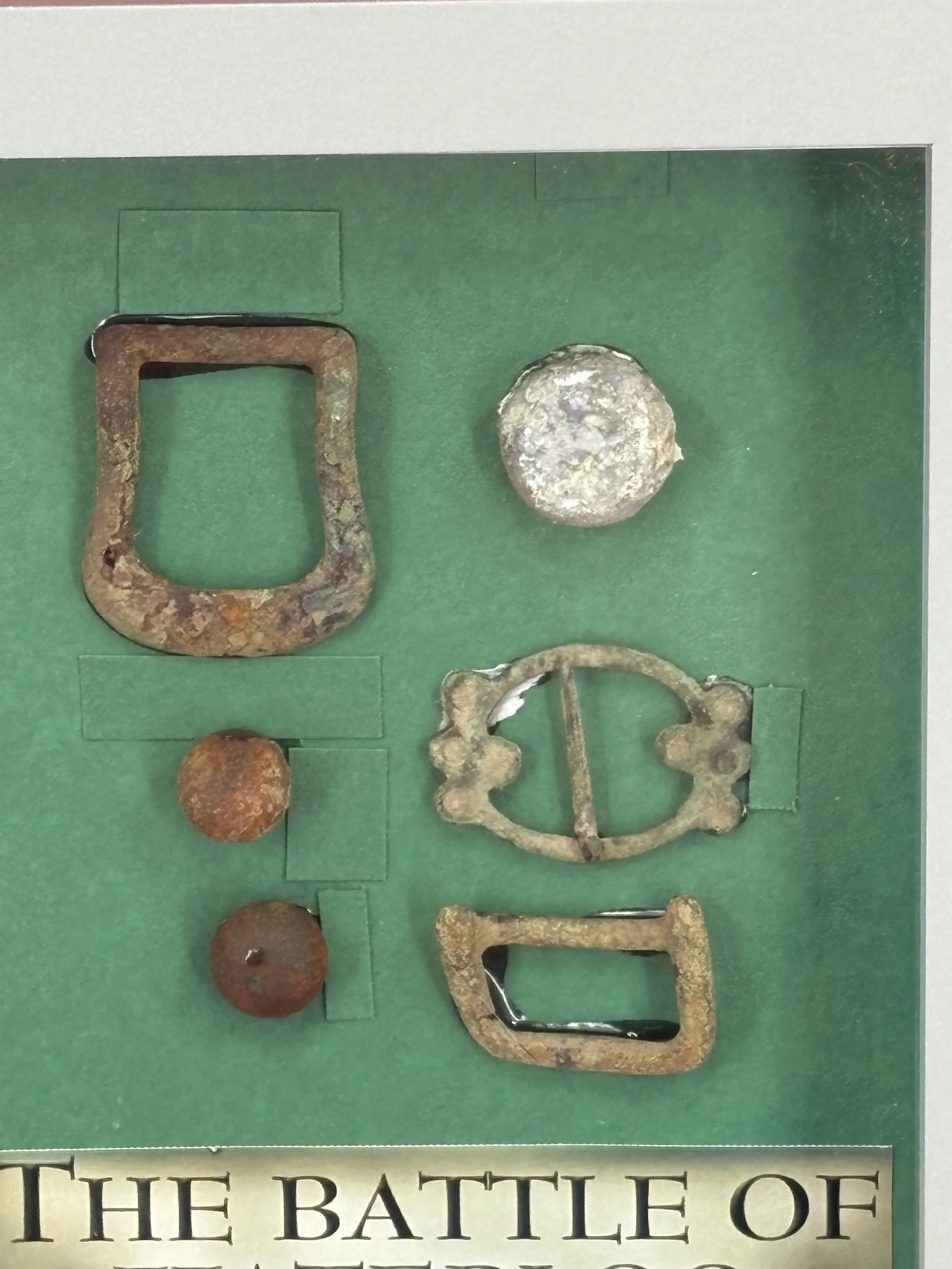 Image 4 of 7
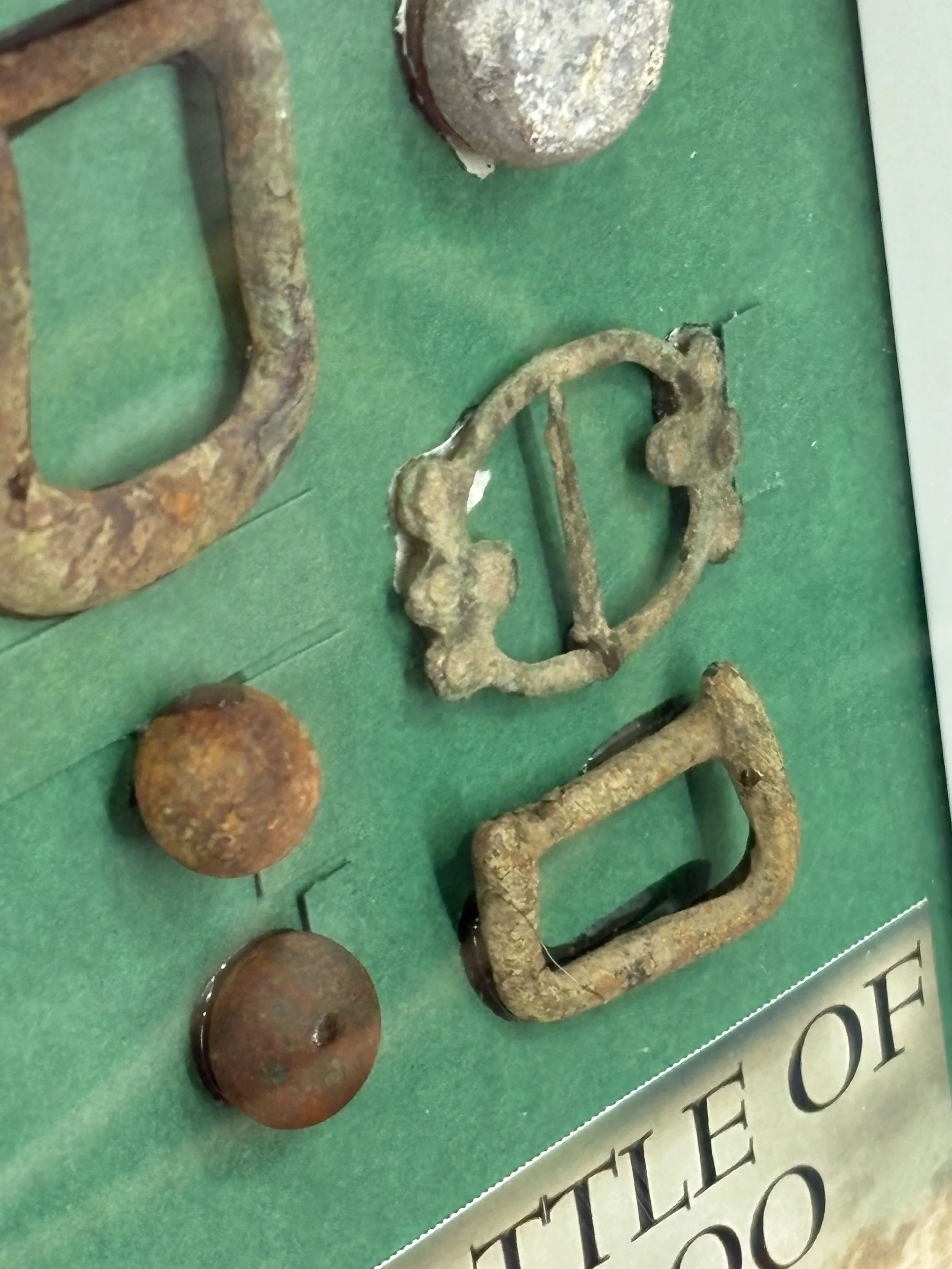 Image 5 of 7
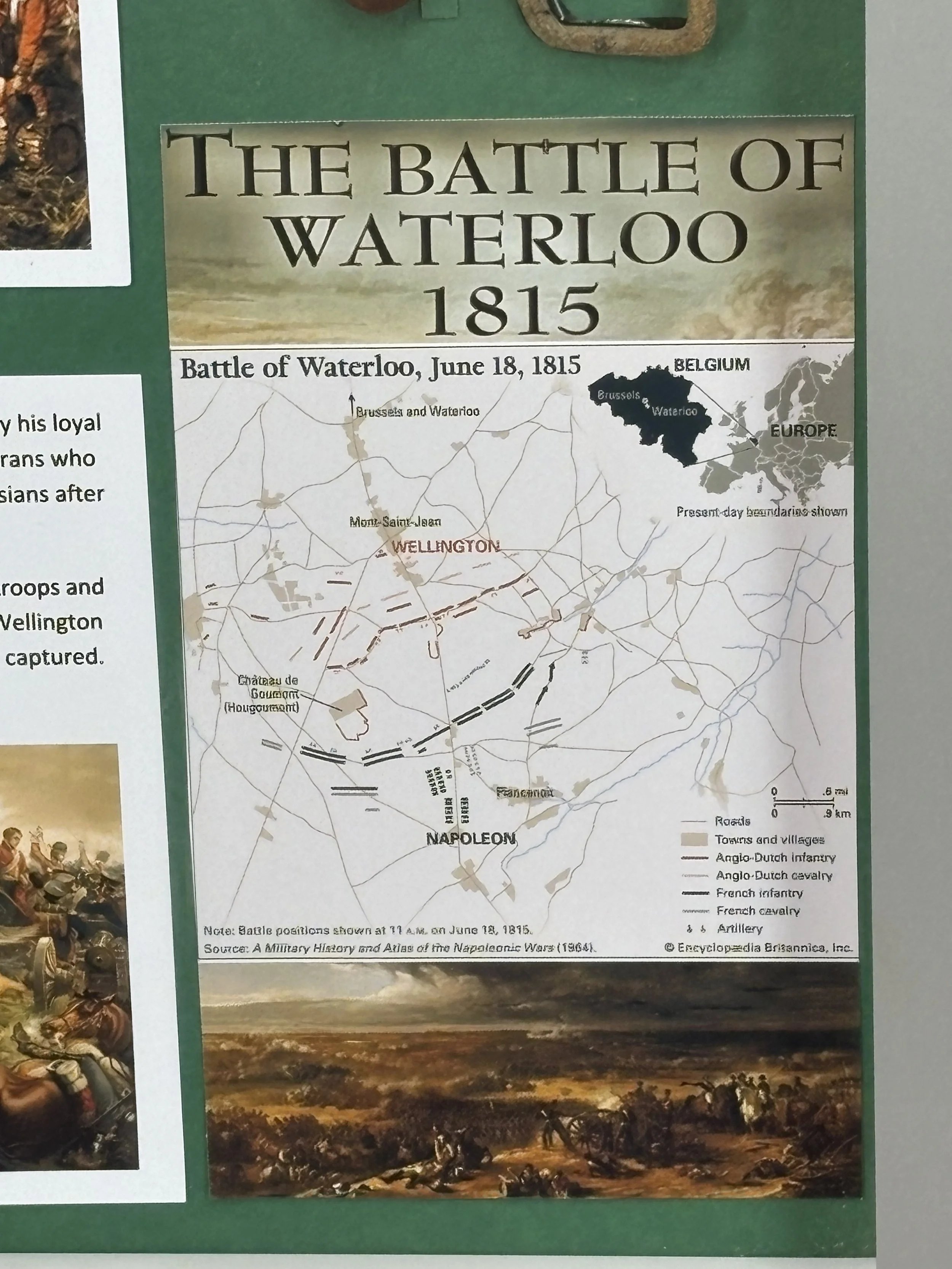 Image 6 of 7
 Image 7 of 7