This is an authentic, glass-framed group of parts recovered from a German Messerschmitt bf 109 shot down in a very famous action involving the most famous British ace. The relics still retain traces of there original wartime finish, making them attractive and increasingly scarce pieces from one of the Luftwaffe's most recognisable aircraft.
These parts are from an aircraft there is very little about as no full scale recovery has ever been done and the only aircraft involved in this famous action that there are parts around from.
There is 3 aluminium airframe sections which are torn, bent and distorted by the impact of the crash all of the parts remain in good, solid condition with paintwork. They have been carefully cleaned while preserving there original character and wartime patinas.
The relics are presented in a glass-fronted box frame, complete with aircraft information also pictures and drawings making them a excellent display piece for any aviation or Second World War collection. The frame measures approximately 13 inches by 13 inches in size.
The parts are from German Messerschmitt BF-109 flown by Albert Schlager of I Gruppe JG26 shot down during the dogfight involving Douglas Bader on 9th August 1941 in France.
The quest to find Bader's Spitfire, W3185, shed light on the demise of another famous wartime ace, Wilhelm Balthasar, Geschwaderkommodore of Jagdgeschwader 2, who was killed in action on 3 July 1941 when his Messerschmitt 109F crashed into Ferme Goset, Wittes, France. It was recovered in March 2004. Later, in the summer 2004, a further aircraft was discovered in Widdebrouch. It was found to be that of a Messerschmitt 109F, flown by Unteroffizier Albert Schlager of JG 26, who was reported missing during Bader's last combat on 9 August 1941. A brief glimpse of hope was discovered later, when a Spitfire wreck was found. Inside was a flying helmet with the letters "DB" written on the top. It was later identified as a Spitfire IX, owing to the findings of a 20mm cannon (which Bader's Spitfire did not have), and ammunition dated as 1943. During the hunt, Donald Caldwell, an American historian of JG 26 took part. He stated that it was very unlikely that Bader was shot down by a German pilot and it was likely he was claimed by an RAF fighter in error.
This is an authentic, glass-framed group of parts recovered from a German Messerschmitt bf 109 shot down in a very famous action involving the most famous British ace. The relics still retain traces of there original wartime finish, making them attractive and increasingly scarce pieces from one of the Luftwaffe's most recognisable aircraft.
These parts are from an aircraft there is very little about as no full scale recovery has ever been done and the only aircraft involved in this famous action that there are parts around from.
There is 3 aluminium airframe sections which are torn, bent and distorted by the impact of the crash all of the parts remain in good, solid condition with paintwork. They have been carefully cleaned while preserving there original character and wartime patinas.
The relics are presented in a glass-fronted box frame, complete with aircraft information also pictures and drawings making them a excellent display piece for any aviation or Second World War collection. The frame measures approximately 13 inches by 13 inches in size.
The parts are from German Messerschmitt BF-109 flown by Albert Schlager of I Gruppe JG26 shot down during the dogfight involving Douglas Bader on 9th August 1941 in France.
The quest to find Bader's Spitfire, W3185, shed light on the demise of another famous wartime ace, Wilhelm Balthasar, Geschwaderkommodore of Jagdgeschwader 2, who was killed in action on 3 July 1941 when his Messerschmitt 109F crashed into Ferme Goset, Wittes, France. It was recovered in March 2004. Later, in the summer 2004, a further aircraft was discovered in Widdebrouch. It was found to be that of a Messerschmitt 109F, flown by Unteroffizier Albert Schlager of JG 26, who was reported missing during Bader's last combat on 9 August 1941. A brief glimpse of hope was discovered later, when a Spitfire wreck was found. Inside was a flying helmet with the letters "DB" written on the top. It was later identified as a Spitfire IX, owing to the findings of a 20mm cannon (which Bader's Spitfire did not have), and ammunition dated as 1943. During the hunt, Donald Caldwell, an American historian of JG 26 took part. He stated that it was very unlikely that Bader was shot down by a German pilot and it was likely he was claimed by an RAF fighter in error.

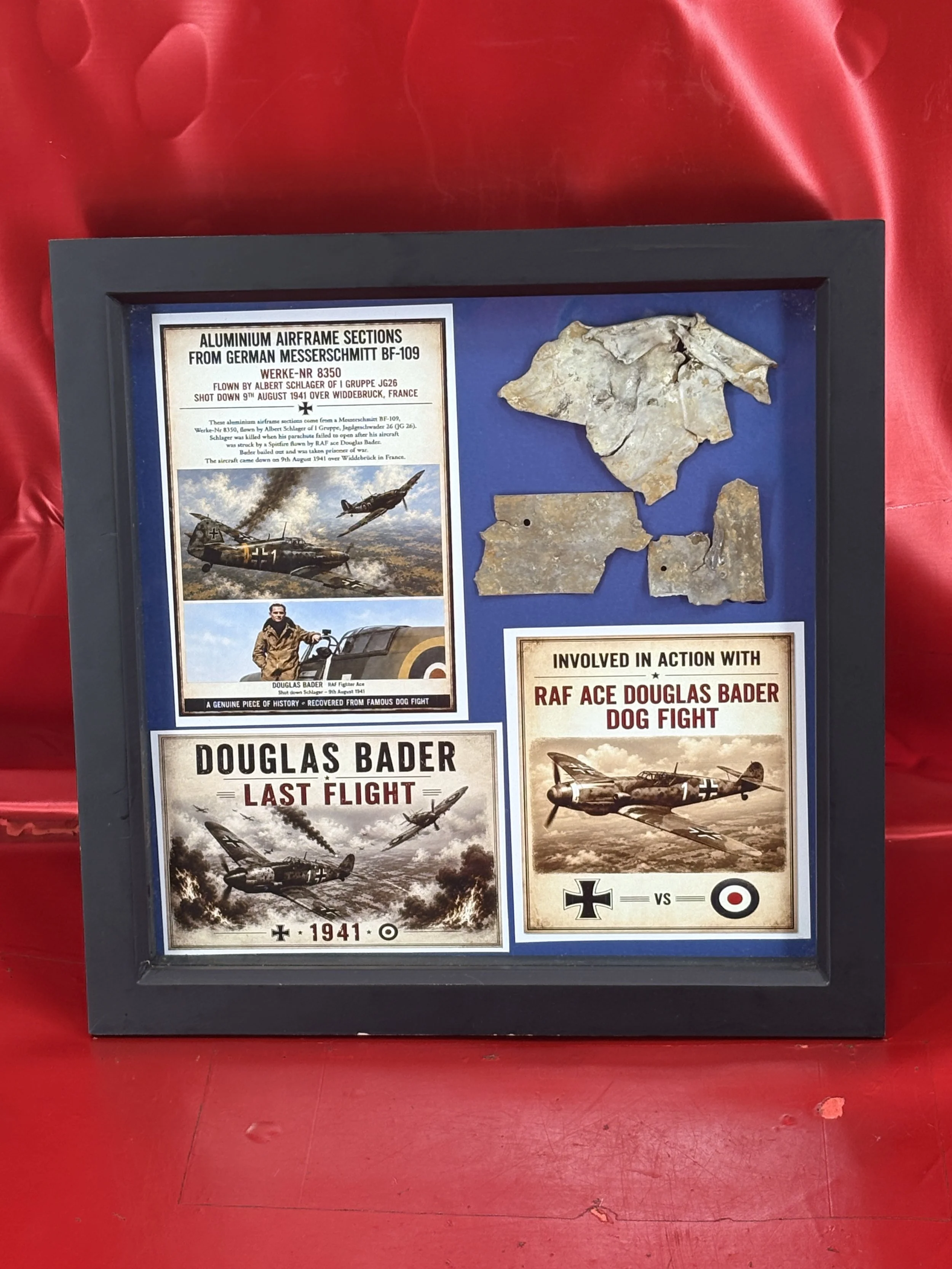 Image 1 of 9
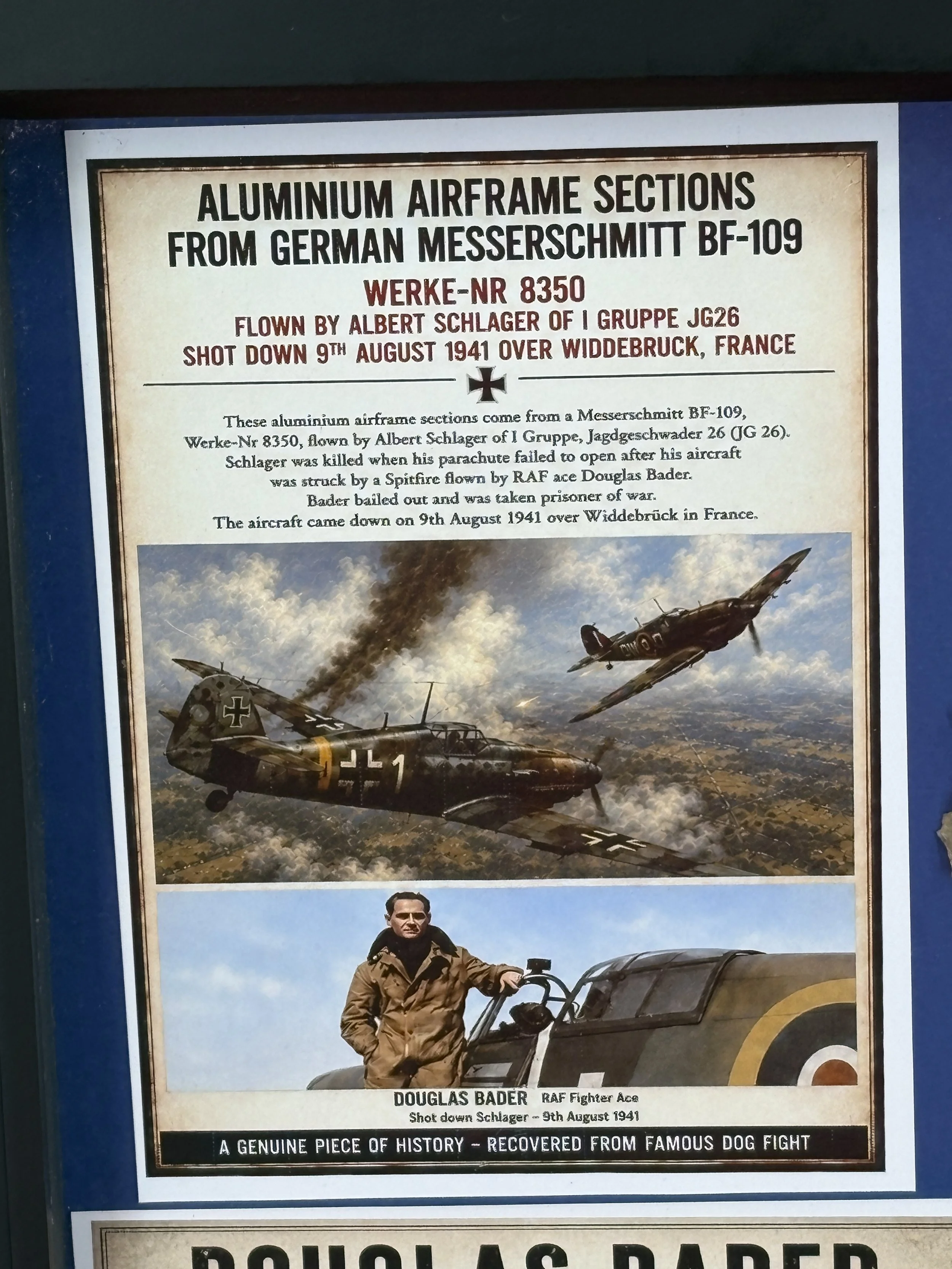 Image 2 of 9
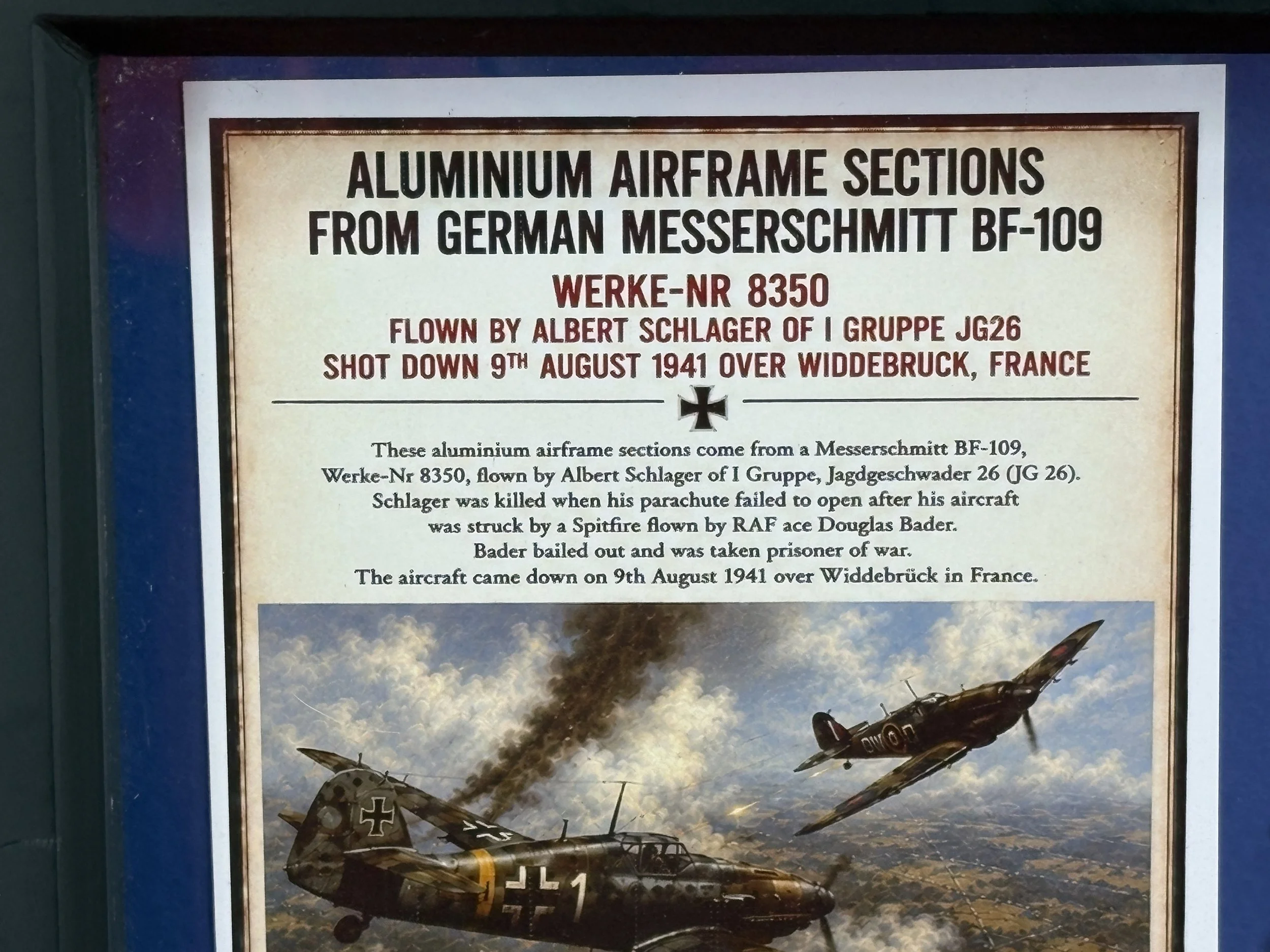 Image 3 of 9
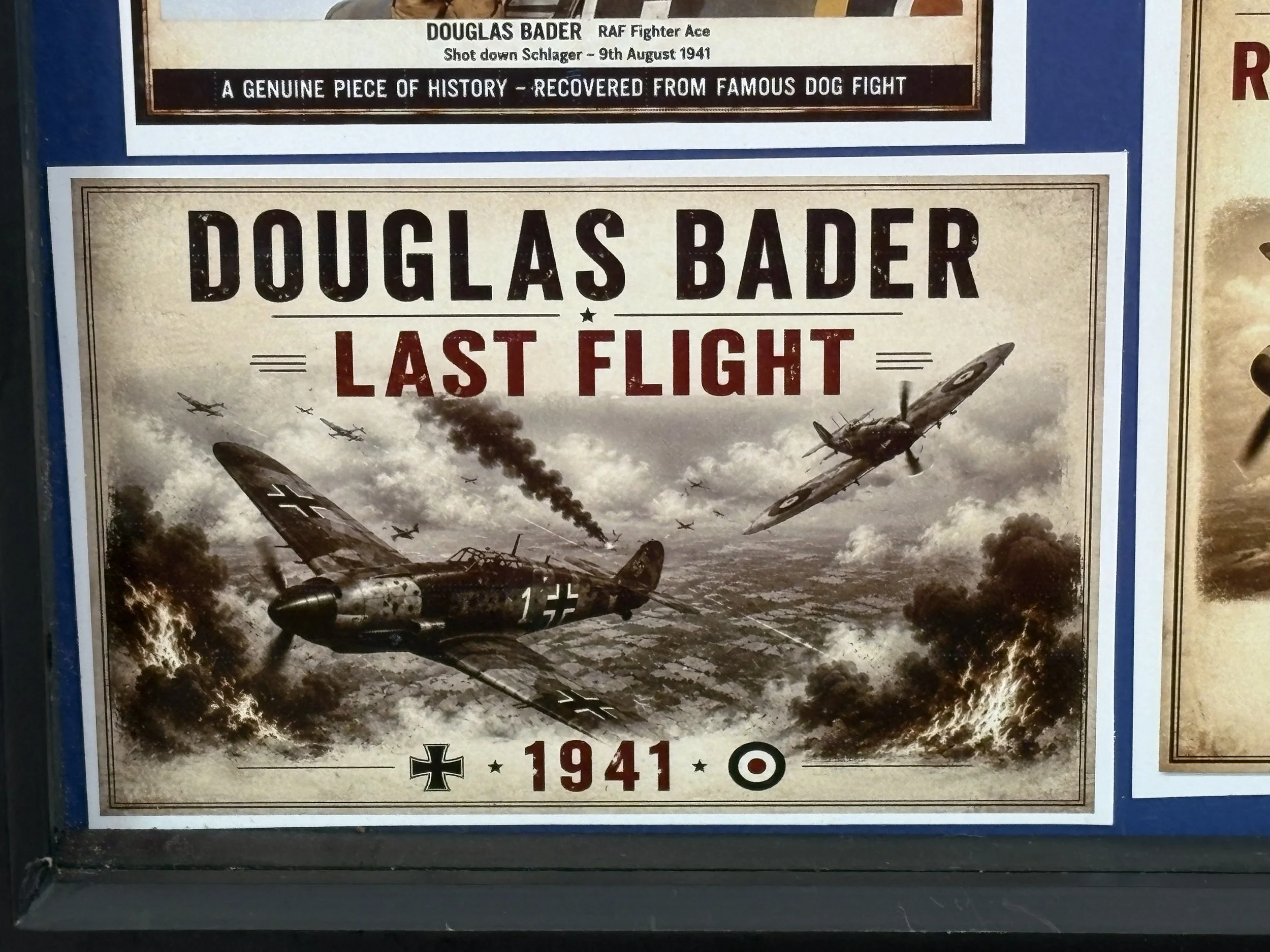 Image 4 of 9
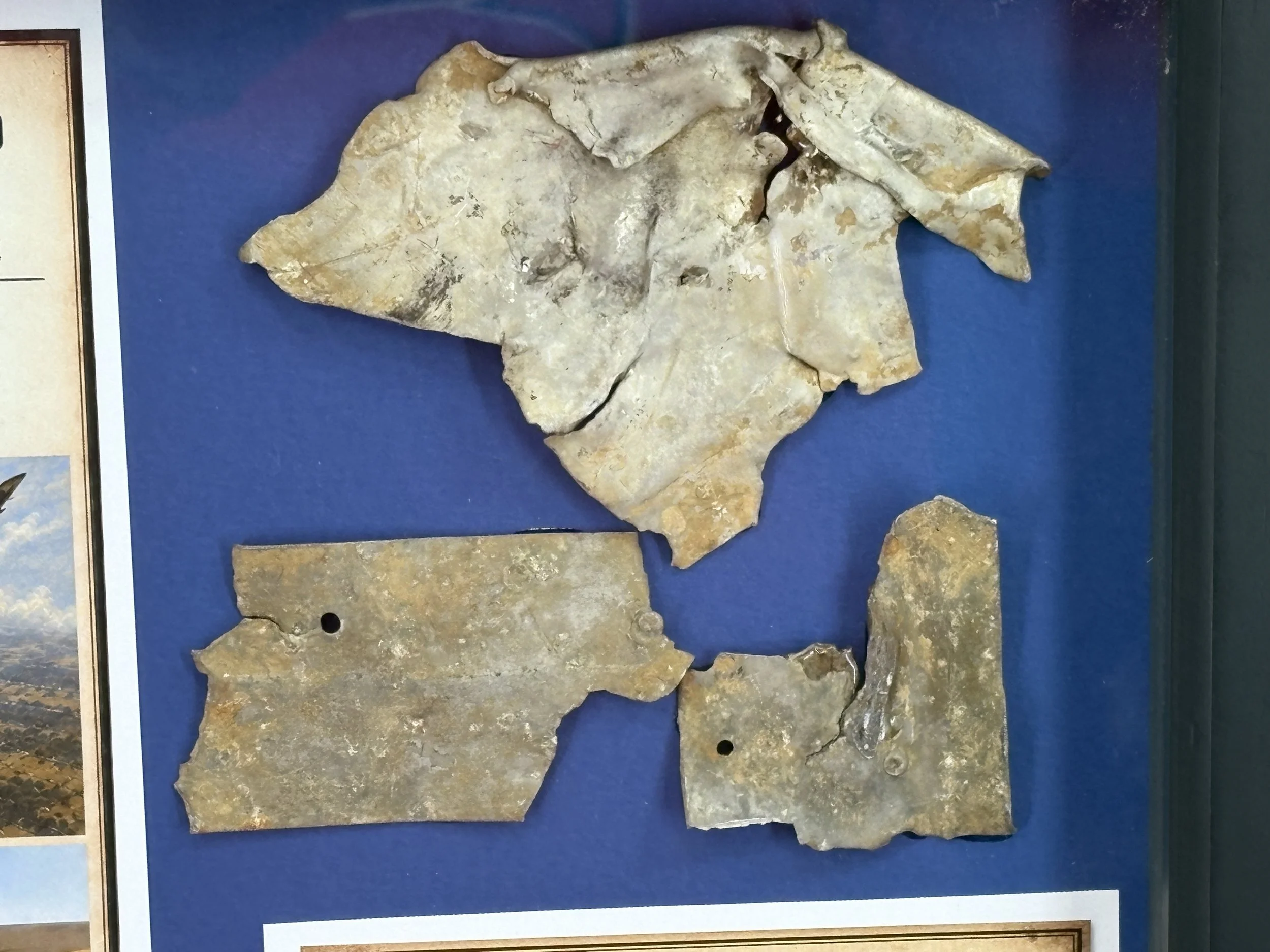 Image 5 of 9
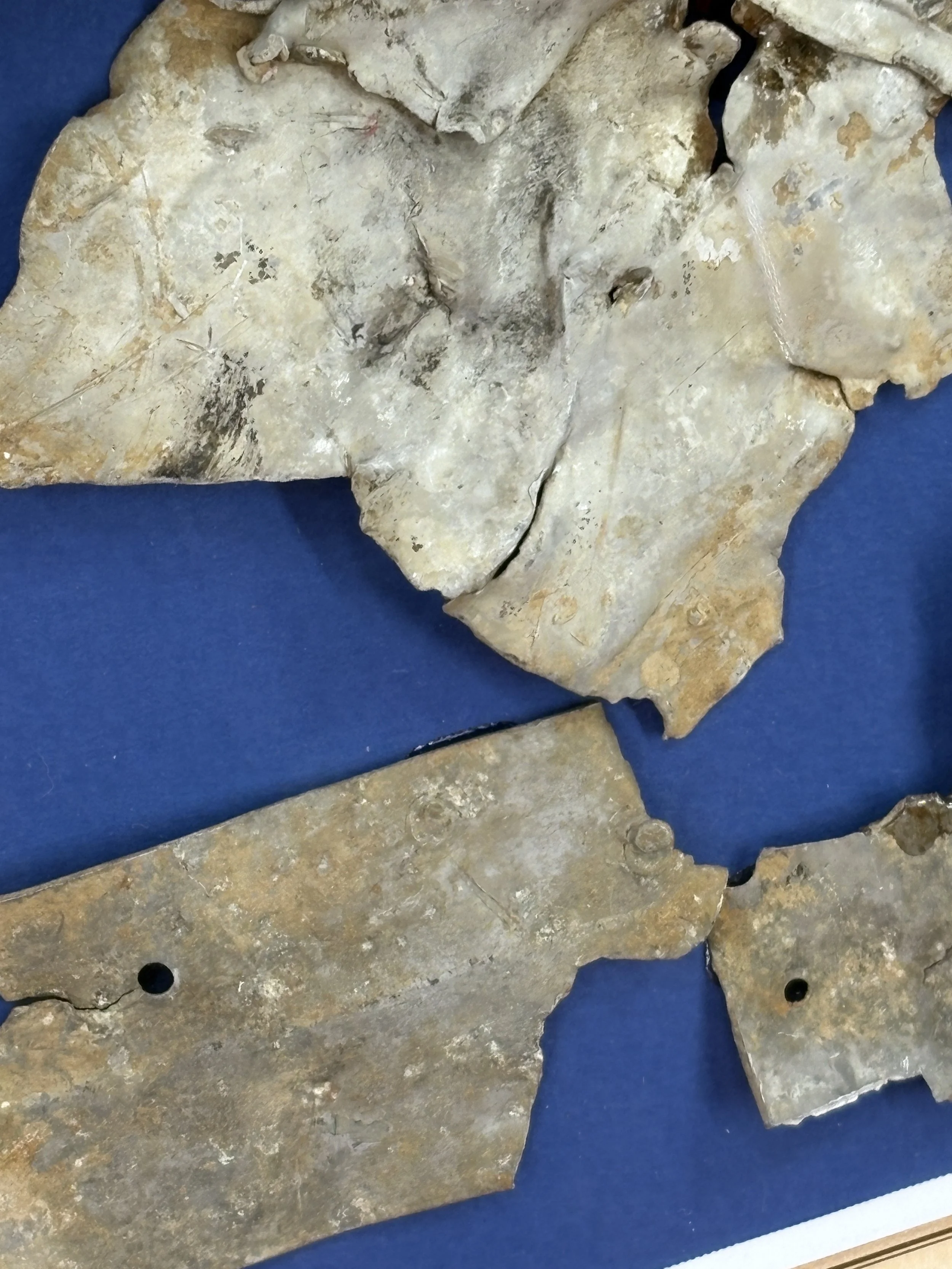 Image 6 of 9
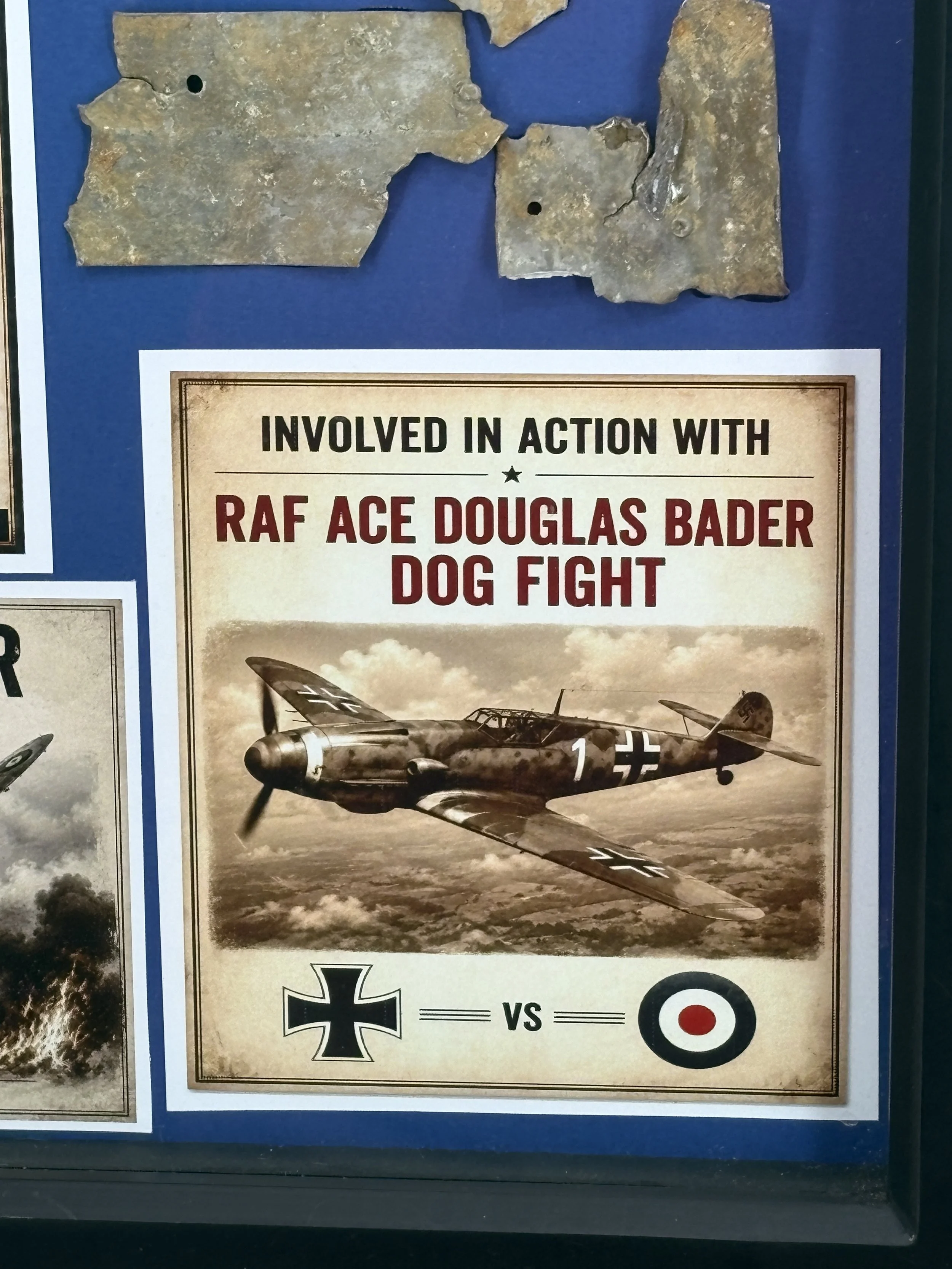 Image 7 of 9
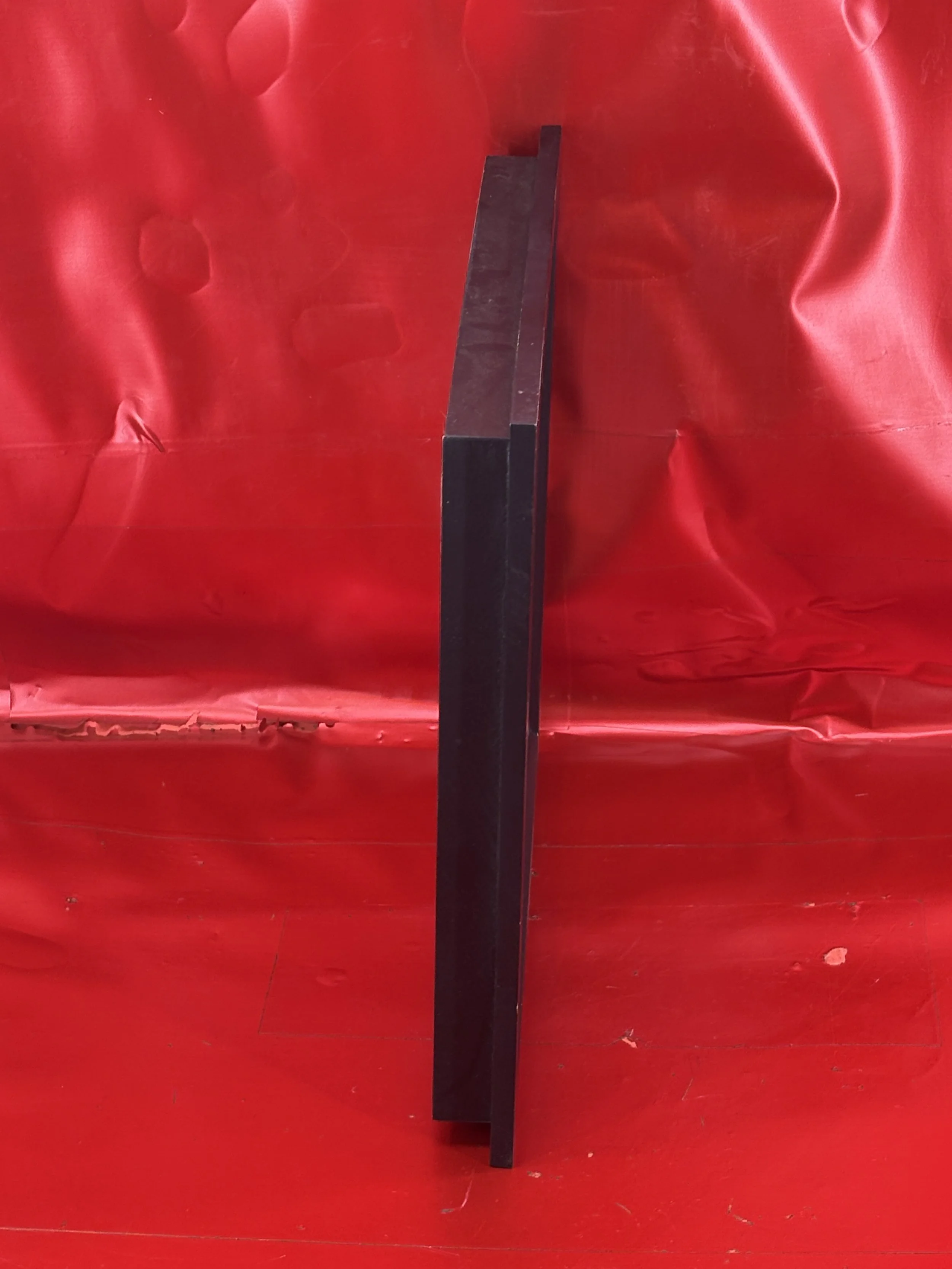 Image 8 of 9
 Image 9 of 9