A particularly interesting and rare find from one of the most famous battlefields of the First World War, with a possible connection to the historic Christmas Truce of 1914.
This is an original German soldier’s Pickelhaube, commonly known as the German spike helmet. The helmet is missing its original badges and insignia, together with the internal leather liner. However, the leather shell retains its original black finish and is in surprisingly solid condition. It is not breaking up but there is slight deterioration.
This would make an excellent addition to any First World War collection and is an ideal restoration project for someone wishing to source the missing fittings and bring the helmet back towards its original appearance, which was why the helmet ended up in the private collection.
Historical Provenance
The helmet was discovered during building work in the 1990s, when it was found in the cellar of a property in the village of Ploegsteert, Belgium, within the historic Ypres battlefield area.
Ploegsteert and the surrounding sector witnessed extensive fighting throughout the First World War, including the events surrounding the famous Christmas Truce of December 1914. British and German troops faced one another across this section of the Western Front, making the location particularly significant.
Although it is not possible to establish the identity of the original owner, the helmet's discovery location and the German units known to have operated in the area provide an interesting historical context and a possible indication of the unit to which its original owner belonged.
Included with the Helmet
The helmet comes complete with two A5 laminated historical information cards, featuring numerous photographs, historical information about the German units defending the area, details of the battlefield and a map of the location.
A fascinating piece of First World War history, with an interesting discovery story and a direct connection to one of the most significant sectors of the Western Front.

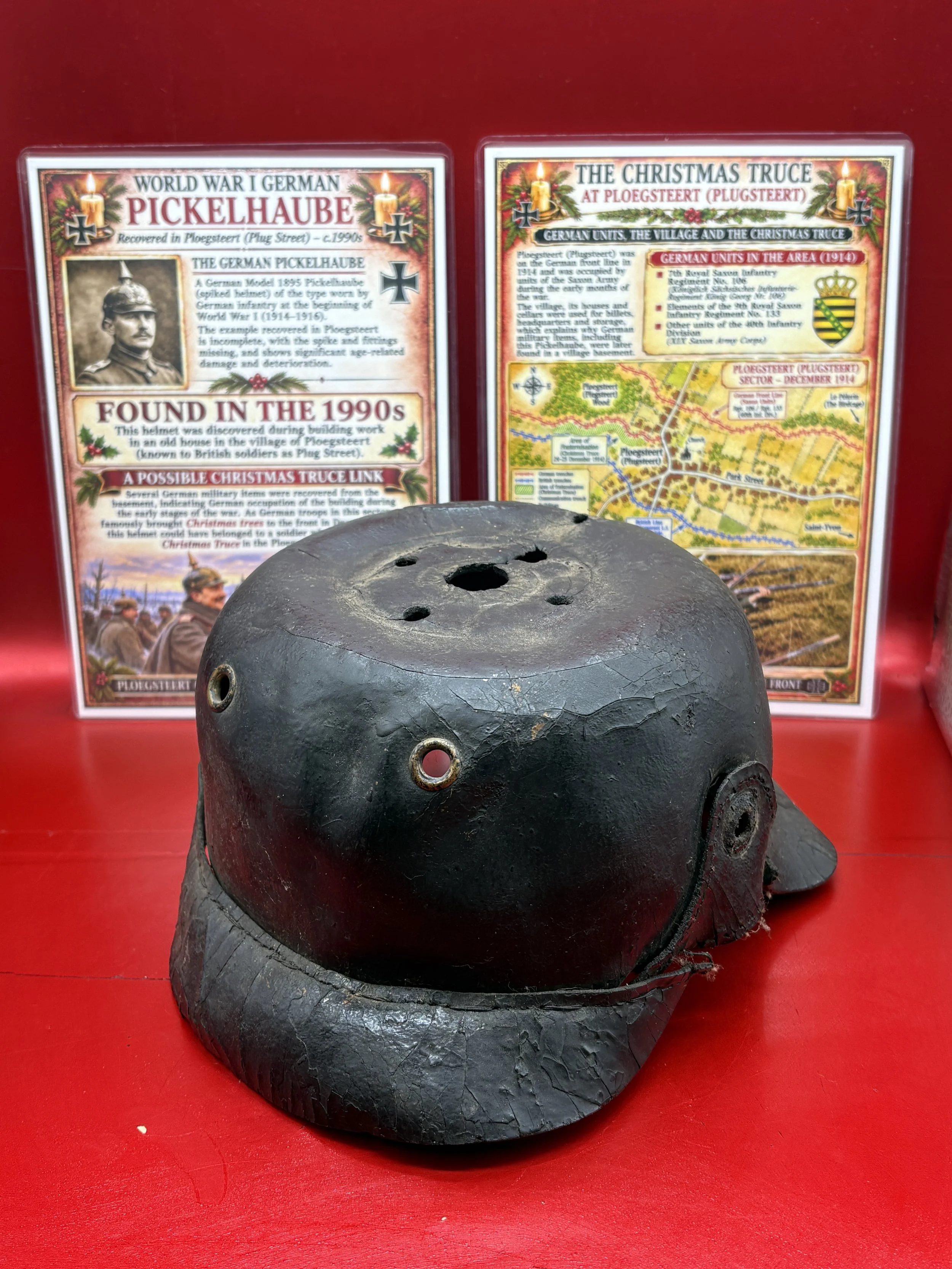 Image 1 of 13
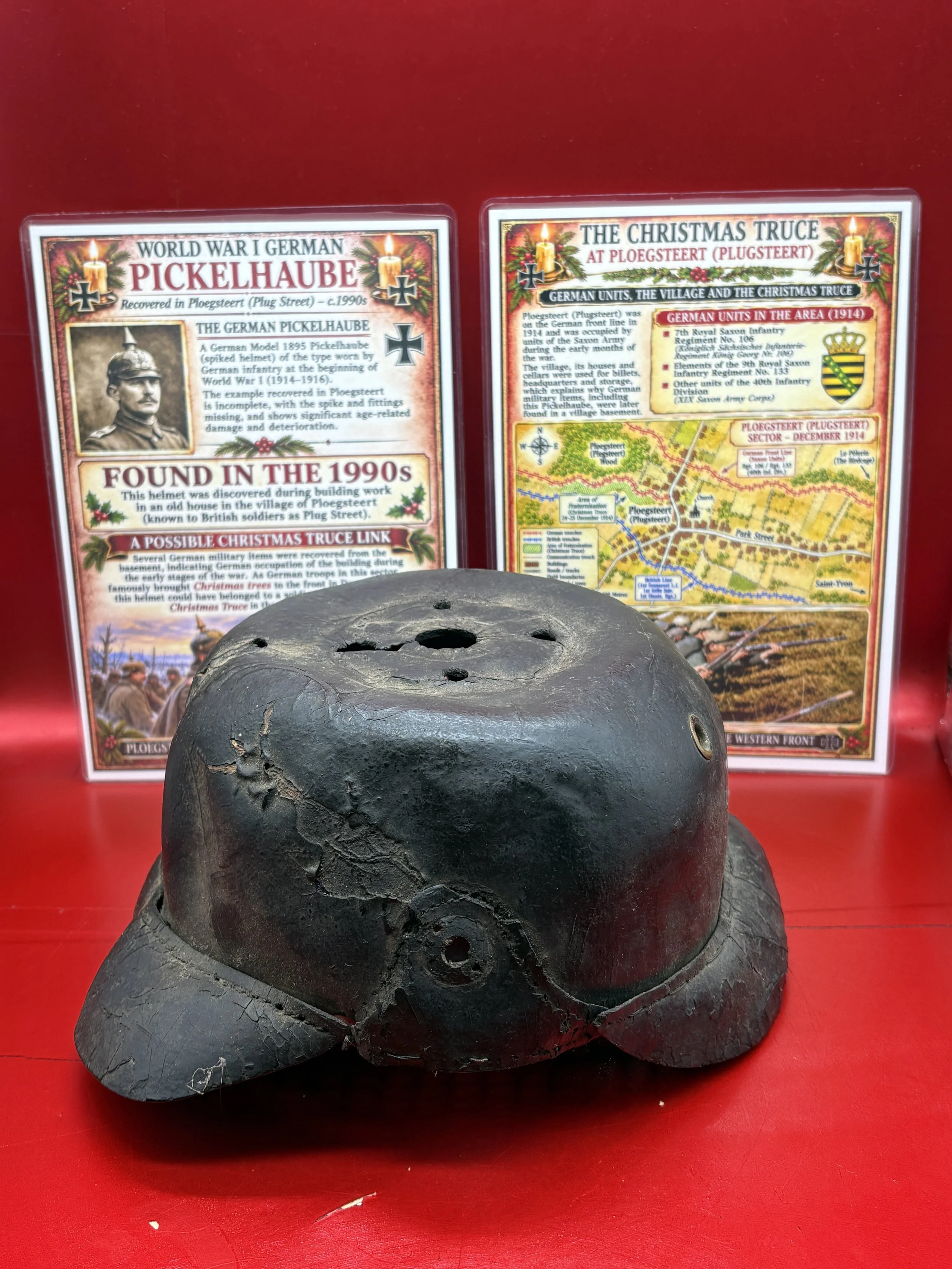 Image 2 of 13
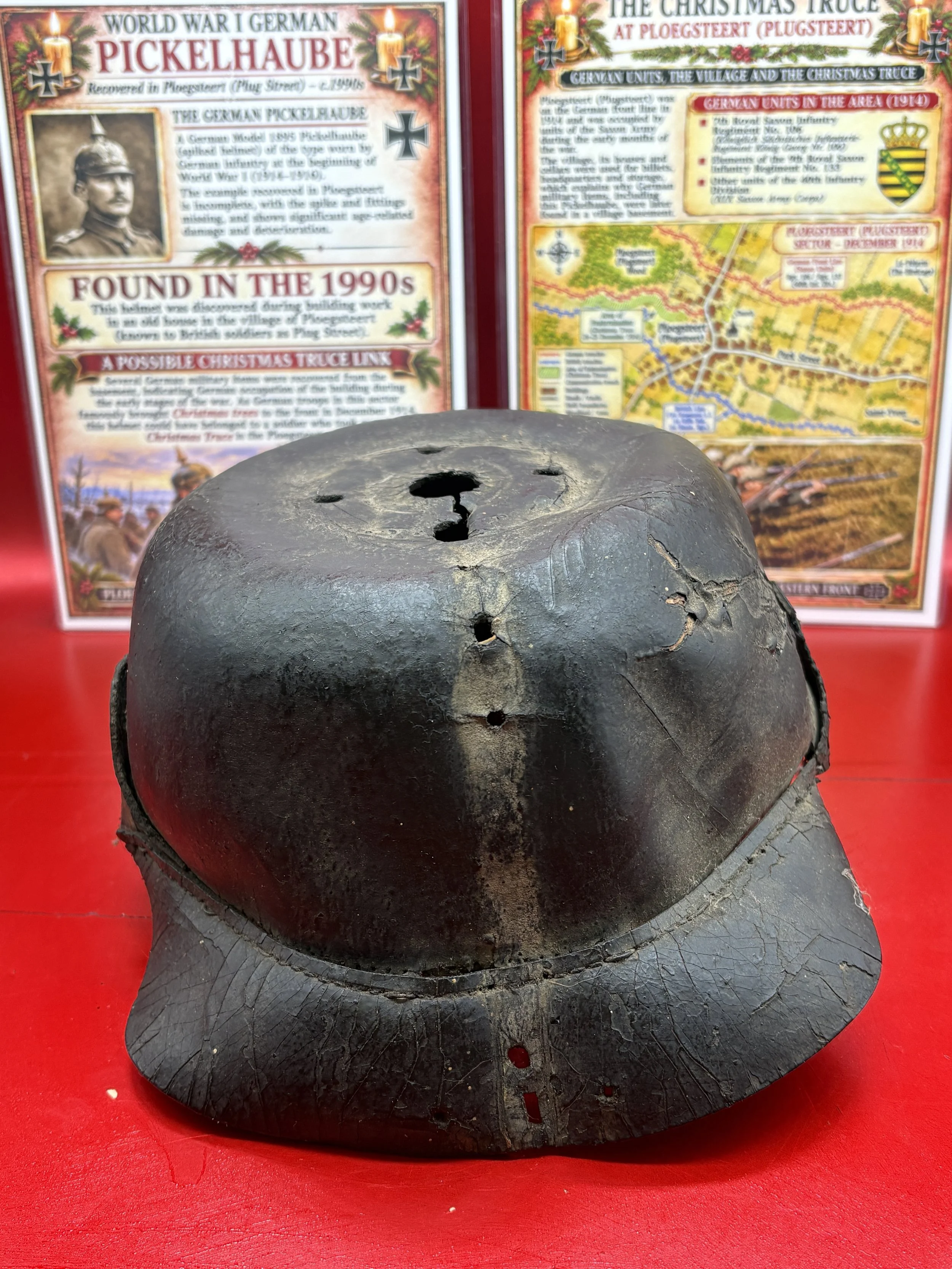 Image 3 of 13
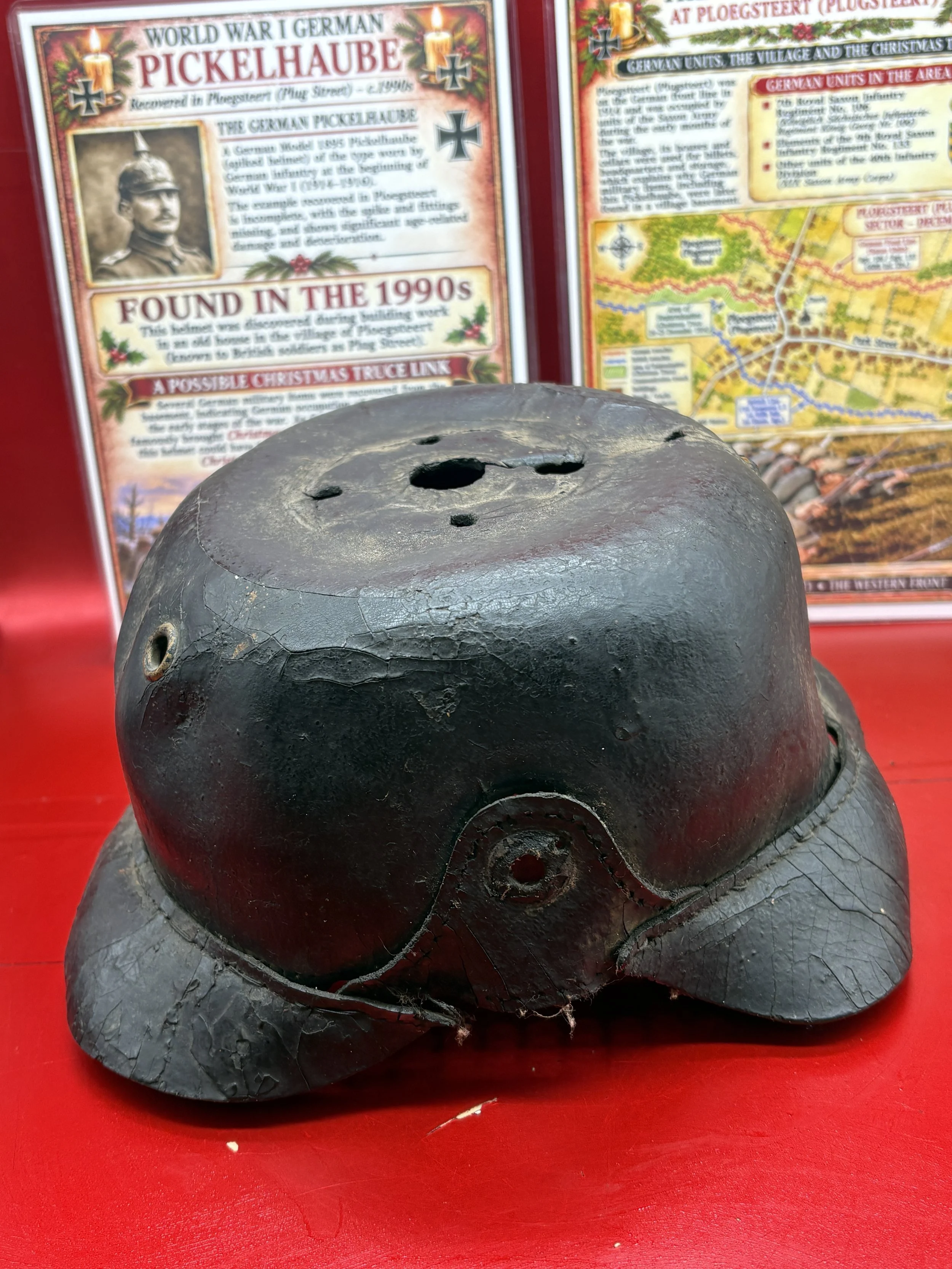 Image 4 of 13
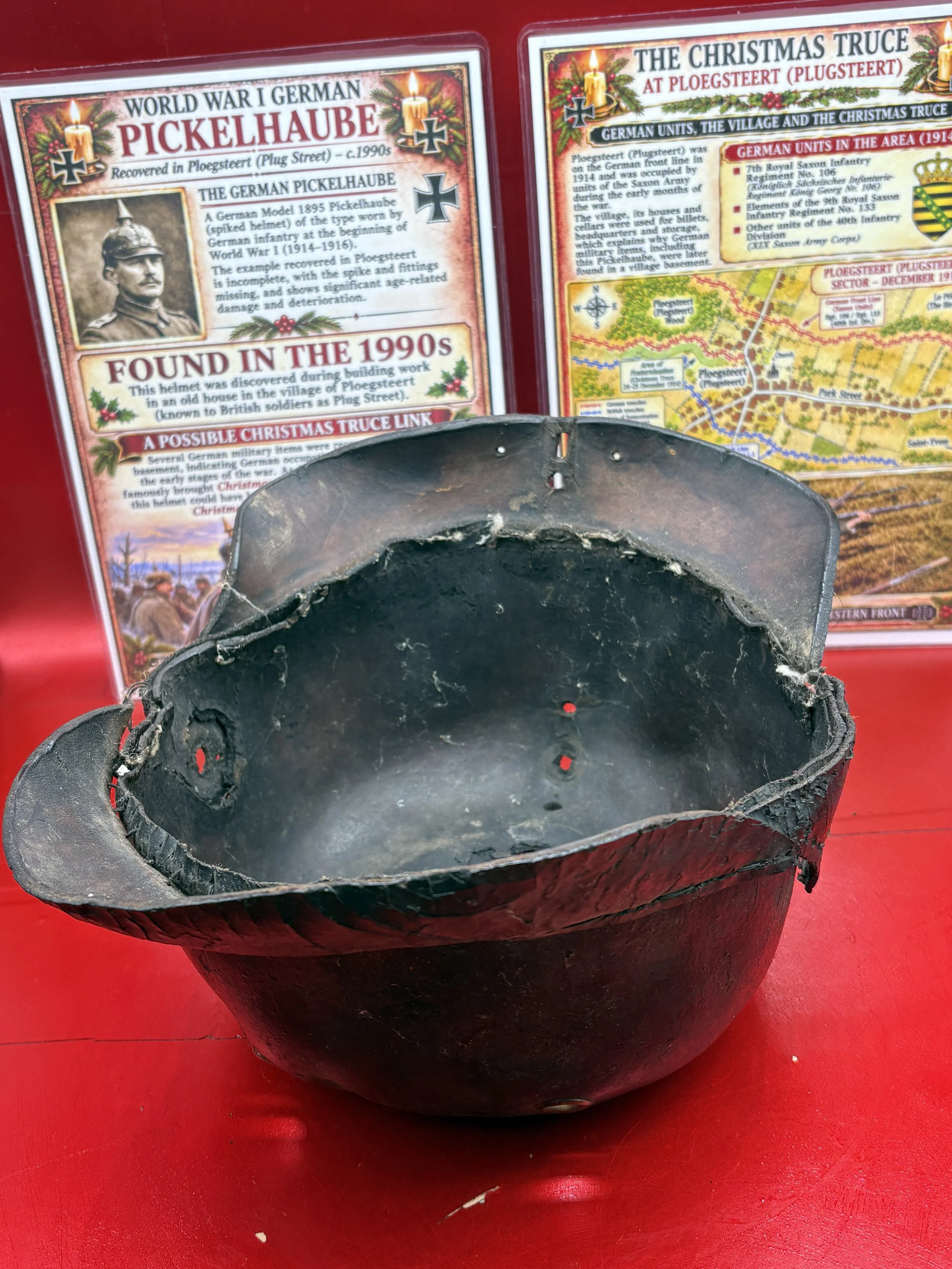 Image 5 of 13
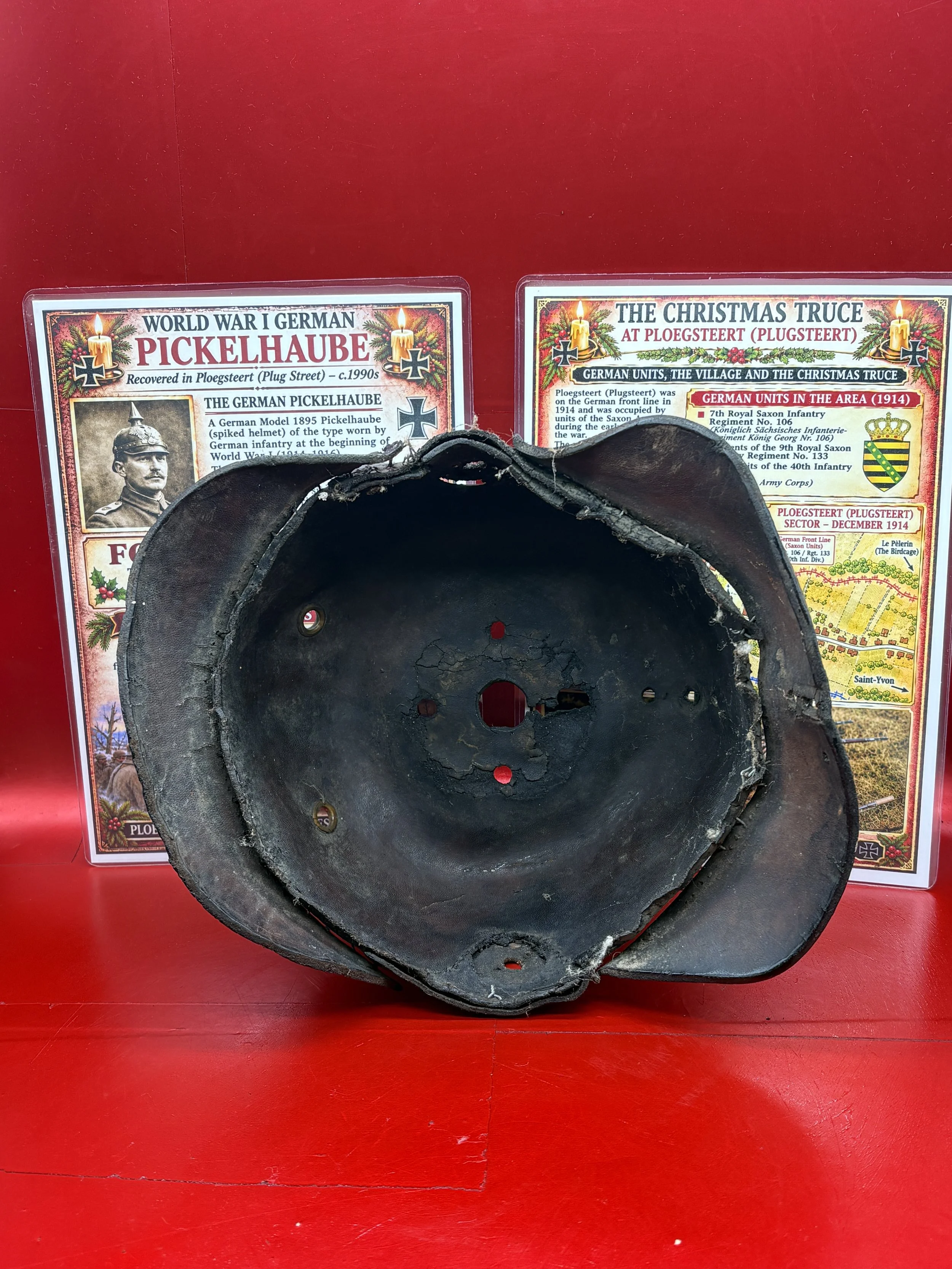 Image 6 of 13
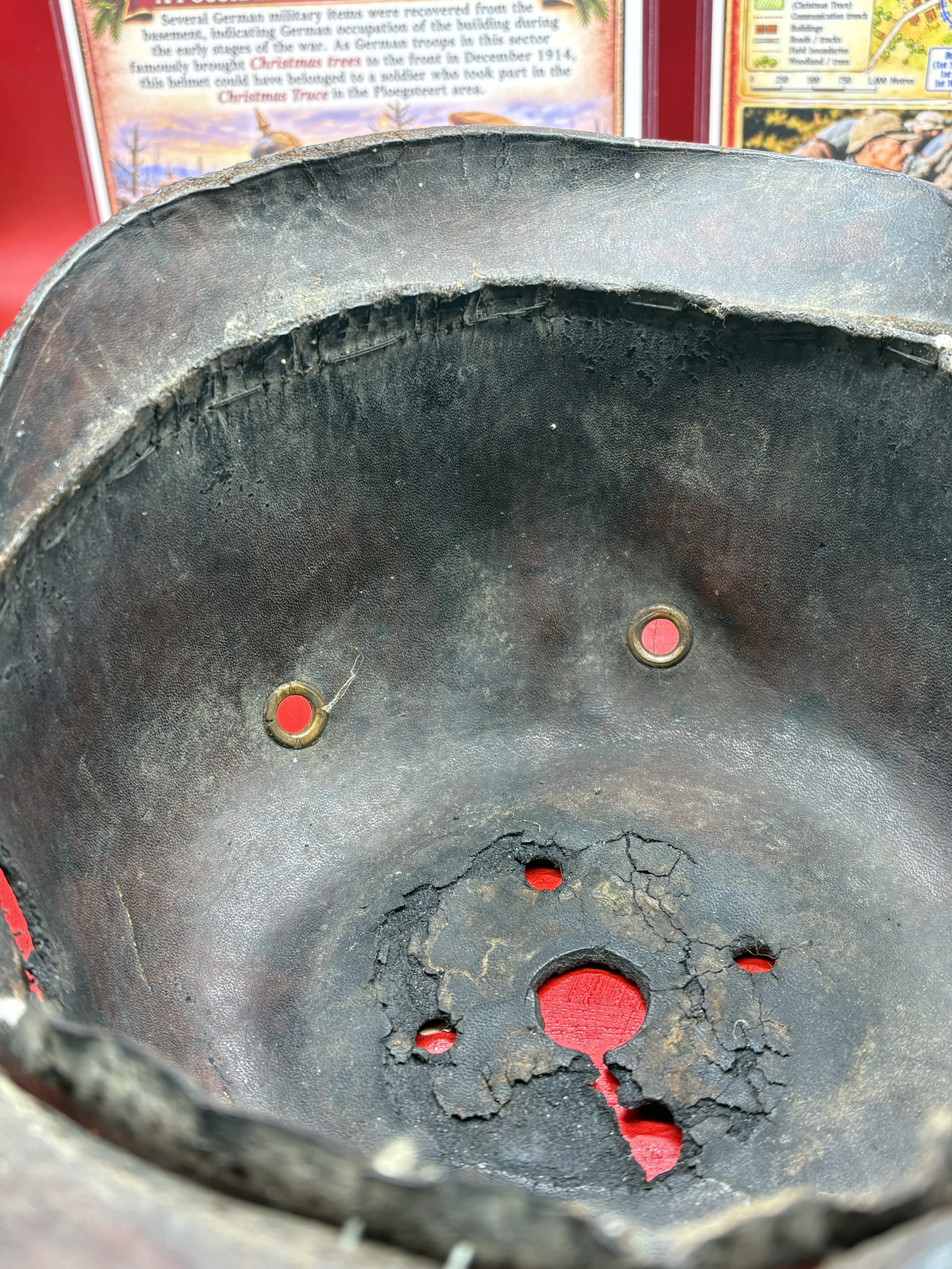 Image 7 of 13
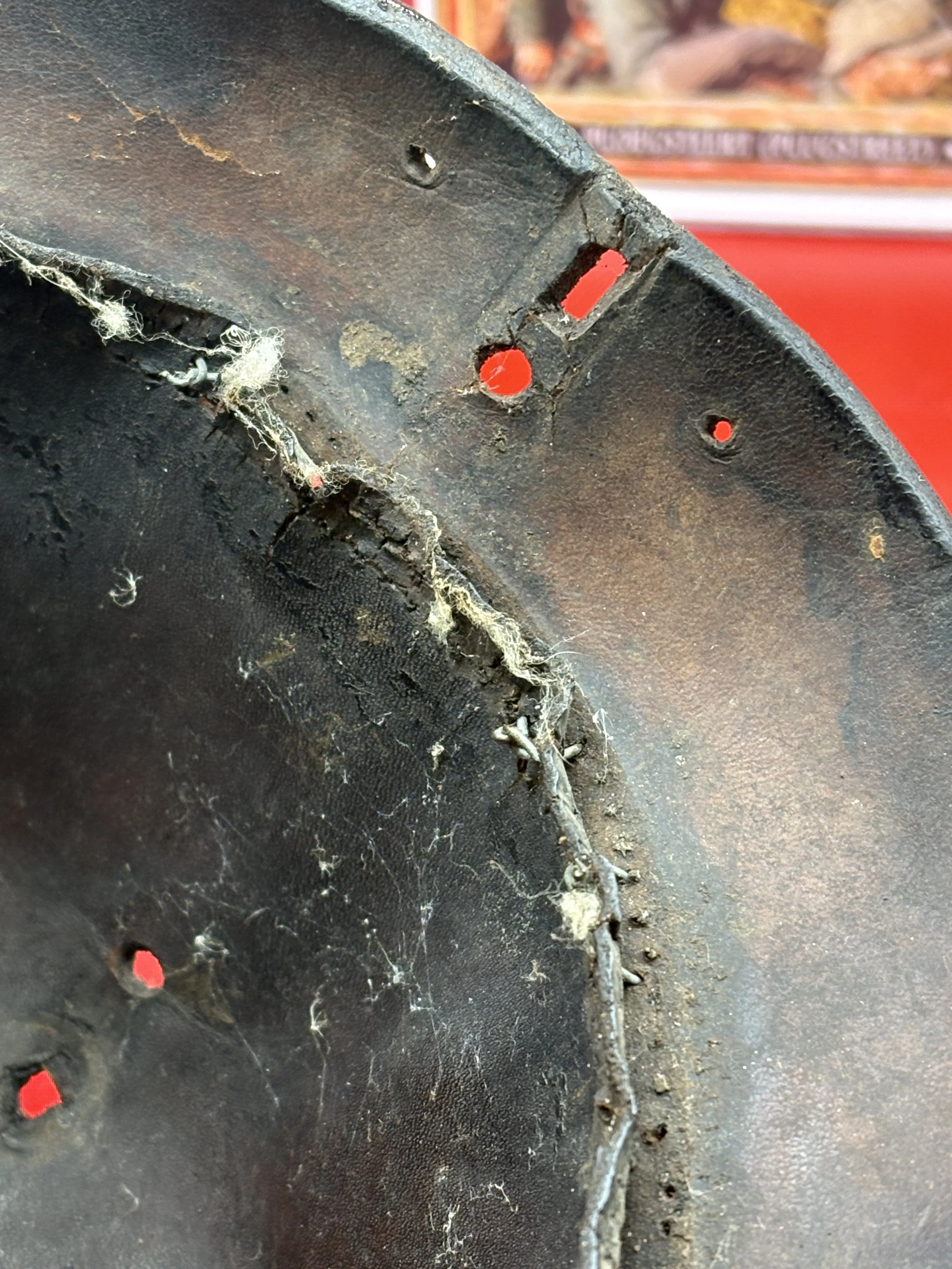 Image 8 of 13
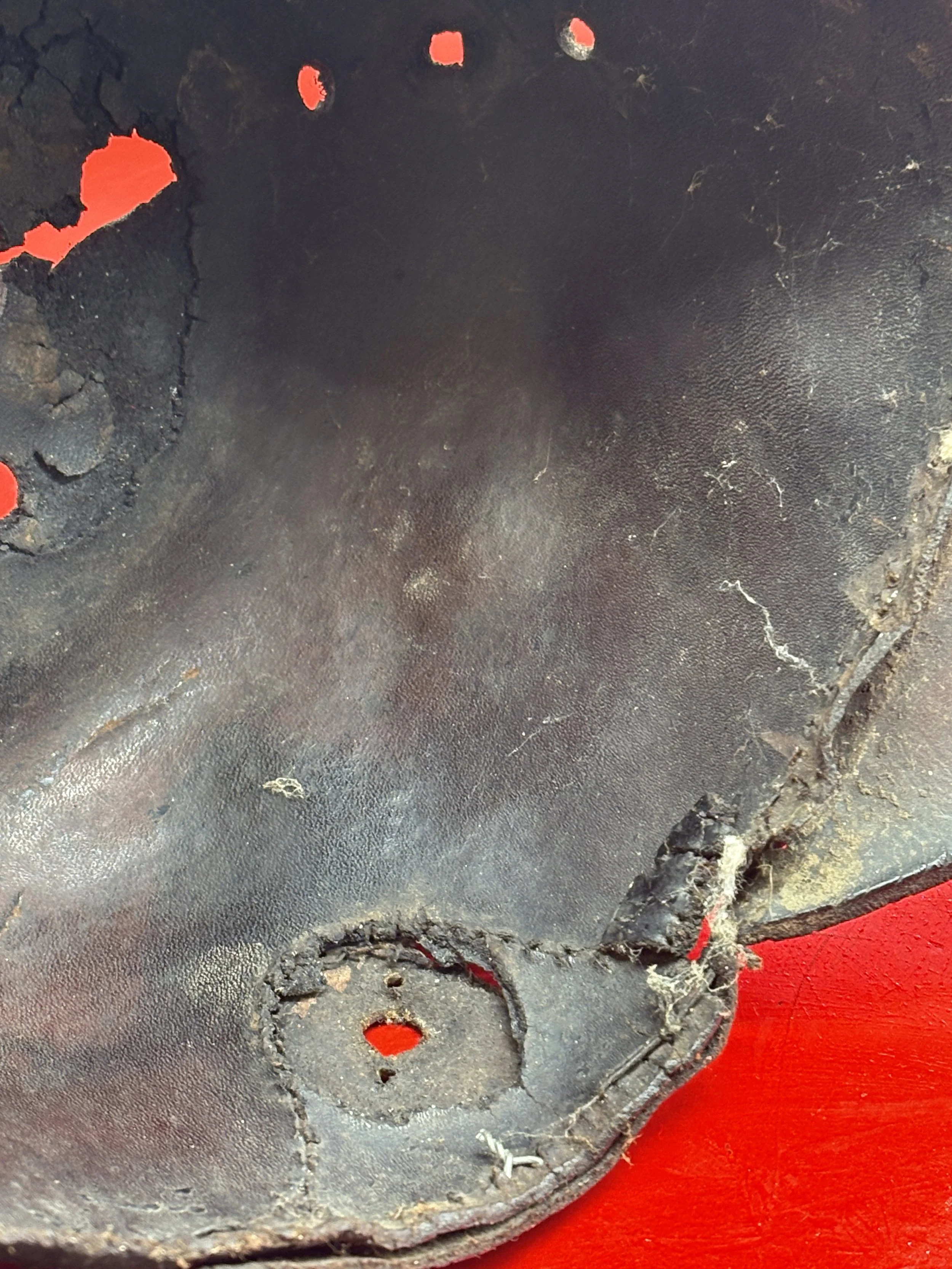 Image 9 of 13
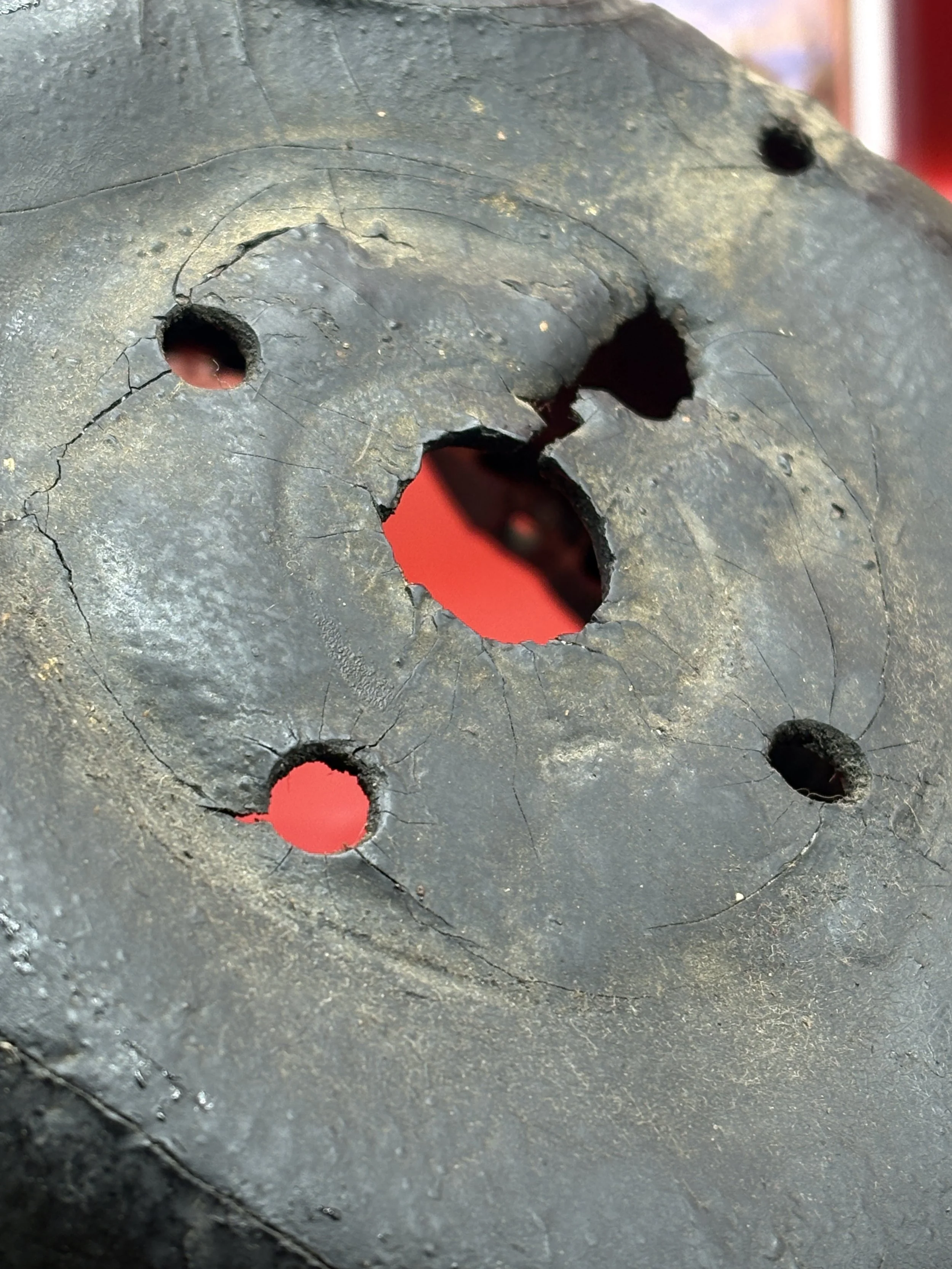 Image 10 of 13
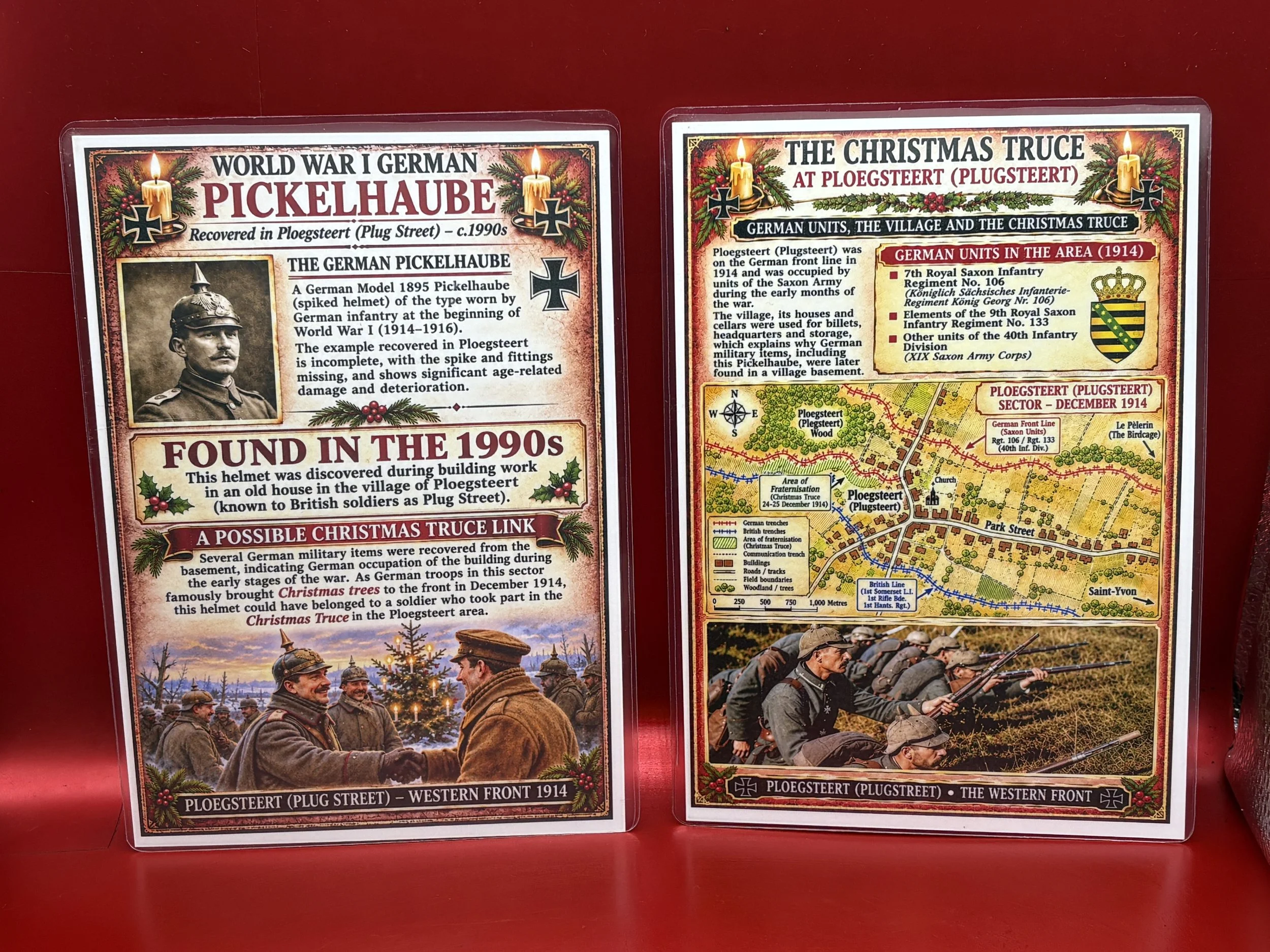 Image 11 of 13
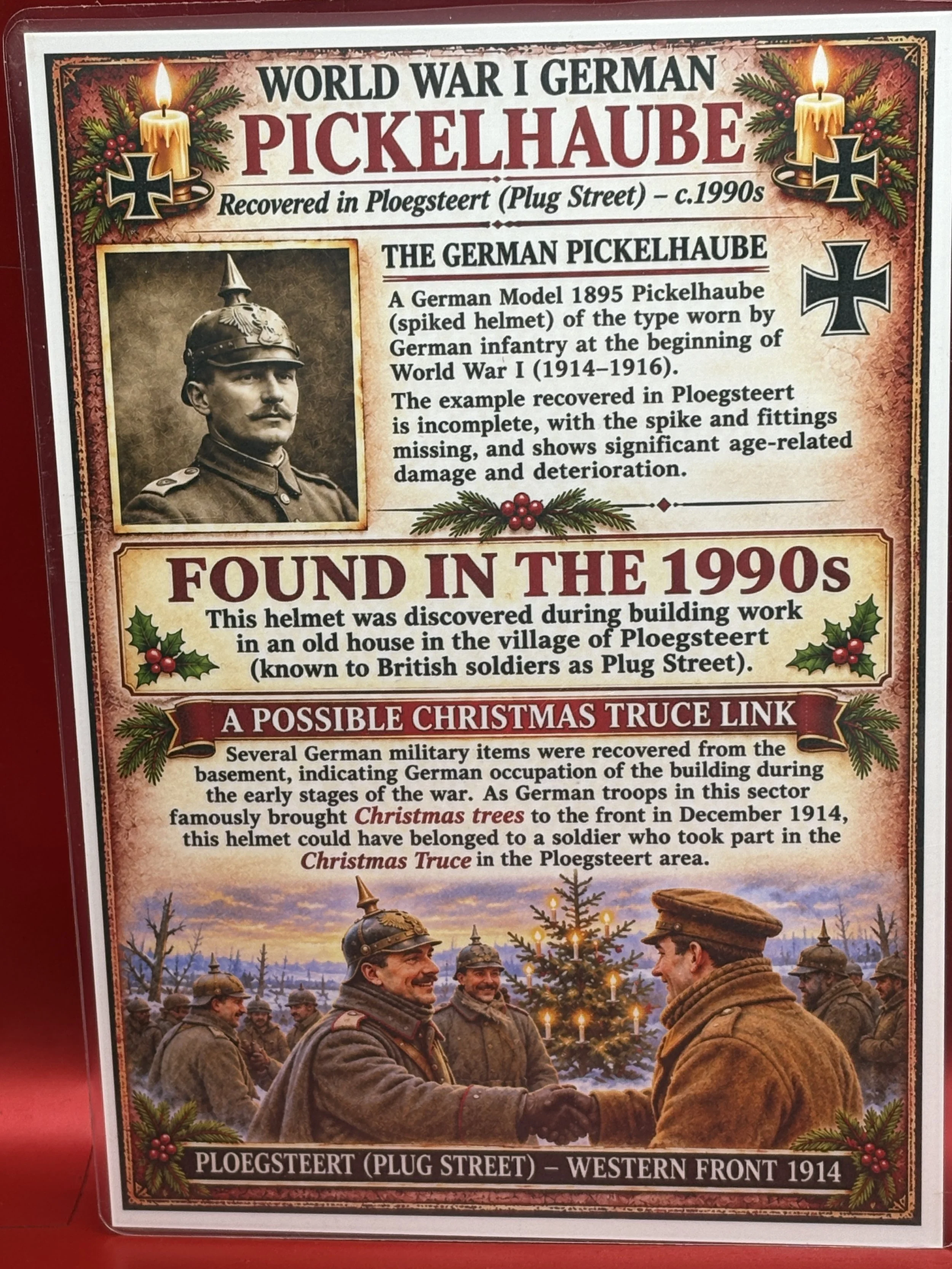 Image 12 of 13
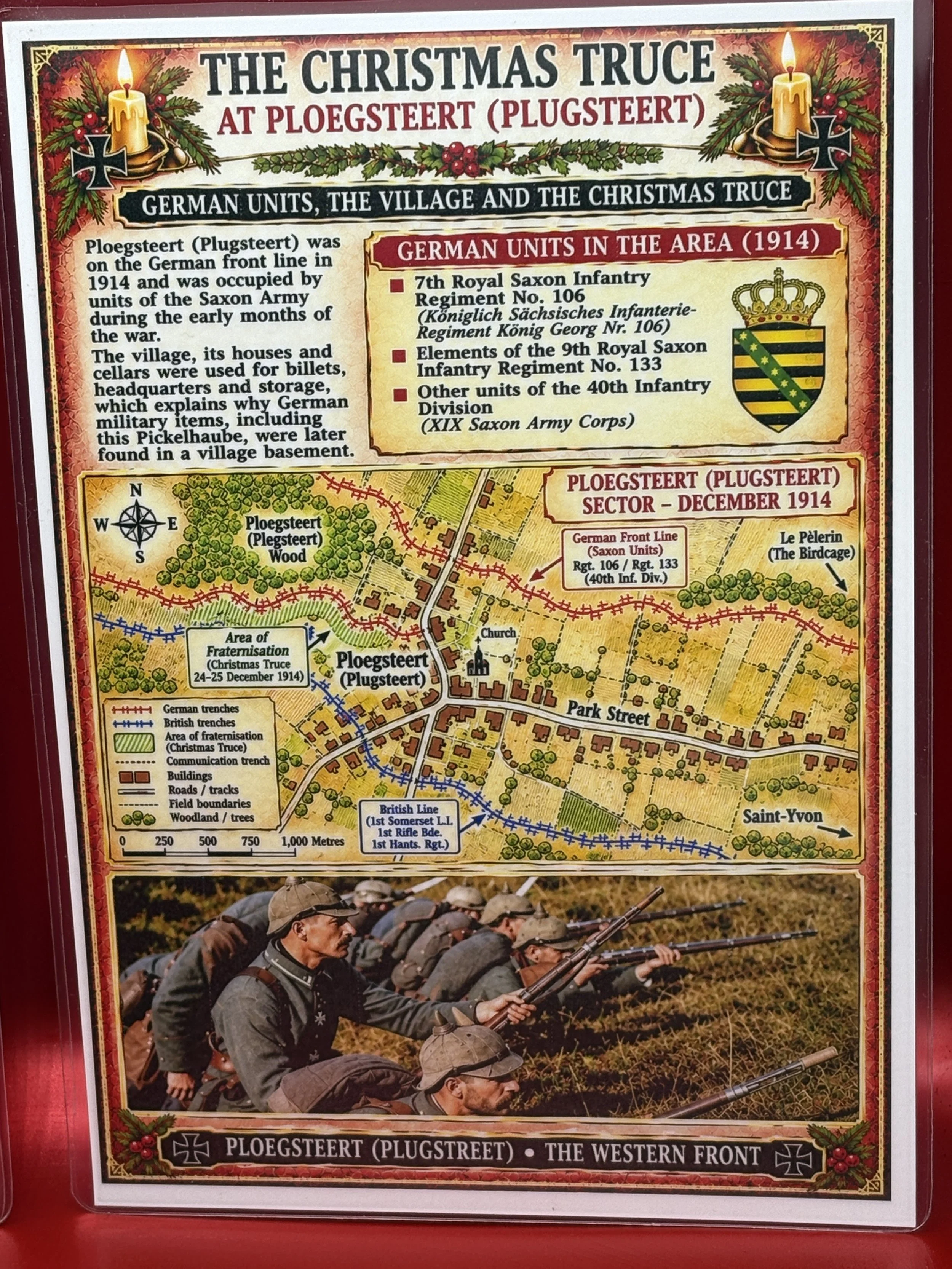 Image 13 of 13