This is a very rare French Napoleonic or Allied military horse and cavalry equipment part remains which there are 3 different parts which are buckle, d ring and ornament all look brass made.
The parts are in nice relic but solid condition but are damaged from being buried or lost in the battle but are in very nice overall condition and are very solid not breaking up or falling apart. The parts have been carefully cleaned cleaned and are perfect to display and a nice rare one for any collection and are 1 half-2 inches long. The parts come with 2x A5 laminated information cards with pictures and map.
The parts which are extremally rare to find was recovered over the years by local farmers from the Waterloo battlefield of 1815 in Belgium.
The Battle of Waterloo was fought on 18 June 1815 between Napoleon’s French Army and a coalition led by the Duke of Wellington and Marshal Blücher. The decisive battle of its age, it concluded a war that had raged for 23 years, ended French attempts to dominate Europe, and destroyed Napoleon’s imperial power forever. Napoleon was defeated. He spoke of fighting on but was forced to abdicate when the Allies entered Paris on 7 July. He spent the rest of his life in exile on the island of St Helena in the South Atlantic.
The French Army had their greatest military commander in Napoleon Bonaparte. He was loved by his loyal troops, demonised by his enemies, feared and respected by all. His army was composed of veterans who had rallied to his cause on his return from exile. Having detached 33,000 men to follow the Prussians after Ligny, Napoleon had 72,000 men and 246 guns at Waterloo.
The Anglo-Allied army had 68,000 men and 156 guns. The men were a blend of inexperienced troops and veterans of the Peninsular War (1808-14). With such a mixed force, there was no question of Wellington going on the offensive. The French under Napoleon lost nearly 40,000 men killed, wounded or captured. The Allies suffered 22,000 casualties.

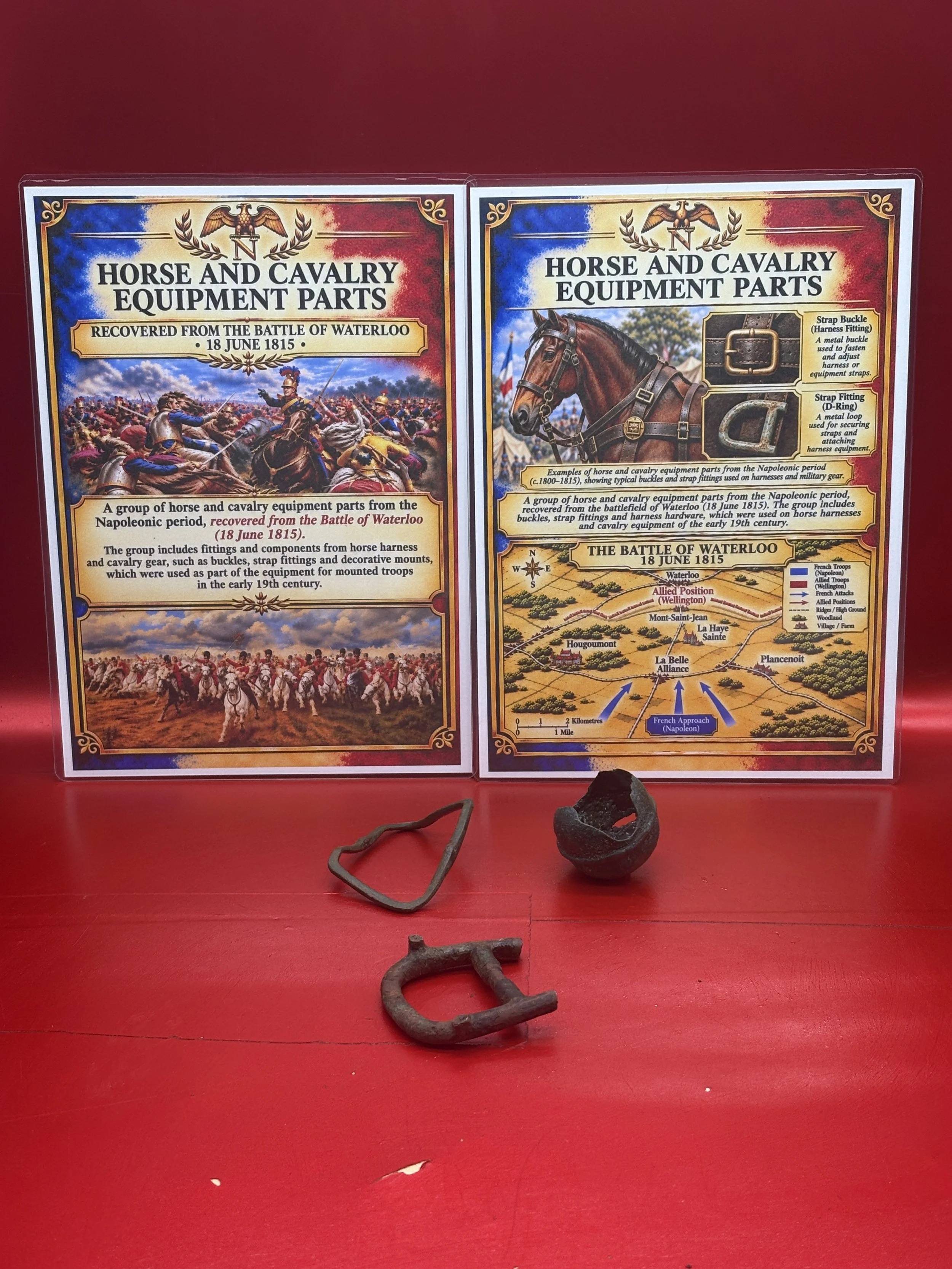 Image 1 of 10
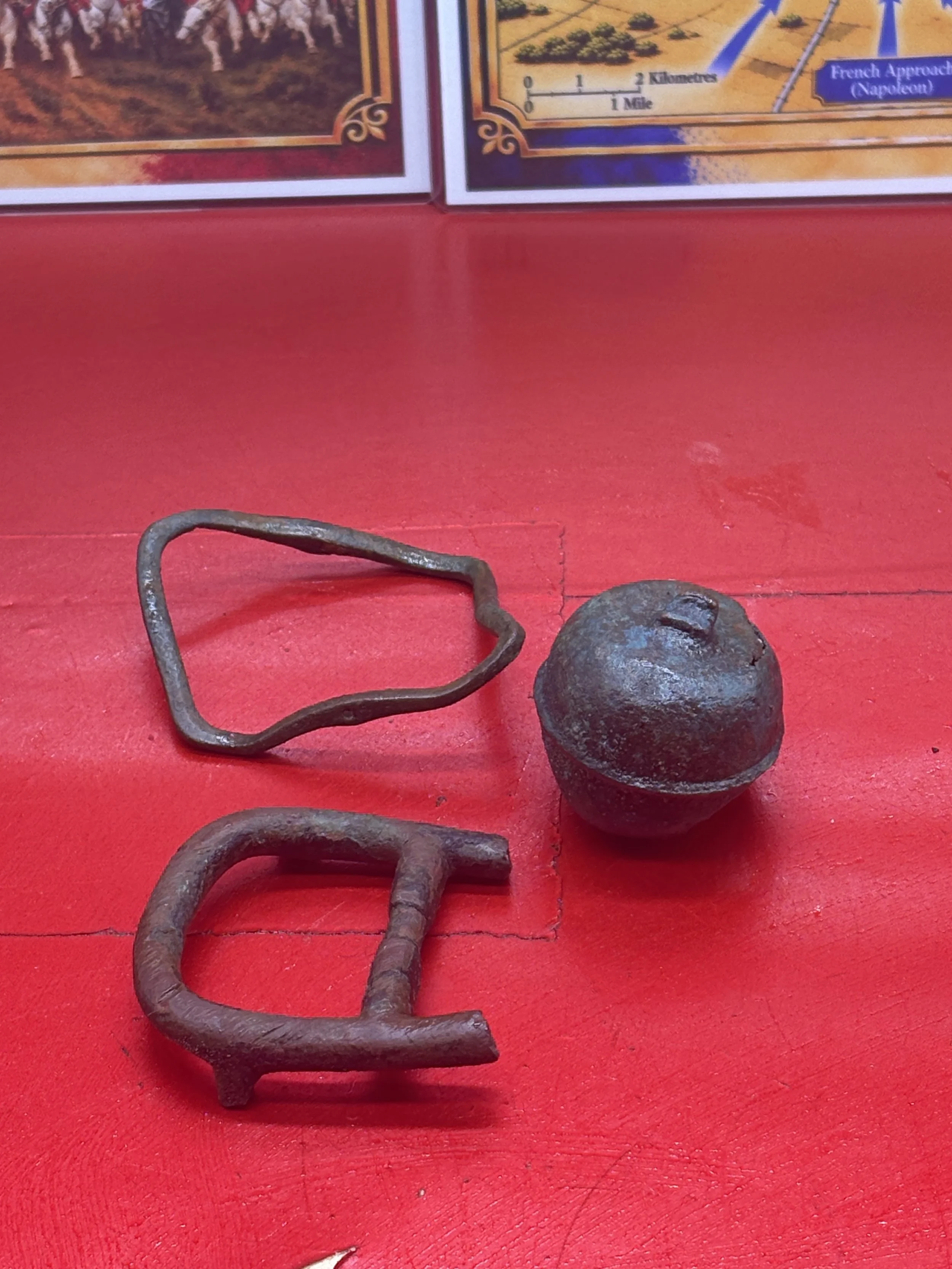 Image 2 of 10
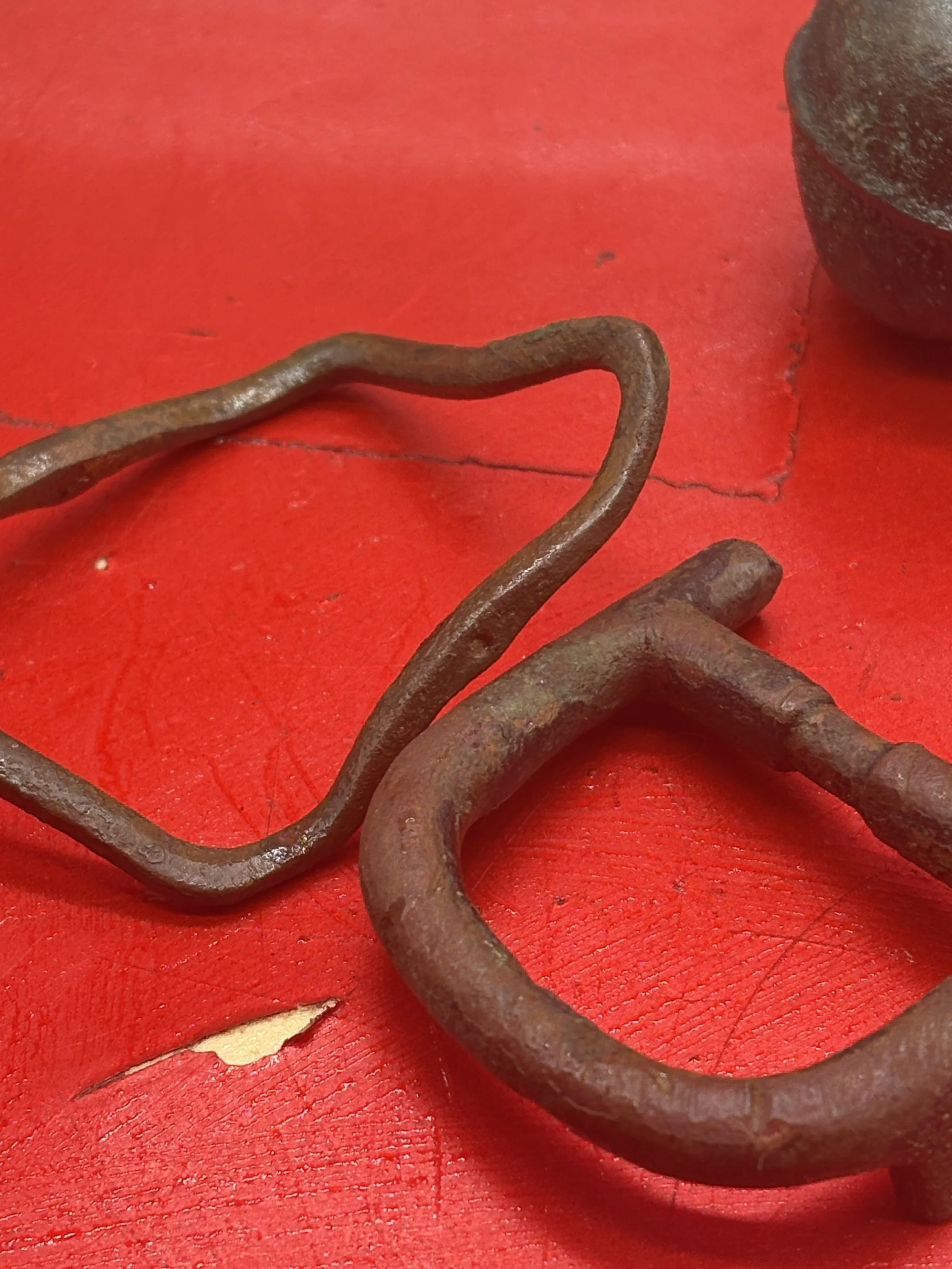 Image 3 of 10
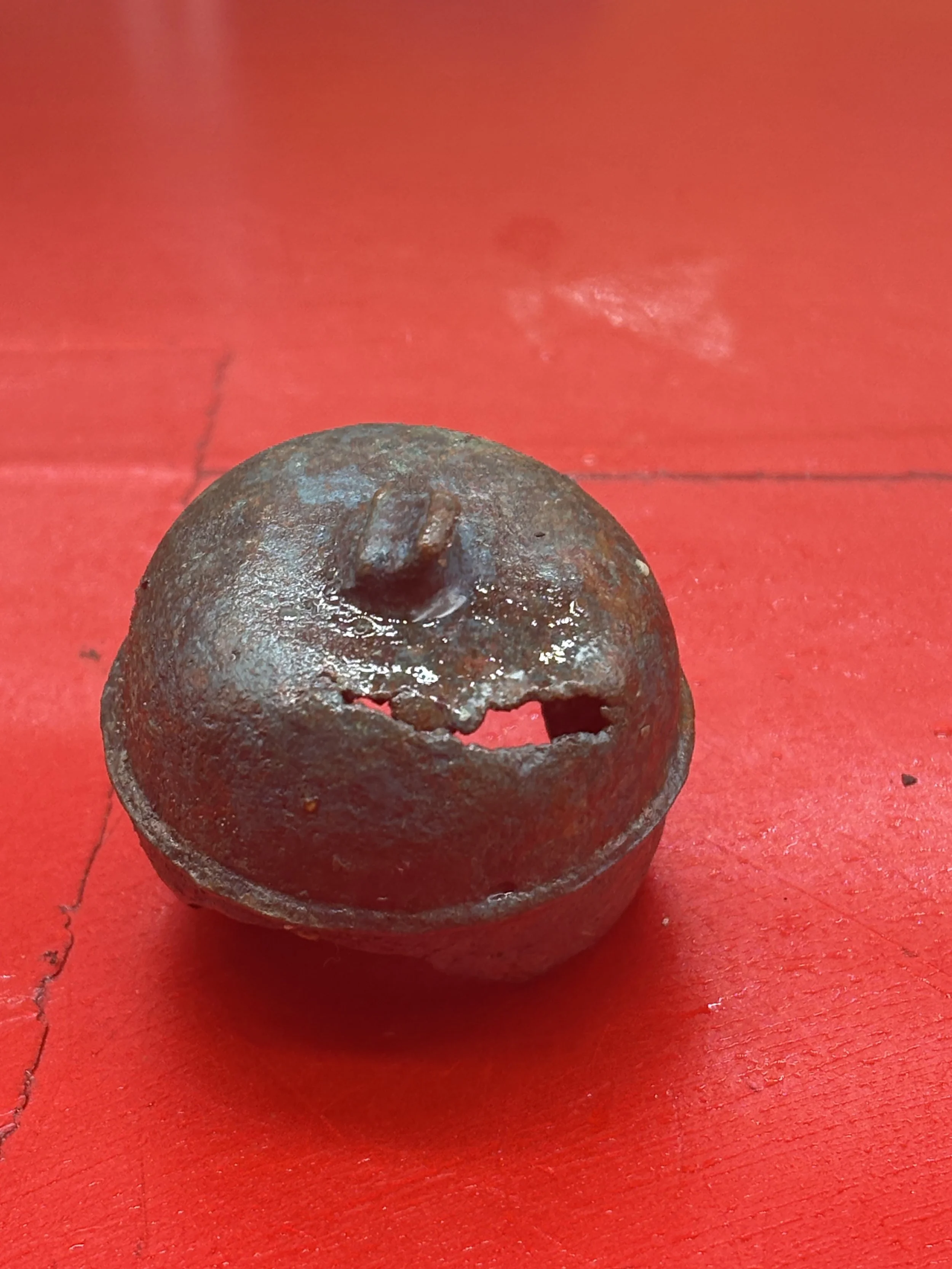 Image 4 of 10
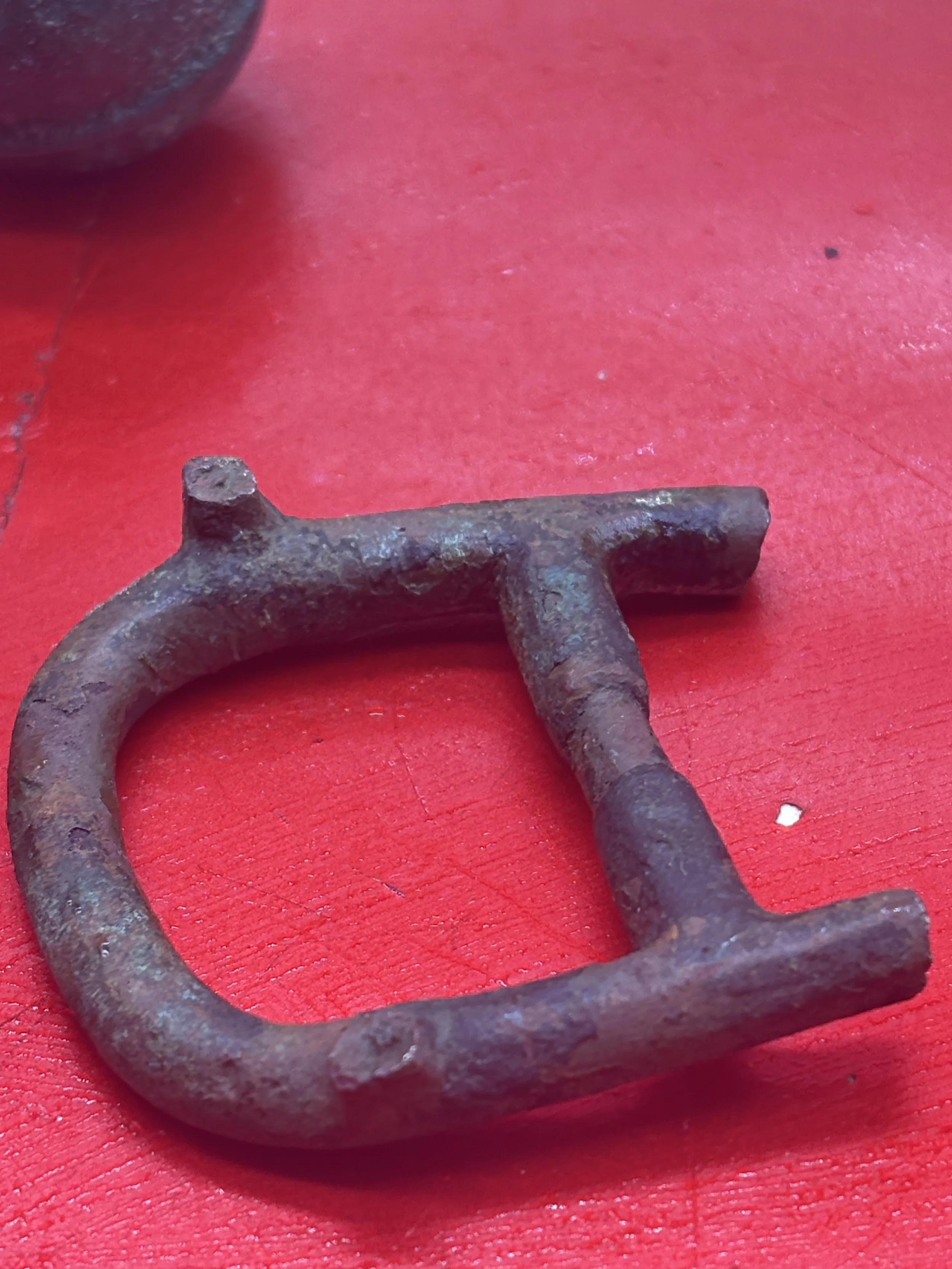 Image 5 of 10
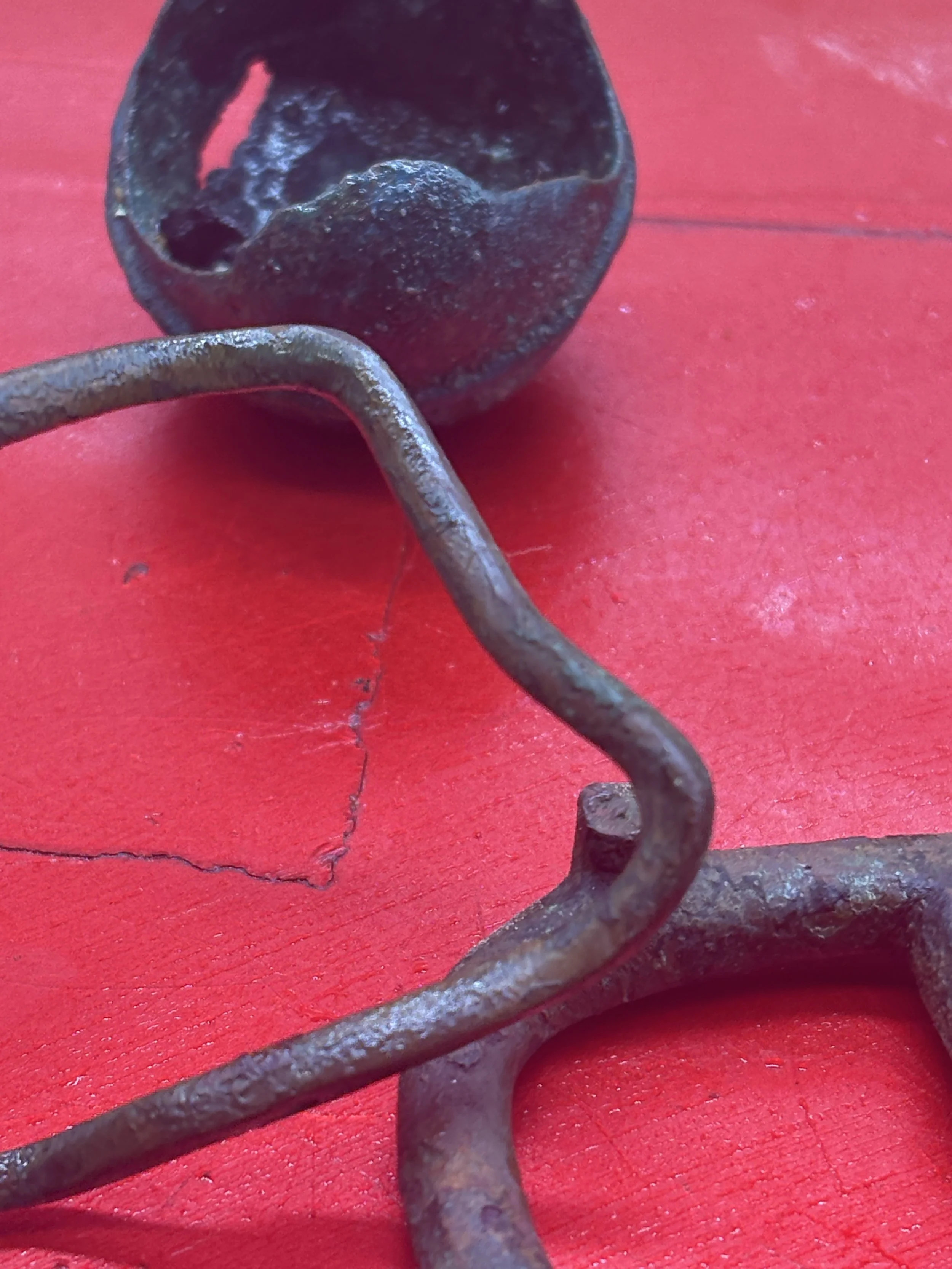 Image 6 of 10
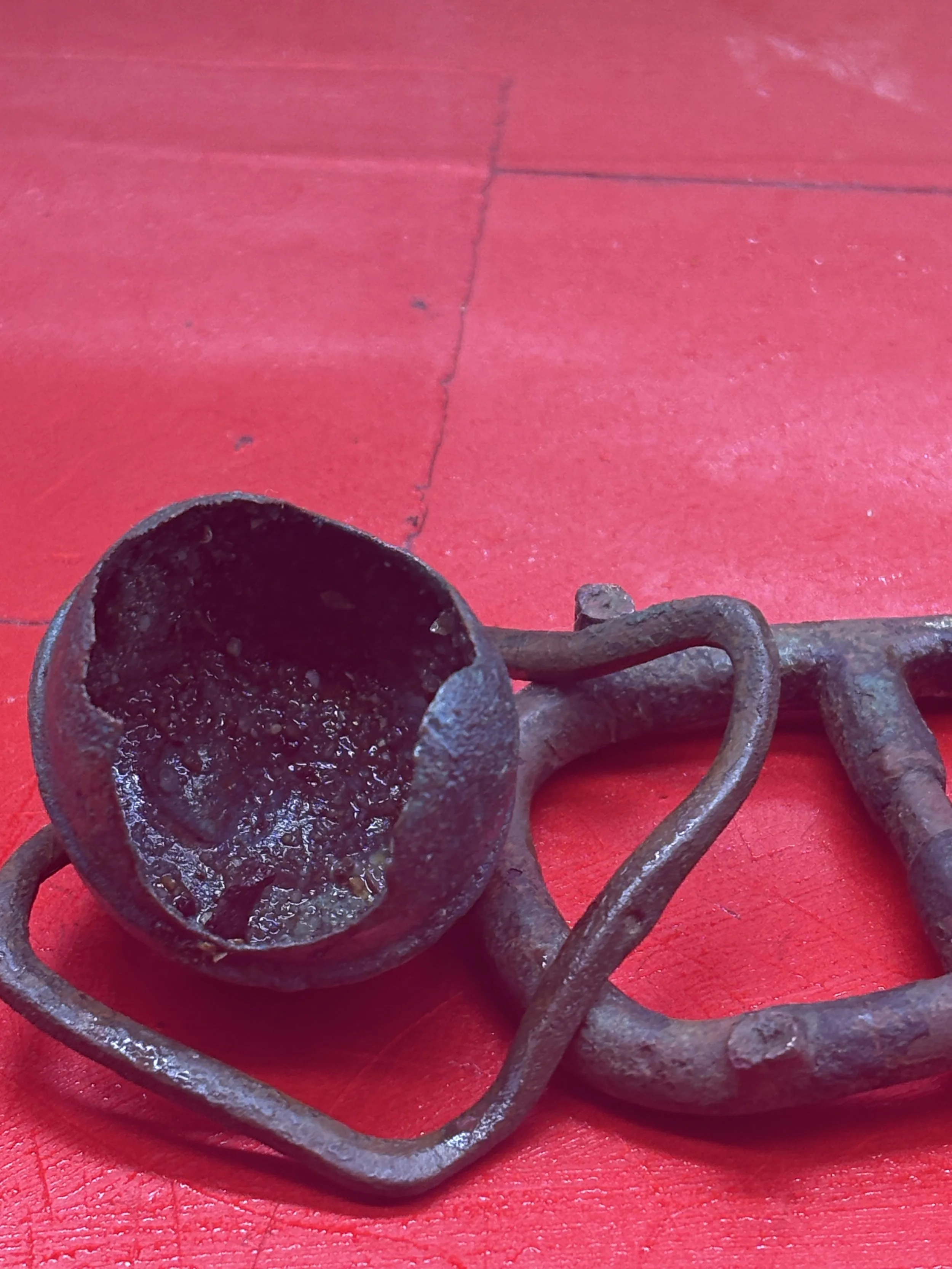 Image 7 of 10
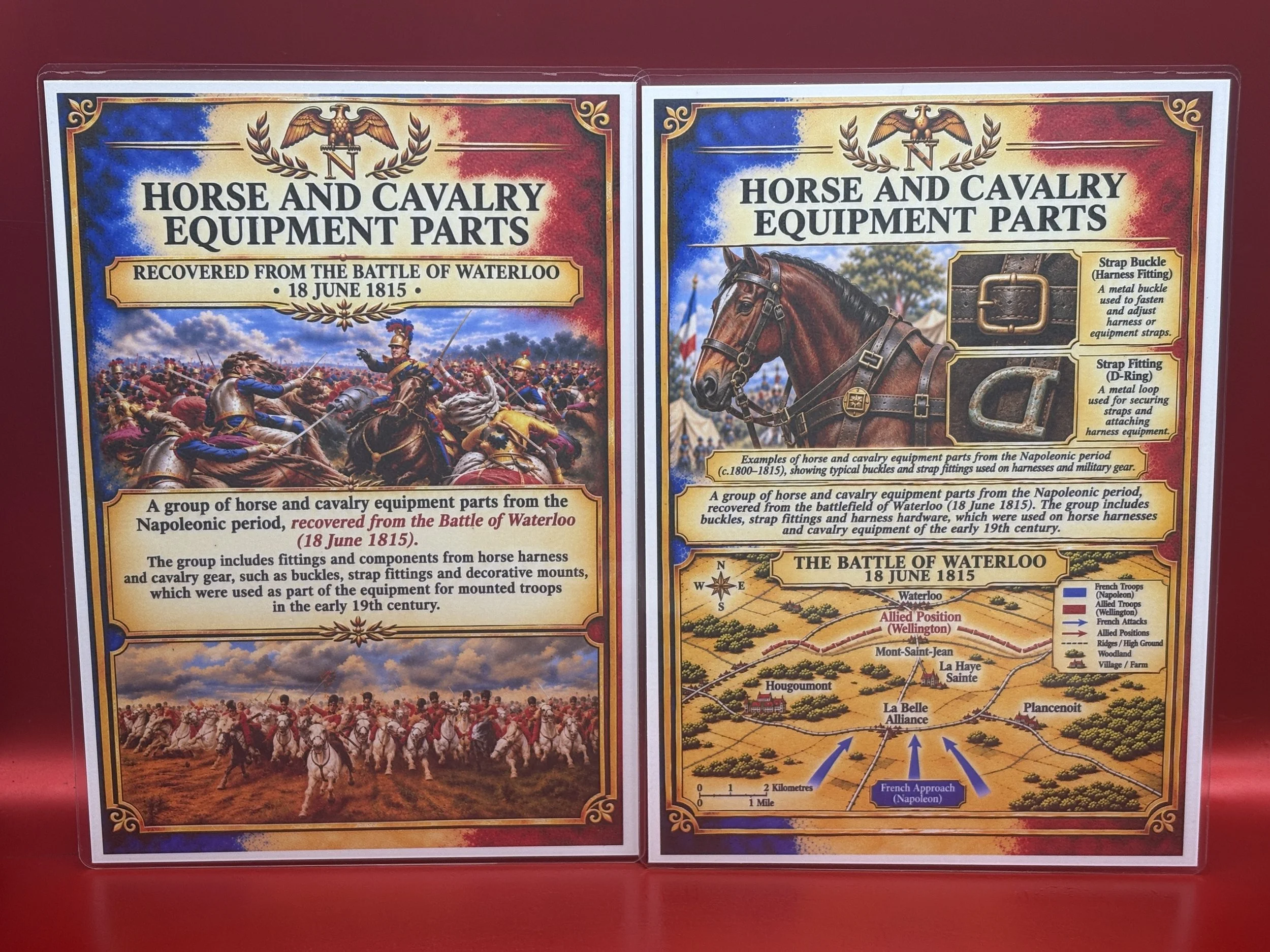 Image 8 of 10
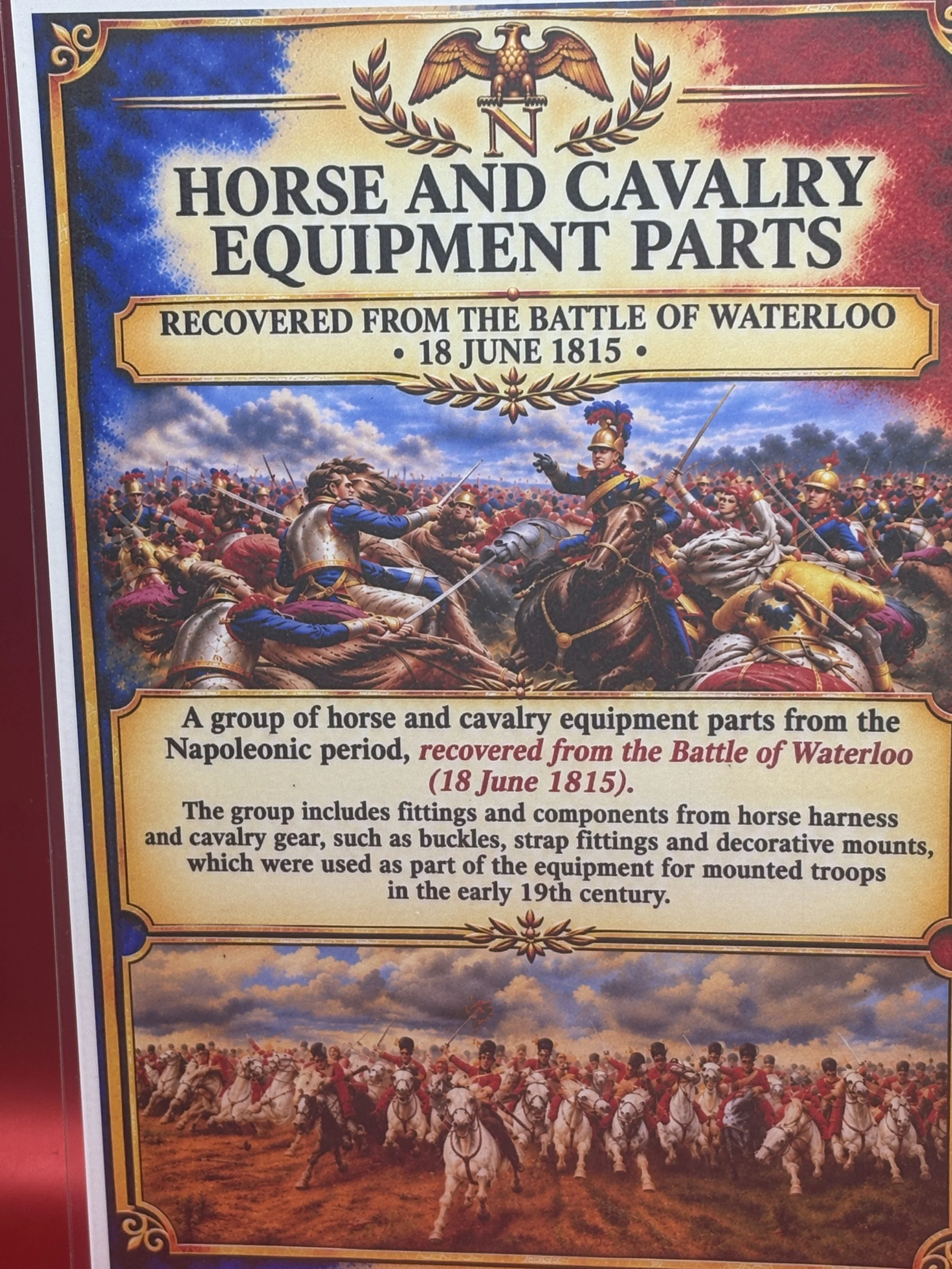 Image 9 of 10
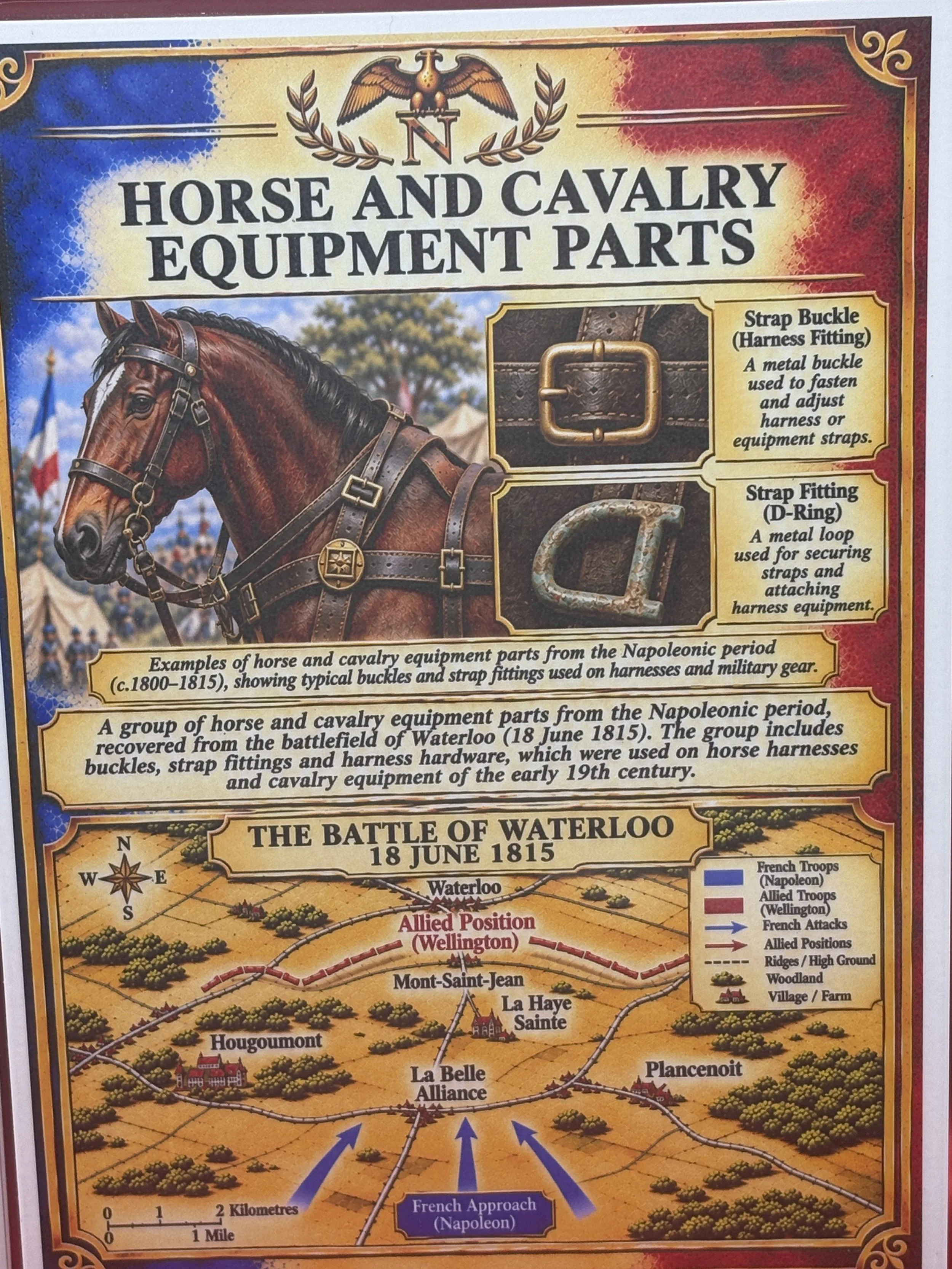 Image 10 of 10