This is a nice and very rare find from the battlefield which is British 1915 pattern rifle grenade a number 22 pepin which is a Mark 1 or 2. This is the outer casing of the grenade no rod which is empty and inert the metal case has no holes only some light surface rust and pitting and still retains some of what i think is the original black paintwork finish and is perfect for display or any collection. The grenade which was recovered from old trench line in the Village of Flers attacked and captured by the British using tanks in September 1916 on the Somme Battlefield.This grenade comes with 2 x A5 laminated information cards.
From May 1915, the British Army organizes in Hazebrouck the manufacturing of prefragmented hand grenades having the shape of a grapefruit grain (in French 'Pépin') named 'Hand grenade Newton Pépin'. Dangerous, they will inspire the French Citron foug grenade, as well as the British rifle grenade N°17 MkI (June 1917), that has been rapidly improved to become the rifle grenade N°22 Mk I.
The British 41st Division was to attack Flers and had most tanks, four for the Longueval–Flers road and six to attack the middle and west side of the village. On the right flank the 124th Brigade attacked with two battalions forward and two in support, having assembled in no man's land. The advance began at zero hour and Tea Support Trench and the Switch Line fell relatively easily by 7:00 a.m. and Flers Trench at 7:50 a.m. At 3:20 p.m. a large party of infantry reached Bulls Road and linked with the 122nd Brigade on the left but attacks on Gird Trench failed. The 122nd Brigade had attacked with two battalions and two in support, reaching the Switch Line by 6:40 a.m. and the on to Flers Trench. Tank D15 was knocked out near the Switch Line, D14 ditched near Flers and D18 was damaged by a shell at Flers Trench but managed to withdraw. D16 entered Flers at 8:20a.m. followed by troops of the 122nd Brigade, D6, D9 and D17 driving along the eastern fringe of the village, destroying strong points and machine-gun nests. By 10:00 a.m. the surviving Bavarians made a run for Geuedecourt.
This is a nice and very rare find from the battlefield which is British 1915 pattern rifle grenade a number 22 pepin which is a Mark 1 or 2. This is the outer casing of the grenade no rod which is empty and inert the metal case has no holes only some light surface rust and pitting and still retains some of what i think is the original black paintwork finish and is perfect for display or any collection. The grenade which was recovered from old trench line in the Village of Flers attacked and captured by the British using tanks in September 1916 on the Somme Battlefield.This grenade comes with 2 x A5 laminated information cards.
From May 1915, the British Army organizes in Hazebrouck the manufacturing of prefragmented hand grenades having the shape of a grapefruit grain (in French 'Pépin') named 'Hand grenade Newton Pépin'. Dangerous, they will inspire the French Citron foug grenade, as well as the British rifle grenade N°17 MkI (June 1917), that has been rapidly improved to become the rifle grenade N°22 Mk I.
The British 41st Division was to attack Flers and had most tanks, four for the Longueval–Flers road and six to attack the middle and west side of the village. On the right flank the 124th Brigade attacked with two battalions forward and two in support, having assembled in no man's land. The advance began at zero hour and Tea Support Trench and the Switch Line fell relatively easily by 7:00 a.m. and Flers Trench at 7:50 a.m. At 3:20 p.m. a large party of infantry reached Bulls Road and linked with the 122nd Brigade on the left but attacks on Gird Trench failed. The 122nd Brigade had attacked with two battalions and two in support, reaching the Switch Line by 6:40 a.m. and the on to Flers Trench. Tank D15 was knocked out near the Switch Line, D14 ditched near Flers and D18 was damaged by a shell at Flers Trench but managed to withdraw. D16 entered Flers at 8:20a.m. followed by troops of the 122nd Brigade, D6, D9 and D17 driving along the eastern fringe of the village, destroying strong points and machine-gun nests. By 10:00 a.m. the surviving Bavarians made a run for Geuedecourt.

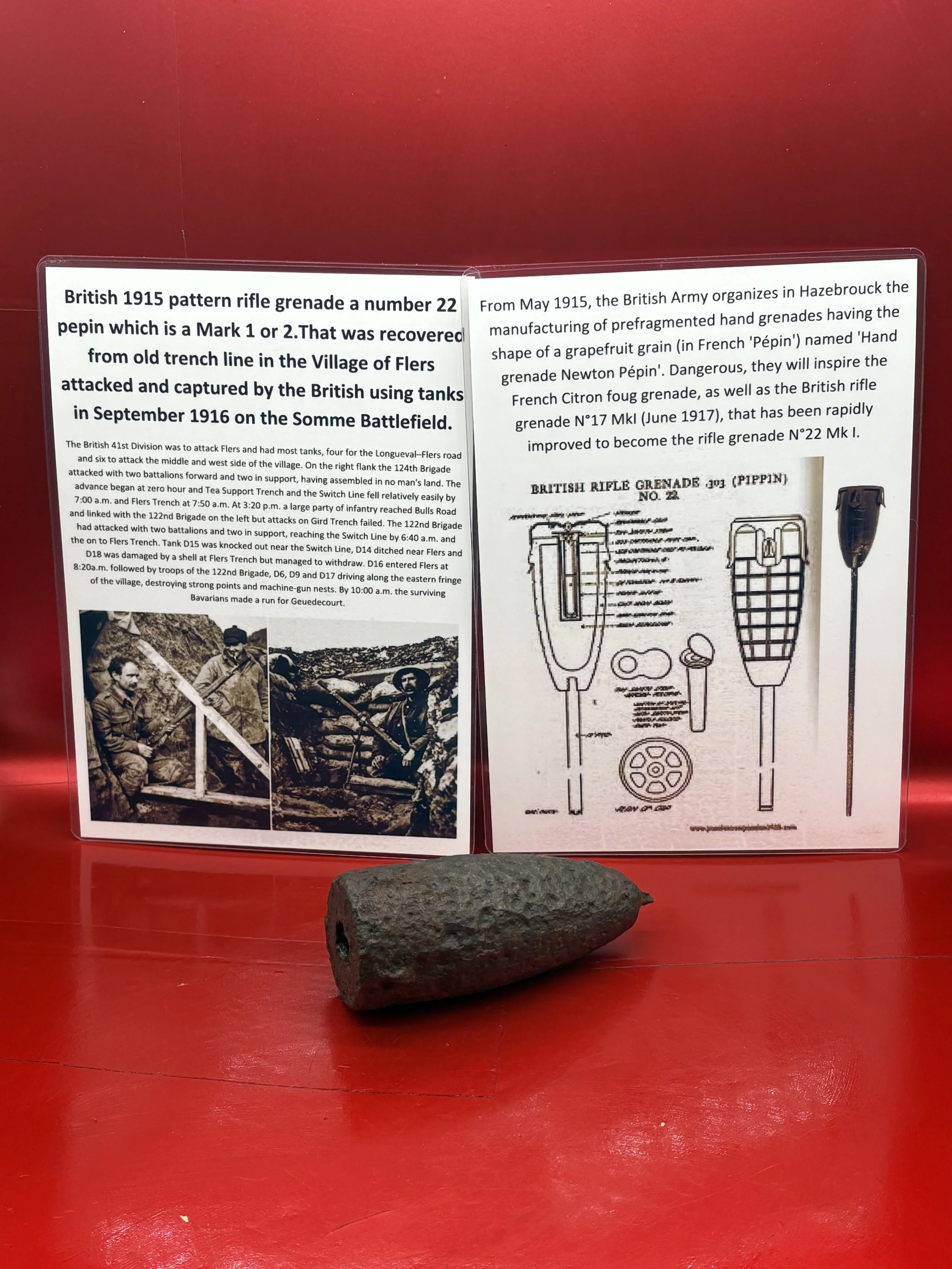 Image 1 of 7
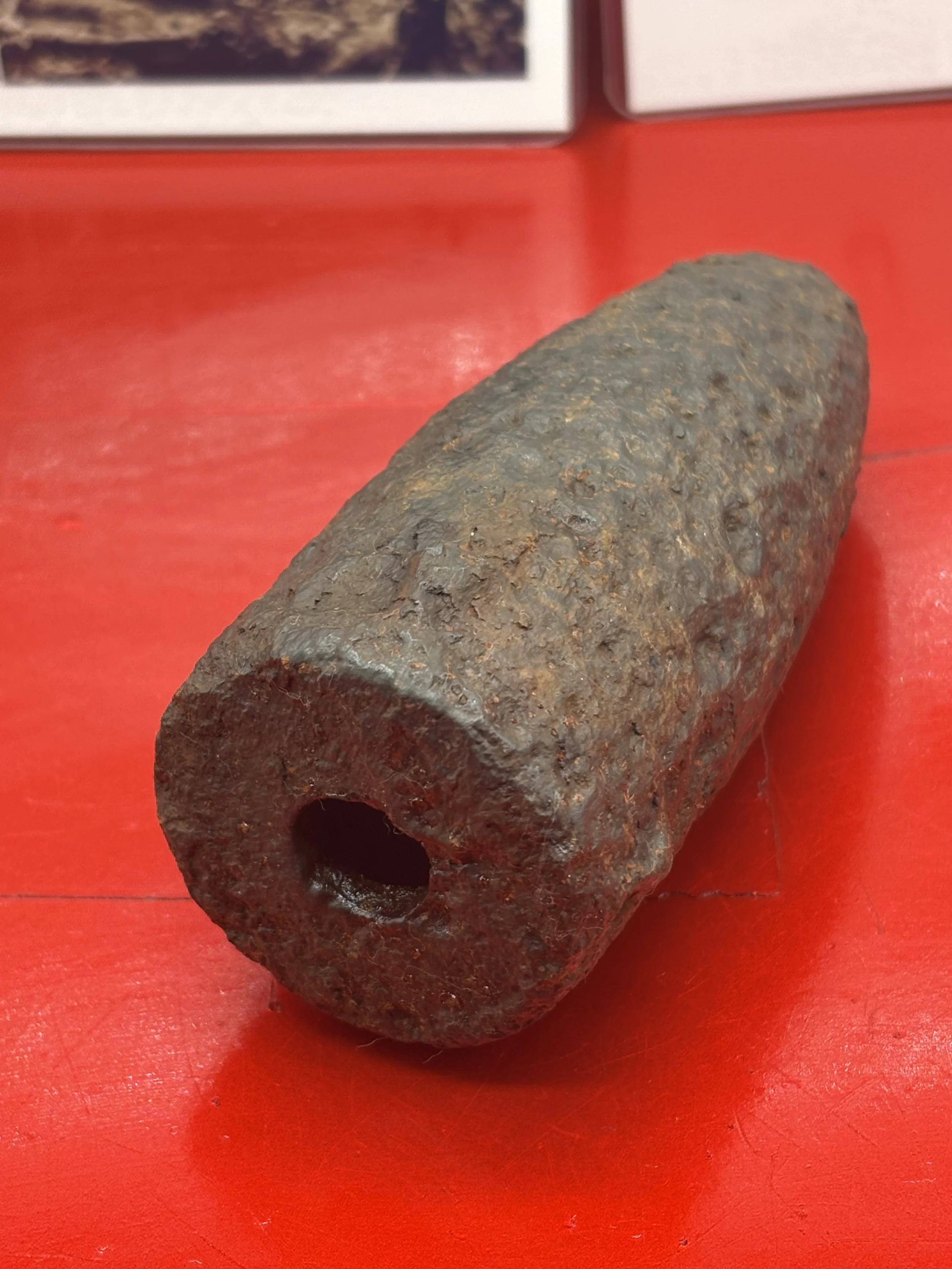 Image 2 of 7
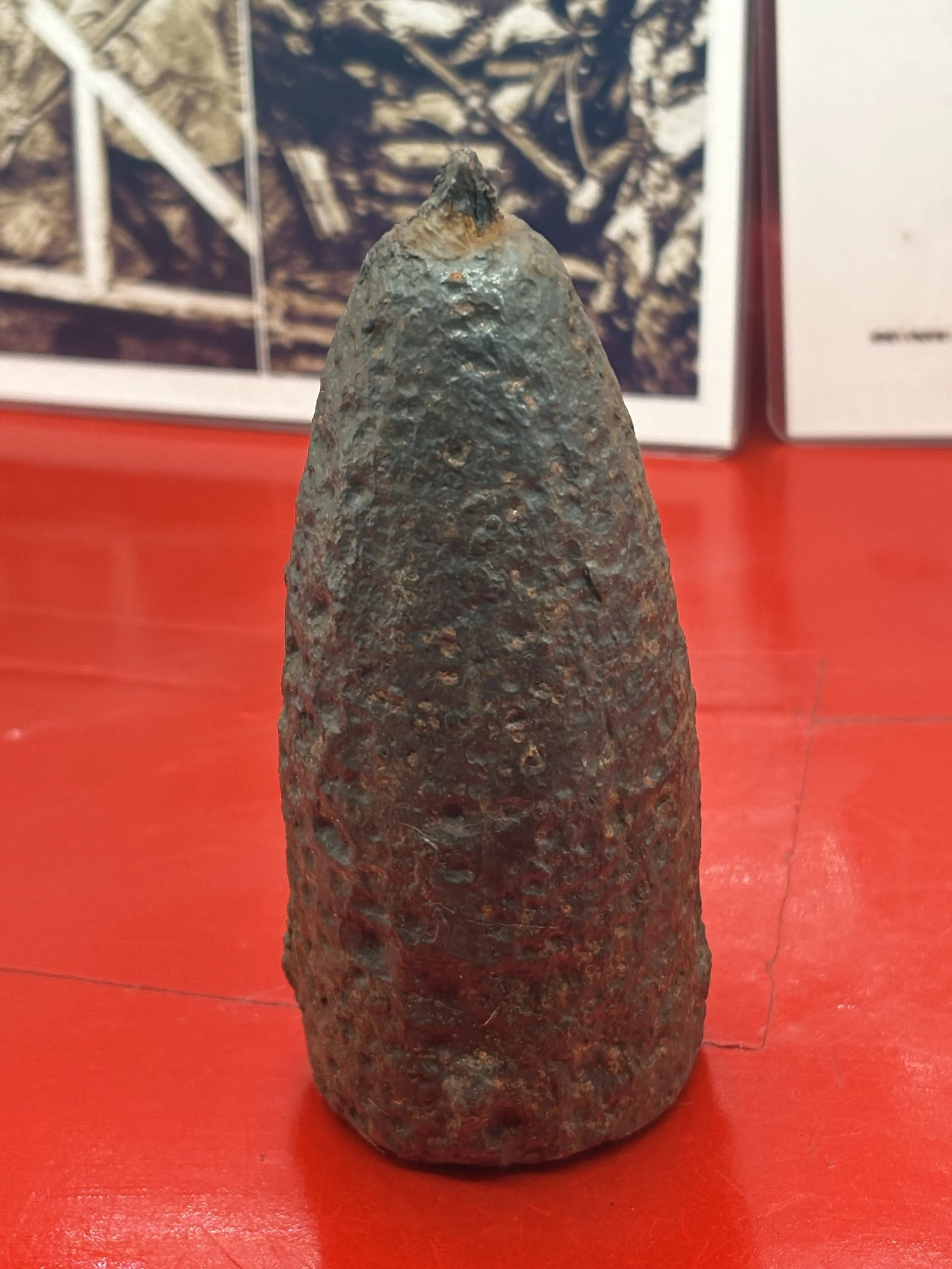 Image 3 of 7
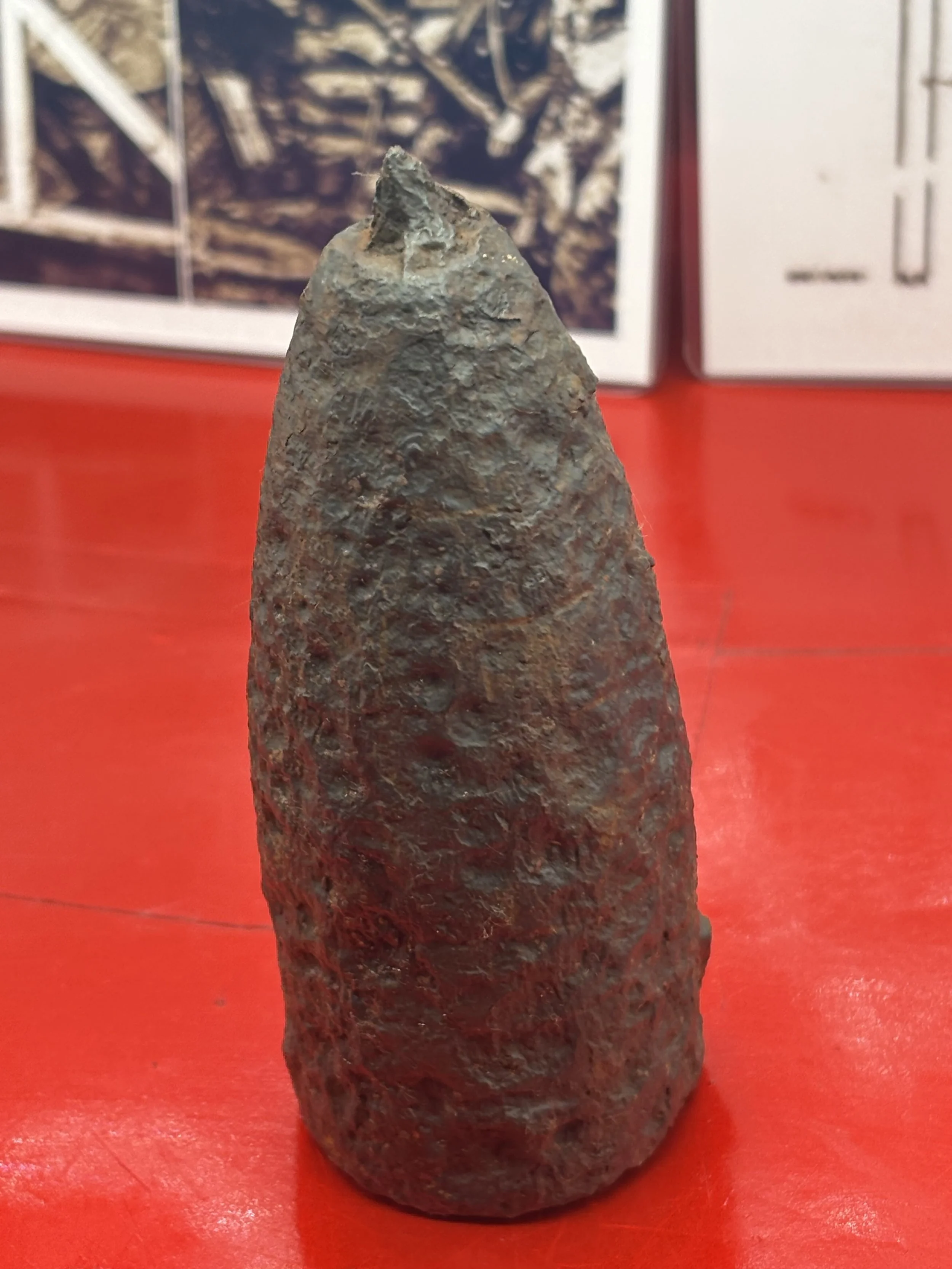 Image 4 of 7
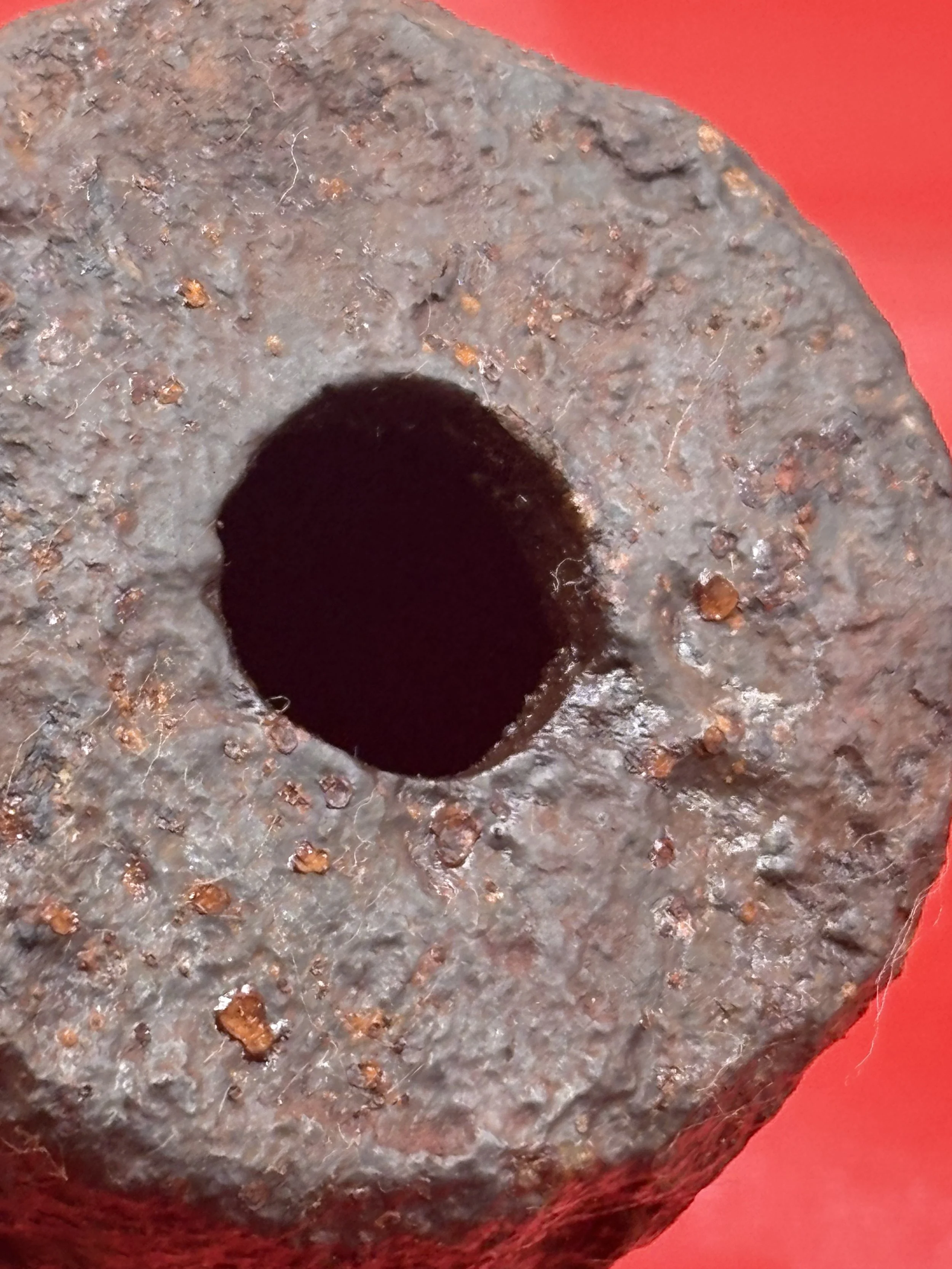 Image 5 of 7
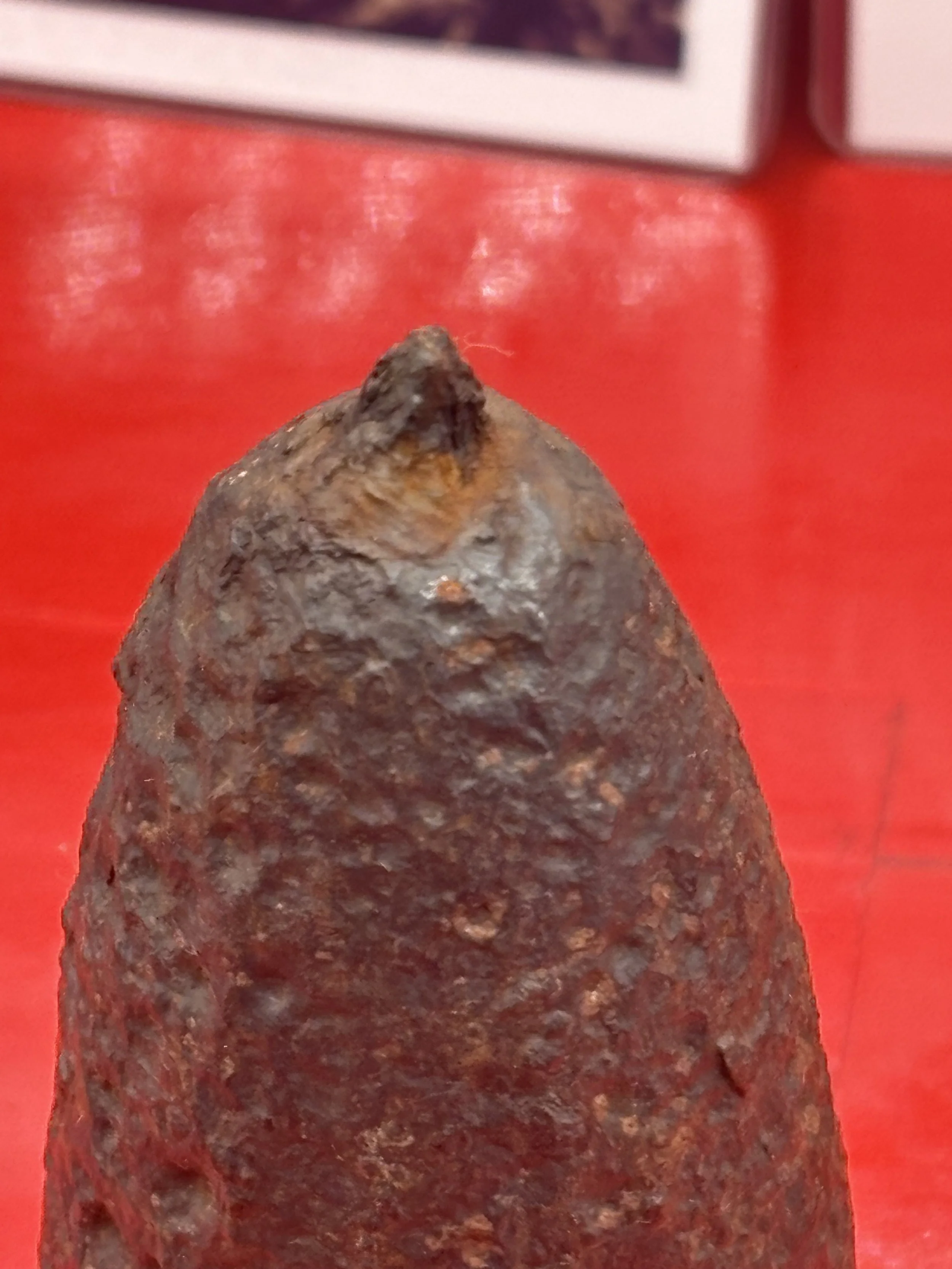 Image 6 of 7
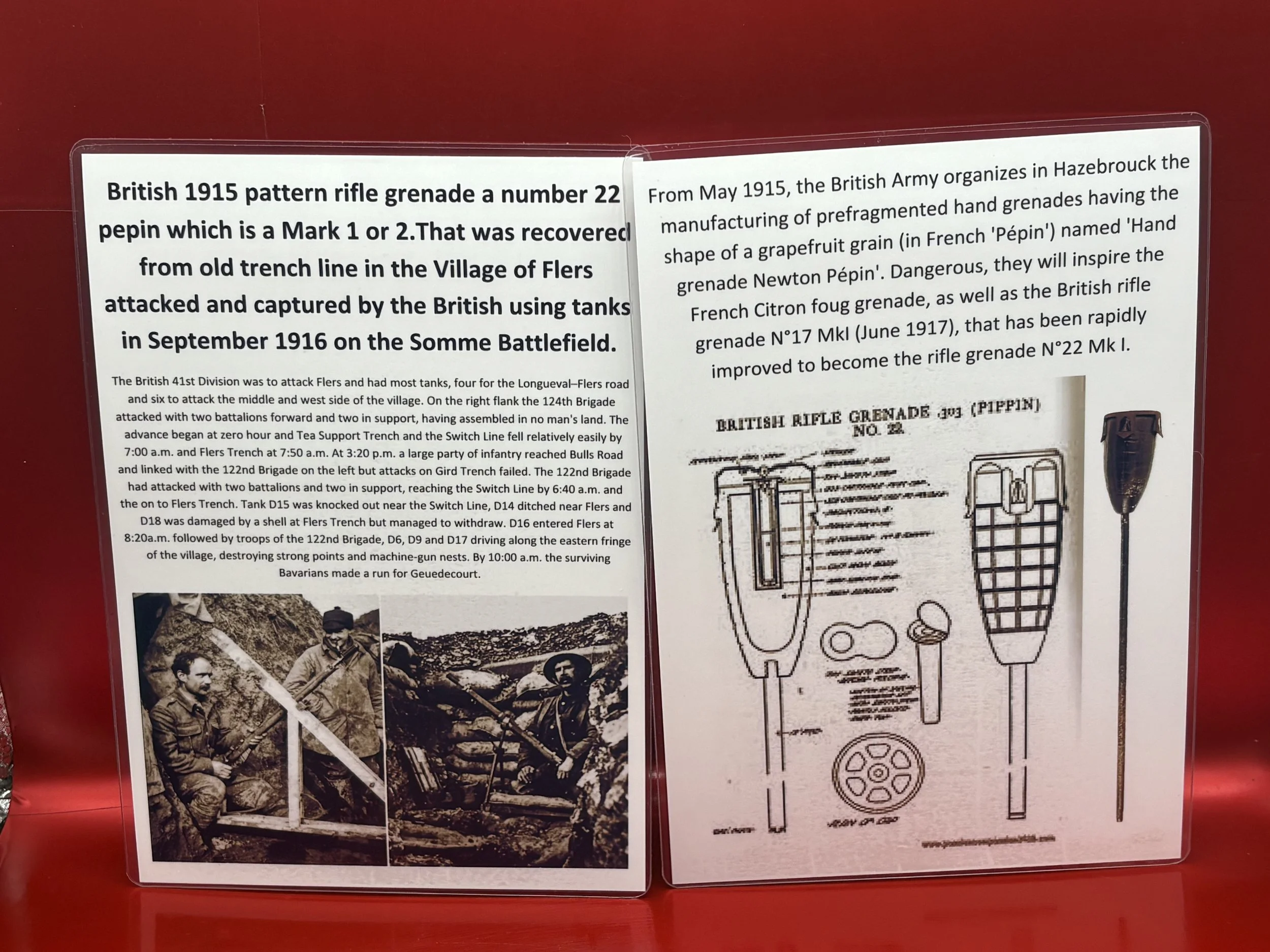 Image 7 of 7