Sale Price:
£175.00
Original Price:
£215.00
This is a very rare which i have never had before German 75mm shell fired by 7.5 cm Flak M 36(f) was a German designation for a French-designed 75mm anti-aircraft gun.The 7.5 cm Flak M 36(f) was a German designation for a French-designed 75mm anti-aircraft gun, specifically the Canon de 75 mm contre aéronefs modèle 1936 (Canon de 75 CA mle 1936), which was captured and utilized by the German Wehrmacht during World War II.
The projectile still has all of its brass driving bands in place with the remains of its brass colour the outer case is pitted and discolored but has some original black paint remains but with no holes or damage the fuse is missing. The brass shell case is its nice brass wash shiny colour but with some discolor and a bit of damage to the neck after being fired.The German made shell case has all of its markings made in 1941 and the primer is dated March 1943 and clear to see waffen stamp. The projectile and case is completely empty and inert it has been well cleaned and overall perfect condition for display and very rare one for any collection.
The shell comes with 3 laminated A5 information cards featuring photographs with diagrams.
The projectile was recovered at Meinerswijk near Arnhem, fired against aircraft during operation Market Garden the battle of September 1944 in the Netherlands.The shell case was bought on a local military fair in Arnhem in 2025
French 7.5 cm Flak M 36 guns in the Netherlands were used for attacking bomber streams at high altitudes. There were two Flak-Abteilungs using the French guns the 591 and 594 were both moving between different Flak-Stellungen in the southern part of the Netherlands, Nijmegen and Arnhem. The first battery of the aforementioned Abteilung (1./591) with their six 7.5 cm guns was located at Meinerswijk near Arnhem.
Most of the operating personnel of these two Abteilungen with he French guns consisted of young recruits of the Reichsarbeitsdienst (RAD), who at that moment were 16 and 17 years old.
By March 1944, approximately 103 of these French guns were in service with the Luftwaffe, divided across 66 batteries. However, due to significant battlefield losses, only 16 remained operational by September 1944.
This is a very rare which i have never had before German 75mm shell fired by 7.5 cm Flak M 36(f) was a German designation for a French-designed 75mm anti-aircraft gun.The 7.5 cm Flak M 36(f) was a German designation for a French-designed 75mm anti-aircraft gun, specifically the Canon de 75 mm contre aéronefs modèle 1936 (Canon de 75 CA mle 1936), which was captured and utilized by the German Wehrmacht during World War II.
The projectile still has all of its brass driving bands in place with the remains of its brass colour the outer case is pitted and discolored but has some original black paint remains but with no holes or damage the fuse is missing. The brass shell case is its nice brass wash shiny colour but with some discolor and a bit of damage to the neck after being fired.The German made shell case has all of its markings made in 1941 and the primer is dated March 1943 and clear to see waffen stamp. The projectile and case is completely empty and inert it has been well cleaned and overall perfect condition for display and very rare one for any collection.
The shell comes with 3 laminated A5 information cards featuring photographs with diagrams.
The projectile was recovered at Meinerswijk near Arnhem, fired against aircraft during operation Market Garden the battle of September 1944 in the Netherlands.The shell case was bought on a local military fair in Arnhem in 2025
French 7.5 cm Flak M 36 guns in the Netherlands were used for attacking bomber streams at high altitudes. There were two Flak-Abteilungs using the French guns the 591 and 594 were both moving between different Flak-Stellungen in the southern part of the Netherlands, Nijmegen and Arnhem. The first battery of the aforementioned Abteilung (1./591) with their six 7.5 cm guns was located at Meinerswijk near Arnhem.
Most of the operating personnel of these two Abteilungen with he French guns consisted of young recruits of the Reichsarbeitsdienst (RAD), who at that moment were 16 and 17 years old.
By March 1944, approximately 103 of these French guns were in service with the Luftwaffe, divided across 66 batteries. However, due to significant battlefield losses, only 16 remained operational by September 1944.

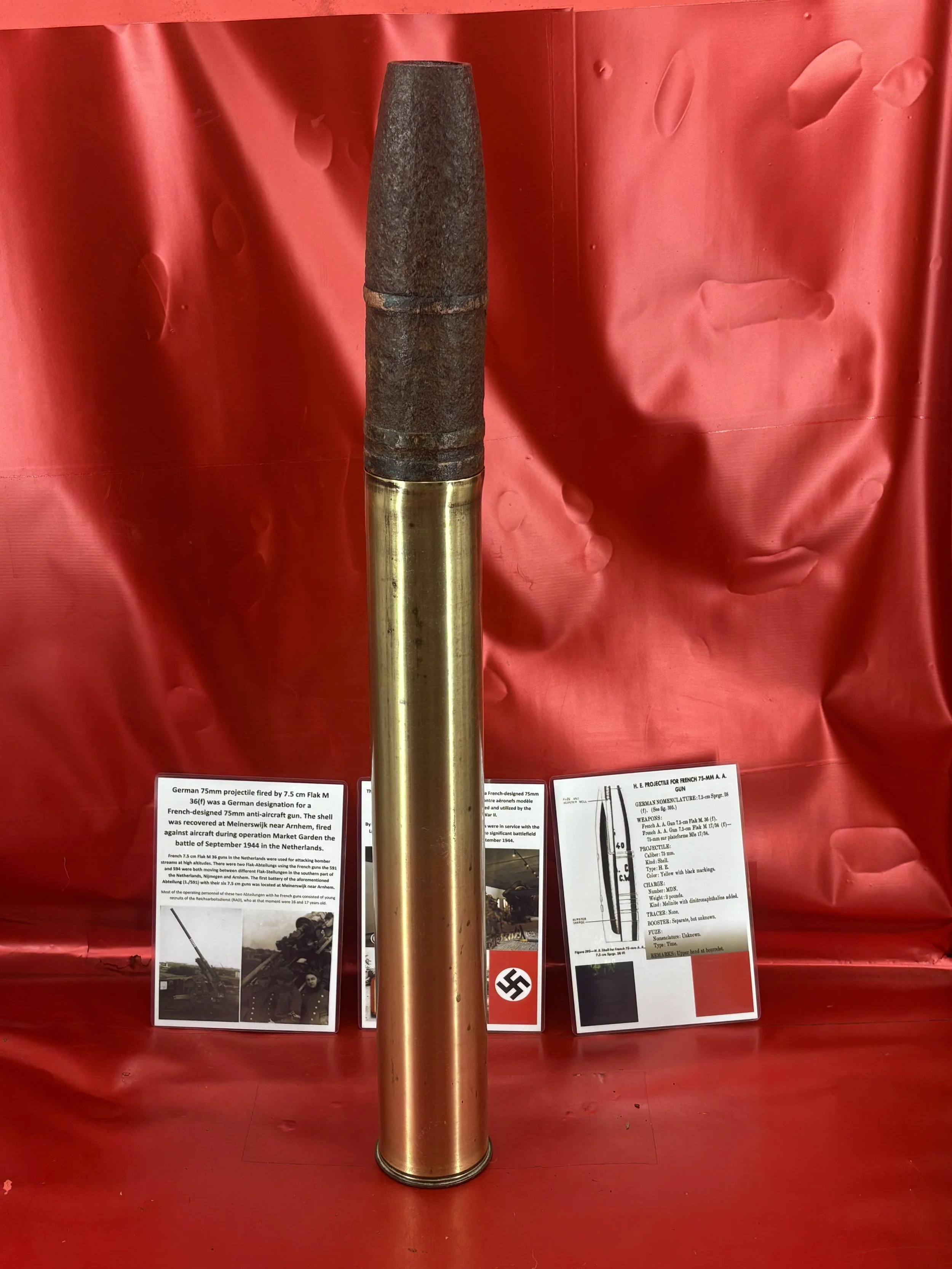 Image 1 of 13
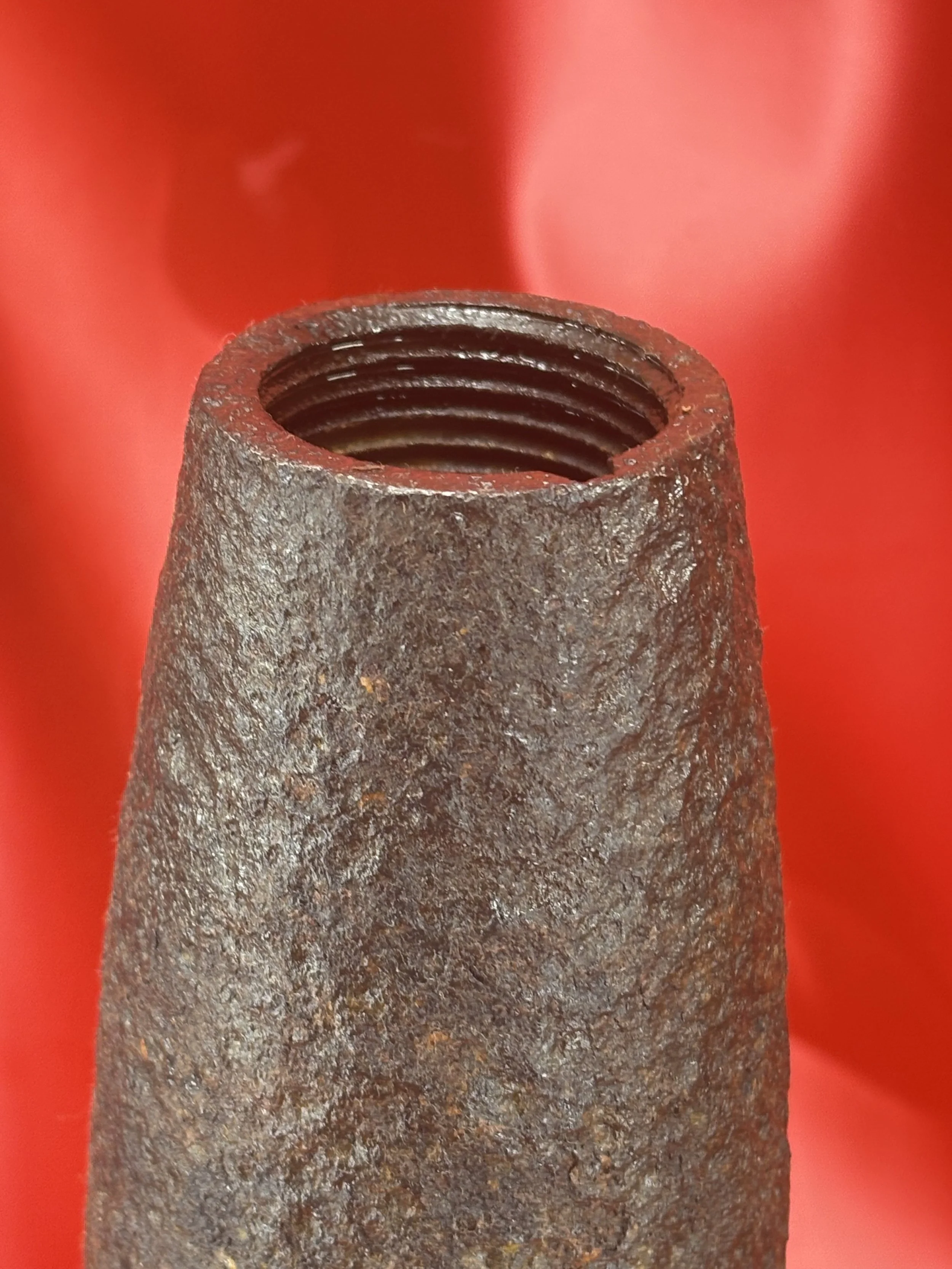 Image 2 of 13
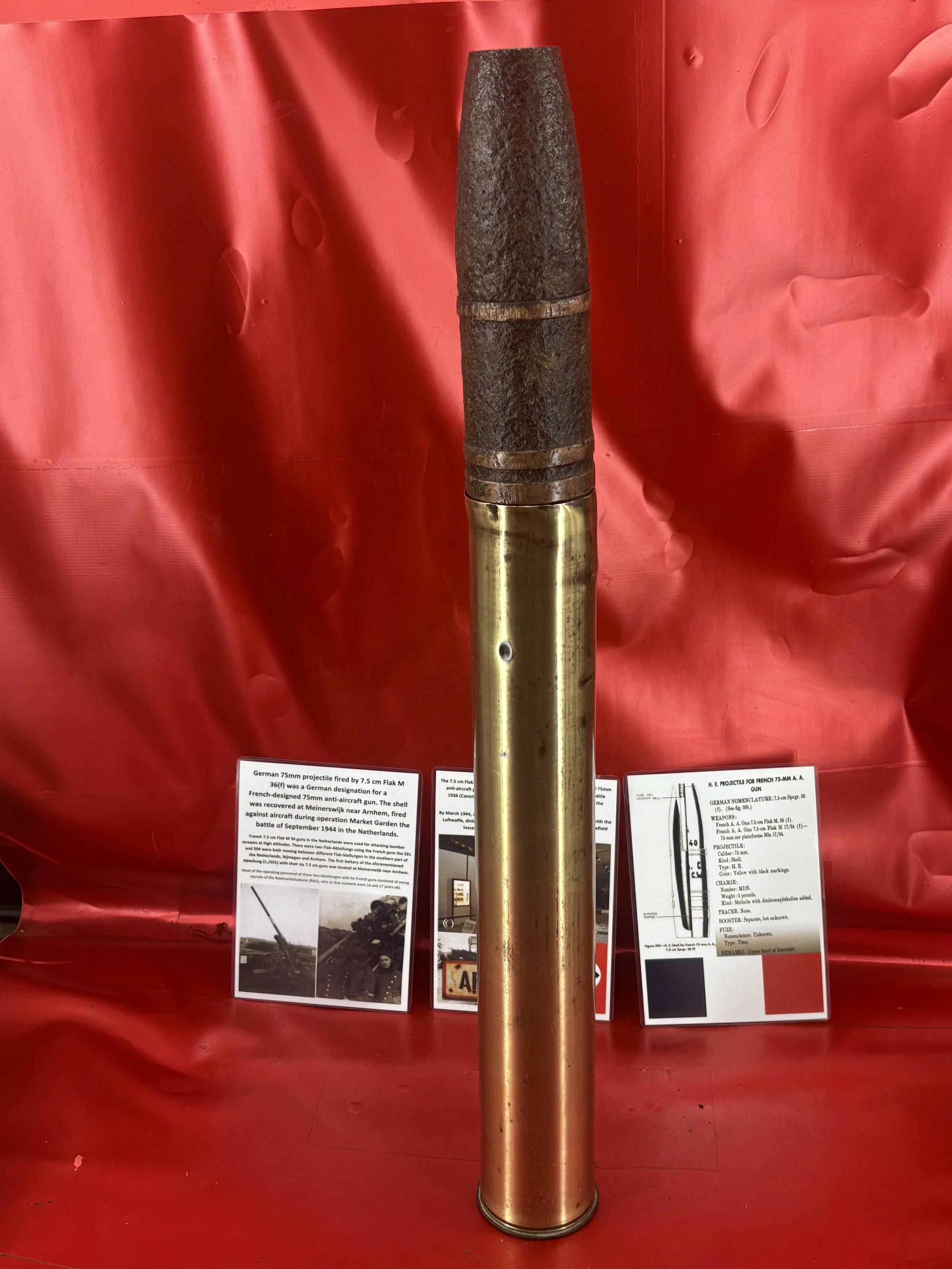 Image 3 of 13
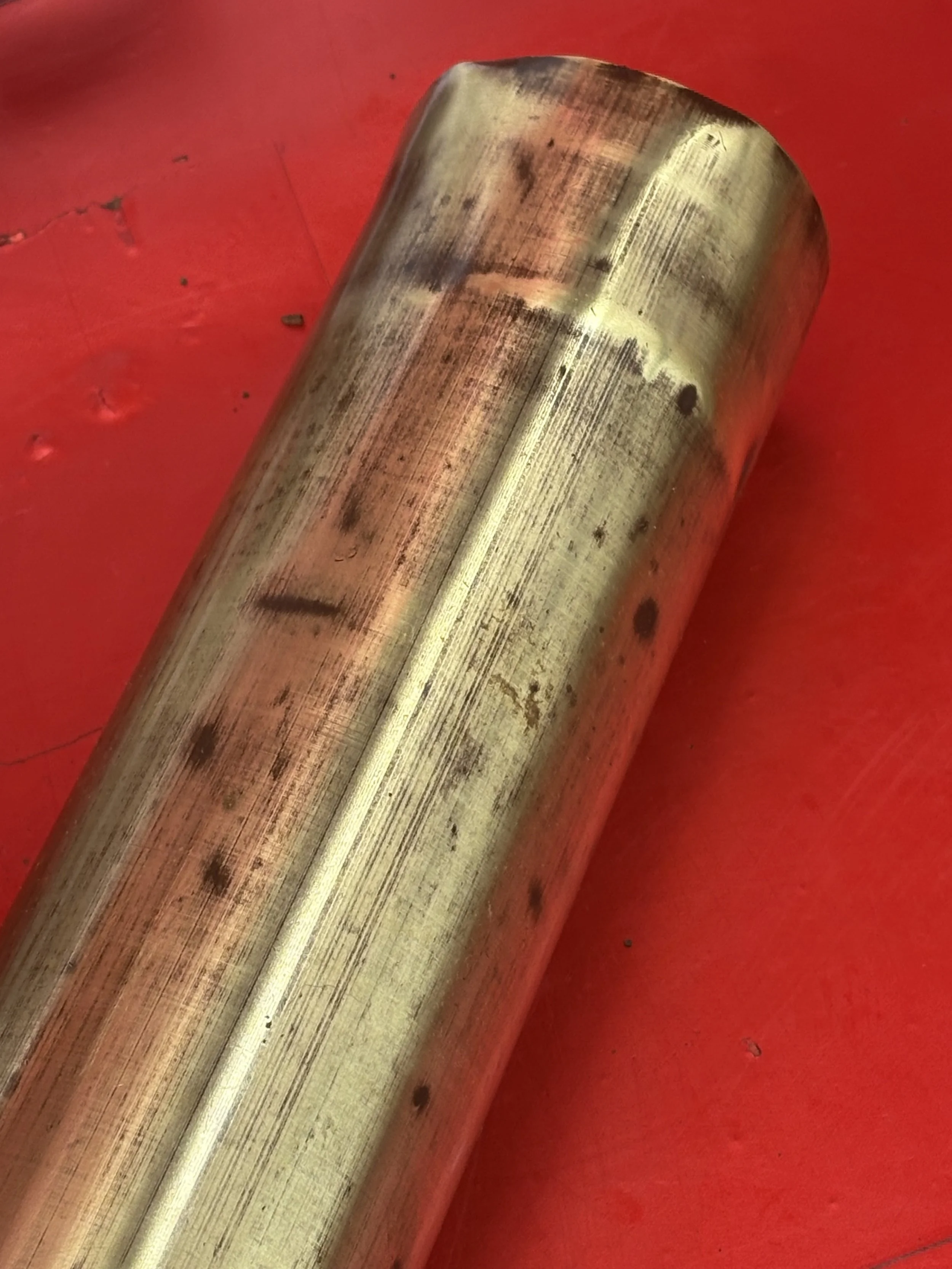 Image 4 of 13
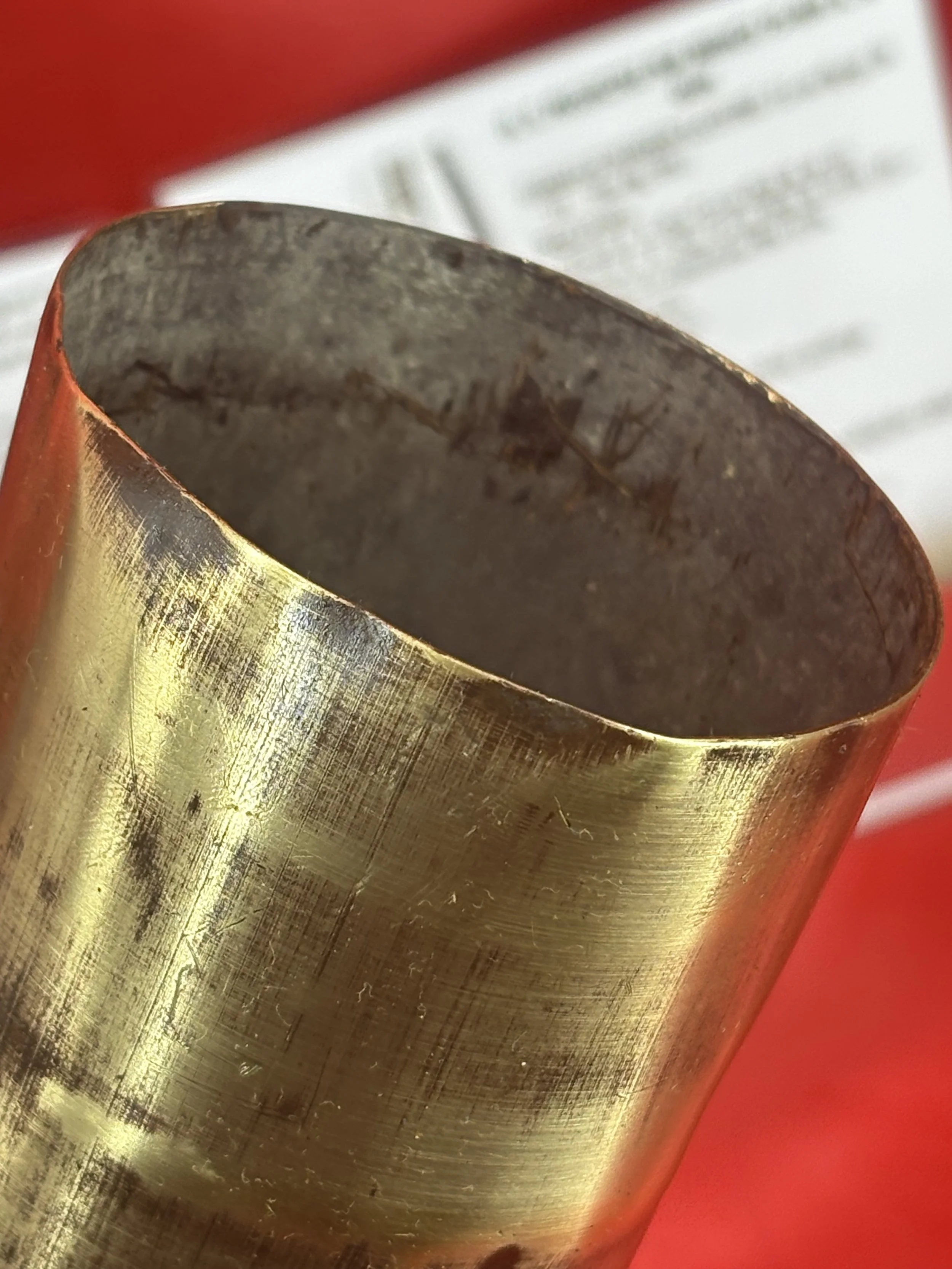 Image 5 of 13
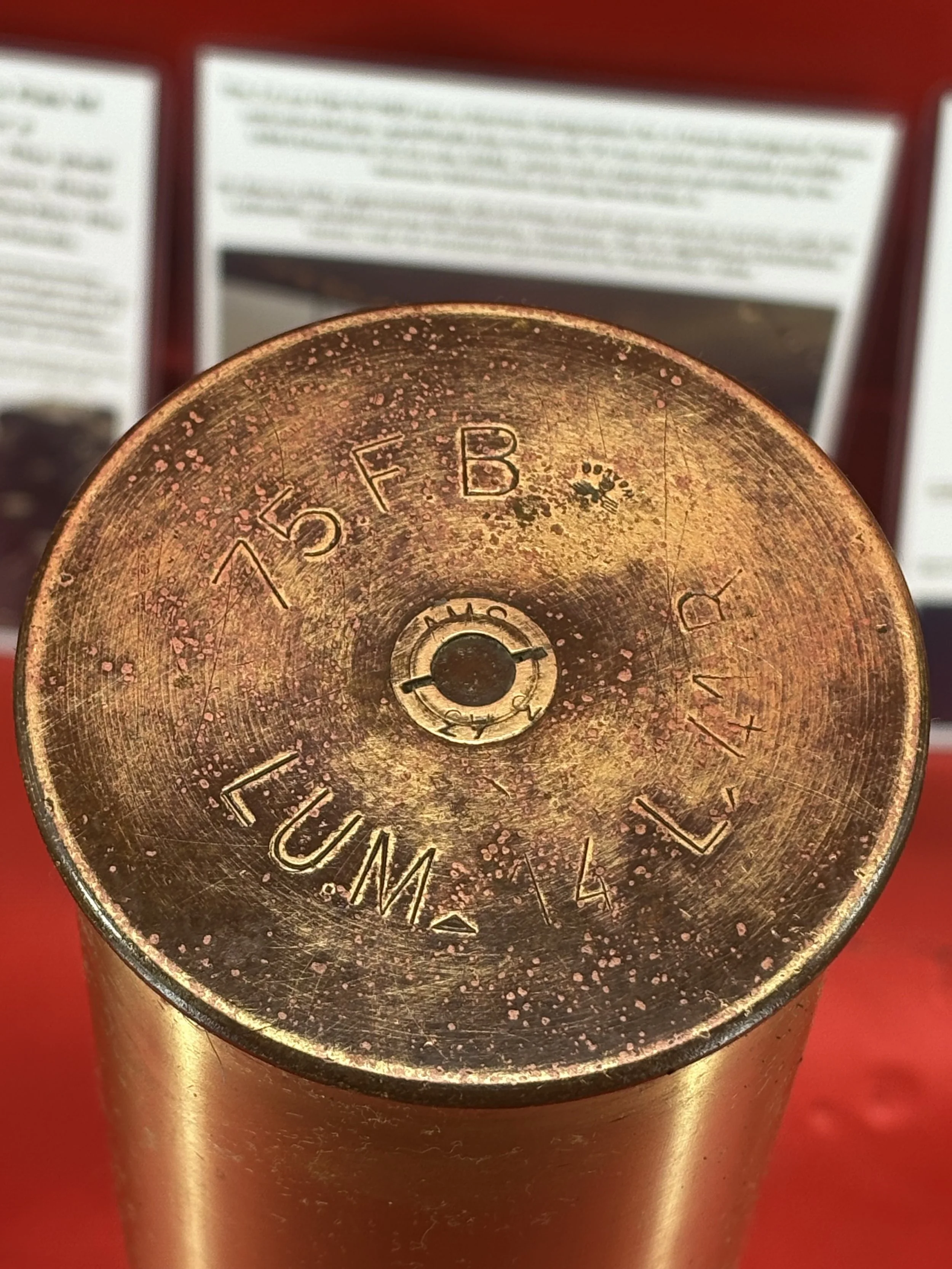 Image 6 of 13
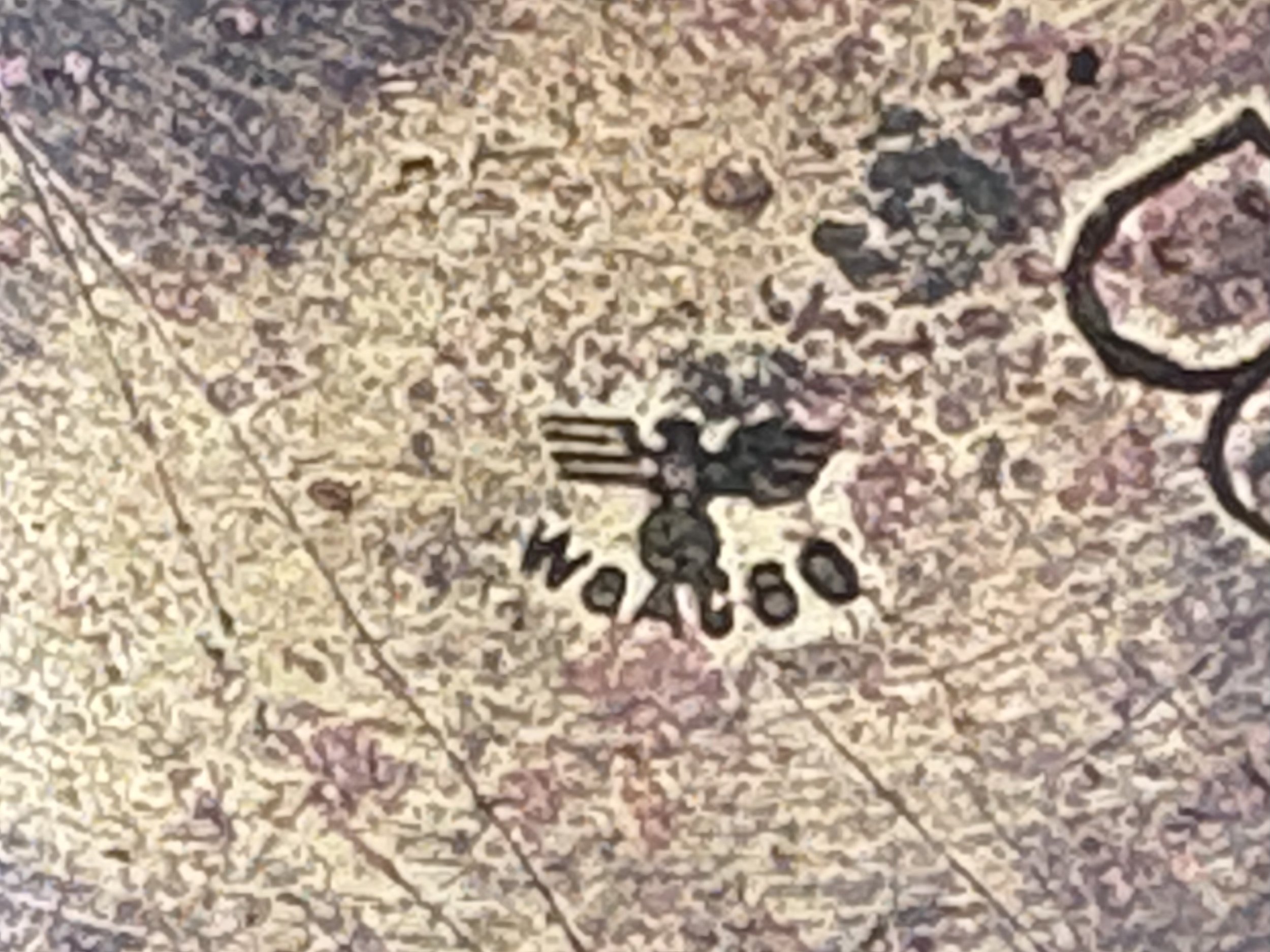 Image 7 of 13
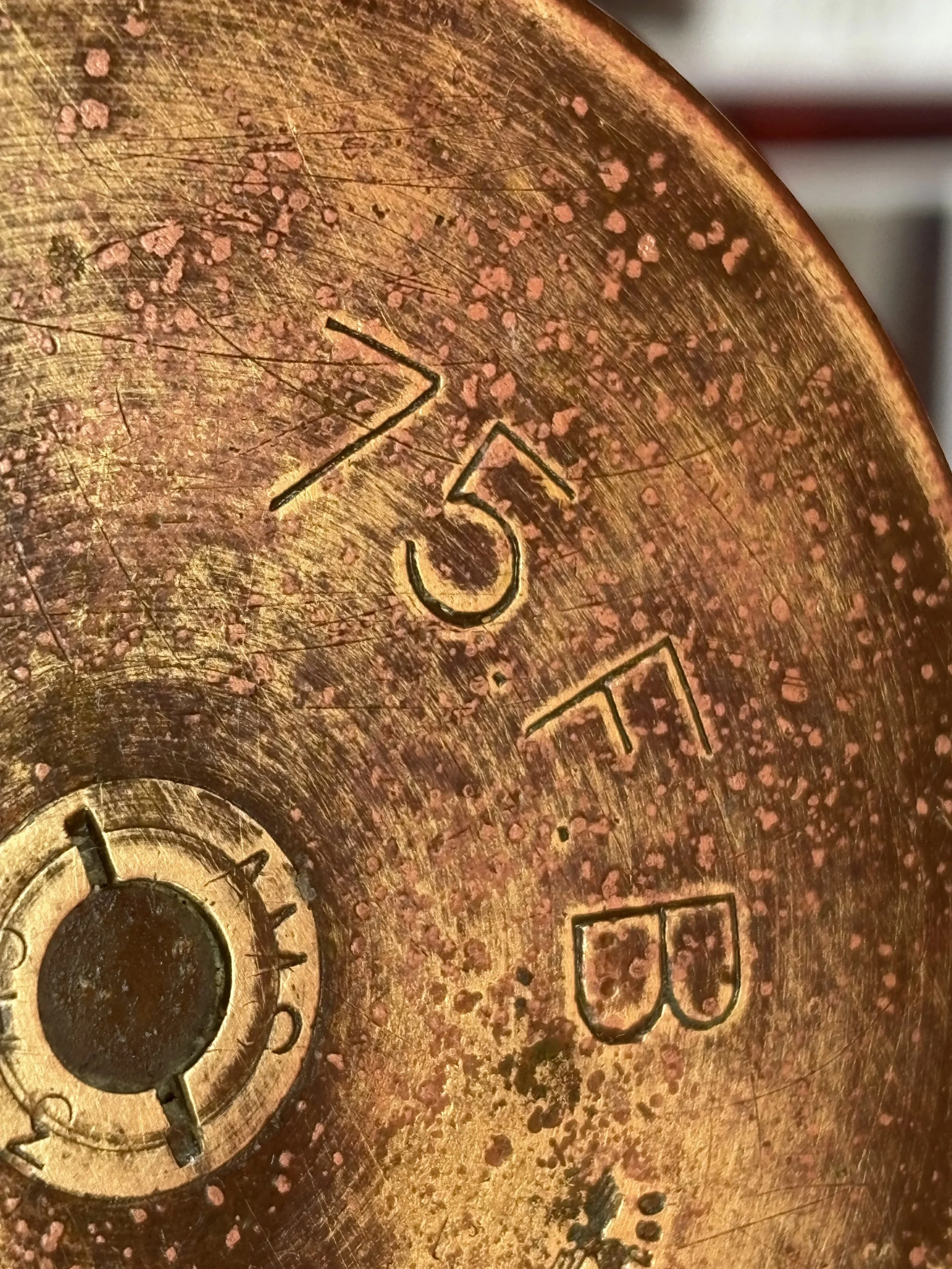 Image 8 of 13
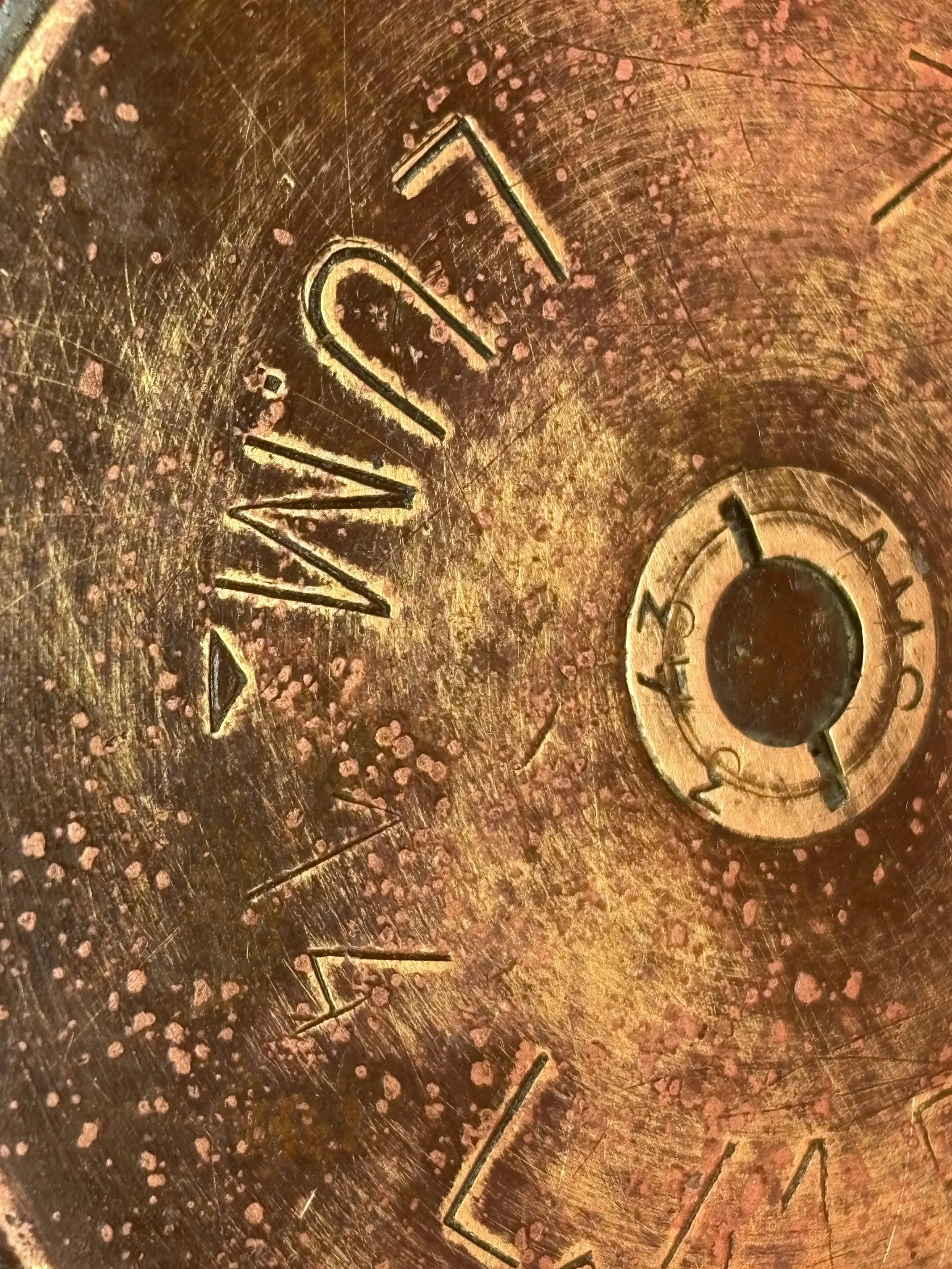 Image 9 of 13
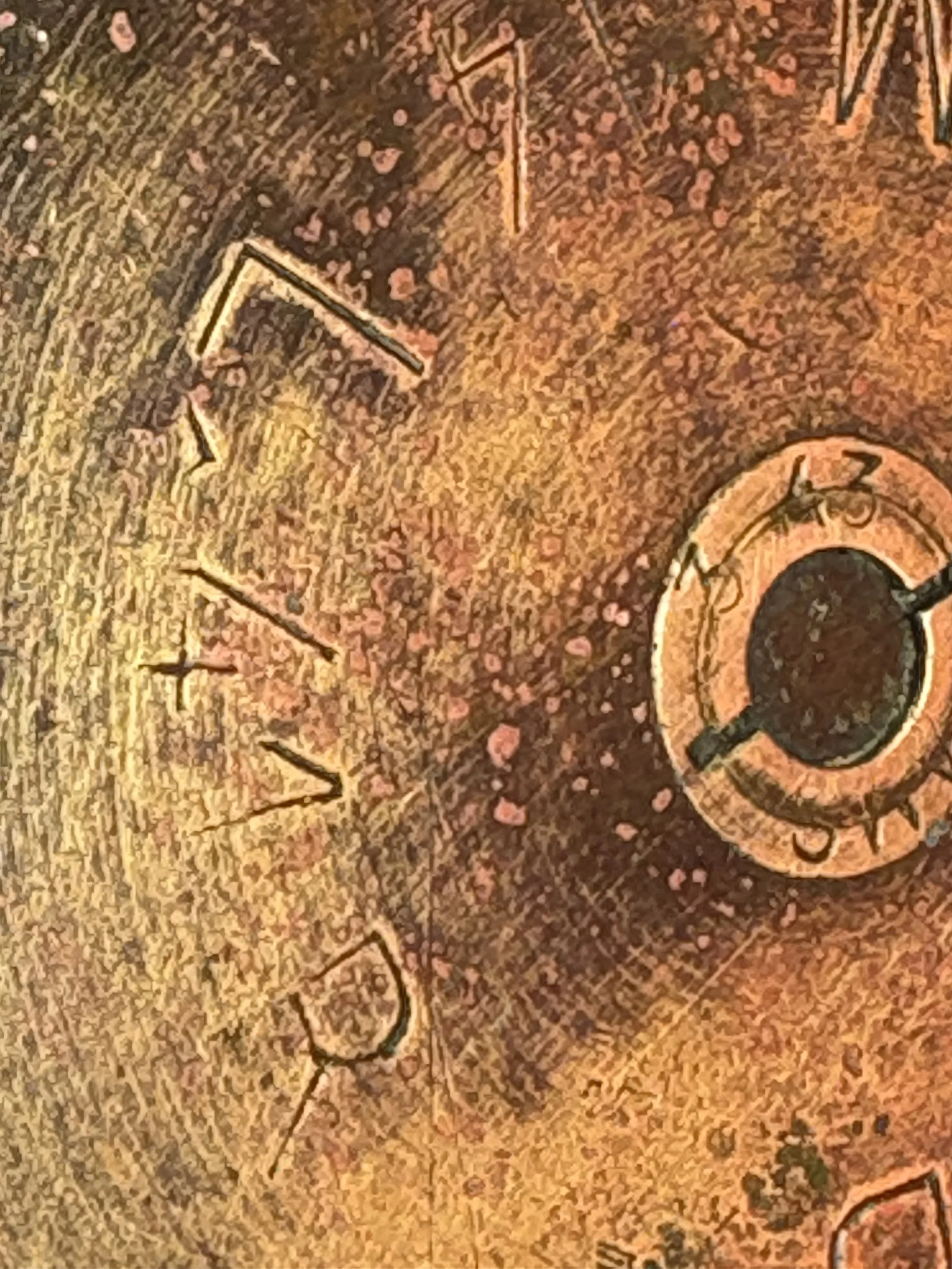 Image 10 of 13
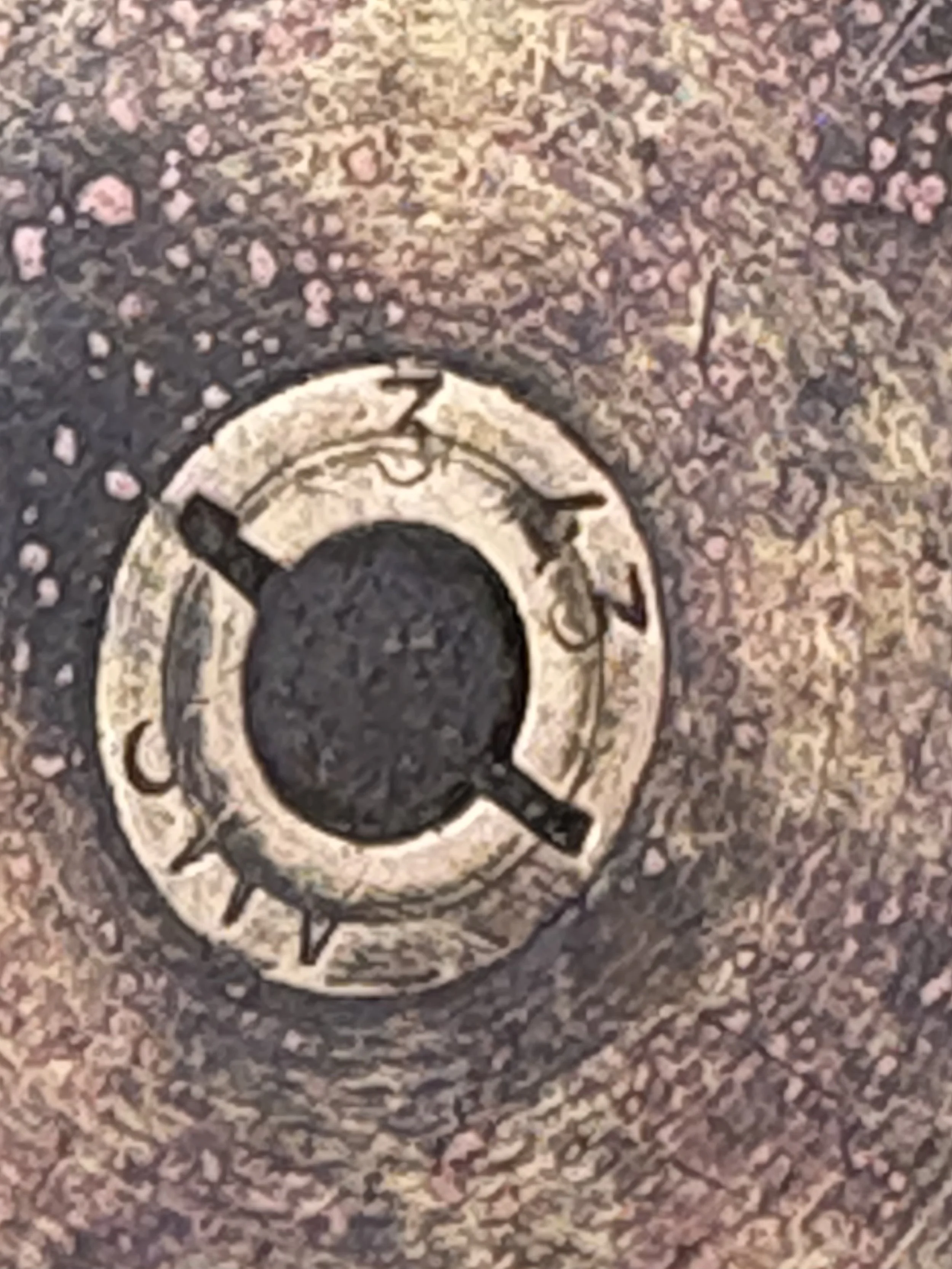 Image 11 of 13
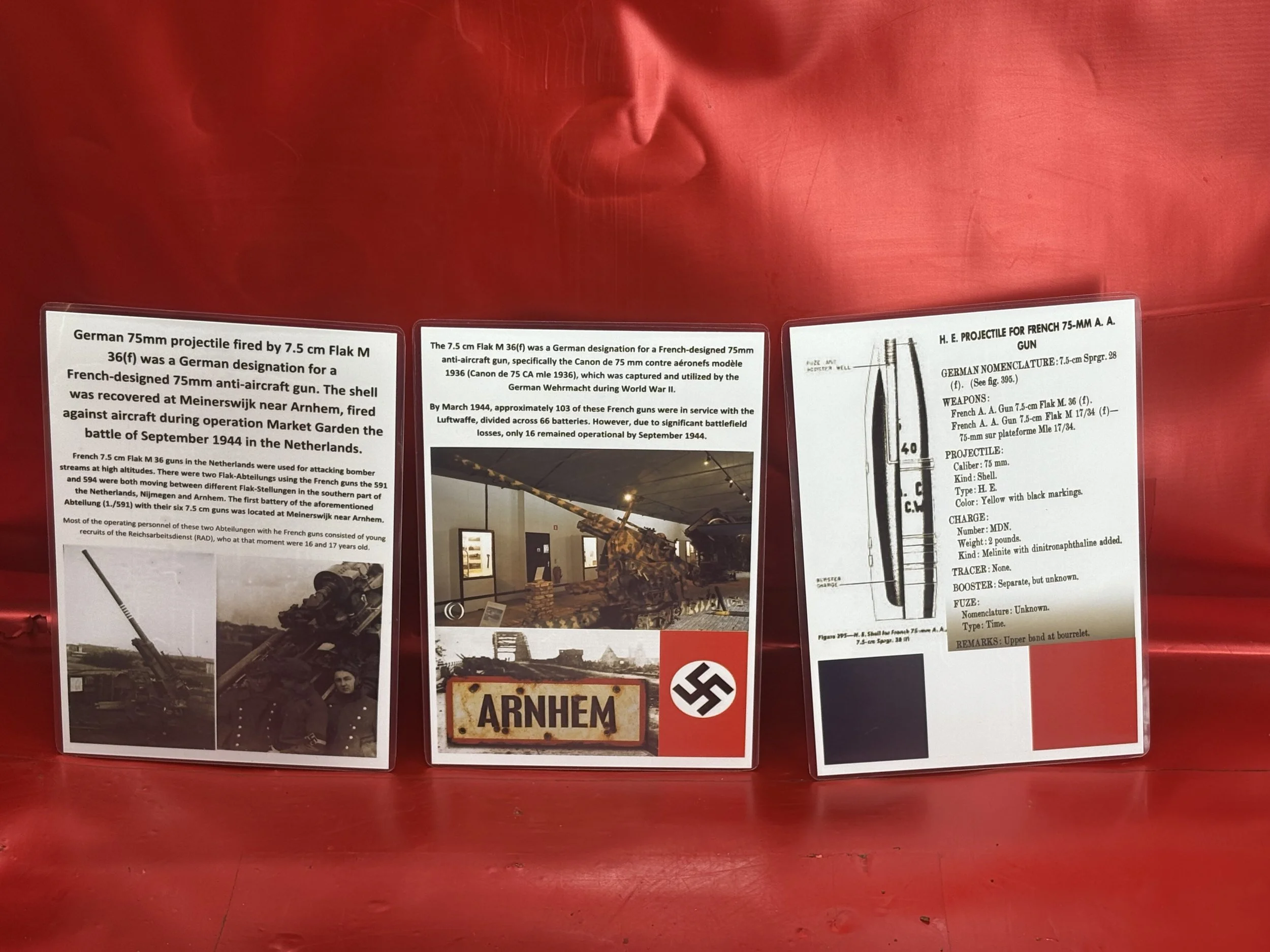 Image 12 of 13
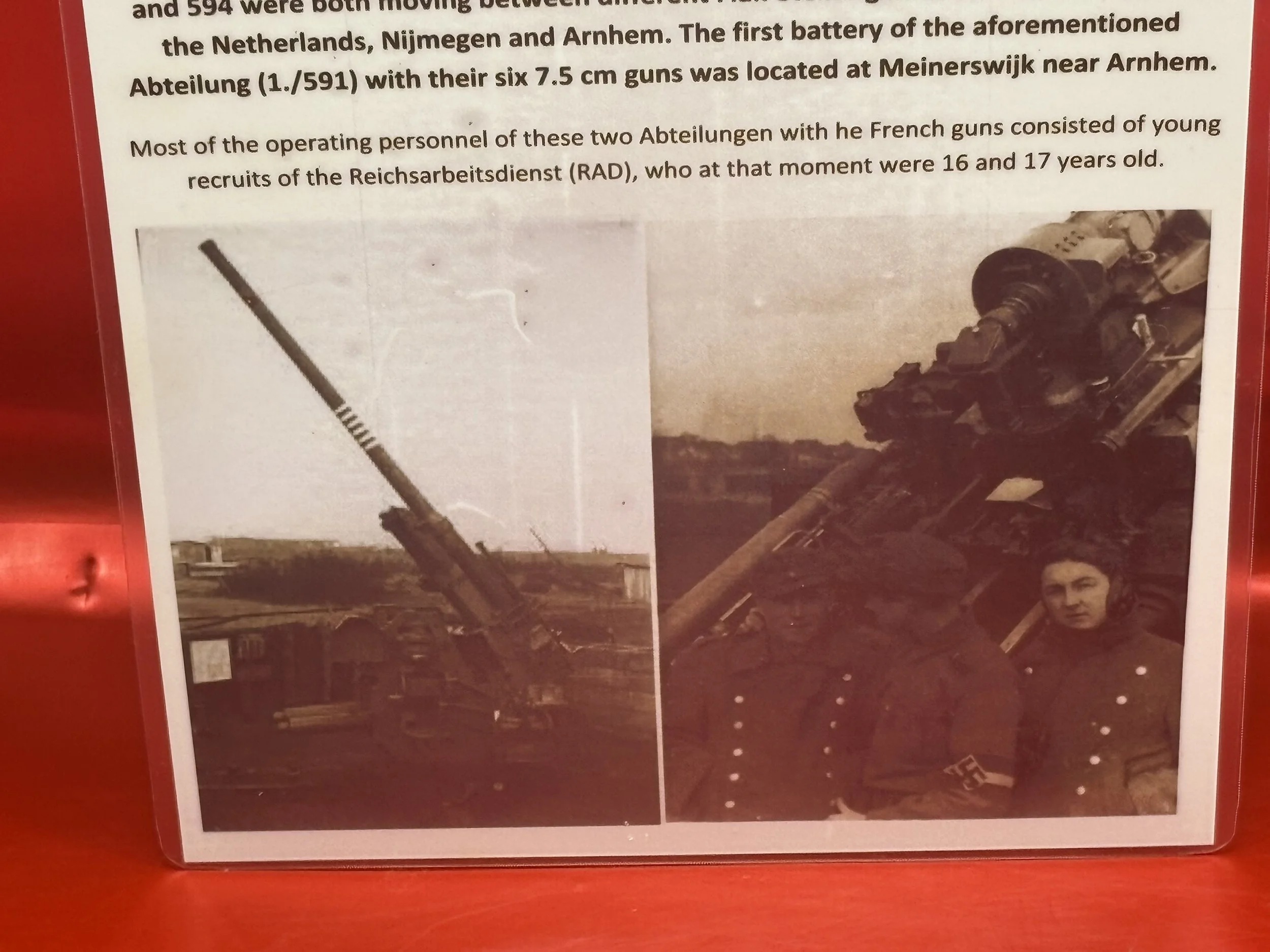 Image 13 of 13