This is a Unusual part to find a large size section of British barbed wire which was recovered from one of the most famous locations on the Somme battlefield of 1916.
The wire is very rusty but still in solid condition and have been very well cleaned and is not breaking up or falling apart it is perfect for display or any collection and is 16 inches long. The wire section was recovered from the sunken Lane near Beaumont-Hamel used by British soldiers for cover during opening assault of the Battle of the Somme on the 1st July 1916 during the famous opening day assault. The part comes with 2xA5 laminated information cards with many pictures and a map.
The Sunken Lane was an old agricultural farm track near Beaumont-Hamel that became the staging ground for one of the most tragic opening assaults of the Battle of the Somme on 1 July 1916. Seeking to shorten the deadly expanse of no man's land, British engineers dug a hidden tunnel from their main trenches directly into the lane, allowing the 1st Battalion, Lancashire Fusiliers to secretly occupy the chalk bank before dawn. The British battle plan relied heavily on a massive 40,000-pound mine detonated nearby at Hawthorn Ridge at 07:20; however, the ten-minute delay between the explosion and "Zero Hour" at 07:30 gave alerted German machine gunners ample time to rush from their deep dugouts. When the Fusiliers finally climbed out of the lane to attack, they were instantly cut down in devastating waves, resulting in over 480 casualties for the battalion in a matter of minutes. The site is permanently etched into wartime memory because British cinematographer Geoffrey Malins accompanied the troops through the tunnel, capturing haunting, iconic film footage of the men fixing bayonets and waiting in the lane just hours before the slaughter—a historic piece of film that shocked millions when it was screened in British cinemas later that summer.
This is a Unusual part to find a large size section of British barbed wire which was recovered from one of the most famous locations on the Somme battlefield of 1916.
The wire is very rusty but still in solid condition and have been very well cleaned and is not breaking up or falling apart it is perfect for display or any collection and is 16 inches long. The wire section was recovered from the sunken Lane near Beaumont-Hamel used by British soldiers for cover during opening assault of the Battle of the Somme on the 1st July 1916 during the famous opening day assault. The part comes with 2xA5 laminated information cards with many pictures and a map.
The Sunken Lane was an old agricultural farm track near Beaumont-Hamel that became the staging ground for one of the most tragic opening assaults of the Battle of the Somme on 1 July 1916. Seeking to shorten the deadly expanse of no man's land, British engineers dug a hidden tunnel from their main trenches directly into the lane, allowing the 1st Battalion, Lancashire Fusiliers to secretly occupy the chalk bank before dawn. The British battle plan relied heavily on a massive 40,000-pound mine detonated nearby at Hawthorn Ridge at 07:20; however, the ten-minute delay between the explosion and "Zero Hour" at 07:30 gave alerted German machine gunners ample time to rush from their deep dugouts. When the Fusiliers finally climbed out of the lane to attack, they were instantly cut down in devastating waves, resulting in over 480 casualties for the battalion in a matter of minutes. The site is permanently etched into wartime memory because British cinematographer Geoffrey Malins accompanied the troops through the tunnel, capturing haunting, iconic film footage of the men fixing bayonets and waiting in the lane just hours before the slaughter—a historic piece of film that shocked millions when it was screened in British cinemas later that summer.

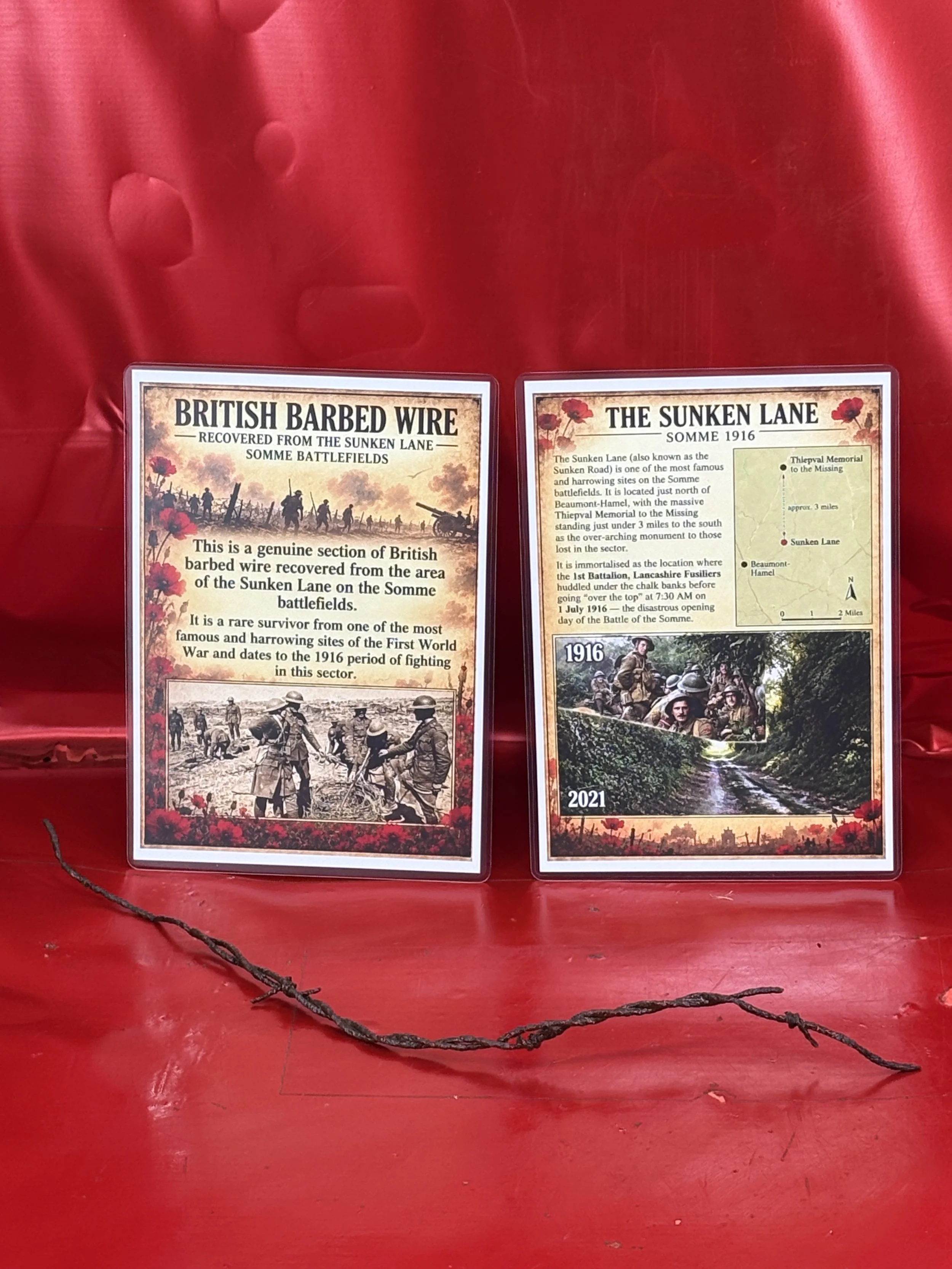 Image 1 of 9
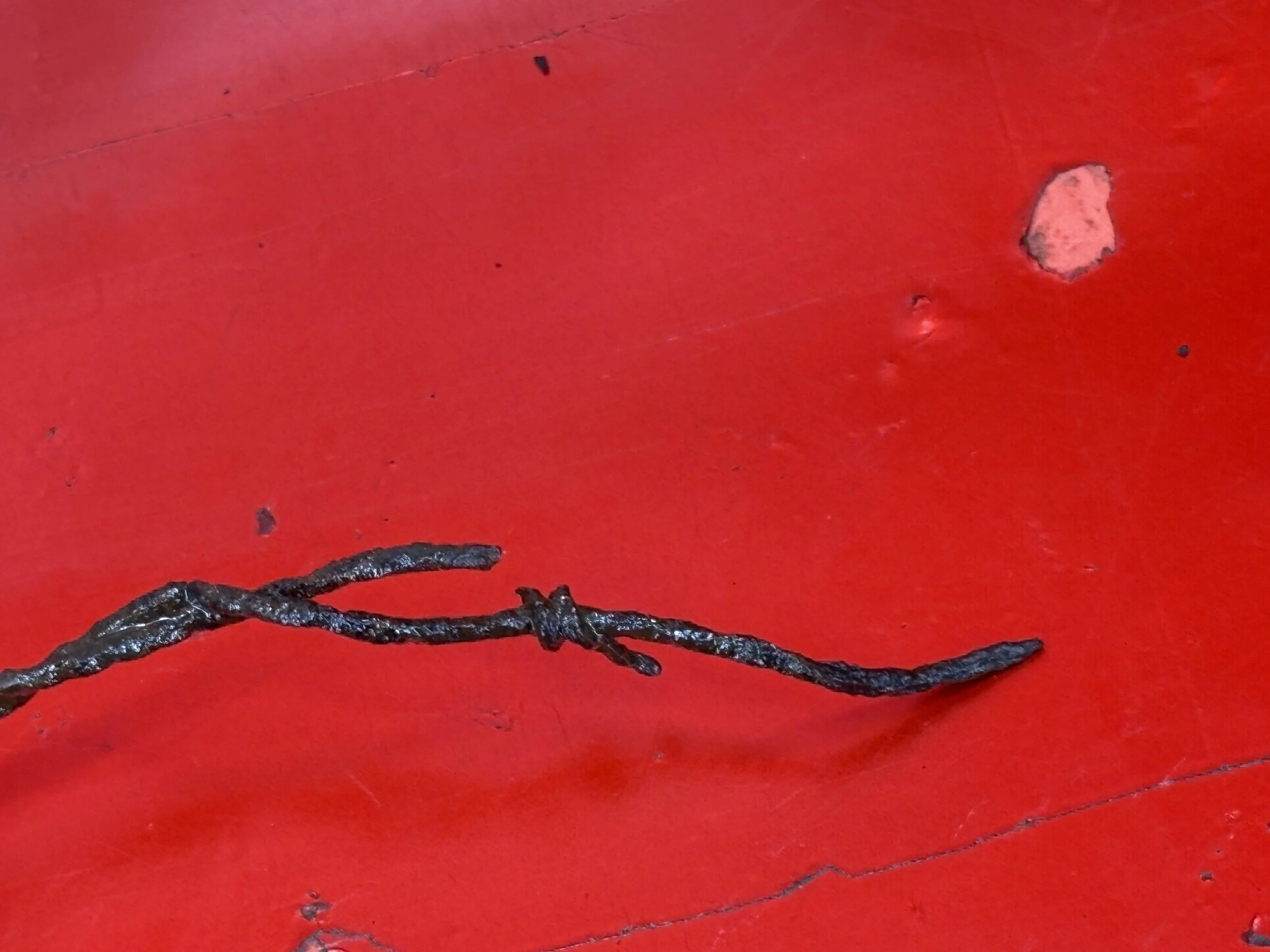 Image 2 of 9
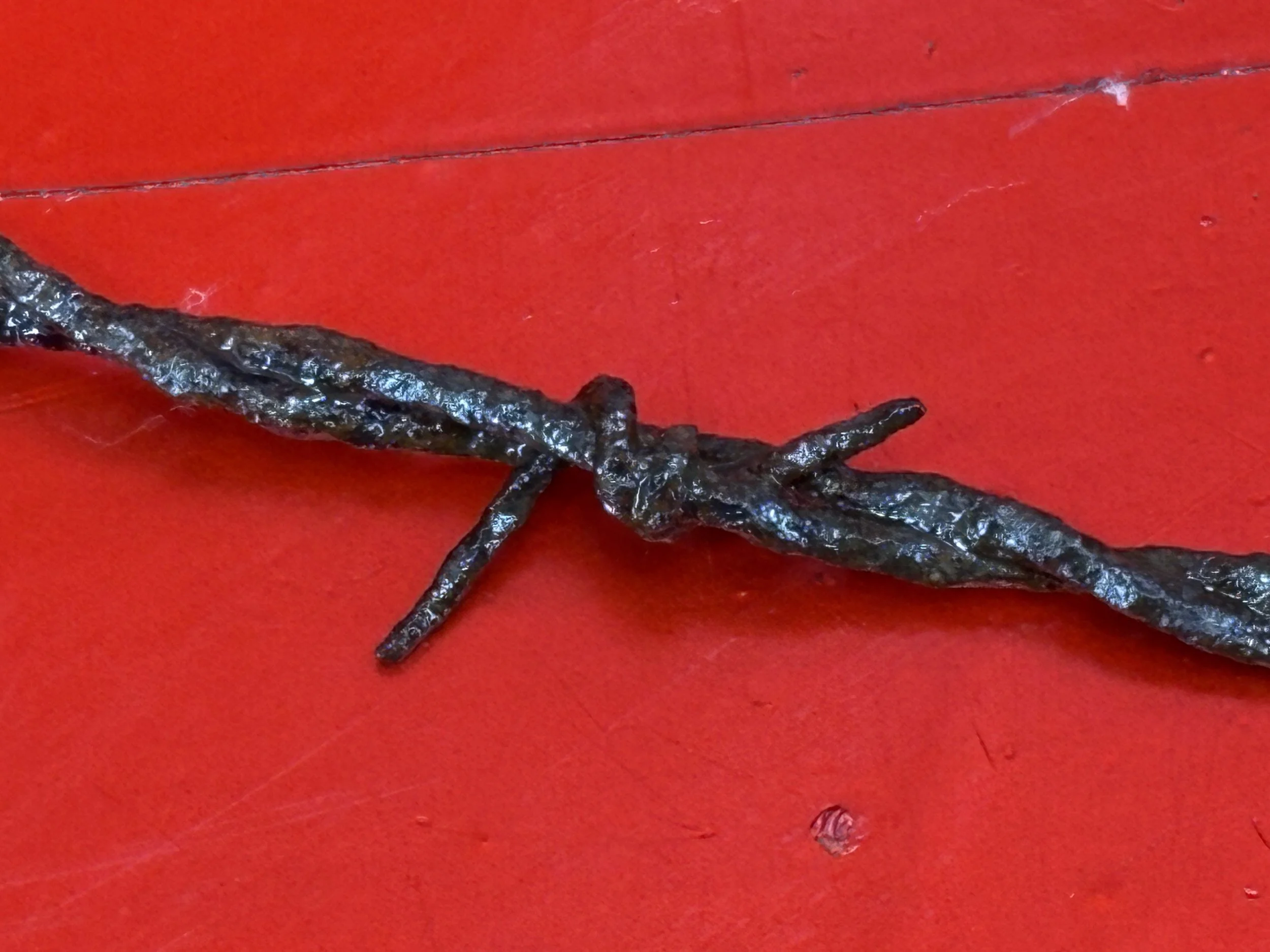 Image 3 of 9
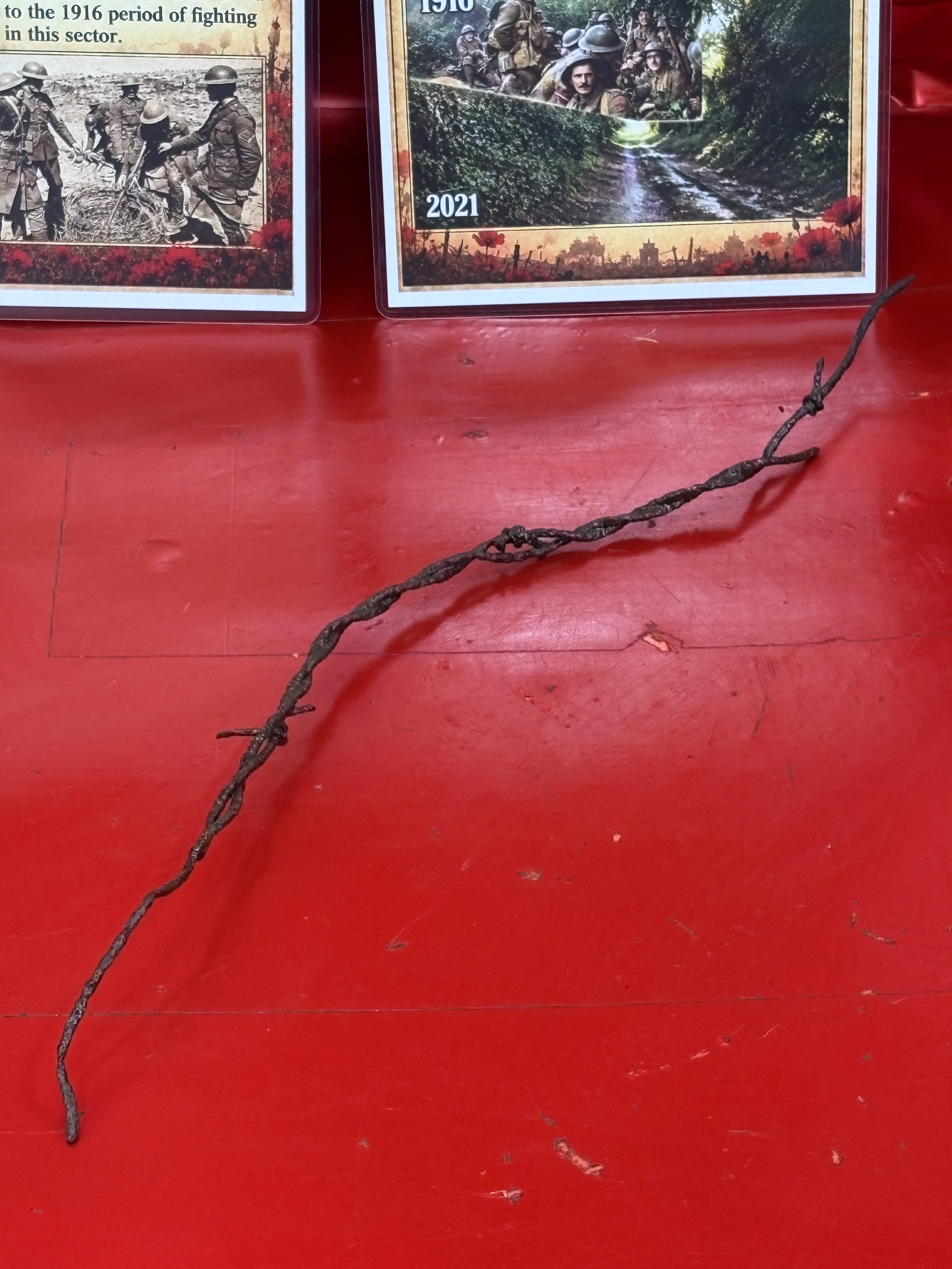 Image 4 of 9
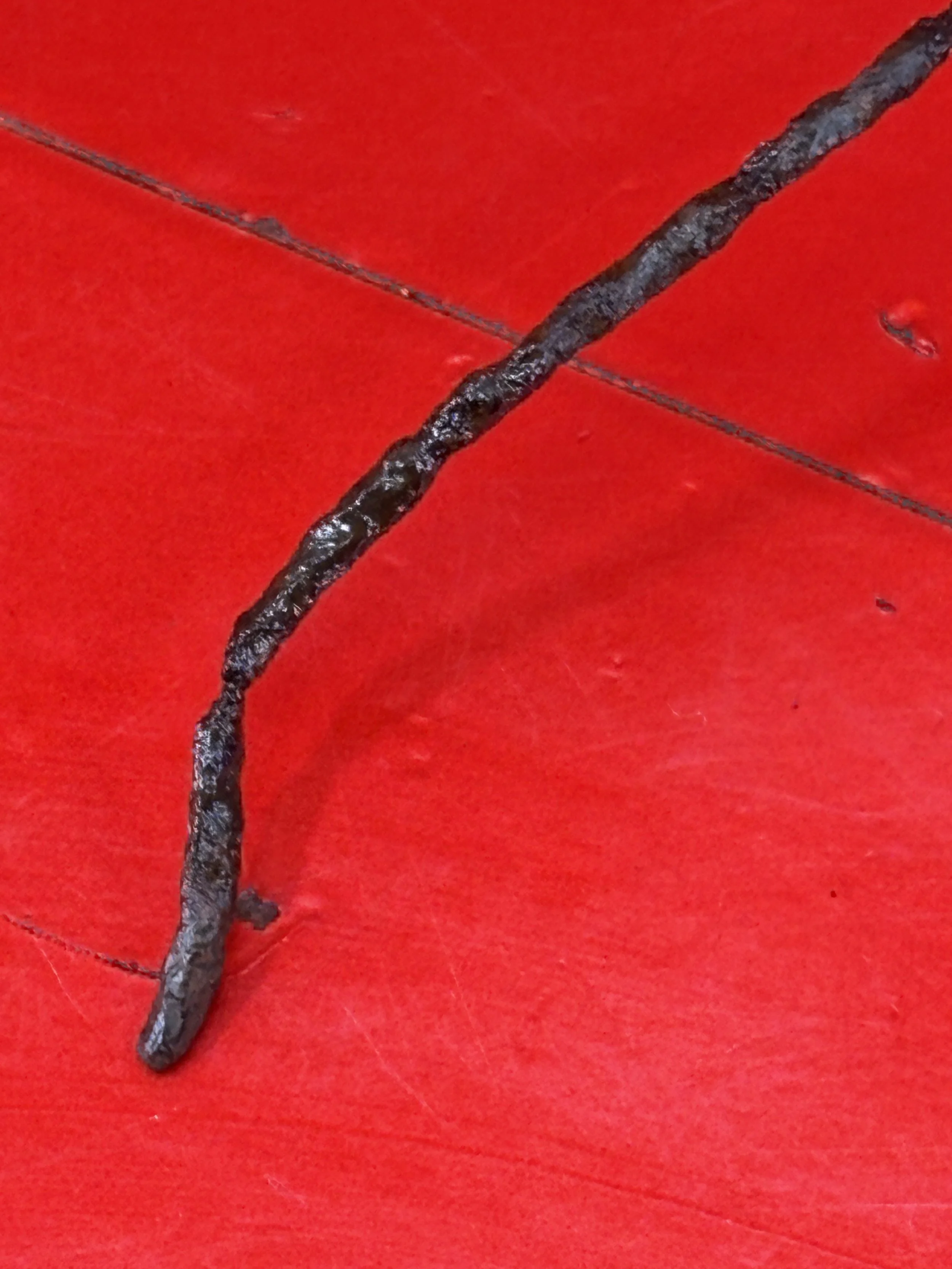 Image 5 of 9
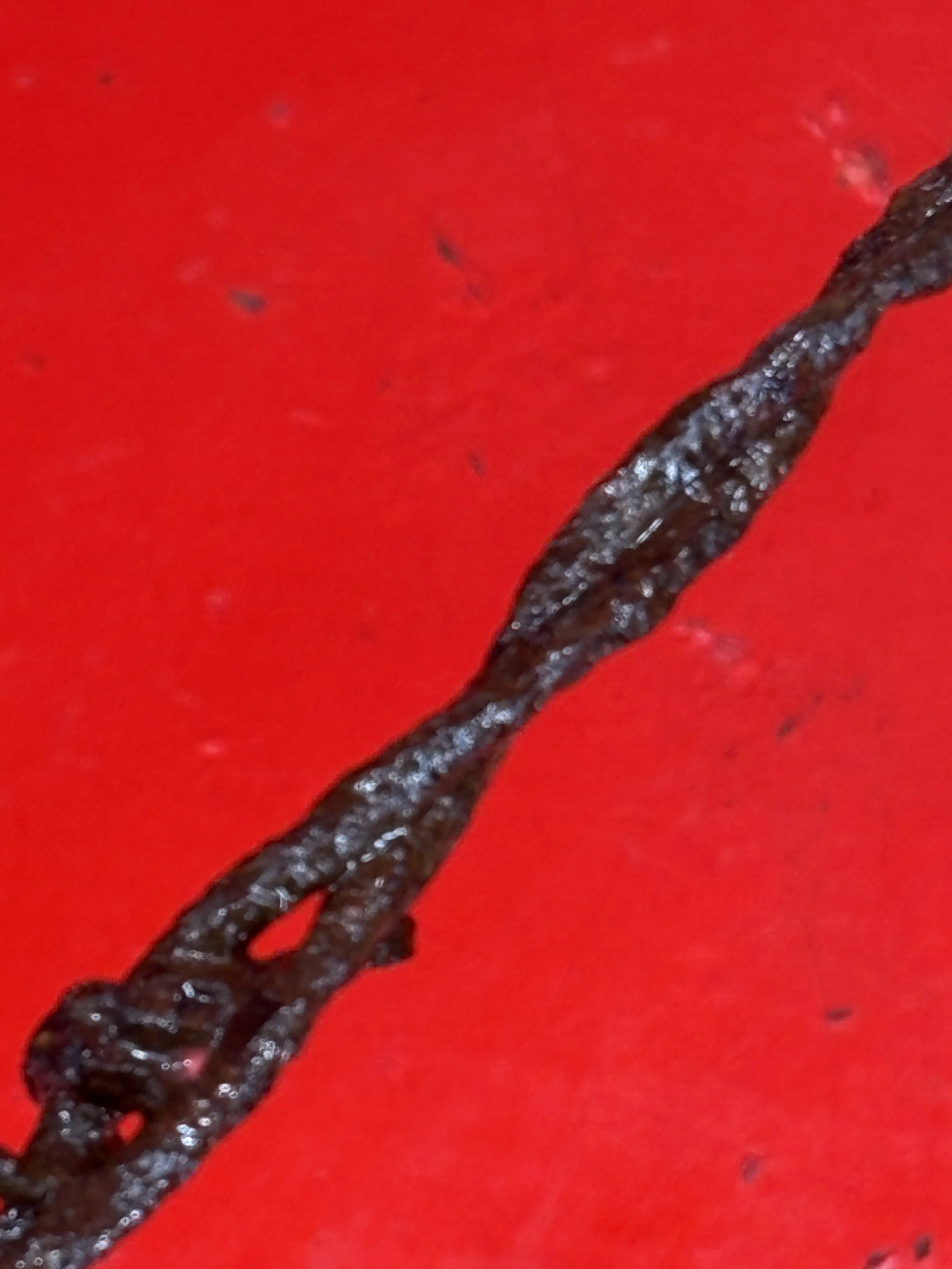 Image 6 of 9
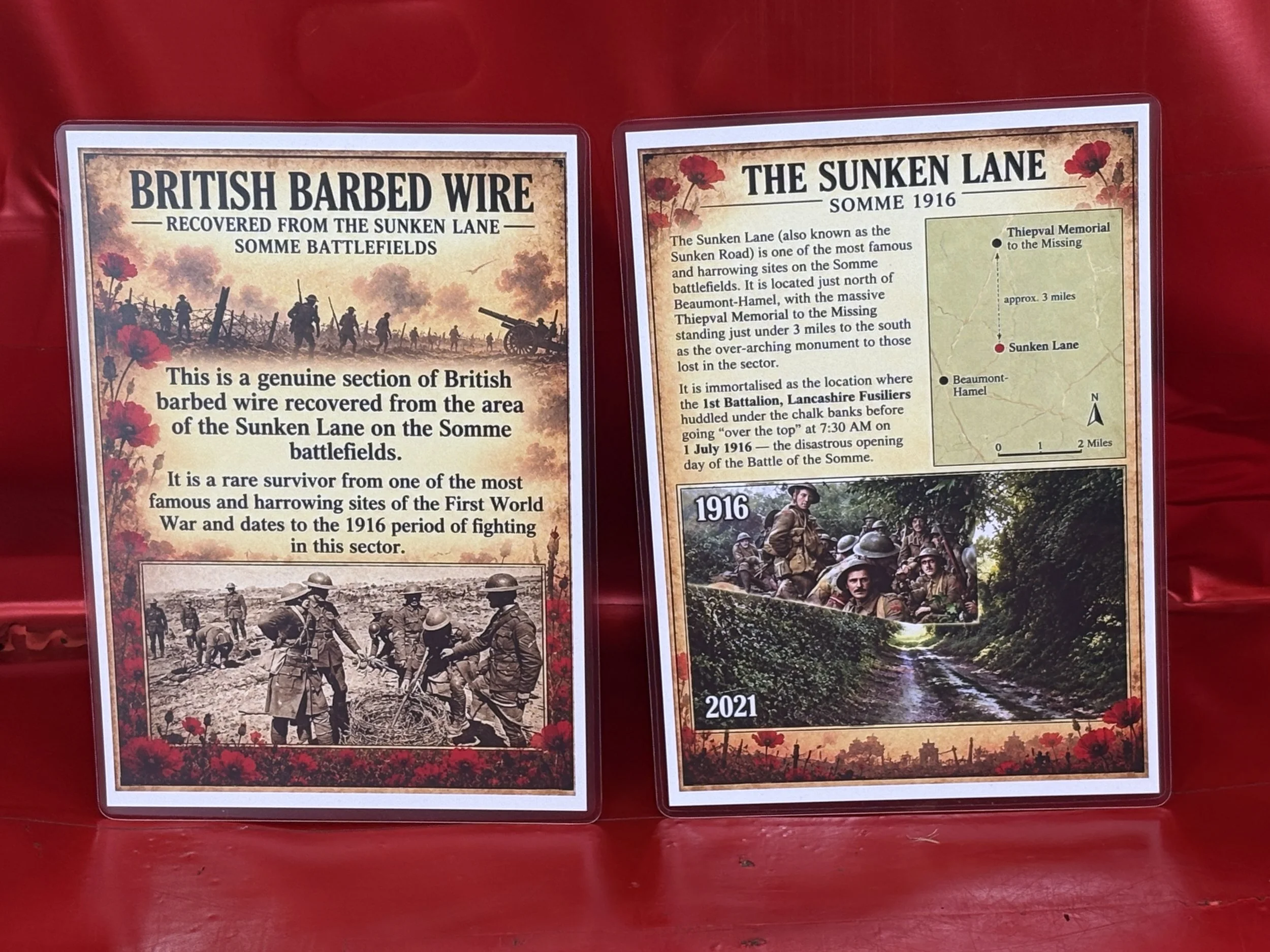 Image 7 of 9
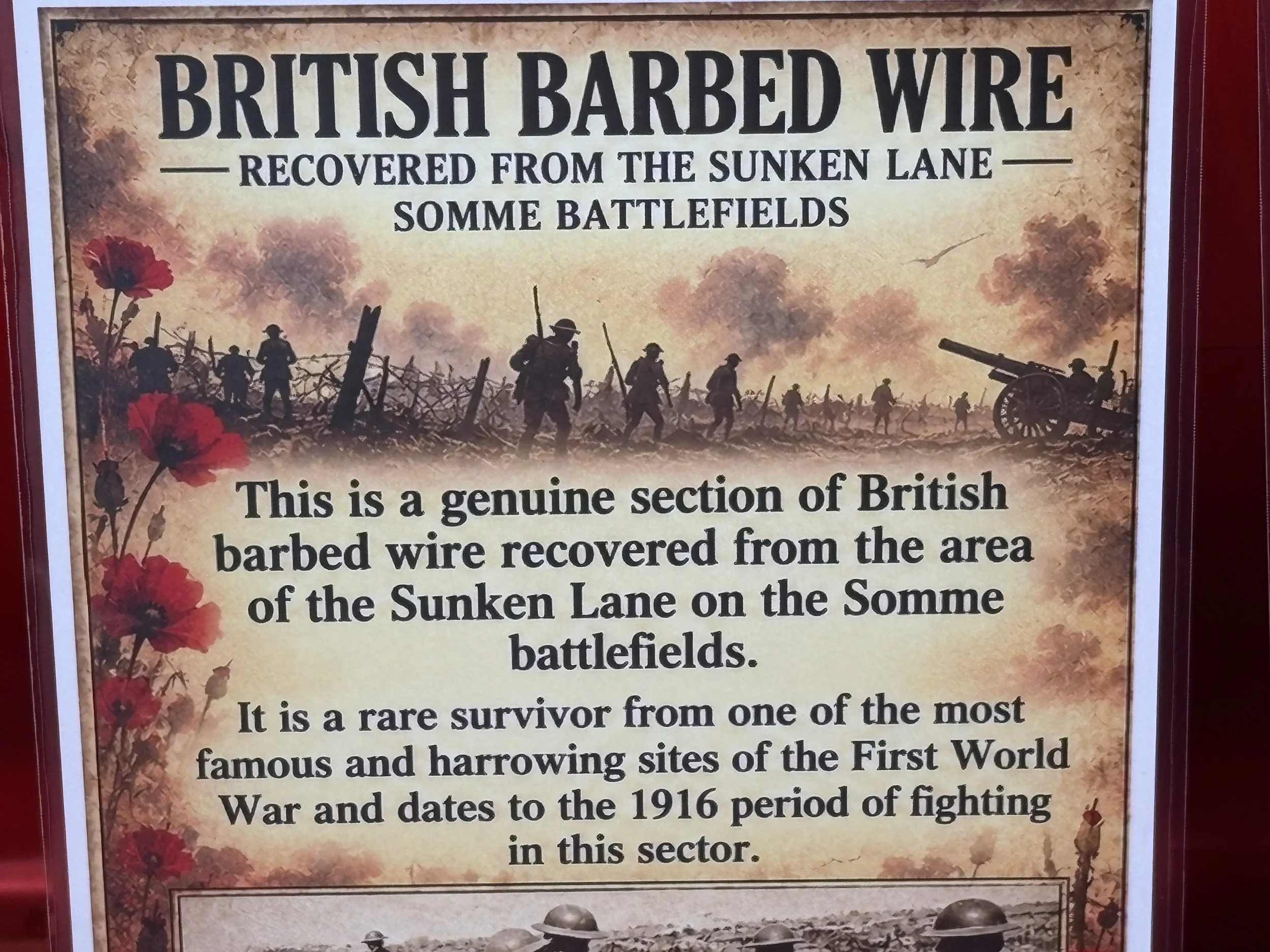 Image 8 of 9
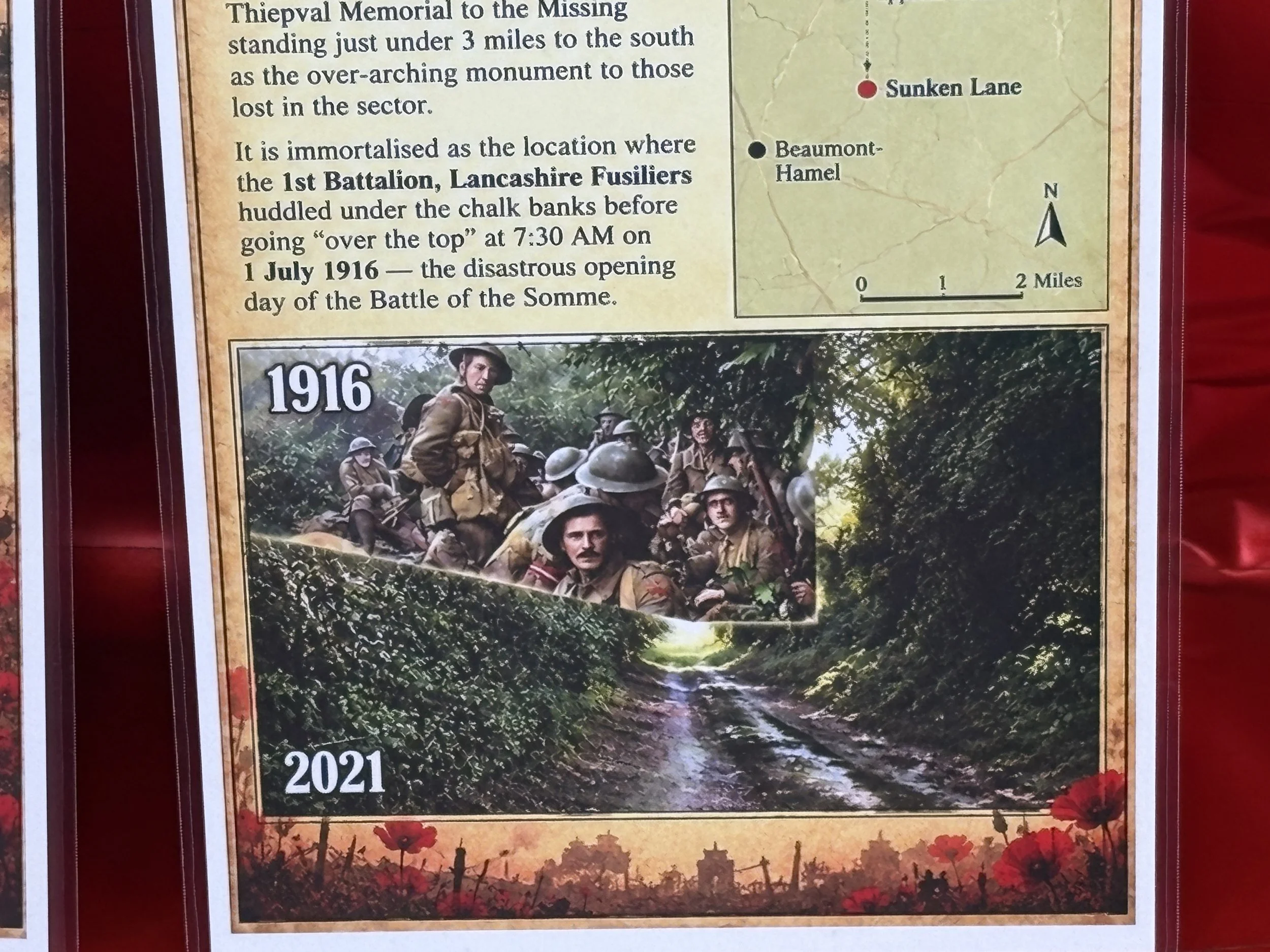 Image 9 of 9