This is a totally rare waist gunners handle trigger section which has maker markings and numbers down the side and its fire control button is on fire and is complete with one of its bakerite handles it is the whole back section of the gun which the crewman held while firing.
The handle is deactivated by condition obviously plain to see with no moving parts and has ripped clean off during the crash .The part still has most of its original colours and paintwork and overall lovely condition and fantastic for a recovered relic. The machine gun part is in nice condition it is not rusty and it has been very nicely cleaned and is in very solid condition perfect for collection and perfect for display. The American B17 bomber 42-97942 Heavenly Body 2 on its return from a mission bombing a German V weapons site in Northern France on the 19th June 1944.The part comes with 3xA5 laminated information cards with map and pictures withj diagrams and shows exactly where it went on the gun.
American Heavenly Body 2 it collided with another B17 bomber on its return from a mission bombing a German V weapons site in Northern France on the 19th June 1944, The aircraft crashed in the Thames near Canvey Island in Essex.
On 19 June 1944, a formation of B-17 Flying Fortresses of the 379th Bomb Group were returning from a mission to bomb V weapons sites in northwest France on the return from the mission to England from France with Lloyd Burns, Bombardier: Jack Gray, Flight engineer/top turret gunner: Leon Gibbs, Radio Operator: Leroy Monk, Ball turret gunner: Bill Farmer, Waist gunner: Dick Andrews (6 Returned to Duty); Co-pilot: Fred Kauffman, Navigator: Ed Sadler,Tail gunner: Lou Schulte (3 Killed in Action); The b17 bomber number 44-6133 experienced engine trouble and collided with B-17 42-97942 nicknamed "Heavenly Body II", the two aircraft became temporarily entangled. The wreckage of Heavenley Body crashed into Canvey point mud bank in the River Thames estuary in Essex.

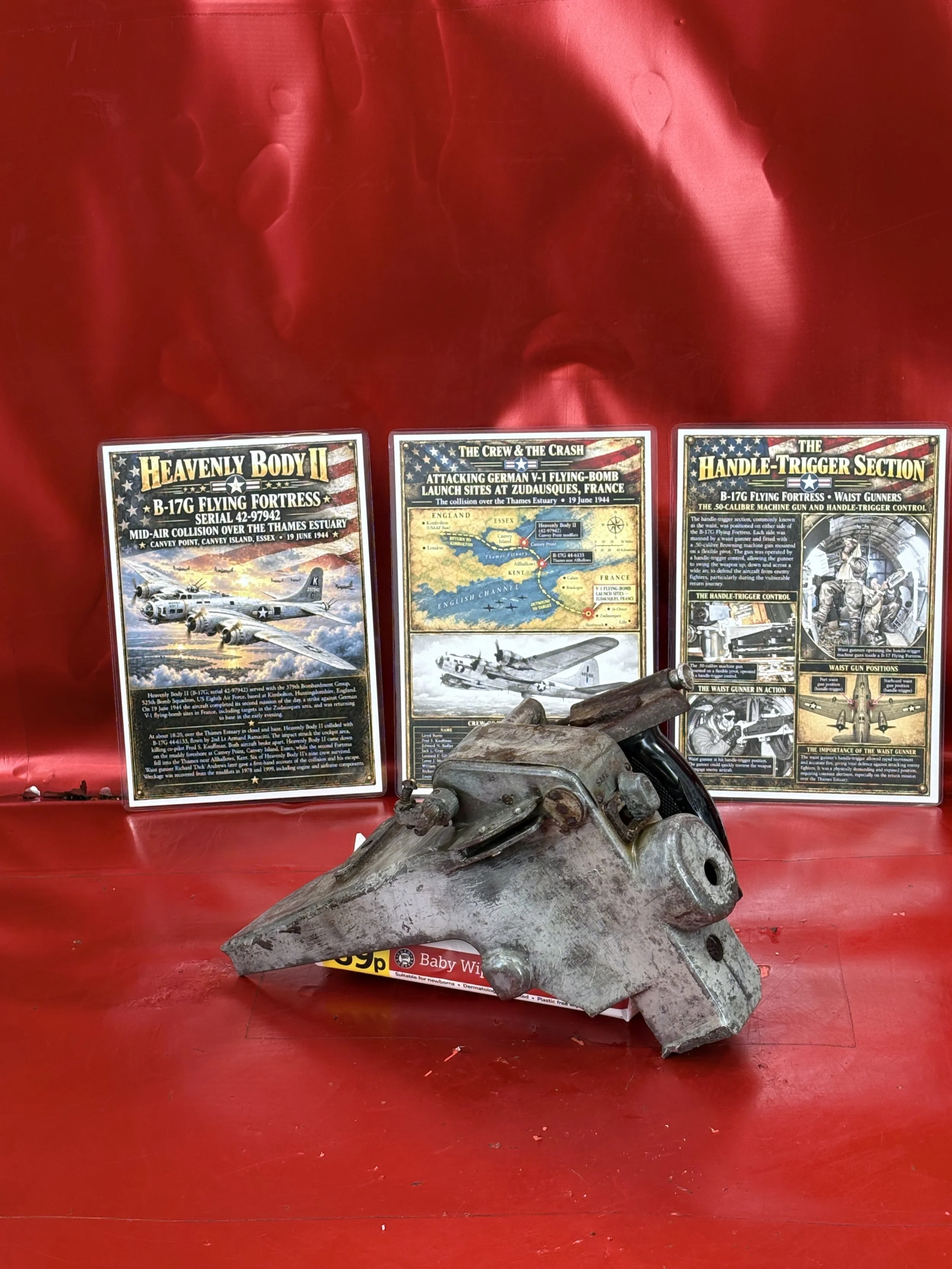 Image 1 of 12
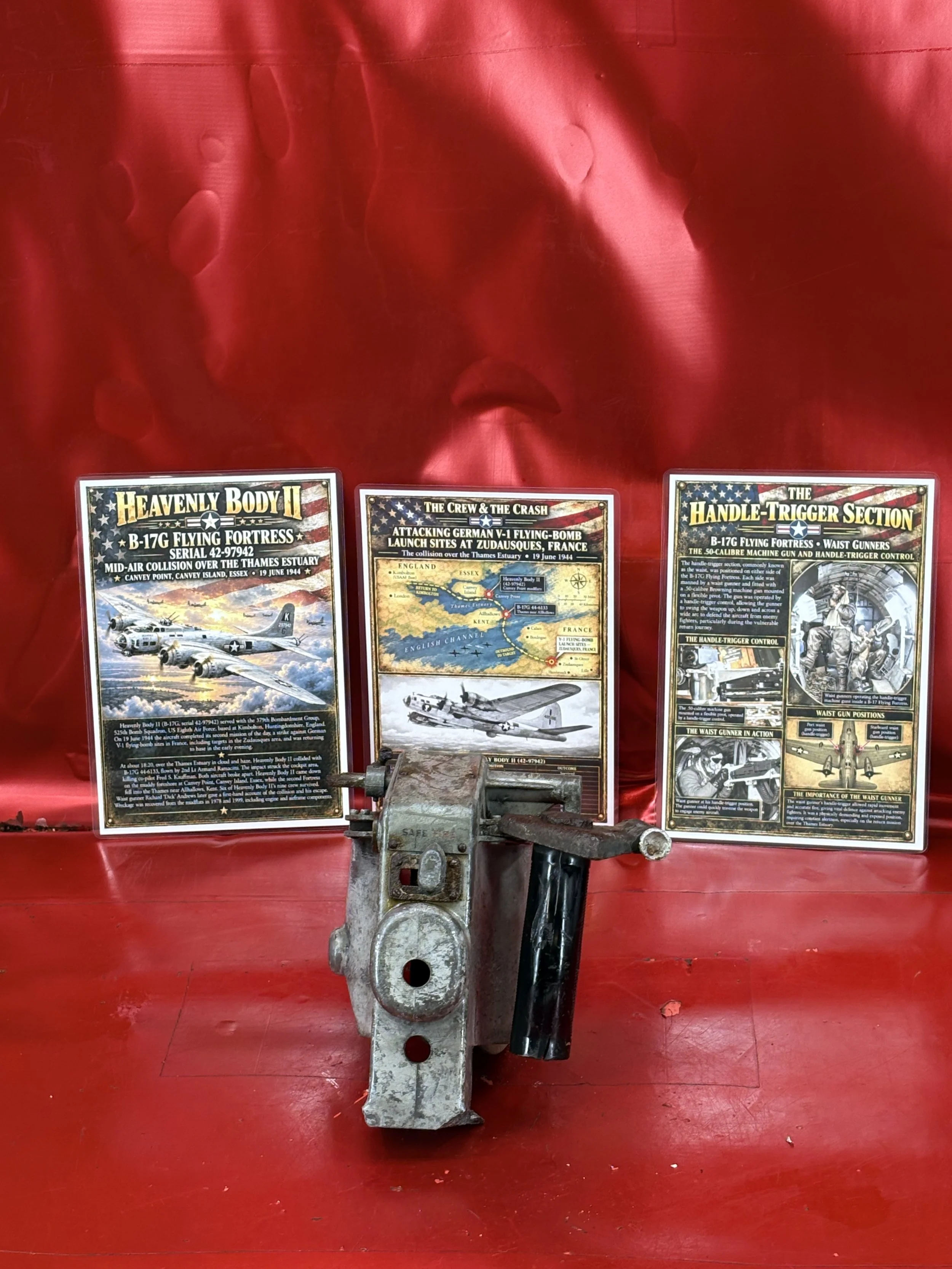 Image 2 of 12
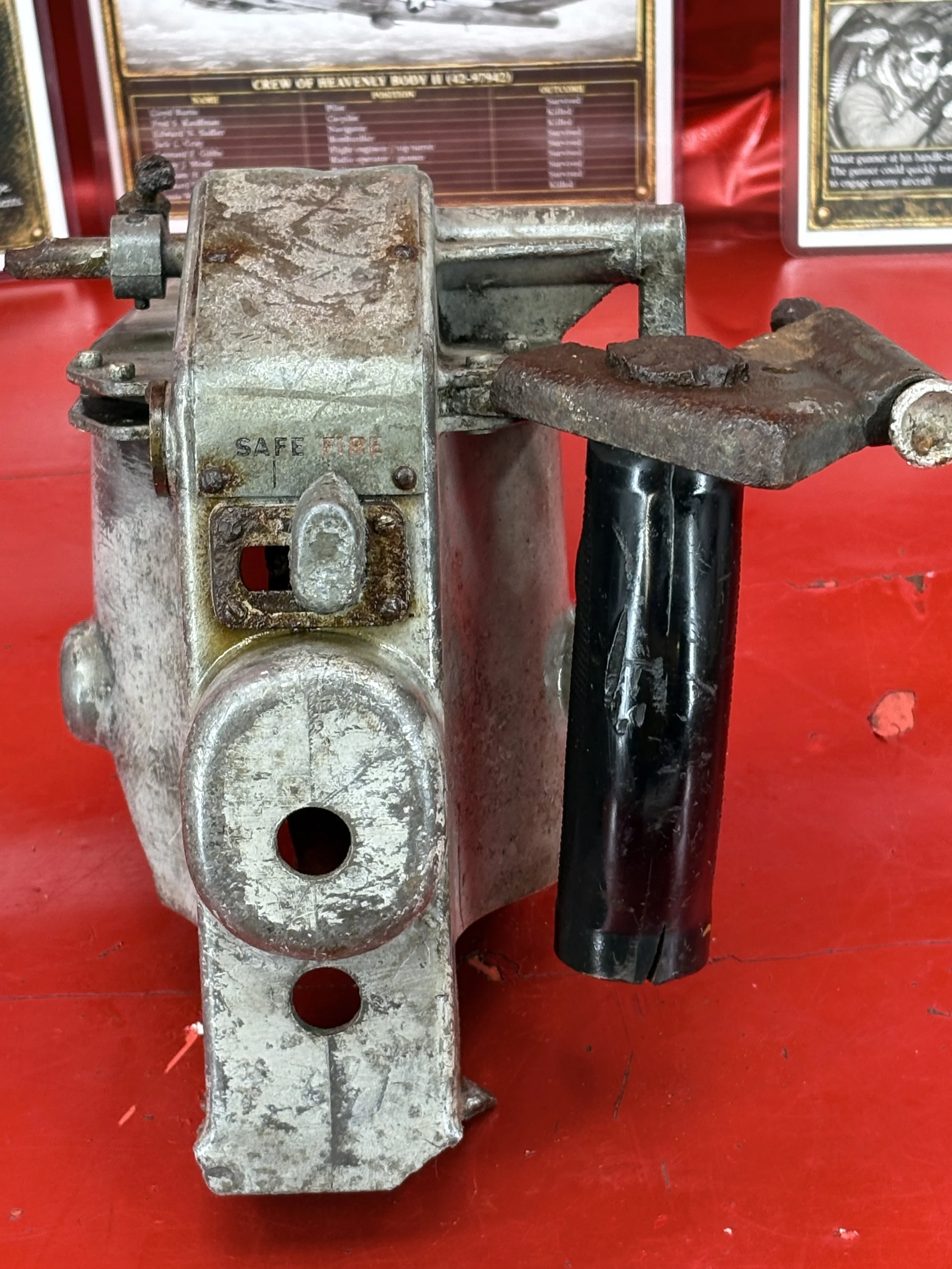 Image 3 of 12
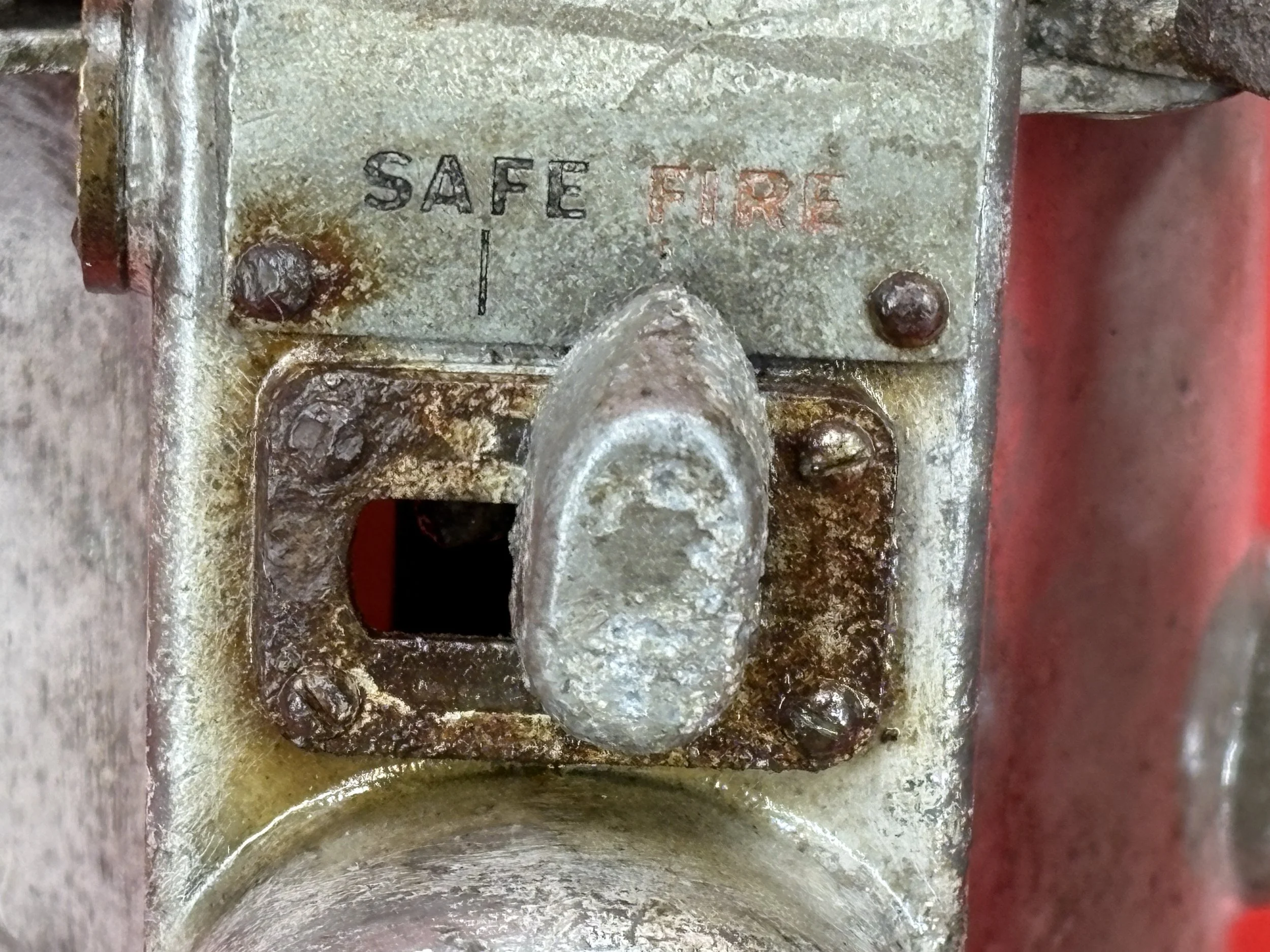 Image 4 of 12
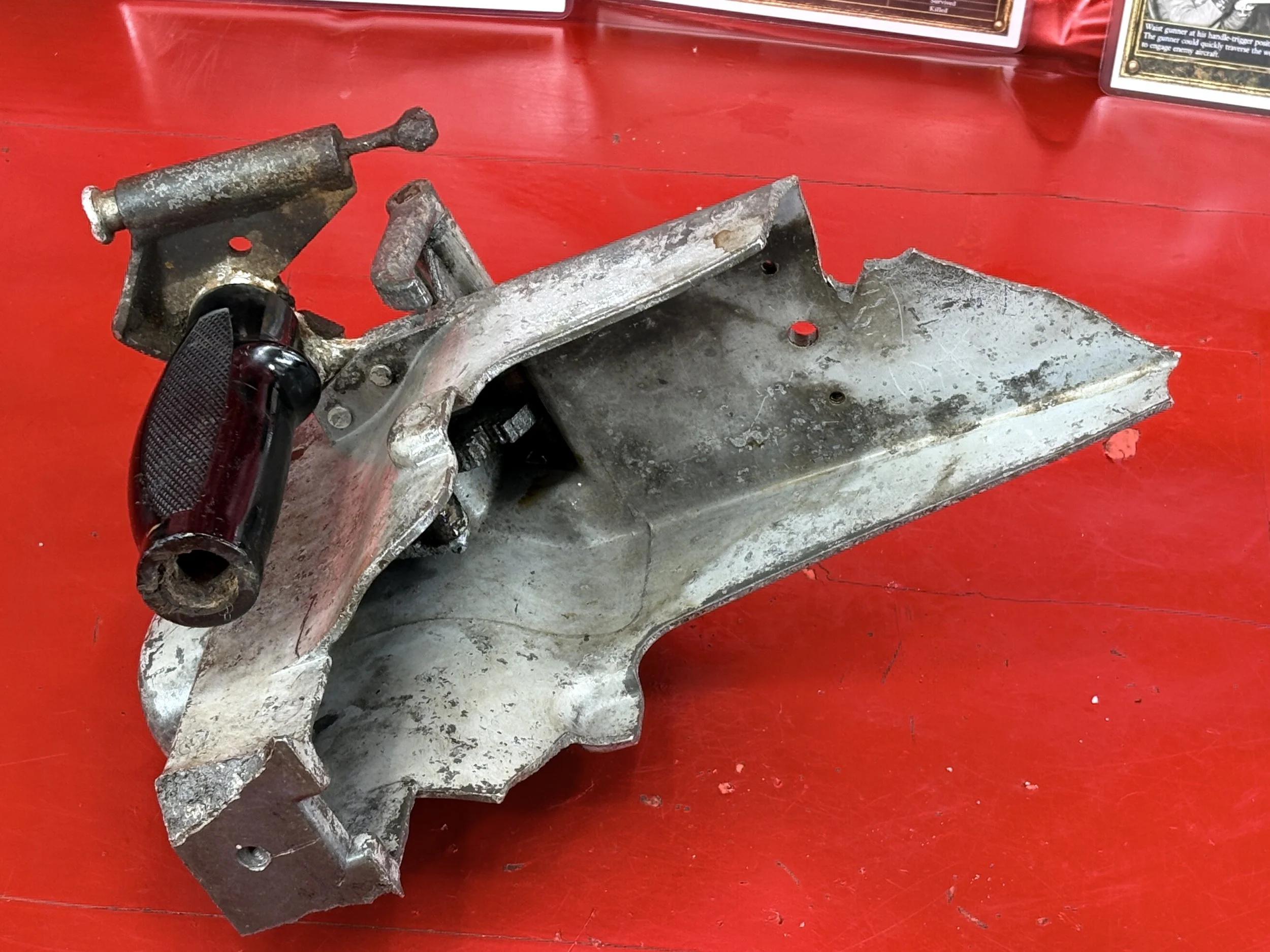 Image 5 of 12
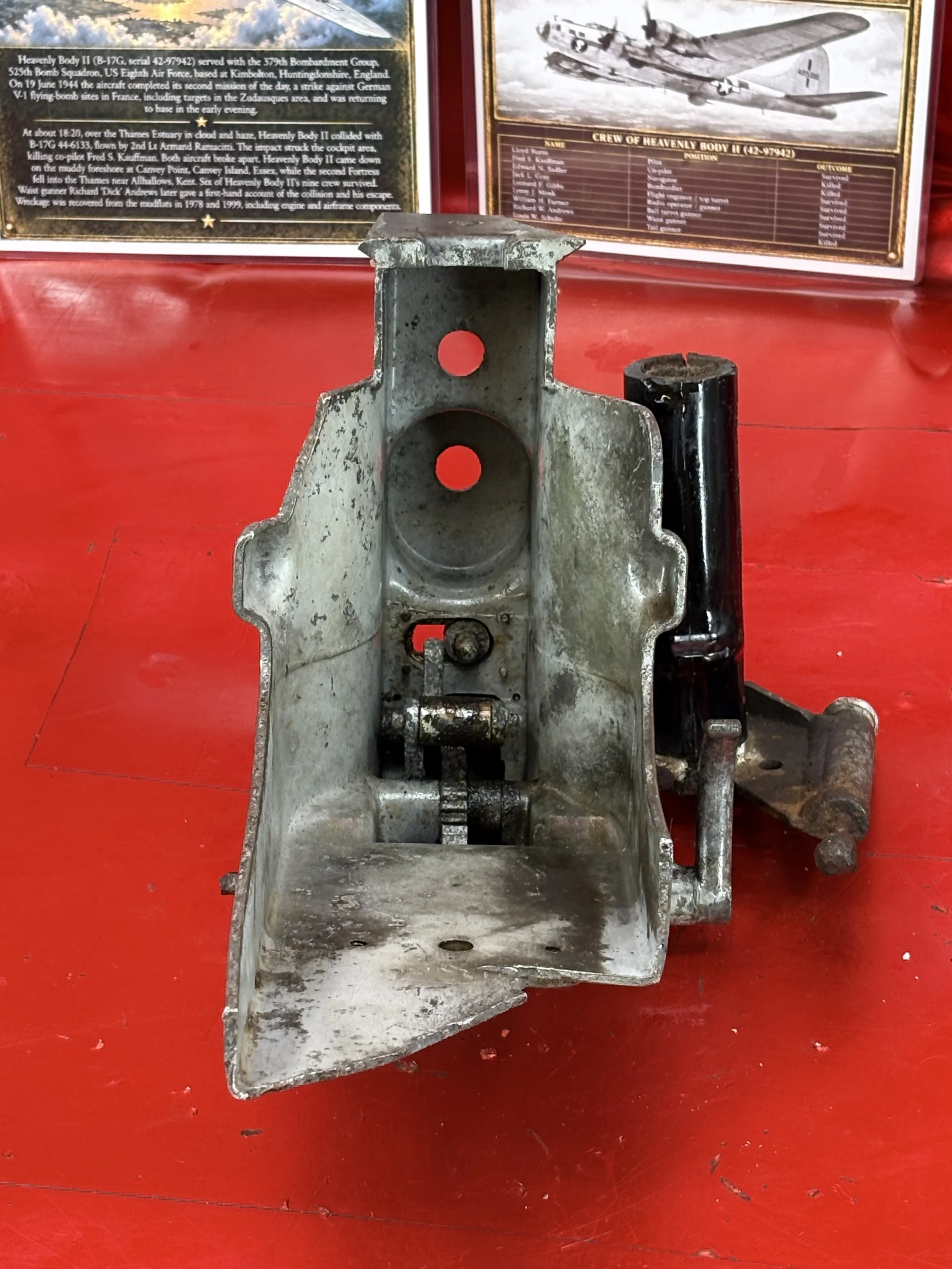 Image 6 of 12
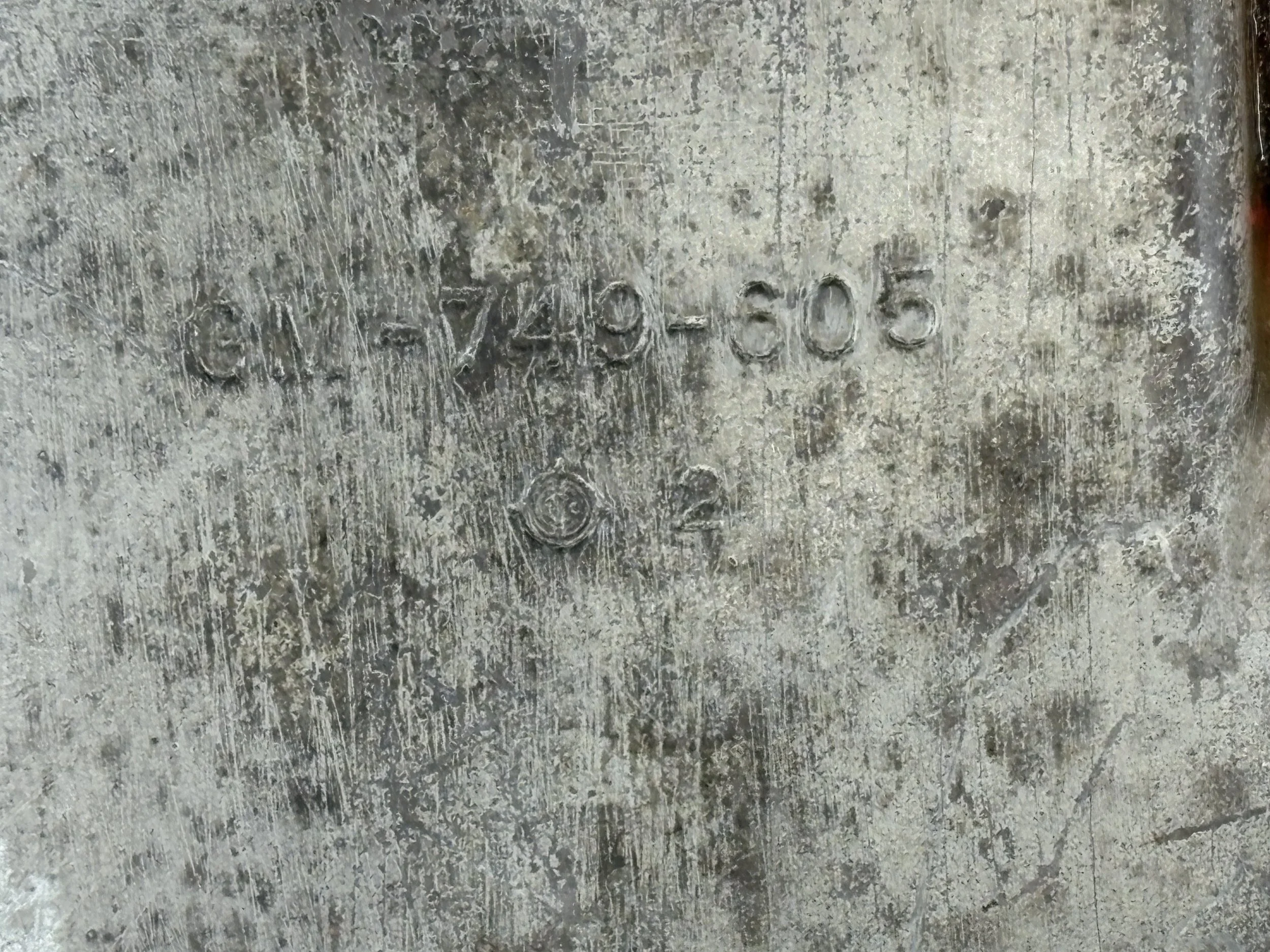 Image 7 of 12
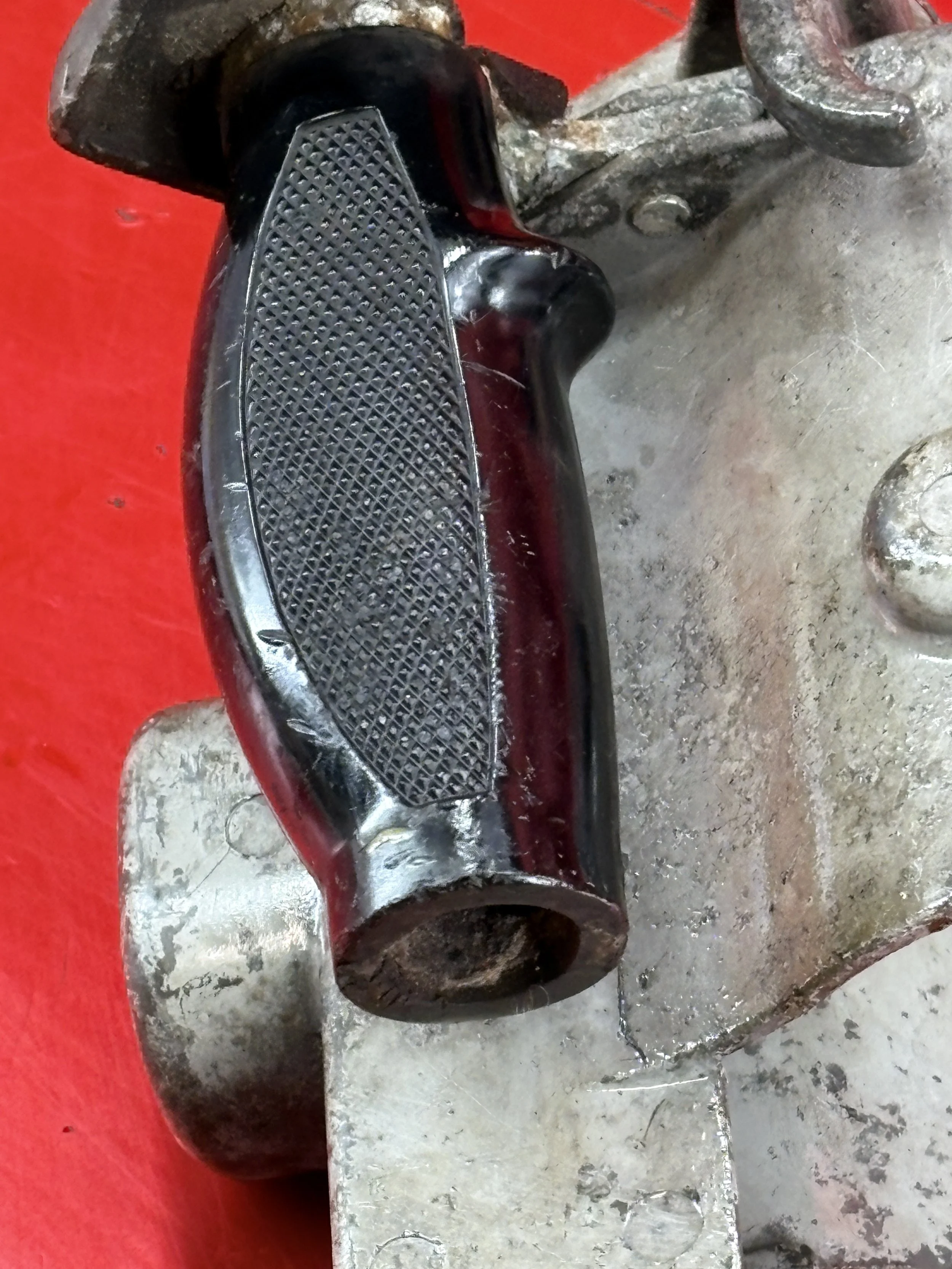 Image 8 of 12
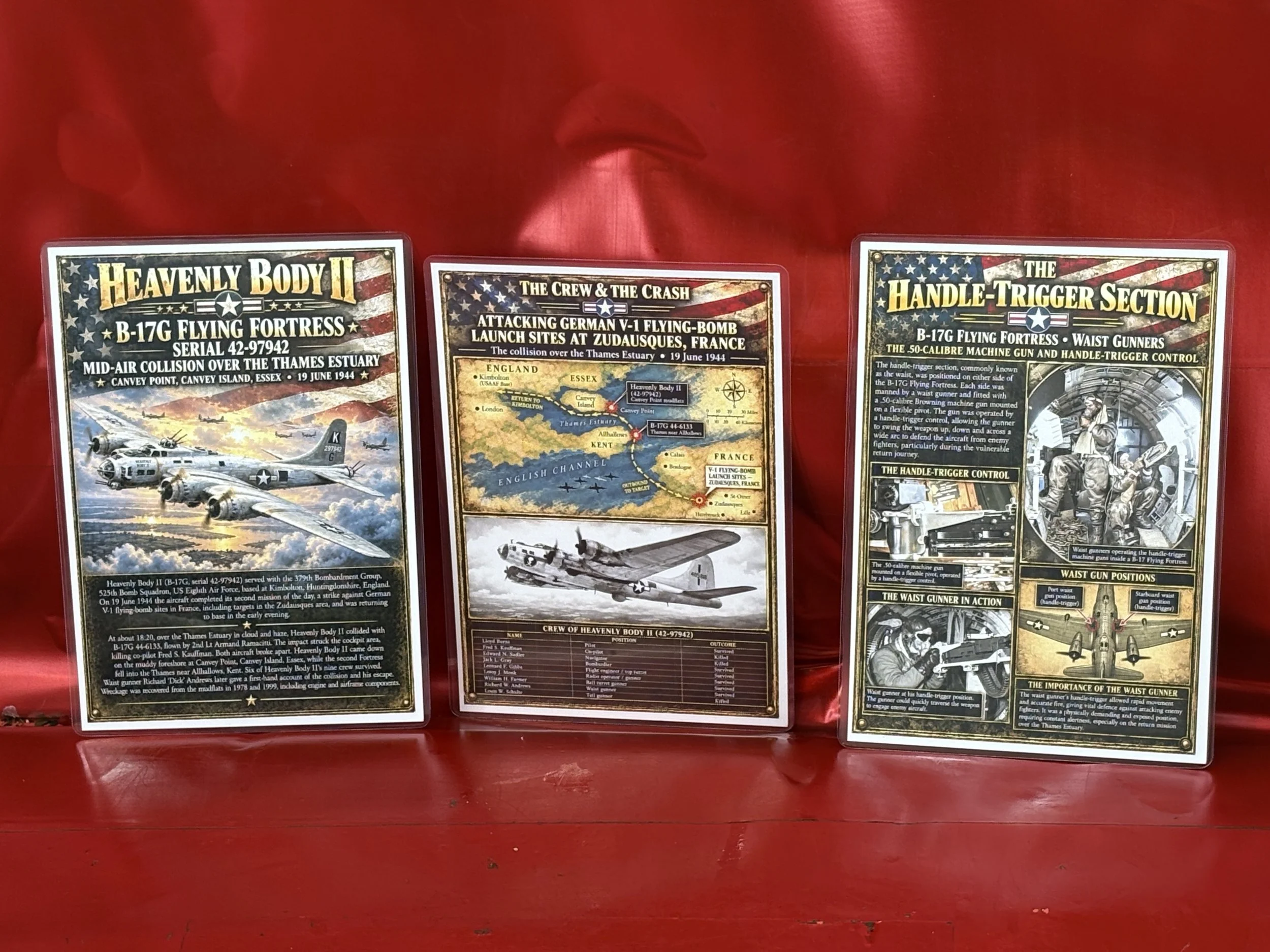 Image 9 of 12
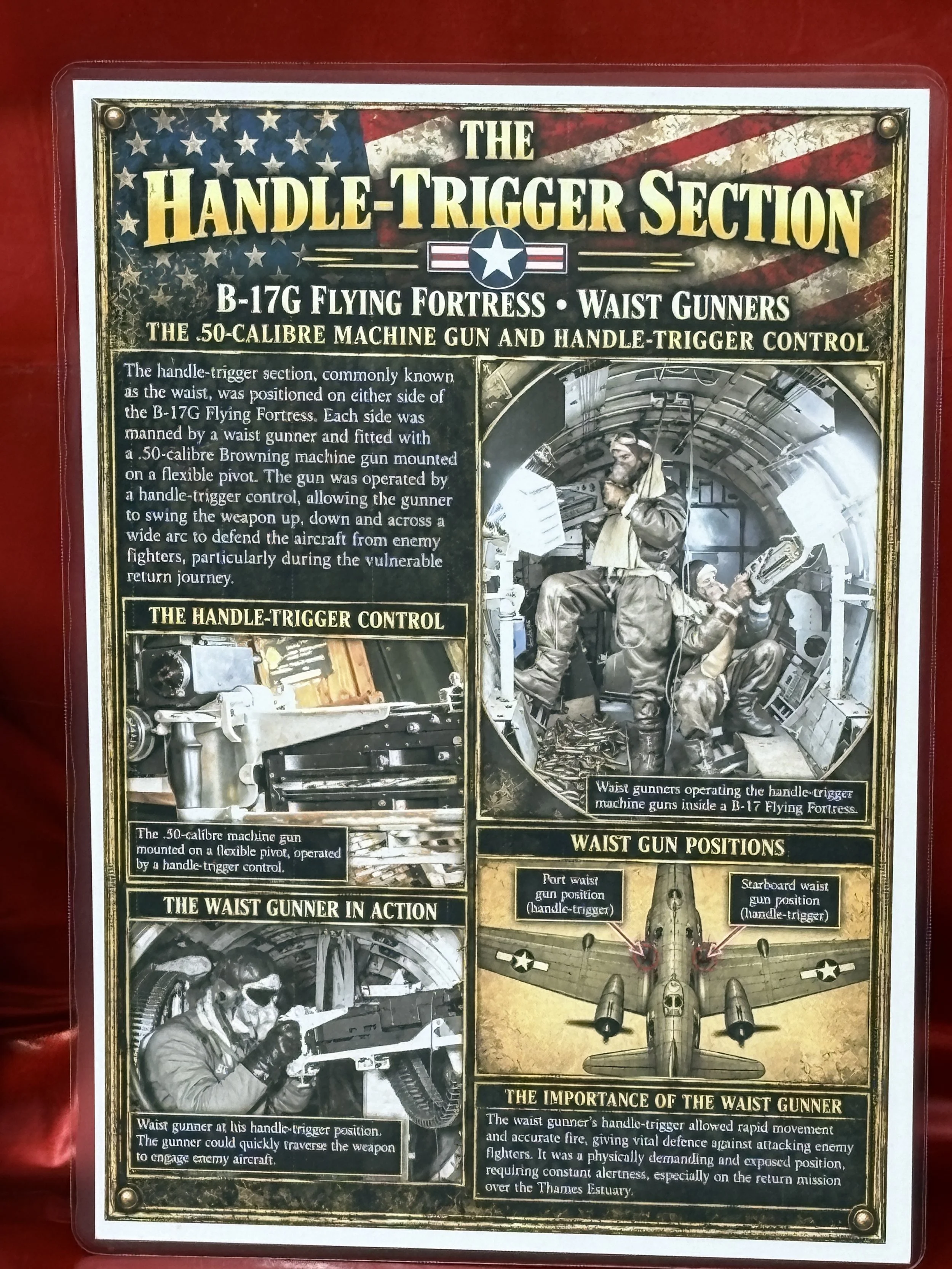 Image 10 of 12
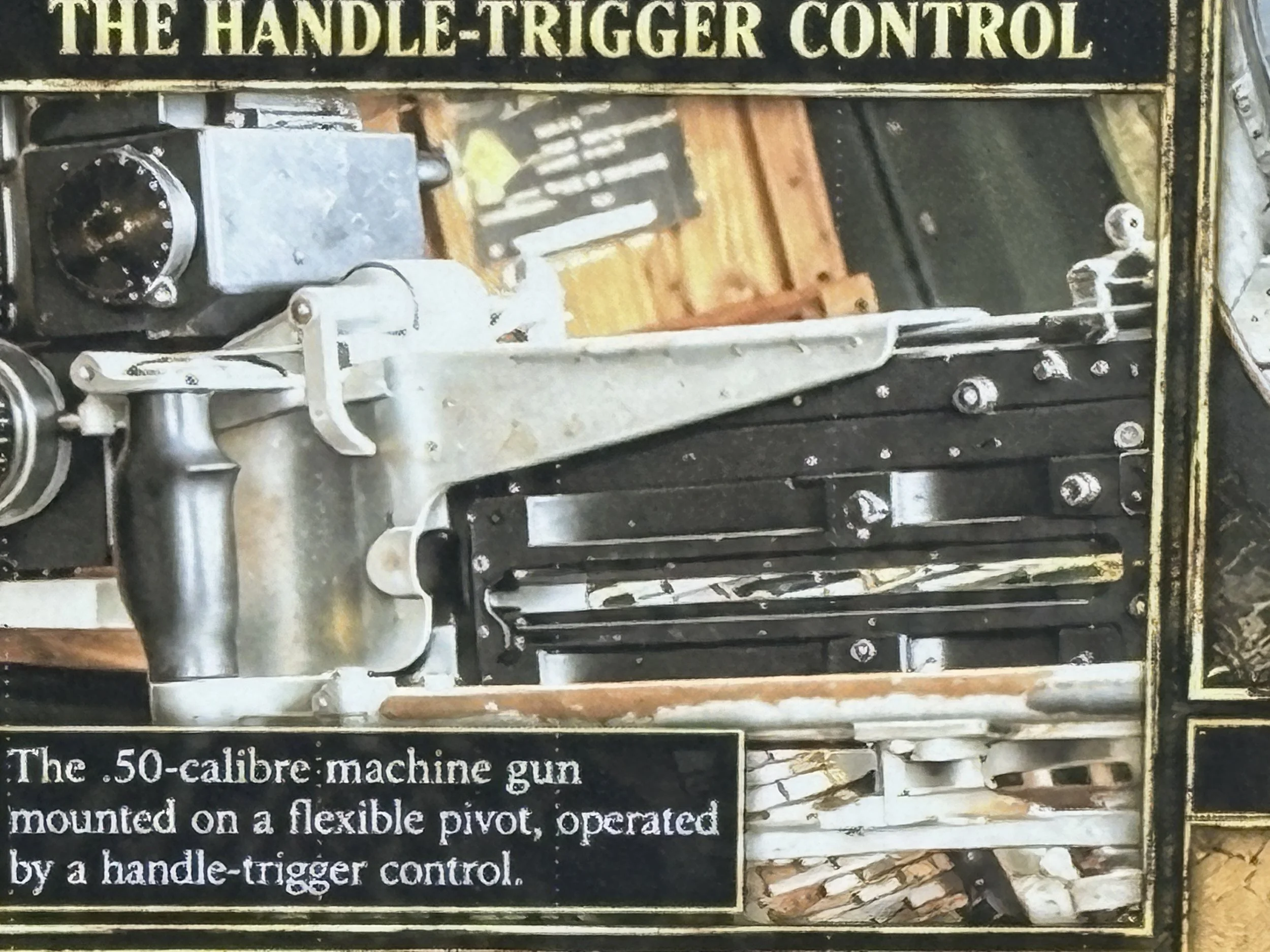 Image 11 of 12
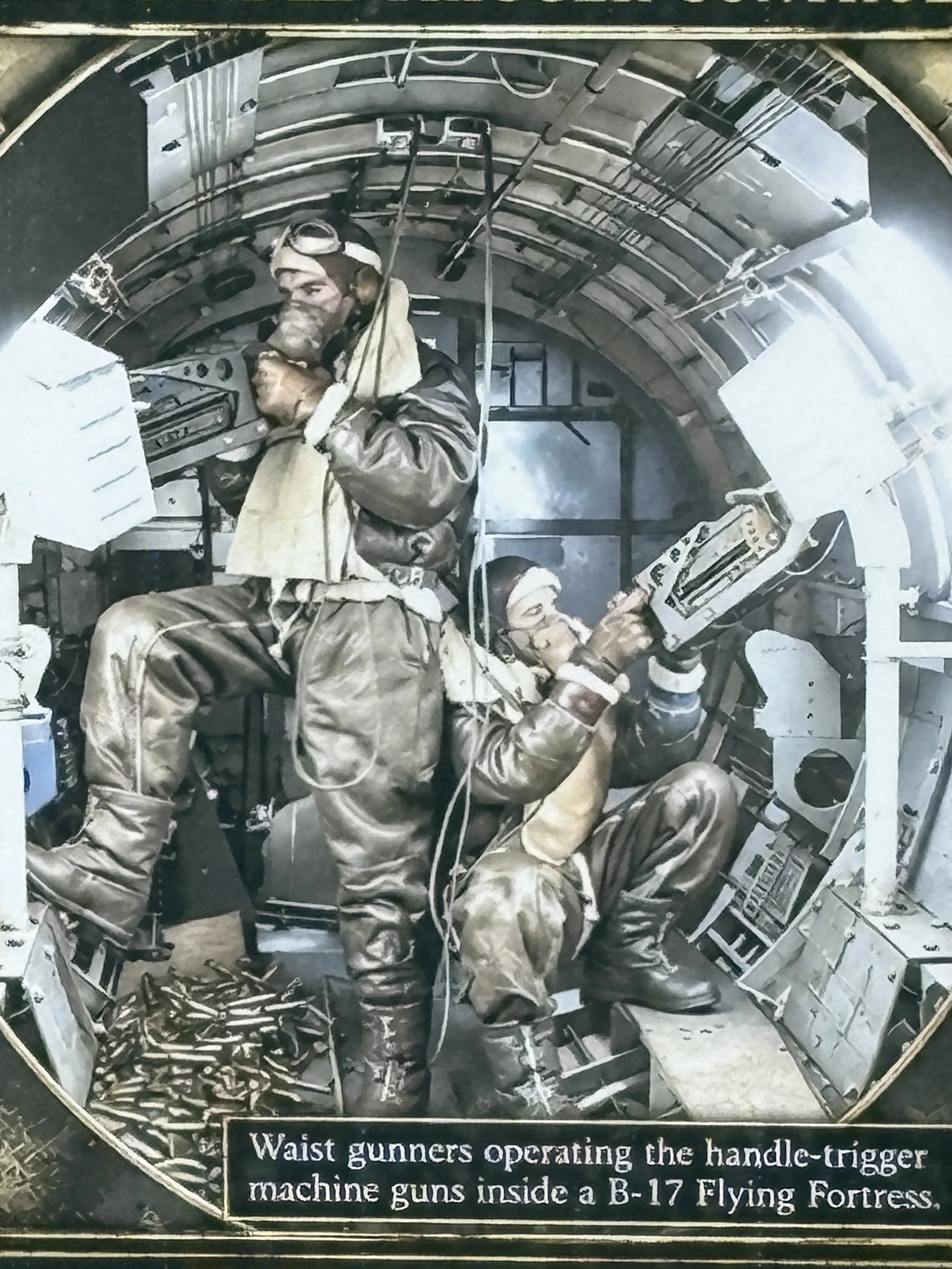 Image 12 of 12