This is a Totally rare German brass shell case a 5.7 cm Maxim-Nordenfelt dated May 1916 fired by A7V tank heavy tank.The case has been turned in to post war trench art with souvenir of 1914-1919 scratched in to it the case is pretty much undamaged but has discolored in places. The case still retains its brass colour but is a bit dirty no shiny but still nice condition. The case is complete on the bottom with its original markings and is dated May 1916 and is perfect for display and a rare one for the collection.The case was found on a market in the village of Villers-Bretonneux which was the April 1918 battlefield on the Somme during the kaisers offensive.The case comes with 2x A5 laminated information cards with pictures and only the 3rd one of these cases i have ever had.
The A7V (Sturmpanzerwagen A7V) was Germany's first and only tank to see combat in World War I, a slow, boxy design with a large crew (typically 18) and unique features like twin Daimler engines and a front-mounted 57mm cannon which were the maxim-Nordenfelt’s also with six machine guns, , but with only 20 built before war’s end.
In April 1918, during the Second Battle of Villers-Bretonneux, German forces deployed their heavy A7V tanks, leading to the world's first tank-on-tank battle against British Mark 6 tanks, with about 13 A7Vs involved in the offensive aiming to break the lines near Amiens, resulting in a mixed outcome where a key A7V was knocked out, but German infantry briefly captured the town before an Australian counter-attack pushed them back. Around 13 German A7V tanks supported the offensive in late April 1918, a significant commitment for Germany's limited tank force.
While the A7Vs initially broke through British lines, allowing infantry to capture Villers-Bretonneux, the tank engagement slowed them down. The Germans were eventually pushed back in a successful counterattack by Australian forces the next night.
This is a Totally rare German brass shell case a 5.7 cm Maxim-Nordenfelt dated May 1916 fired by A7V tank heavy tank.The case has been turned in to post war trench art with souvenir of 1914-1919 scratched in to it the case is pretty much undamaged but has discolored in places. The case still retains its brass colour but is a bit dirty no shiny but still nice condition. The case is complete on the bottom with its original markings and is dated May 1916 and is perfect for display and a rare one for the collection.The case was found on a market in the village of Villers-Bretonneux which was the April 1918 battlefield on the Somme during the kaisers offensive.The case comes with 2x A5 laminated information cards with pictures and only the 3rd one of these cases i have ever had.
The A7V (Sturmpanzerwagen A7V) was Germany's first and only tank to see combat in World War I, a slow, boxy design with a large crew (typically 18) and unique features like twin Daimler engines and a front-mounted 57mm cannon which were the maxim-Nordenfelt’s also with six machine guns, , but with only 20 built before war’s end.
In April 1918, during the Second Battle of Villers-Bretonneux, German forces deployed their heavy A7V tanks, leading to the world's first tank-on-tank battle against British Mark 6 tanks, with about 13 A7Vs involved in the offensive aiming to break the lines near Amiens, resulting in a mixed outcome where a key A7V was knocked out, but German infantry briefly captured the town before an Australian counter-attack pushed them back. Around 13 German A7V tanks supported the offensive in late April 1918, a significant commitment for Germany's limited tank force.
While the A7Vs initially broke through British lines, allowing infantry to capture Villers-Bretonneux, the tank engagement slowed them down. The Germans were eventually pushed back in a successful counterattack by Australian forces the next night.

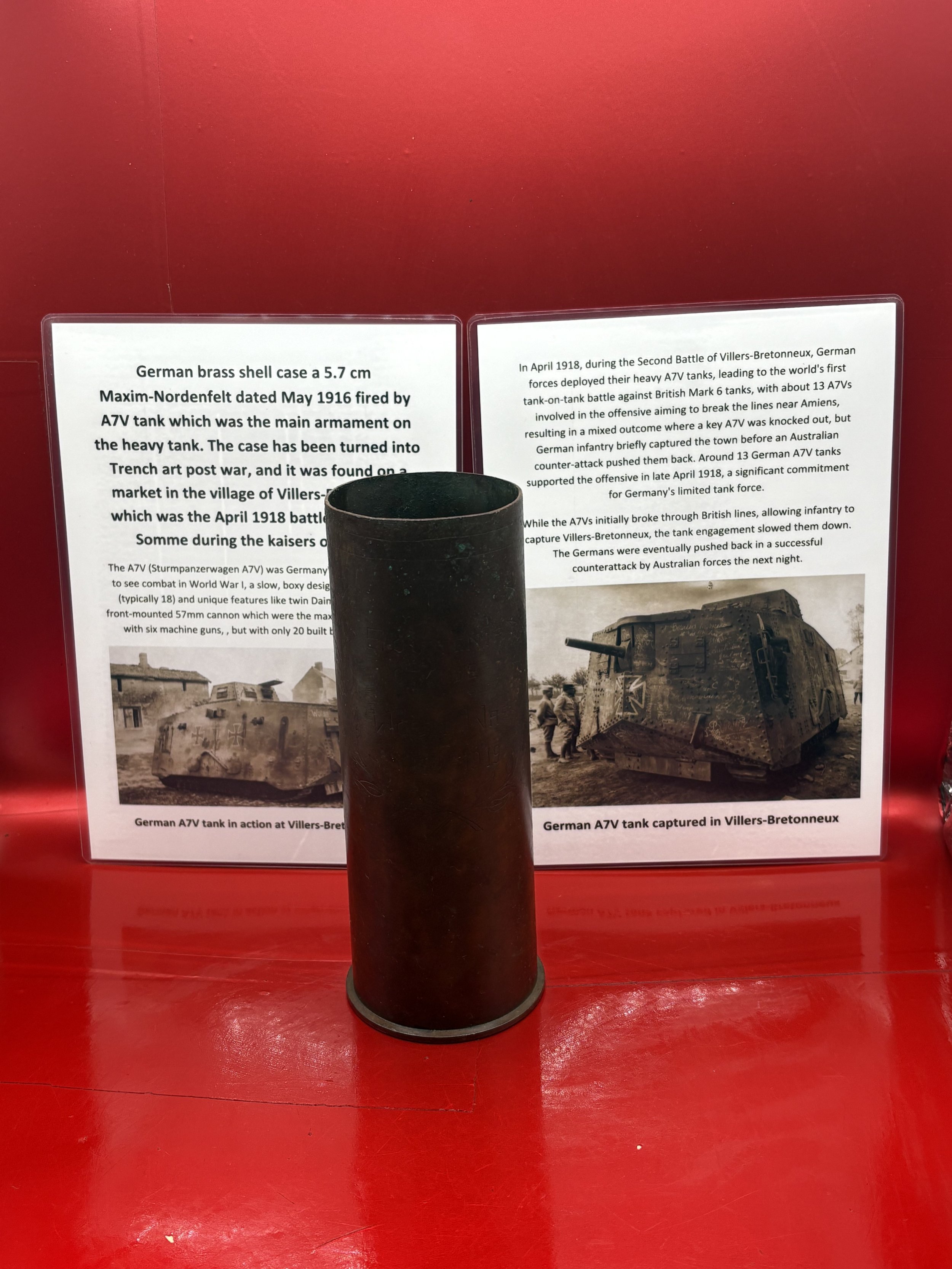 Image 1 of 11
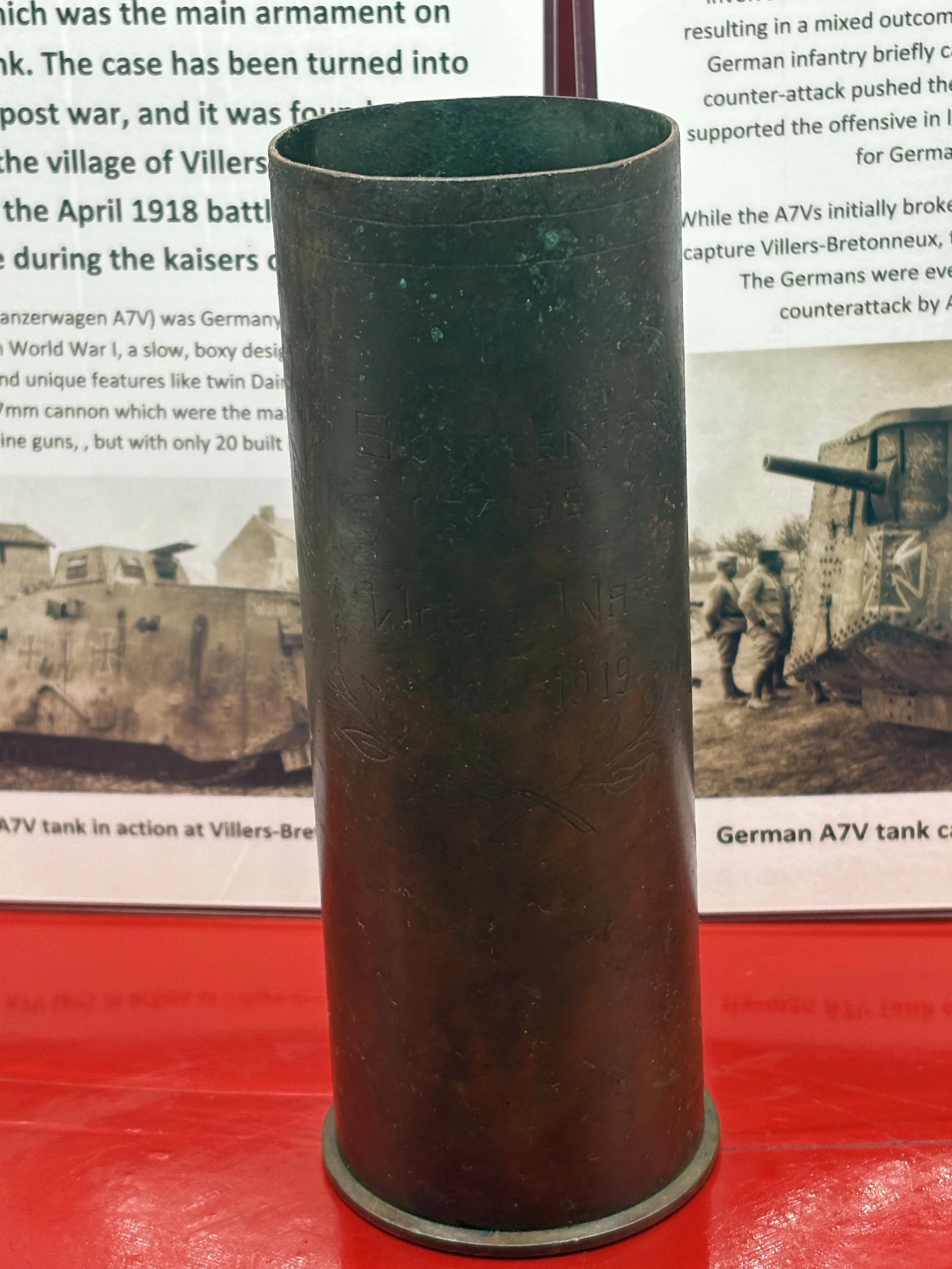 Image 2 of 11
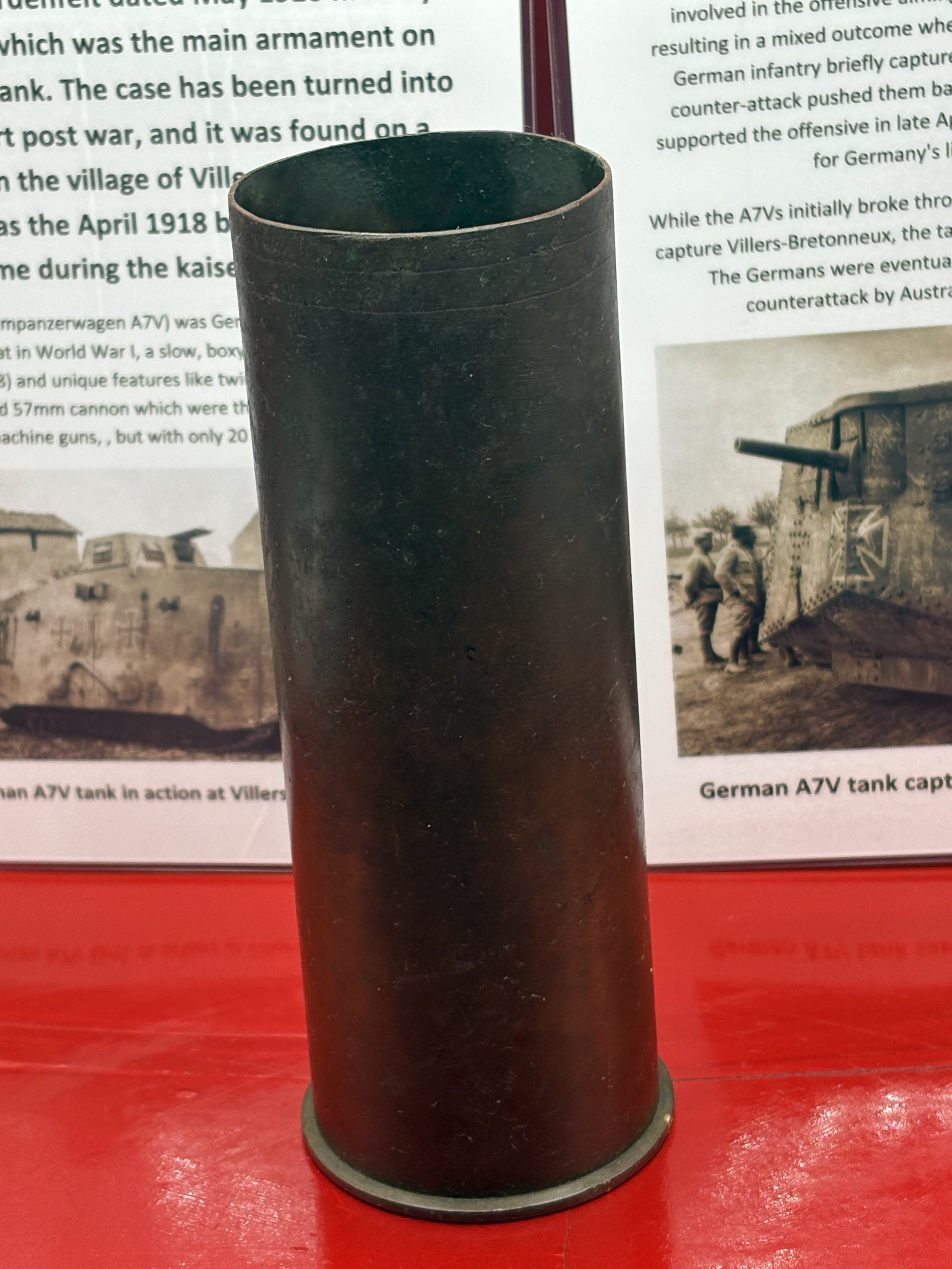 Image 3 of 11
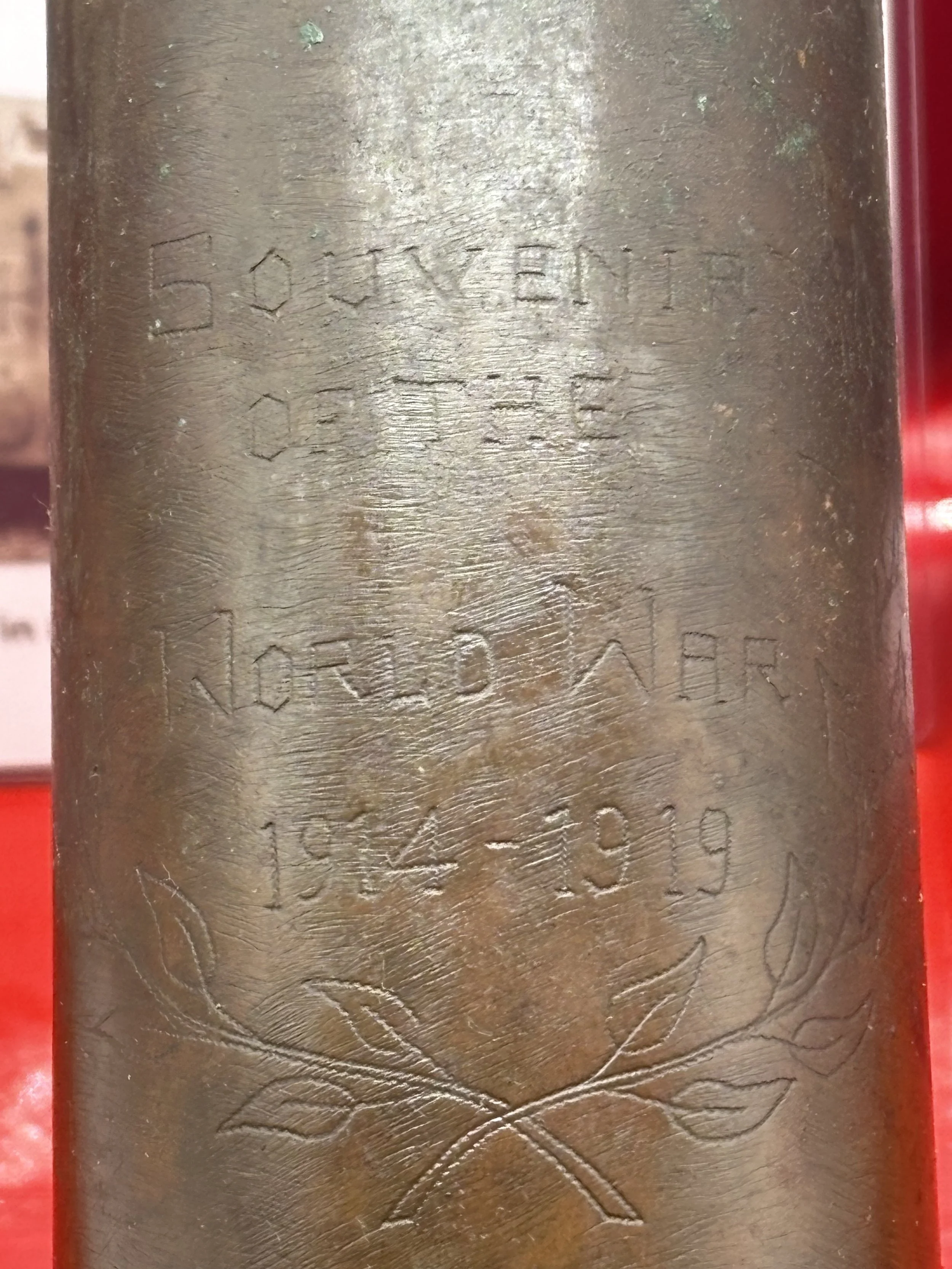 Image 4 of 11
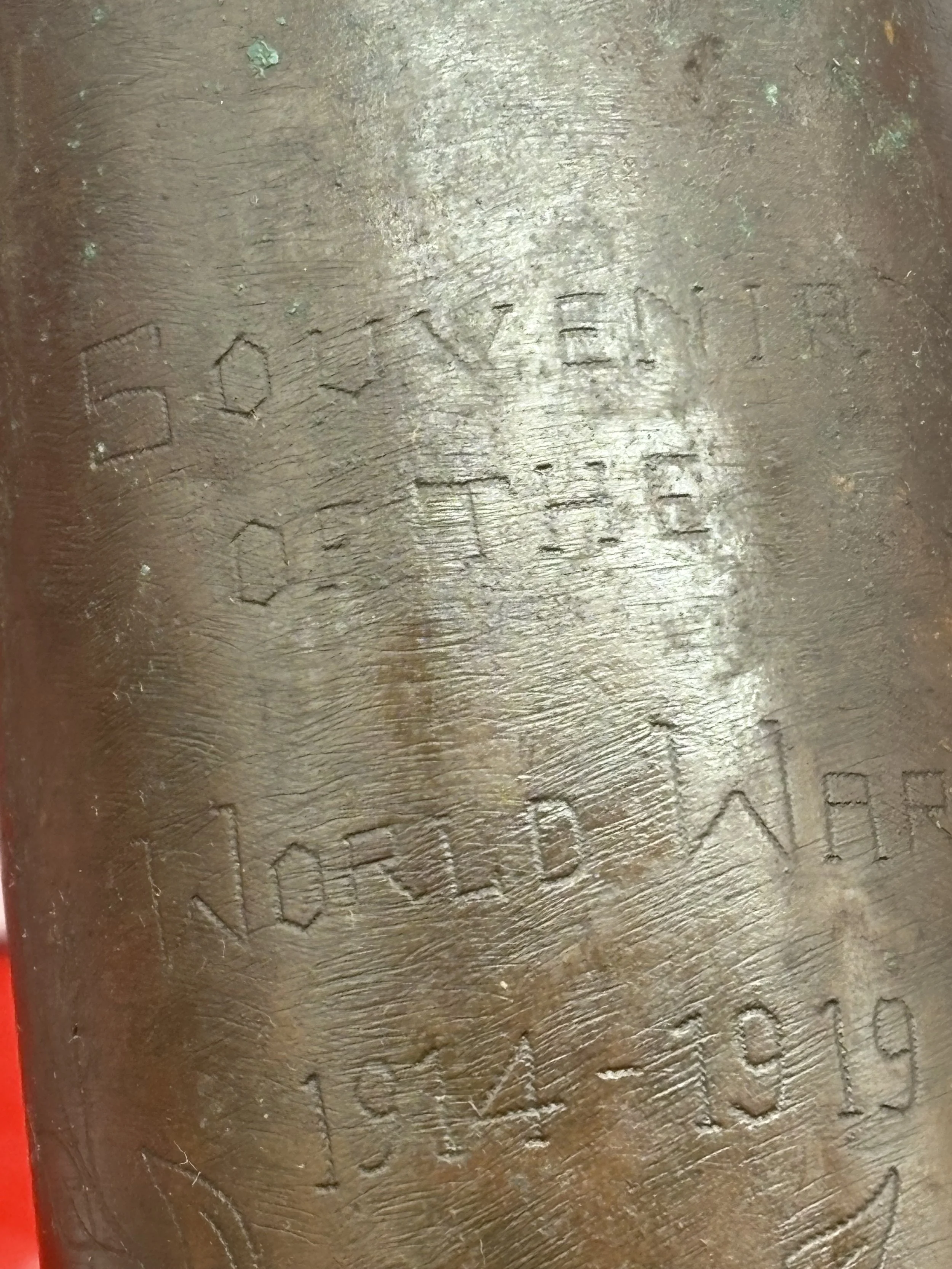 Image 5 of 11
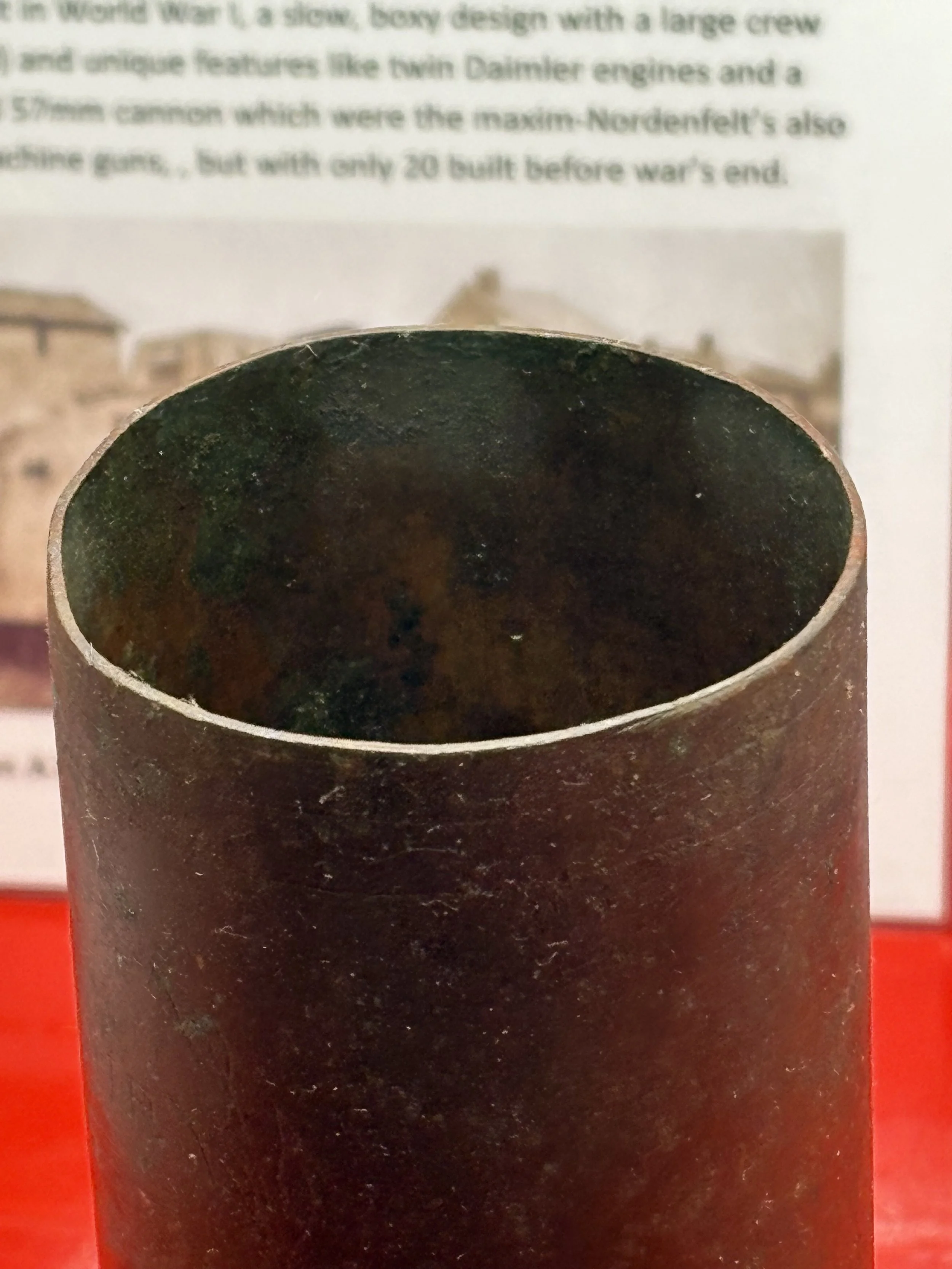 Image 6 of 11
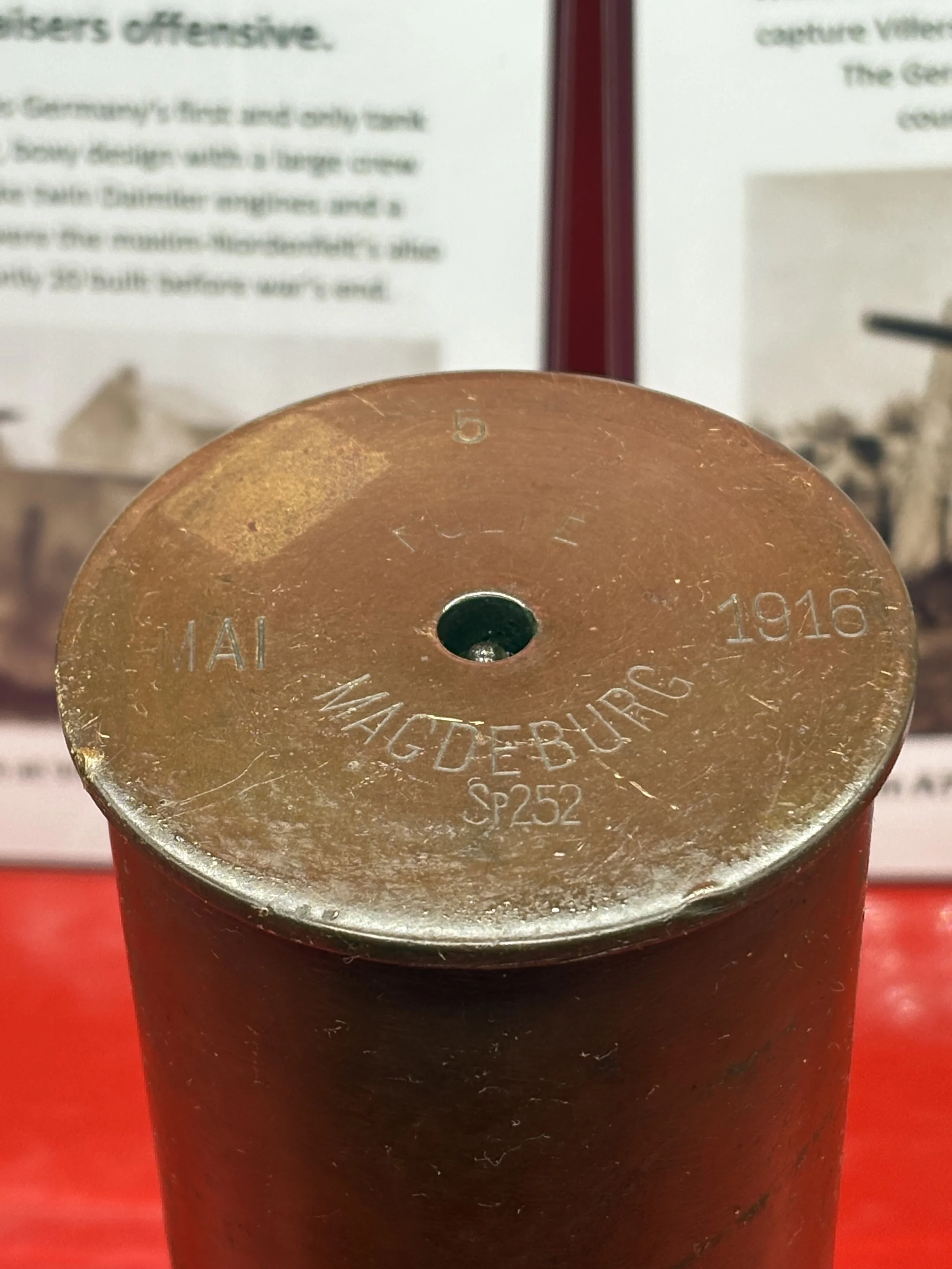 Image 7 of 11
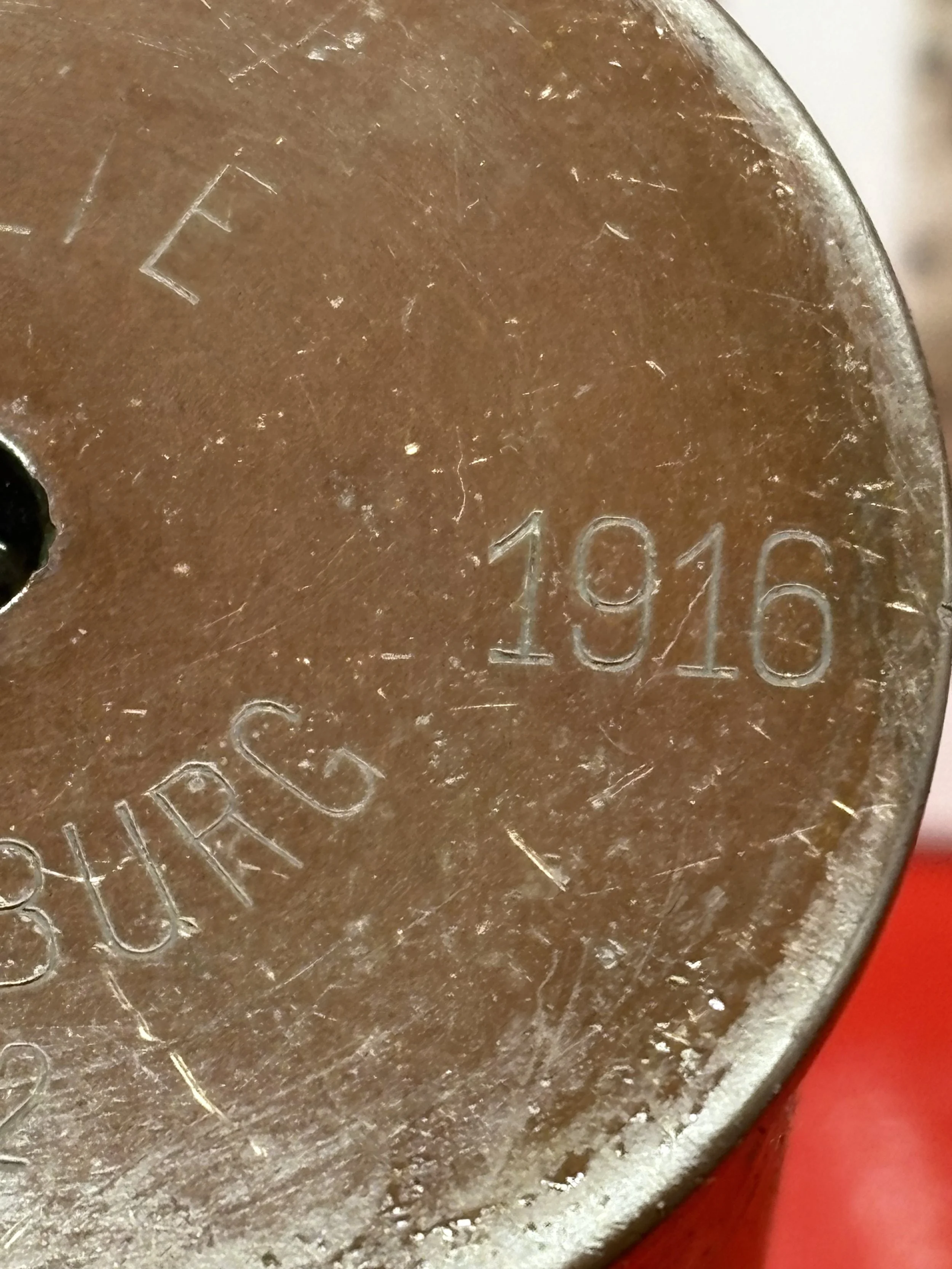 Image 8 of 11
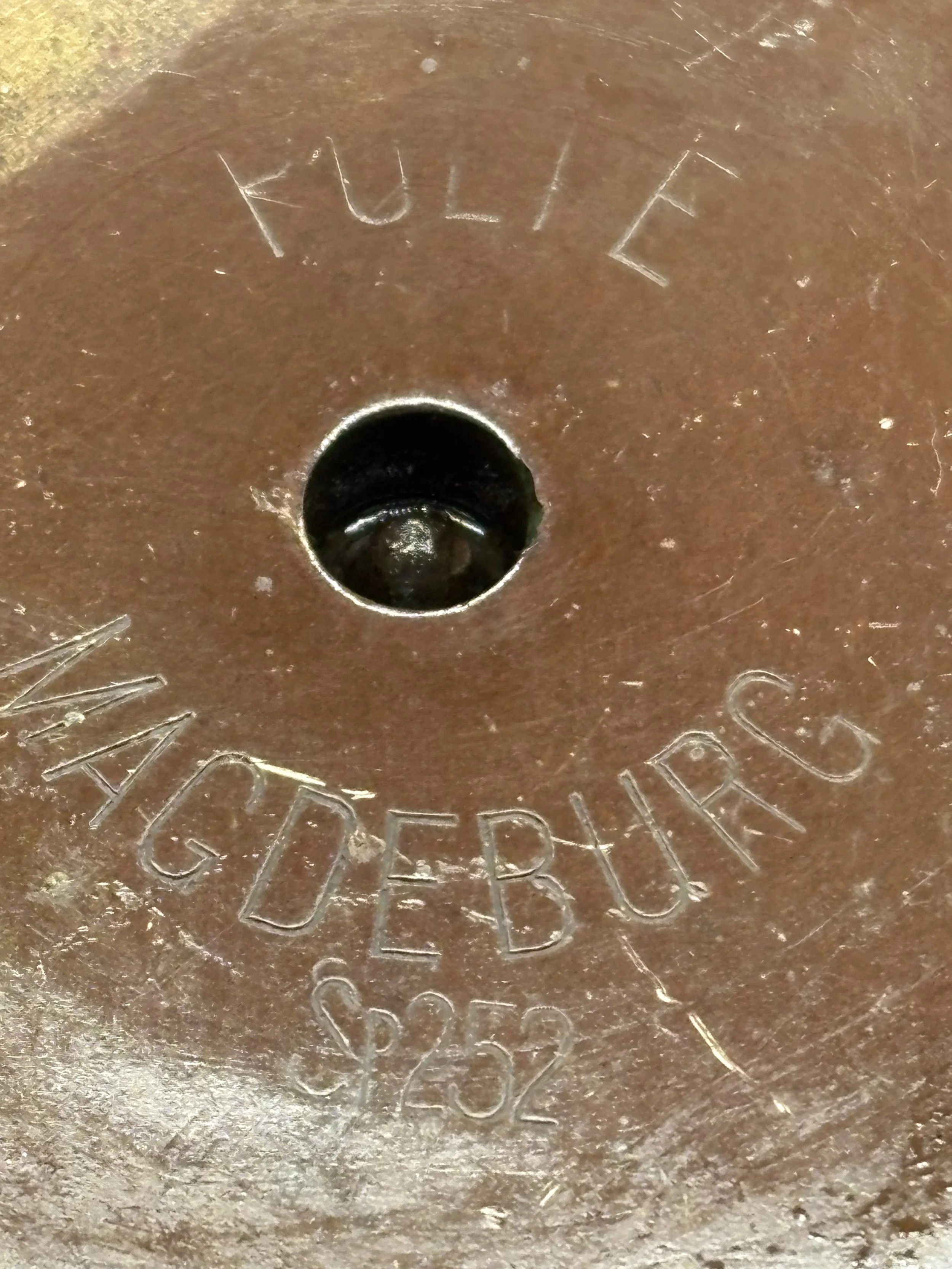 Image 9 of 11
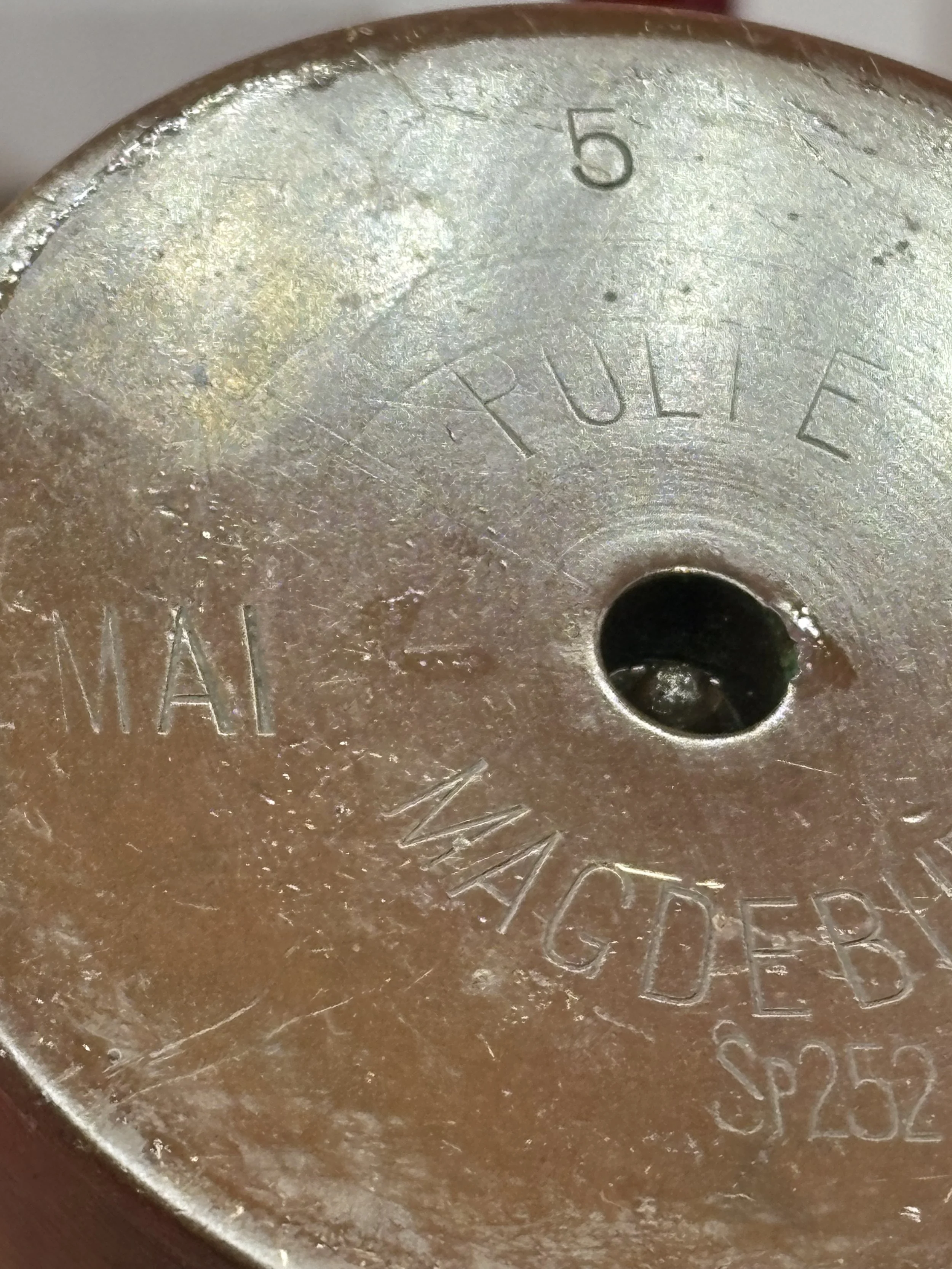 Image 10 of 11
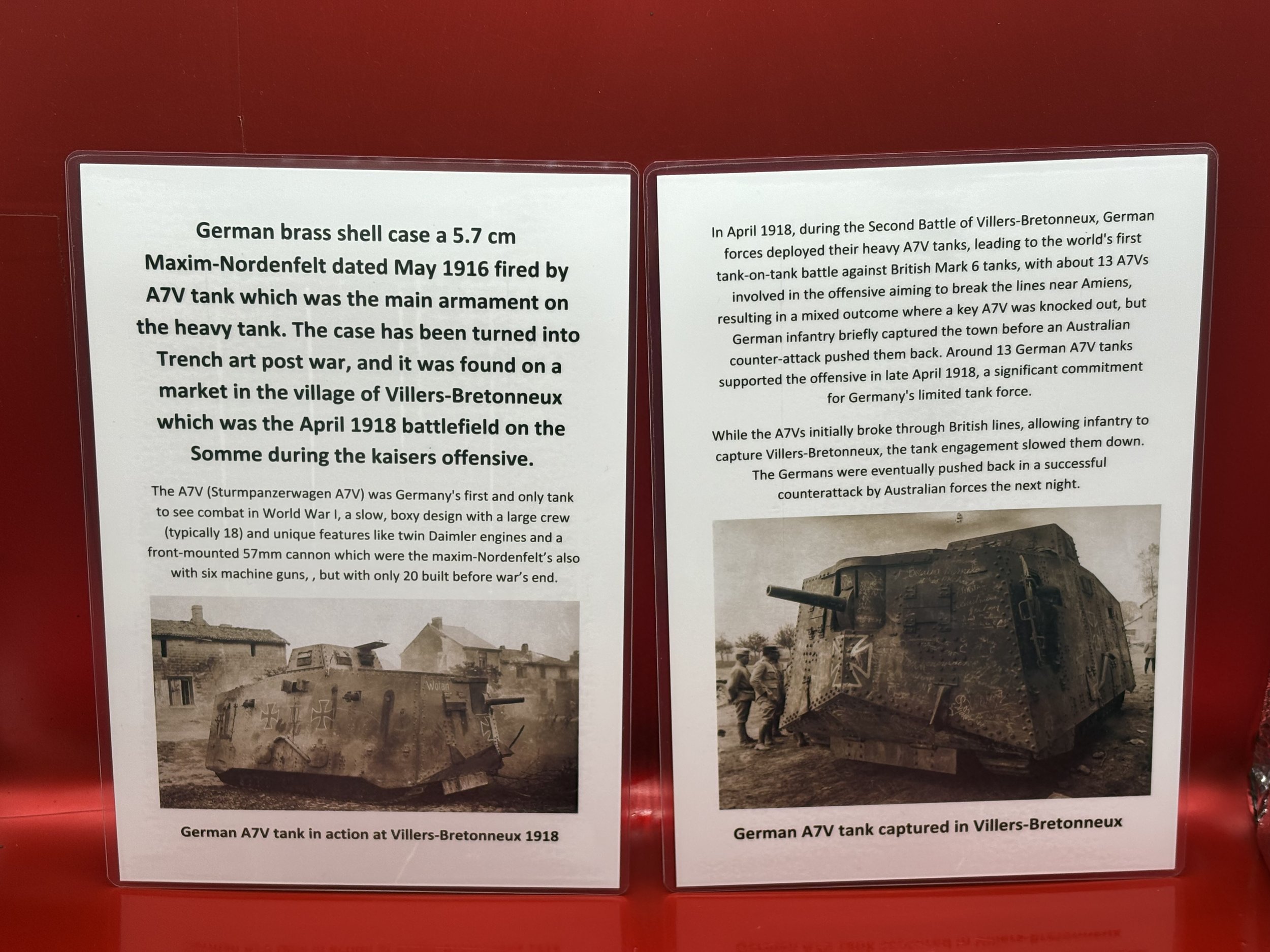 Image 11 of 11