This is a very rare cut down fighting knife Russian M1891 Mosin Nagant rife bayonet which was done by the soldier themselves still with lots of original colour it is pitted and with very little rust it is very solid and has been very well cleaned and is perfect for display or any collection. The rife bayonet was used by a soldier of the 5th Guards Army it was recovered from the area of the Psel River, south of Kursk on the Voronezh front. This area was defended by them against the German 2nd SS Panzer corps during the battle part of Operation Citadel the German Kursk offensive in July-August 1943 in Russia. The bayonet comes with 2xA5 laminated information cards.
For Operation Citadel the Germans used four armies along with a large portion of their total tank strength on the Eastern Front. On 1 July, the 9th Army of Army Group Centre based in the northern side of the salient contained 335,000 men (223,000 combat soldiers); in the south, the 4th Panzer Army and Army Detachment "Kempf", of Army Group South, had 223,907 men (149,271 combat soldiers) and 100,000-108,000 men (66,000 combat soldiers) respectively. The 2nd Army, that held the western side of the salient contained an estimated 110,000. In total, the German forces had a total strength of 777,000-779,000 men, and the three attacking armies contained 438,271 combat soldiers Army Group South was equipped with more armoured vehicles, infantry and artillery than the 9th Army of Army Group Centre. The 4th Panzer Army and Army Detachment "Kempf" had 1,377 tanks and assault guns, while the 9th Army possessed 988 tanks and assault guns.
This is a very rare cut down fighting knife Russian M1891 Mosin Nagant rife bayonet which was done by the soldier themselves still with lots of original colour it is pitted and with very little rust it is very solid and has been very well cleaned and is perfect for display or any collection. The rife bayonet was used by a soldier of the 5th Guards Army it was recovered from the area of the Psel River, south of Kursk on the Voronezh front. This area was defended by them against the German 2nd SS Panzer corps during the battle part of Operation Citadel the German Kursk offensive in July-August 1943 in Russia. The bayonet comes with 2xA5 laminated information cards.
For Operation Citadel the Germans used four armies along with a large portion of their total tank strength on the Eastern Front. On 1 July, the 9th Army of Army Group Centre based in the northern side of the salient contained 335,000 men (223,000 combat soldiers); in the south, the 4th Panzer Army and Army Detachment "Kempf", of Army Group South, had 223,907 men (149,271 combat soldiers) and 100,000-108,000 men (66,000 combat soldiers) respectively. The 2nd Army, that held the western side of the salient contained an estimated 110,000. In total, the German forces had a total strength of 777,000-779,000 men, and the three attacking armies contained 438,271 combat soldiers Army Group South was equipped with more armoured vehicles, infantry and artillery than the 9th Army of Army Group Centre. The 4th Panzer Army and Army Detachment "Kempf" had 1,377 tanks and assault guns, while the 9th Army possessed 988 tanks and assault guns.

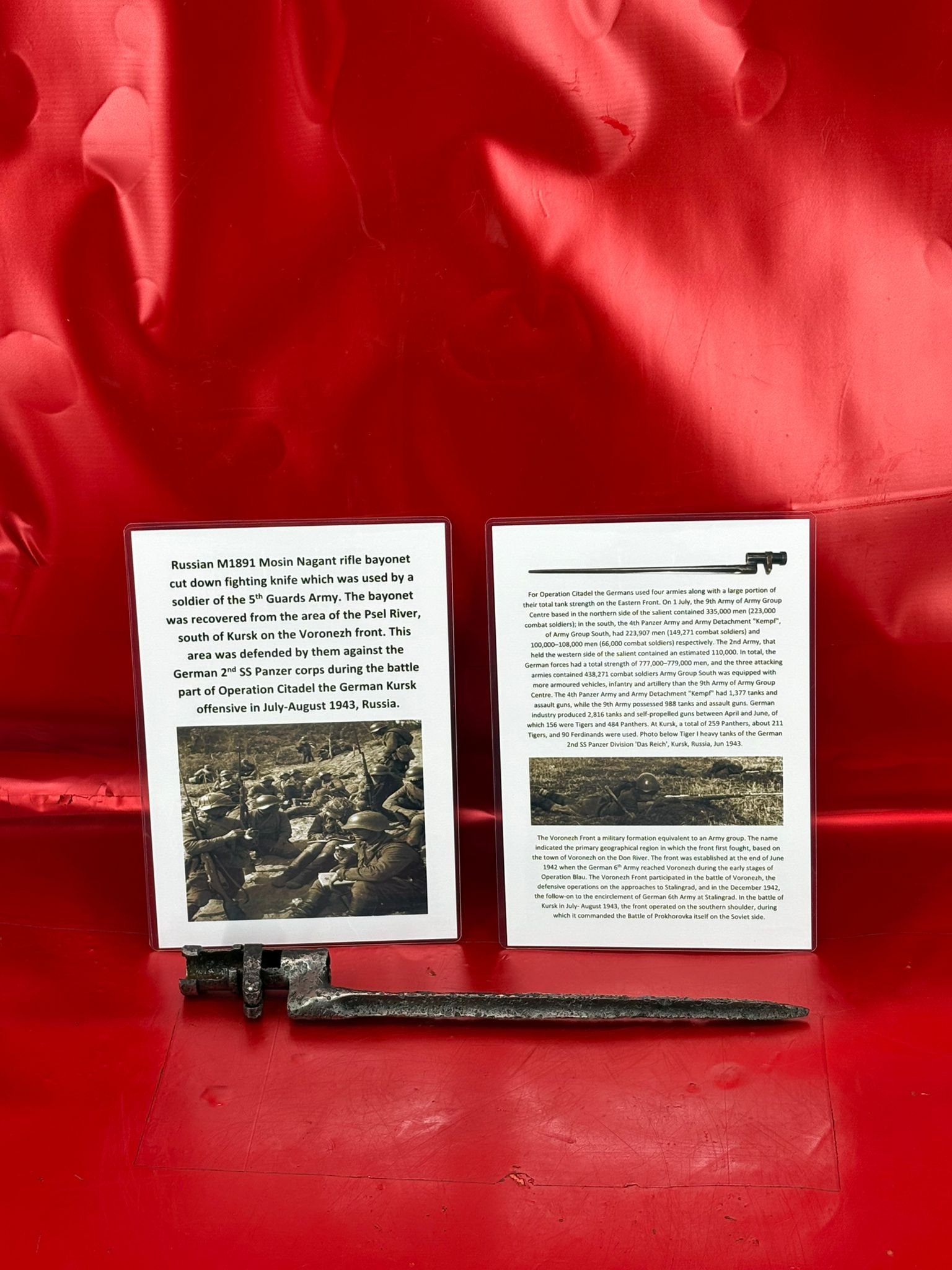 Image 1 of 9
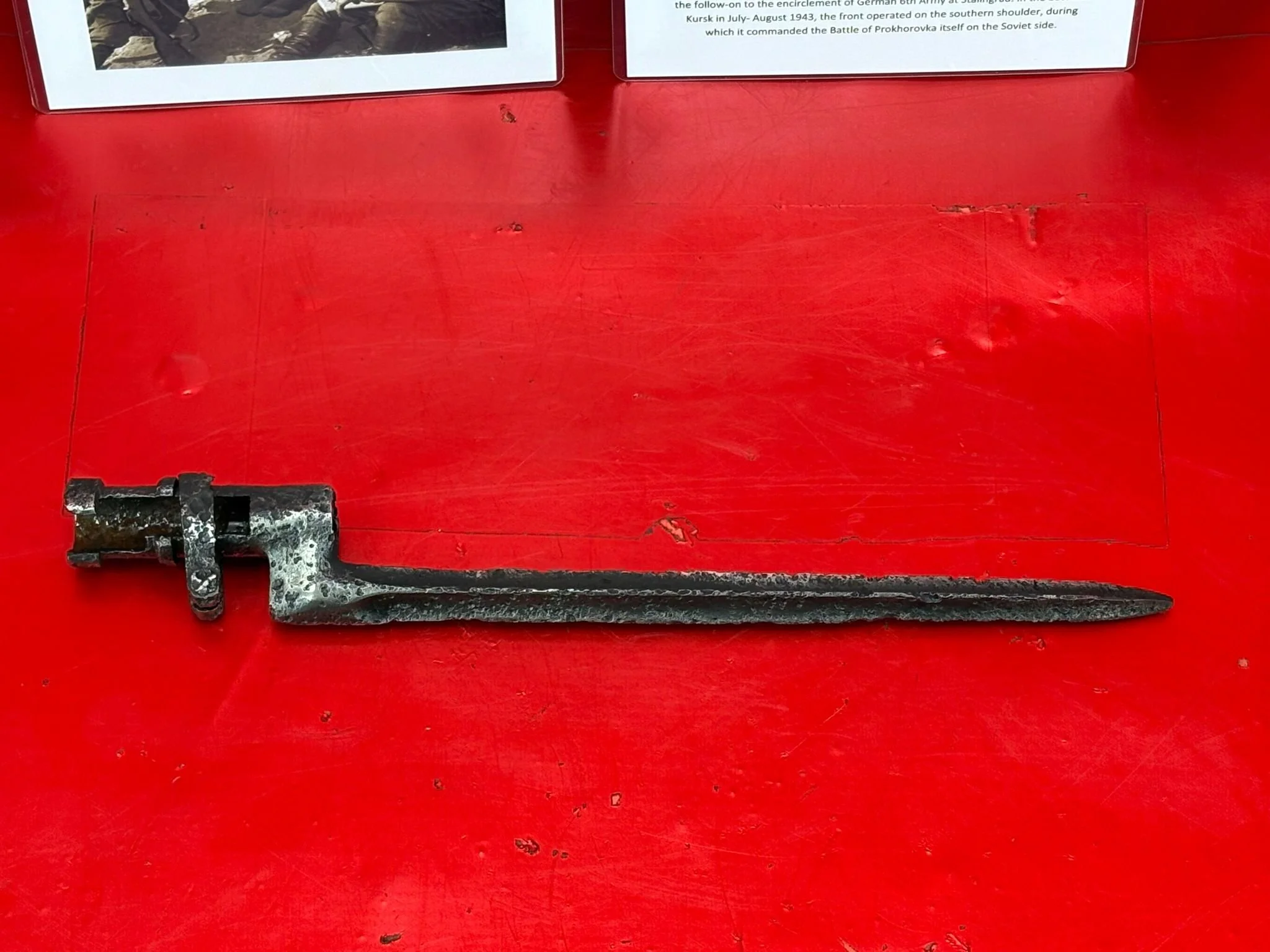 Image 2 of 9
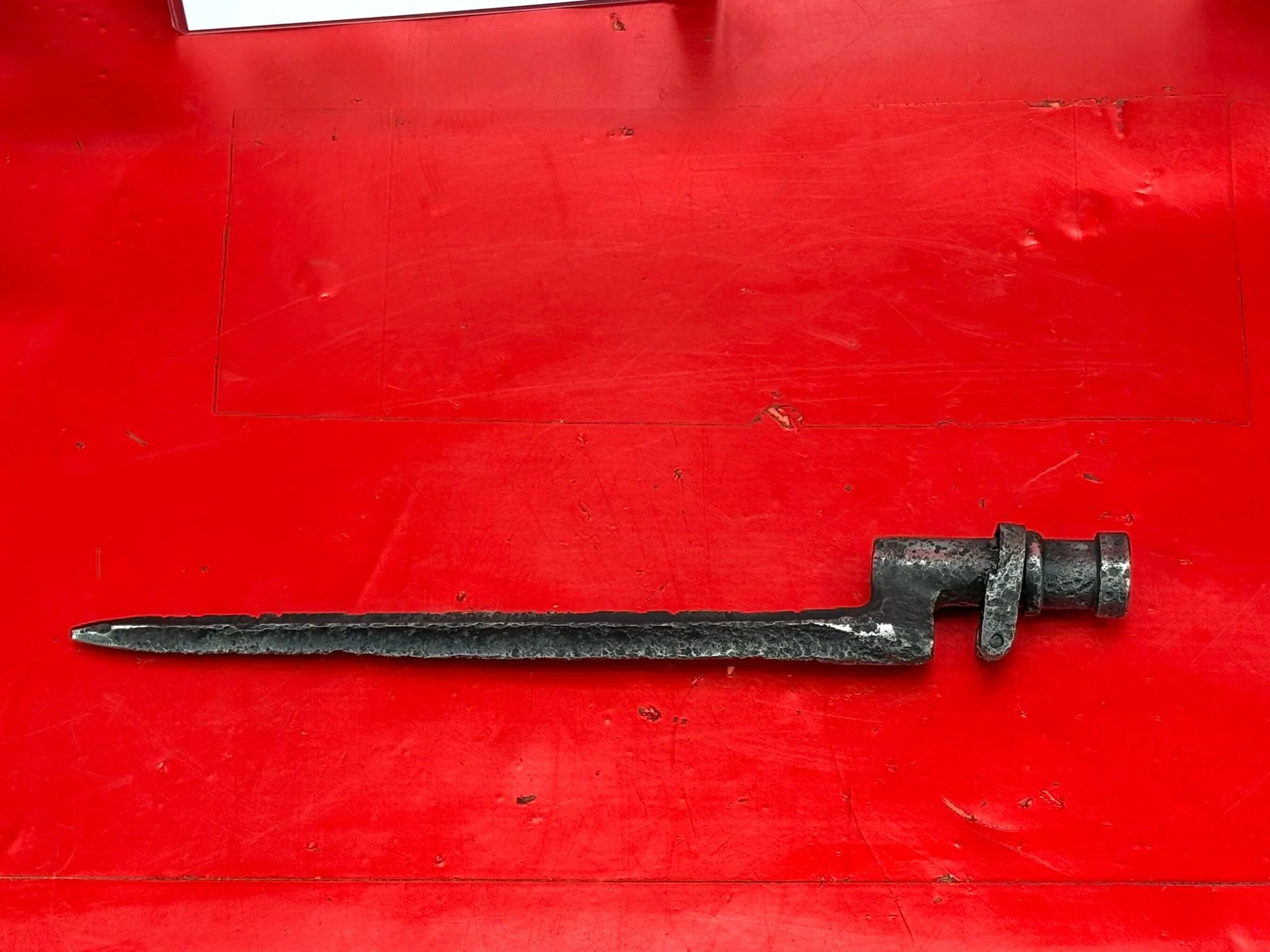 Image 3 of 9
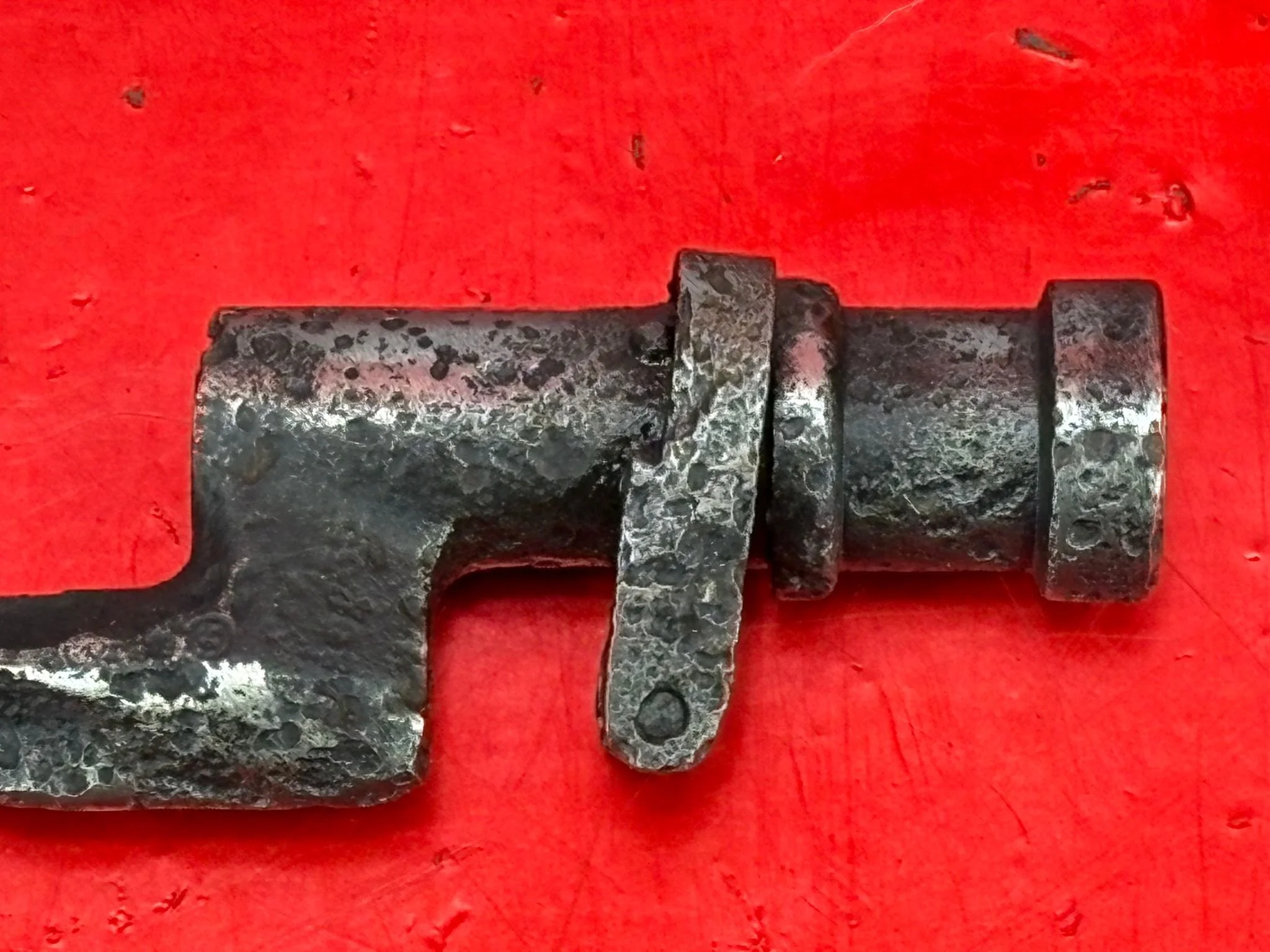 Image 4 of 9
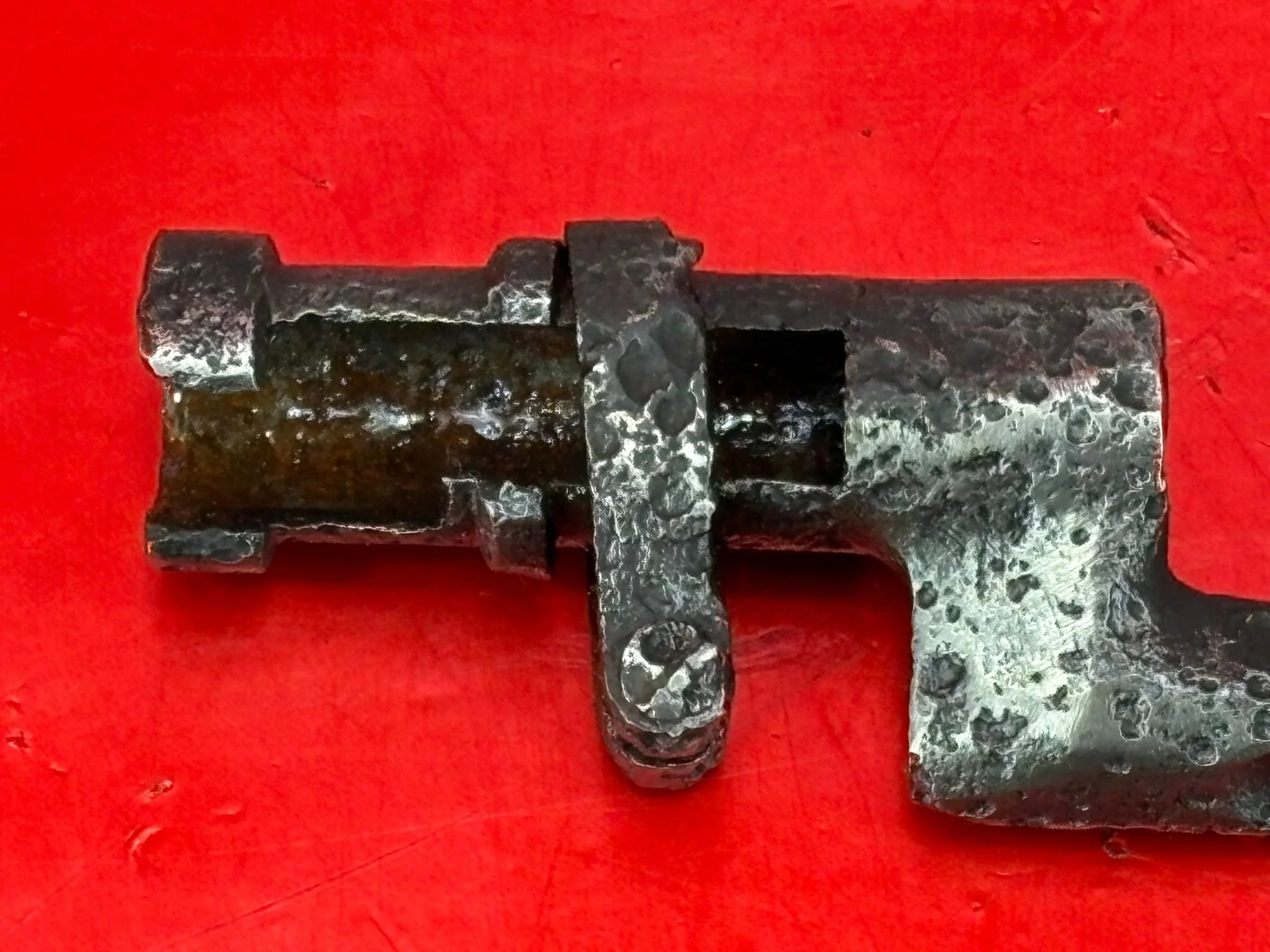 Image 5 of 9
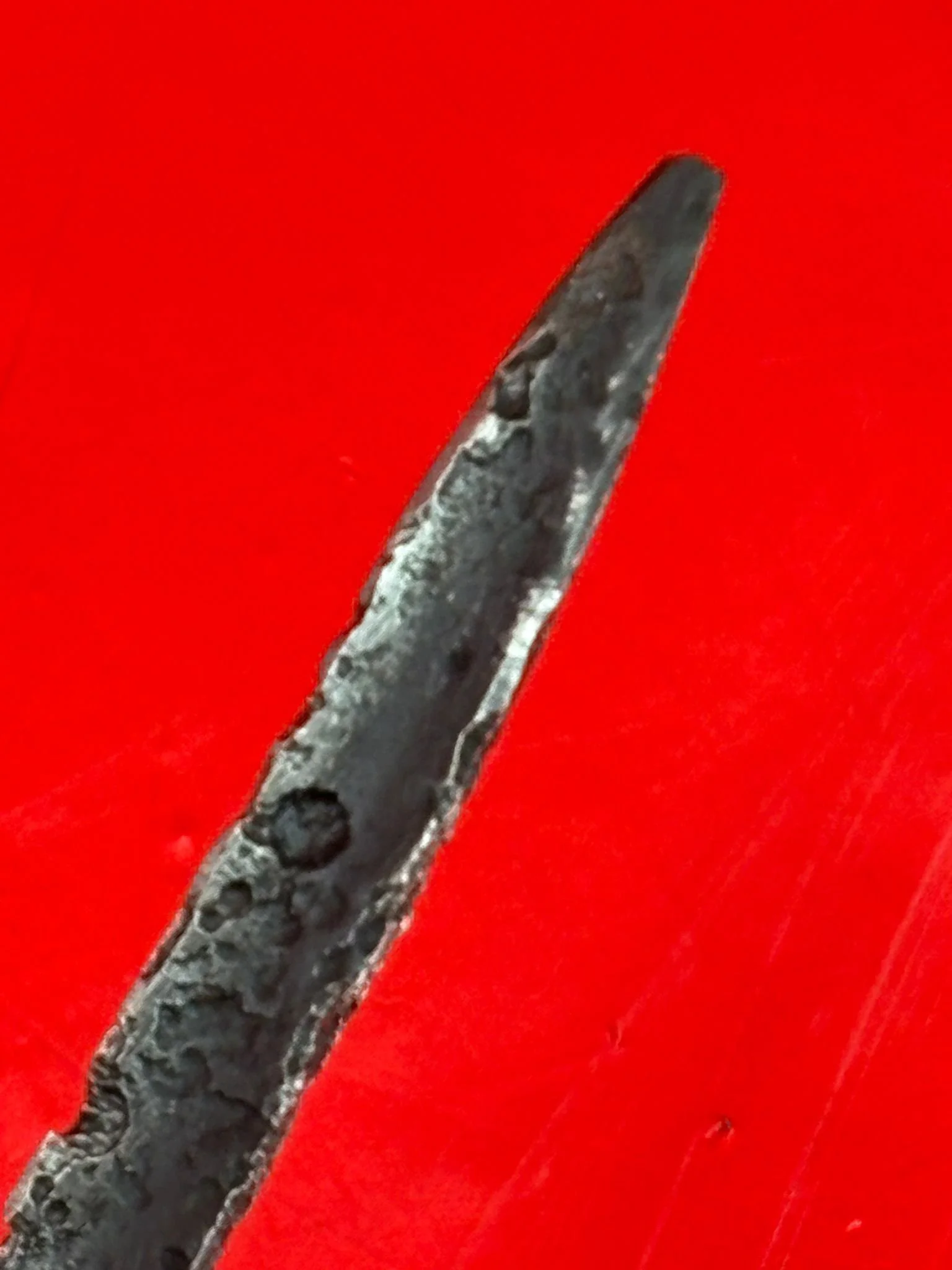 Image 6 of 9
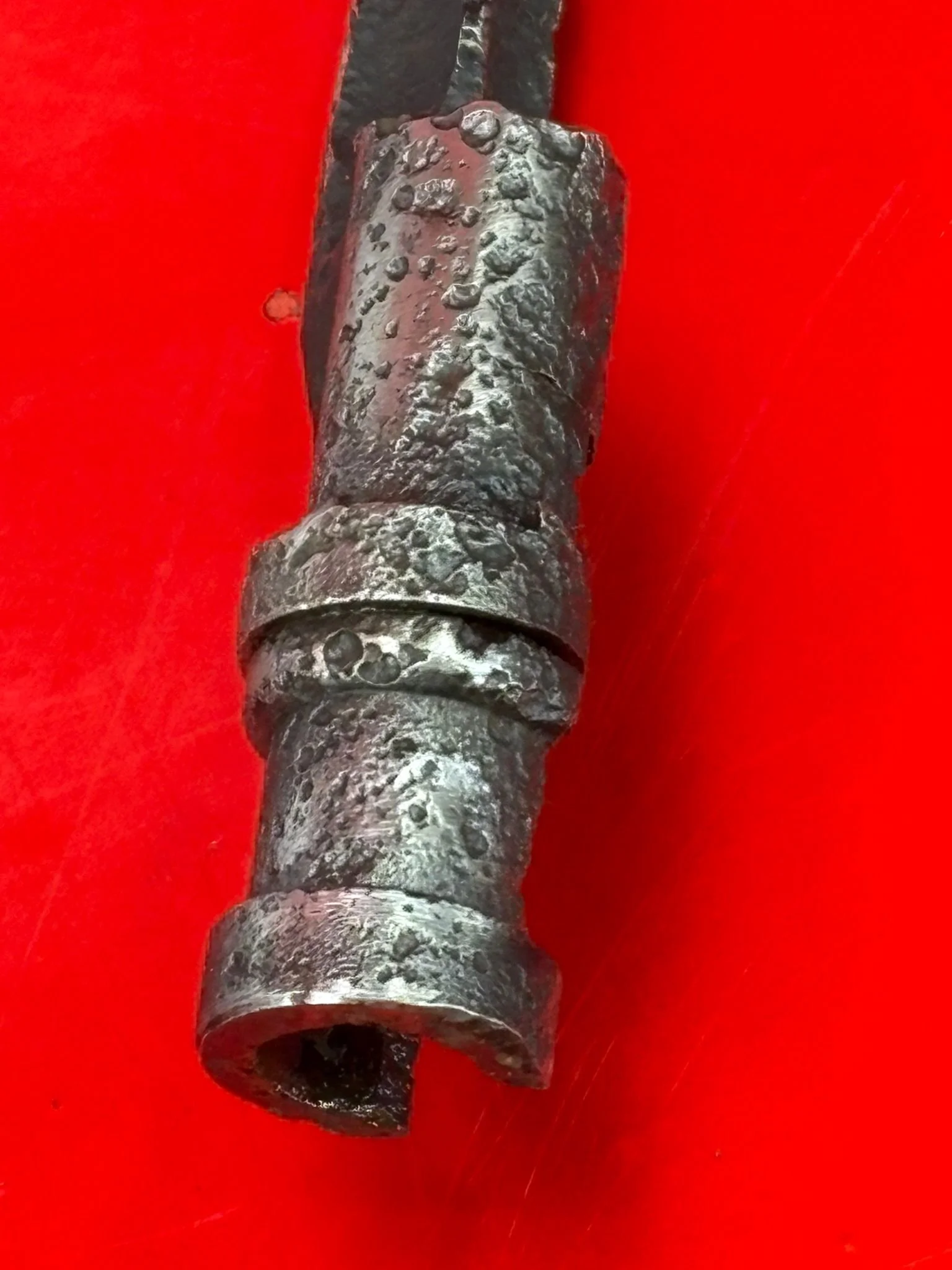 Image 7 of 9
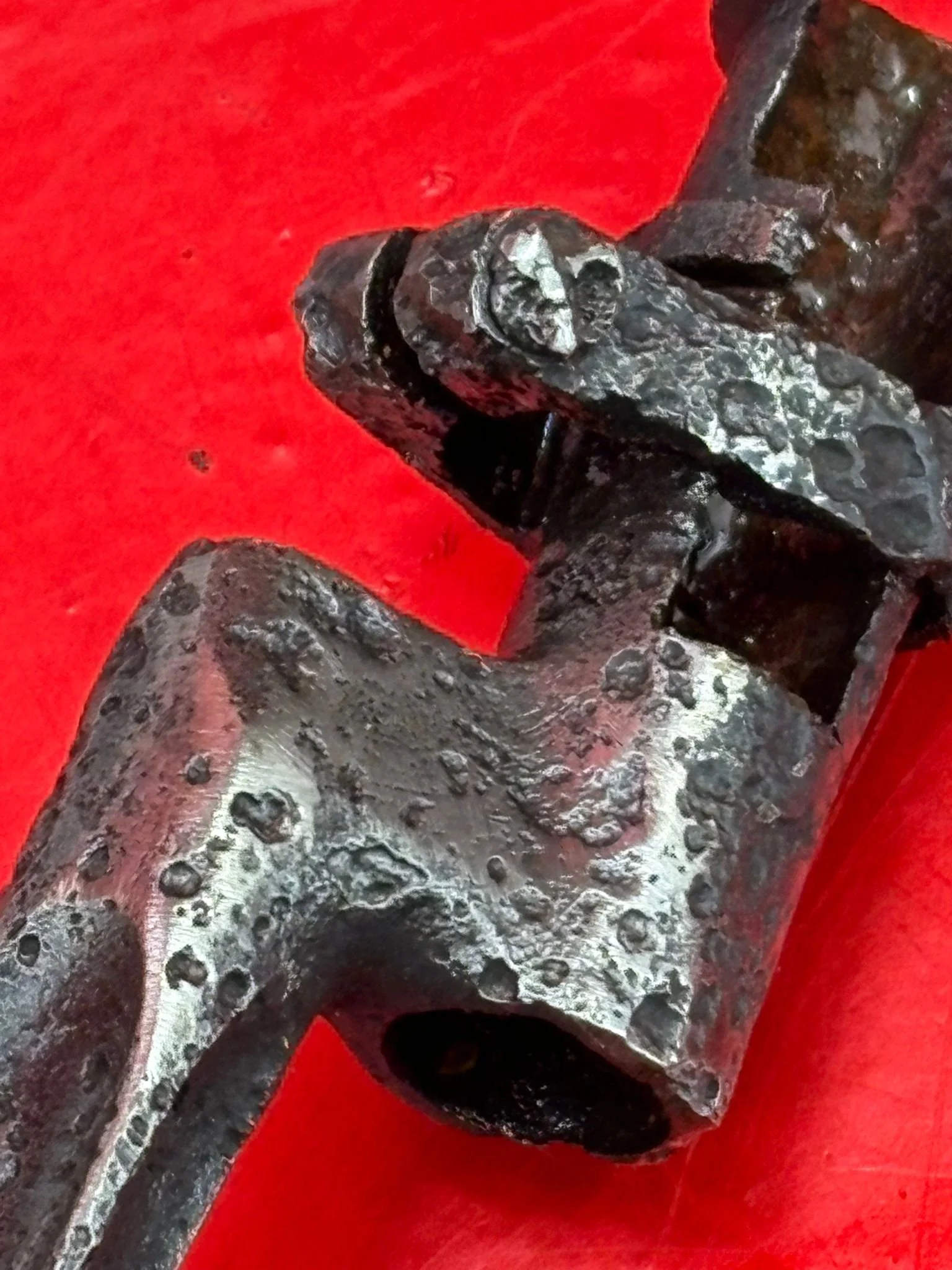 Image 8 of 9
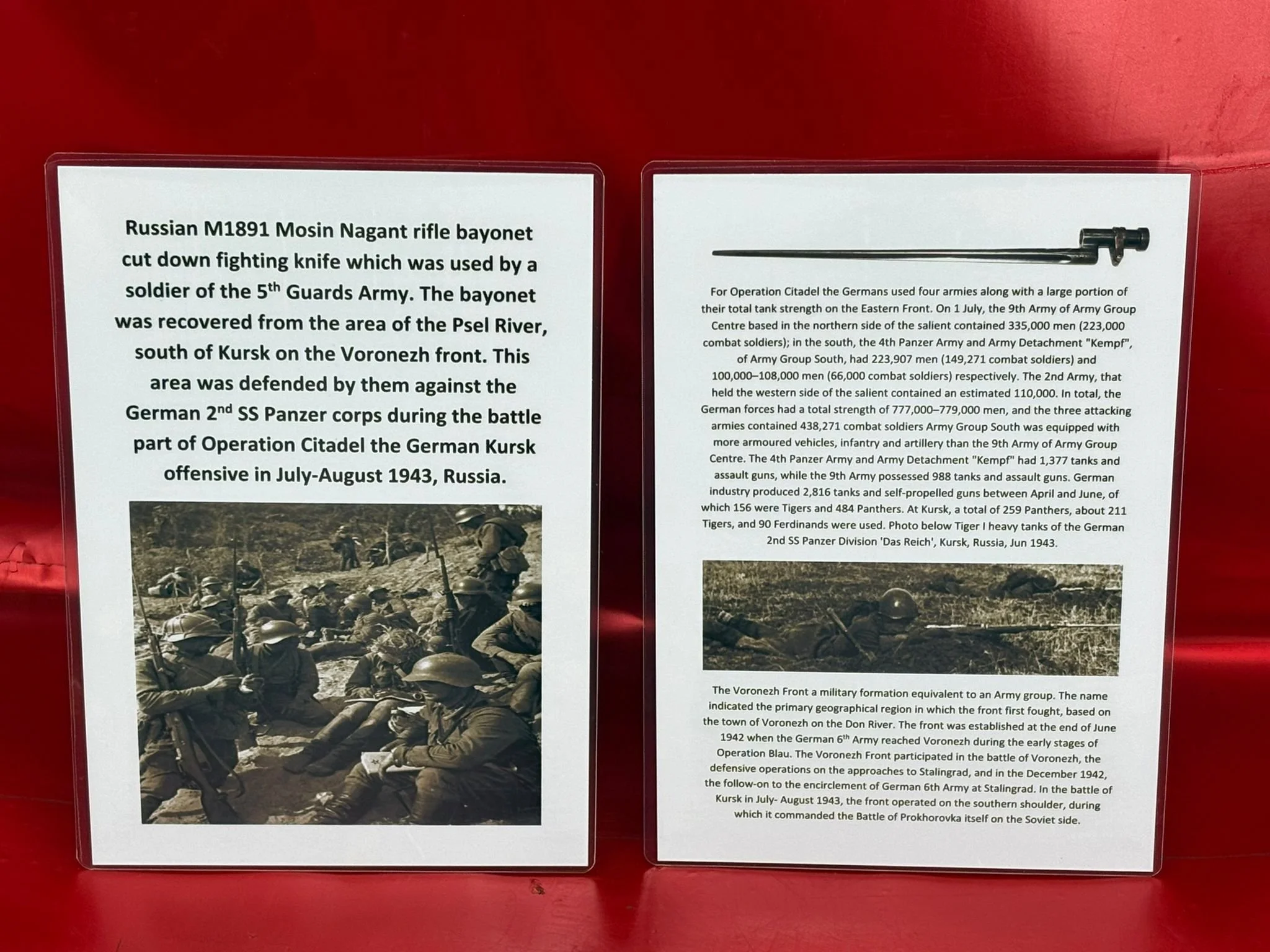 Image 9 of 9