This is a aluminium made structure part which has no real paint work remains left and has corroded badly from laying around the woods for around 20 odd years but still a very rare part from a famous Messerschmitt 109 originally flown by ace Werner Molders. The aircraft had 49 kills painted on it but the pilot that day was Spanish Civil War Legion Condor veteran Hauptmann Hans Asmus. There is very little of this aircraft as it blew up in mid air so was scattered over a massive area.
The part which has ripped and bent up by the impact of the crash it is still very solid and not braking up or falling apart and has been very well cleaned but does not have much original colour the part is 6 inches long by 4 inches wide in size and a very rare one for display or any collection. The part comes from famous German Messerschmitt 109 number 3737 originally flown by ace Werner Molders but flown day by Hauptmann Asmus shot down on 25 October 1940 and crashed in pieces over the village of Marden and local area in Kent during the battle Britain.
The part comes with 2 x A5 laminated information sheet with pictures also a diagram. The parts were recovered in the 1960’s by a collector who recovered them from the woods around the milebush area which was one of main sites that wreckage fell in to.
On October 25, 1940, a historic Luftwaffe fighter—a Messerschmitt Bf 109 E-4/N, Werknummer 3737—was shot down and destroyed over Marden, Kent. Belonging to the command flight of Stab/JG 51, this specific aircraft was highly prestigious, serving as the personal, battle-tested mount of legendary German ace Werner Mölders. However, on the day of the crash, Mölders had just upgraded to a newer model, leaving his decorated "Emil" to be flown by Hauptmann Hans Asmus. Struggling to keep pace with the newer Bf 109 F-models in the formation, Asmus became isolated and vulnerable during a high-altitude sweep over the English coast.
The lagging fighter was quickly intercepted and jumped by Hawker Hurricanes from RAF No. 501 Squadron, piloted by Flight Lieutenant Eustace Holden and Pilot Officer Vivian Snell. Under a heavy barrage of gunfire, the Bf 109 suffered catastrophic damage, exploding in mid-air and scattering wreckage across Coxhill Farm and the Milebush Inn area. Asmus was thrown clear of the disintegrating fuselage while still strapped to his seat; he miraculously regained consciousness during the freefall, unbuckled, and deployed his parachute to land safely, spending the rest of the war as a Prisoner of War (POW). When British recovery teams inspected the shattered tail unit, they were stunned to find 49 victory markings (Abschussbalken) painted on the rudder—a legendary tally that initially baffled local intelligence until they realised Asmus had simply inherited the aircraft from Mölders.
This is a aluminium made structure part which has no real paint work remains left and has corroded badly from laying around the woods for around 20 odd years but still a very rare part from a famous Messerschmitt 109 originally flown by ace Werner Molders. The aircraft had 49 kills painted on it but the pilot that day was Spanish Civil War Legion Condor veteran Hauptmann Hans Asmus. There is very little of this aircraft as it blew up in mid air so was scattered over a massive area.
The part which has ripped and bent up by the impact of the crash it is still very solid and not braking up or falling apart and has been very well cleaned but does not have much original colour the part is 6 inches long by 4 inches wide in size and a very rare one for display or any collection. The part comes from famous German Messerschmitt 109 number 3737 originally flown by ace Werner Molders but flown day by Hauptmann Asmus shot down on 25 October 1940 and crashed in pieces over the village of Marden and local area in Kent during the battle Britain.
The part comes with 2 x A5 laminated information sheet with pictures also a diagram. The parts were recovered in the 1960’s by a collector who recovered them from the woods around the milebush area which was one of main sites that wreckage fell in to.
On October 25, 1940, a historic Luftwaffe fighter—a Messerschmitt Bf 109 E-4/N, Werknummer 3737—was shot down and destroyed over Marden, Kent. Belonging to the command flight of Stab/JG 51, this specific aircraft was highly prestigious, serving as the personal, battle-tested mount of legendary German ace Werner Mölders. However, on the day of the crash, Mölders had just upgraded to a newer model, leaving his decorated "Emil" to be flown by Hauptmann Hans Asmus. Struggling to keep pace with the newer Bf 109 F-models in the formation, Asmus became isolated and vulnerable during a high-altitude sweep over the English coast.
The lagging fighter was quickly intercepted and jumped by Hawker Hurricanes from RAF No. 501 Squadron, piloted by Flight Lieutenant Eustace Holden and Pilot Officer Vivian Snell. Under a heavy barrage of gunfire, the Bf 109 suffered catastrophic damage, exploding in mid-air and scattering wreckage across Coxhill Farm and the Milebush Inn area. Asmus was thrown clear of the disintegrating fuselage while still strapped to his seat; he miraculously regained consciousness during the freefall, unbuckled, and deployed his parachute to land safely, spending the rest of the war as a Prisoner of War (POW). When British recovery teams inspected the shattered tail unit, they were stunned to find 49 victory markings (Abschussbalken) painted on the rudder—a legendary tally that initially baffled local intelligence until they realised Asmus had simply inherited the aircraft from Mölders.

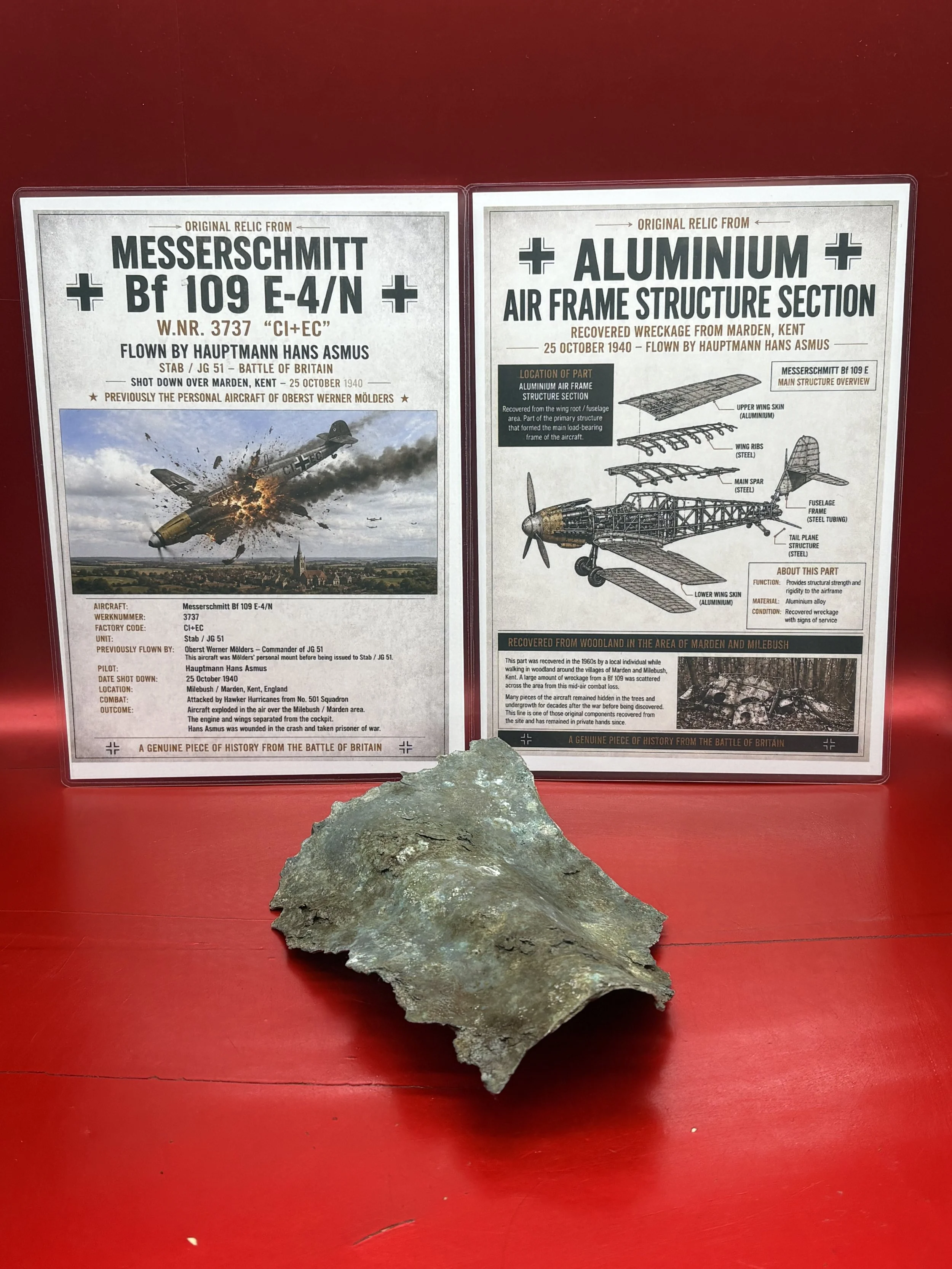 Image 1 of 9
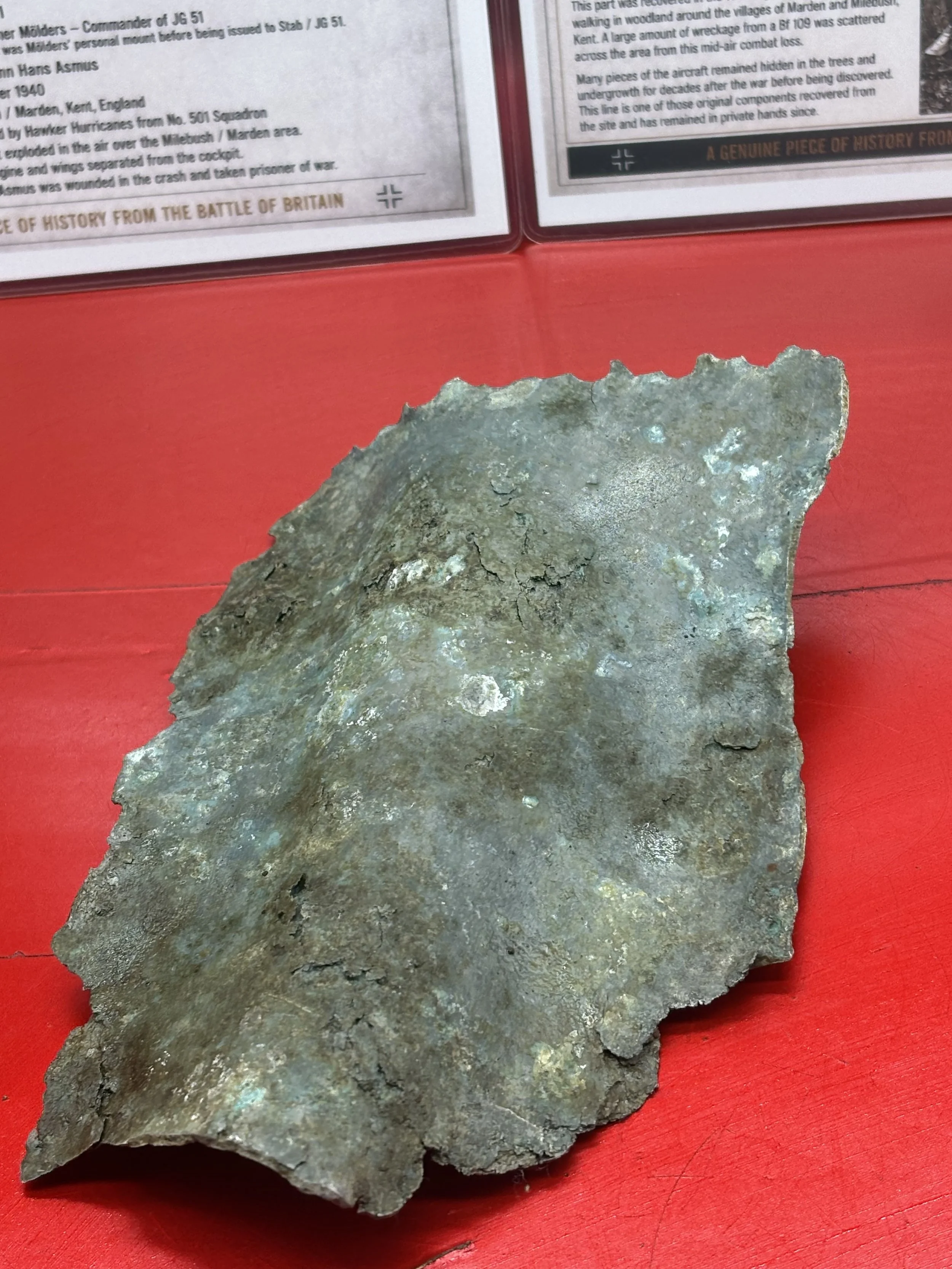 Image 2 of 9
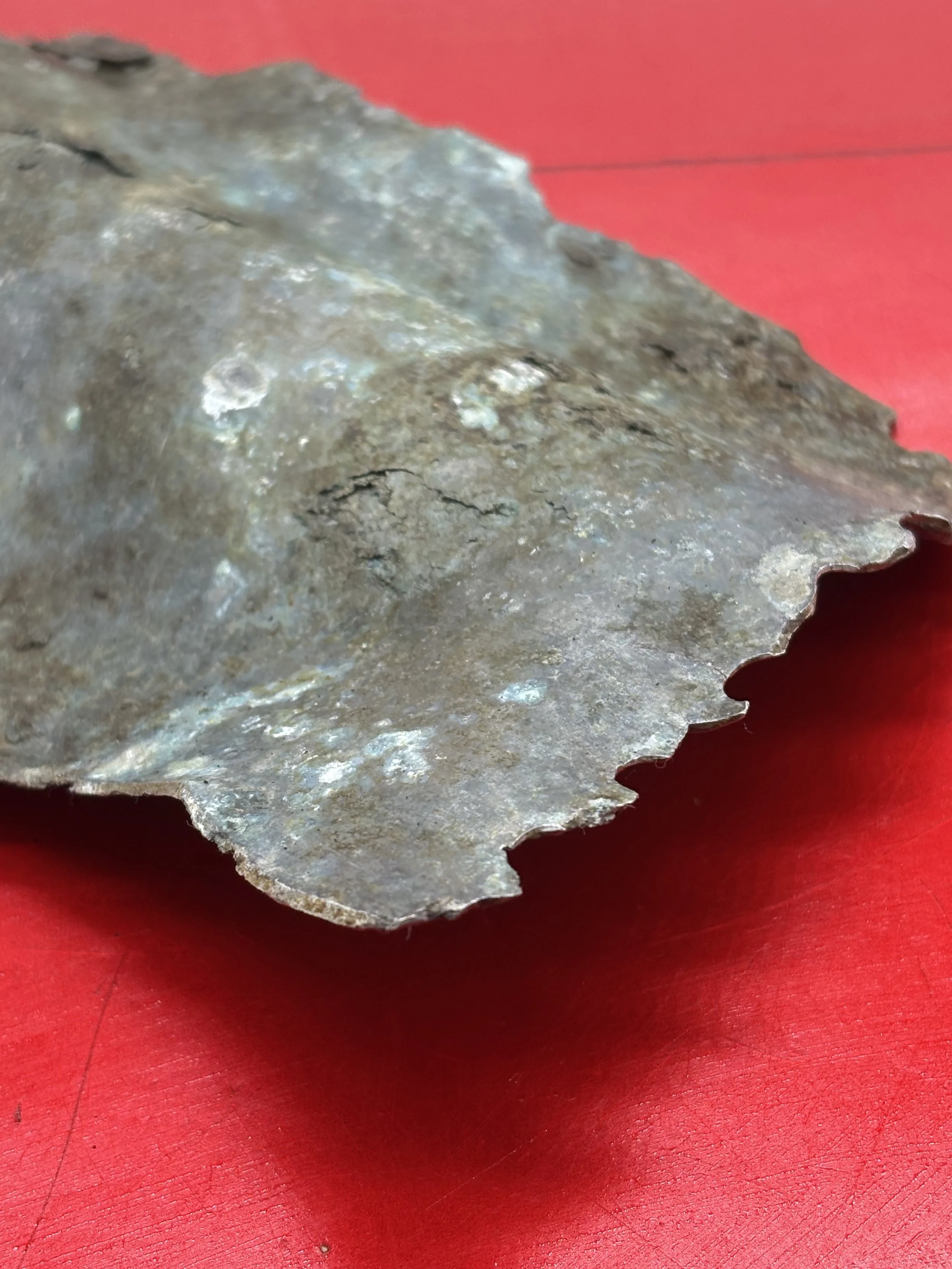 Image 3 of 9
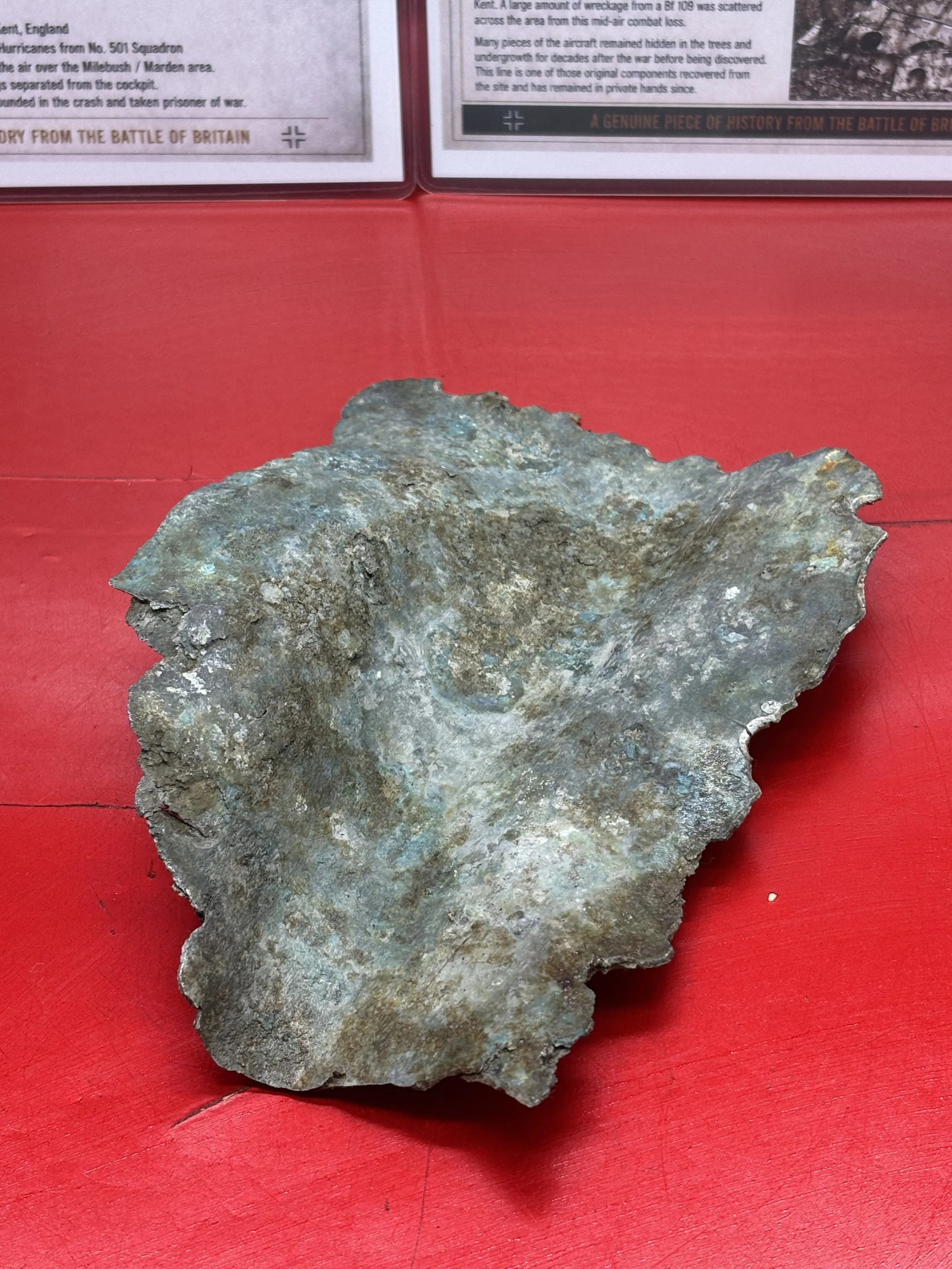 Image 4 of 9
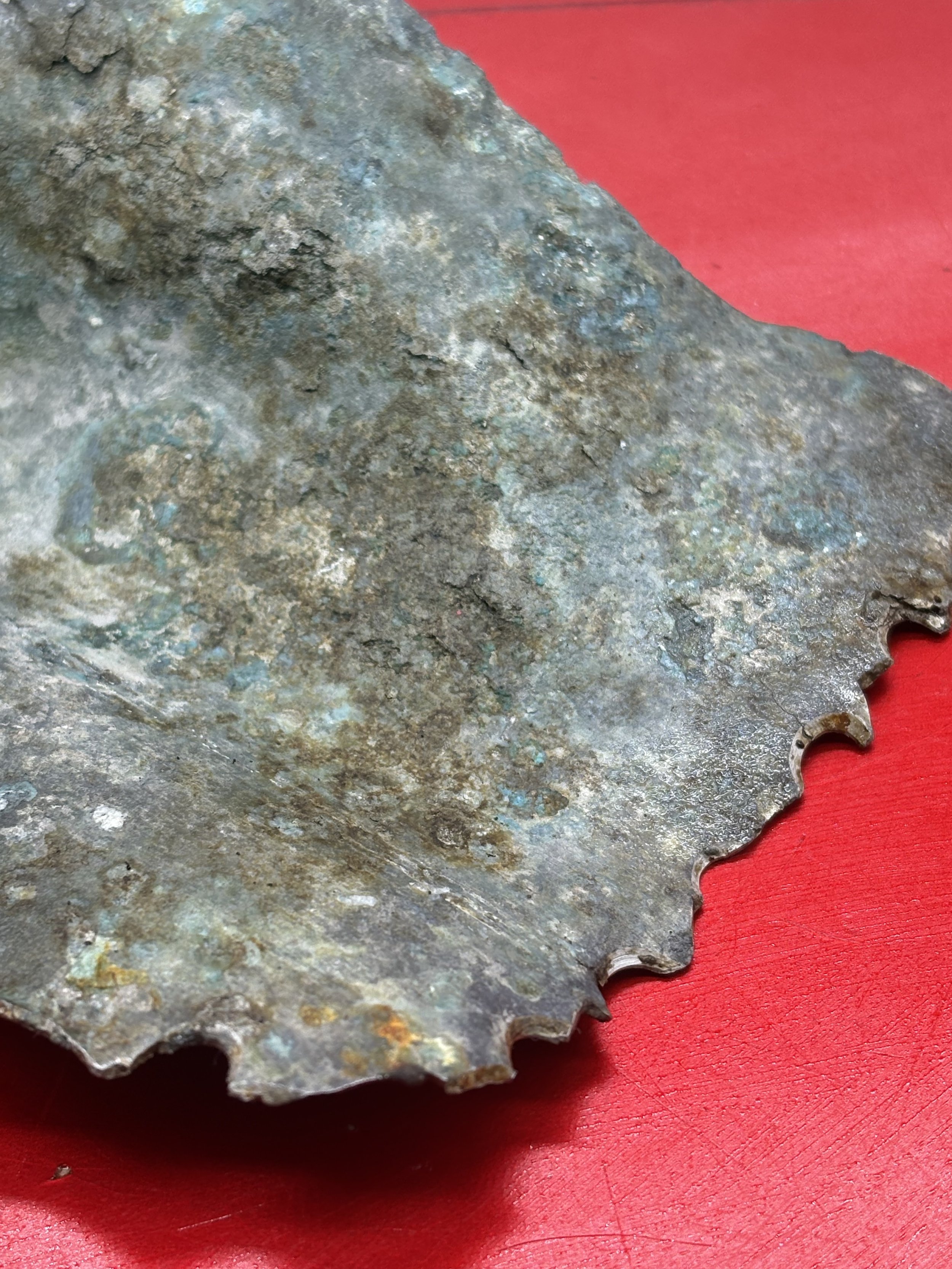 Image 5 of 9
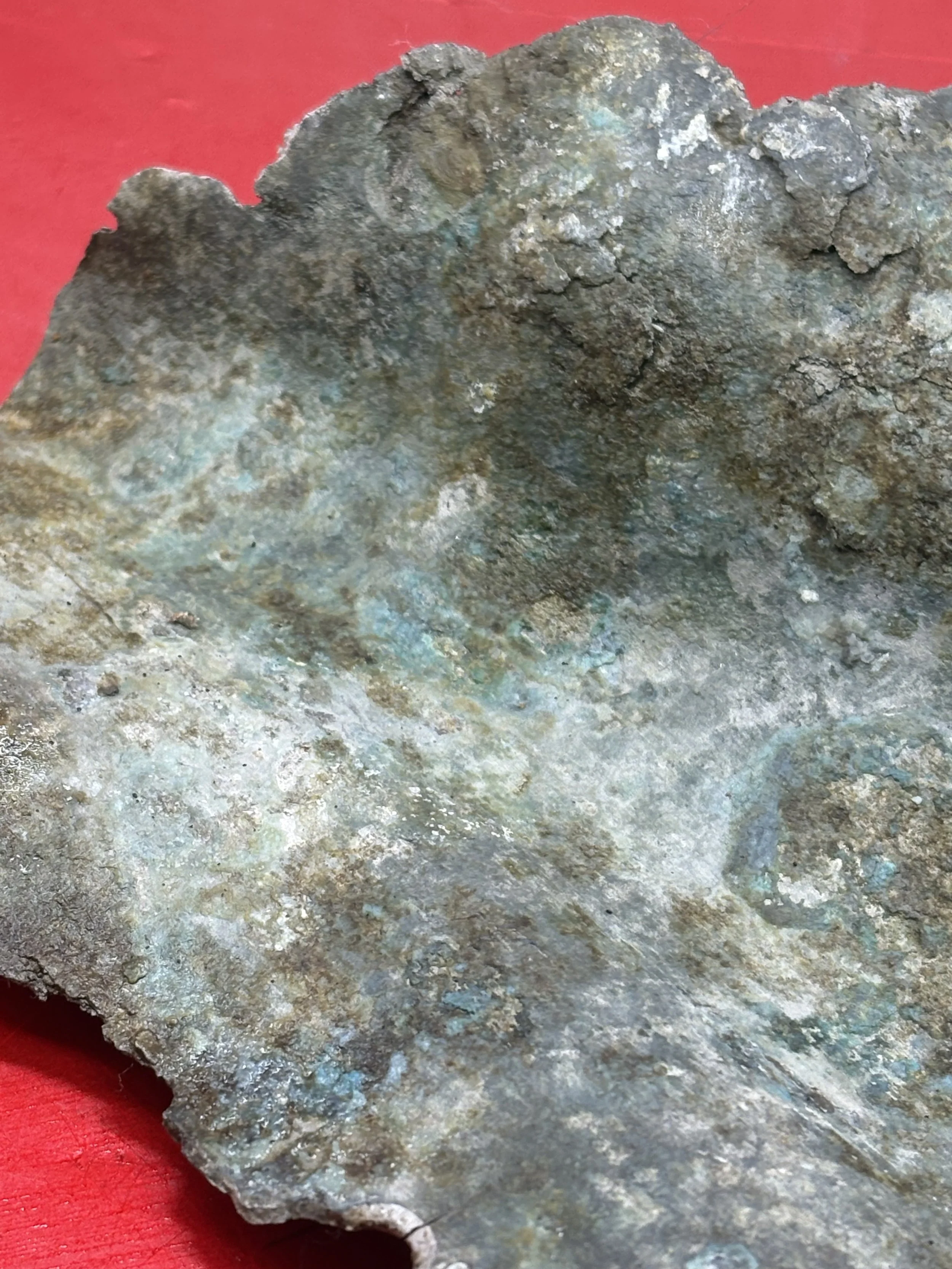 Image 6 of 9
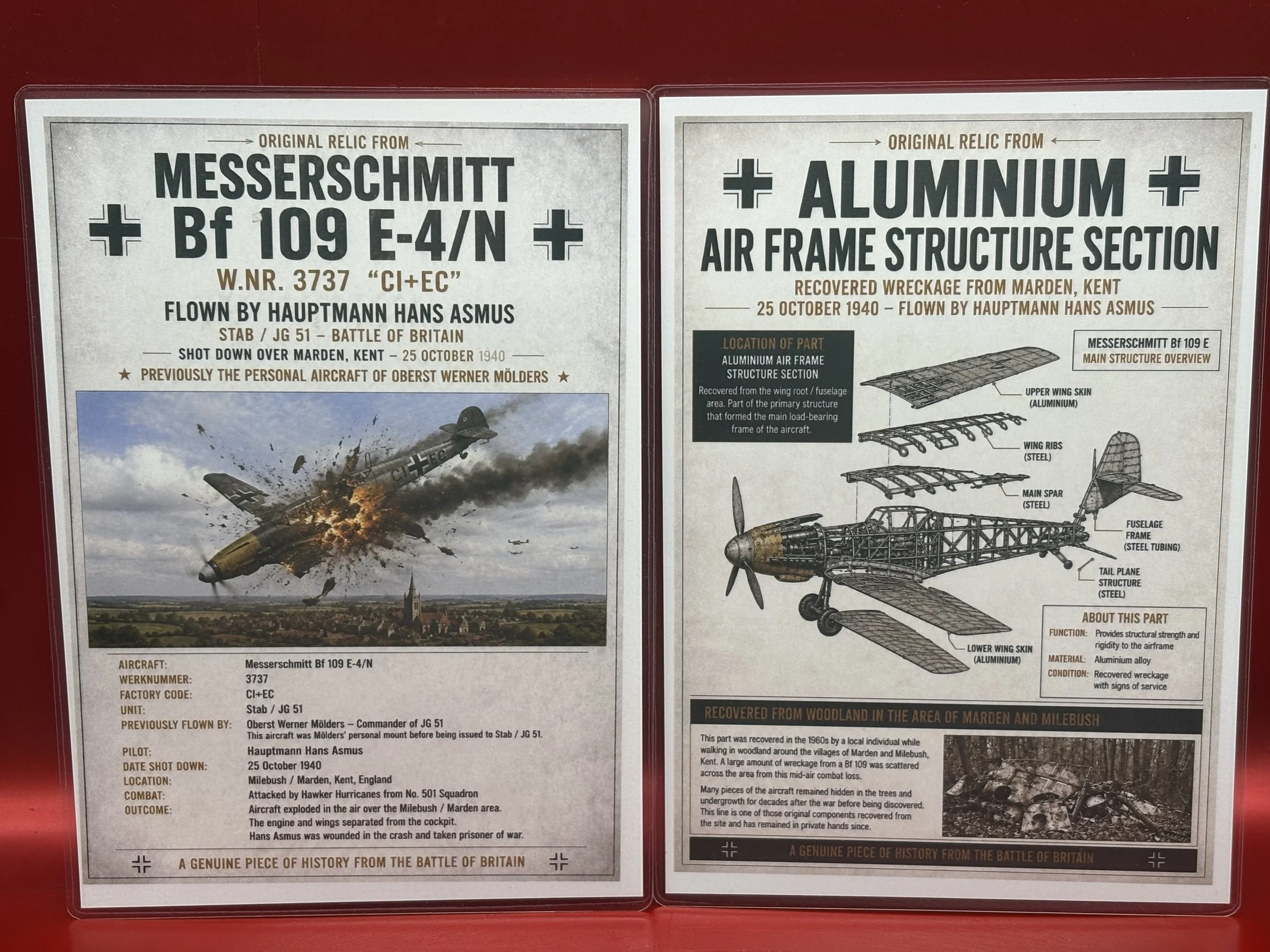 Image 7 of 9
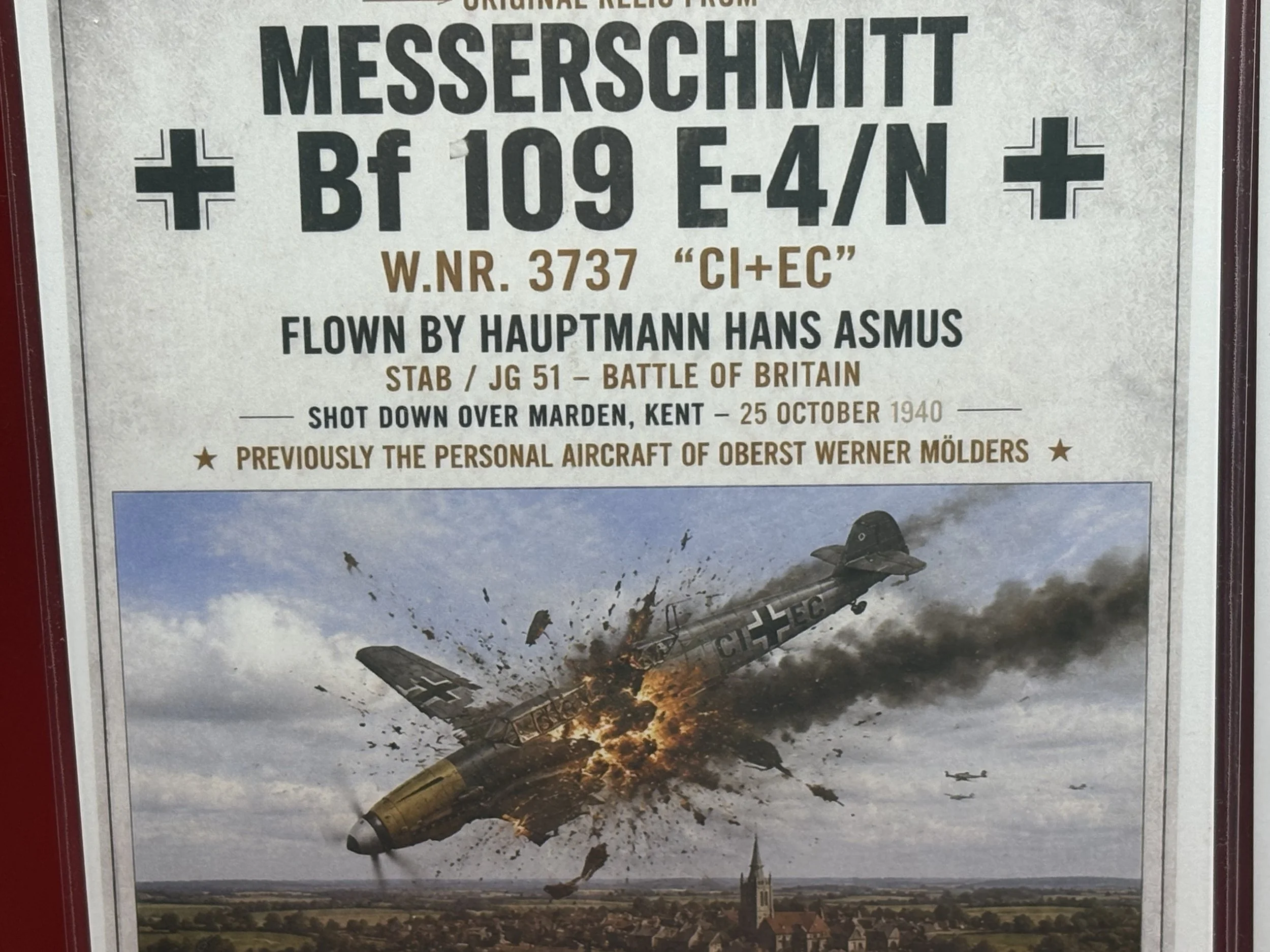 Image 8 of 9
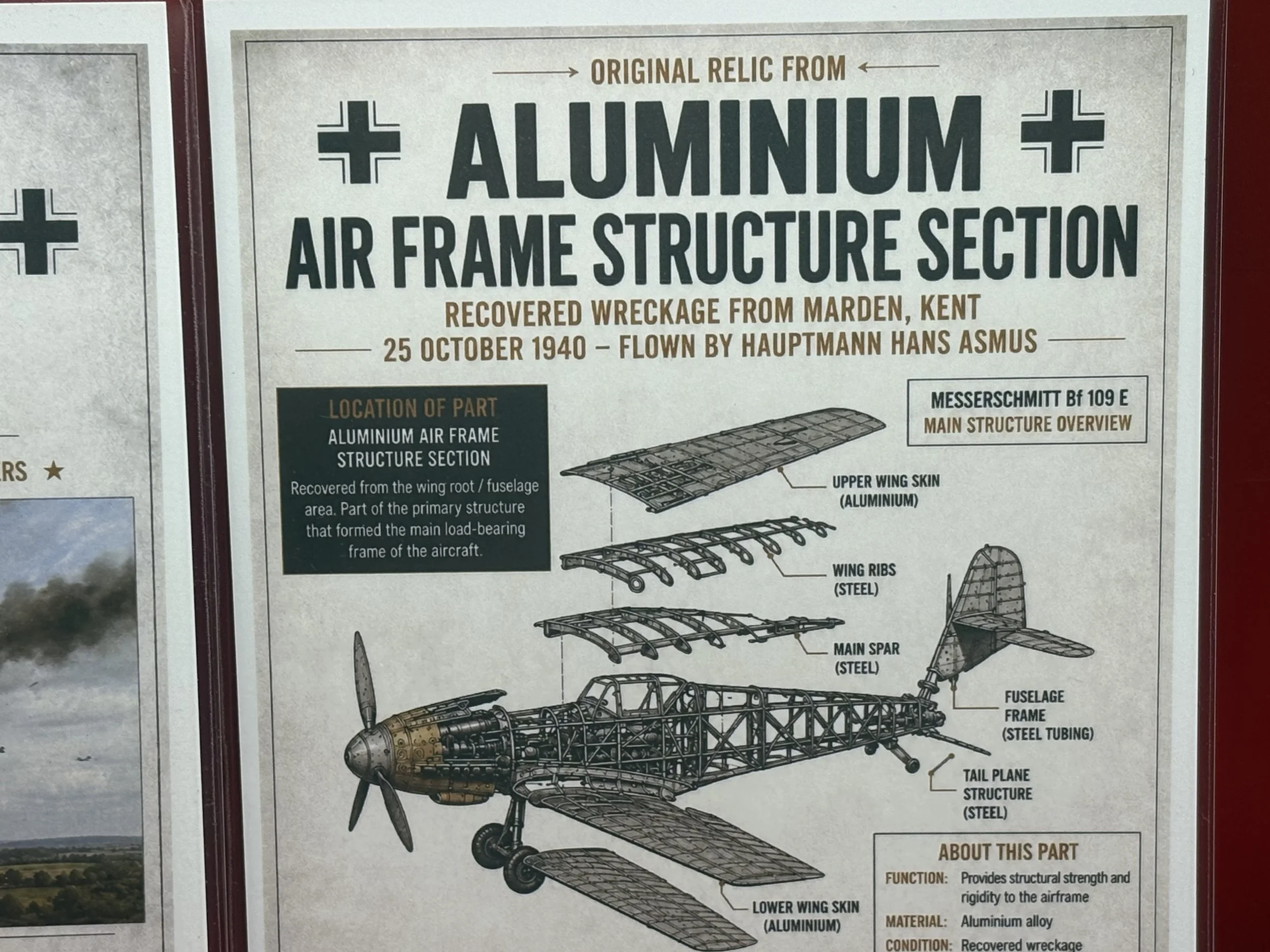 Image 9 of 9