German Tiger I Control Shaft Assembly – Ruhr Pocket, April 1945
This is an original rotating control shaft assembly from a German Tiger I tank. The component formed part of either the cooling ventilation system or the deep-wading valve control linkage and is an interesting internal mechanical component from one of the most famous tanks of the Second World War.
The shaft retains an exceptional amount of its original steel finish, something rarely found on recovered battlefield relics. The component appears to be complete and has only sustained minor damage from the destruction of the tank, with slight bending to the end brackets. It remains in excellent relic condition, being solid throughout with only light surface rust. The part has been carefully cleaned and preserved while retaining its authentic wartime appearance.
Measuring approximately 11 inches in length, this is an attractive and unusual display piece, ideal for any collection of German armour or Second World War artefacts.
The component was recovered from the site of a destroyed German Tiger I tank belonging to Schwere Panzer-Abteilung 301, serving with the 9th Panzer Division under the 5th Panzer Army. The tank was destroyed near Elsdorf, south of Düsseldorf, during the fighting in the Ruhr Pocket in April 1945.
The relic comes complete with two A5 laminated information cards, including a location map and historical information relating to the vehicle and battlefield.
The 5th Panzer Army was originally formed on 8 December 1942 in North Africa following the reorganisation of LXXXX Army Corps. It surrendered in Tunisia on 9 May 1943 before being reformed on 5 August 1944 through the redesignation of Panzergruppe West. The army fought in Normandy, narrowly escaping destruction in the Falaise Pocket, before launching an unsuccessful counterattack against the U.S. Third Army in Lorraine. It later took part in the Ardennes Offensive and the fighting around the Remagen bridgehead before being encircled and destroyed in the Ruhr Pocket, where the remaining forces surrendered on 17 April 1945.
This is a scarce and historically significant Tiger I relic with excellent provenance, making it an outstanding addition to any German armour, Ruhr Pocket, or Second World War collection.
German Tiger I Control Shaft Assembly – Ruhr Pocket, April 1945
This is an original rotating control shaft assembly from a German Tiger I tank. The component formed part of either the cooling ventilation system or the deep-wading valve control linkage and is an interesting internal mechanical component from one of the most famous tanks of the Second World War.
The shaft retains an exceptional amount of its original steel finish, something rarely found on recovered battlefield relics. The component appears to be complete and has only sustained minor damage from the destruction of the tank, with slight bending to the end brackets. It remains in excellent relic condition, being solid throughout with only light surface rust. The part has been carefully cleaned and preserved while retaining its authentic wartime appearance.
Measuring approximately 11 inches in length, this is an attractive and unusual display piece, ideal for any collection of German armour or Second World War artefacts.
The component was recovered from the site of a destroyed German Tiger I tank belonging to Schwere Panzer-Abteilung 301, serving with the 9th Panzer Division under the 5th Panzer Army. The tank was destroyed near Elsdorf, south of Düsseldorf, during the fighting in the Ruhr Pocket in April 1945.
The relic comes complete with two A5 laminated information cards, including a location map and historical information relating to the vehicle and battlefield.
The 5th Panzer Army was originally formed on 8 December 1942 in North Africa following the reorganisation of LXXXX Army Corps. It surrendered in Tunisia on 9 May 1943 before being reformed on 5 August 1944 through the redesignation of Panzergruppe West. The army fought in Normandy, narrowly escaping destruction in the Falaise Pocket, before launching an unsuccessful counterattack against the U.S. Third Army in Lorraine. It later took part in the Ardennes Offensive and the fighting around the Remagen bridgehead before being encircled and destroyed in the Ruhr Pocket, where the remaining forces surrendered on 17 April 1945.
This is a scarce and historically significant Tiger I relic with excellent provenance, making it an outstanding addition to any German armour, Ruhr Pocket, or Second World War collection.

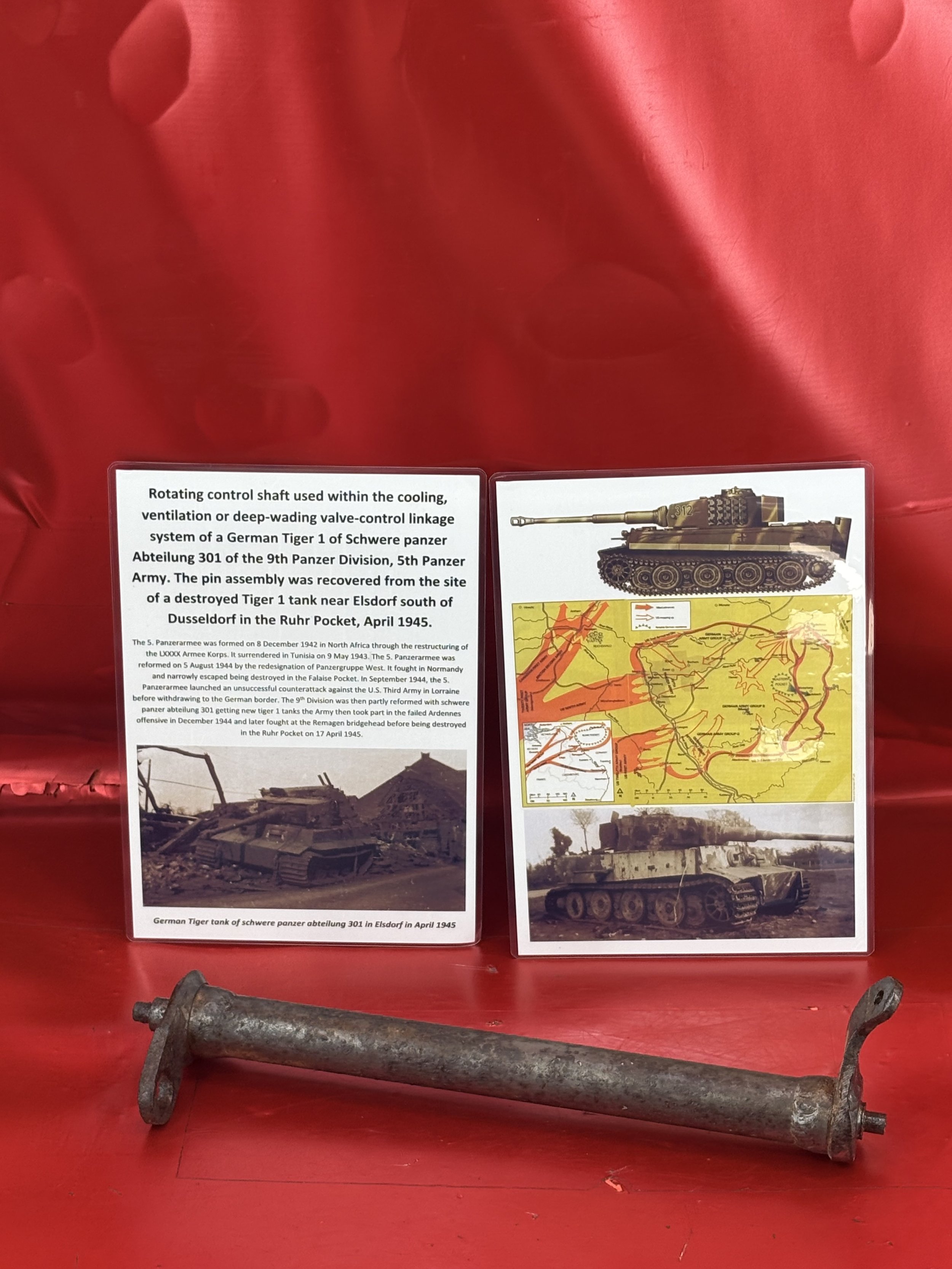 Image 1 of 9
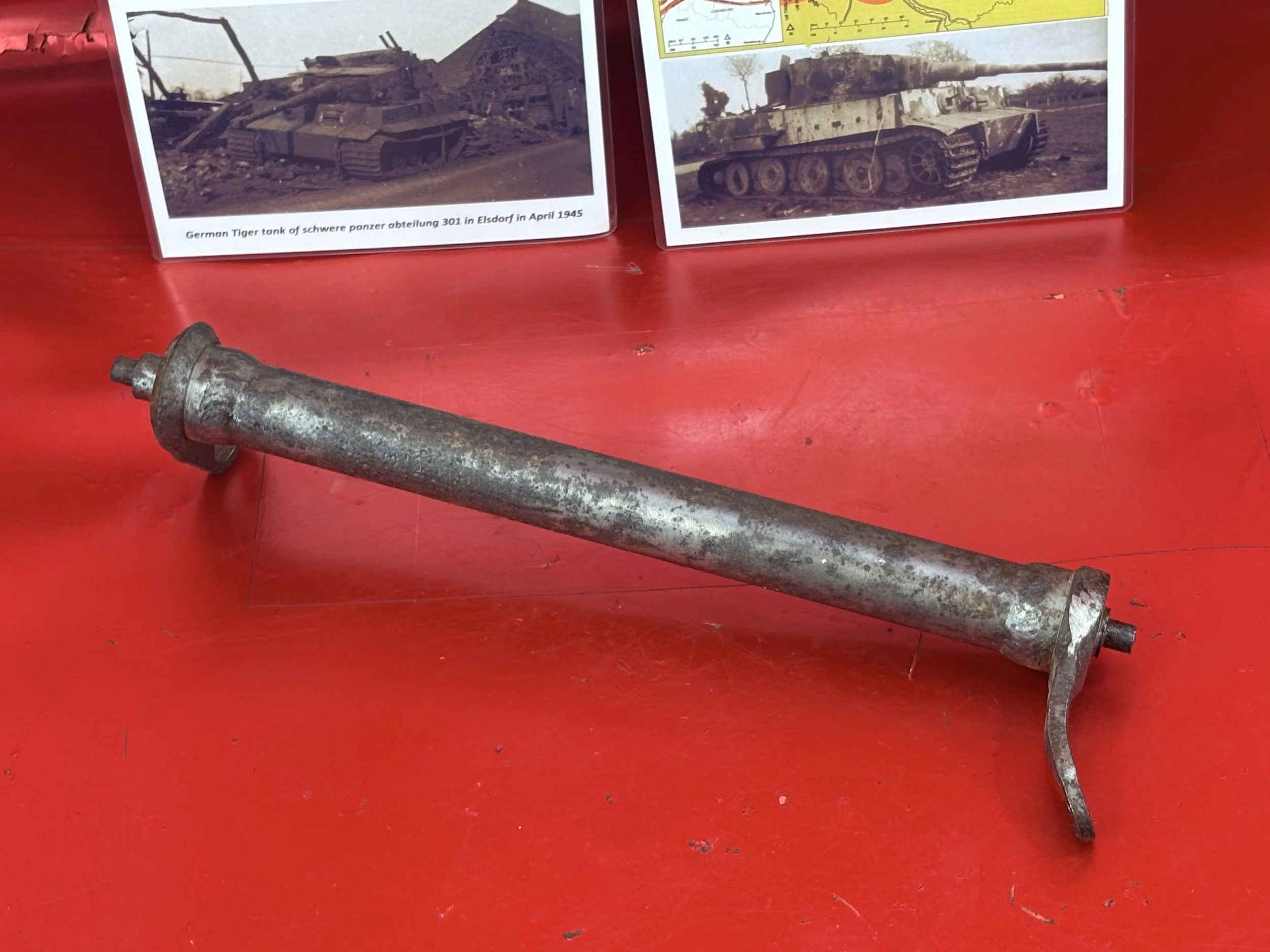 Image 2 of 9
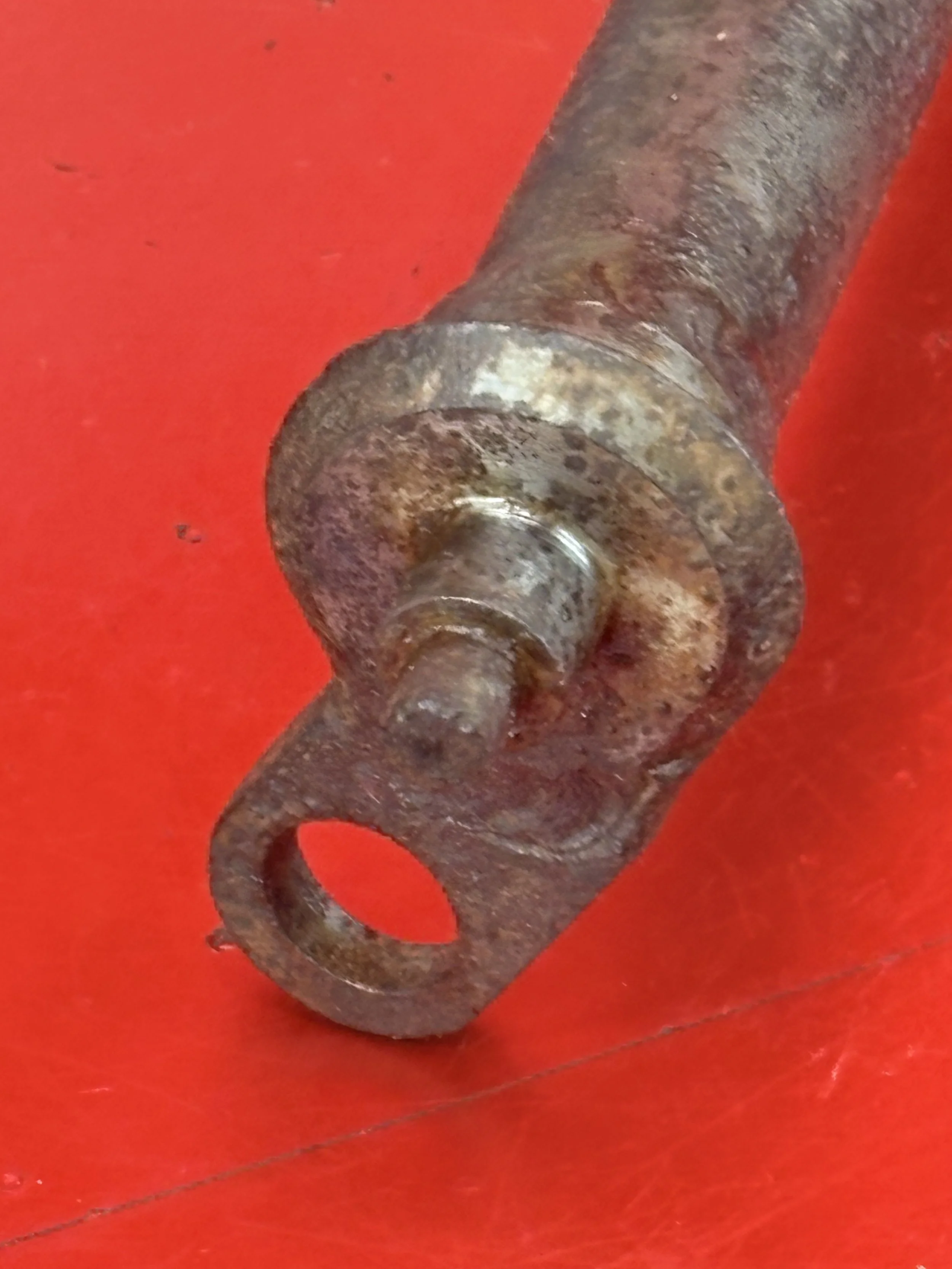 Image 3 of 9
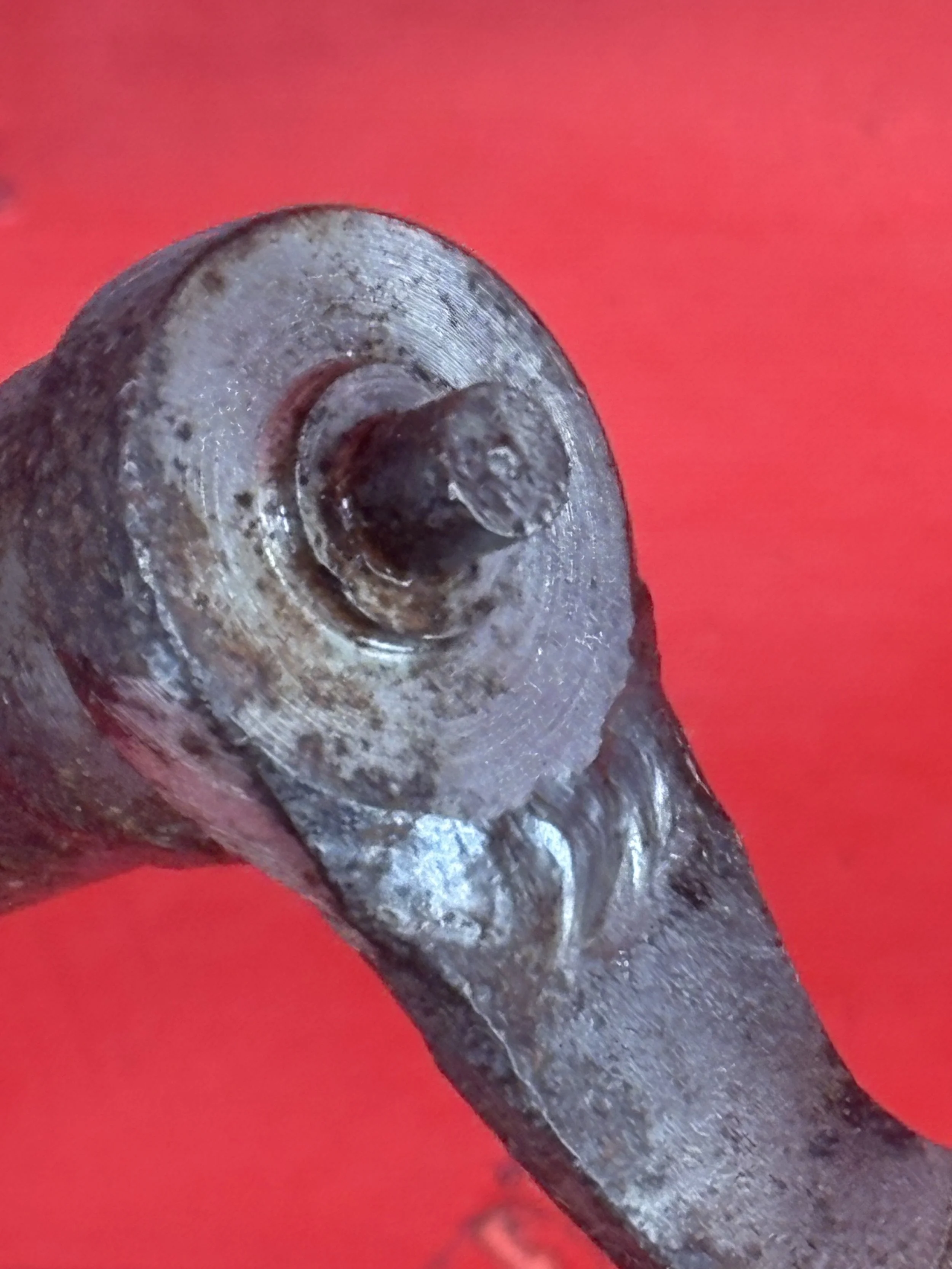 Image 4 of 9
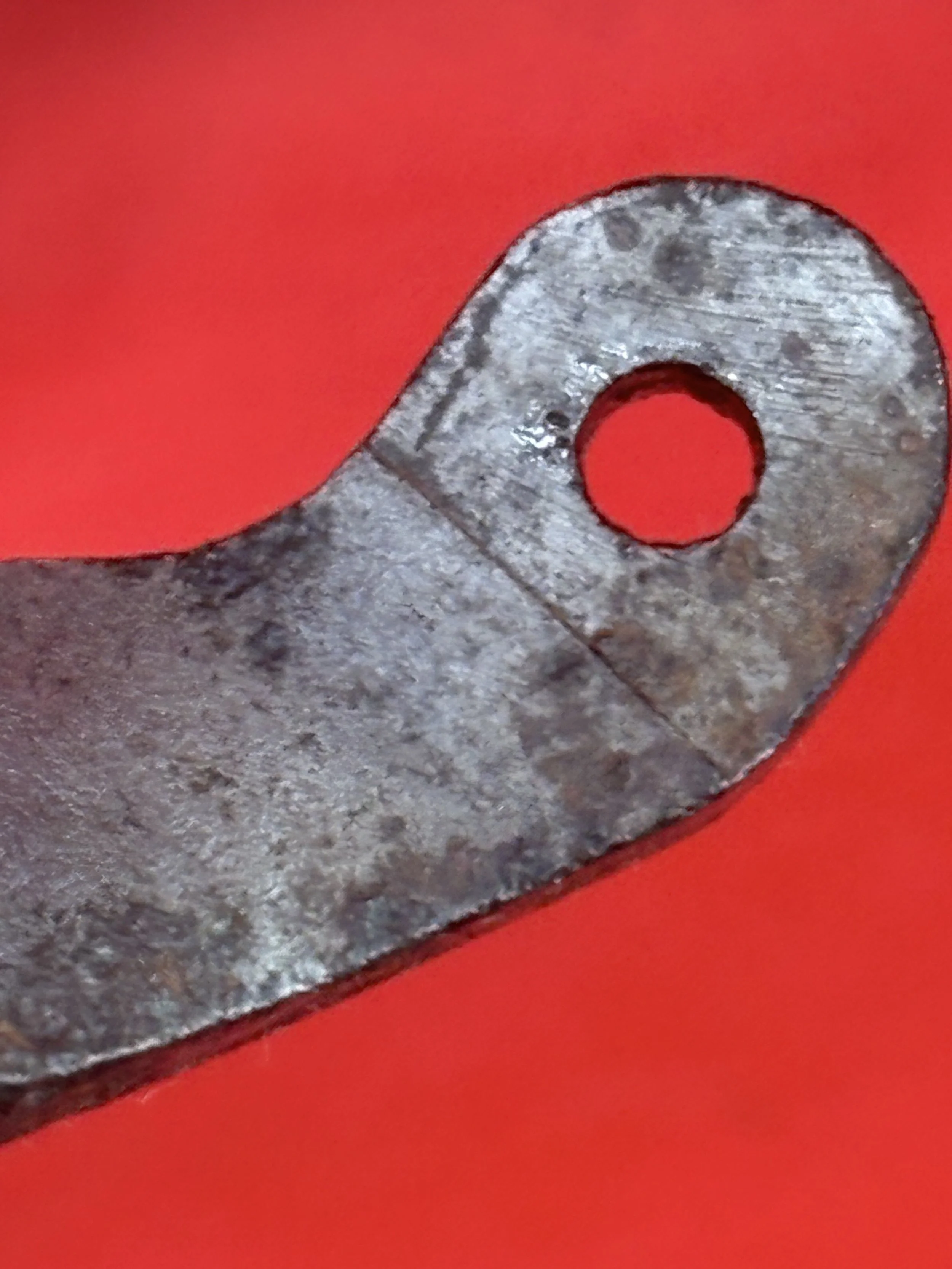 Image 5 of 9
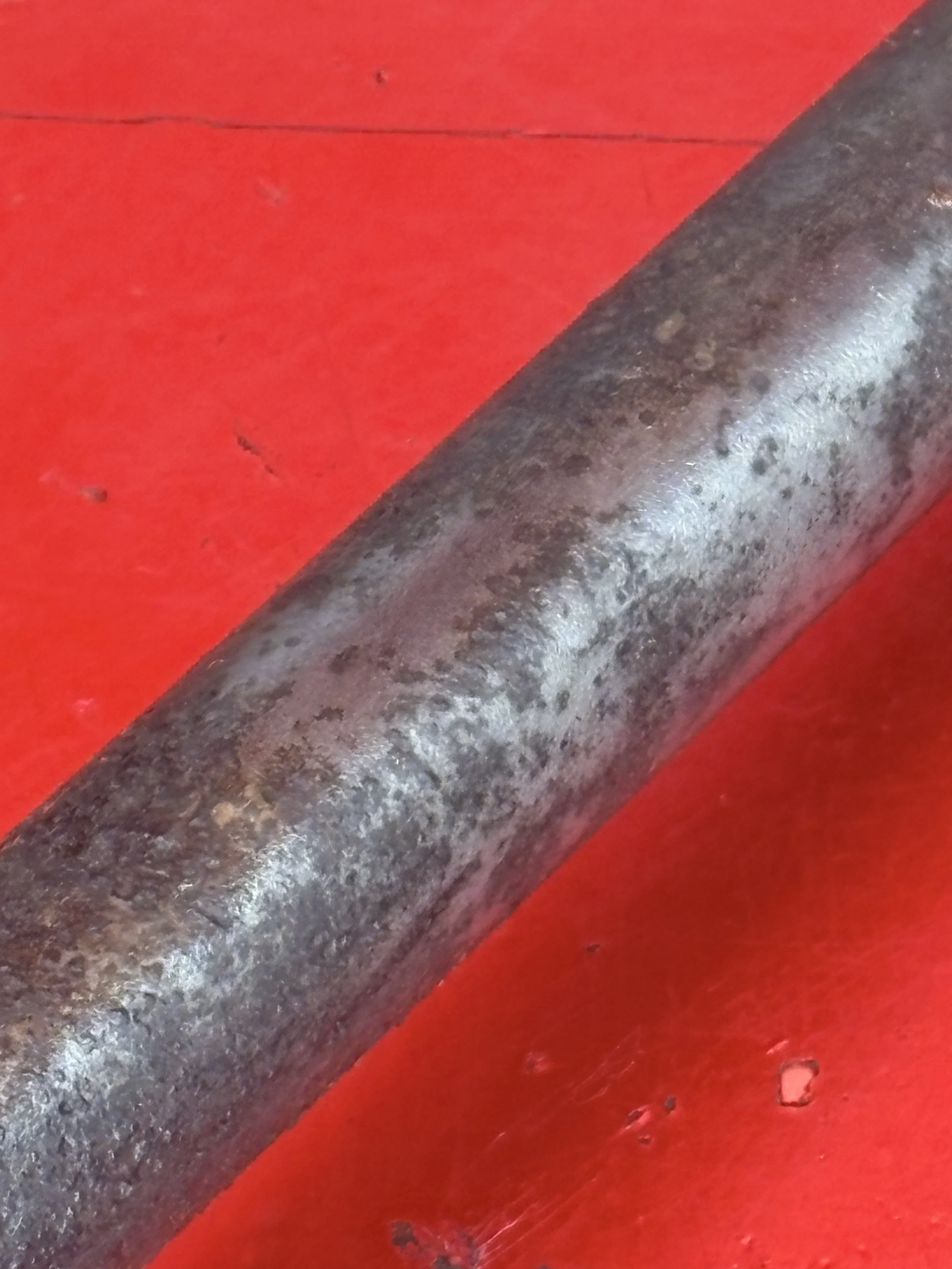 Image 6 of 9
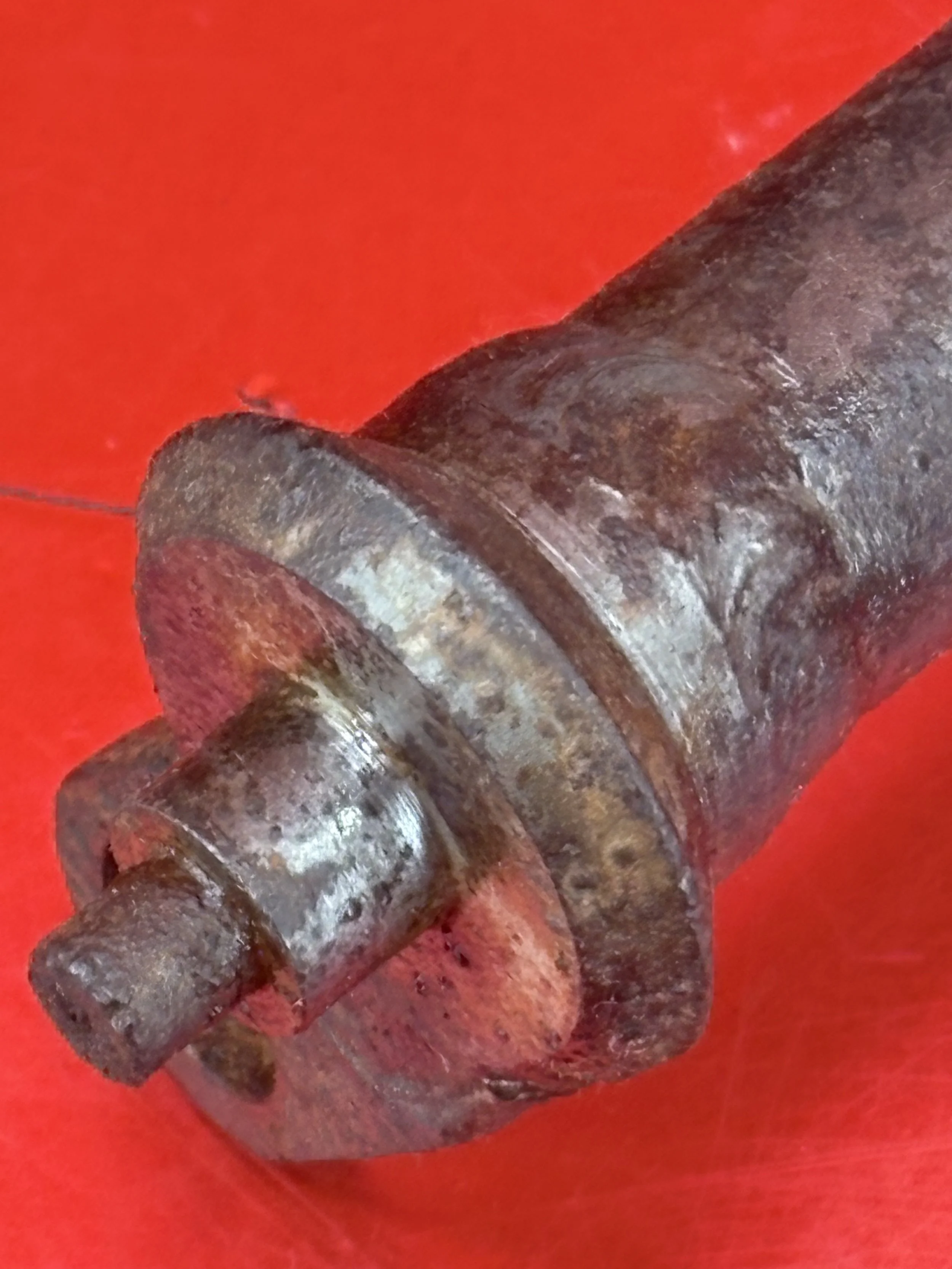 Image 7 of 9
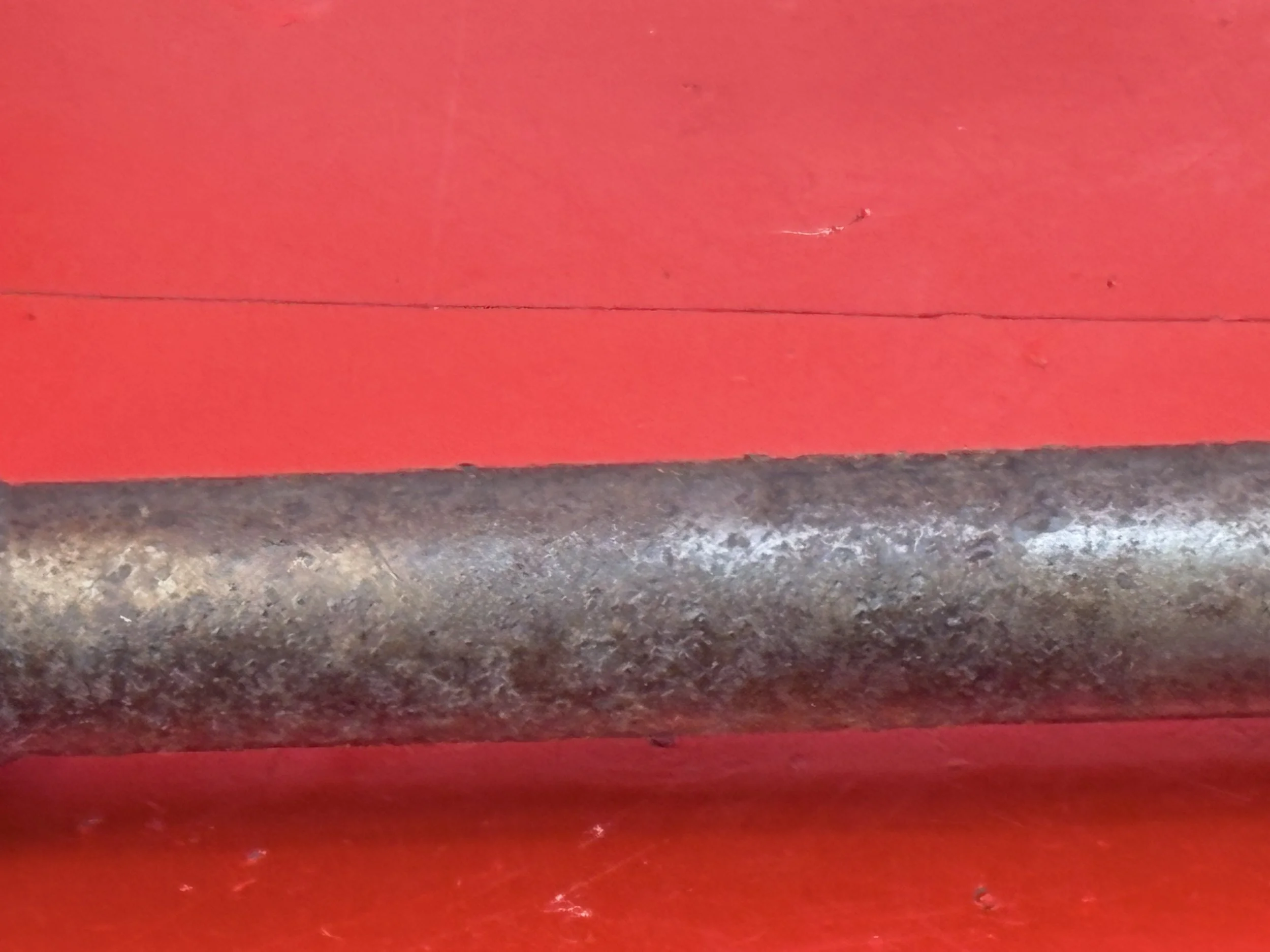 Image 8 of 9
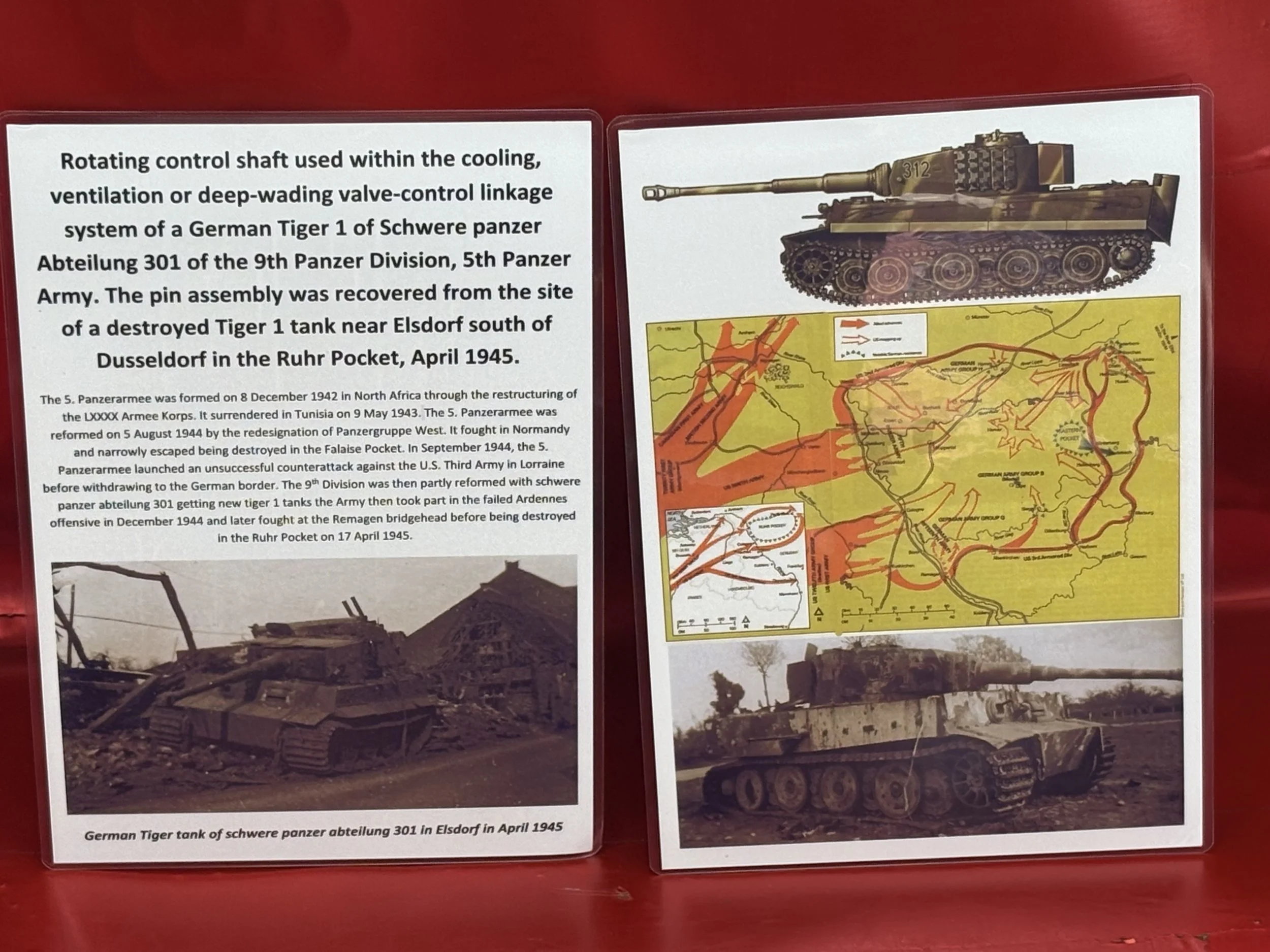 Image 9 of 9