This is a Unusual part to find a very large size section of late 1916 onwards pattern barbed wire which was recovered from one of the most famous locations on the western front and the scene of Canada’s greatest victory.
The wire which is much thicker then the previous pattern but with less barbs so it was much harder to cut it is very rusty but still in solid condition and has been very well cleaned and is not breaking up or falling apart it is perfect for display or any collection and is 16 inches long. The wire section was recovered from an old defensive line on the slopes of the famous Vimy Ridge the 1917 battlefield in France. The part comes with A5 laminated information card with many picture.
The Battle of Vimy Ridge was a defining World War I military triumph fought from 9 to 12 April 1917 in northern France, where the Canadian Corps successfully captured a strategically vital, heavily fortified seven-kilometre escarpment from the German Army. Rising high above the Douai plain, the chalk ridge had been converted by German forces into a formidable fortress of deep tunnels, concrete bunkers, and interlocking machine-gun nests that had previously withstood catastrophic French and British assaults costing over 100,000 casualties. Under the meticulous planning of British Lieutenant-General Sir Julian Byng and Canadian Major-General Arthur Currie, the four divisions of the Canadian Corps fought together as a unified force for the first time, utilizing revolutionary tactics such as the "creeping barrage"—where infantry advanced closely behind precisely timed artillery shields—and extensive underground subways to shield troops until the moment of attack. Launching their assault through a driving blizzard on Easter Monday, the Canadians overran most of the German positions by afternoon and secured the final high strongholds by 12 April; however, the victory came at a staggering human cost of 3,598 Canadian lives lost and over 7,000 wounded. The stunning success on the ridge not only delivered a critical tactical high ground to the Allies but also served as a profound national awakening for Canada, cementing the battle in history as the symbolic birthplace of Canadian independence and international identity.
This is a Unusual part to find a very large size section of late 1916 onwards pattern barbed wire which was recovered from one of the most famous locations on the western front and the scene of Canada’s greatest victory.
The wire which is much thicker then the previous pattern but with less barbs so it was much harder to cut it is very rusty but still in solid condition and has been very well cleaned and is not breaking up or falling apart it is perfect for display or any collection and is 16 inches long. The wire section was recovered from an old defensive line on the slopes of the famous Vimy Ridge the 1917 battlefield in France. The part comes with A5 laminated information card with many picture.
The Battle of Vimy Ridge was a defining World War I military triumph fought from 9 to 12 April 1917 in northern France, where the Canadian Corps successfully captured a strategically vital, heavily fortified seven-kilometre escarpment from the German Army. Rising high above the Douai plain, the chalk ridge had been converted by German forces into a formidable fortress of deep tunnels, concrete bunkers, and interlocking machine-gun nests that had previously withstood catastrophic French and British assaults costing over 100,000 casualties. Under the meticulous planning of British Lieutenant-General Sir Julian Byng and Canadian Major-General Arthur Currie, the four divisions of the Canadian Corps fought together as a unified force for the first time, utilizing revolutionary tactics such as the "creeping barrage"—where infantry advanced closely behind precisely timed artillery shields—and extensive underground subways to shield troops until the moment of attack. Launching their assault through a driving blizzard on Easter Monday, the Canadians overran most of the German positions by afternoon and secured the final high strongholds by 12 April; however, the victory came at a staggering human cost of 3,598 Canadian lives lost and over 7,000 wounded. The stunning success on the ridge not only delivered a critical tactical high ground to the Allies but also served as a profound national awakening for Canada, cementing the battle in history as the symbolic birthplace of Canadian independence and international identity.

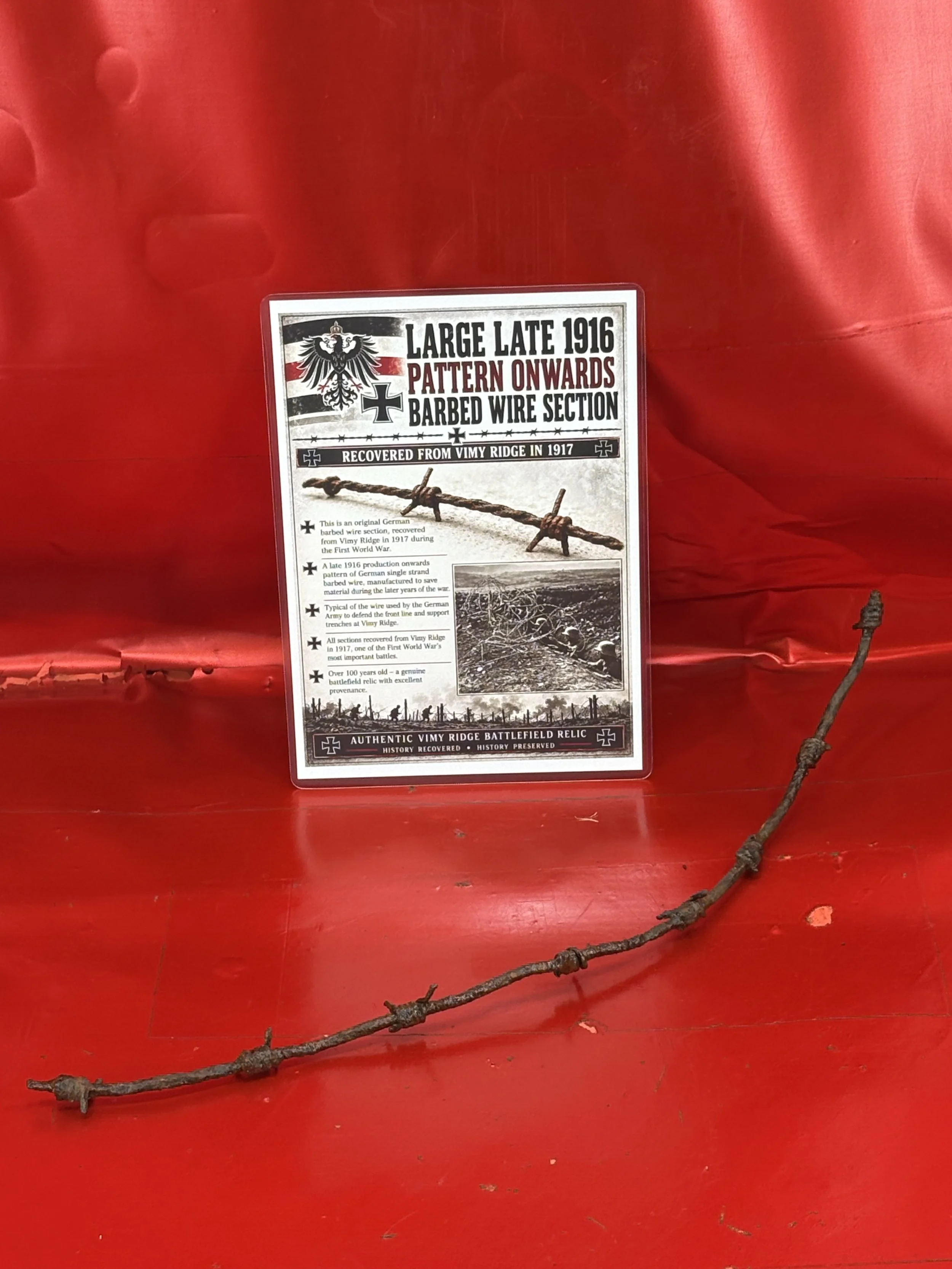 Image 1 of 8
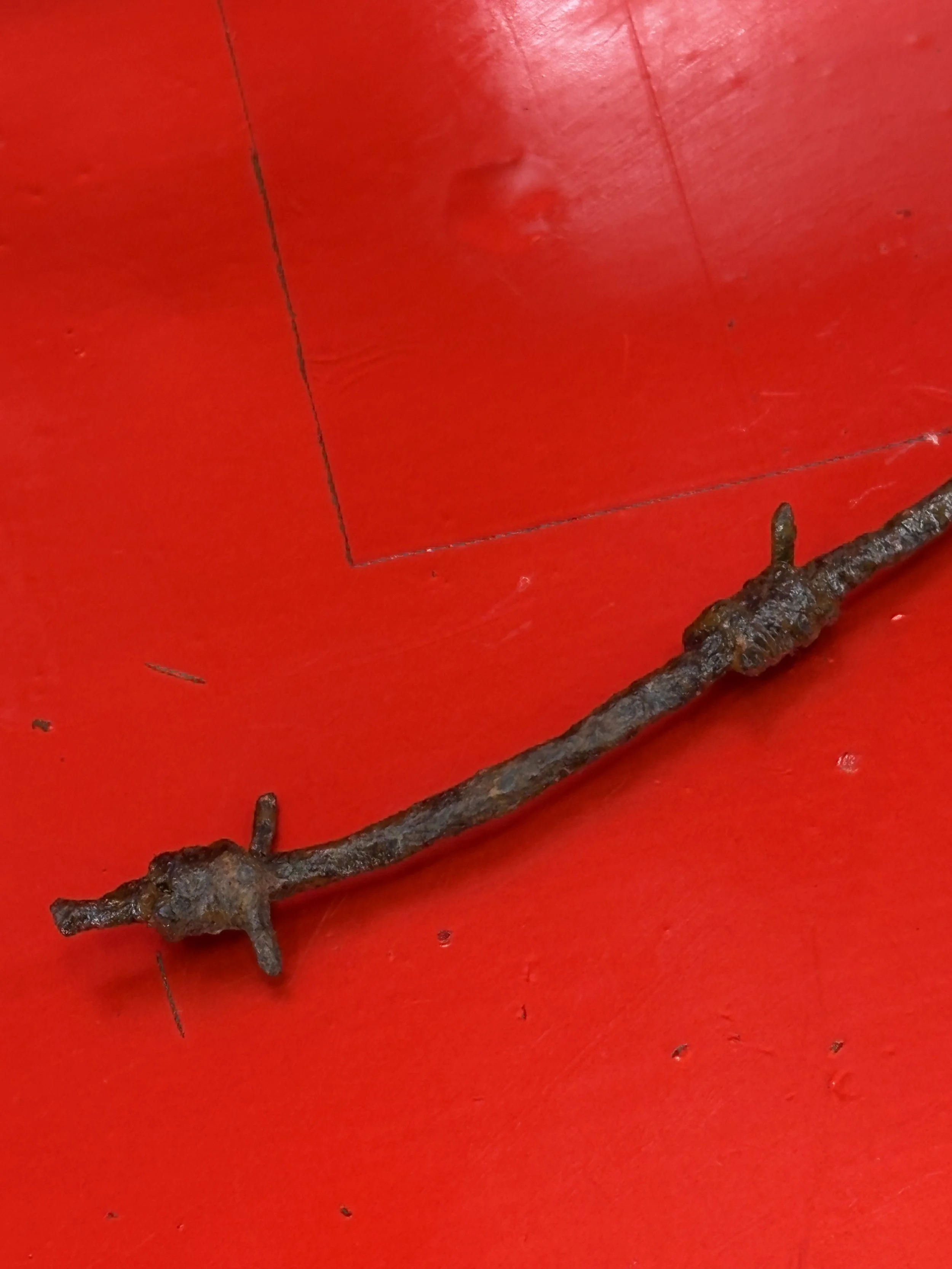 Image 2 of 8
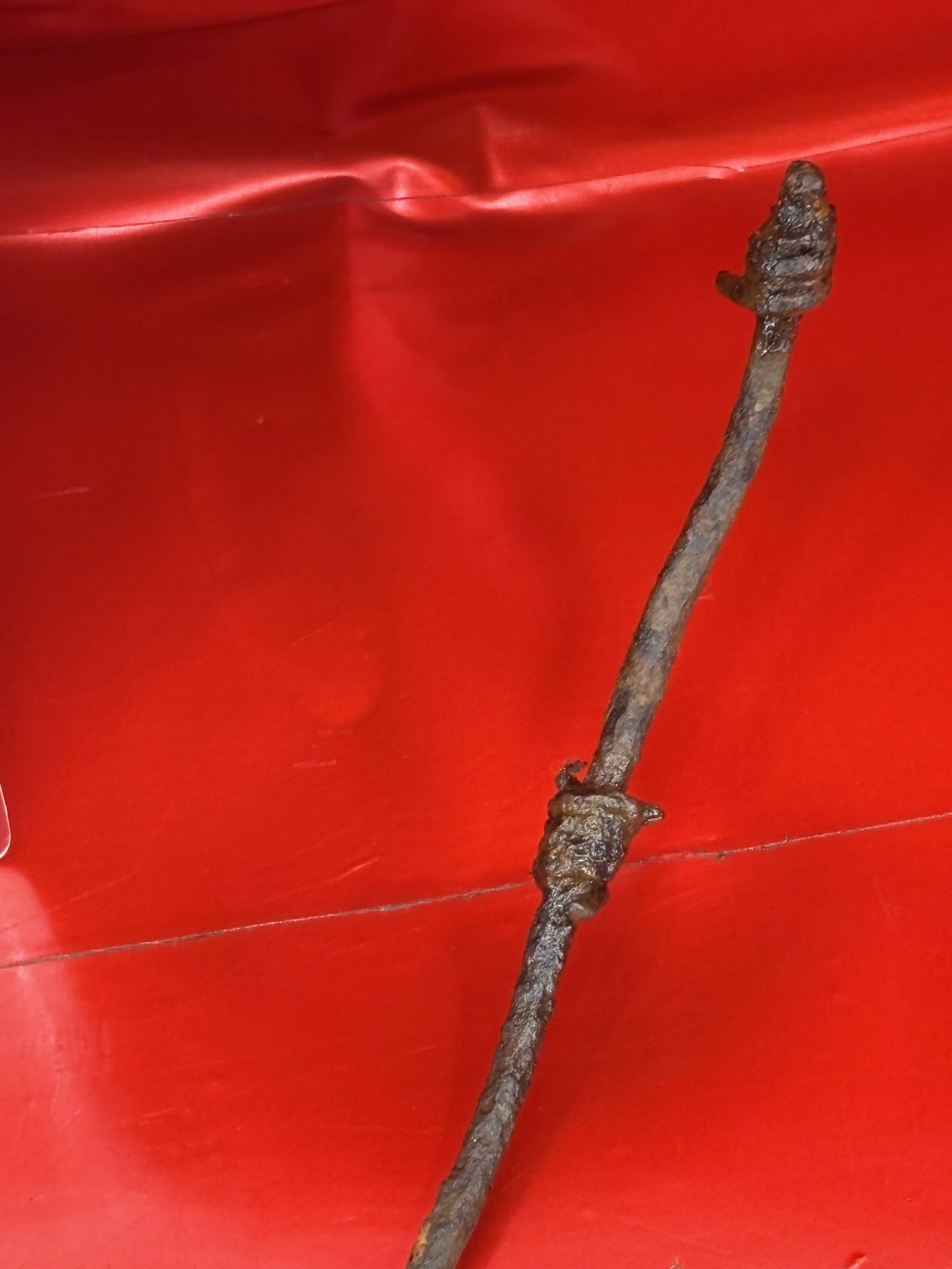 Image 3 of 8
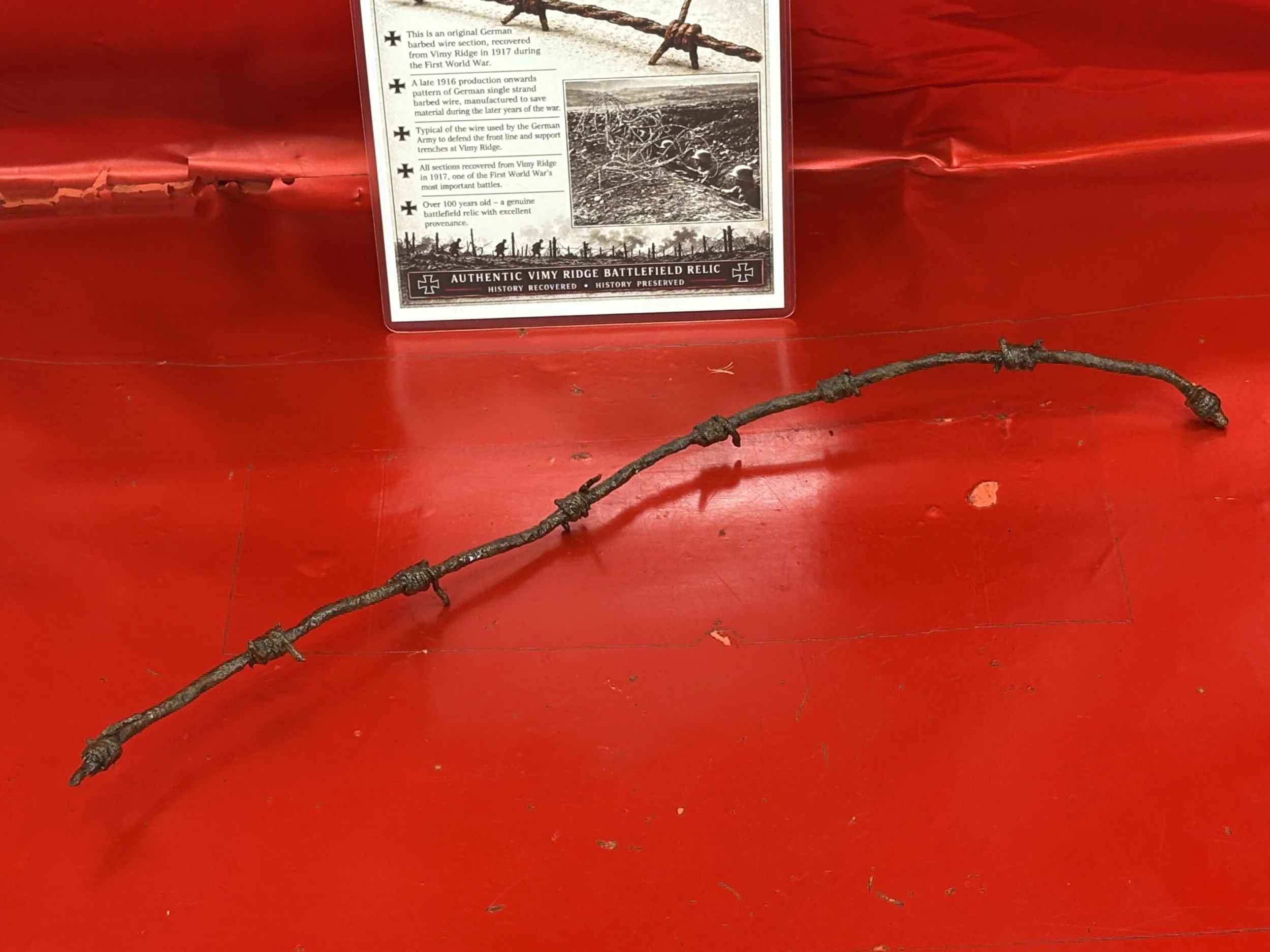 Image 4 of 8
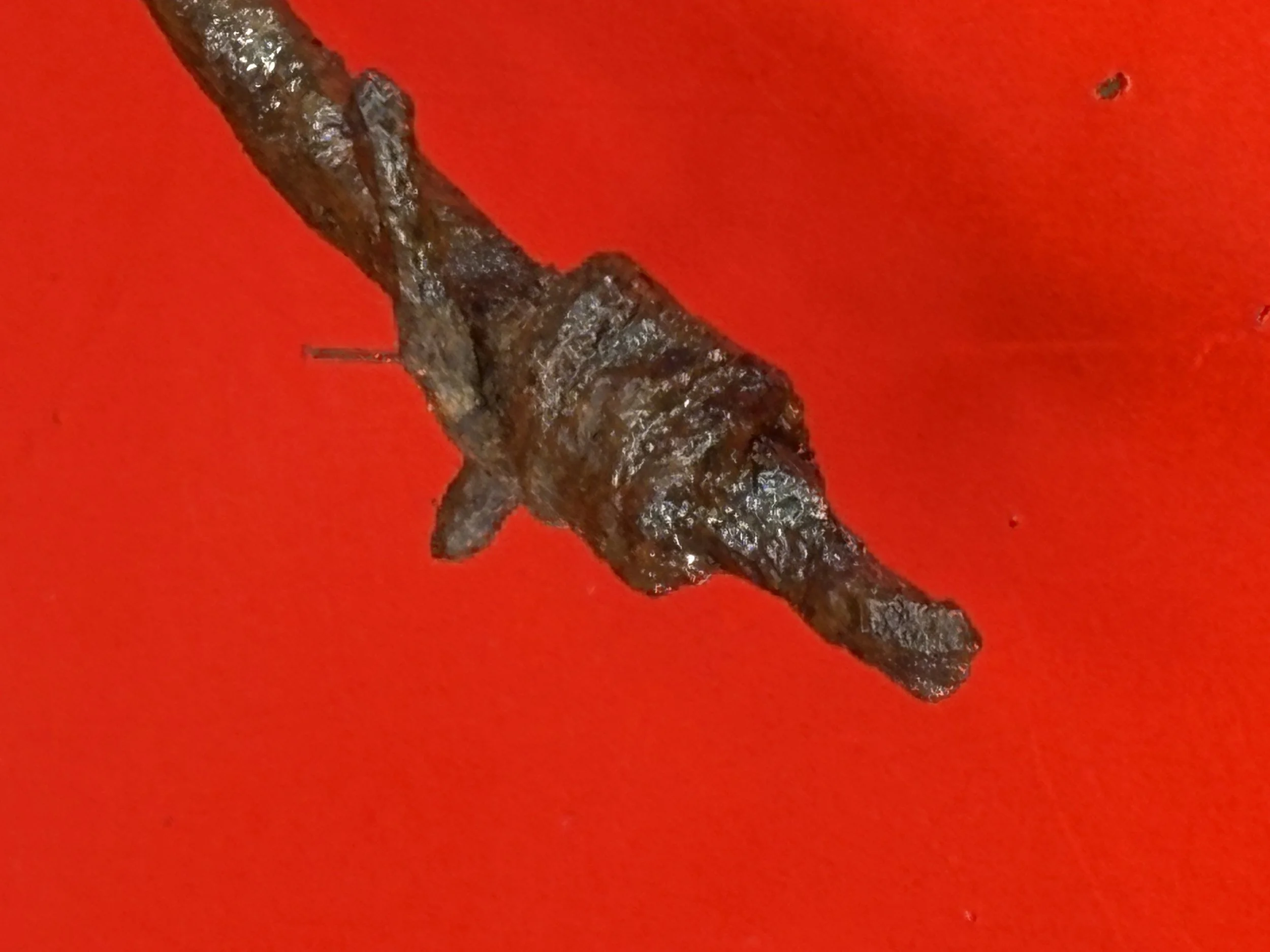 Image 5 of 8
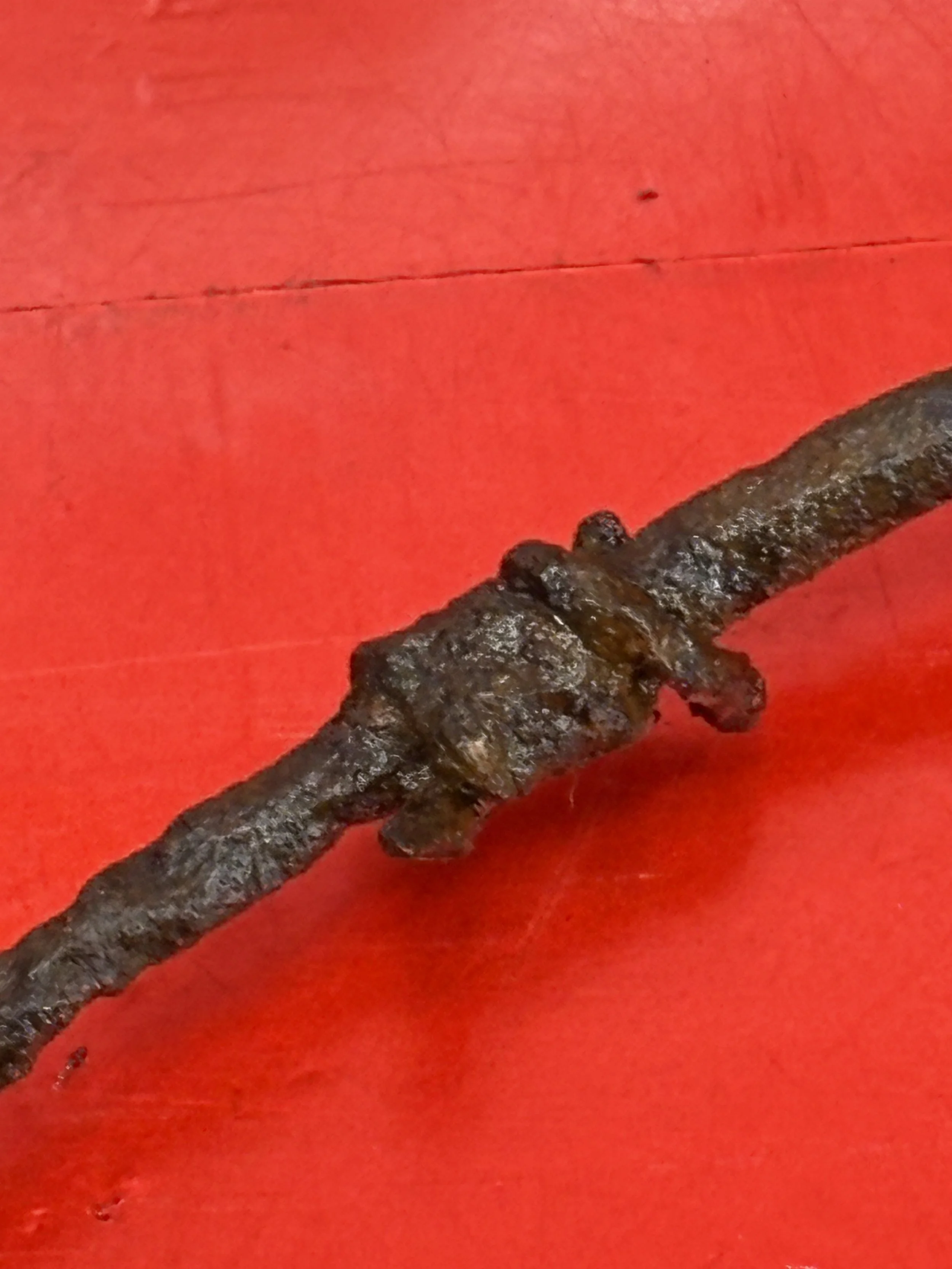 Image 6 of 8
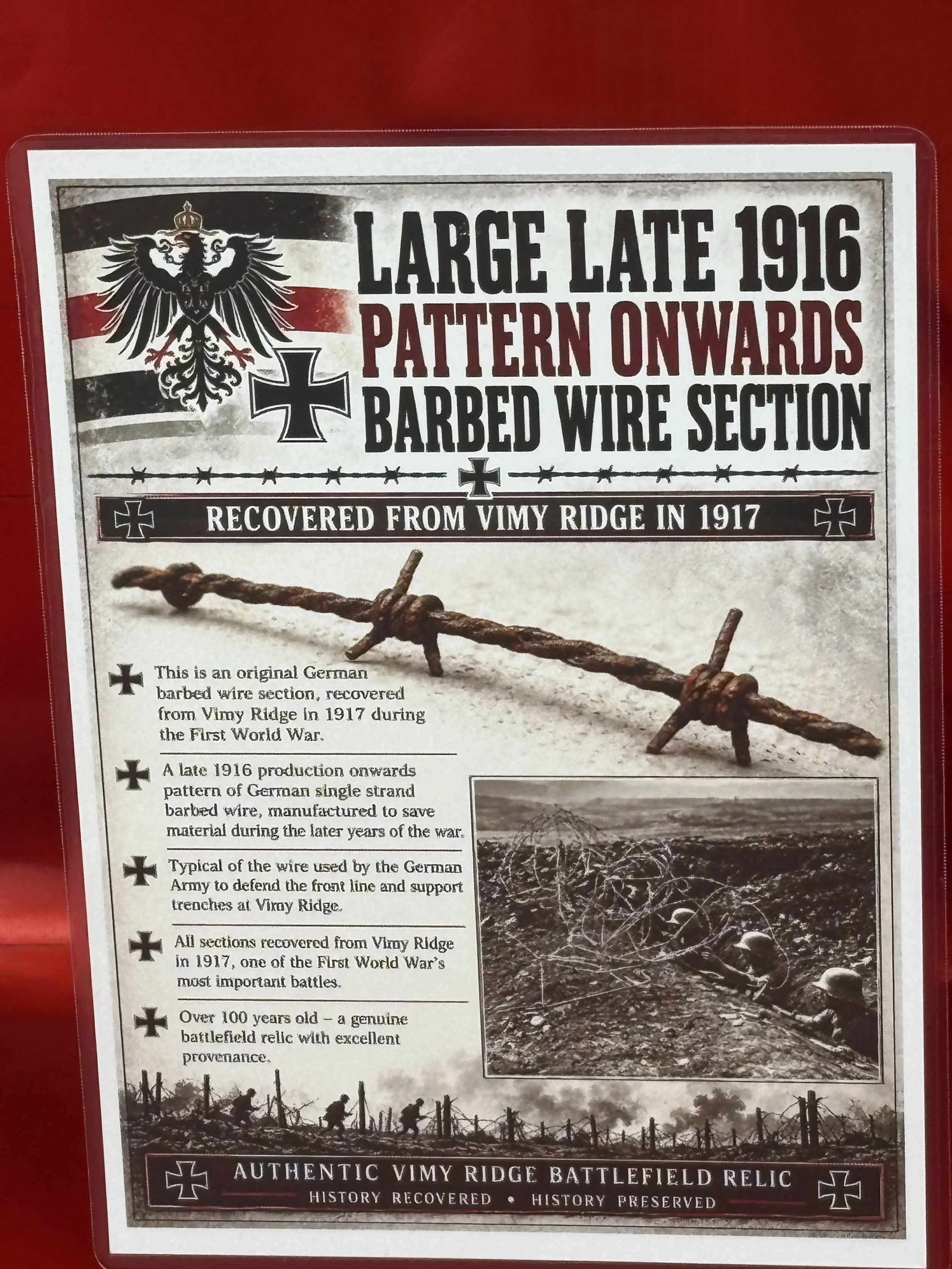 Image 7 of 8
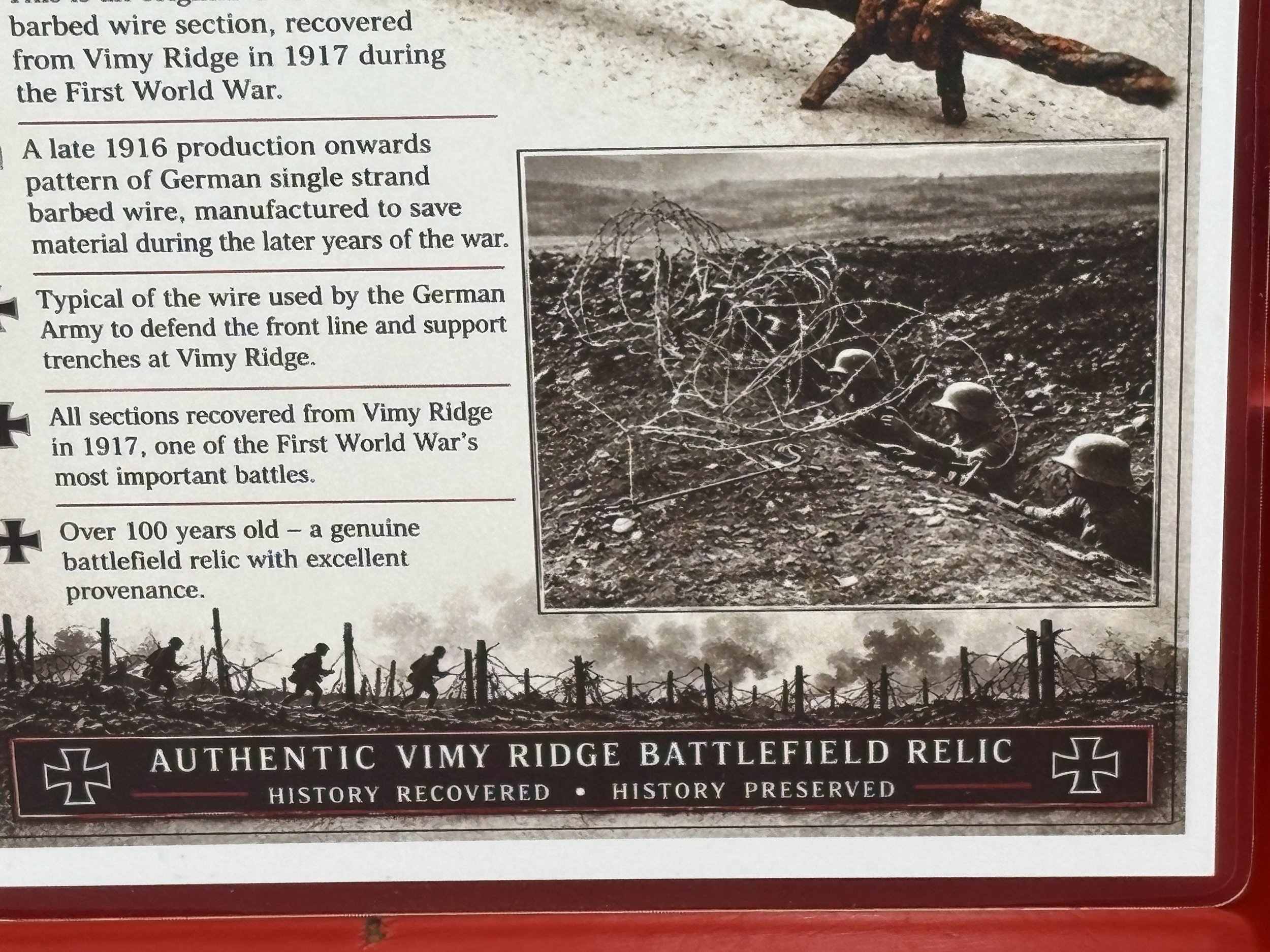 Image 8 of 8