A very desirable recovered rare German white painted snow camouflage M40 steel Helmet where you can clearly see the remains of the apple green paintwork there is no decals because this helmet was made after mid 1943 with decals on as per the order of late 1942 to remove all decals from helmets.
The helmet is missing of of its rivets that is all it still remains in solid but relic condition, with only light rusting throughout, heavier corrosion in some areas, and only has a couple of small rust holes in the top of it that is all it is structurally stable and not breaking apart.
The helmet has been carefully cleaned and presents very well. The helmet is complete with its leather liner also chin strap holders the leather is loose from the ring but is original to the helmet its just come loose over time but the leather is still solid not braking up at and its original brown colour. The helmet remains an exceptional display piece due to the strong combination of paintwork and liner, rare to find on a battlefield example in this condition with this paintwork.
The helmet was worn by a soldier of the 17th SS Panzergrenadier Division "Götz von Berlichinge n or 6th SS Mountain Division "Nord. The helmet was recovered near Saar at the Saarlautern Bridgehead over the Saar River the Battle of late 1944 into 1945.
This was the battlefield of the West wall (Siegfried Line) near Metz in France, the area where the battle was. The XIII SS Corps headquarters under SS-General Max Simon was directly responsible for defending this critical bridgehead over the Saar River against the advancing Americans. The town known today is now known as Saarlouis.
The battles in the Saar-Palatinate region from late 1944 to early 1945 represented a brutal, attritional struggle between the U.S. Third Army (under General George S. Patton) and the German First Army, which heavily relied on Waffen-SS leadership and formations to hold the West Wall fortifications.
The 17th SS Division was one of the most effective German units on the Western Front, they saw bitter defensive fighting along the West Wall, specifically around Metz, the Saar, and the Palatinate. They held the West Wall until a March 1945 American breakthrough
The 6th SS Mountain Division transferred from Finland when that country signed an armistice with the Soviet Union, this division was attached to Army Group G. They fought alongside the 17th SS Götz von Berlichingen in the Saar region.
A very desirable recovered rare German white painted snow camouflage M40 steel Helmet where you can clearly see the remains of the apple green paintwork there is no decals because this helmet was made after mid 1943 with decals on as per the order of late 1942 to remove all decals from helmets.
The helmet is missing of of its rivets that is all it still remains in solid but relic condition, with only light rusting throughout, heavier corrosion in some areas, and only has a couple of small rust holes in the top of it that is all it is structurally stable and not breaking apart.
The helmet has been carefully cleaned and presents very well. The helmet is complete with its leather liner also chin strap holders the leather is loose from the ring but is original to the helmet its just come loose over time but the leather is still solid not braking up at and its original brown colour. The helmet remains an exceptional display piece due to the strong combination of paintwork and liner, rare to find on a battlefield example in this condition with this paintwork.
The helmet was worn by a soldier of the 17th SS Panzergrenadier Division "Götz von Berlichinge n or 6th SS Mountain Division "Nord. The helmet was recovered near Saar at the Saarlautern Bridgehead over the Saar River the Battle of late 1944 into 1945.
This was the battlefield of the West wall (Siegfried Line) near Metz in France, the area where the battle was. The XIII SS Corps headquarters under SS-General Max Simon was directly responsible for defending this critical bridgehead over the Saar River against the advancing Americans. The town known today is now known as Saarlouis.
The battles in the Saar-Palatinate region from late 1944 to early 1945 represented a brutal, attritional struggle between the U.S. Third Army (under General George S. Patton) and the German First Army, which heavily relied on Waffen-SS leadership and formations to hold the West Wall fortifications.
The 17th SS Division was one of the most effective German units on the Western Front, they saw bitter defensive fighting along the West Wall, specifically around Metz, the Saar, and the Palatinate. They held the West Wall until a March 1945 American breakthrough
The 6th SS Mountain Division transferred from Finland when that country signed an armistice with the Soviet Union, this division was attached to Army Group G. They fought alongside the 17th SS Götz von Berlichingen in the Saar region.

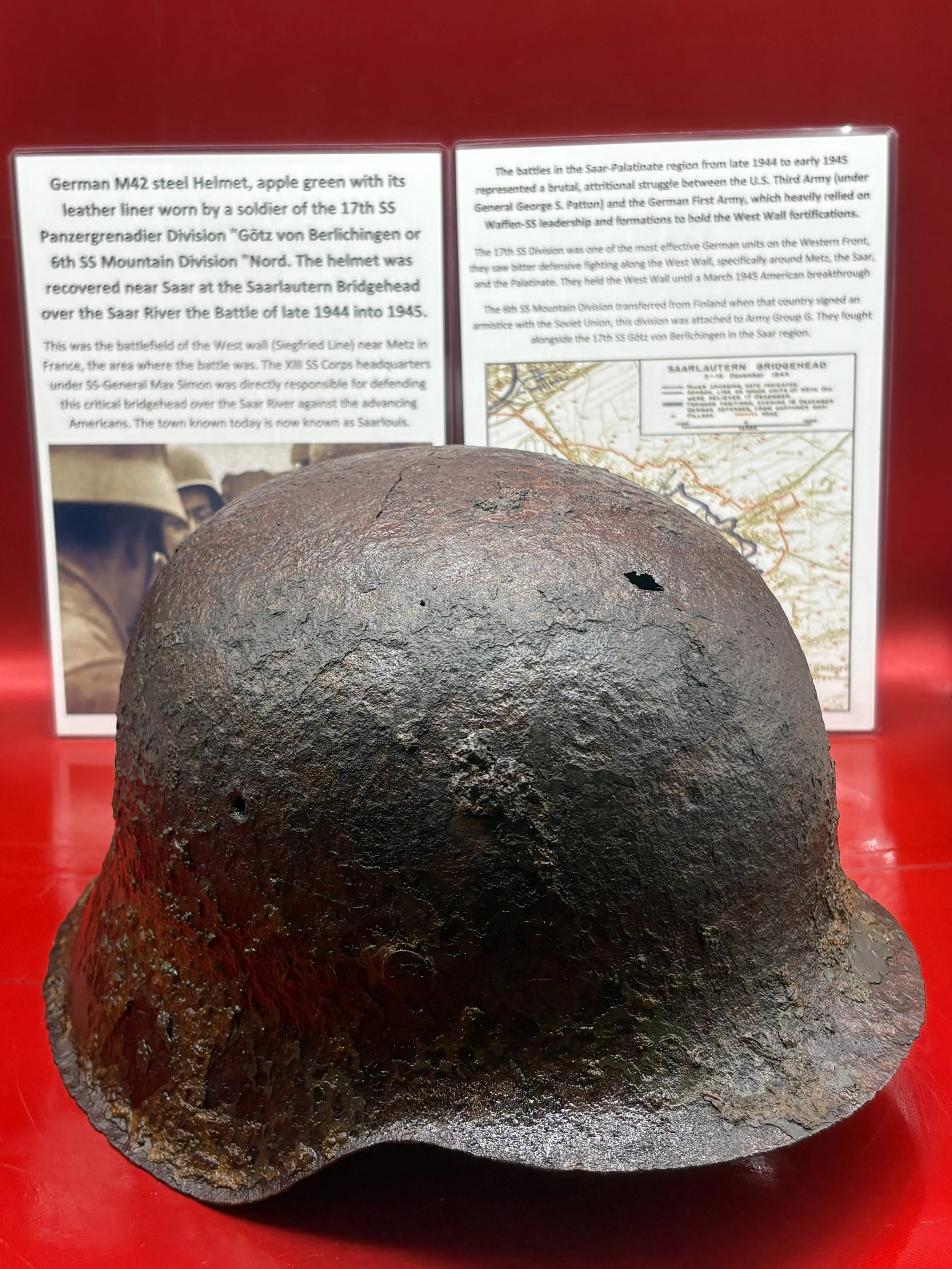 Image 1 of 12
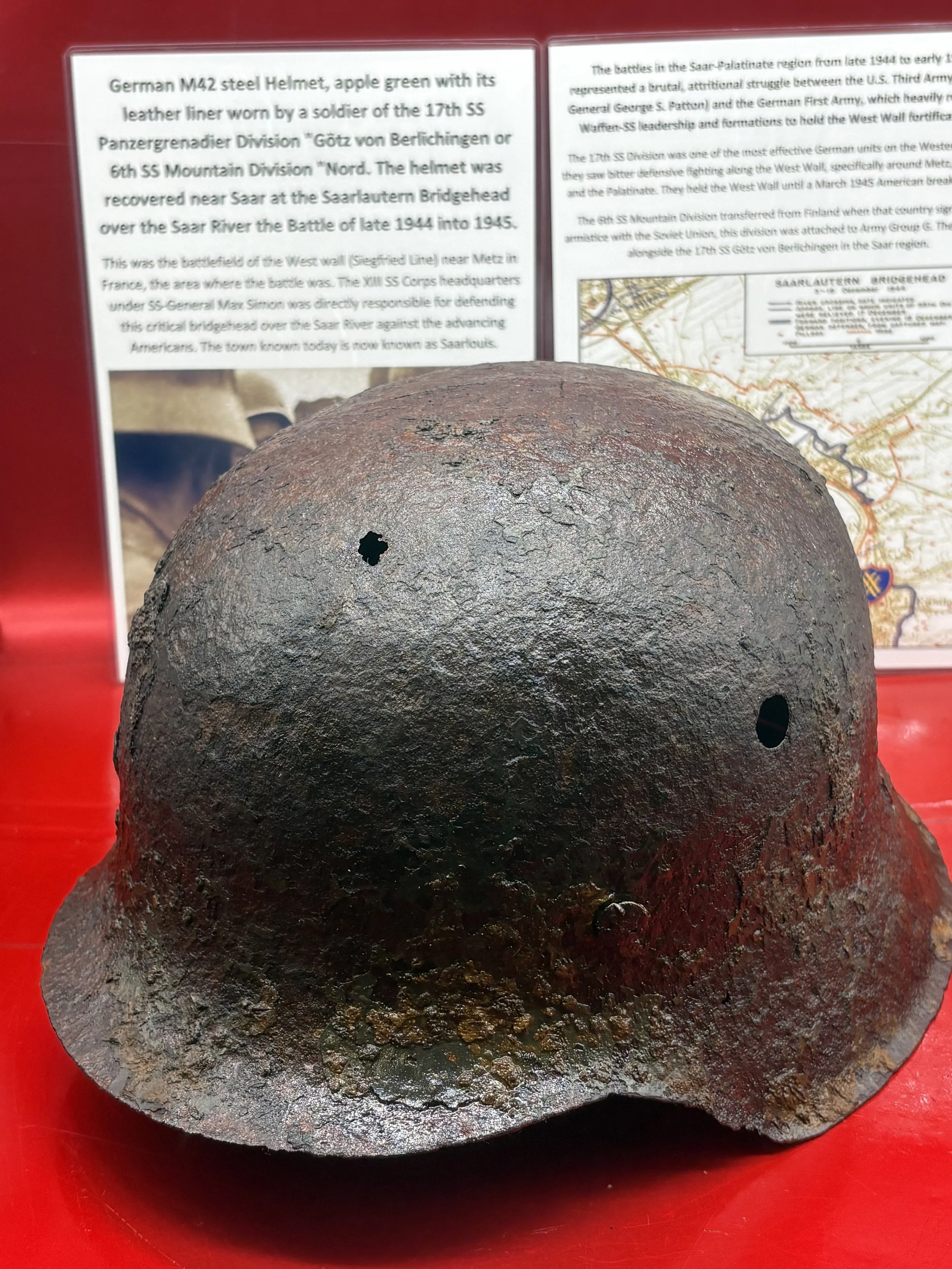 Image 2 of 12
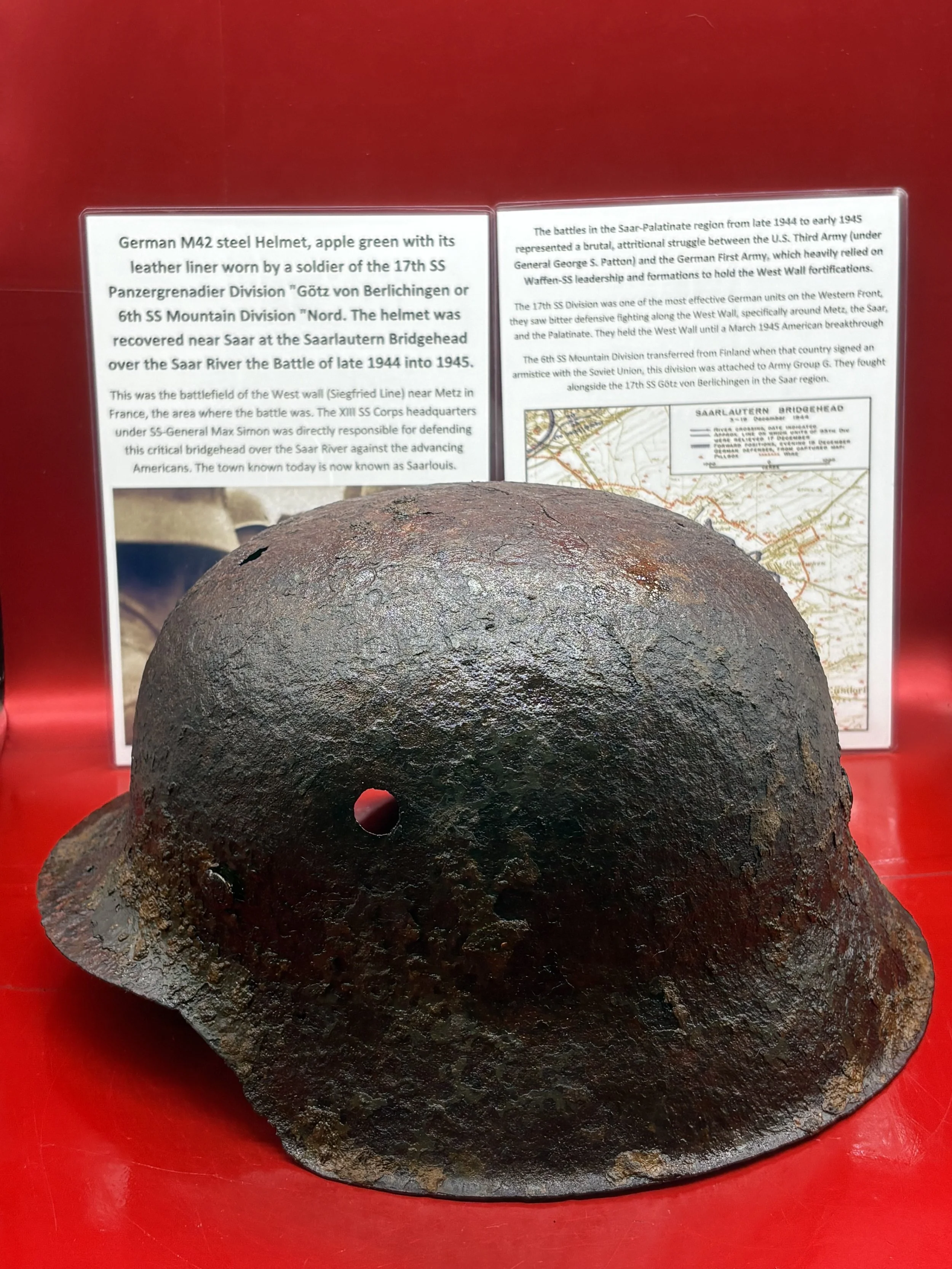 Image 3 of 12
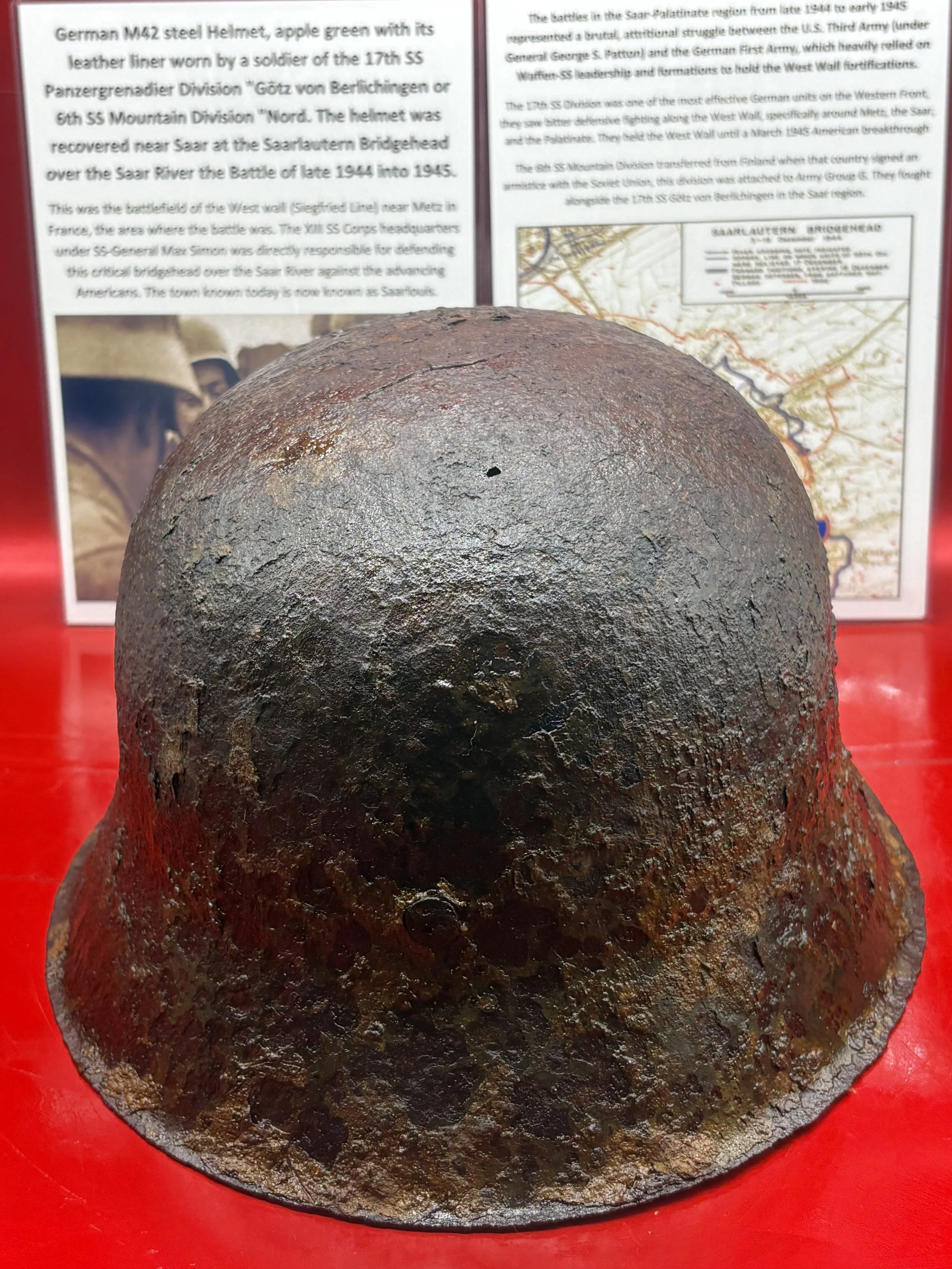 Image 4 of 12
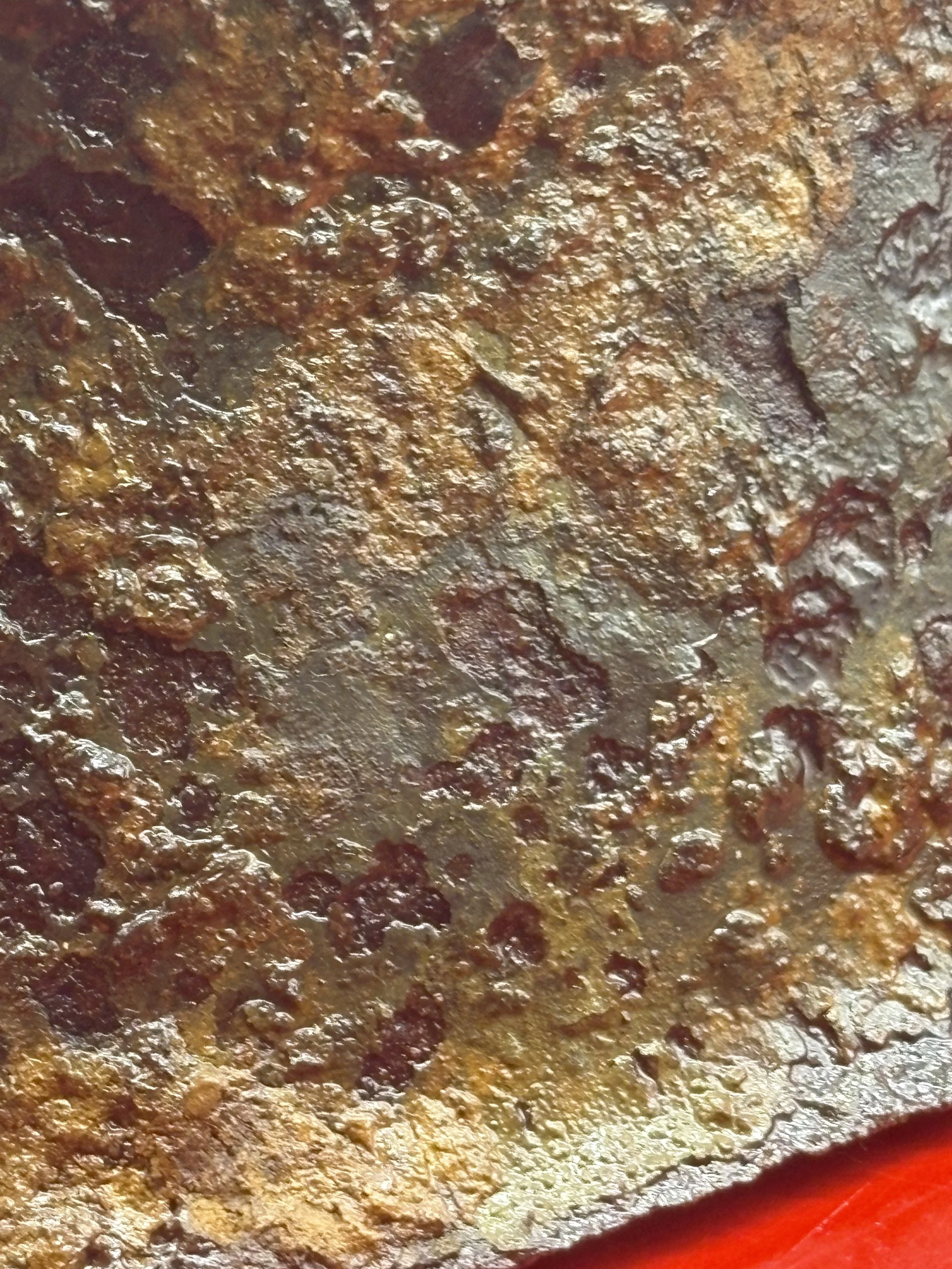 Image 5 of 12
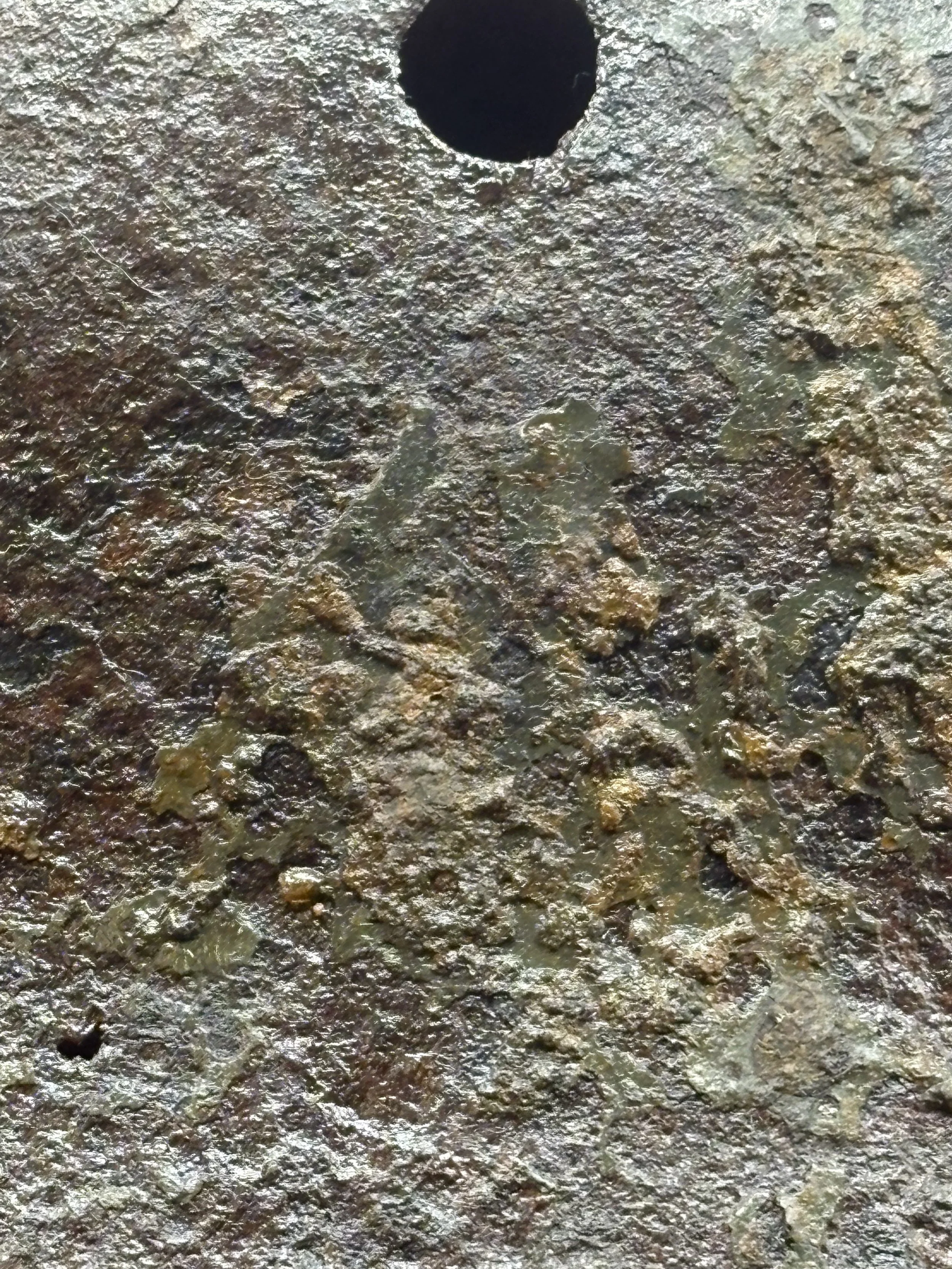 Image 6 of 12
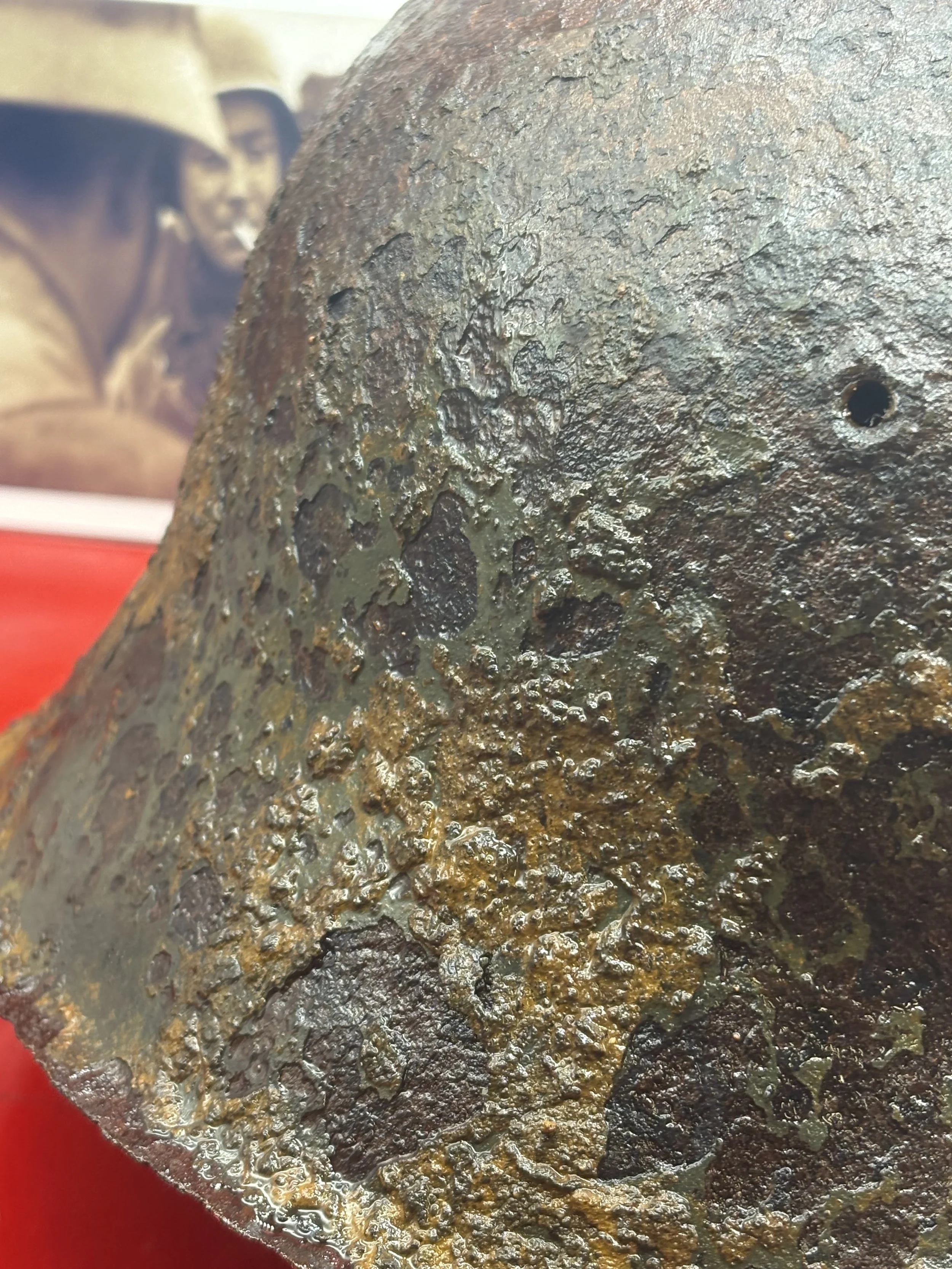 Image 7 of 12
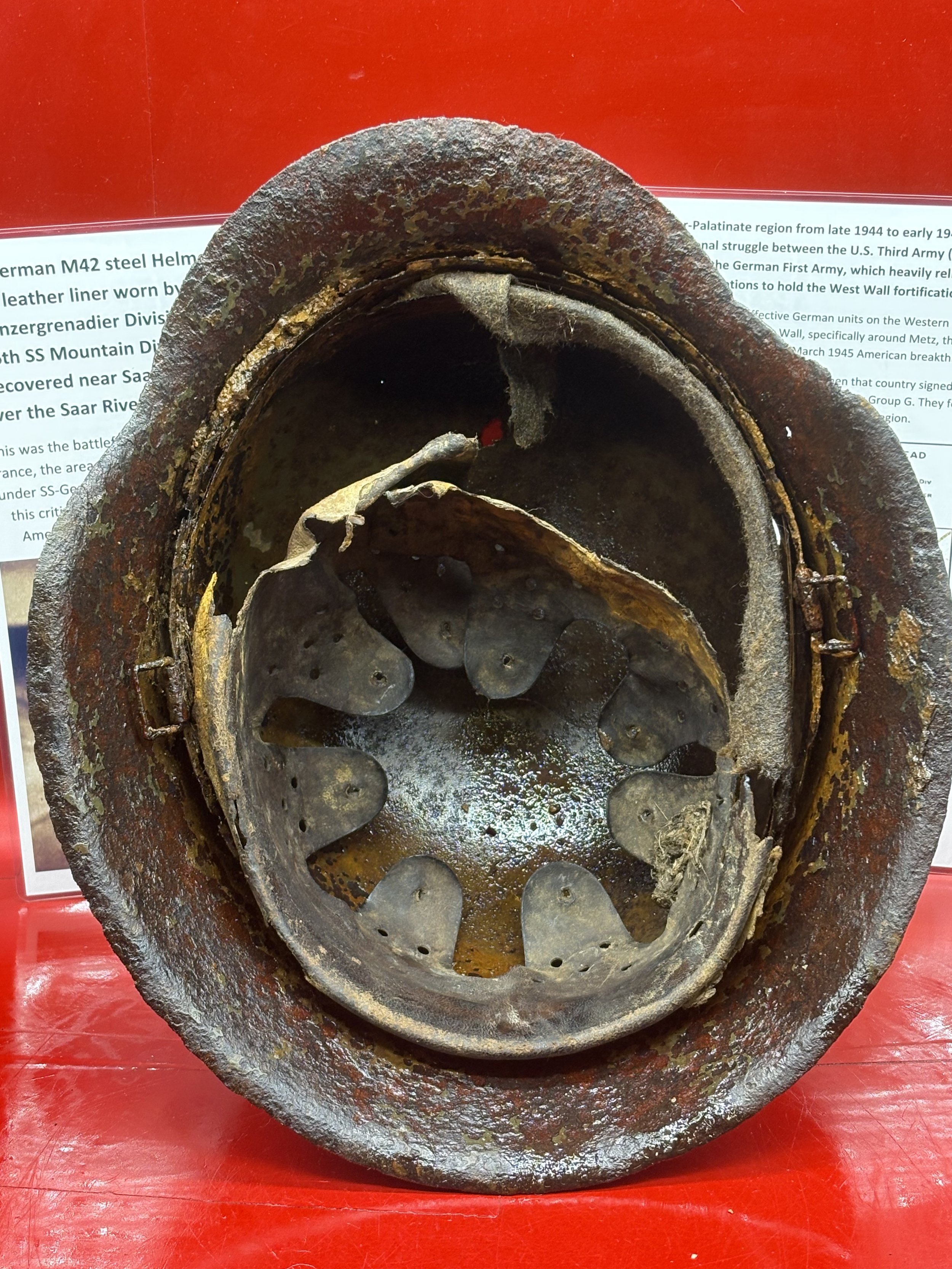 Image 8 of 12
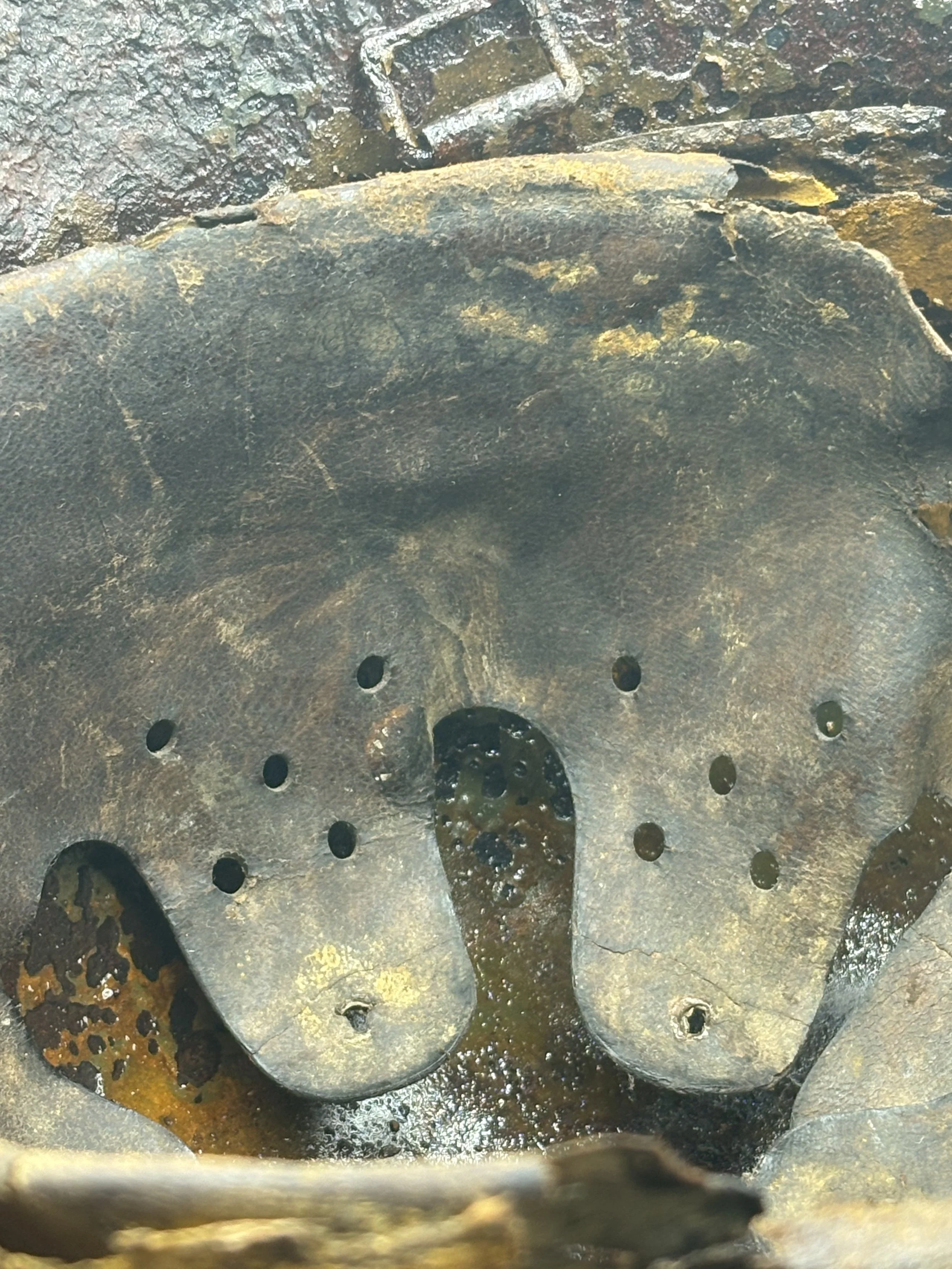 Image 9 of 12
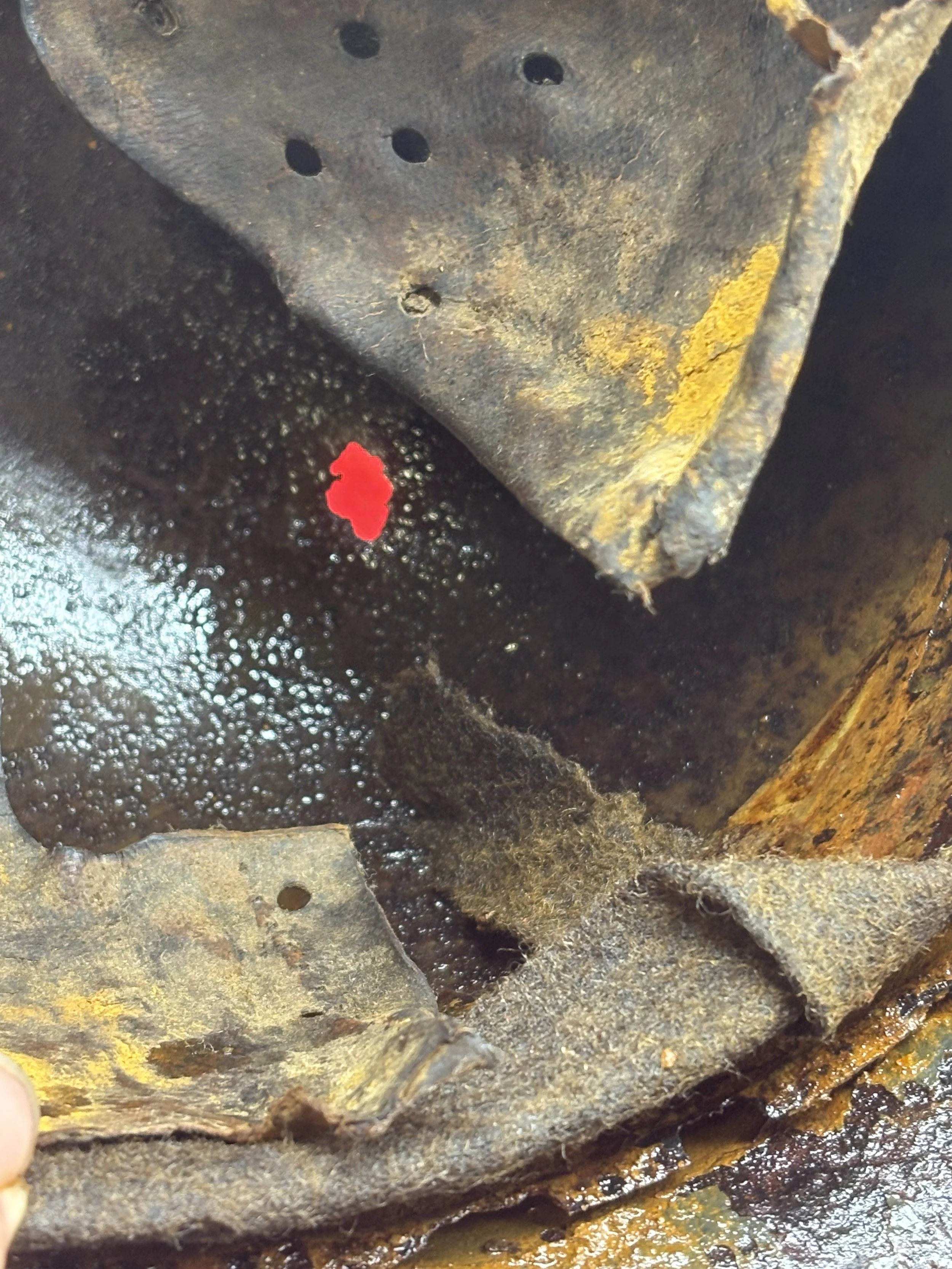 Image 10 of 12
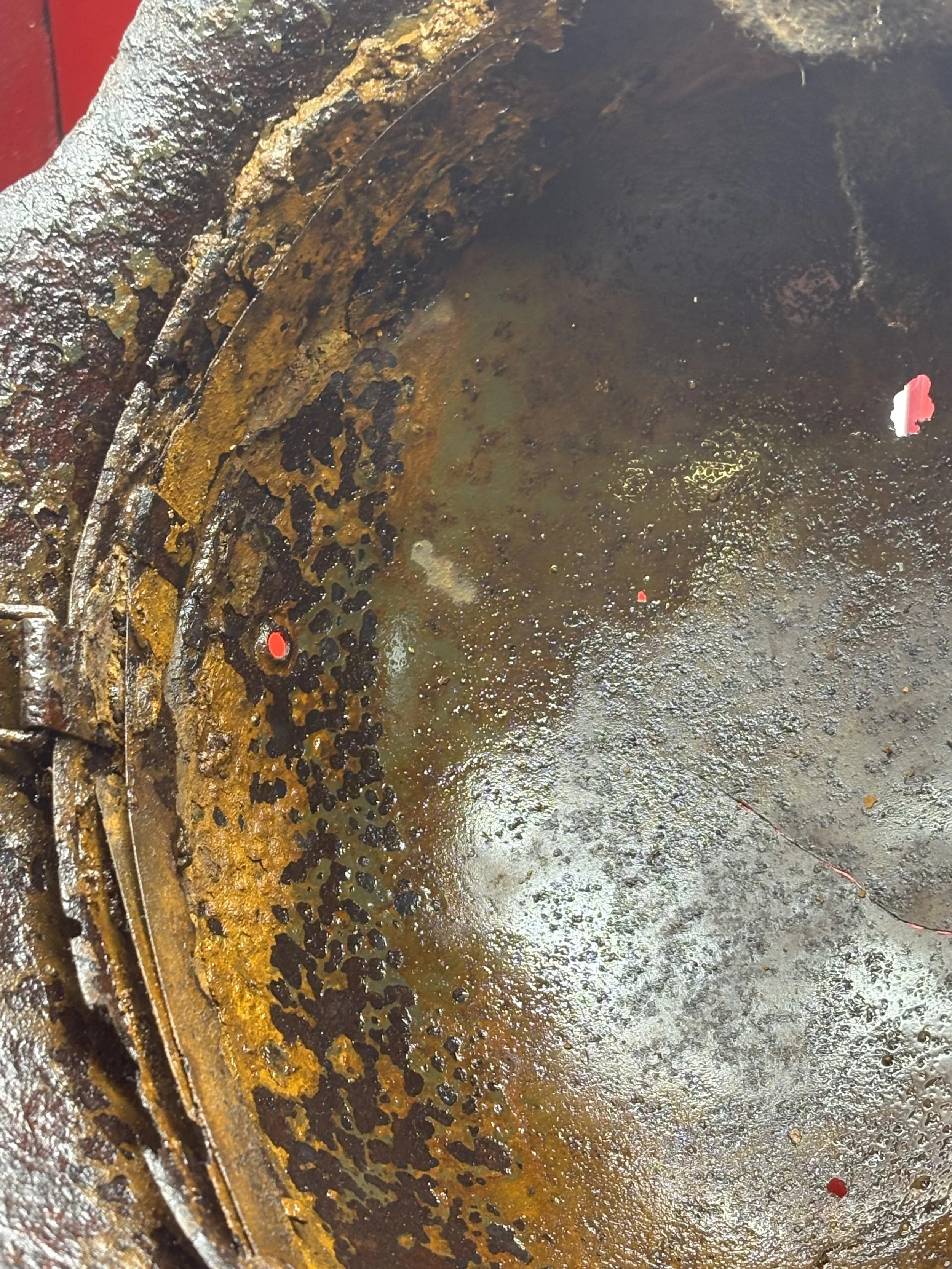 Image 11 of 12
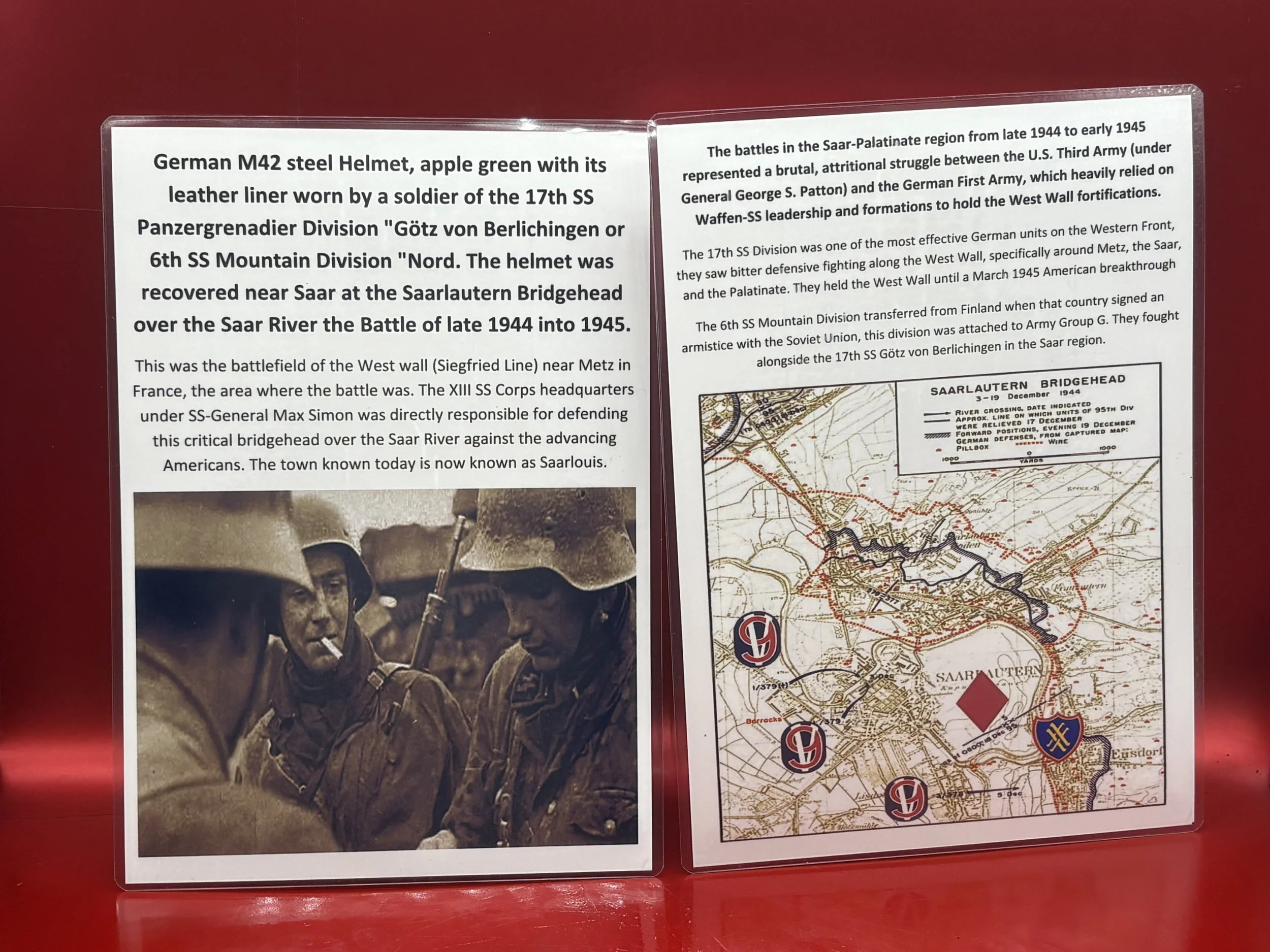 Image 12 of 12