Sale Price:
£95.00
Original Price:
£115.00
This is a German carry case which held 6 Nebelkerze 39 smoke pots which was made in 1938 with a last packing date label of May 1942.The pots which were designed to conceal troop movements and create screens.
The crate is in very nice condition, with the wood still retaining most of its original green paintwork with its white stamped maker markings on the top of the lid and on one side it is maker marked and dated 1938.The crate shows some dirt, discoloration, and minor damage from use but nothing to bad. The crate remains solid, not breaking up or falling apart. It has experienced some very light woodworm, but this has been treated, and the box is well preserved. Both hinges are intact and in good condition; the lock does work properly and the hinges are in good condition and working the lid opens and closes without issue and has the paper label inside. The metal carry handles are also present and work perfectly. This is a fine example of this unusual crate which is perfect for display or any collection. The crate which was recovered from inside an old building in the area of Orel Salient which was heavily fought over during the opening battles in Operation Citadel during the German Kursk offensive and Russian counterattack in July-August 1943 in Russia. The crate comes with 2 laminated A5 information cards featuring photographs and a map.
On 12 July the Soviets launched operation Kutuzov, their counter-offensive upon the Orel salient, which threatened the flank and rear of Model's 9th Army. The 12th Panzer Division, thus far held in reserve and slated to be committed to the northern side of the Kursk salient, along with the 36th Motorized Infantry, 18th Panzer and 20th Panzer Divisions were redeployed to face the Soviet spearheads
This is a German carry case which held 6 Nebelkerze 39 smoke pots which was made in 1938 with a last packing date label of May 1942.The pots which were designed to conceal troop movements and create screens.
The crate is in very nice condition, with the wood still retaining most of its original green paintwork with its white stamped maker markings on the top of the lid and on one side it is maker marked and dated 1938.The crate shows some dirt, discoloration, and minor damage from use but nothing to bad. The crate remains solid, not breaking up or falling apart. It has experienced some very light woodworm, but this has been treated, and the box is well preserved. Both hinges are intact and in good condition; the lock does work properly and the hinges are in good condition and working the lid opens and closes without issue and has the paper label inside. The metal carry handles are also present and work perfectly. This is a fine example of this unusual crate which is perfect for display or any collection. The crate which was recovered from inside an old building in the area of Orel Salient which was heavily fought over during the opening battles in Operation Citadel during the German Kursk offensive and Russian counterattack in July-August 1943 in Russia. The crate comes with 2 laminated A5 information cards featuring photographs and a map.
On 12 July the Soviets launched operation Kutuzov, their counter-offensive upon the Orel salient, which threatened the flank and rear of Model's 9th Army. The 12th Panzer Division, thus far held in reserve and slated to be committed to the northern side of the Kursk salient, along with the 36th Motorized Infantry, 18th Panzer and 20th Panzer Divisions were redeployed to face the Soviet spearheads

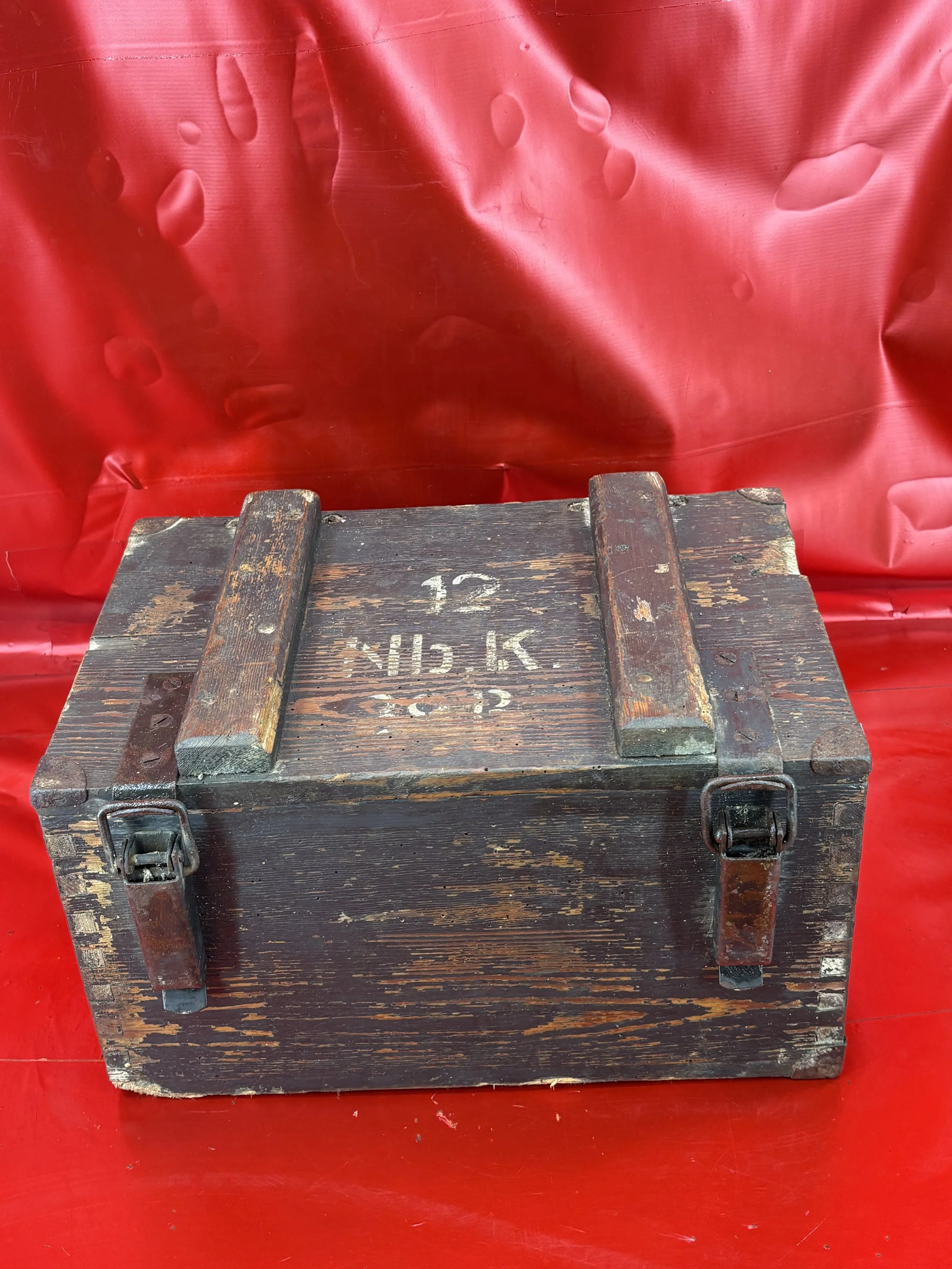 Image 1 of 12
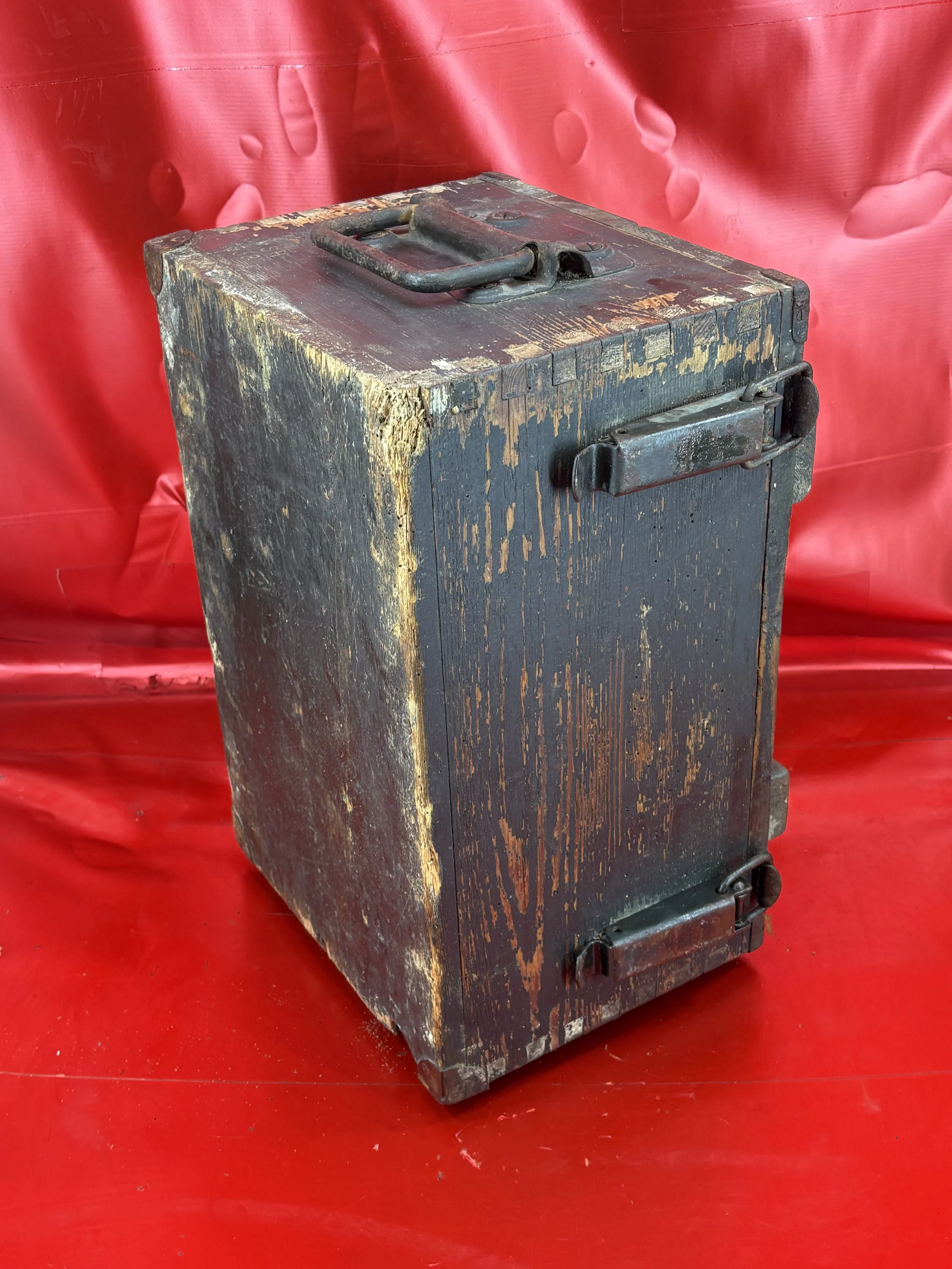 Image 2 of 12
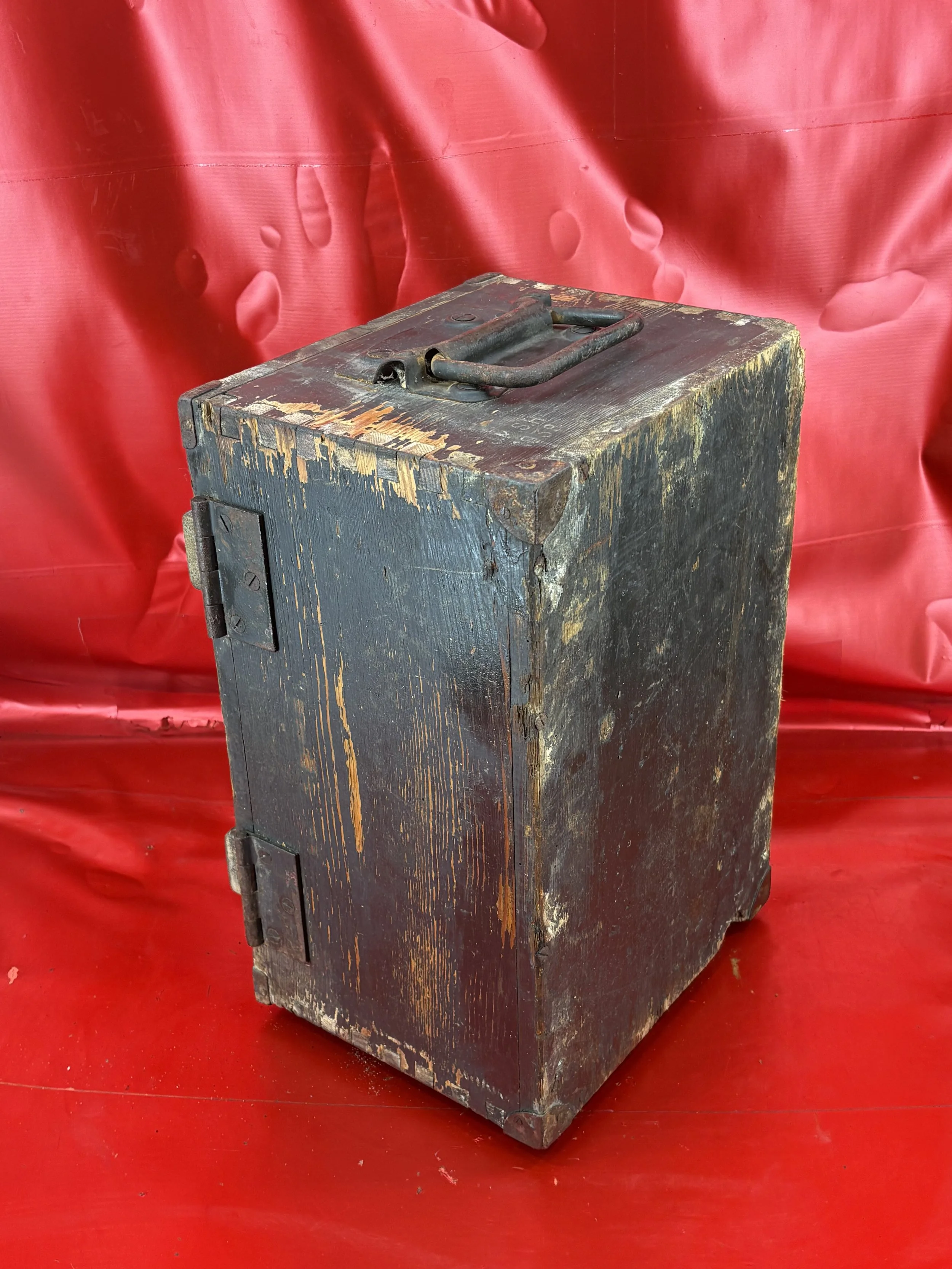 Image 3 of 12
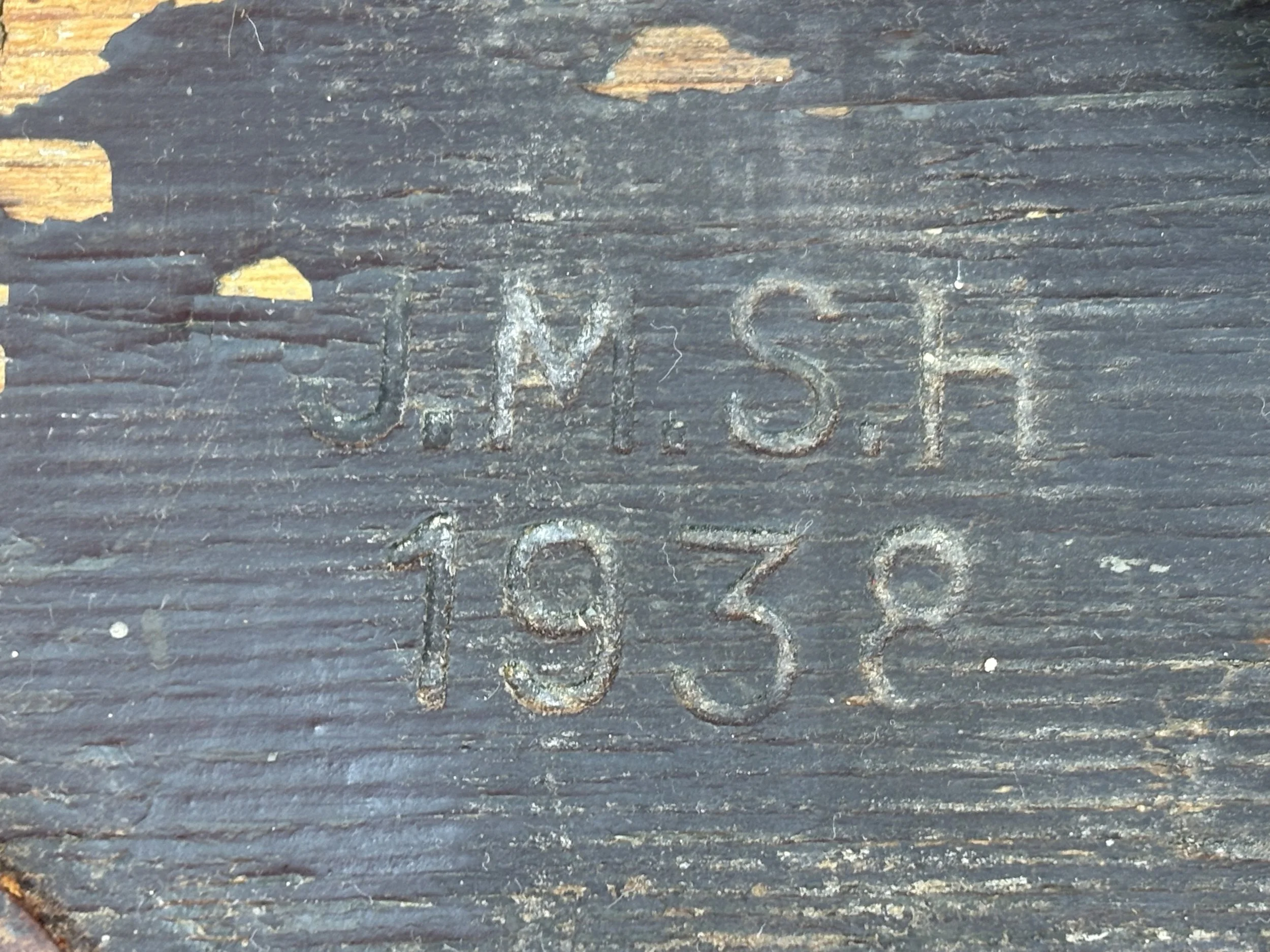 Image 4 of 12
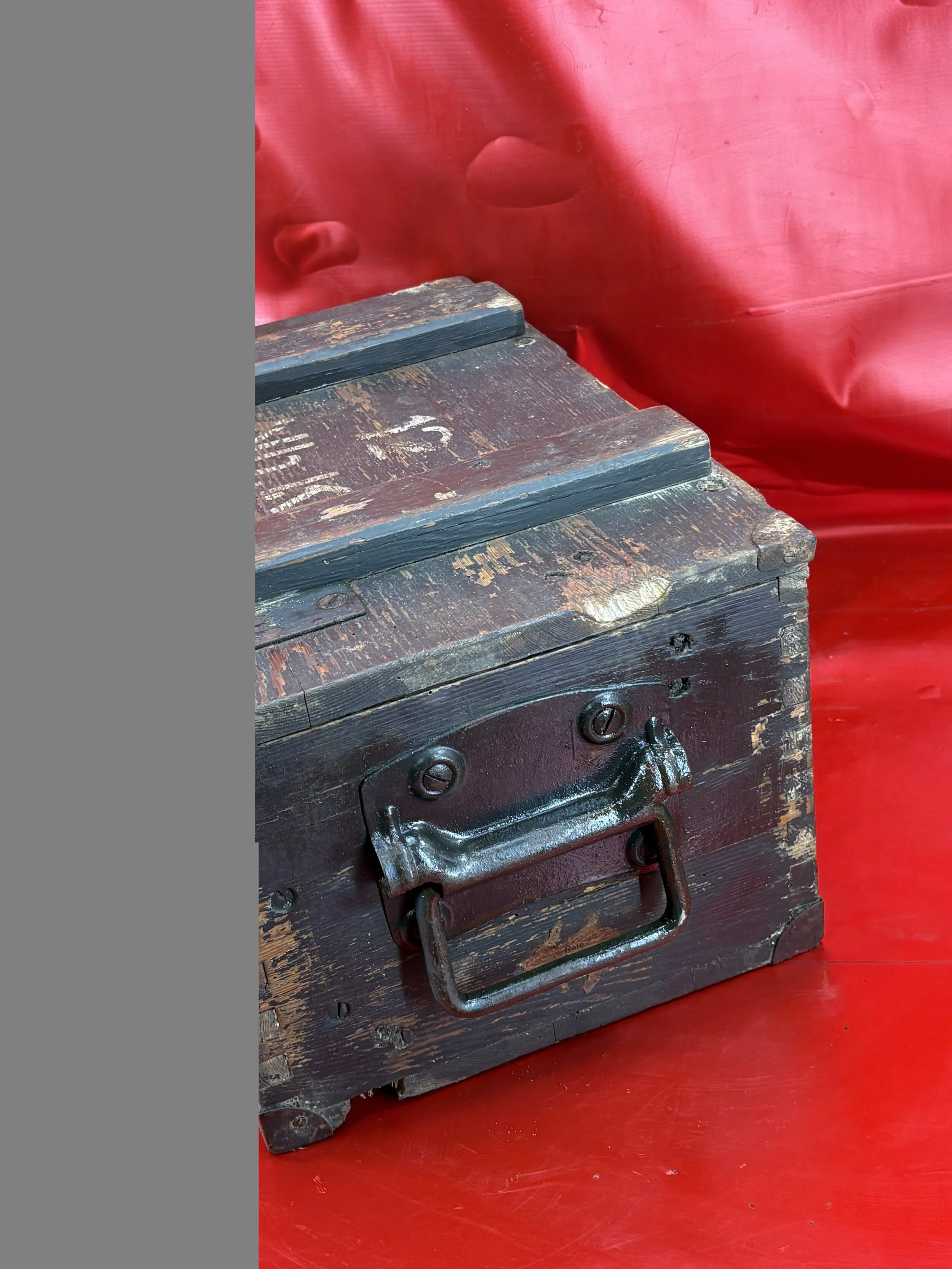 Image 5 of 12
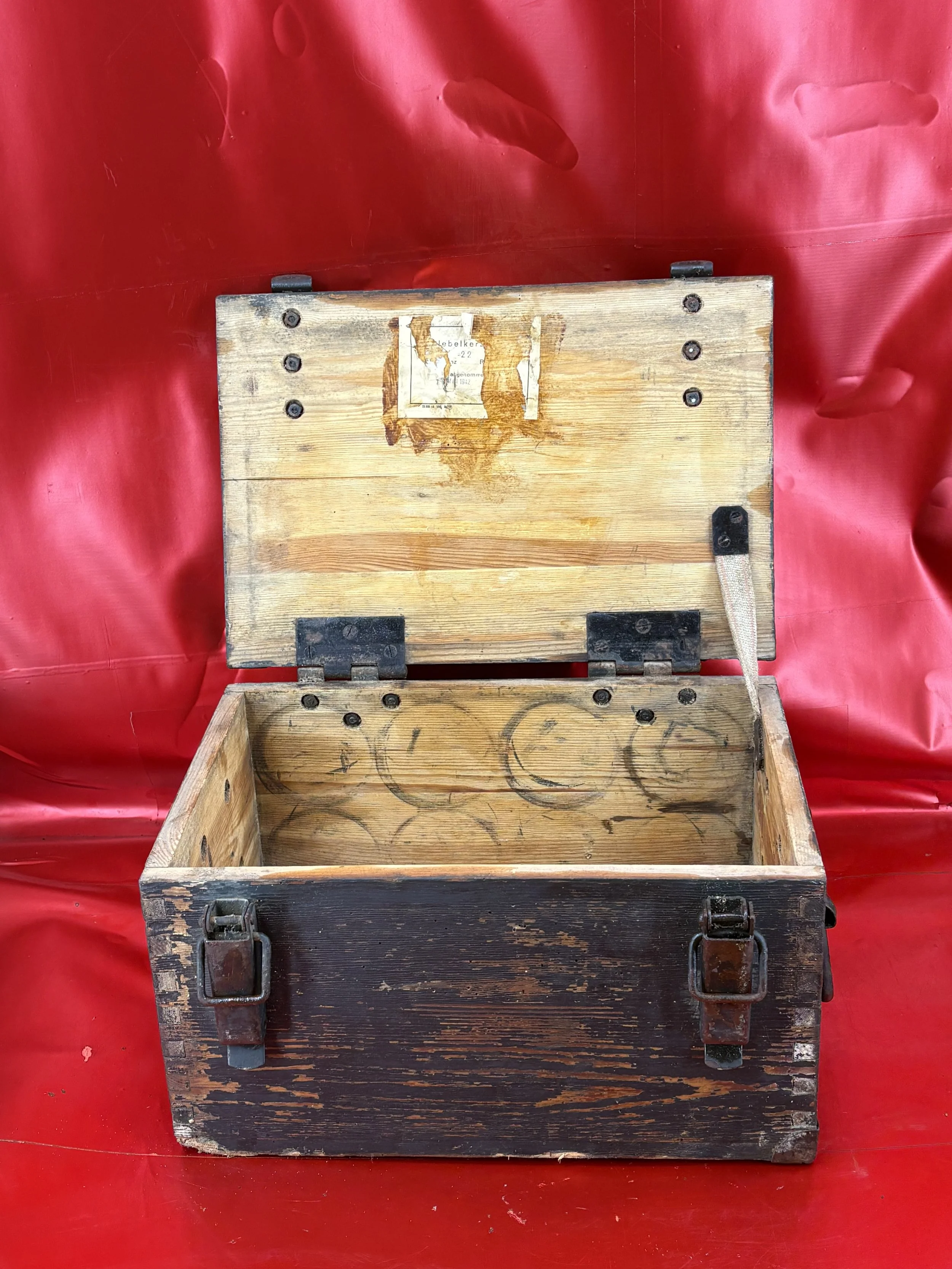 Image 6 of 12
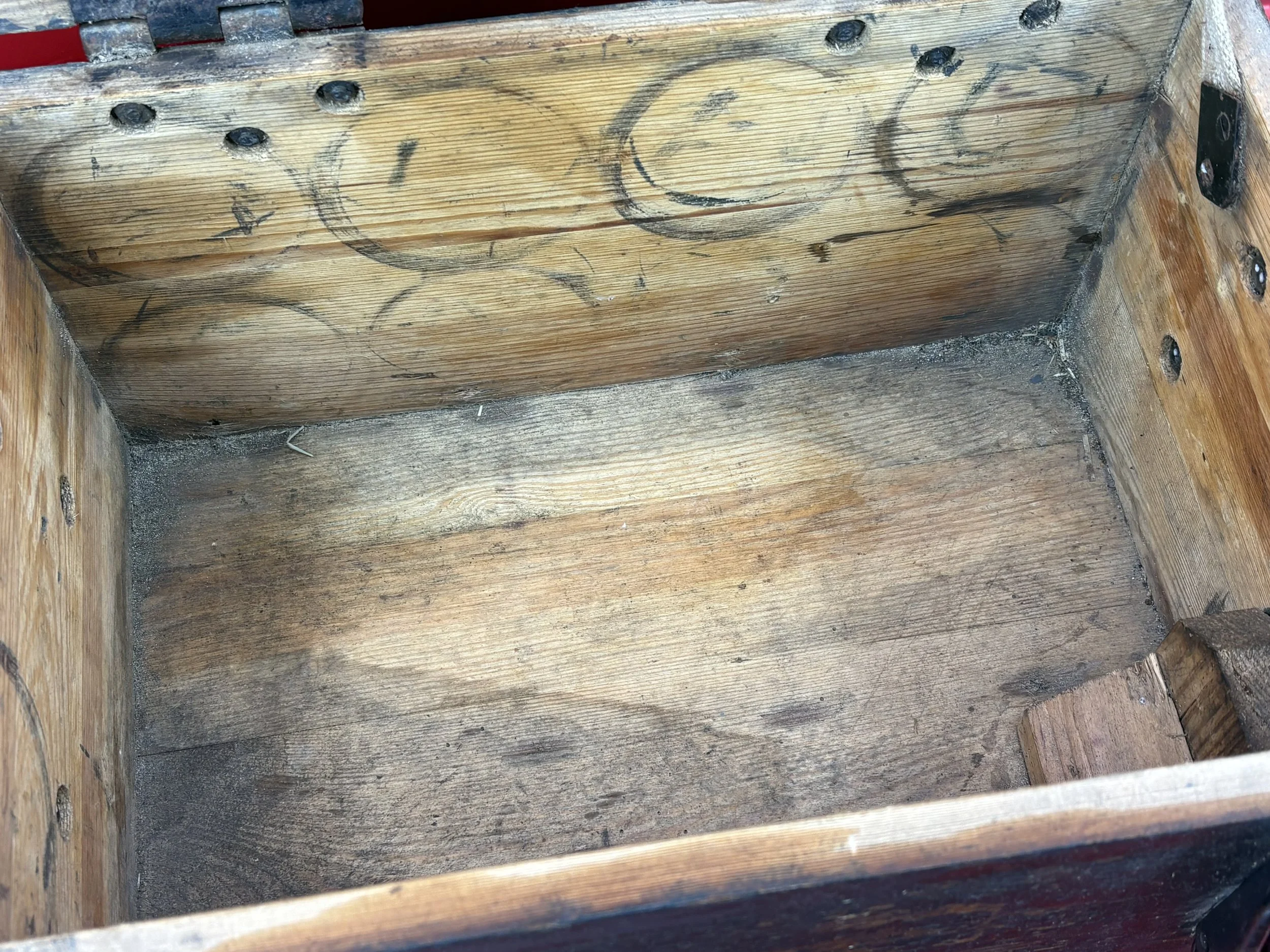 Image 7 of 12
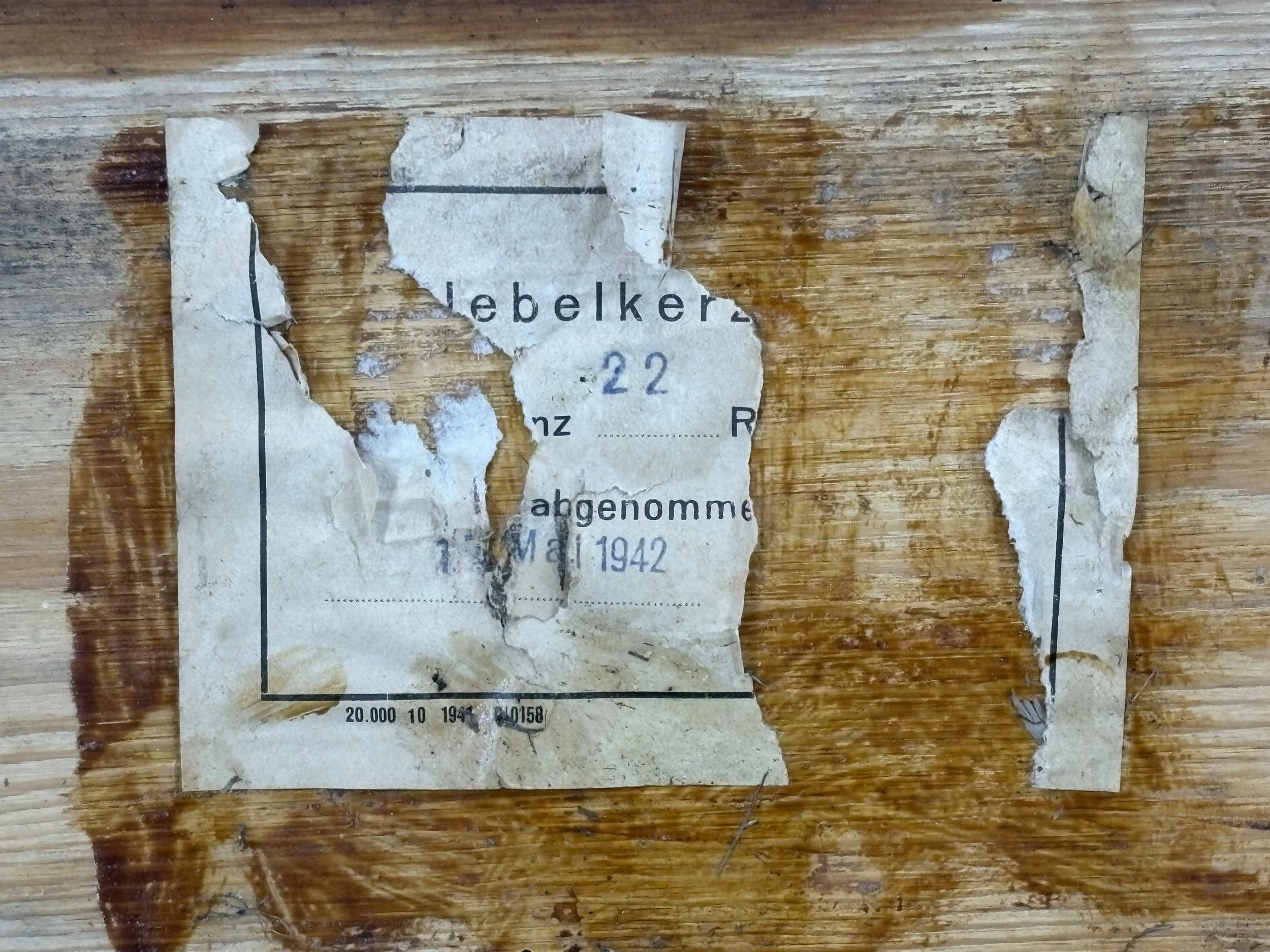 Image 8 of 12
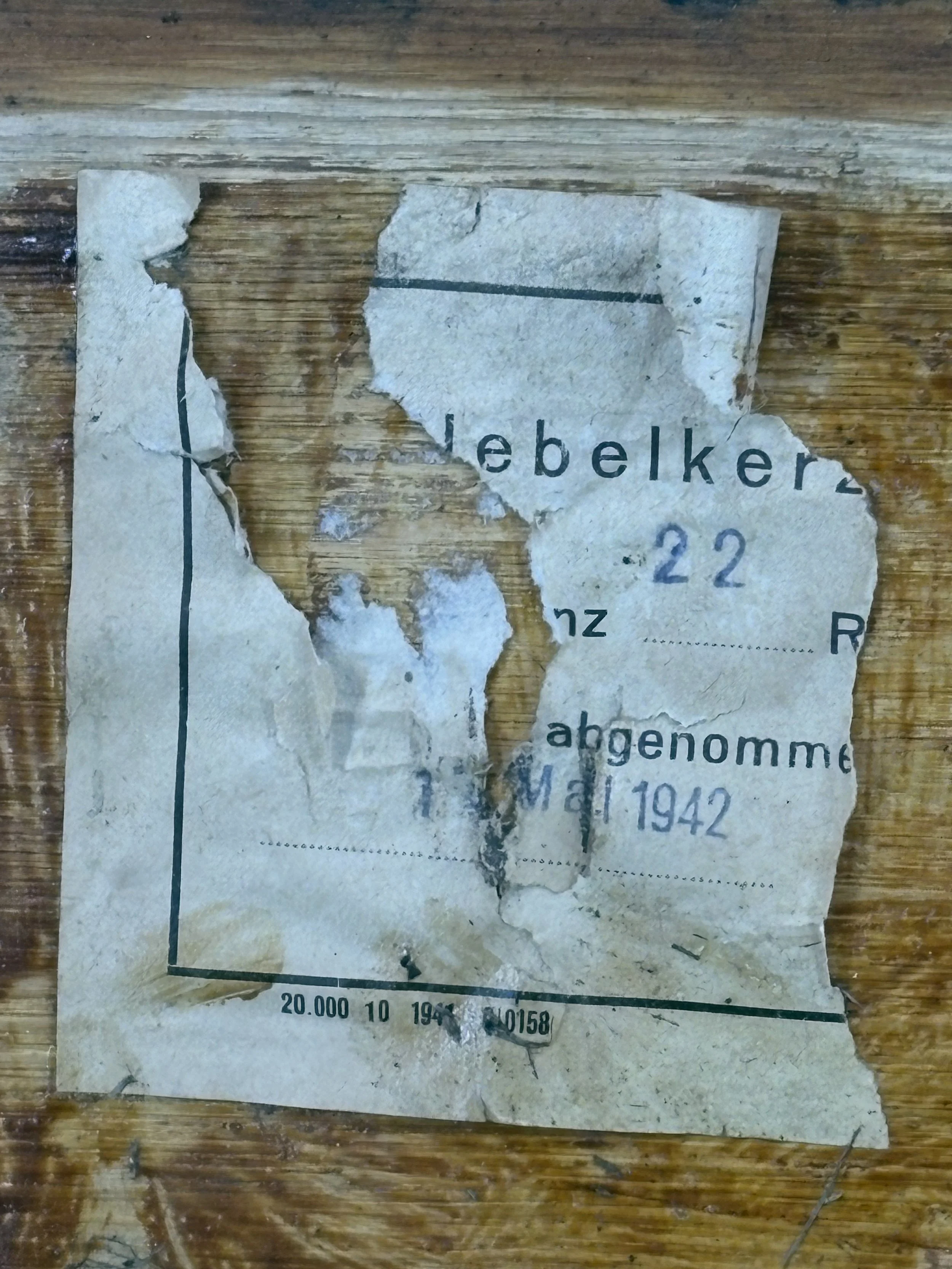 Image 9 of 12
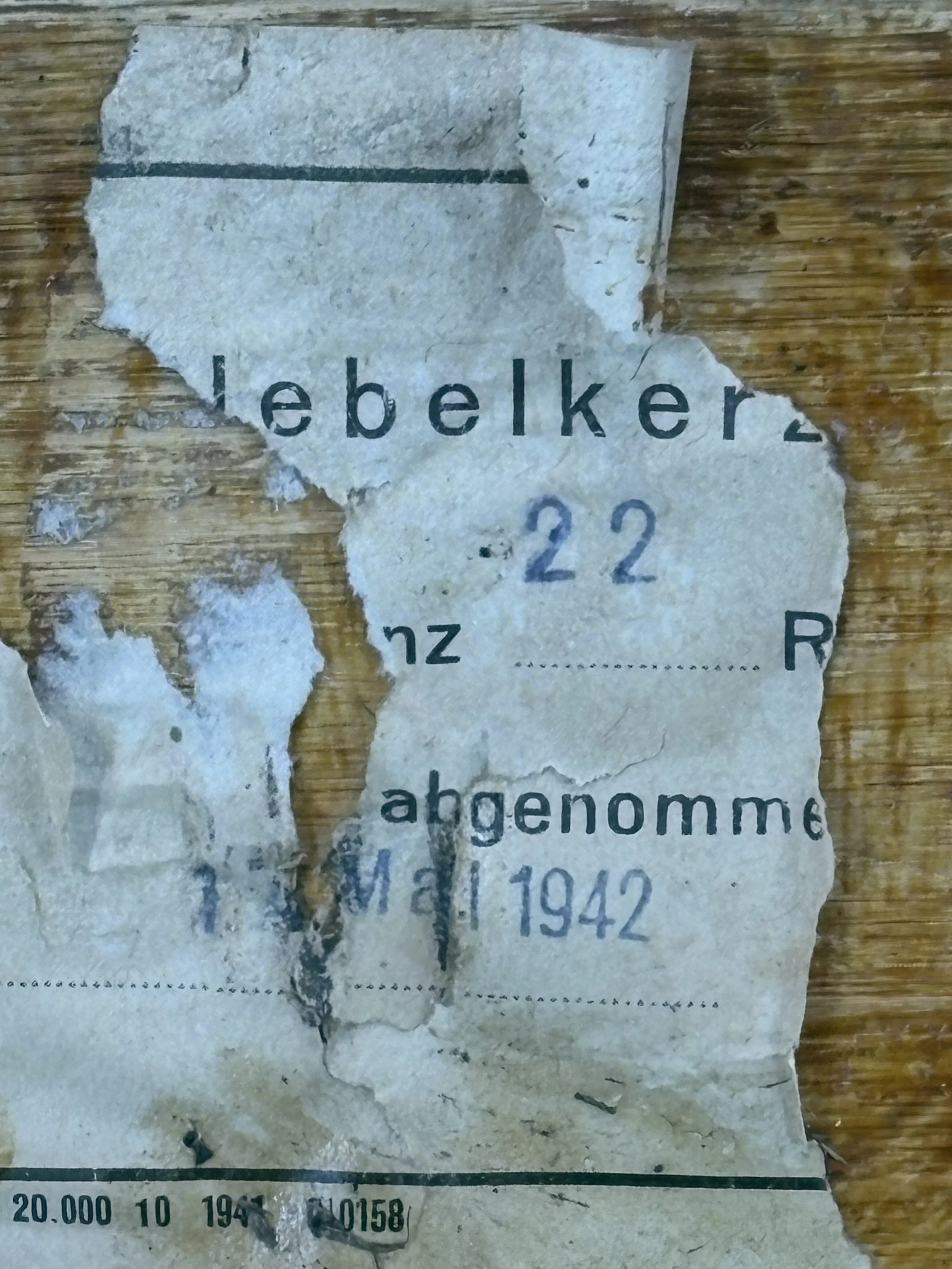 Image 10 of 12
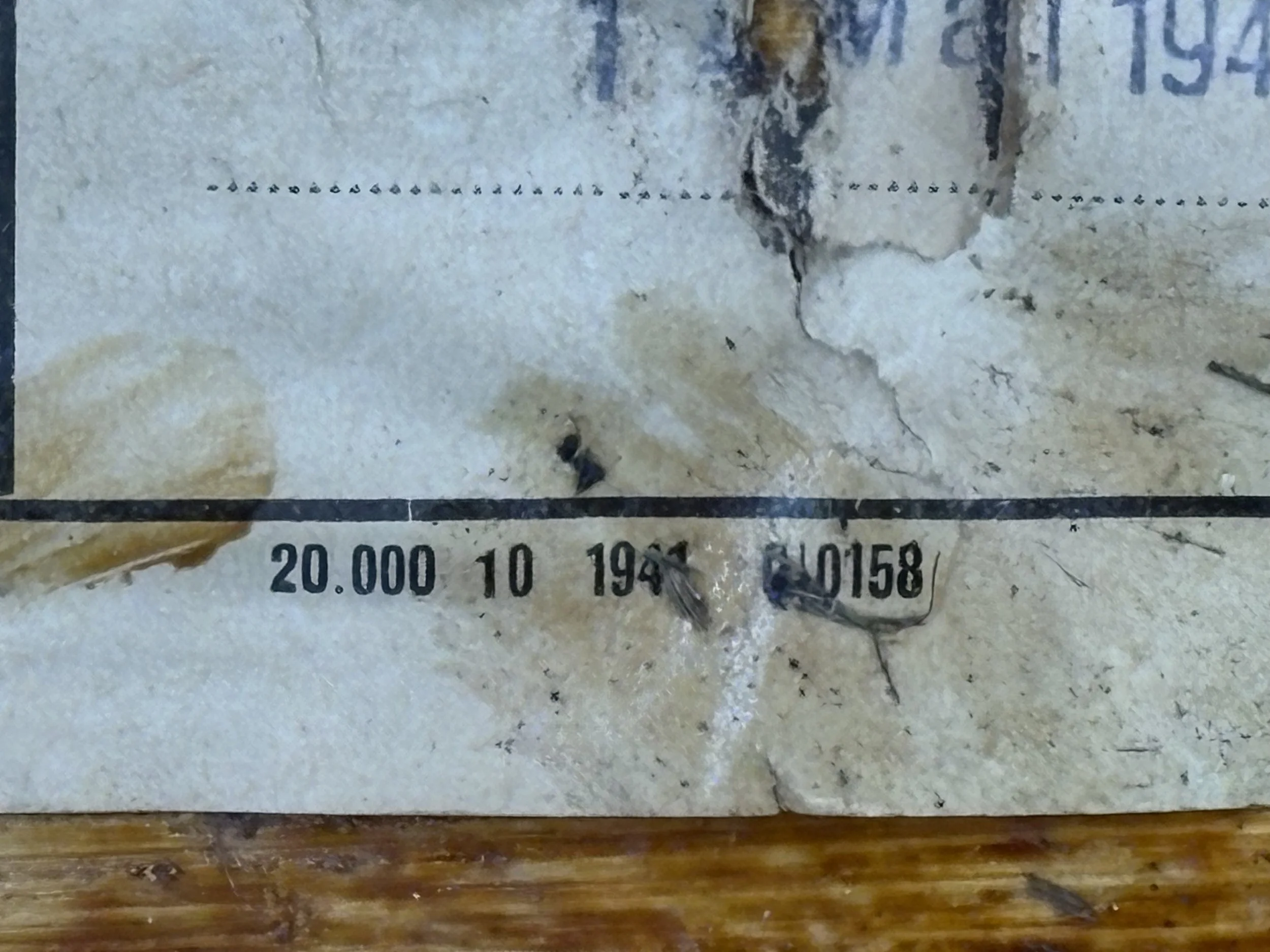 Image 11 of 12
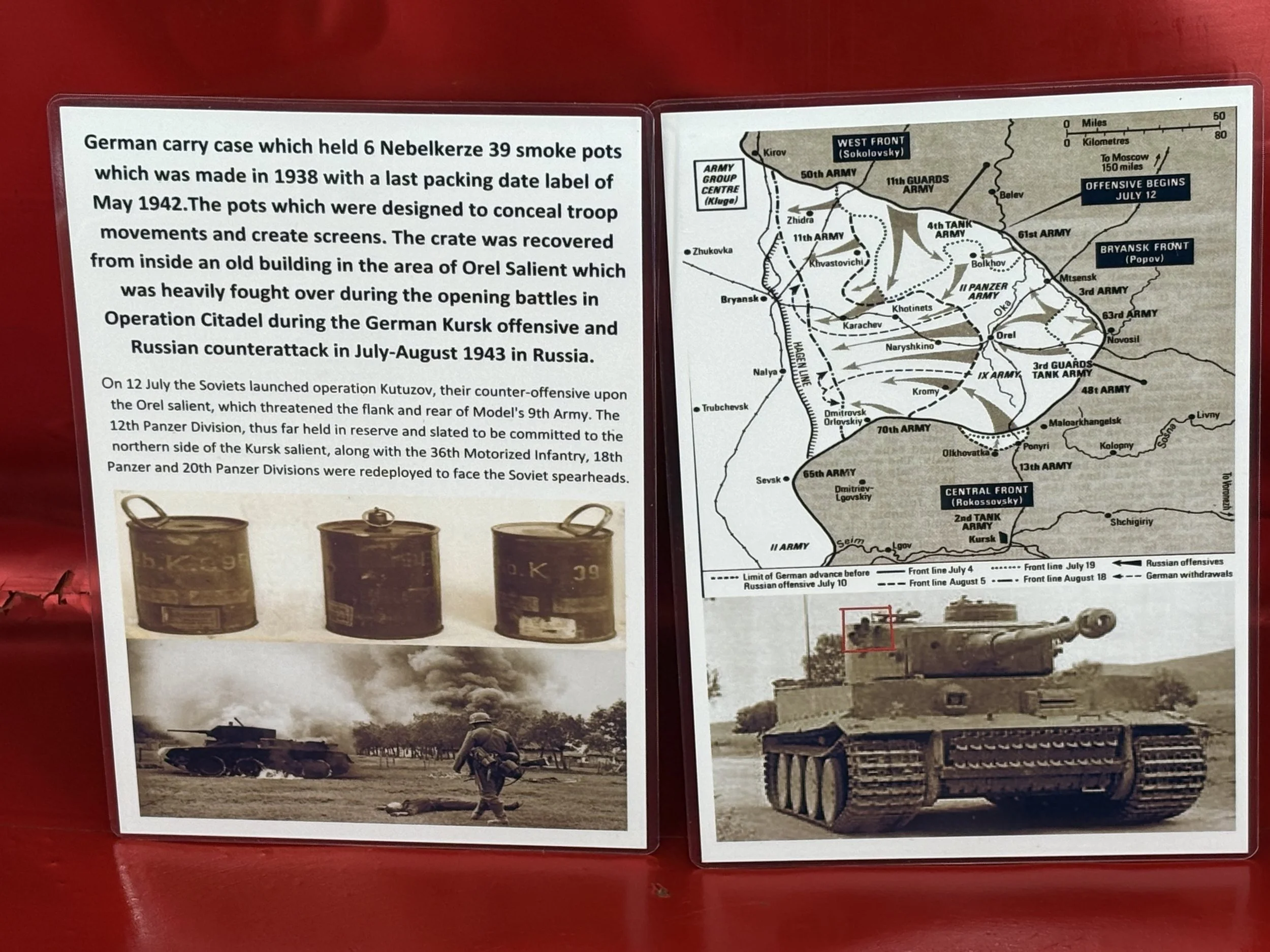 Image 12 of 12