This is a very nice relic British Lee Enfield 1907 pattern bayonet which has no remains of the wooden handle .The bayonet which is relic and rusty it is still very solid and not breaking up it has been cleaned but still has a little bit of Somme mud still attached to it. The blade is complete even still sharp but overall lovely condition for a relic it is perfect for display or any collection. The bayonet was recovered in 2012 from the area of Schwaben Redoubt near Thiepval on the Somme Battlefield of June to October 1916.The bayonet comes with 2xA5 laminated information cards with pictures and map.
The Capture of Schwaben Redoubt (Schwaben-Feste) was a tactical incident in the Battle of the Somme, 1916. The redoubt was a German strong point 500–600 yd (460–550 m) long and 200 yd (180 m) wide, built-in stages since 1915, near the village of Thiepval, overlooking the River Ancre. It formed part of the German defensive system in the Somme sector of the Western Front and consisting of a mass of machine-gun emplacements, trenches and dug outs. The redoubt was defended by the 26th Reserve Division, from Swabia in south-west Germany, which had arrived in the area during the first battle of Albert in 1914. Troops of the 36th Ulster Division captured the redoubt on 1 July 1916, until forced out by German bombardments and counter-attacks after night had fallen. The British kept the area of the redoubt under bombardment until 3 September, when the 49th West Riding Division attacked the area from the west, in a morning fog. The 36th Division infantry got across no man's land but were defeated, when German artillery and machine gun fire swept the Irish troops and German infantry counter-attacked from the flanks, using hand grenades. In late September, the British gained a footing in the redoubt, during the Battle of Thiepval Ridge (26–28 September). Attack and counterattack followed until 14 October, when troops of the 39th Division, captured the last German foothold in the redoubt and repulsed German counterattacks from 15–21 October 1916.
This is a very nice relic British Lee Enfield 1907 pattern bayonet which has no remains of the wooden handle .The bayonet which is relic and rusty it is still very solid and not breaking up it has been cleaned but still has a little bit of Somme mud still attached to it. The blade is complete even still sharp but overall lovely condition for a relic it is perfect for display or any collection. The bayonet was recovered in 2012 from the area of Schwaben Redoubt near Thiepval on the Somme Battlefield of June to October 1916.The bayonet comes with 2xA5 laminated information cards with pictures and map.
The Capture of Schwaben Redoubt (Schwaben-Feste) was a tactical incident in the Battle of the Somme, 1916. The redoubt was a German strong point 500–600 yd (460–550 m) long and 200 yd (180 m) wide, built-in stages since 1915, near the village of Thiepval, overlooking the River Ancre. It formed part of the German defensive system in the Somme sector of the Western Front and consisting of a mass of machine-gun emplacements, trenches and dug outs. The redoubt was defended by the 26th Reserve Division, from Swabia in south-west Germany, which had arrived in the area during the first battle of Albert in 1914. Troops of the 36th Ulster Division captured the redoubt on 1 July 1916, until forced out by German bombardments and counter-attacks after night had fallen. The British kept the area of the redoubt under bombardment until 3 September, when the 49th West Riding Division attacked the area from the west, in a morning fog. The 36th Division infantry got across no man's land but were defeated, when German artillery and machine gun fire swept the Irish troops and German infantry counter-attacked from the flanks, using hand grenades. In late September, the British gained a footing in the redoubt, during the Battle of Thiepval Ridge (26–28 September). Attack and counterattack followed until 14 October, when troops of the 39th Division, captured the last German foothold in the redoubt and repulsed German counterattacks from 15–21 October 1916.

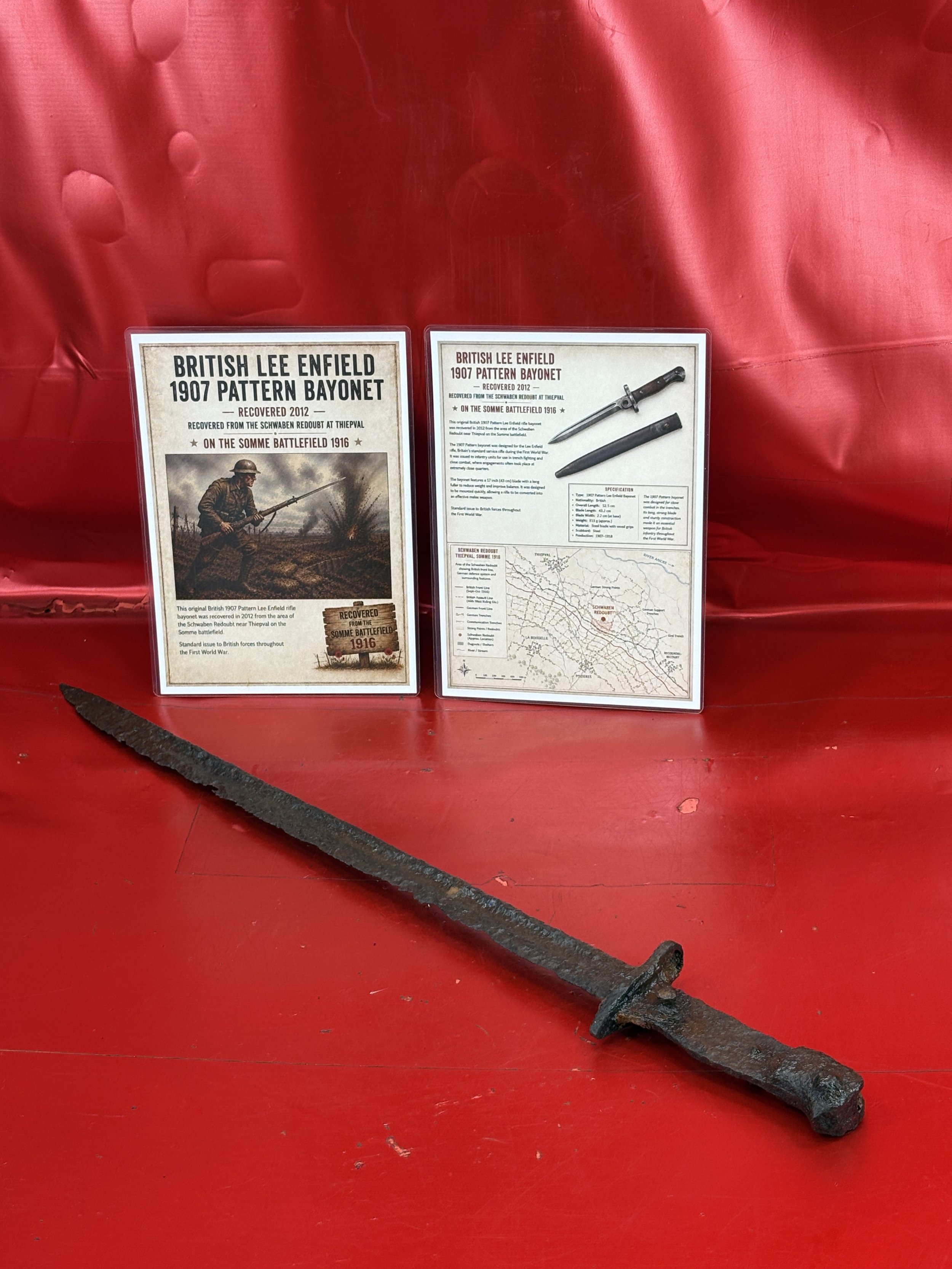 Image 1 of 12
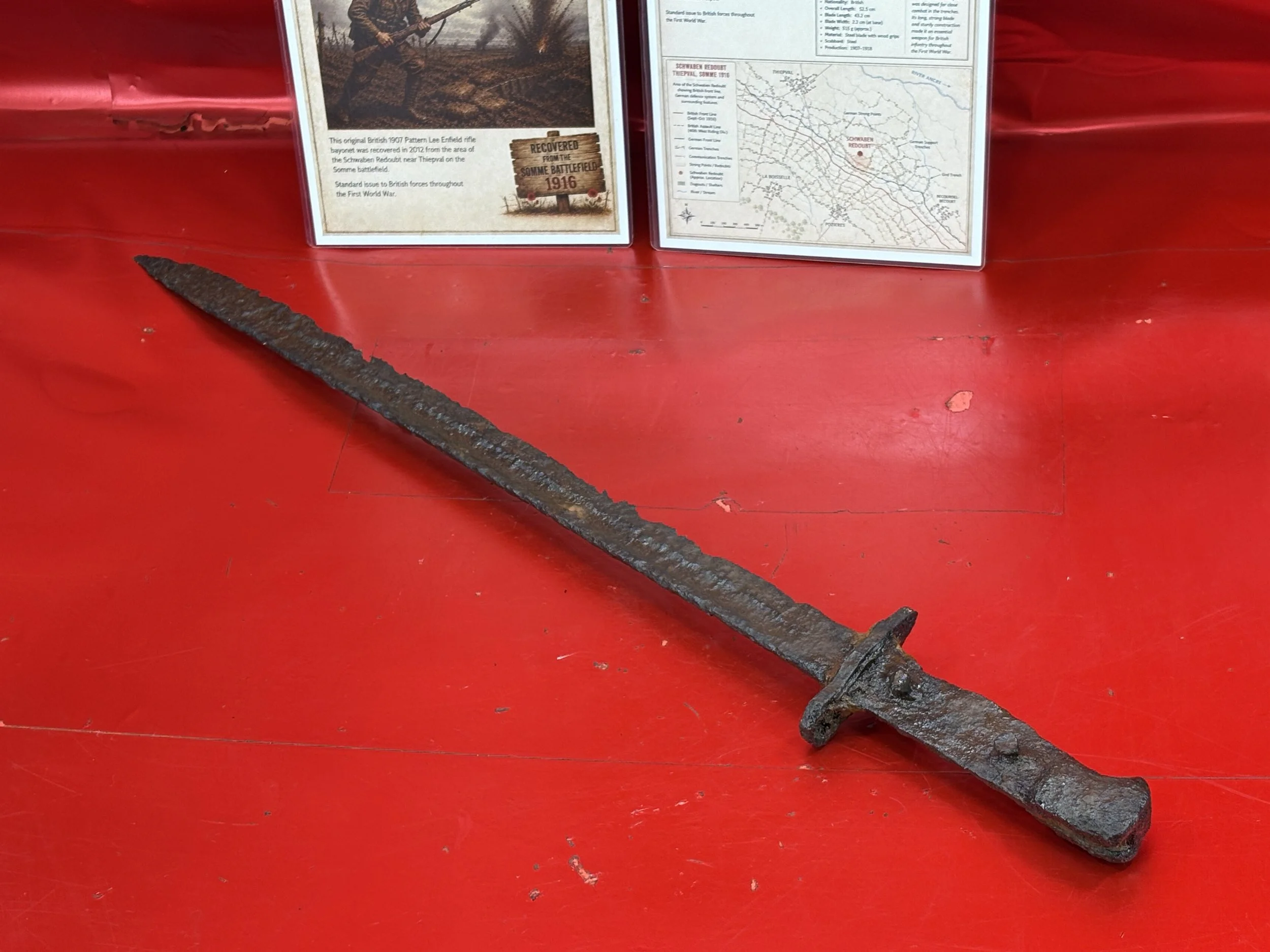 Image 2 of 12
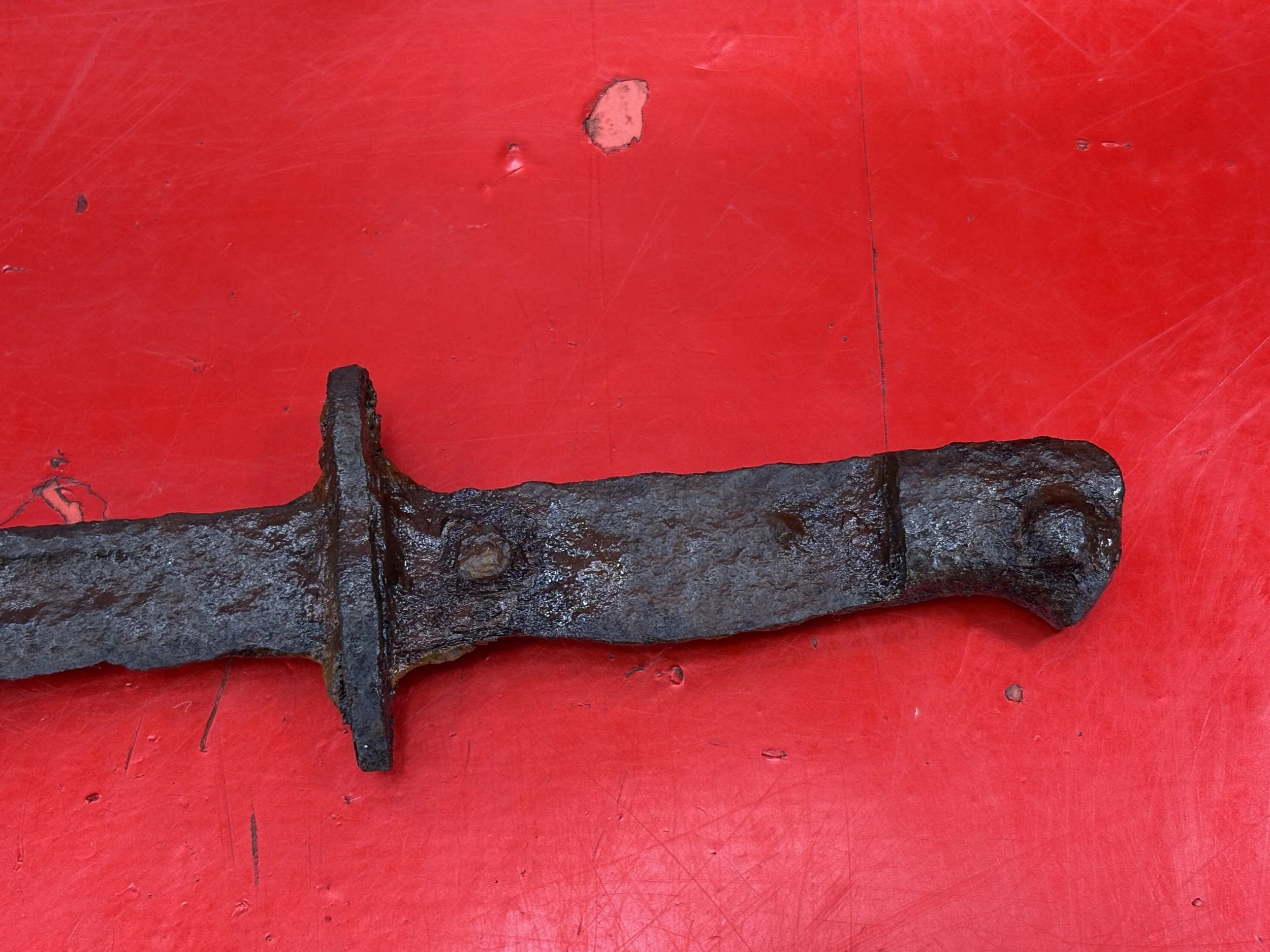 Image 3 of 12
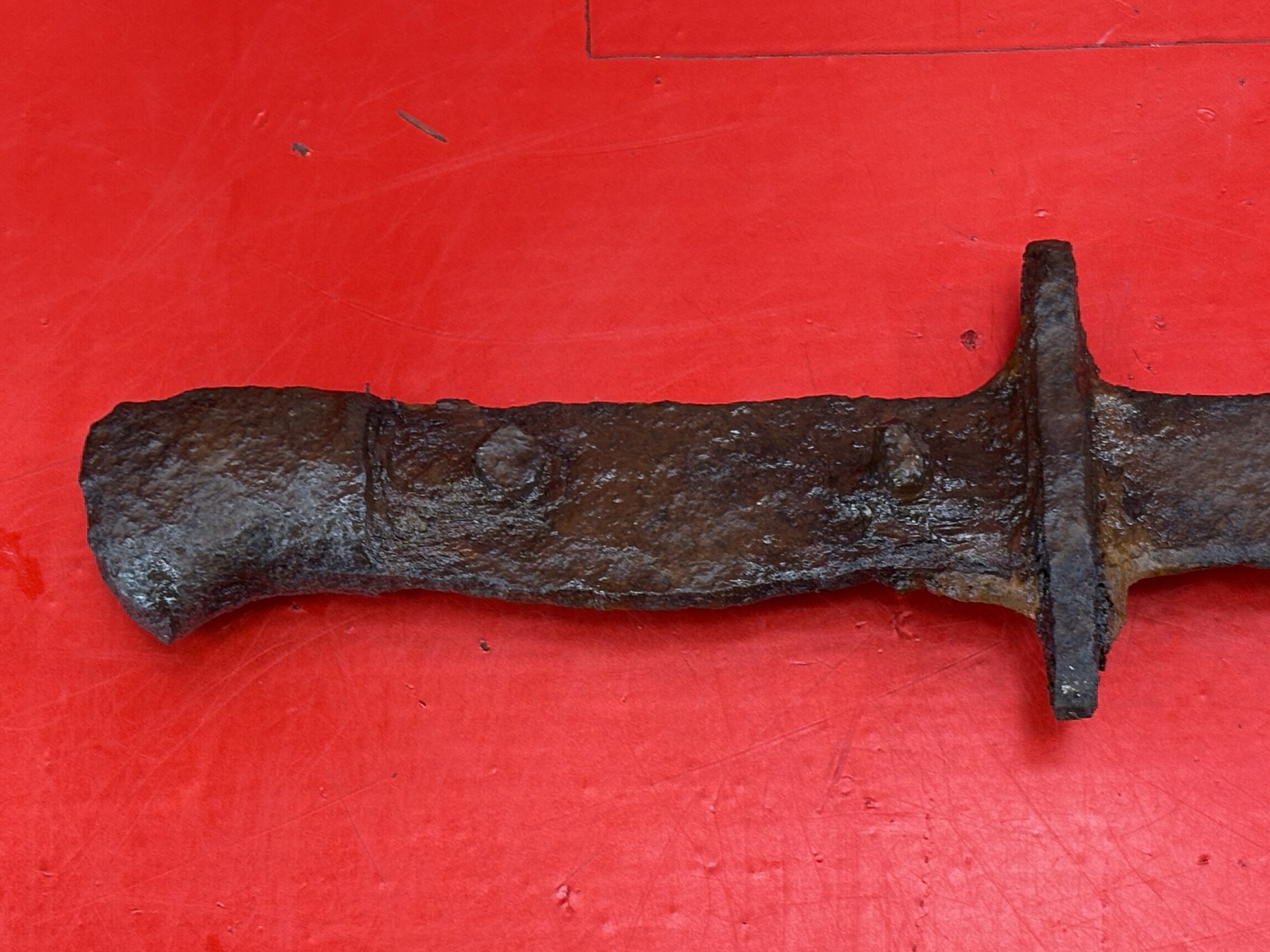 Image 4 of 12
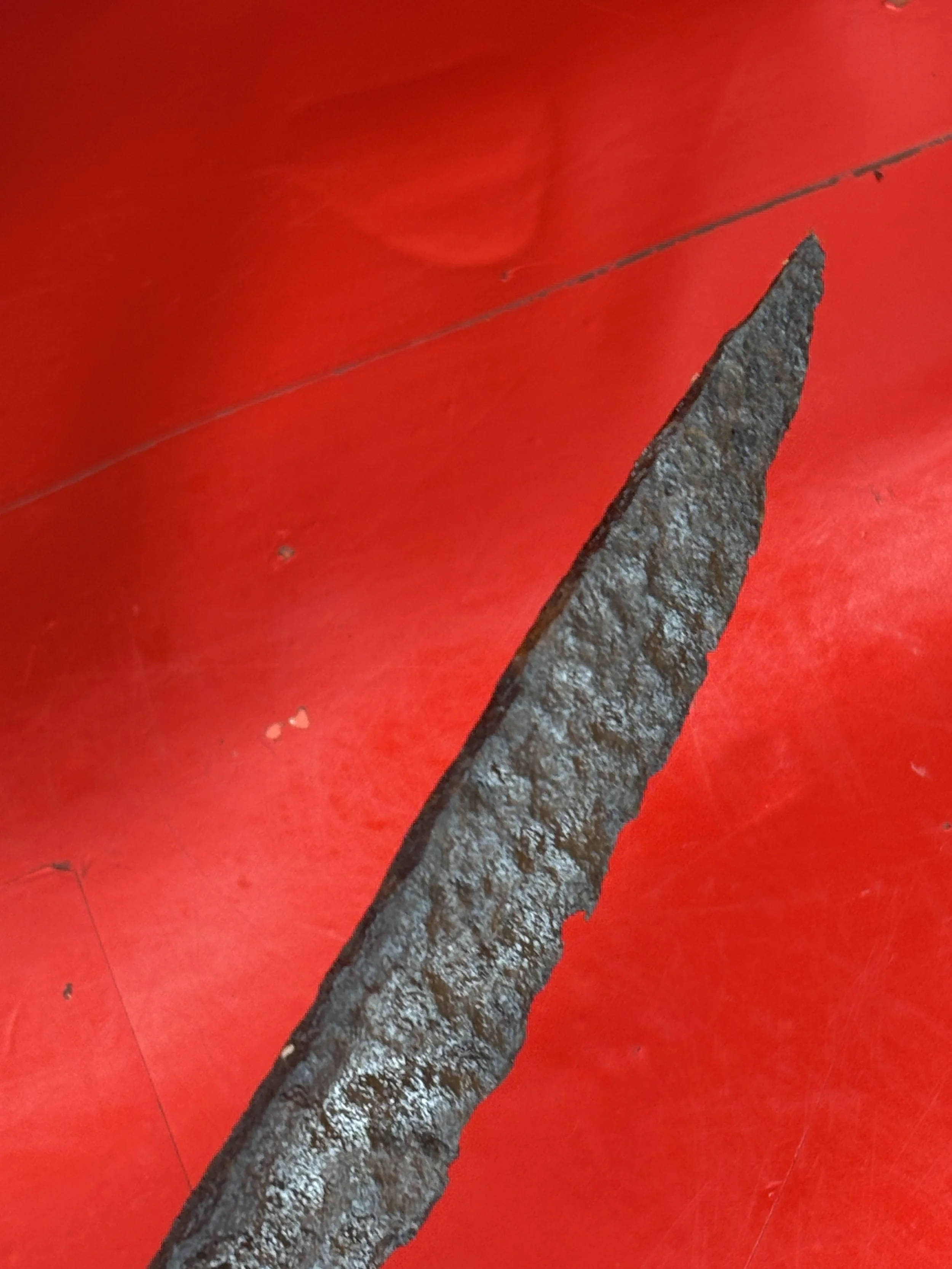 Image 5 of 12
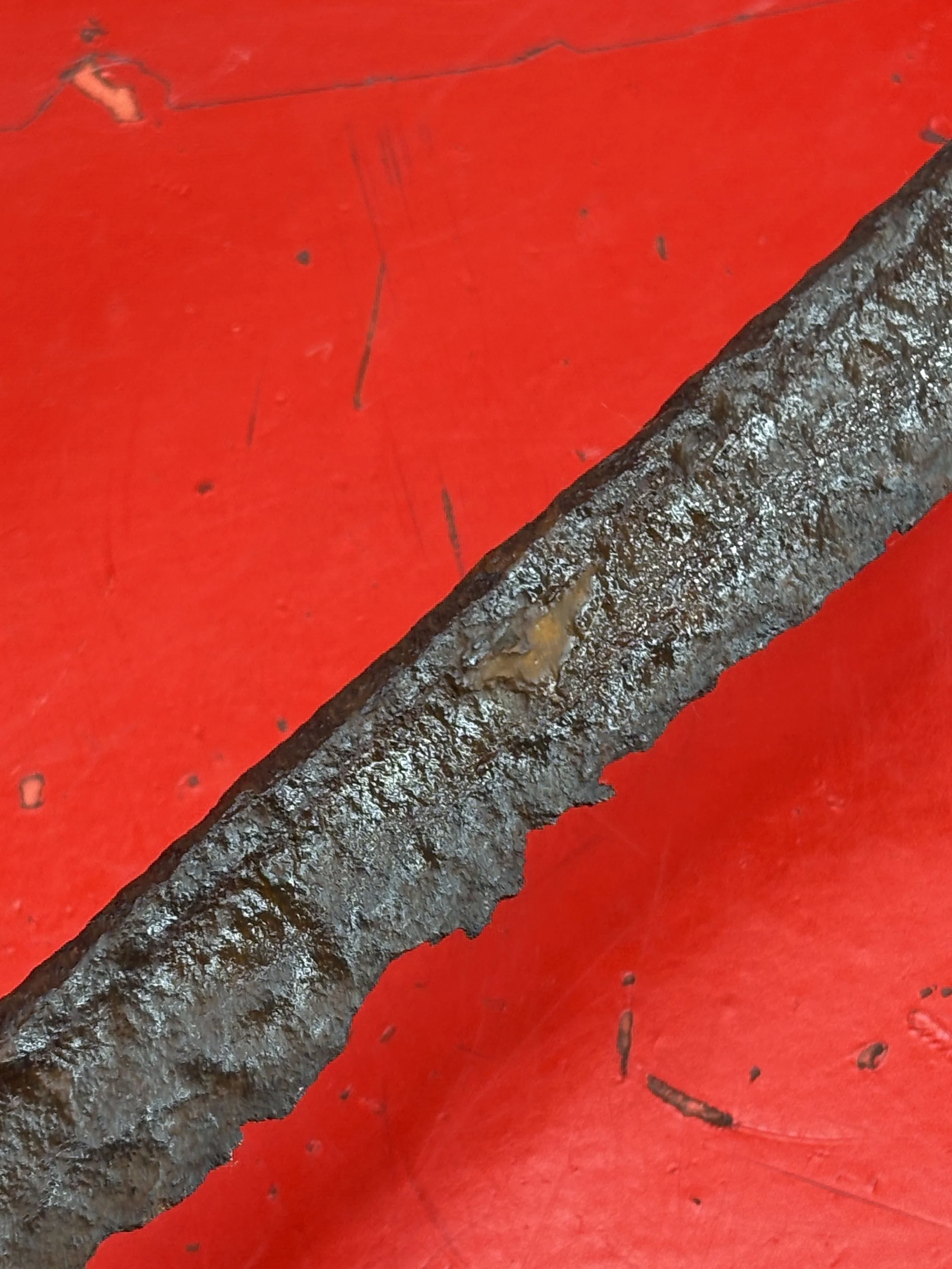 Image 6 of 12
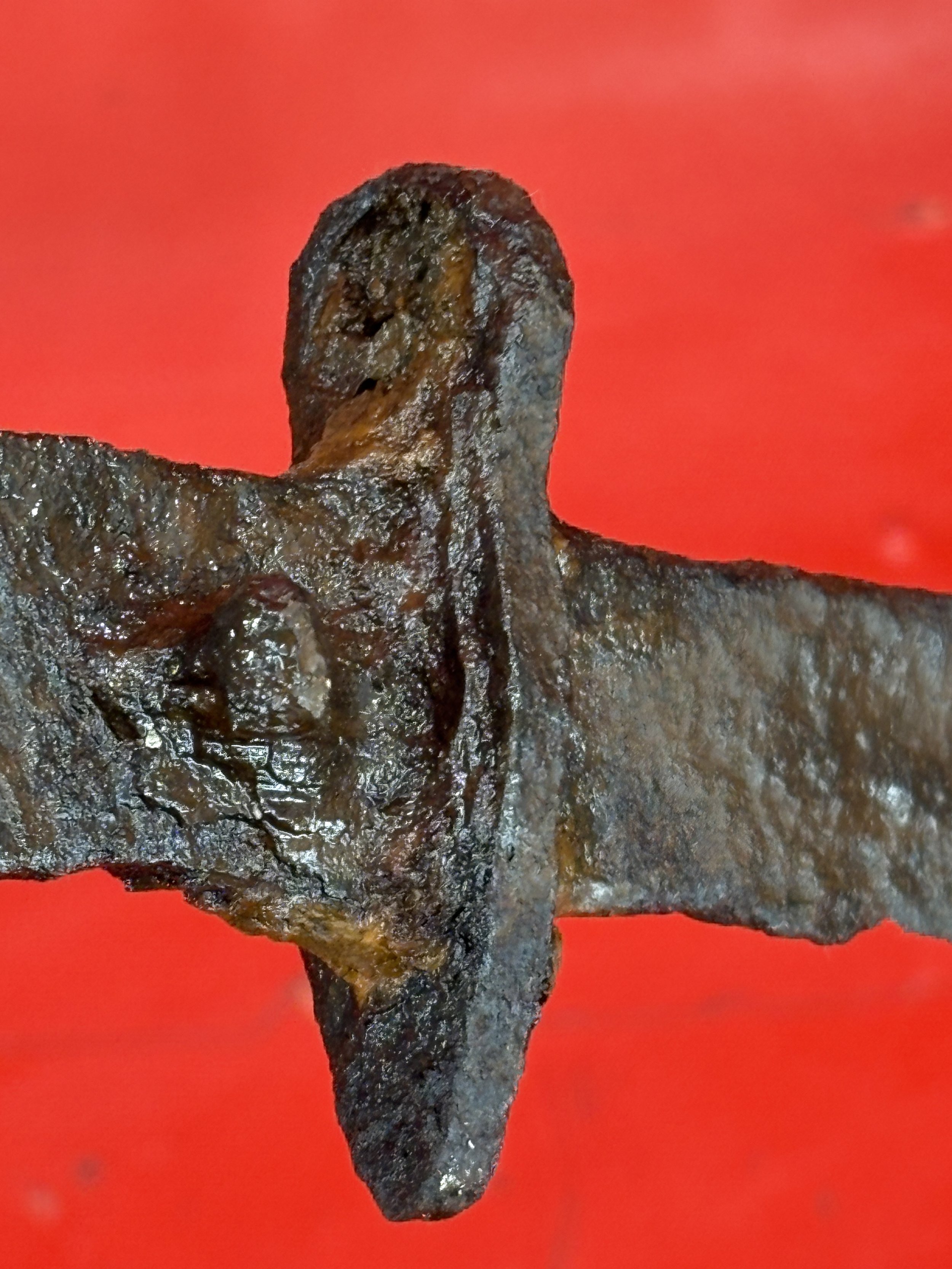 Image 7 of 12
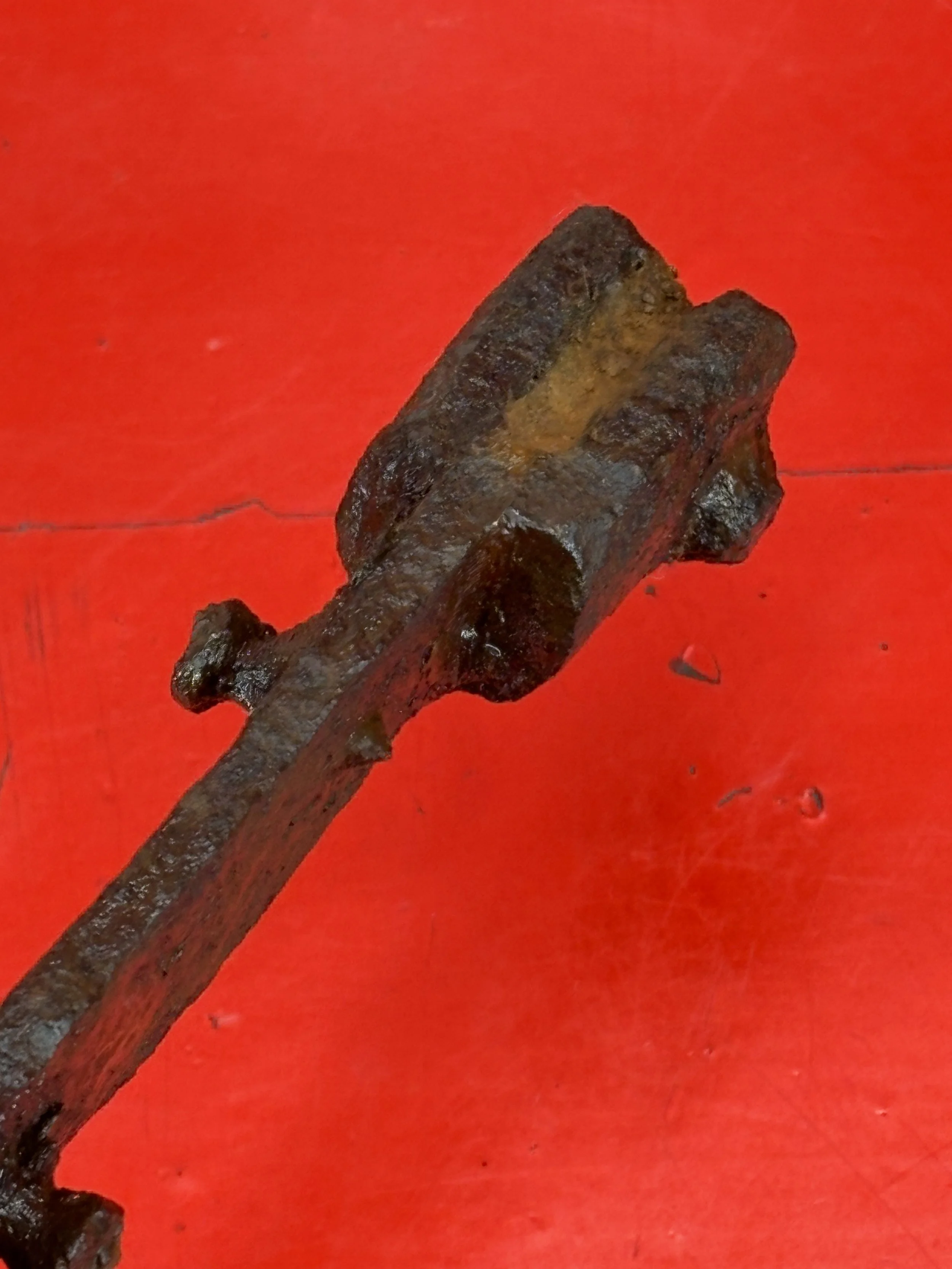 Image 8 of 12
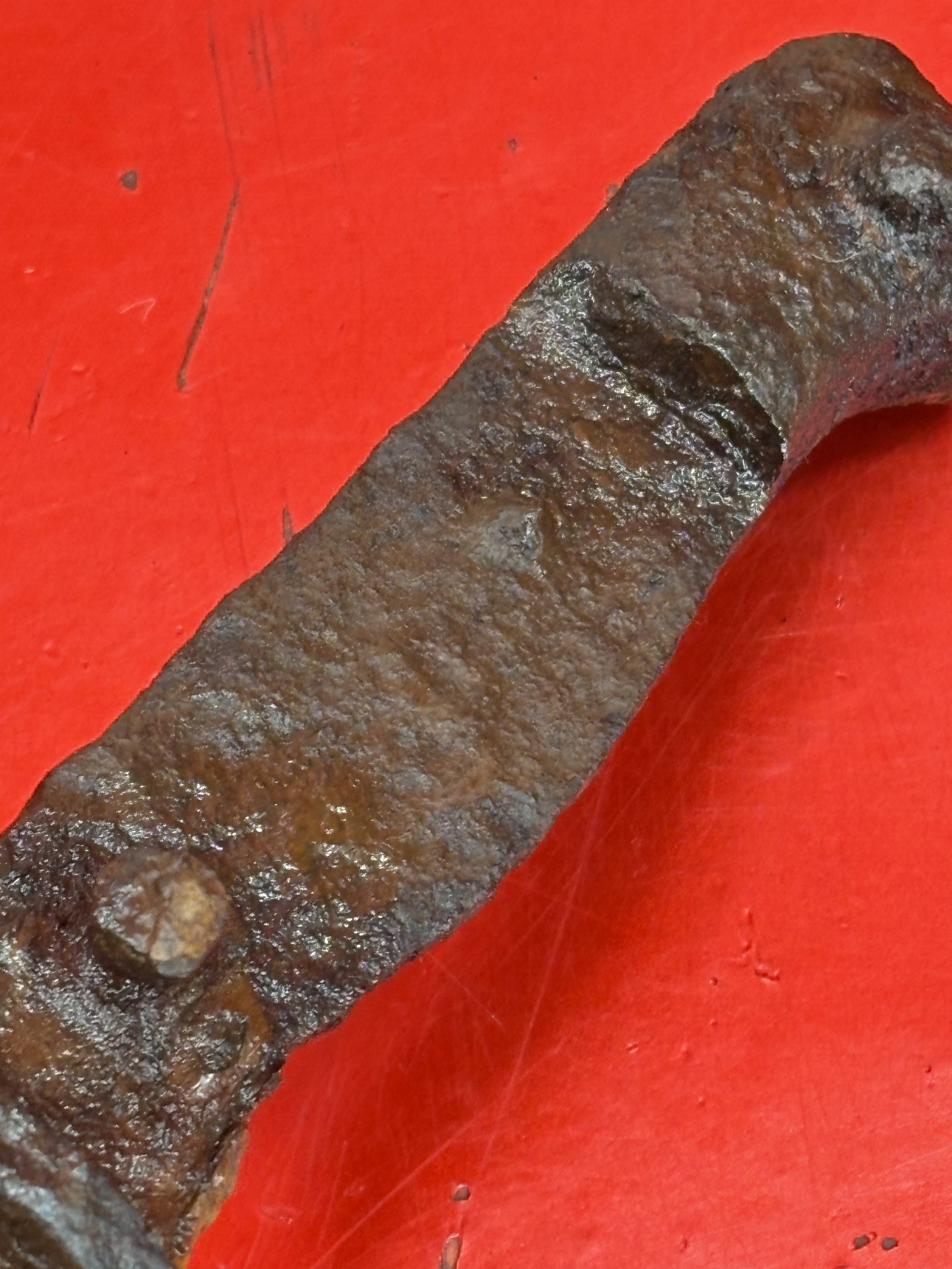 Image 9 of 12
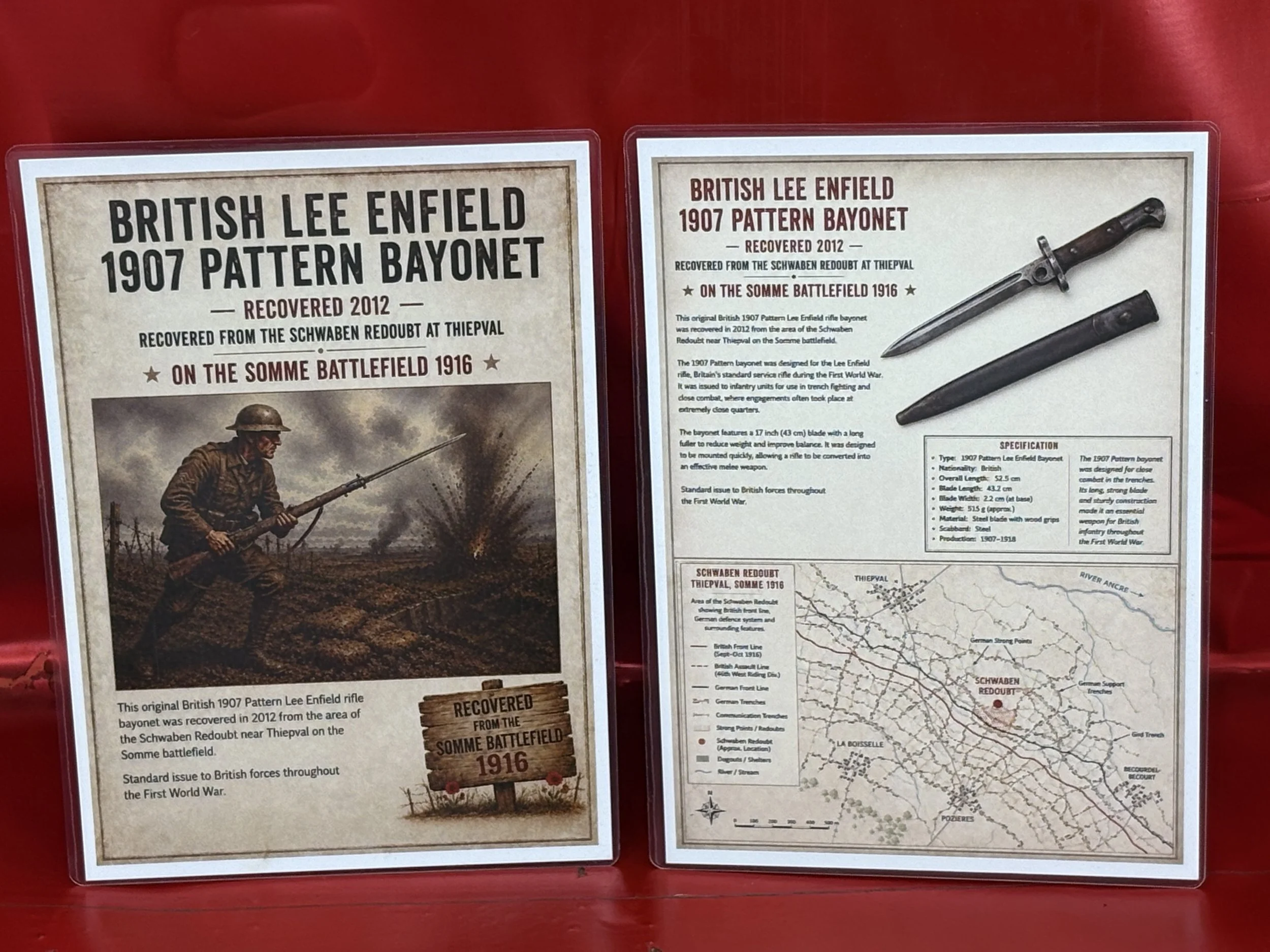 Image 10 of 12
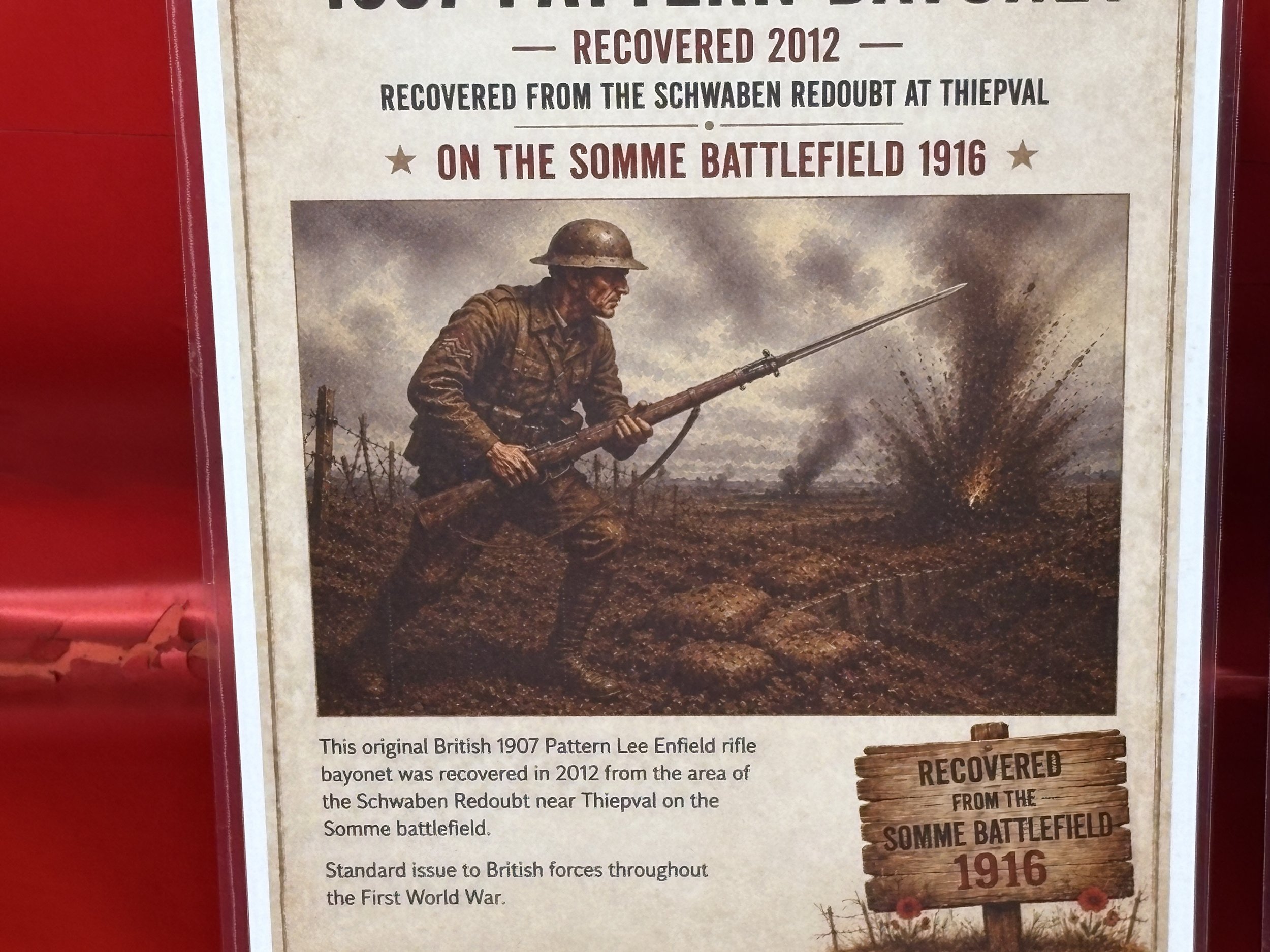 Image 11 of 12
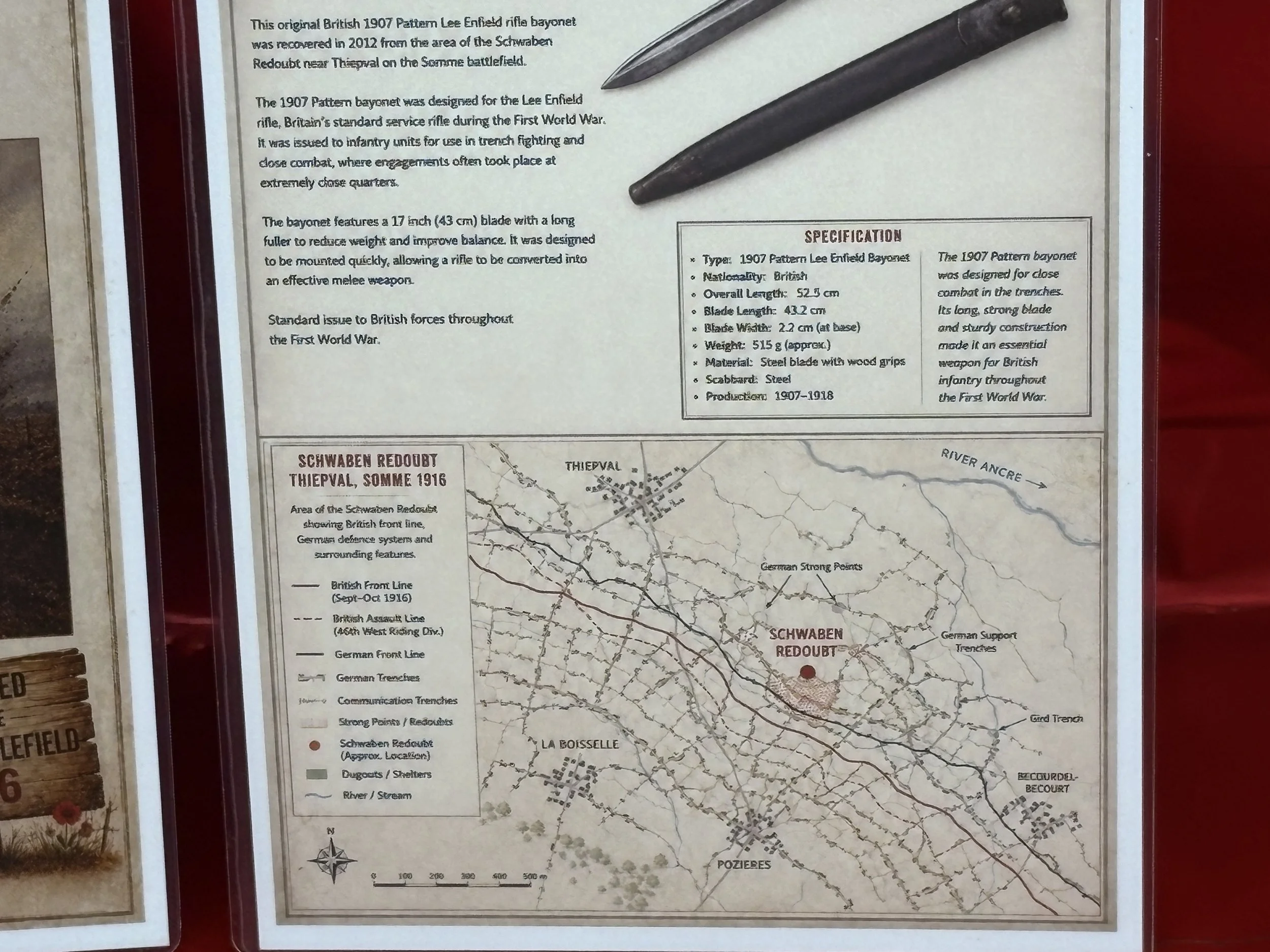 Image 12 of 12