Bulgarian M36 type C helmet recovered from the area of the Reichsschutzstellung (Südostwall) German defensive positions in north-eastern Slovenia where the Bulgarian army first fought in April 1945.
Condition of the helmet overall is good, outside of shell has light rust pitting - inside has heaver rust pitting in the crown. There is also a 6cm stress fracture to the crown.
This a model M36 type C steel helmet is is the final wartime evolution of Bulgsria’s standard World War Two helmet - to conserve materials under wartime shortages they abandoned the complex four bracket spring suspension in favour of a simplified three rivet liner system featuring two front rivets and a central rear rivet.
In April 1945, the Bulgarian First Army, commanded by Lieutenant General Vladimir Stoychev and operating under the Soviet 3rd Ukrainian Front, breached the southern sector of Germany’s Reichsschutzstellung (Südostwall) in north-eastern Slovenia. After forcing the Mura River near Letenye and Lendava in early April, Bulgarian III Corps units—including the 8th, 10th, and 12th Infantry Divisions—advanced westward through Prekmurje and Međimurje toward Ljutomer and Ormož. Between 6 and 15 April 1945, the offensive collided with entrenched German forces of the 2nd Panzer Army, notably the 297th Infantry Division, 118th Jäger Division, and 14th SS Grenadier Division, holding fortified positions along the Veliki Kog–Jastrebci–Središče ob Dravi line. Utilizing deep anti-tank ditches, timber-reinforced bunkers, and elevated vineyard ridges in the Slovenske Gorice hills, German defenders repelled repeated Bulgarian frontal assaults supported by Soviet artillery and air strikes. Intense, costly positional warfare raged around Veliki Kog, Jastrebci, and Hum pri Ormožu, inflicting heavy casualties on both sides. By mid-April, exhausted Bulgarian troops transitioned to positional defence along the front, holding the sector until the general German collapse on 7 May 1945 allowed a final pursuit toward Maribor and Austria.

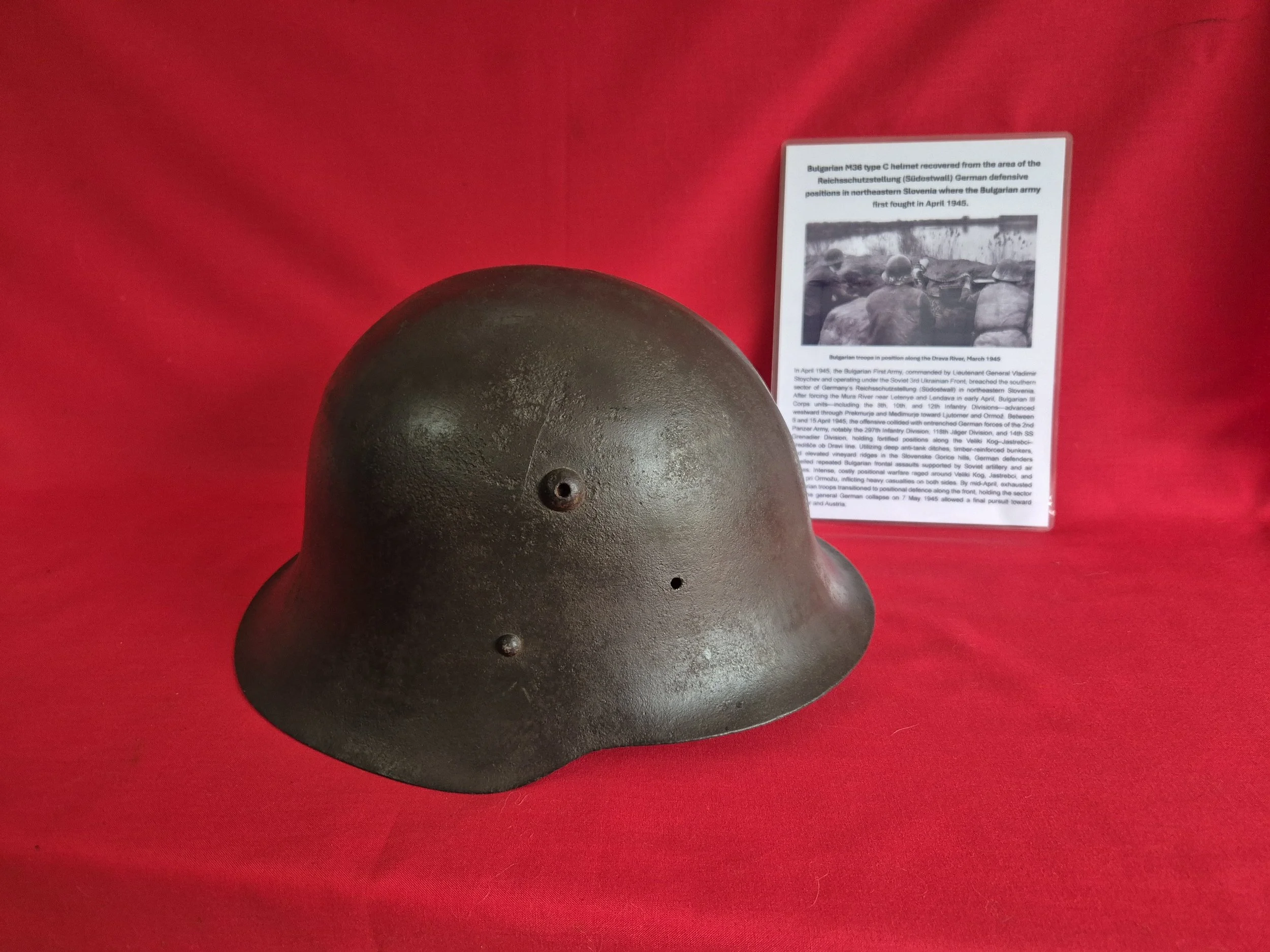 Image 1 of 10
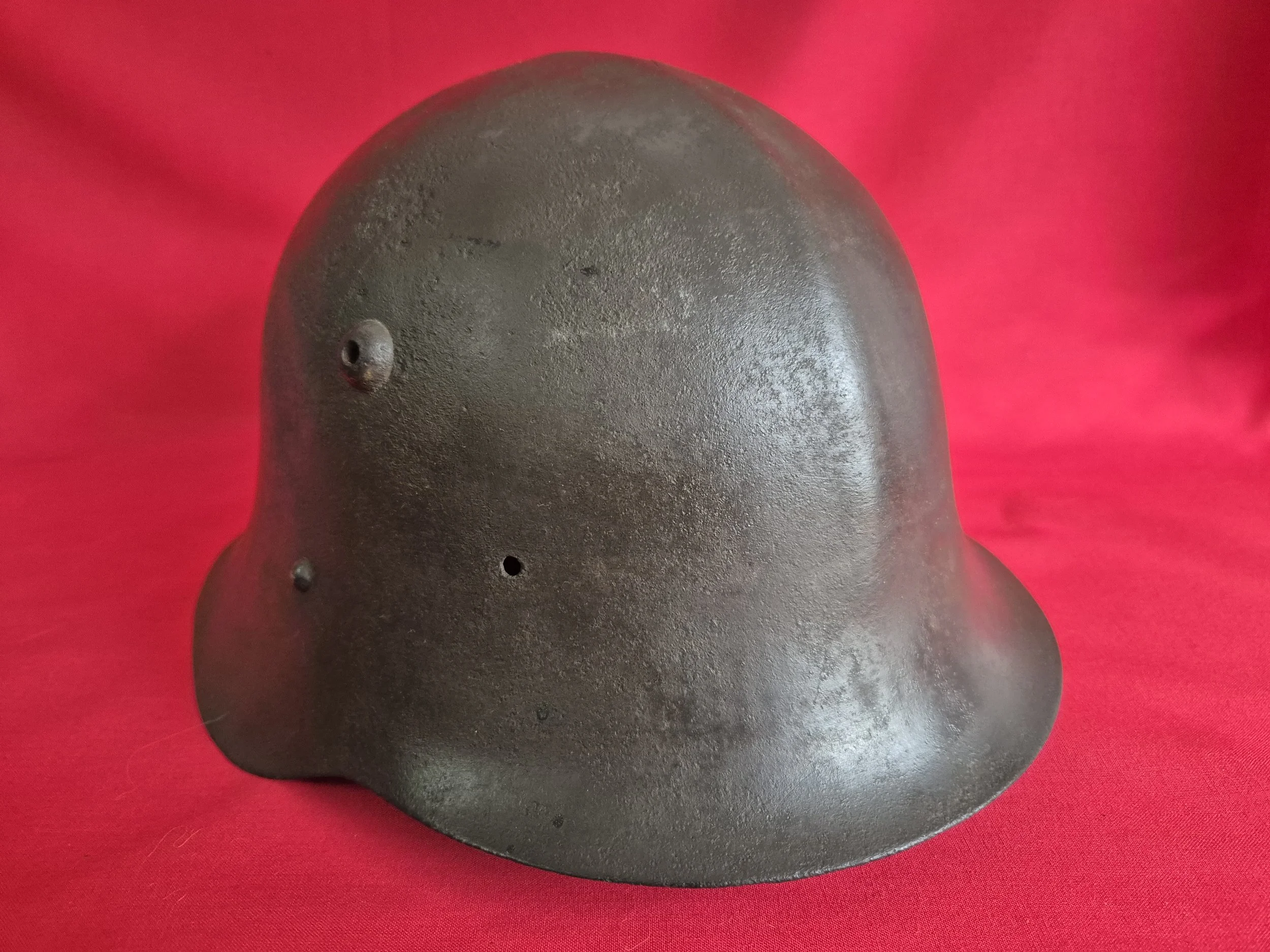 Image 2 of 10
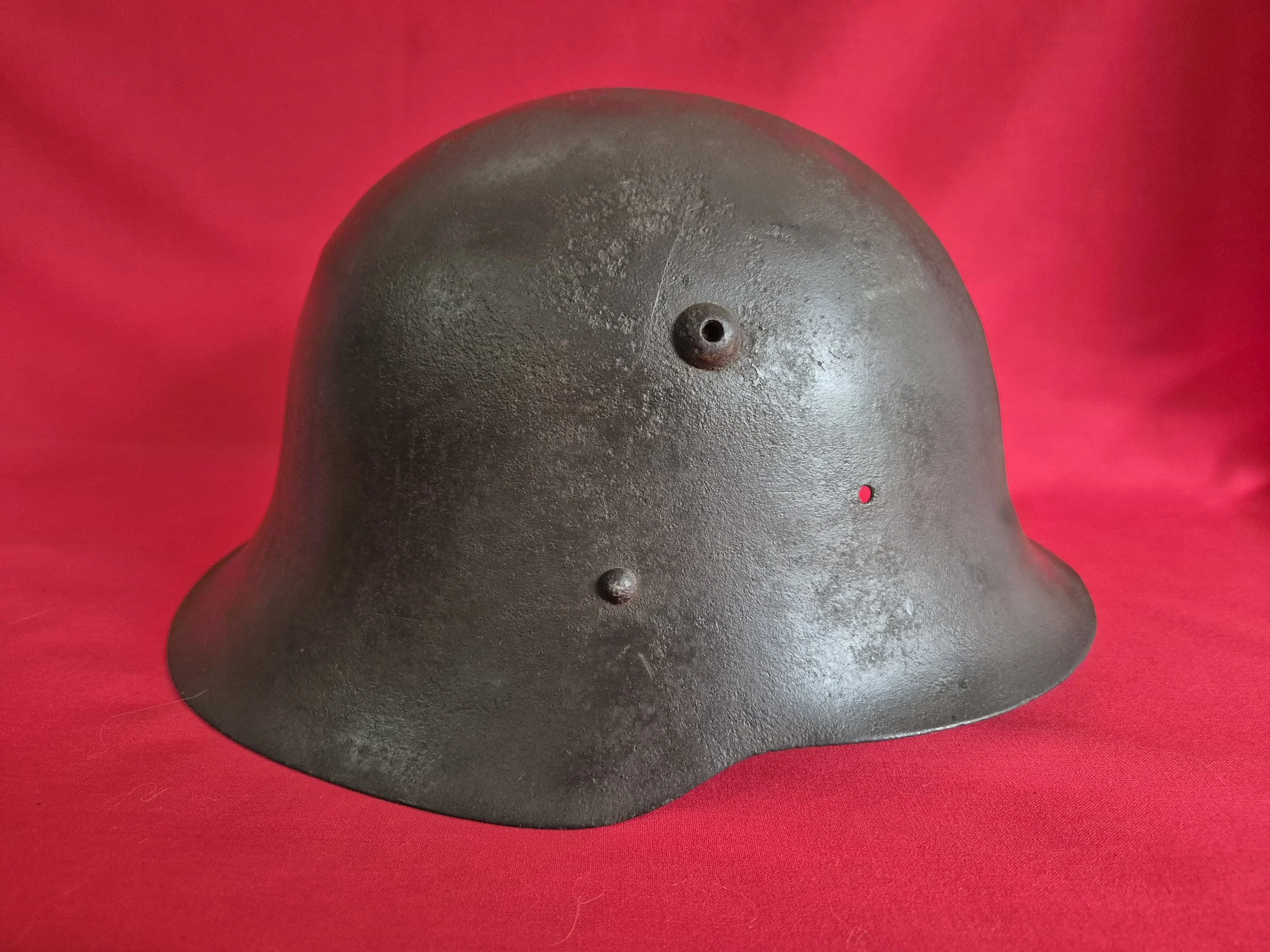 Image 3 of 10
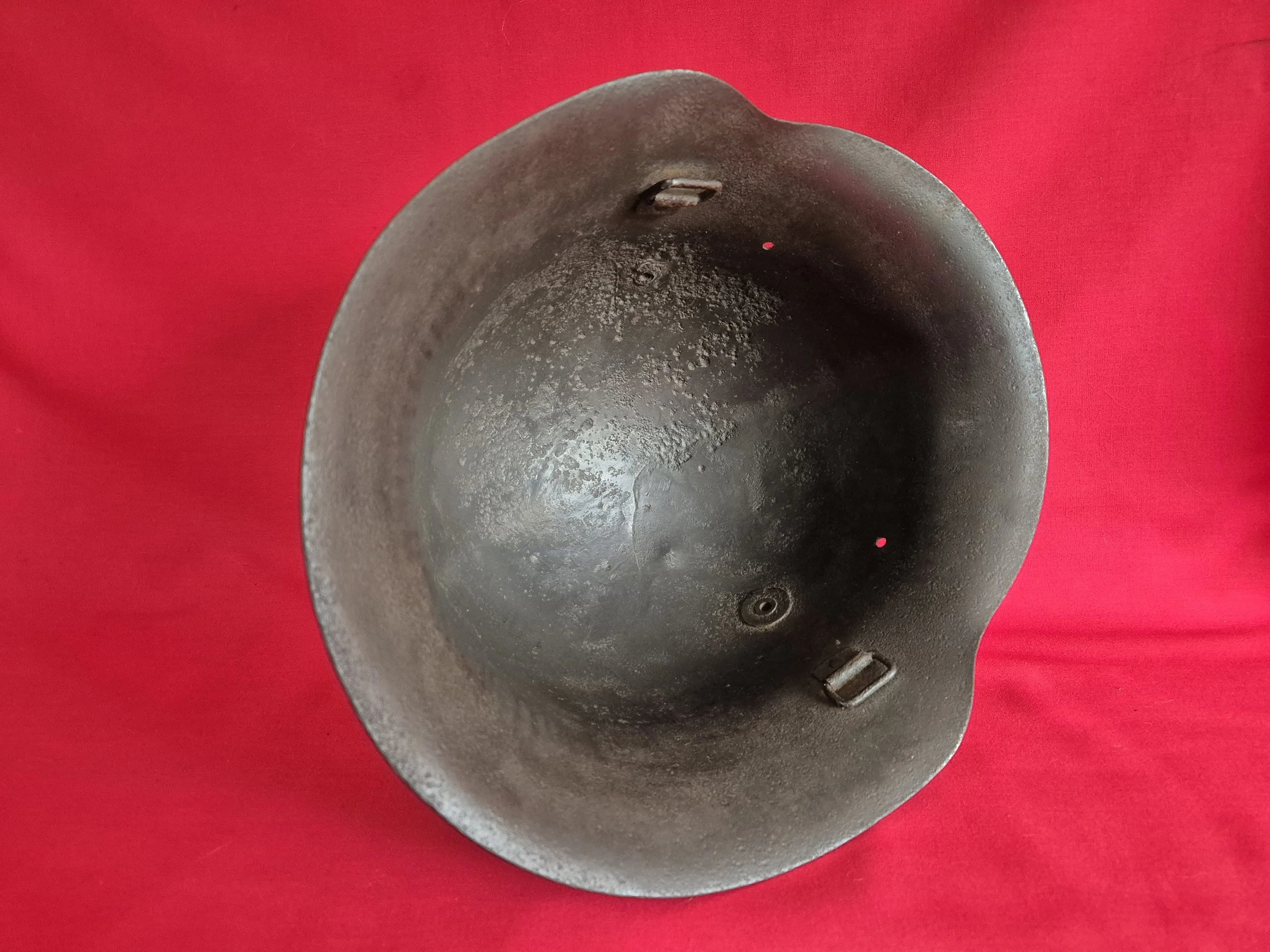 Image 4 of 10
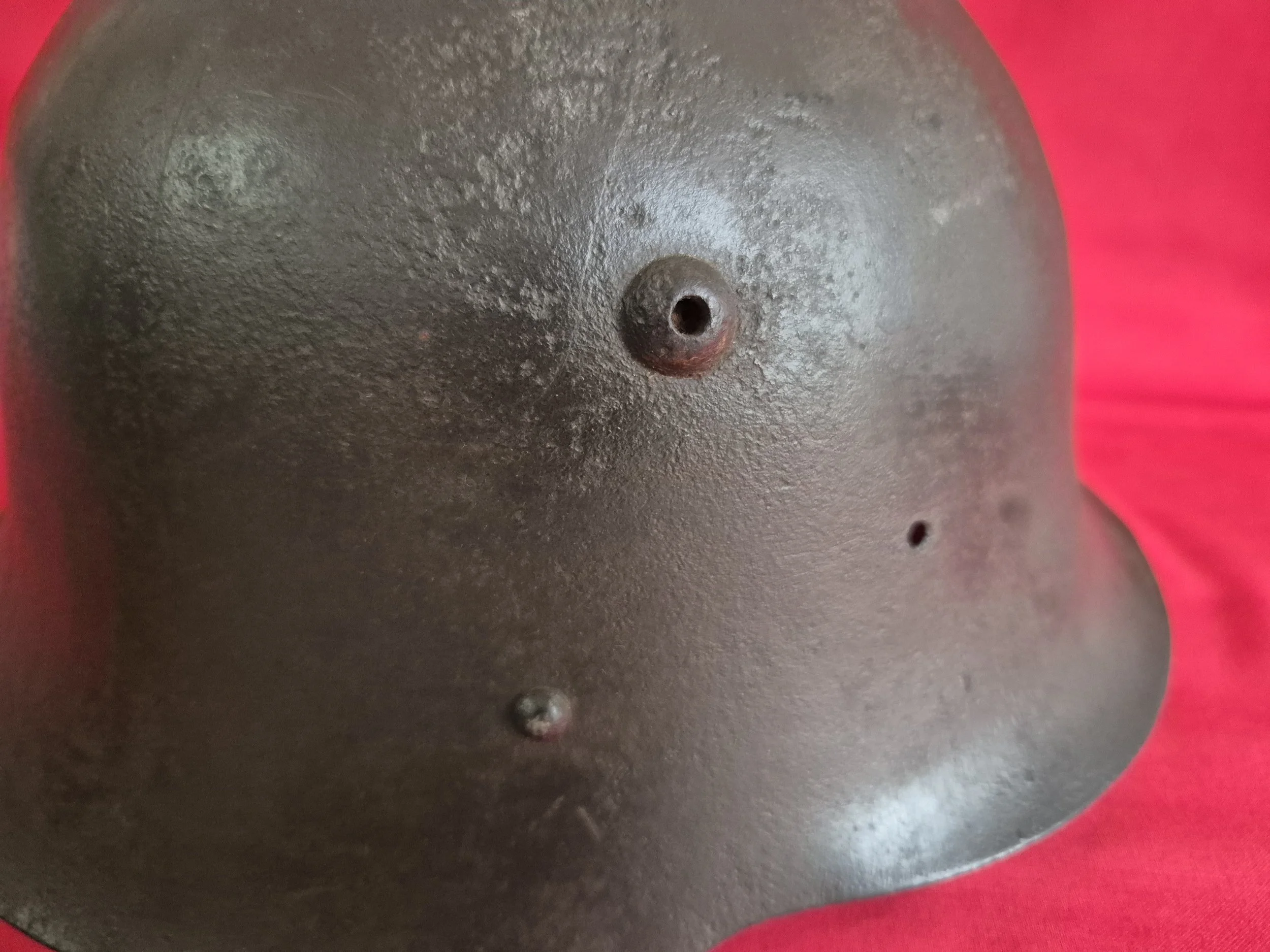 Image 5 of 10
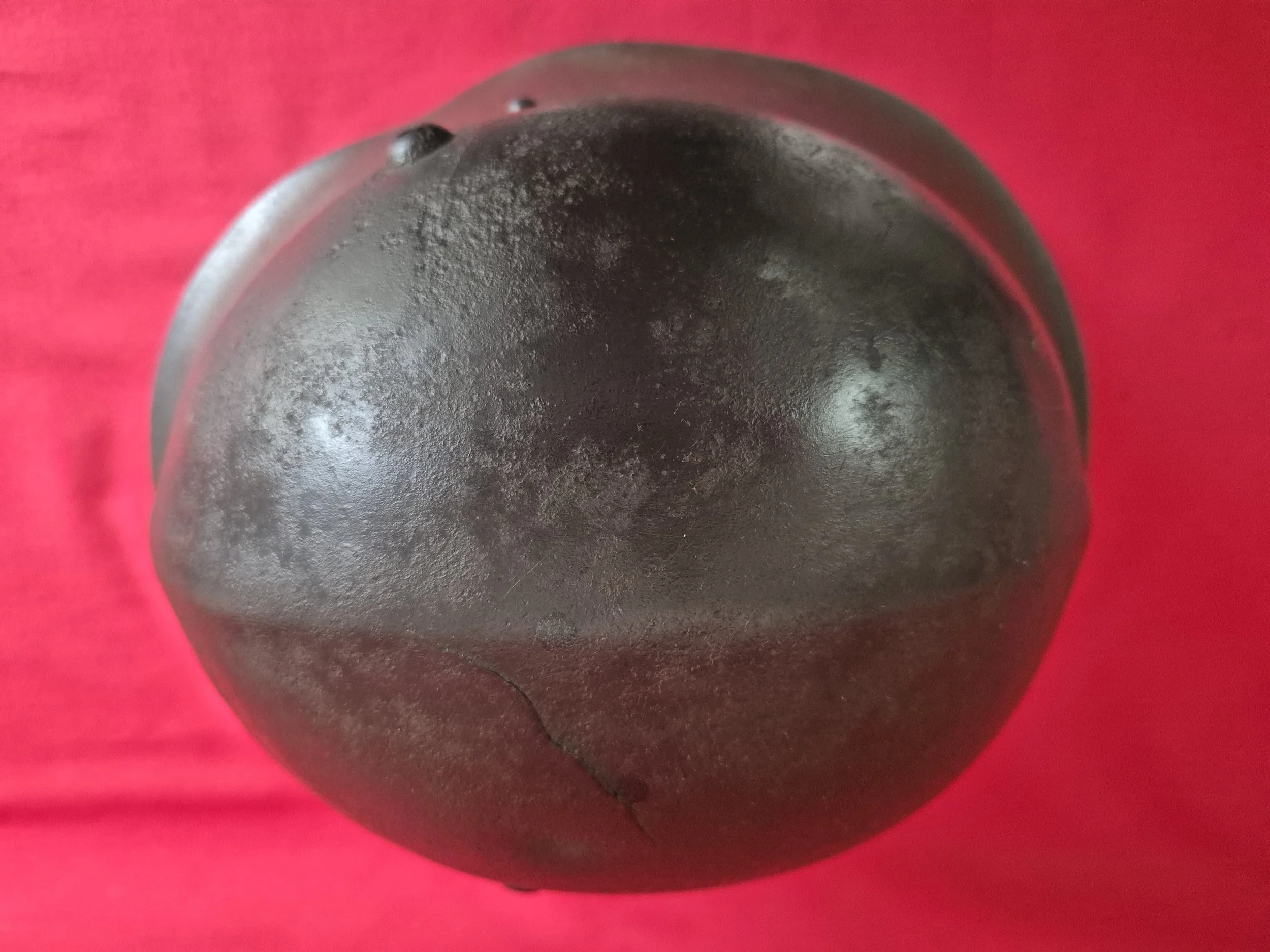 Image 6 of 10
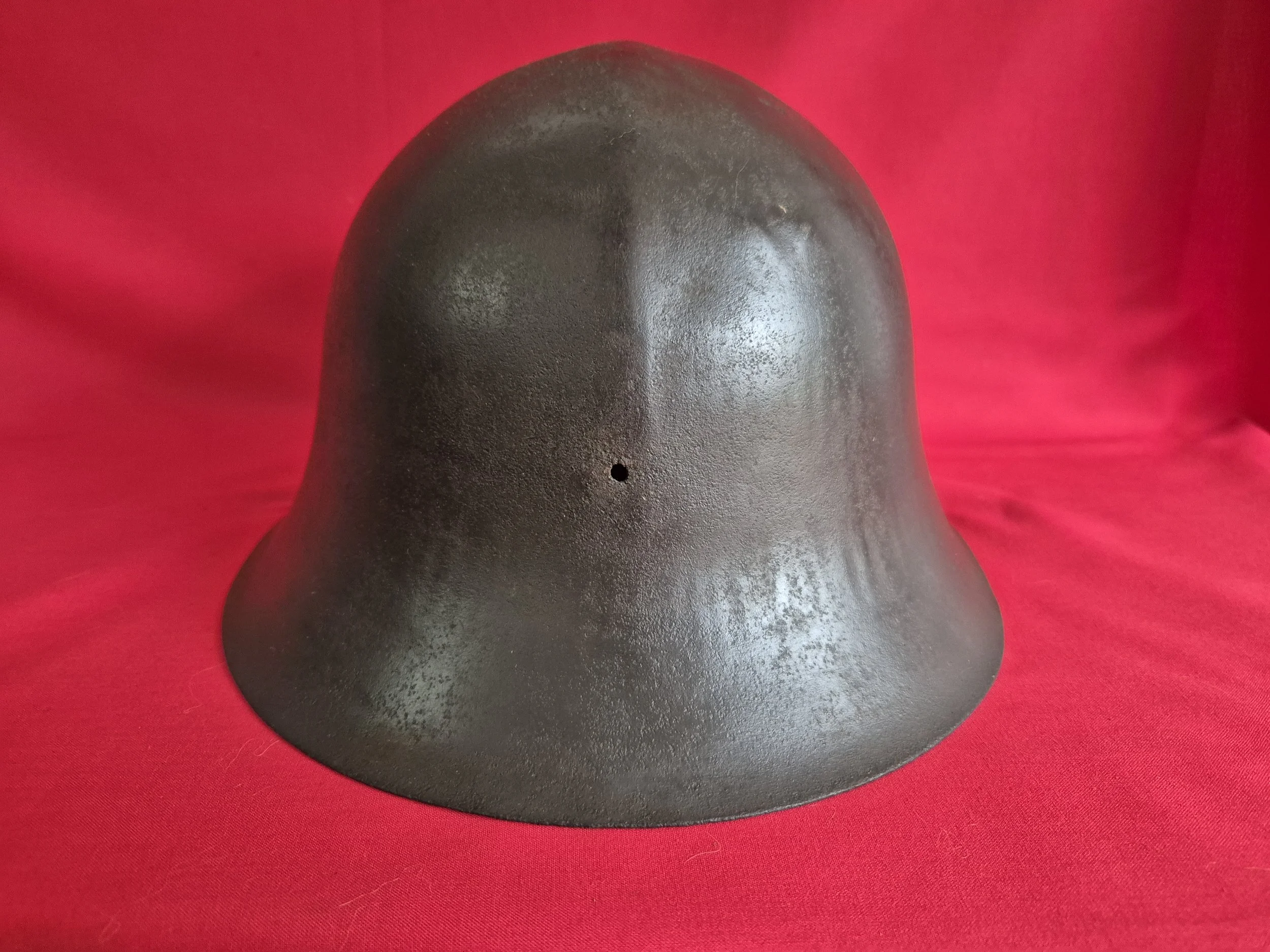 Image 7 of 10
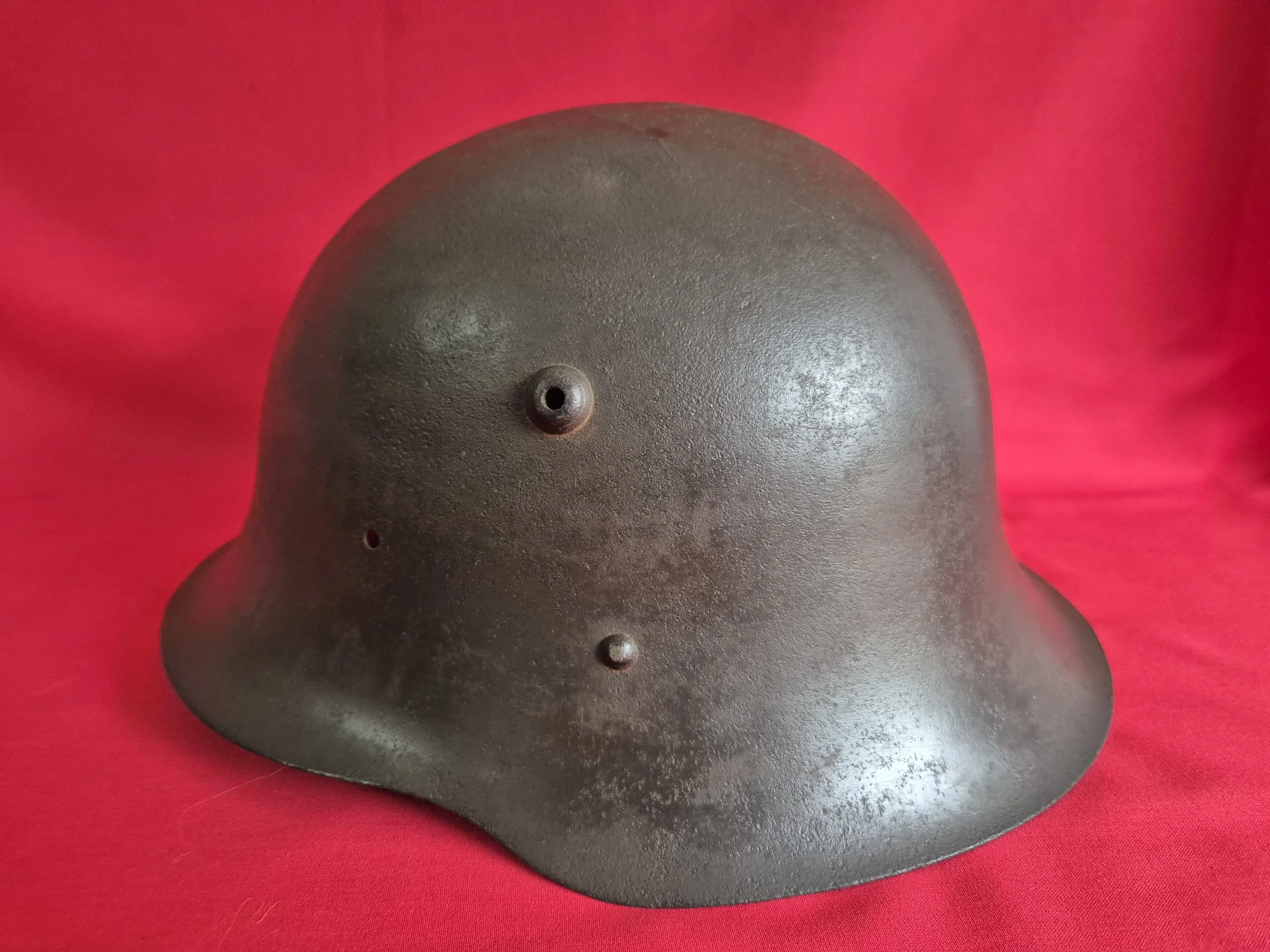 Image 8 of 10
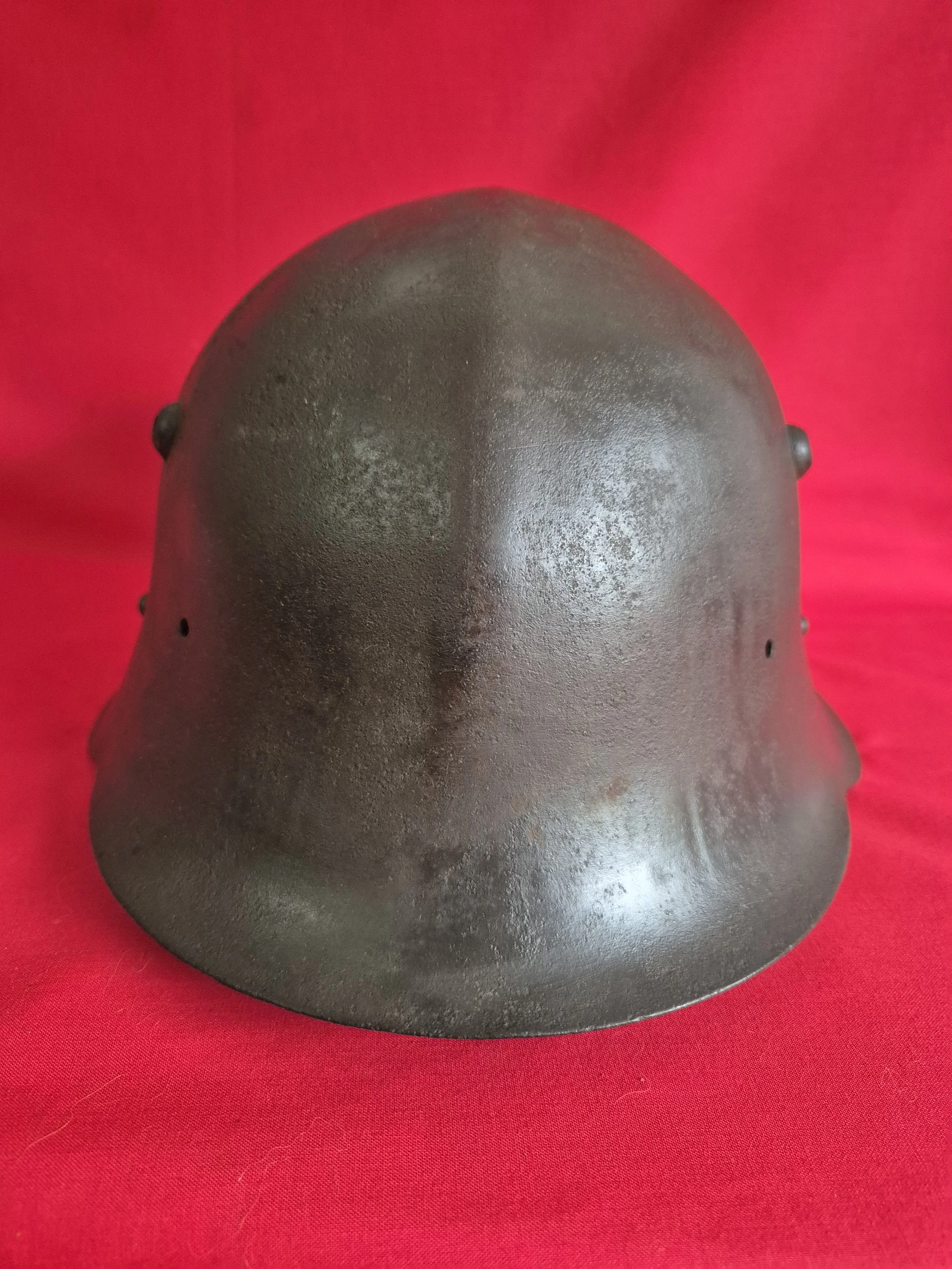 Image 9 of 10
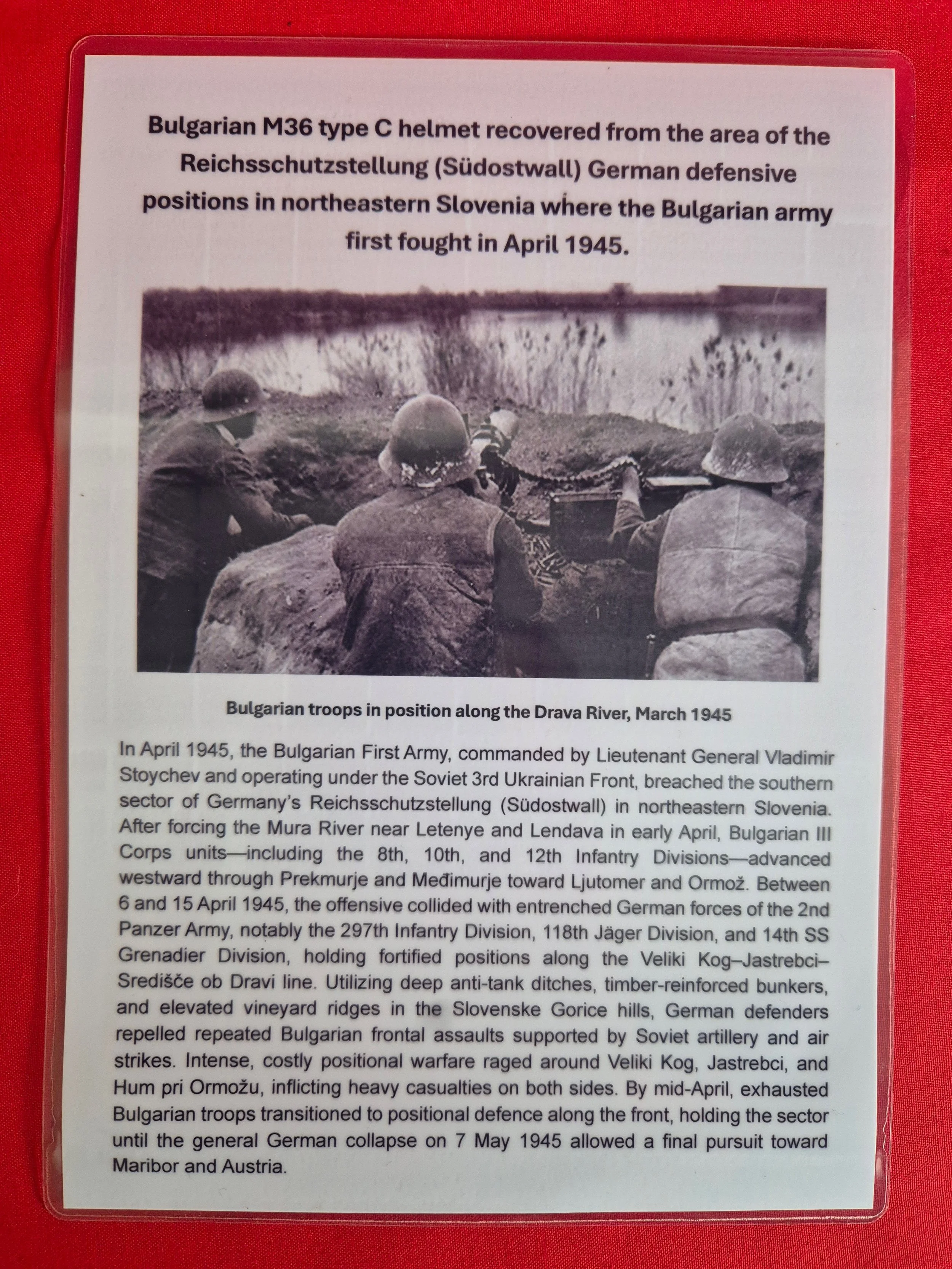 Image 10 of 10