This is a nice battle damaged soldiers mess tin lid and drinking cup which have ripped and bent either battle damage or damage from being buried but are still in nice solid condition with the lid having lots of original black paintwork. They both still retain a lot of there original colours they do still have some dirt on them they are in relic but solid condition but overall very good, nice condition for recovered battlefield finds nicely cleaned and perfect for display or any collection. The cup and tin were used by a German soldier in the 150 Panzer Brigade that were recovered from the ridge overlooking of the village of Malmedy which was the Battlefield of December 1944 in the Ardennes forest, Battle of the Bulge.. These items come with 2x A5 laminated information cards and map.
PANZER BRIGADE 150 – MALMEDY Battle of the Bulge • December 1944
THE BATTLEFIELD The battlefield lies on the north-western approaches to Malmedy in the Ardennes of Belgium, overlooking the town and the Warche River valley. The high ground around Malmedy formed an important defensive position during the German Ardennes Offensive, better known as the Battle of the Bulge. Roads through Malmedy were strategically important because they linked the German advance with routes towards Stavelot and the Allied positions farther west.
PANZER BRIGADE 150 AND OPERATION GREIF Panzer Brigade 150 was formed in late 1944 under Lieutenant Colonel Otto Skorzeny for Operation Greif. Its original mission was to exploit a German breakthrough, move behind the American front using captured American vehicles and uniforms, and seize bridges over the Meuse River intact. The operation depended on the German spearheads first breaking through the Allied lines.
WHAT HAPPENED When the German offensive began on 16 December 1944, the advance was slowed by heavy resistance, difficult terrain and severe traffic congestion on the narrow Ardennes roads. The breakthrough required for Panzer Brigade 150 never developed. By 17 December its original mission had effectively been abandoned and the brigade was committed as a conventional combat formation in the Malmedy sector.
THE ATTACK ON MALMEDY – 21 DECEMBER 1944 Panzer Brigade 150 assembled south of Malmedy and attacked towards the town on the morning of 21 December. Two Kampfgruppen took part in the main assault while another element was delayed. The Germans advanced with a small number of armoured vehicles, including Panthers modified to resemble American tank destroyers, as well as other captured or disguised vehicles.
The American defenders had been reinforced and were expecting a German attack. German columns encountered mines, roadblocks, small-arms and anti-tank fire, followed by heavy American artillery. Fighting developed on the approaches to Malmedy and on the surrounding high ground. Some German elements made local gains, but the defenders prevented the attack from taking the town. The German assault was halted and Panzer Brigade 150 withdrew to defensive positions south of Malmedy.
THE RIDGE OVERLOOKING MALMEDY The high ground overlooking Malmedy was significant because it commanded the approaches to the town and the Warche valley. After the failed assault, German forces remained in positions south of Malmedy while Allied artillery continued to strike the area. The ridge therefore formed part of the wider defensive and offensive ground around Malmedy during the fighting of the Battle of the Bulge.
OUTCOME The attack failed to capture Malmedy. Panzer Brigade 150 remained in the area for several days under increasing Allied artillery pressure before withdrawing. The brigade's original Operation Greif objective of reaching and capturing Meuse bridges was never achieved. The fighting around Malmedy was therefore a conventional ground action rather than the breakthrough operation originally planned for the brigade.
DATE & LOCATION Malmedy and the surrounding high ground, Ardennes, Belgium • 21 December 1944
This is a nice battle damaged soldiers mess tin lid and drinking cup which have ripped and bent either battle damage or damage from being buried but are still in nice solid condition with the lid having lots of original black paintwork. They both still retain a lot of there original colours they do still have some dirt on them they are in relic but solid condition but overall very good, nice condition for recovered battlefield finds nicely cleaned and perfect for display or any collection. The cup and tin were used by a German soldier in the 150 Panzer Brigade that were recovered from the ridge overlooking of the village of Malmedy which was the Battlefield of December 1944 in the Ardennes forest, Battle of the Bulge.. These items come with 2x A5 laminated information cards and map.
PANZER BRIGADE 150 – MALMEDY Battle of the Bulge • December 1944
THE BATTLEFIELD The battlefield lies on the north-western approaches to Malmedy in the Ardennes of Belgium, overlooking the town and the Warche River valley. The high ground around Malmedy formed an important defensive position during the German Ardennes Offensive, better known as the Battle of the Bulge. Roads through Malmedy were strategically important because they linked the German advance with routes towards Stavelot and the Allied positions farther west.
PANZER BRIGADE 150 AND OPERATION GREIF Panzer Brigade 150 was formed in late 1944 under Lieutenant Colonel Otto Skorzeny for Operation Greif. Its original mission was to exploit a German breakthrough, move behind the American front using captured American vehicles and uniforms, and seize bridges over the Meuse River intact. The operation depended on the German spearheads first breaking through the Allied lines.
WHAT HAPPENED When the German offensive began on 16 December 1944, the advance was slowed by heavy resistance, difficult terrain and severe traffic congestion on the narrow Ardennes roads. The breakthrough required for Panzer Brigade 150 never developed. By 17 December its original mission had effectively been abandoned and the brigade was committed as a conventional combat formation in the Malmedy sector.
THE ATTACK ON MALMEDY – 21 DECEMBER 1944 Panzer Brigade 150 assembled south of Malmedy and attacked towards the town on the morning of 21 December. Two Kampfgruppen took part in the main assault while another element was delayed. The Germans advanced with a small number of armoured vehicles, including Panthers modified to resemble American tank destroyers, as well as other captured or disguised vehicles.
The American defenders had been reinforced and were expecting a German attack. German columns encountered mines, roadblocks, small-arms and anti-tank fire, followed by heavy American artillery. Fighting developed on the approaches to Malmedy and on the surrounding high ground. Some German elements made local gains, but the defenders prevented the attack from taking the town. The German assault was halted and Panzer Brigade 150 withdrew to defensive positions south of Malmedy.
THE RIDGE OVERLOOKING MALMEDY The high ground overlooking Malmedy was significant because it commanded the approaches to the town and the Warche valley. After the failed assault, German forces remained in positions south of Malmedy while Allied artillery continued to strike the area. The ridge therefore formed part of the wider defensive and offensive ground around Malmedy during the fighting of the Battle of the Bulge.
OUTCOME The attack failed to capture Malmedy. Panzer Brigade 150 remained in the area for several days under increasing Allied artillery pressure before withdrawing. The brigade's original Operation Greif objective of reaching and capturing Meuse bridges was never achieved. The fighting around Malmedy was therefore a conventional ground action rather than the breakthrough operation originally planned for the brigade.
DATE & LOCATION Malmedy and the surrounding high ground, Ardennes, Belgium • 21 December 1944

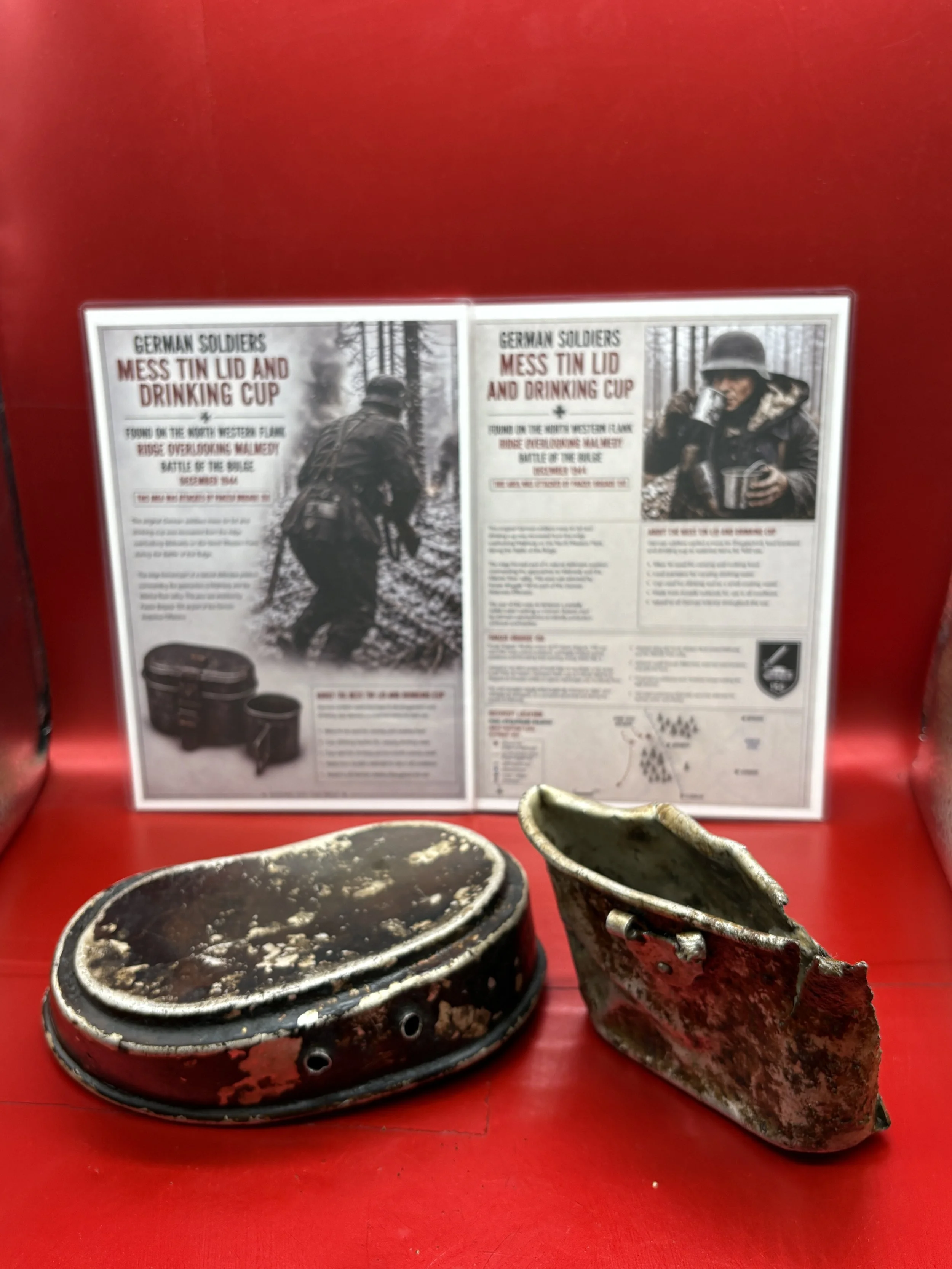 Image 1 of 10
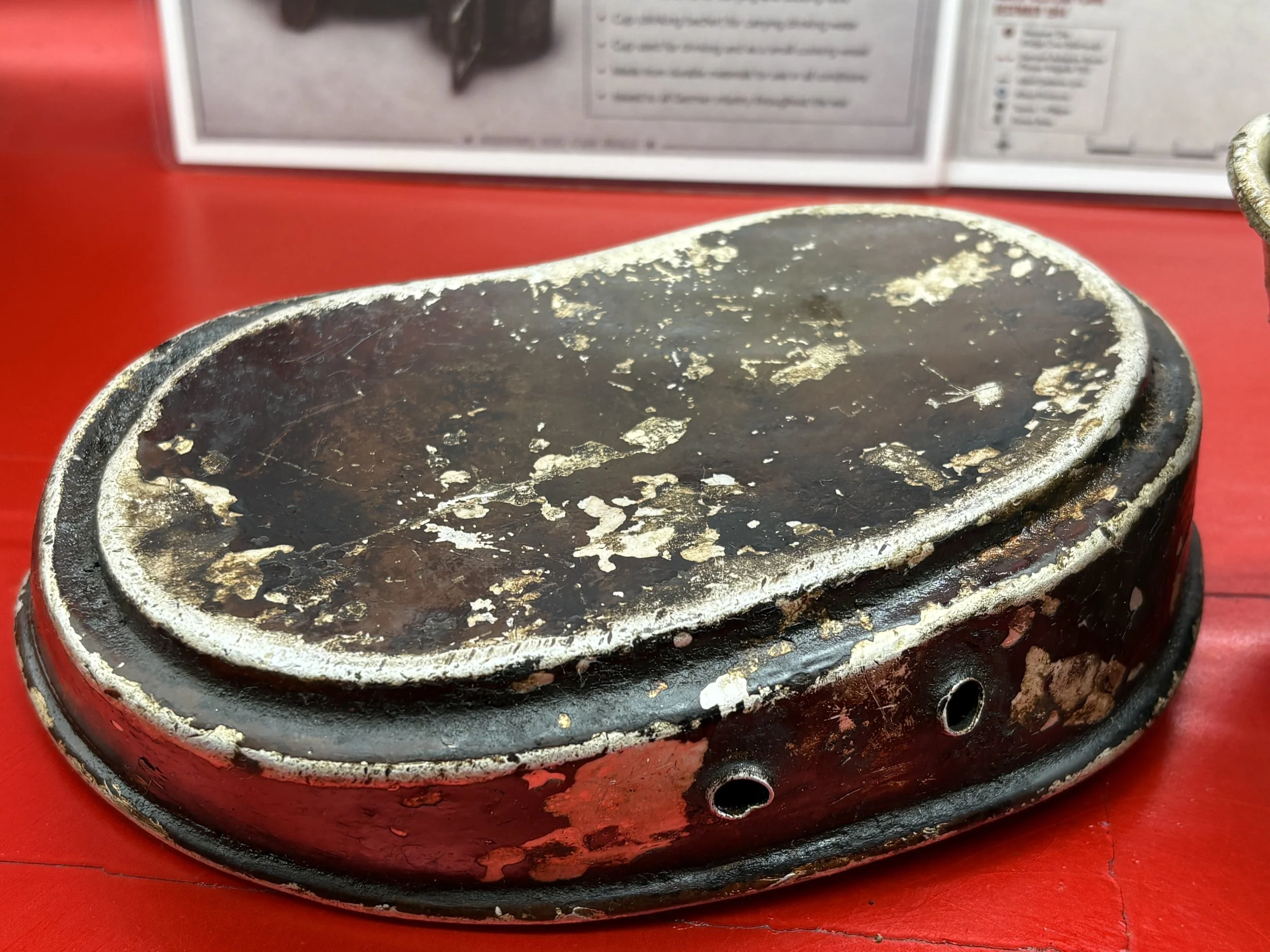 Image 2 of 10
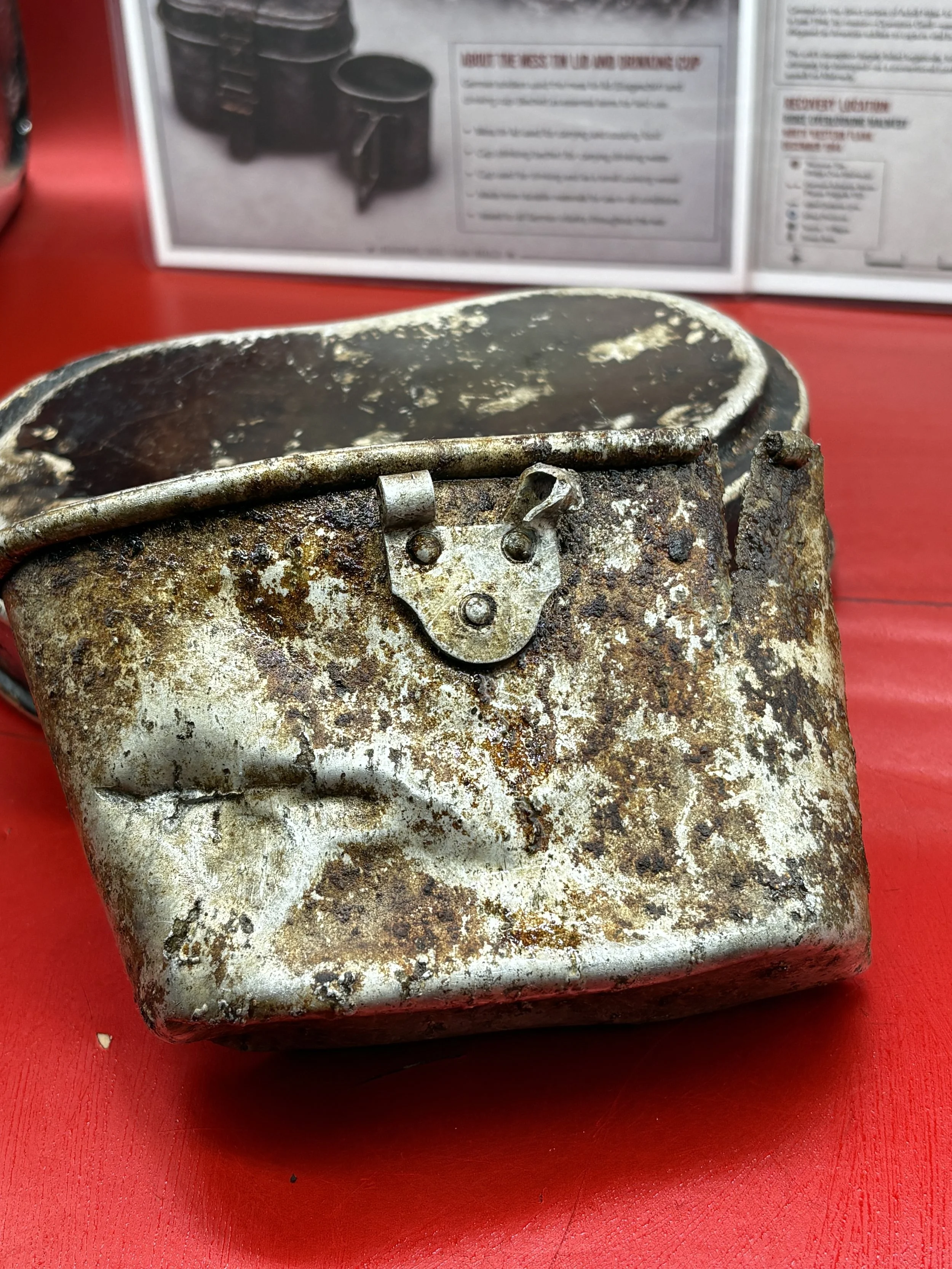 Image 3 of 10
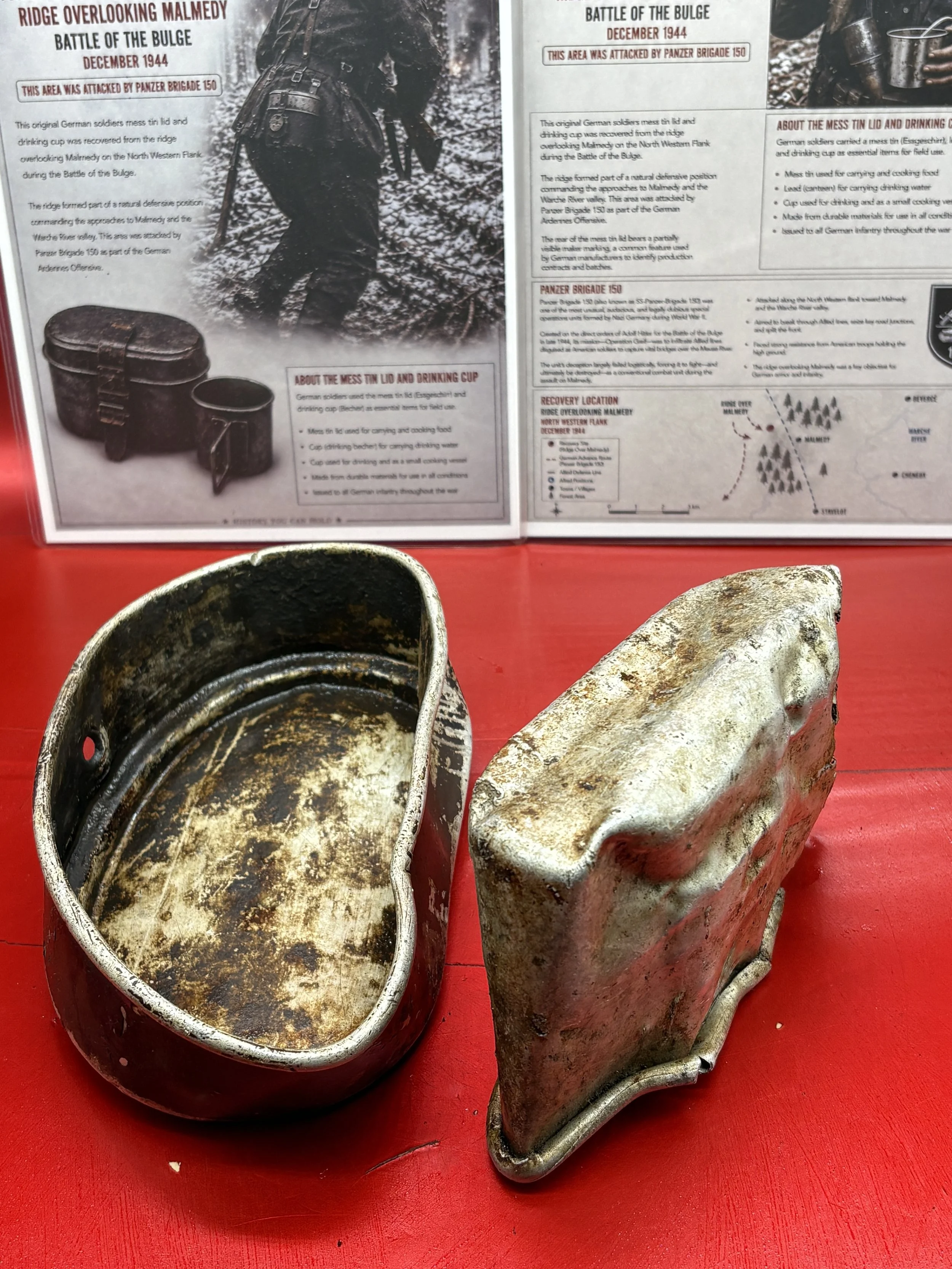 Image 4 of 10
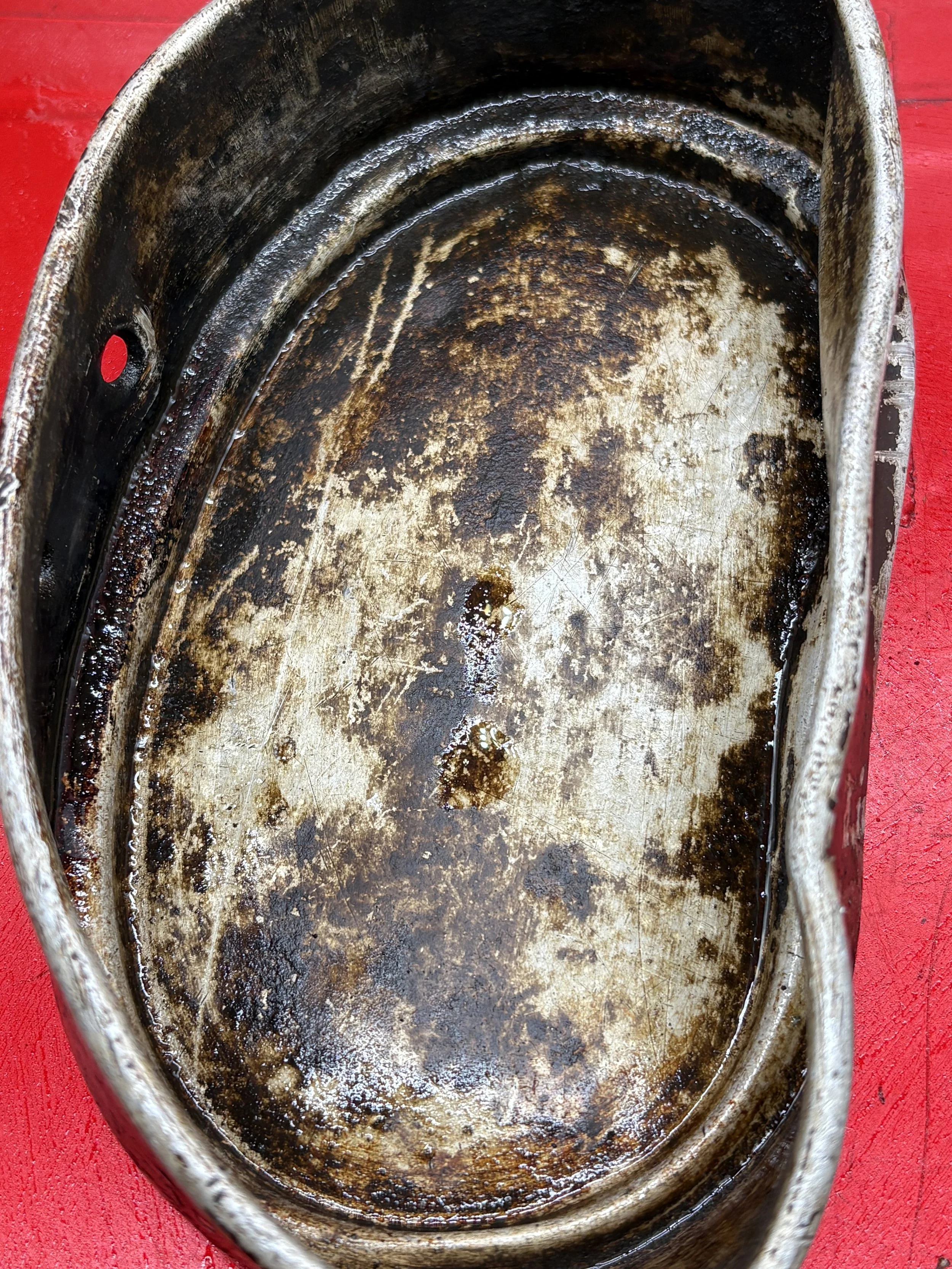 Image 5 of 10
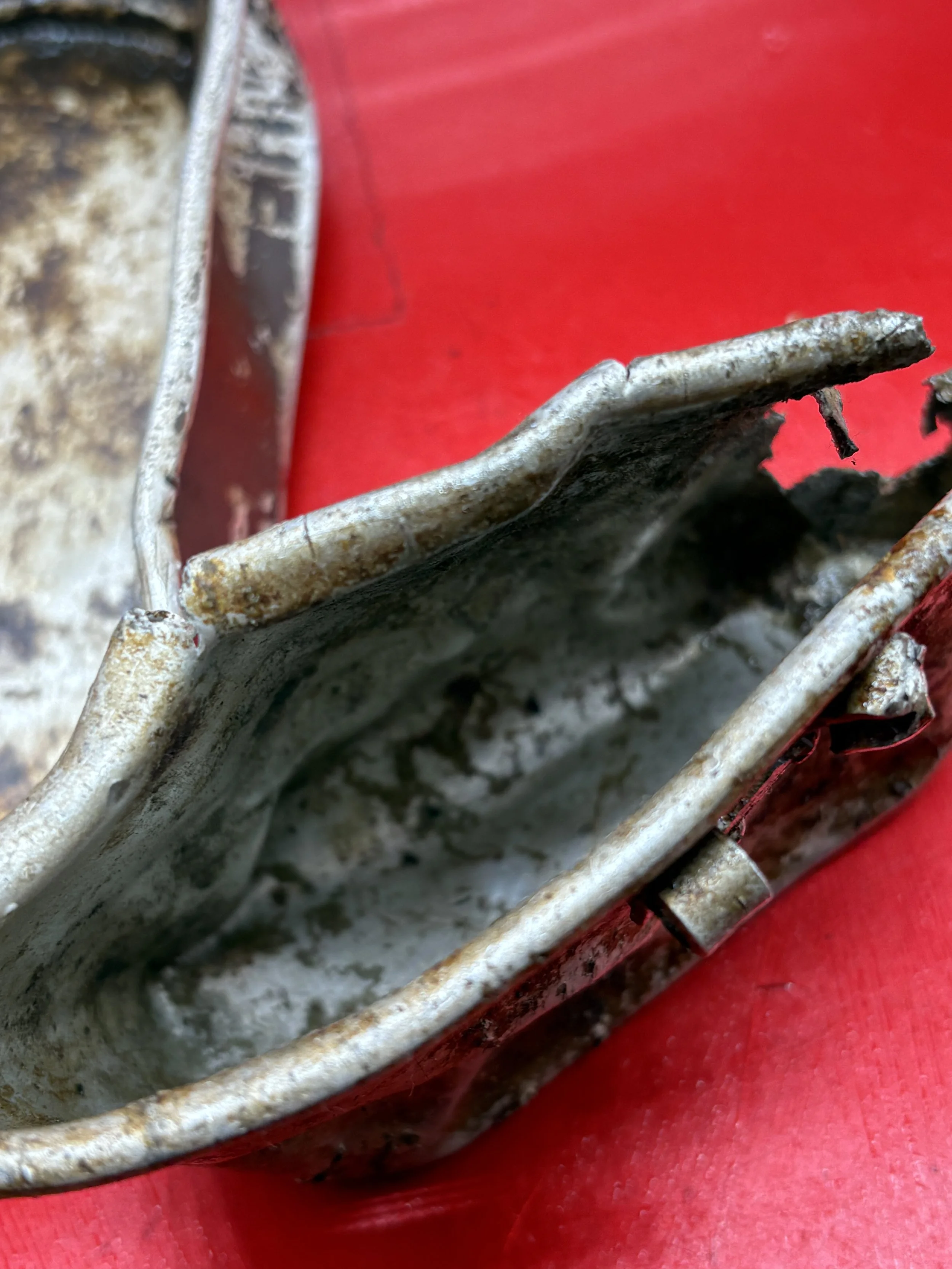 Image 6 of 10
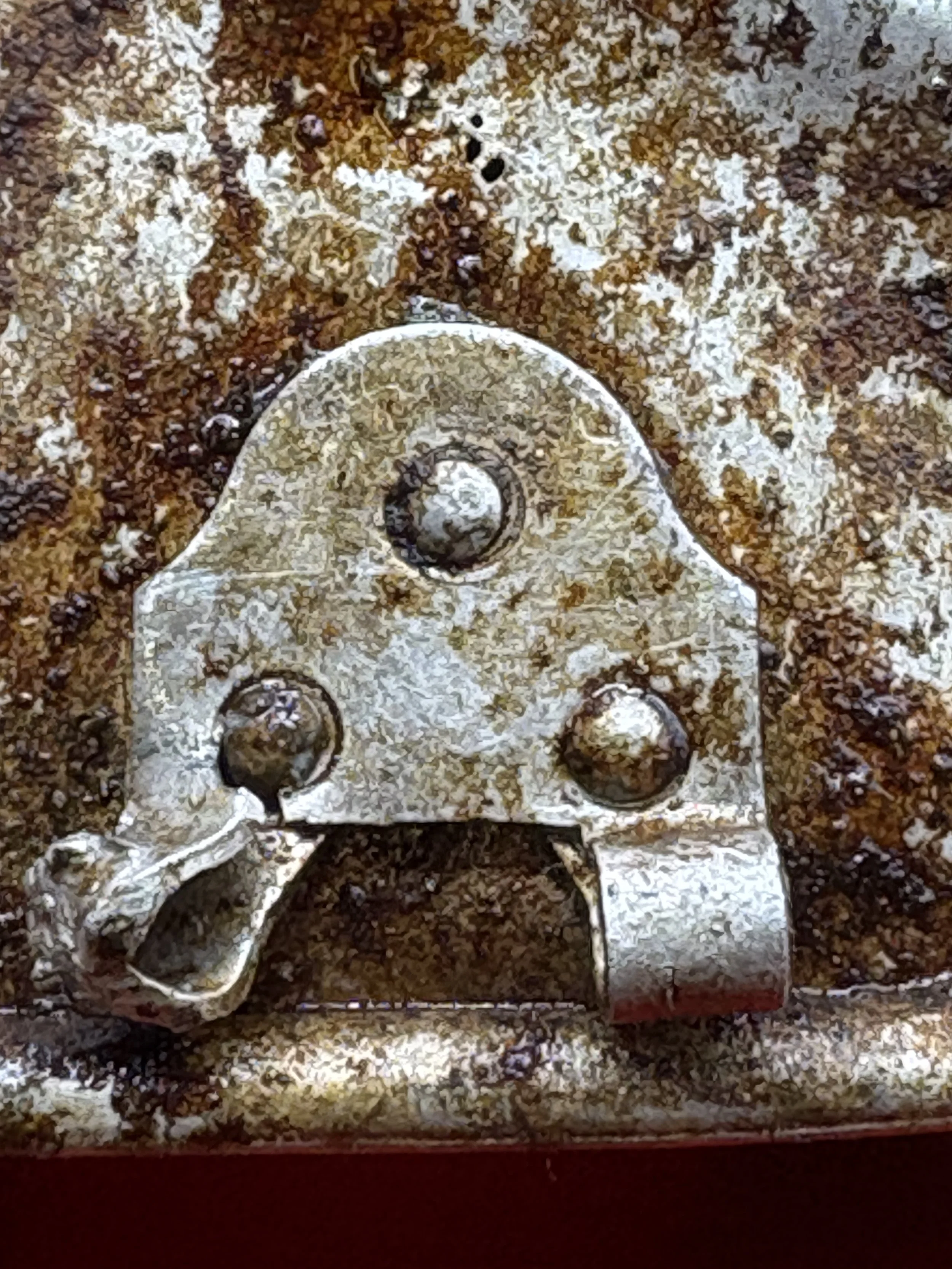 Image 7 of 10
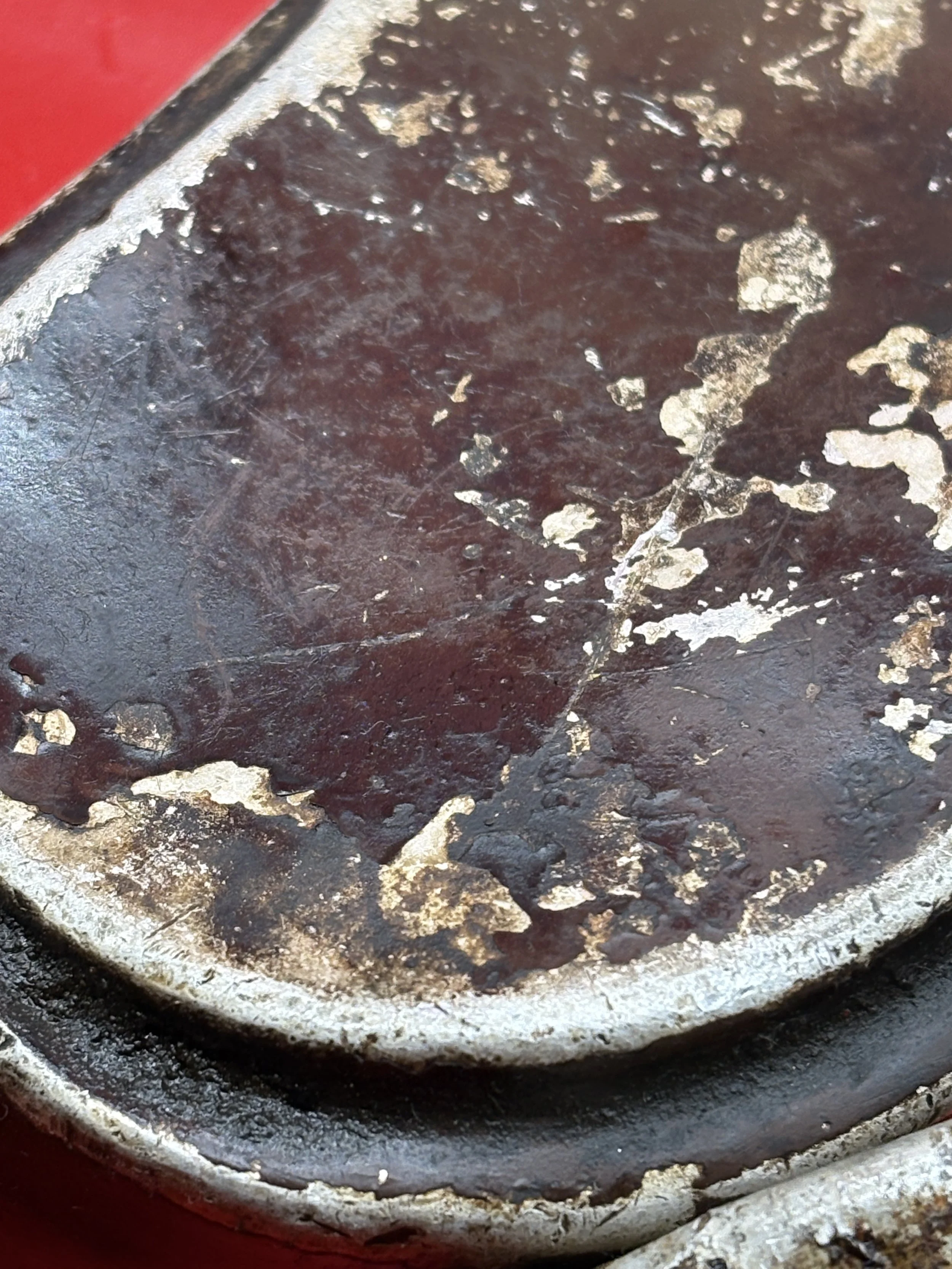 Image 8 of 10
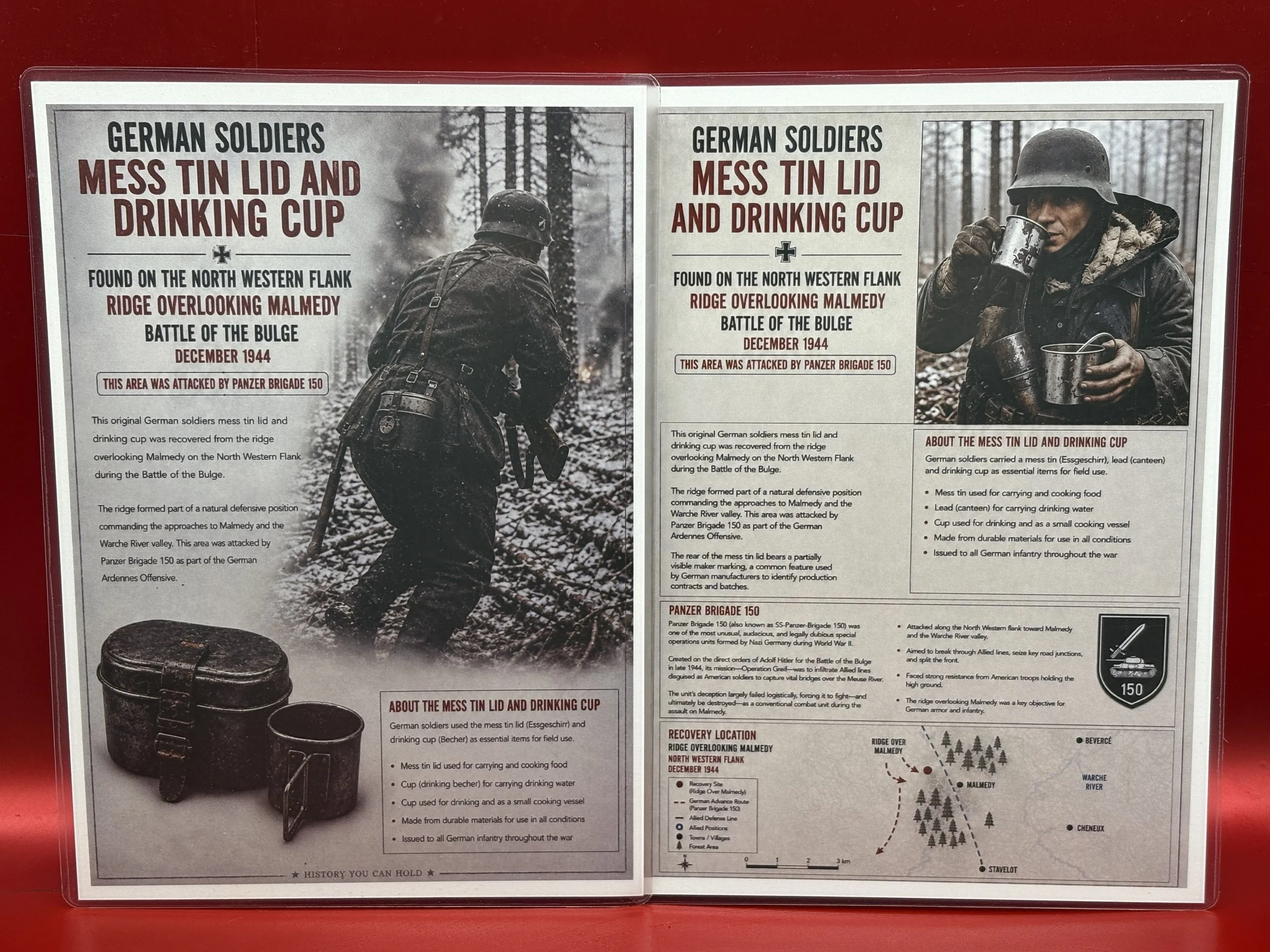 Image 9 of 10
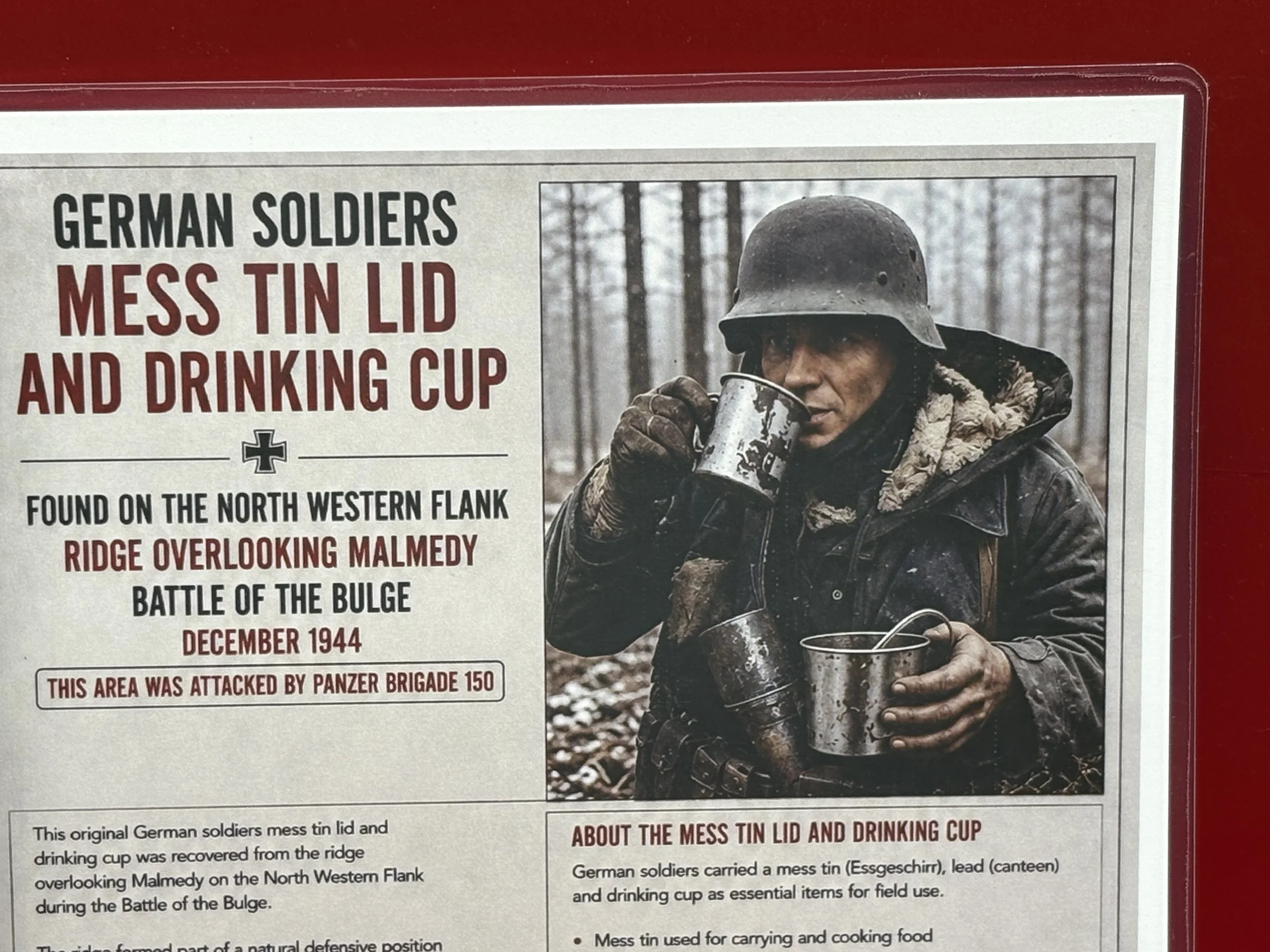 Image 10 of 10