This is a fantastic condition double decal German M40 steel helmet worn by Gebirgsjager soldier in 1st Mountain Division which was recovered from the famous Mountain range in Russia.
The helmet which is in fantastic condition for relic which has only a few smaller size rust holes and a bit battle damage in top as well with a couple of holes and a blast crack but overall it is in very nice relic condition a lovely condition display peace. It is a solid piece which is not breaking up or falling apart and has both its decals in place one can be seen much clearer then the other. The helmet does not have any of its leather liner in place but does have its complete aluminium liner ring and chin strap holders in place and the liner ring has its size stamp still. The very rare bit is the soldiers initials in the back rim clear to see and with lots of original green paintwork remains clear to see but also what looks like the remains of white painted snow camouflage paintwork as well this is hard to tell for sure as there is not much left but it does look like it. The helmet has been very nicely cleaned and is perfect for display and a rare one for any collection. The helmet was worn by Gebirgsjager soldier in 1st Mountain Division which was recovered on Khotyu-Tau-Elbrus in the Caucasus mountains from the 1942 battlefield. The helmet comes with 2xA5 laminated information cards with map marked where the helmet was found also many pictures.
The Elbrus–Khotyu-Tau battlefield formed part of the German advance into the Caucasus in the summer of 1942, during the wider campaign that was being fought at the same time as Stalingrad. The 1st Gebirgs-Division (1st Mountain Division), supported by elements of the 4th Gebirgs-Division, advanced through the high Caucasus passes with the aim of breaking through towards the Black Sea. In August 1942 German mountain troops captured a series of strategically important passes between Elbrus, Marukh, Bgala and Adsapsch. On 15 August, a detachment of Gebirgsjäger-Regiment 99 reached the Khotyu-Tau Pass at about 3,550 metres; the pass was initially undefended, and the German force continued towards the Elbrus massif. German mountain troops then occupied the Elbrus mountain hut and surrounding high-altitude positions, and on 21 August a high-mountain detachment drawn from the 1st and 4th Mountain Divisions reached the summit of Mount Elbrus. The advance subsequently stalled, and the Elbrus sector became a remote high-altitude battlefield. From late August and particularly during September and October, Soviet forces mounted repeated attacks against German positions around Khotyu-Tau, Chiper Pass, Chiper-Azau and the Elbrus hut. The German 99th Gebirgsjäger Regiment remained in the Elbrus sector after most of the 1st Mountain Division was transferred elsewhere in September. Fighting, exposure, snow and extreme altitude made the area exceptionally difficult for both sides. The German positions remained in place until the general withdrawal from the Caucasus in early January 1943, leaving behind weapons, equipment and other battlefield material in the high mountains. Today the Elbrus region remains a recognised battlefield landscape containing surviving traces of the 1942–43 mountain campaign.
This is a fantastic condition double decal German M40 steel helmet worn by Gebirgsjager soldier in 1st Mountain Division which was recovered from the famous Mountain range in Russia.
The helmet which is in fantastic condition for relic which has only a few smaller size rust holes and a bit battle damage in top as well with a couple of holes and a blast crack but overall it is in very nice relic condition a lovely condition display peace. It is a solid piece which is not breaking up or falling apart and has both its decals in place one can be seen much clearer then the other. The helmet does not have any of its leather liner in place but does have its complete aluminium liner ring and chin strap holders in place and the liner ring has its size stamp still. The very rare bit is the soldiers initials in the back rim clear to see and with lots of original green paintwork remains clear to see but also what looks like the remains of white painted snow camouflage paintwork as well this is hard to tell for sure as there is not much left but it does look like it. The helmet has been very nicely cleaned and is perfect for display and a rare one for any collection. The helmet was worn by Gebirgsjager soldier in 1st Mountain Division which was recovered on Khotyu-Tau-Elbrus in the Caucasus mountains from the 1942 battlefield. The helmet comes with 2xA5 laminated information cards with map marked where the helmet was found also many pictures.
The Elbrus–Khotyu-Tau battlefield formed part of the German advance into the Caucasus in the summer of 1942, during the wider campaign that was being fought at the same time as Stalingrad. The 1st Gebirgs-Division (1st Mountain Division), supported by elements of the 4th Gebirgs-Division, advanced through the high Caucasus passes with the aim of breaking through towards the Black Sea. In August 1942 German mountain troops captured a series of strategically important passes between Elbrus, Marukh, Bgala and Adsapsch. On 15 August, a detachment of Gebirgsjäger-Regiment 99 reached the Khotyu-Tau Pass at about 3,550 metres; the pass was initially undefended, and the German force continued towards the Elbrus massif. German mountain troops then occupied the Elbrus mountain hut and surrounding high-altitude positions, and on 21 August a high-mountain detachment drawn from the 1st and 4th Mountain Divisions reached the summit of Mount Elbrus. The advance subsequently stalled, and the Elbrus sector became a remote high-altitude battlefield. From late August and particularly during September and October, Soviet forces mounted repeated attacks against German positions around Khotyu-Tau, Chiper Pass, Chiper-Azau and the Elbrus hut. The German 99th Gebirgsjäger Regiment remained in the Elbrus sector after most of the 1st Mountain Division was transferred elsewhere in September. Fighting, exposure, snow and extreme altitude made the area exceptionally difficult for both sides. The German positions remained in place until the general withdrawal from the Caucasus in early January 1943, leaving behind weapons, equipment and other battlefield material in the high mountains. Today the Elbrus region remains a recognised battlefield landscape containing surviving traces of the 1942–43 mountain campaign.

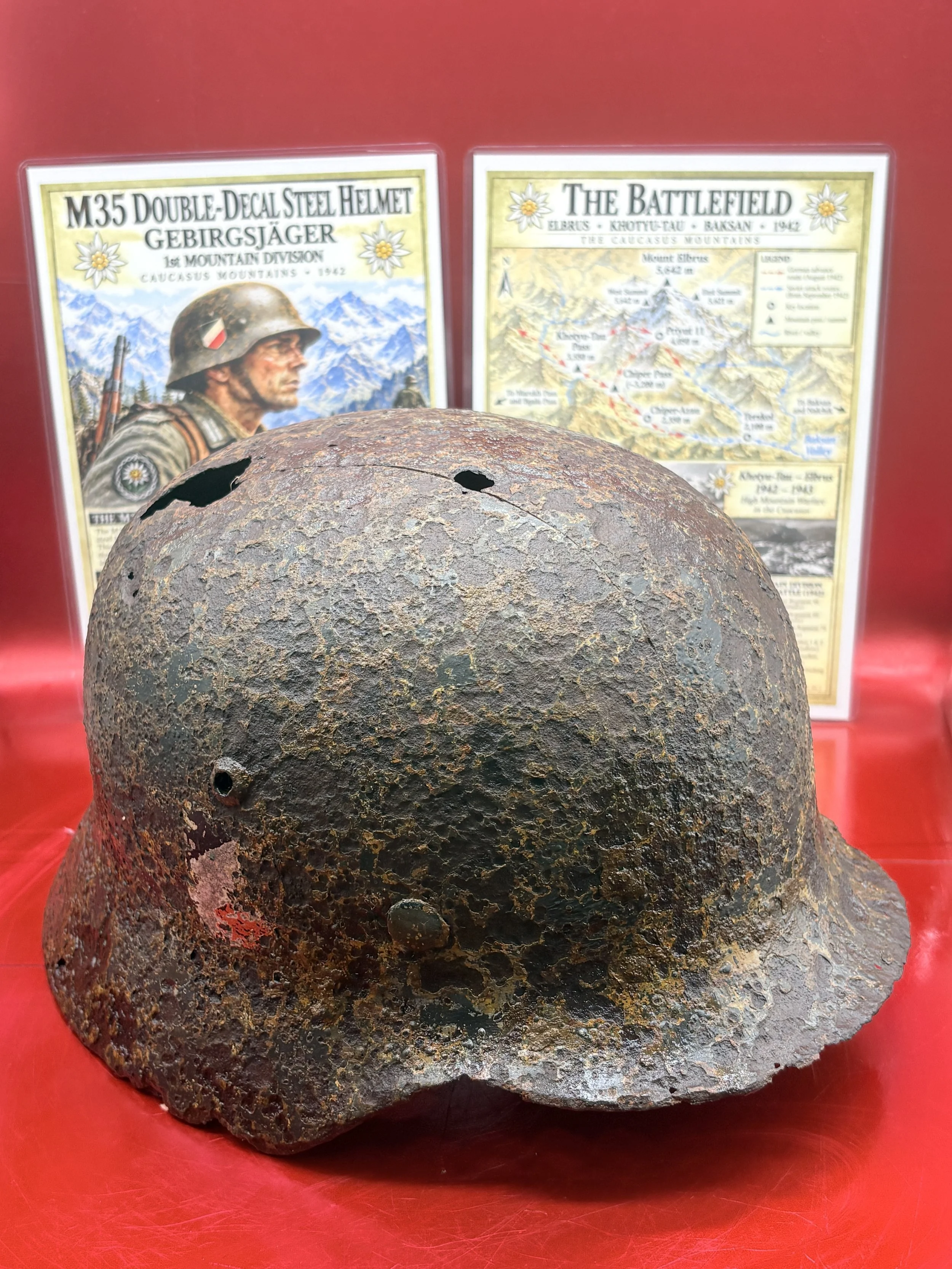 Image 1 of 16
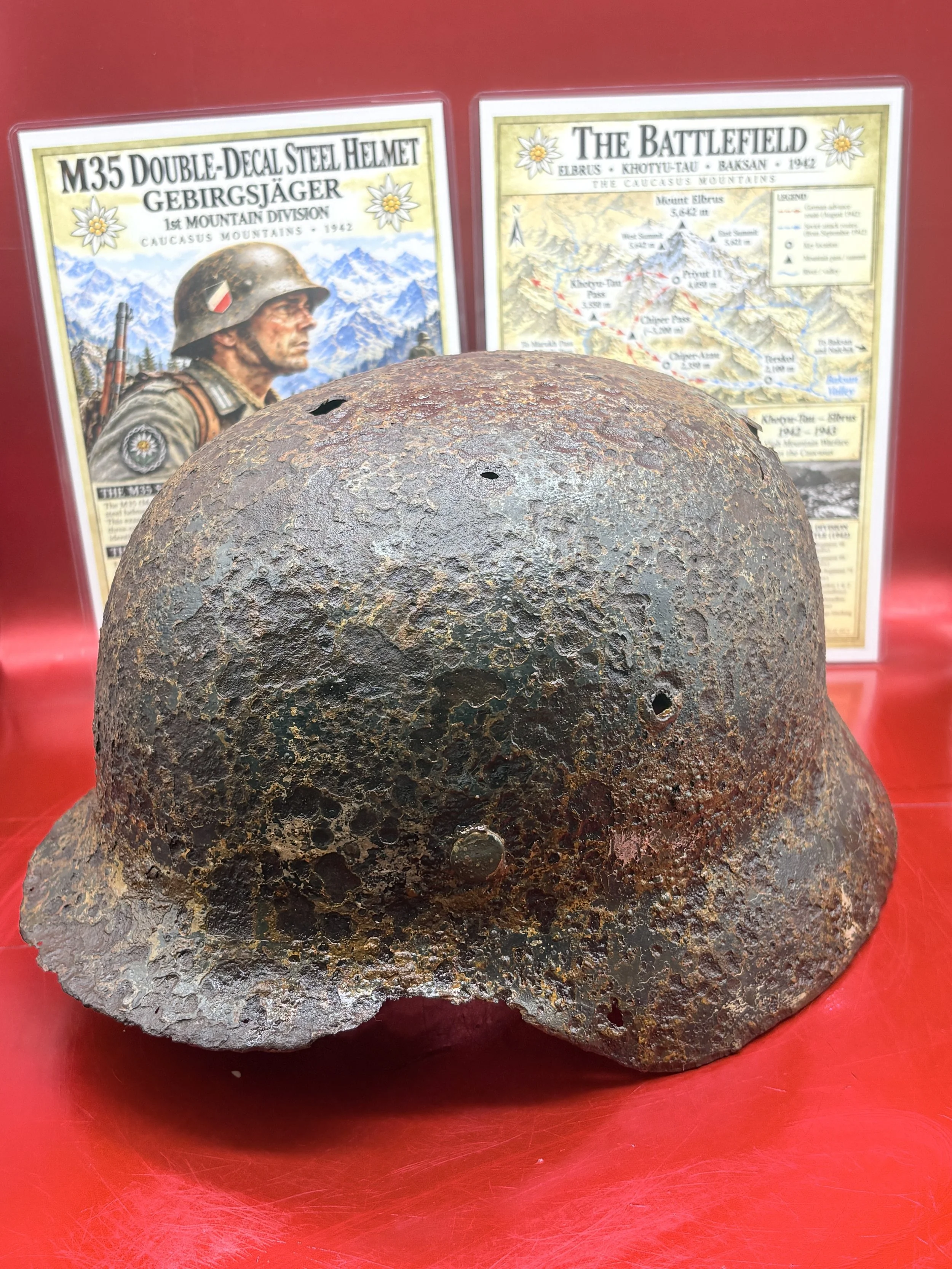 Image 2 of 16
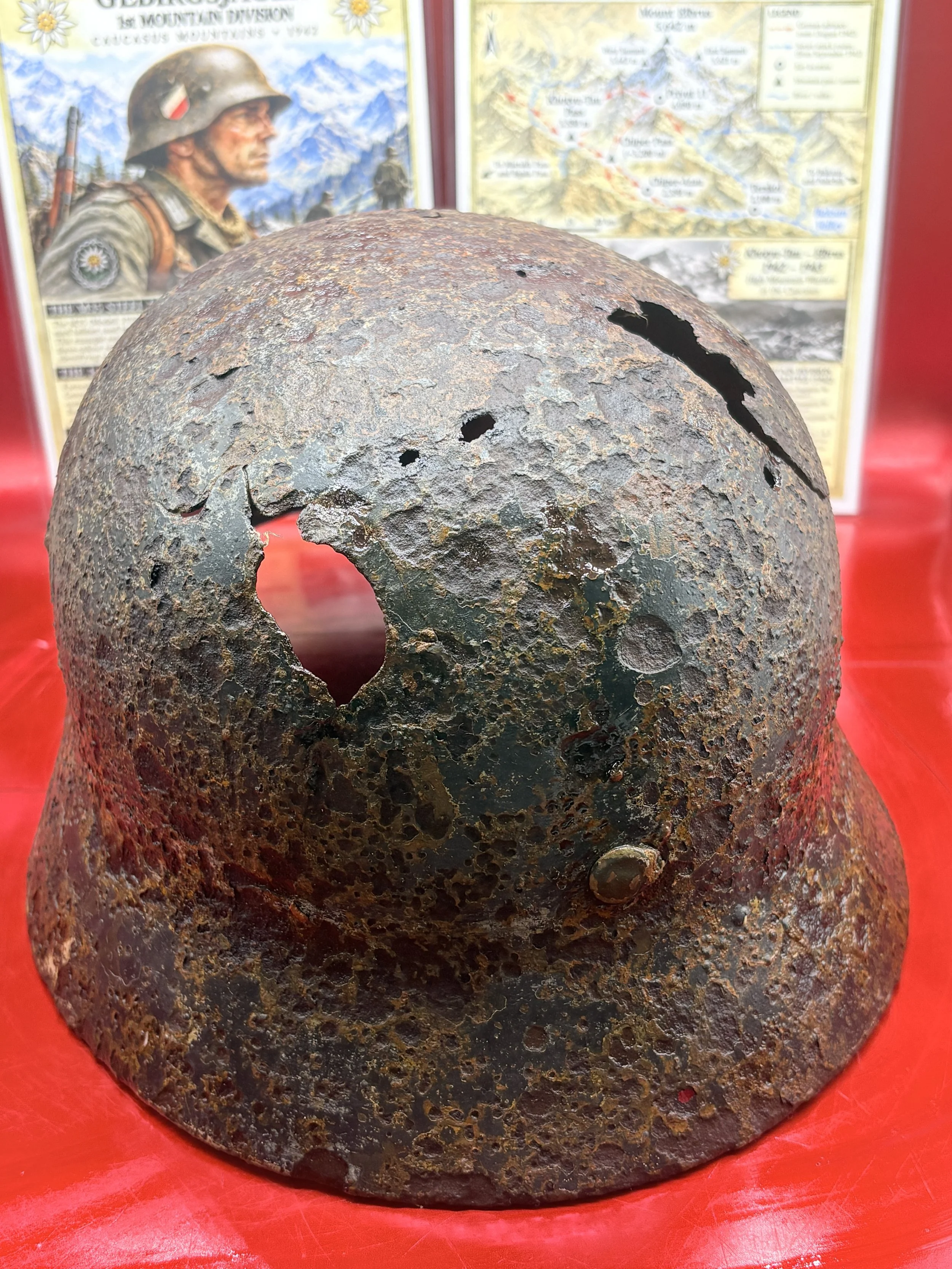 Image 3 of 16
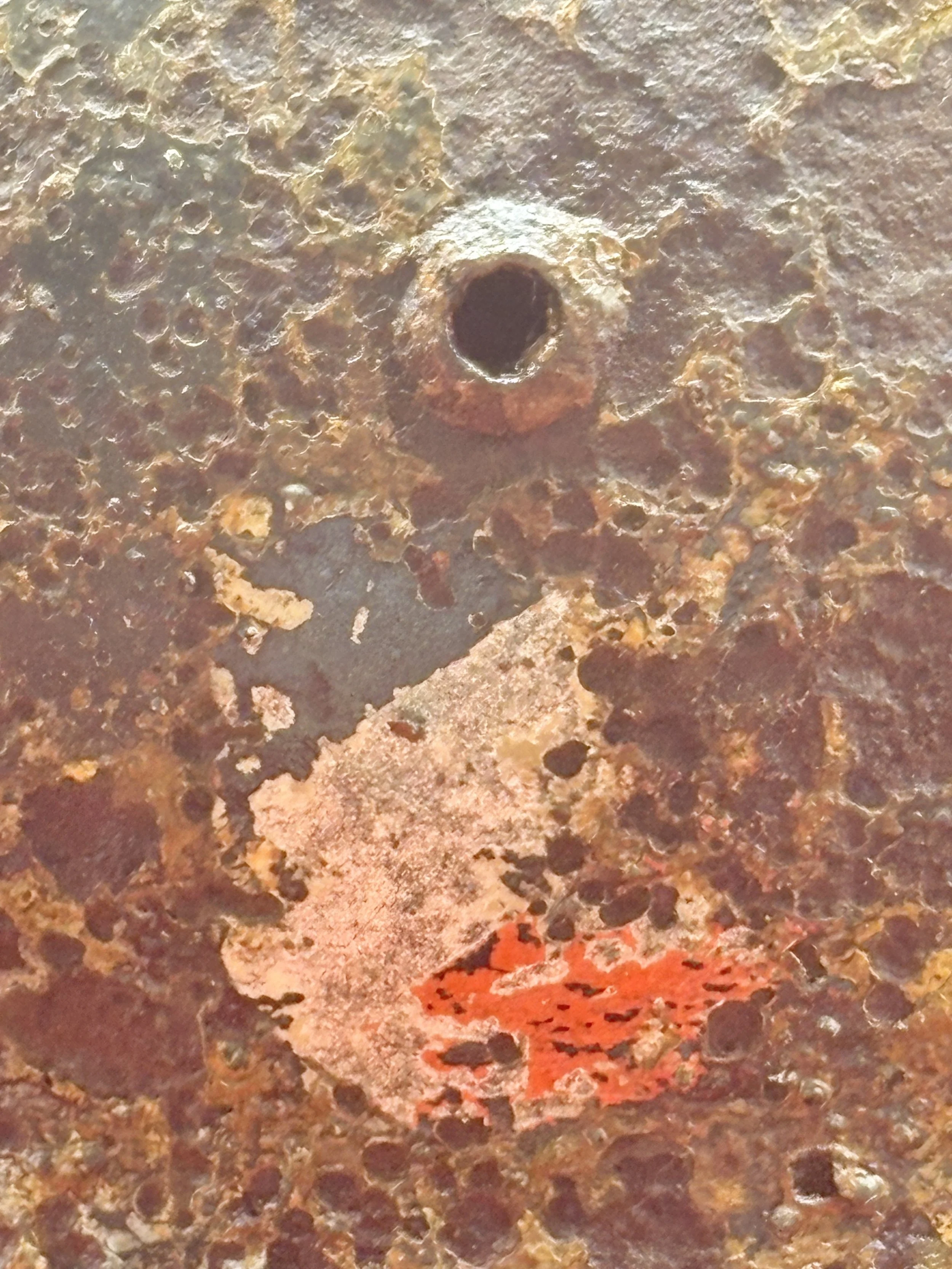 Image 4 of 16
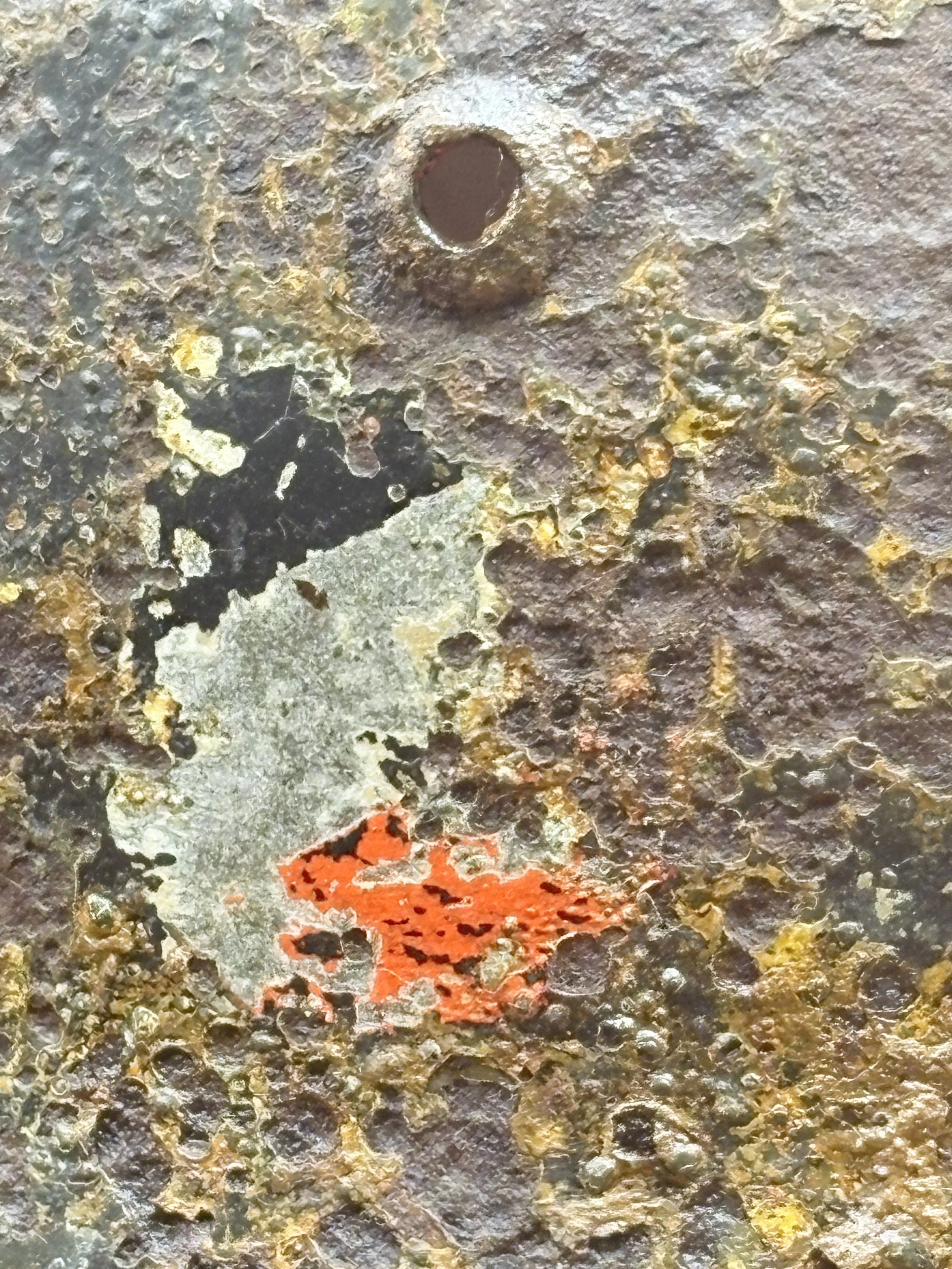 Image 5 of 16
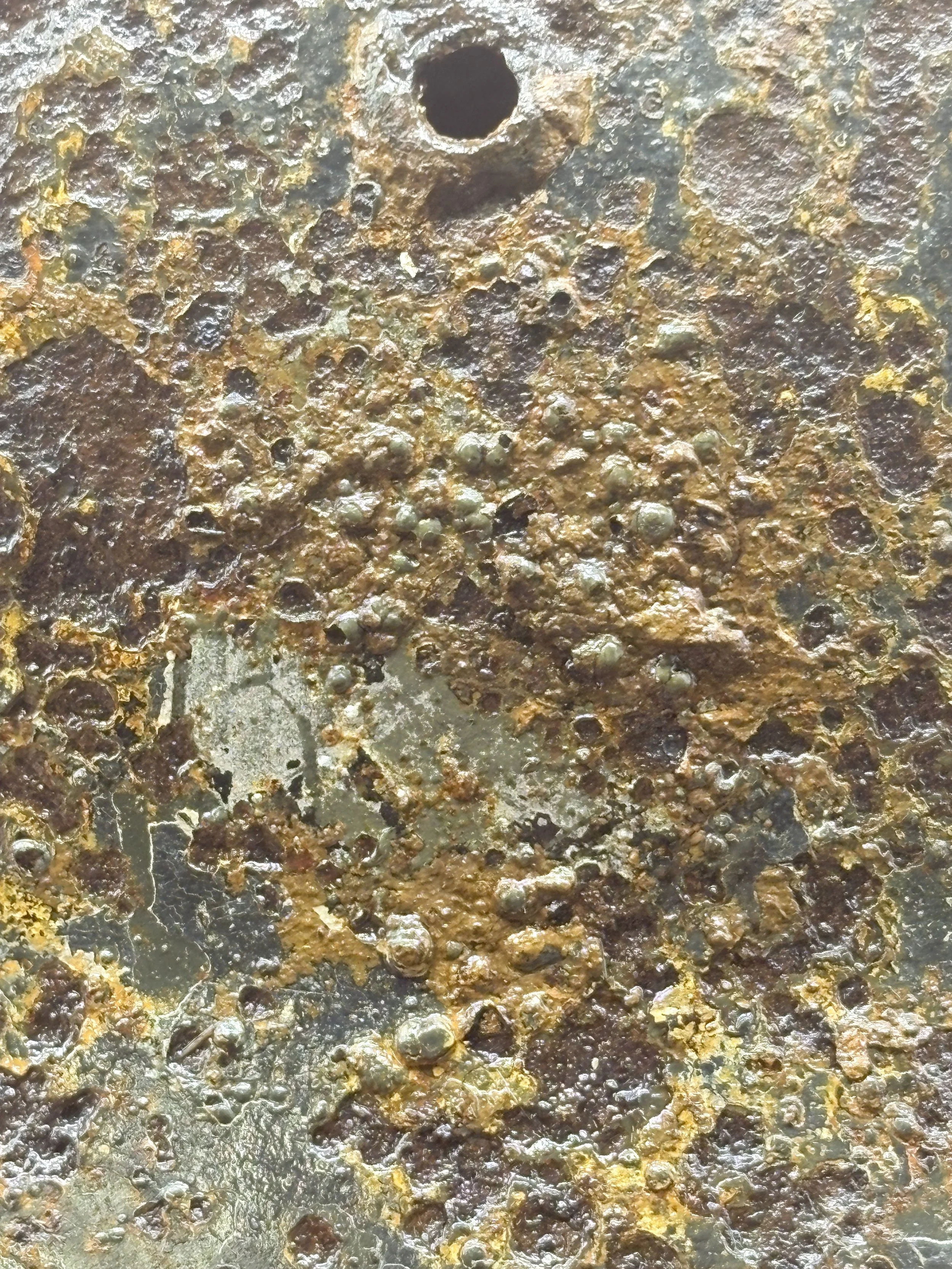 Image 6 of 16
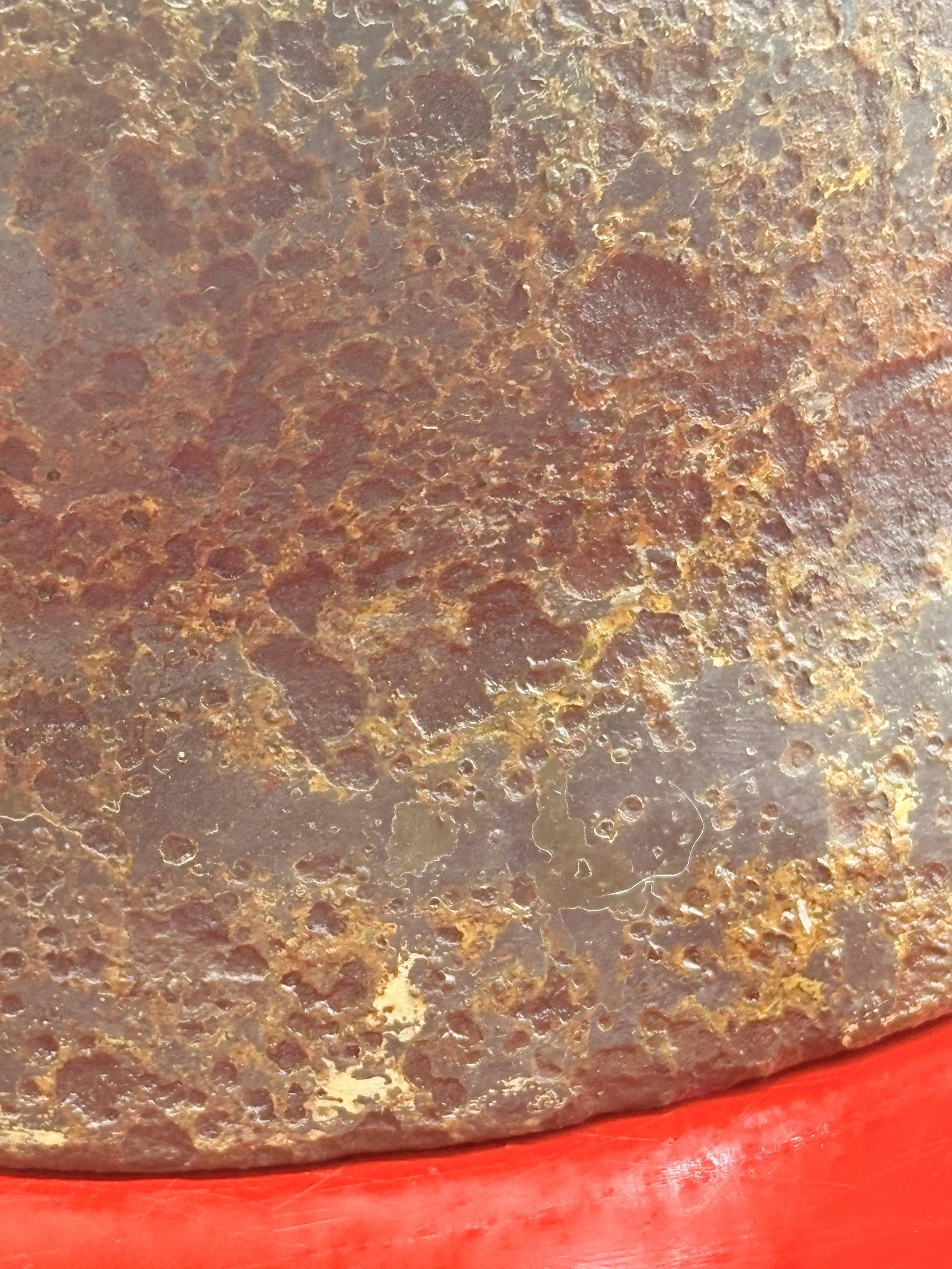 Image 7 of 16
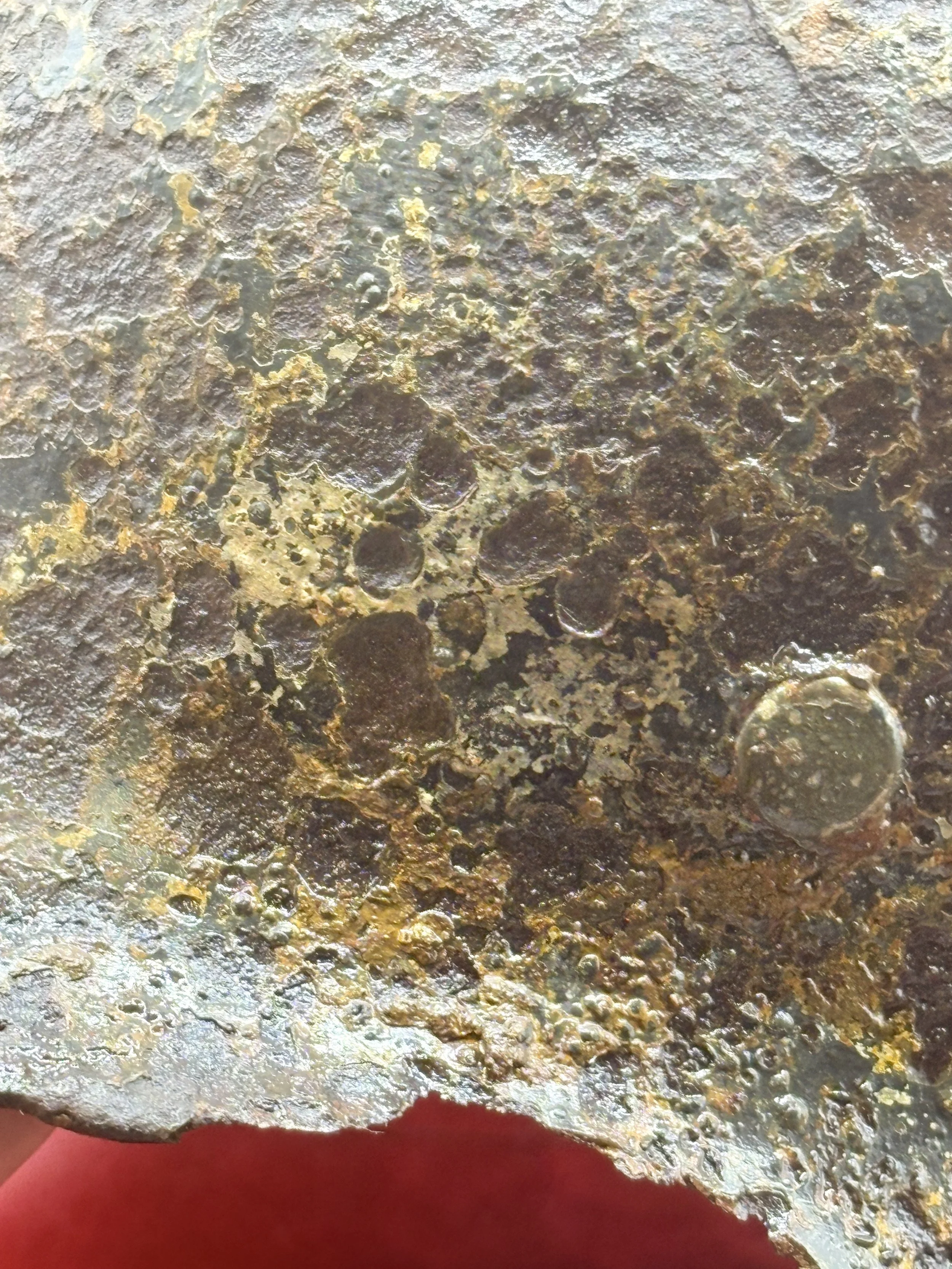 Image 8 of 16
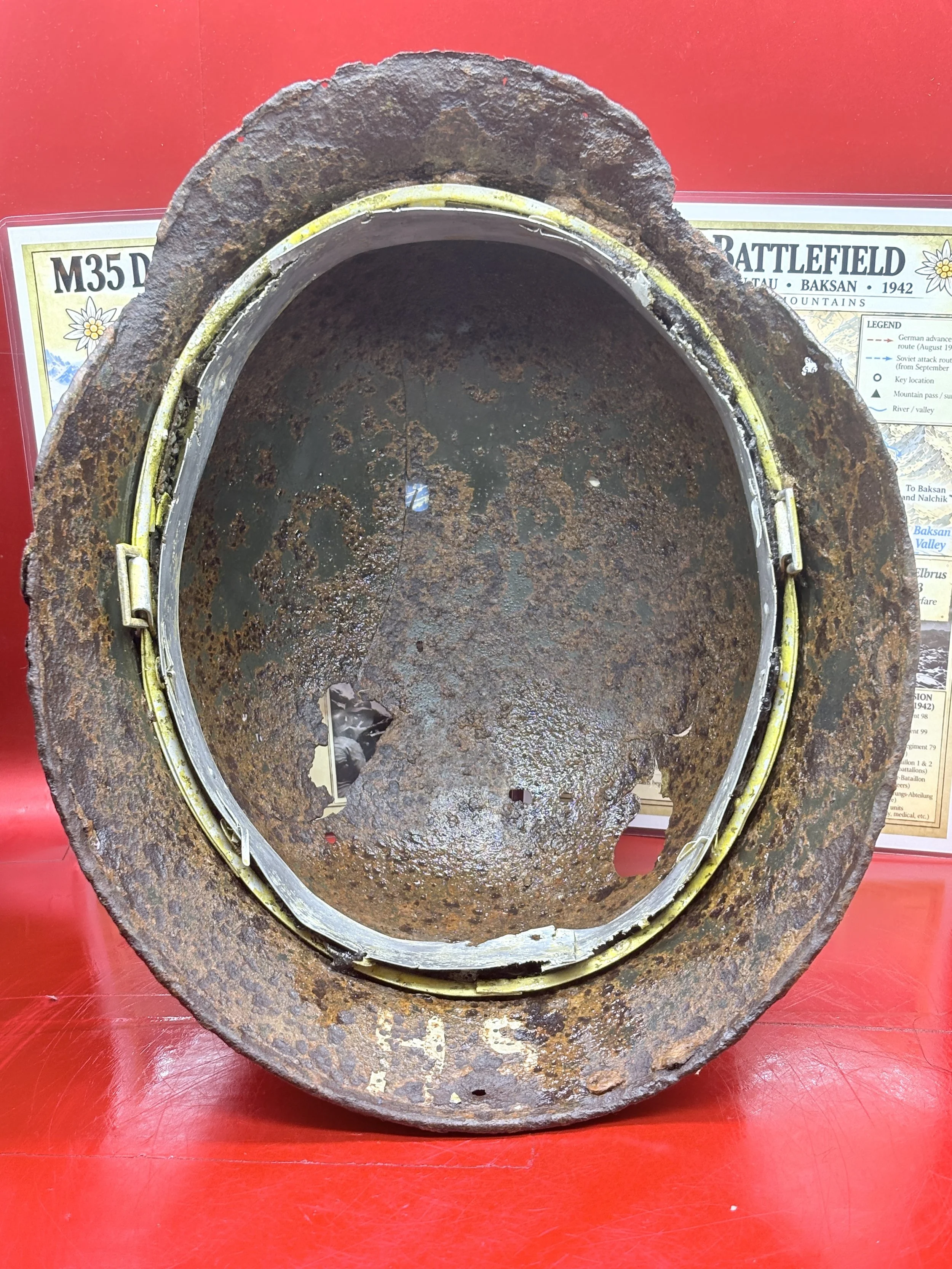 Image 9 of 16
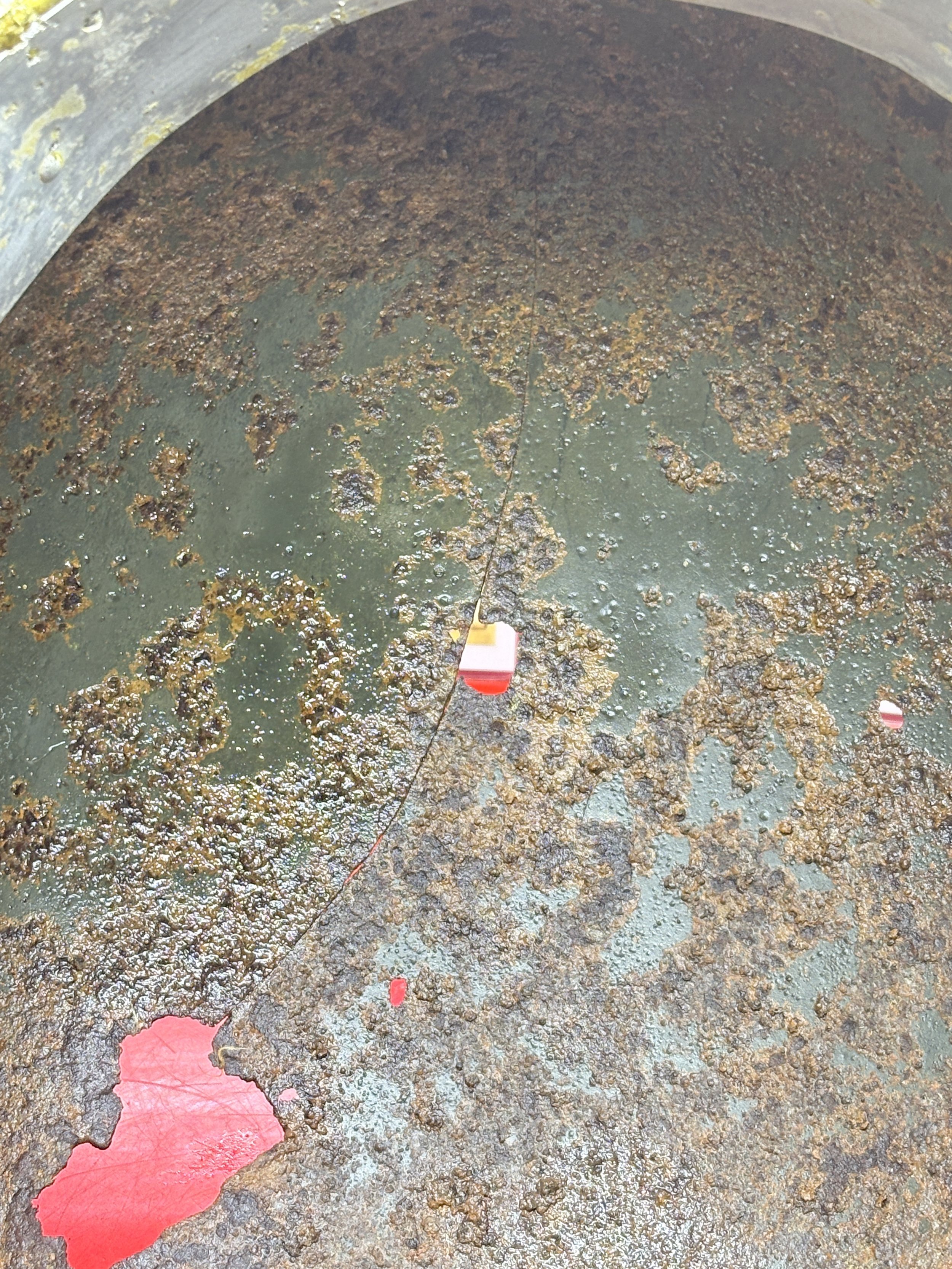 Image 10 of 16
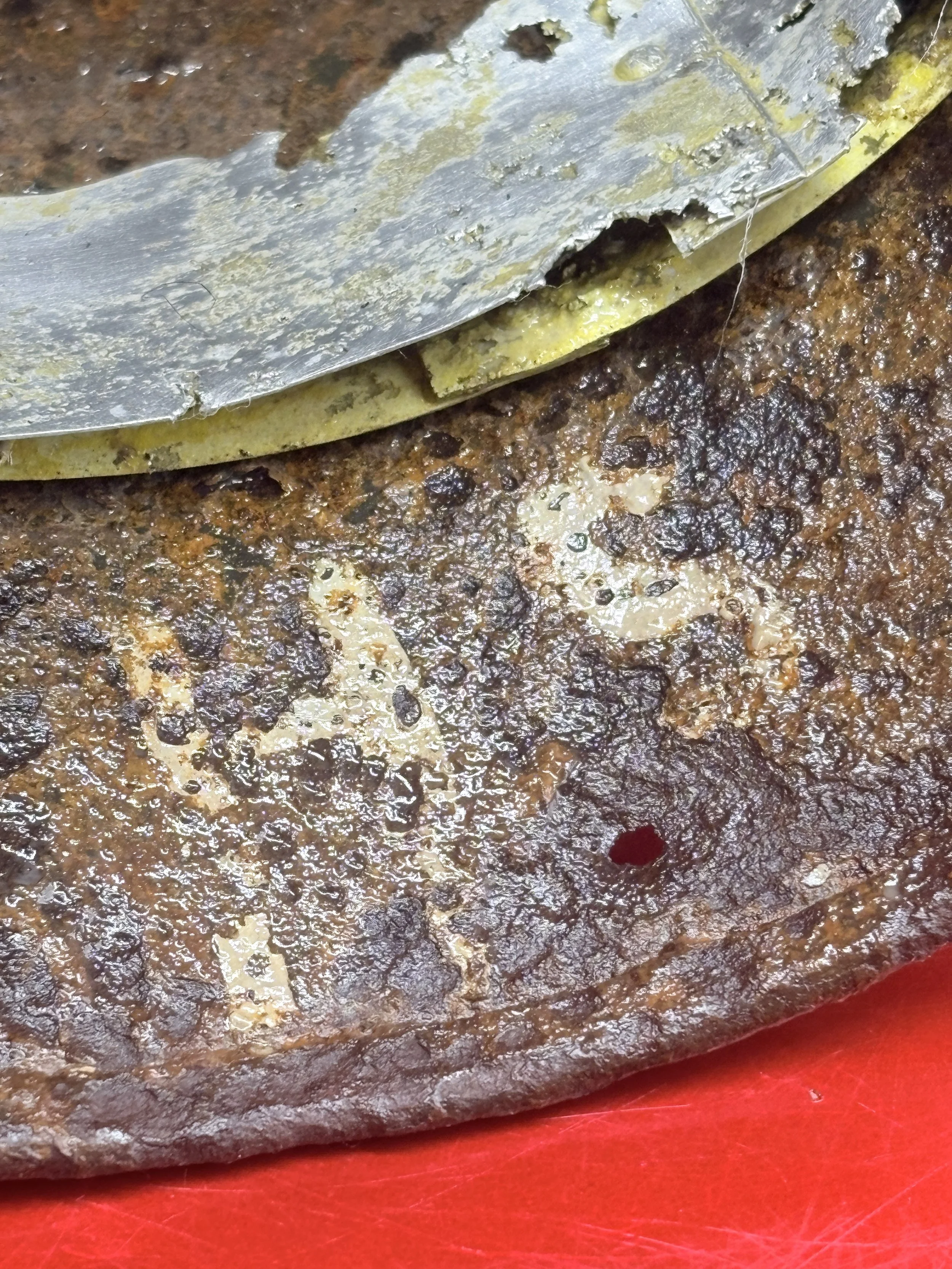 Image 11 of 16
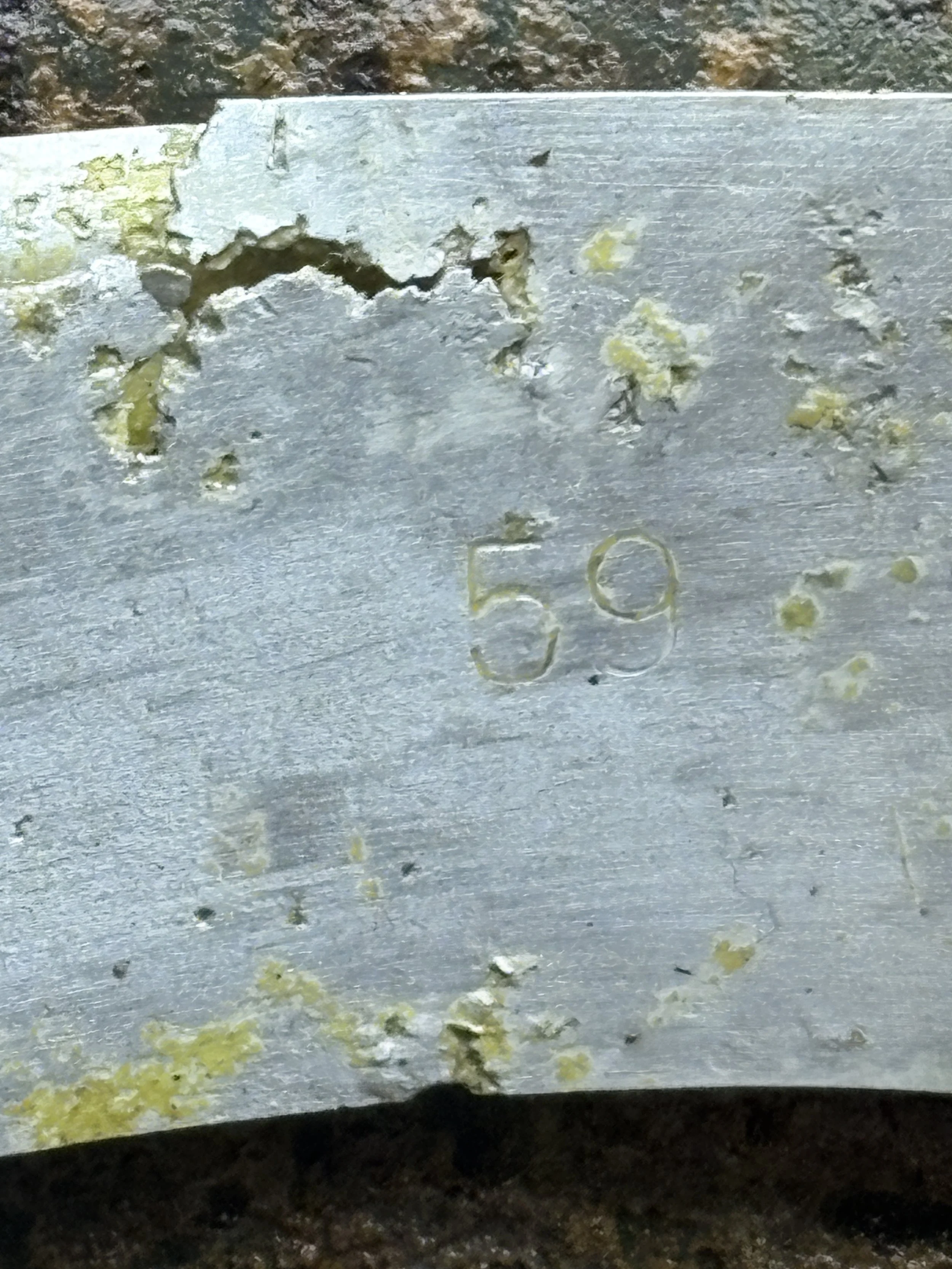 Image 12 of 16
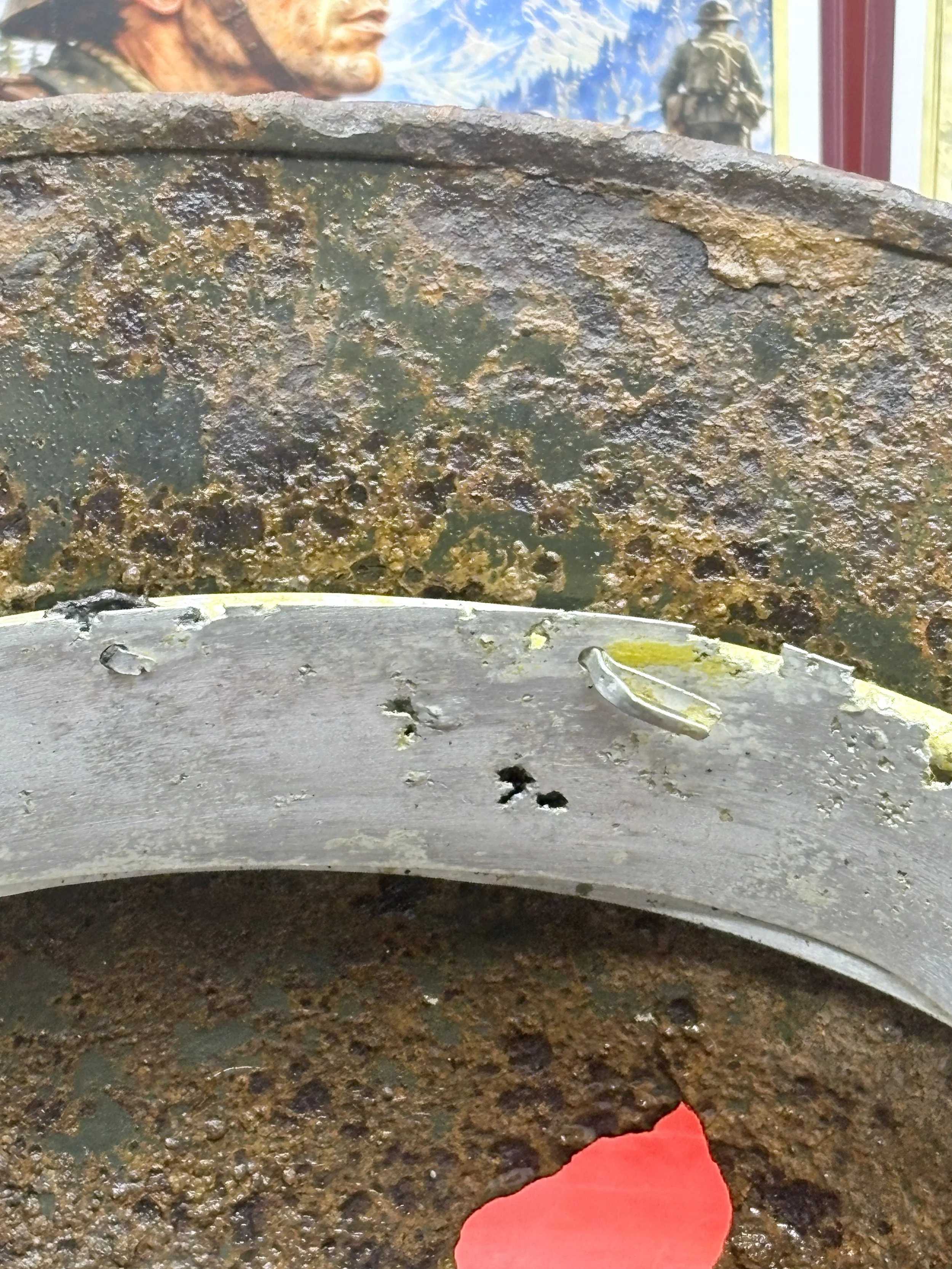 Image 13 of 16
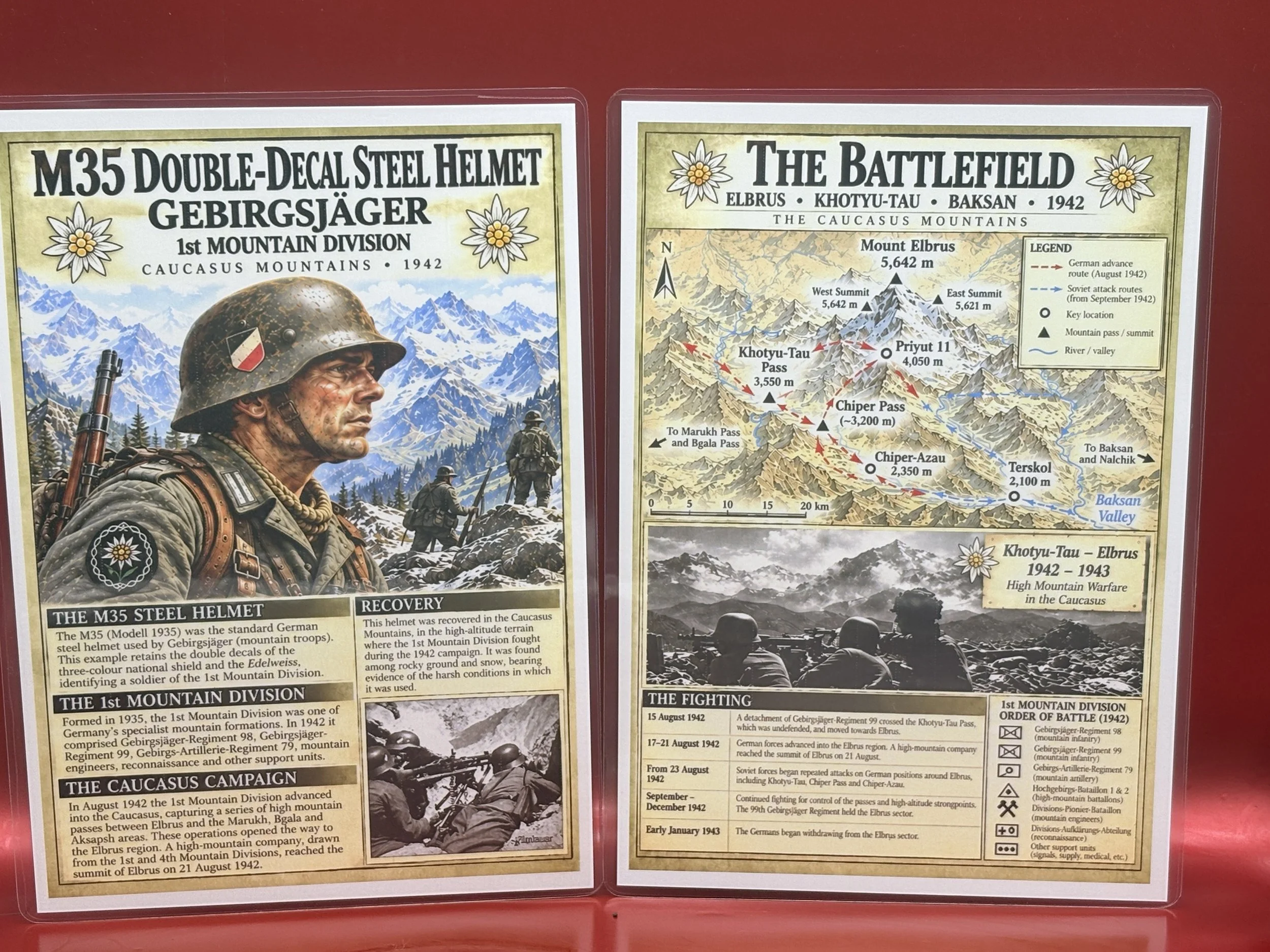 Image 14 of 16
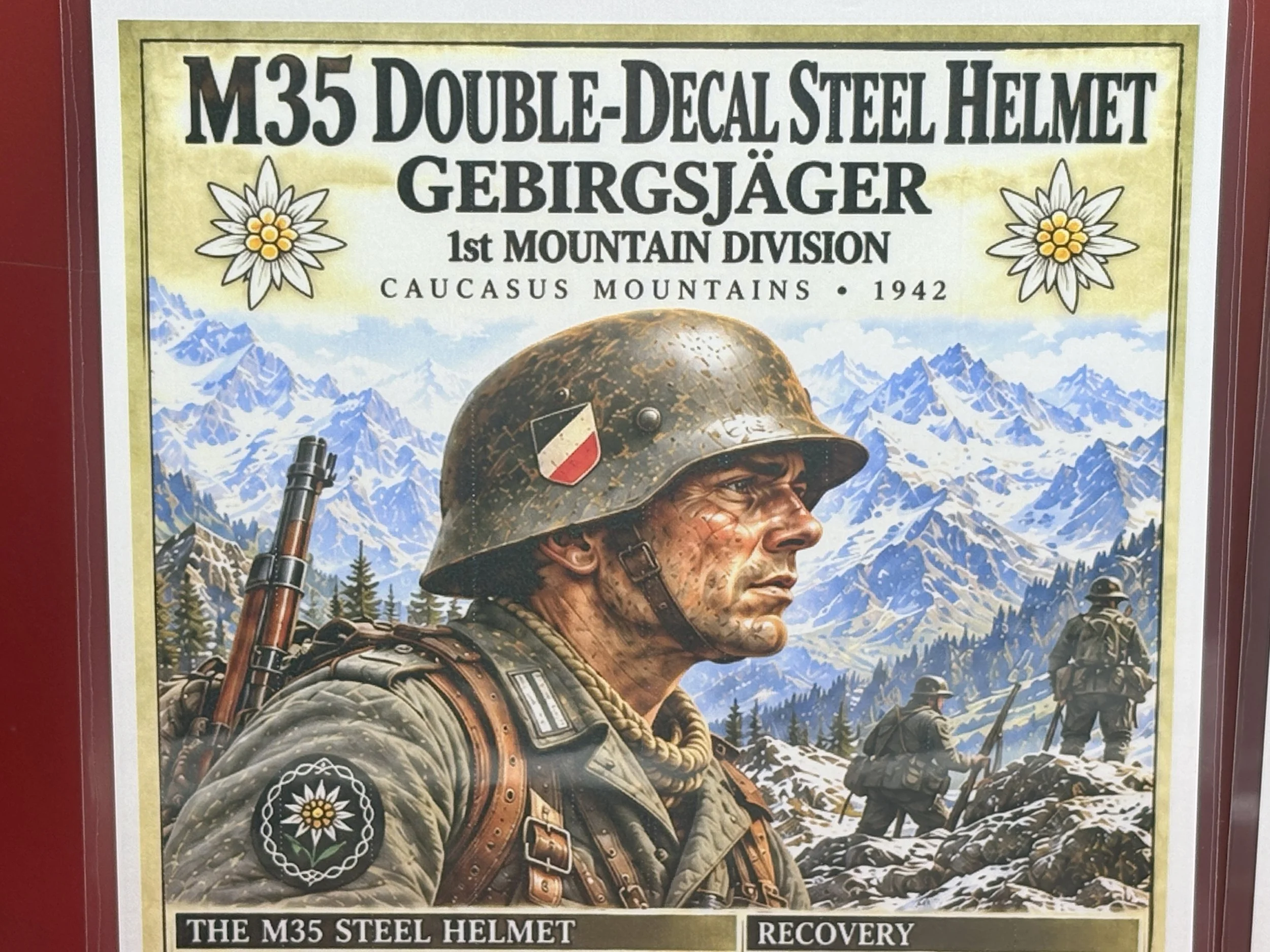 Image 15 of 16
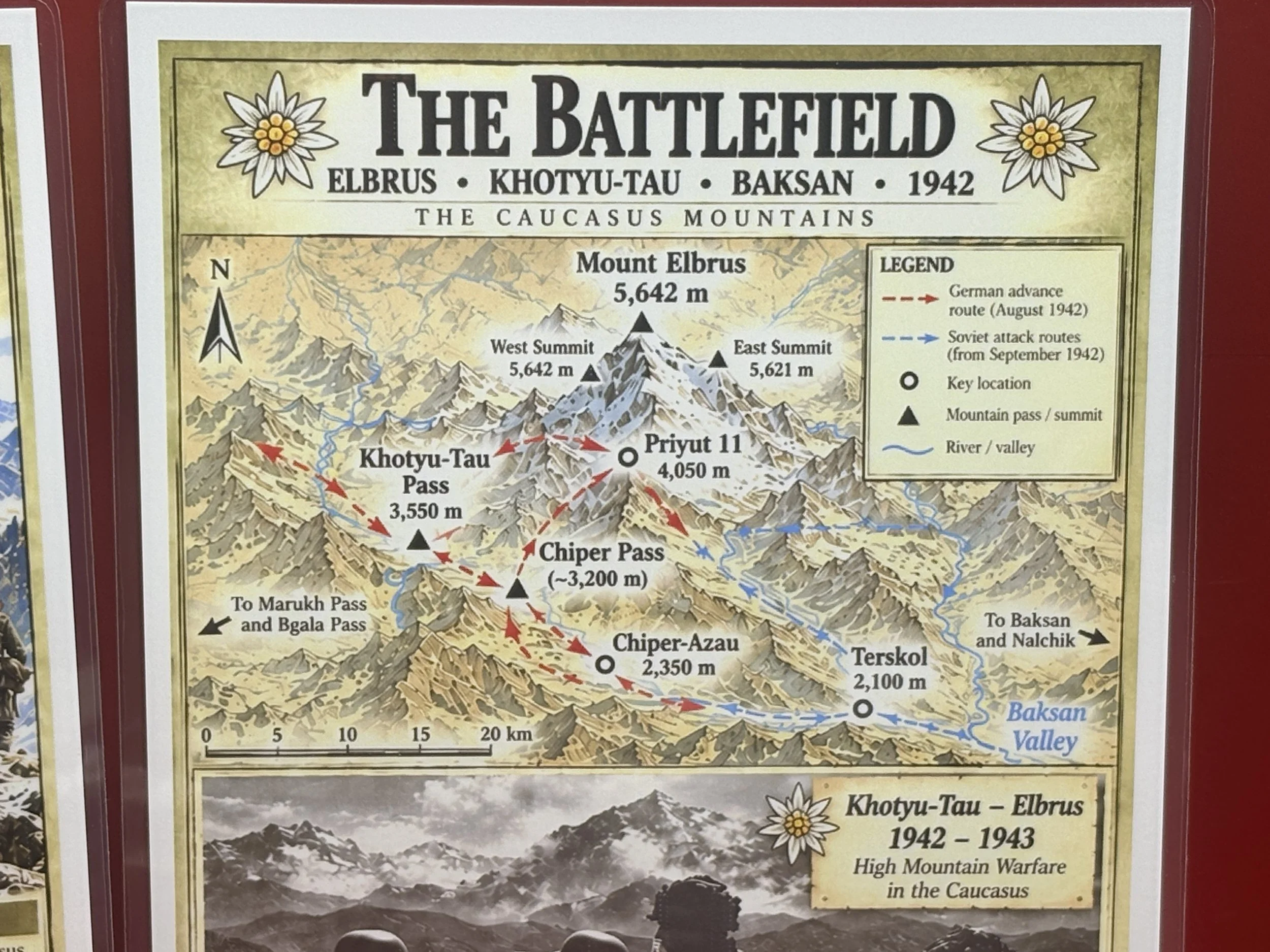 Image 16 of 16