This is a large electrical component which is solid rubber made which has all of its electrical connectors still connected and is dated 1943 on the back and maker marked as well.
The part is 8 inches long and 3 half inches wide in size it has some damage from the crash and being buried but nothing bad. The part still has lots of original colours it is still very solid and have been very well cleaned it is perfect condition for display or any collection.
The part is from German Messerschmitt 262 jet shot down by an American P51 fighter on 18 April 1945, Southwest of Prague, Czechoslovakia and crashed at Vltava.The parts come with 2 X A5 laminated information cards with pictures and map.
On 18 April 1945, American P-51 Mustangs of the USAAF’s 357th Fighter Group were operating over the Prague area. Major Donald H. Bochkay of the 363rd Fighter Squadron was credited with shooting down an Me 262 during the fighting that day. Czech crash-site research links this victory to a jet that fell in woodland near Trnová, southwest of Prague, close to the Vltava River.
The crash in the Vltava valley
The Me 262 was hit during the aerial engagement and came down in a wooded ravine on the slope above the Vltava. Local accounts place the crash at approximately 13:45 on 18 April 1945. The aircraft broke apart and burned on impact, scattering wreckage through the forest. The location was later examined by Czech aviation-history researchers, who reported finding small pieces of airframe and parts associated with the aircraft’s armament. The aircraft’s Werknummer (factory number) has not been securely established in the available accounts.
The pilot: Ulrich Wöhnert
Czech research identifies the pilot as Leutnant Ulrich Wöhnert, although the identification is generally presented as probable rather than conclusively proven. The evidence concerning his fate also requires care. One American combat account reportedly recorded that the pilot did not escape, but Czech local-history research describes a German lieutenant parachuting from the burning jet near Oleško. A local gendarmerie record is said to document the pilot being detained after landing. This evidence suggests that Wöhnert may have survived the crash with minor injuries, but the pilot’s identity and the exact circumstances should be described as probable unless supported by further primary documentation.

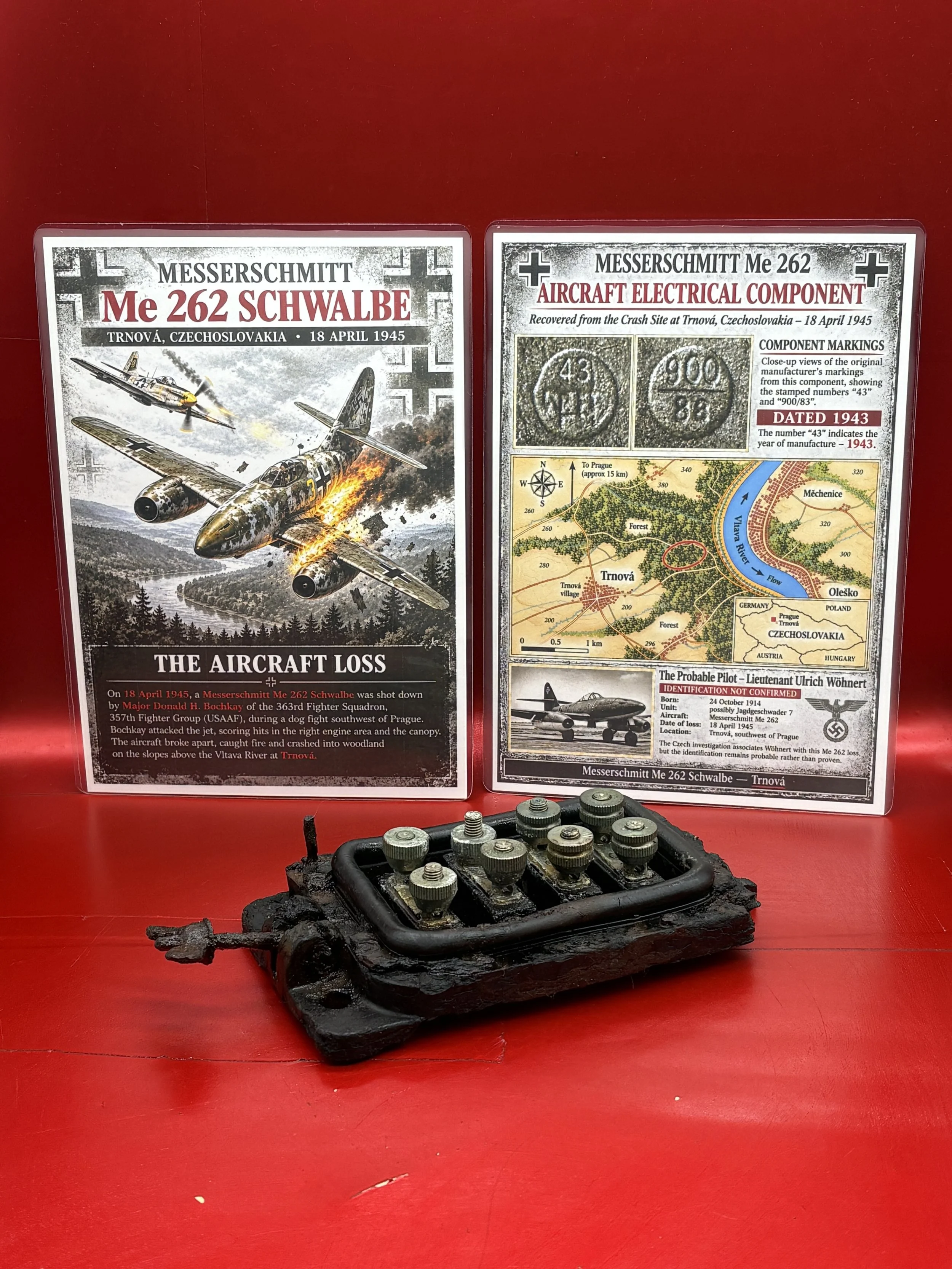 Image 1 of 13
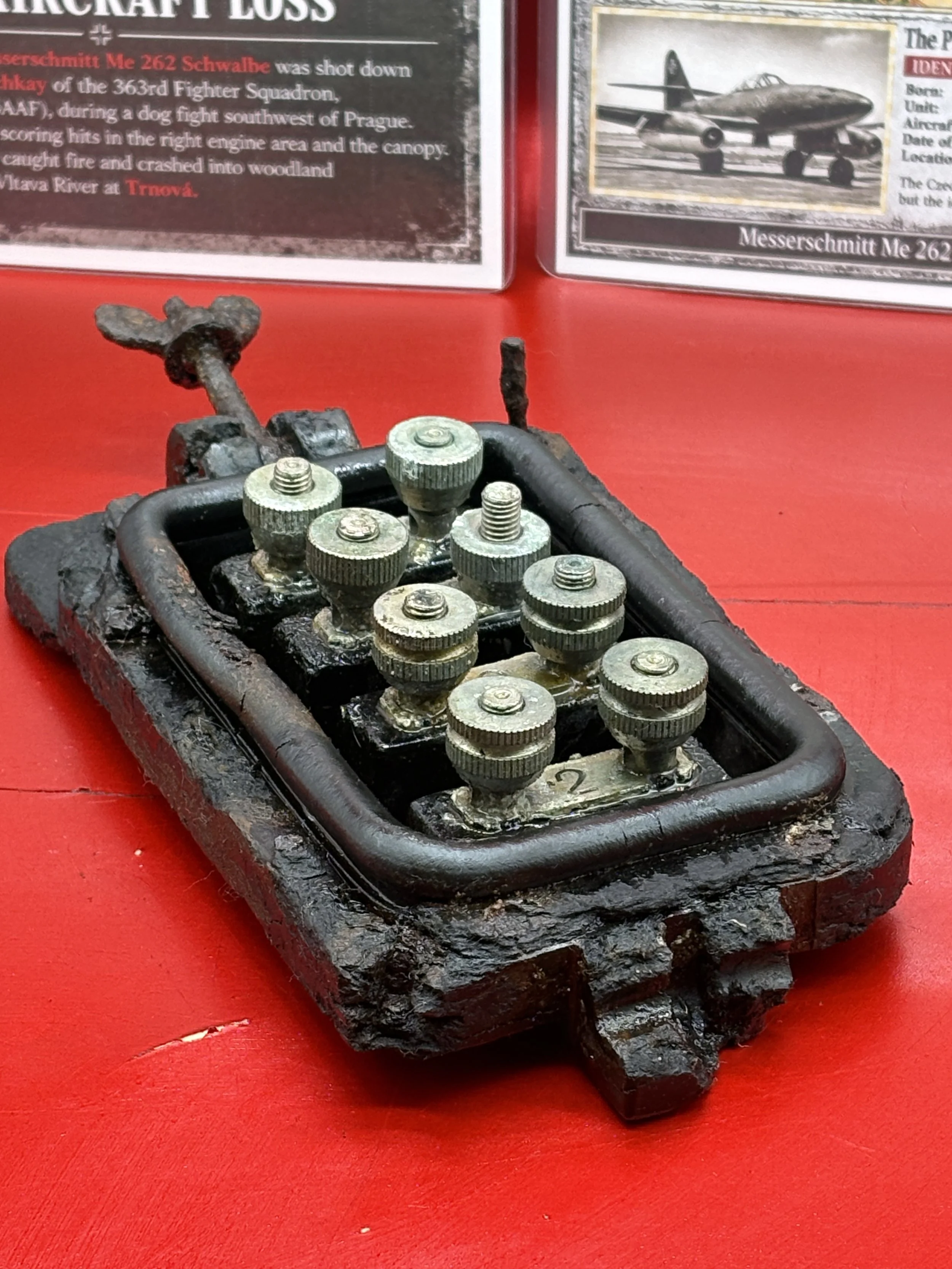 Image 2 of 13
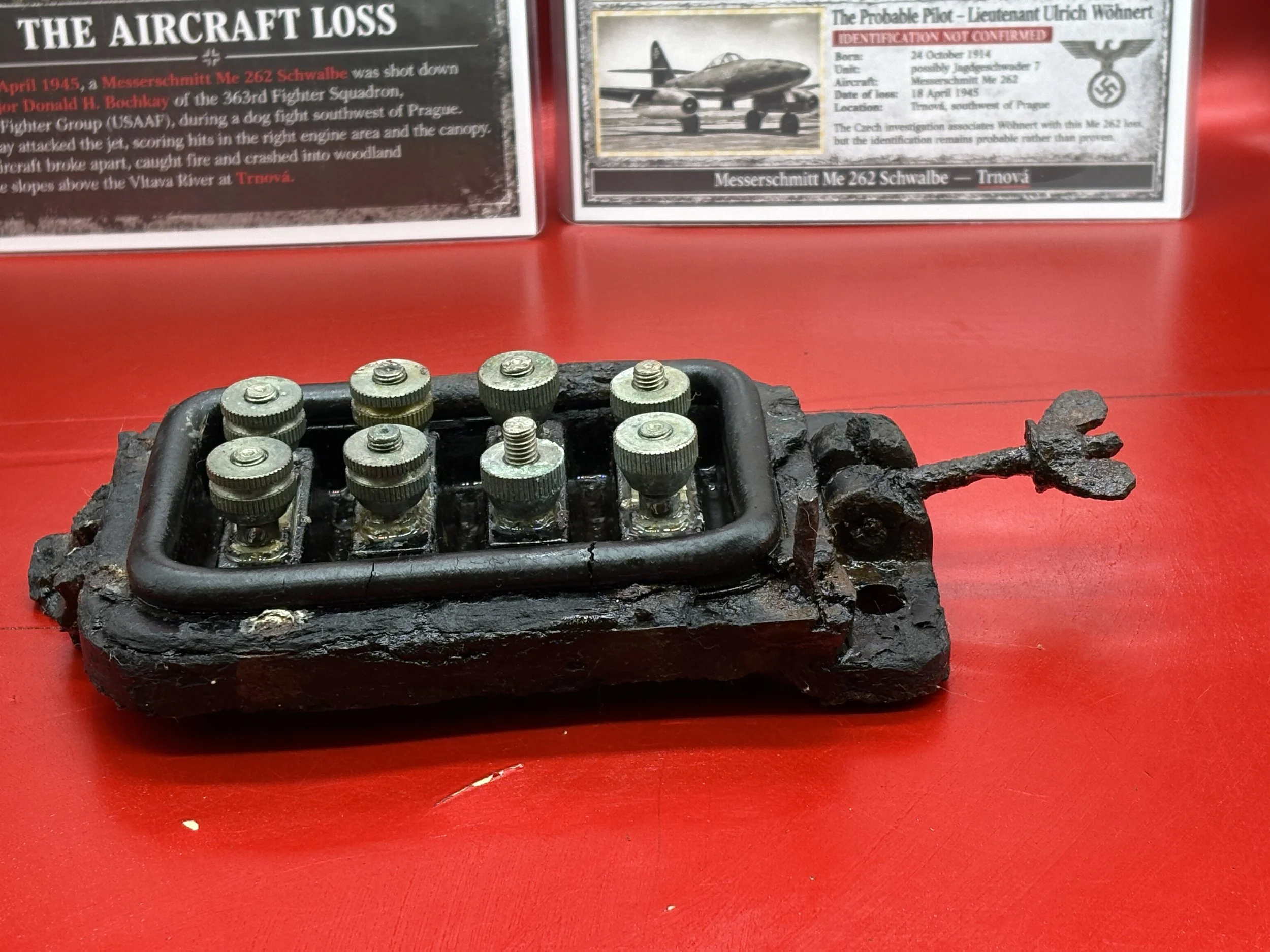 Image 3 of 13
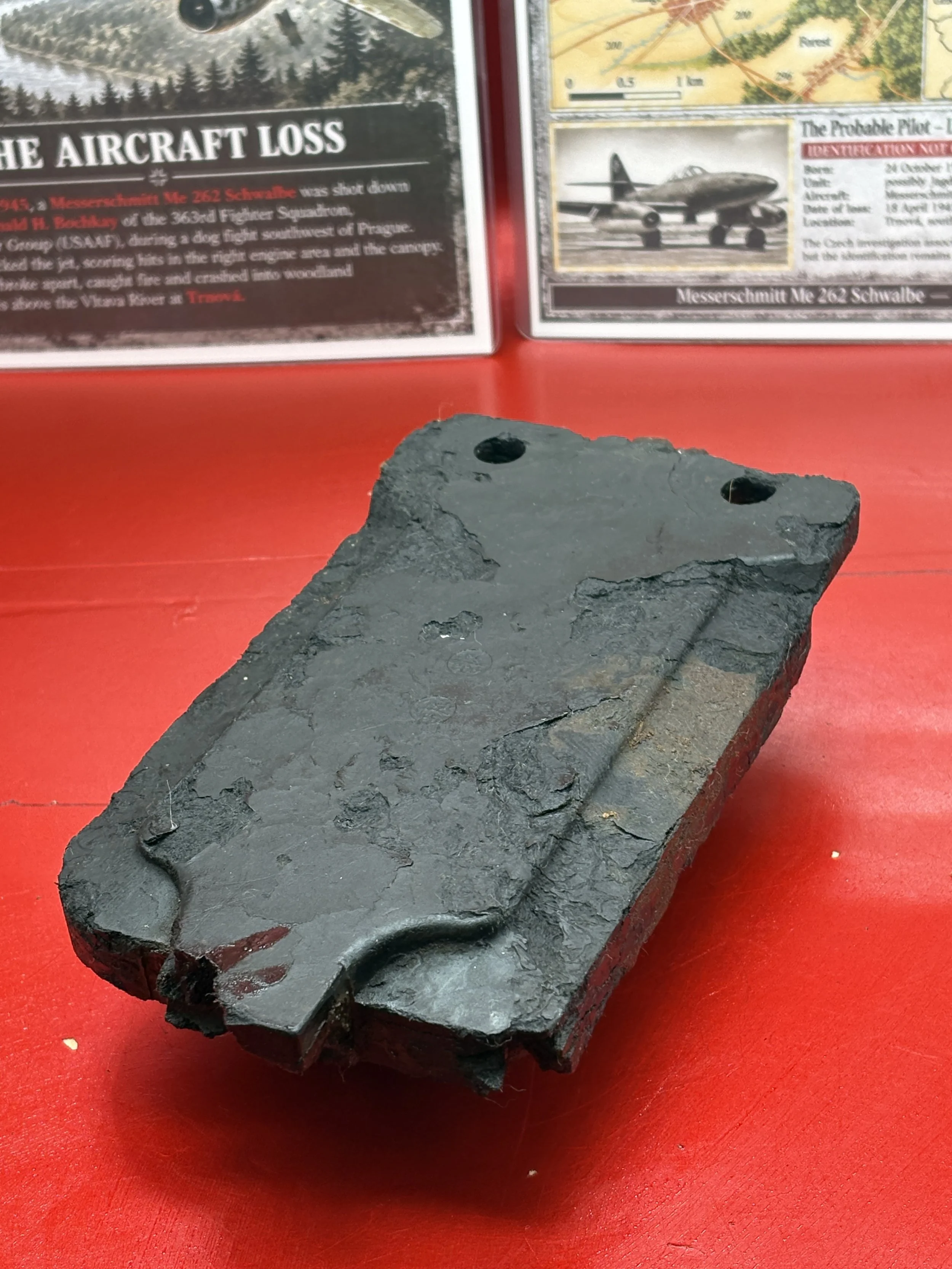 Image 4 of 13
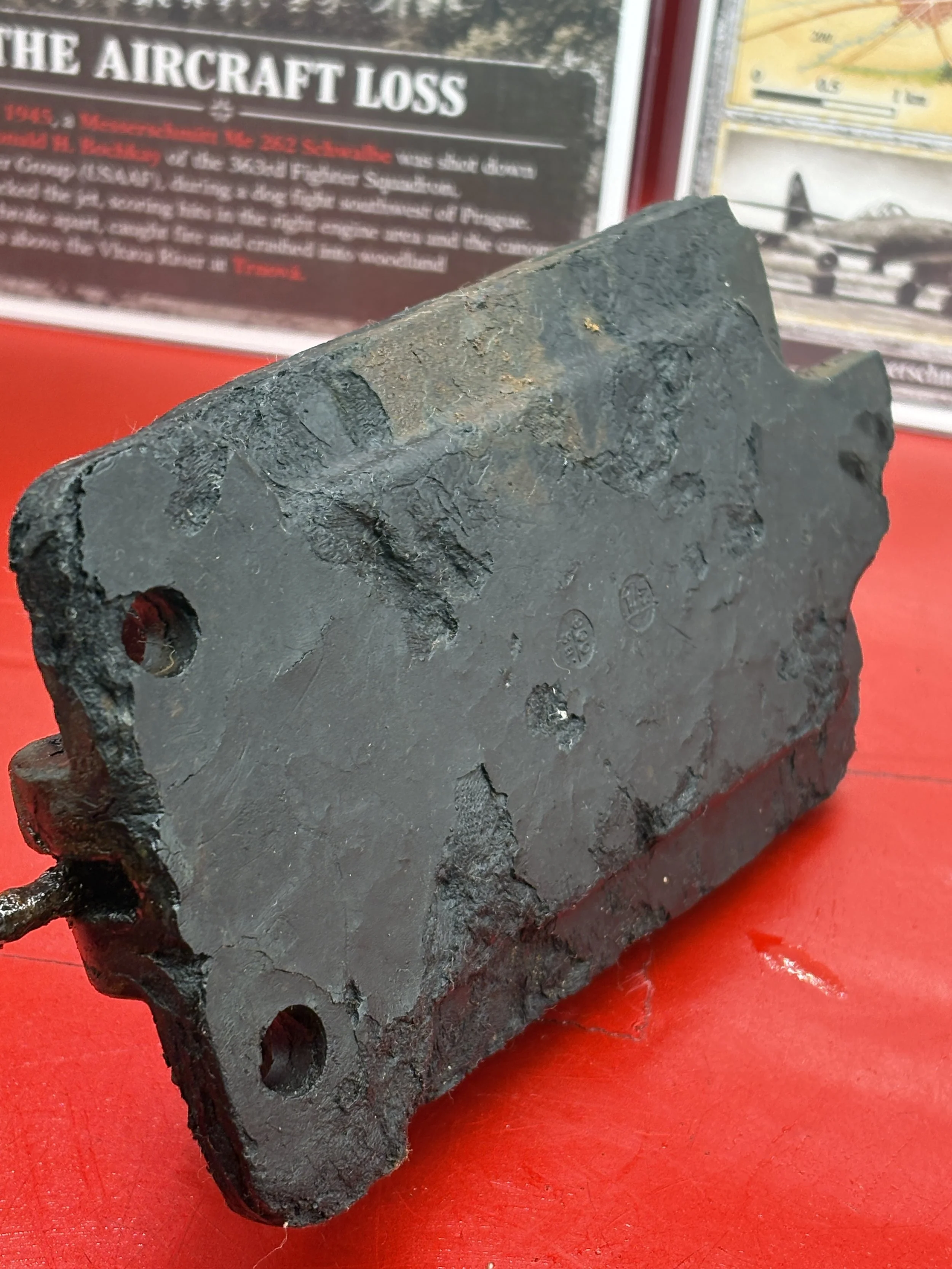 Image 5 of 13
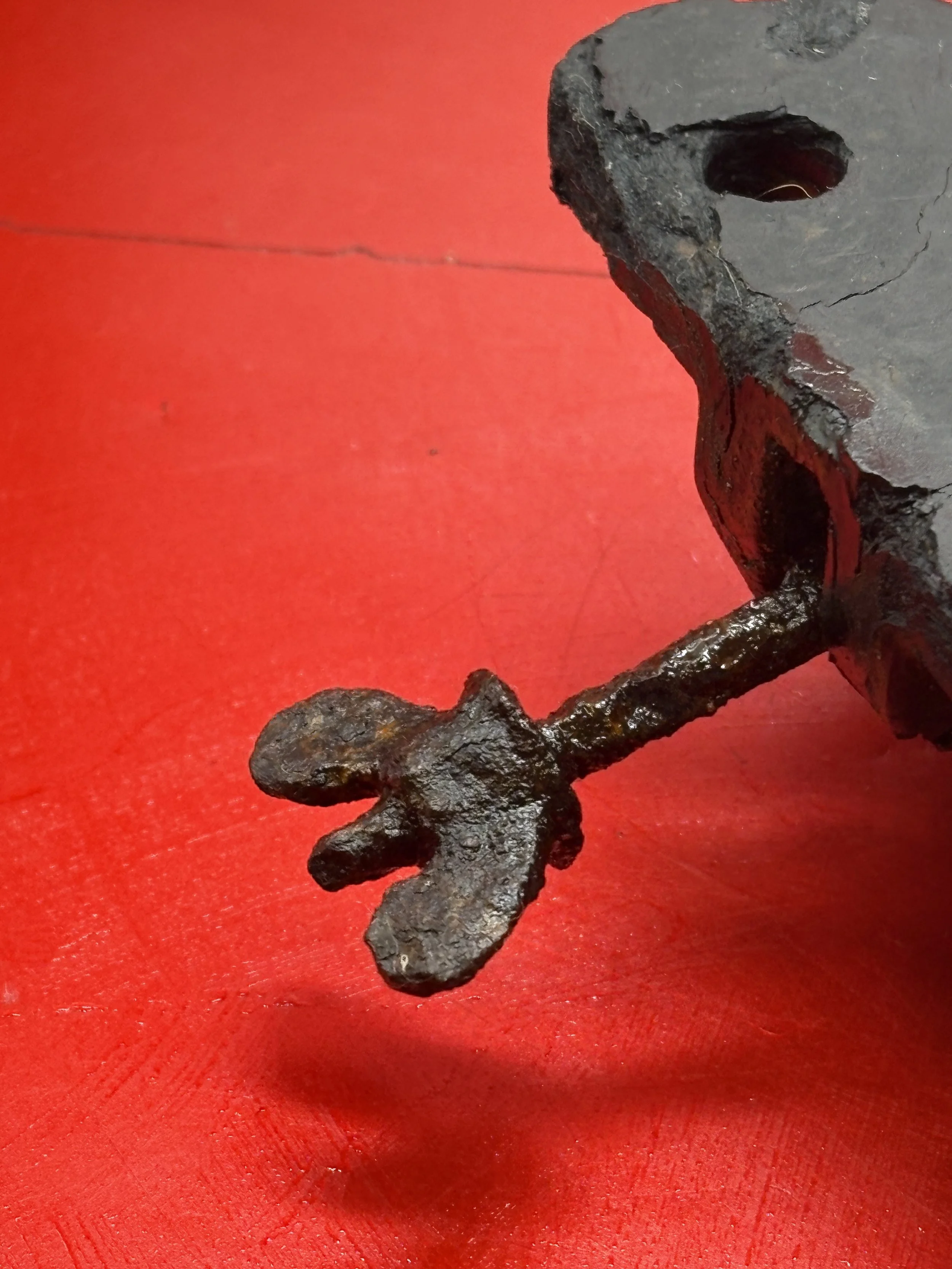 Image 6 of 13
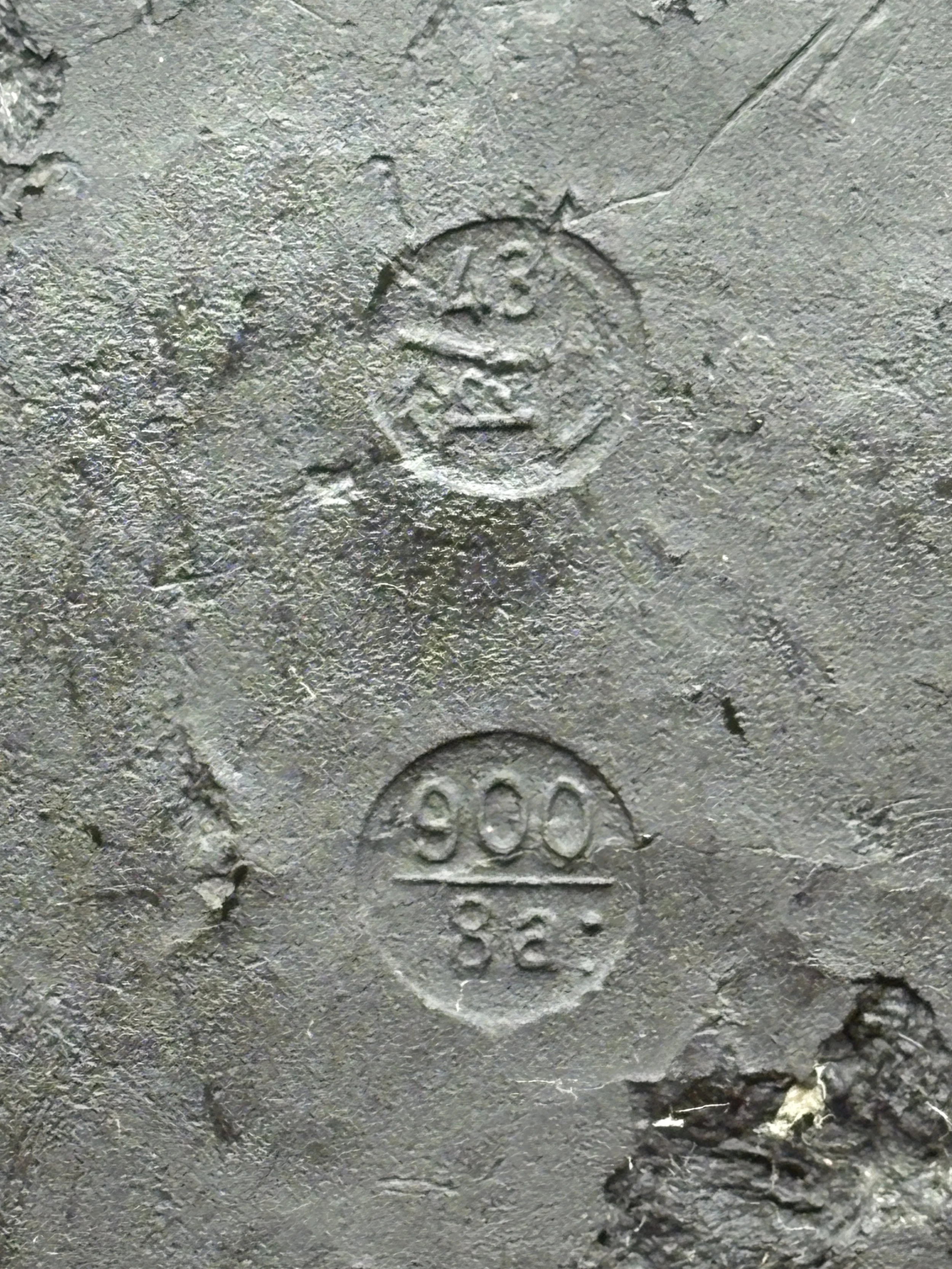 Image 7 of 13
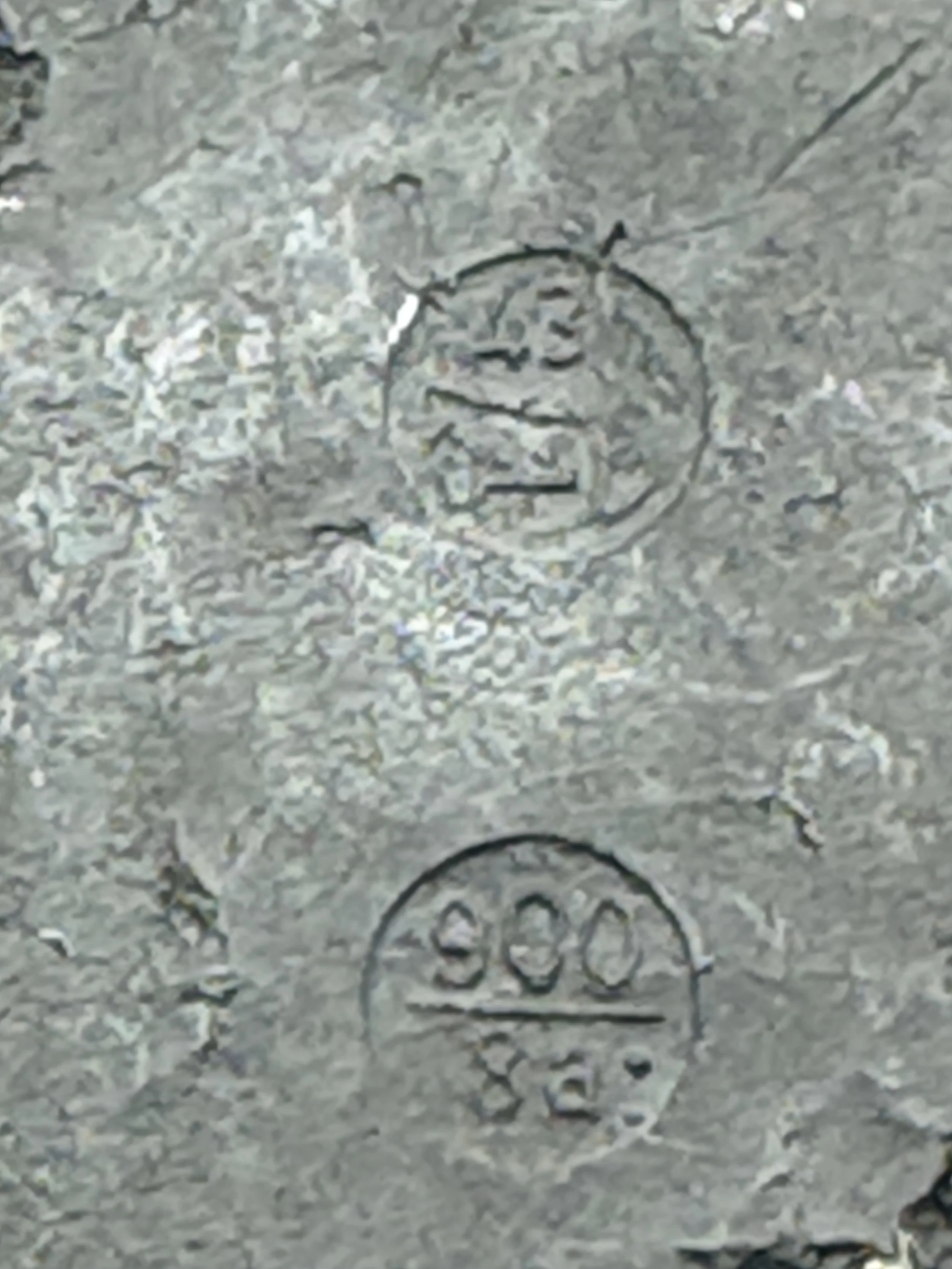 Image 8 of 13
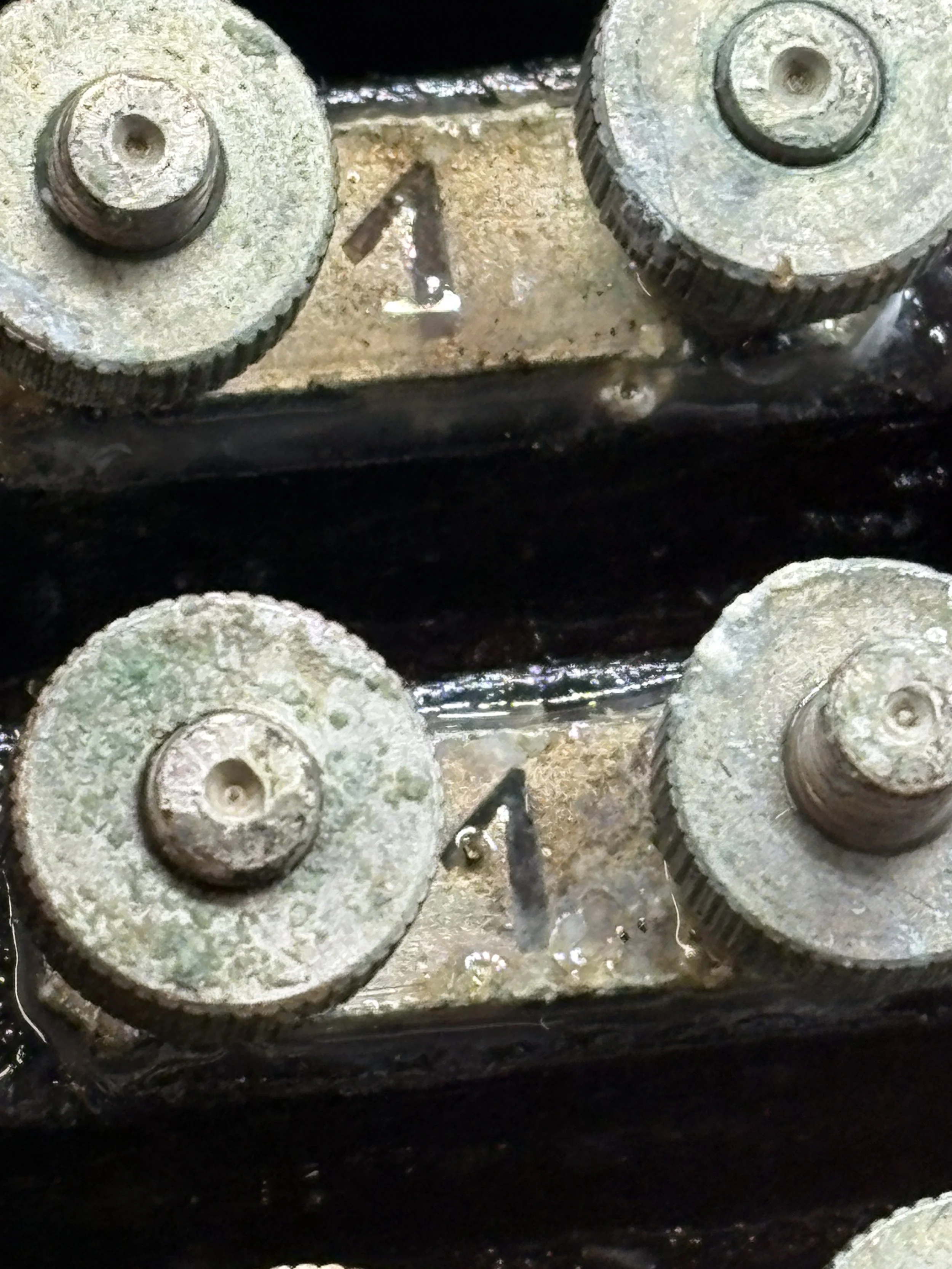 Image 9 of 13
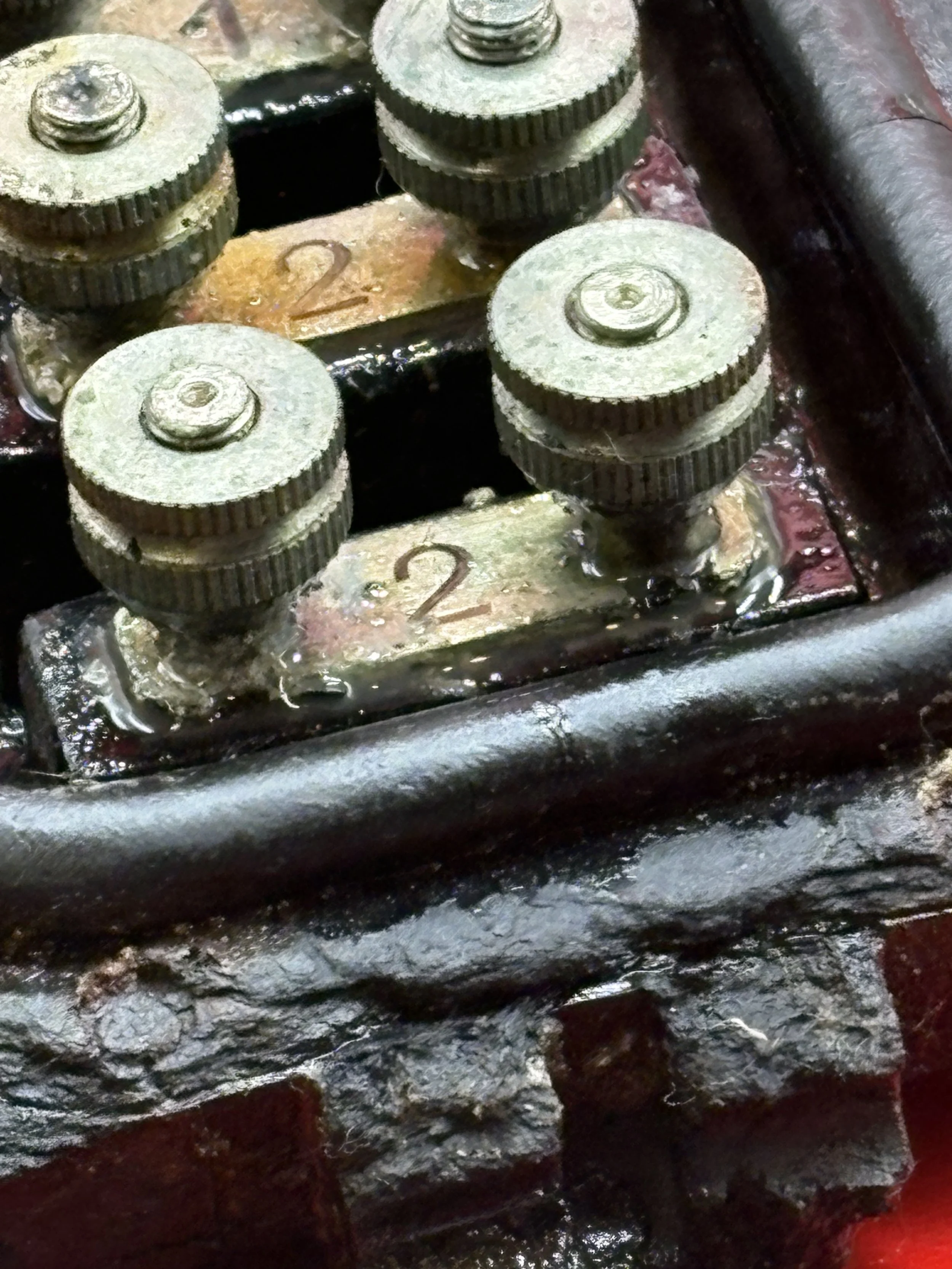 Image 10 of 13
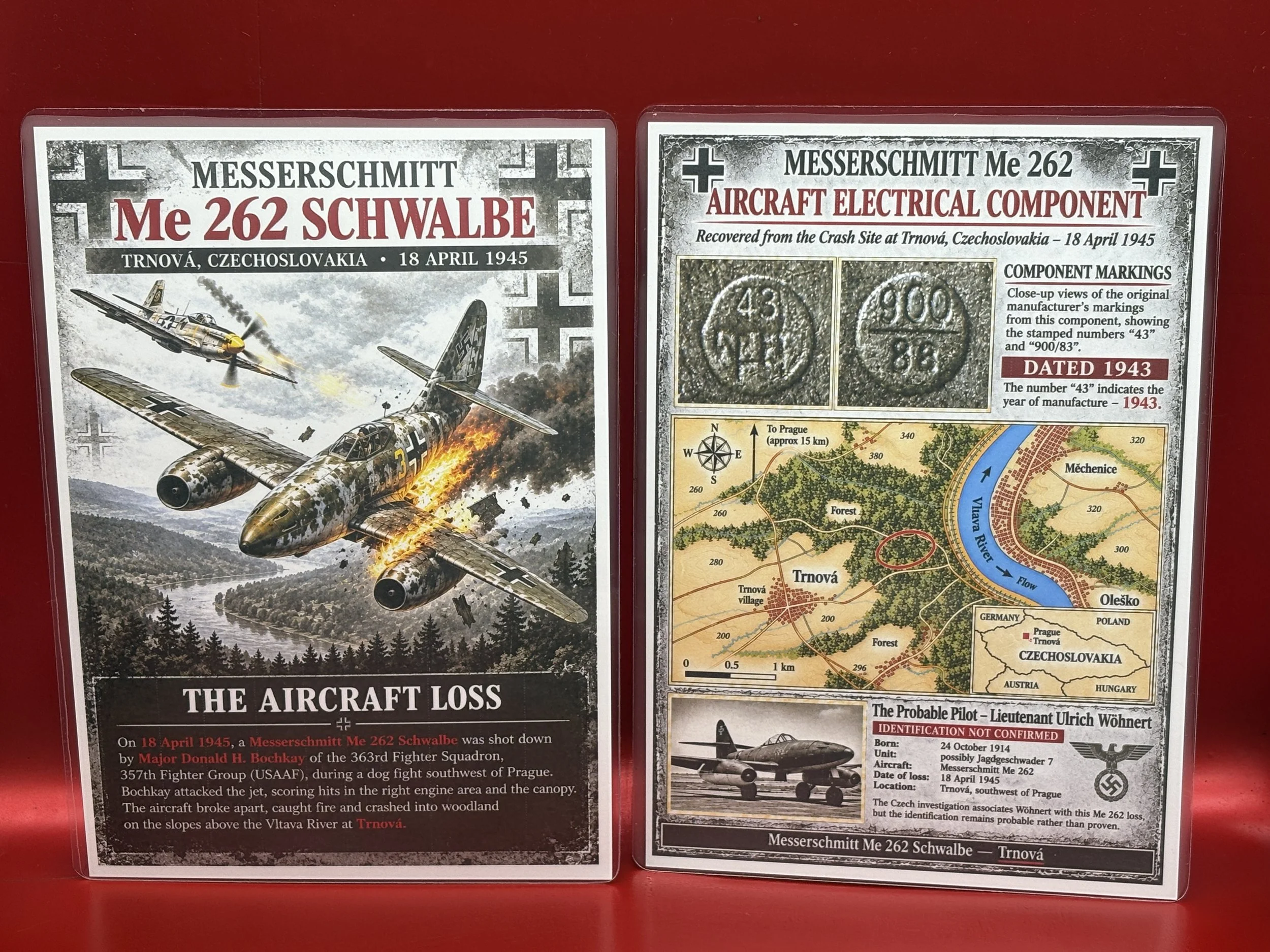 Image 11 of 13
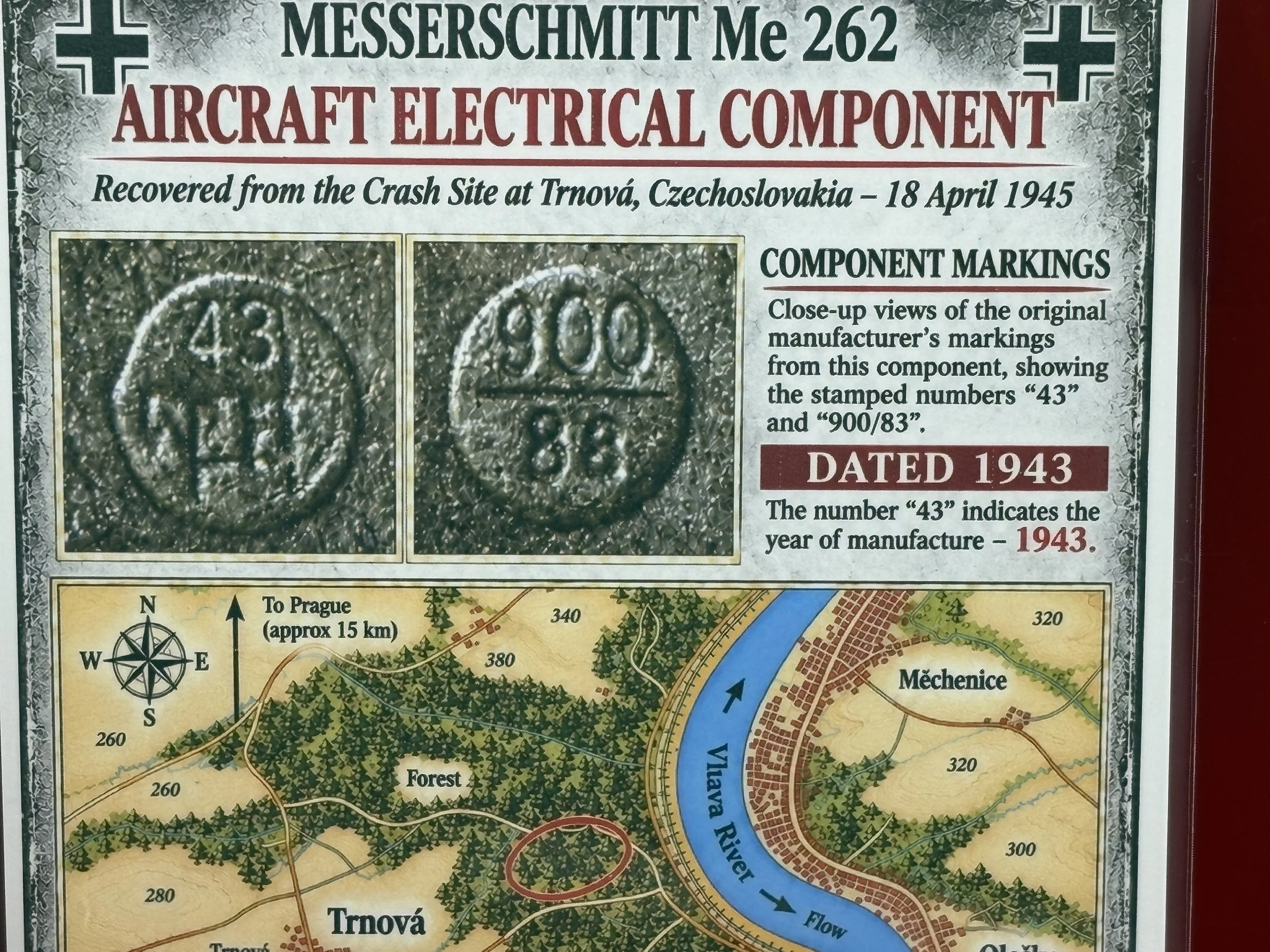 Image 12 of 13
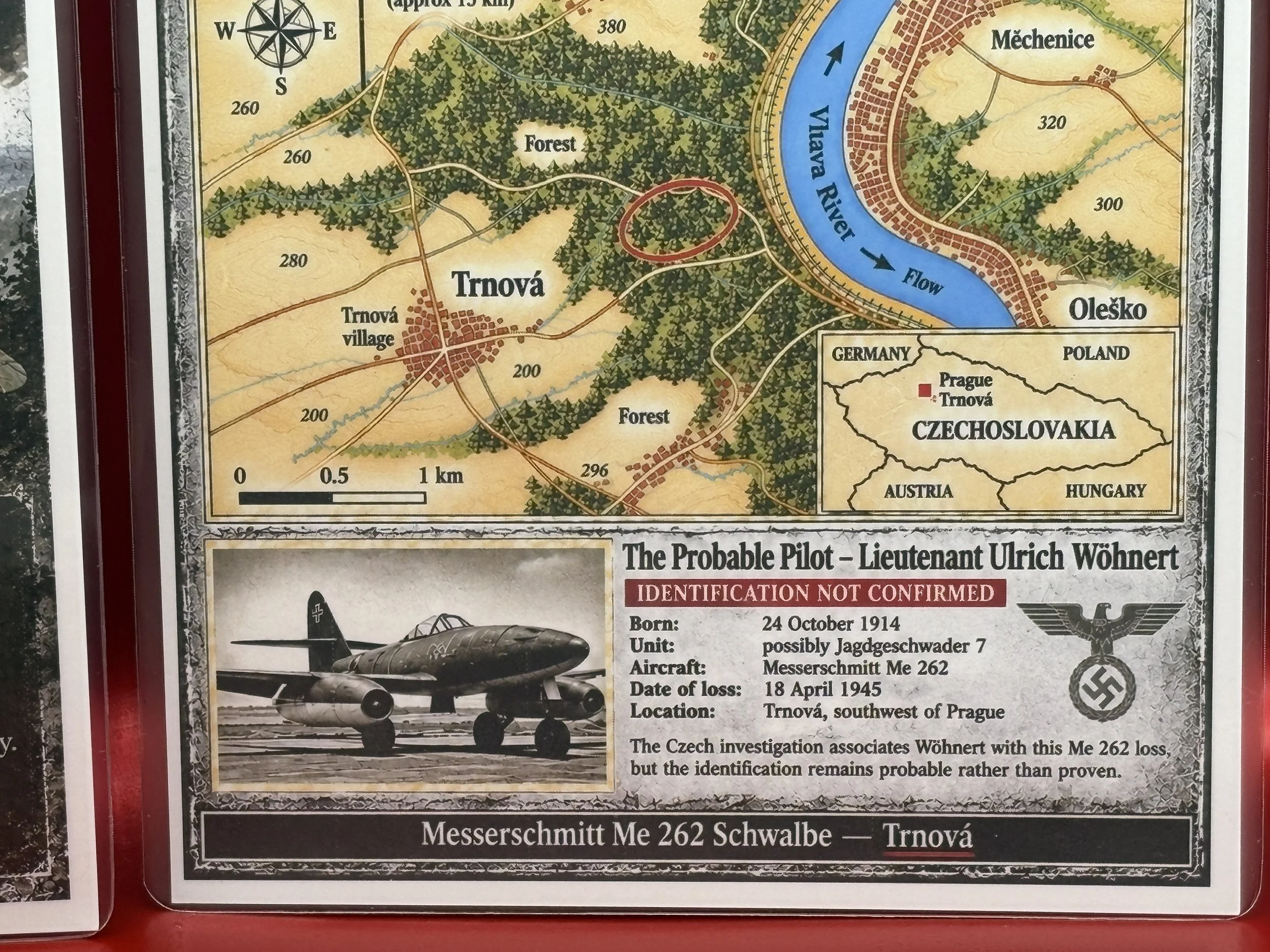 Image 13 of 13