Sale Price:
£40.00
Original Price:
£50.00
Copilot said:
This is a very large structural component recovered from a German air-launched V1 flying bomb. Manufactured from steel, the piece displays extensive surface rust but still retains clear traces of its original black paint, along with remnants of the wartime finish in several areas.
The part was heavily damaged on impact, having been torn and bent during the crash. Despite this, it remains remarkably solid and stable, showing no signs of breaking up or deteriorating further. It has been carefully cleaned and preserved, making it an impressive display piece and a particularly rare relic from one of the most famous weapons of the Second World War.
The component measures approximately 10 inches long by 9 inches wide.
This relic originates from a V1 "Doodlebug" flying bomb launched from a German Heinkel He 111 bomber. At approximately 6:20am on Christmas Eve, 24 December 1944, the missile was launched towards Manchester but fell short of its intended target, crashing on Howden Moor, around five miles west of Stocksbridge. The site was not reached until Christmas Day, when those first on the scene reported white deposits around the crater and fumes still rising from the impact area.
Included are two A5 laminated information sheets featuring photographs of the crash site and additional historical background.
The V1 was carried beneath specially modified Heinkel He 111 H-16 and H-20 bombers, usually mounted under the starboard wing on a launch rail. These operations were conducted by Luftwaffe unit Kampfgeschwader 53 (KG 53), known as the "Condor Legion".
During the early hours of Christmas Eve 1944, around 50 He 111 bombers flew at very low altitude across the North Sea in an attempt to avoid Allied radar detection. As they approached the British coastline near the Humber Estuary, the aircraft climbed to launch height, ignited the V1's pulse-jet engine, released the missile on its pre-set course towards Manchester, and immediately turned for home.
The air-launch method proved notoriously inaccurate, with many of the missiles launched that morning either failing to operate correctly or straying significantly from their intended targets. The V1 from which this component originates was one such missile, falling well short of Manchester before crashing on Howden Moor.
A scarce and historically significant relic from a documented wartime incident, ideal for collectors of V-weapons, Luftwaffe history, or Second World War aviation artefacts.
Copilot said:
This is a very large structural component recovered from a German air-launched V1 flying bomb. Manufactured from steel, the piece displays extensive surface rust but still retains clear traces of its original black paint, along with remnants of the wartime finish in several areas.
The part was heavily damaged on impact, having been torn and bent during the crash. Despite this, it remains remarkably solid and stable, showing no signs of breaking up or deteriorating further. It has been carefully cleaned and preserved, making it an impressive display piece and a particularly rare relic from one of the most famous weapons of the Second World War.
The component measures approximately 10 inches long by 9 inches wide.
This relic originates from a V1 "Doodlebug" flying bomb launched from a German Heinkel He 111 bomber. At approximately 6:20am on Christmas Eve, 24 December 1944, the missile was launched towards Manchester but fell short of its intended target, crashing on Howden Moor, around five miles west of Stocksbridge. The site was not reached until Christmas Day, when those first on the scene reported white deposits around the crater and fumes still rising from the impact area.
Included are two A5 laminated information sheets featuring photographs of the crash site and additional historical background.
The V1 was carried beneath specially modified Heinkel He 111 H-16 and H-20 bombers, usually mounted under the starboard wing on a launch rail. These operations were conducted by Luftwaffe unit Kampfgeschwader 53 (KG 53), known as the "Condor Legion".
During the early hours of Christmas Eve 1944, around 50 He 111 bombers flew at very low altitude across the North Sea in an attempt to avoid Allied radar detection. As they approached the British coastline near the Humber Estuary, the aircraft climbed to launch height, ignited the V1's pulse-jet engine, released the missile on its pre-set course towards Manchester, and immediately turned for home.
The air-launch method proved notoriously inaccurate, with many of the missiles launched that morning either failing to operate correctly or straying significantly from their intended targets. The V1 from which this component originates was one such missile, falling well short of Manchester before crashing on Howden Moor.
A scarce and historically significant relic from a documented wartime incident, ideal for collectors of V-weapons, Luftwaffe history, or Second World War aviation artefacts.

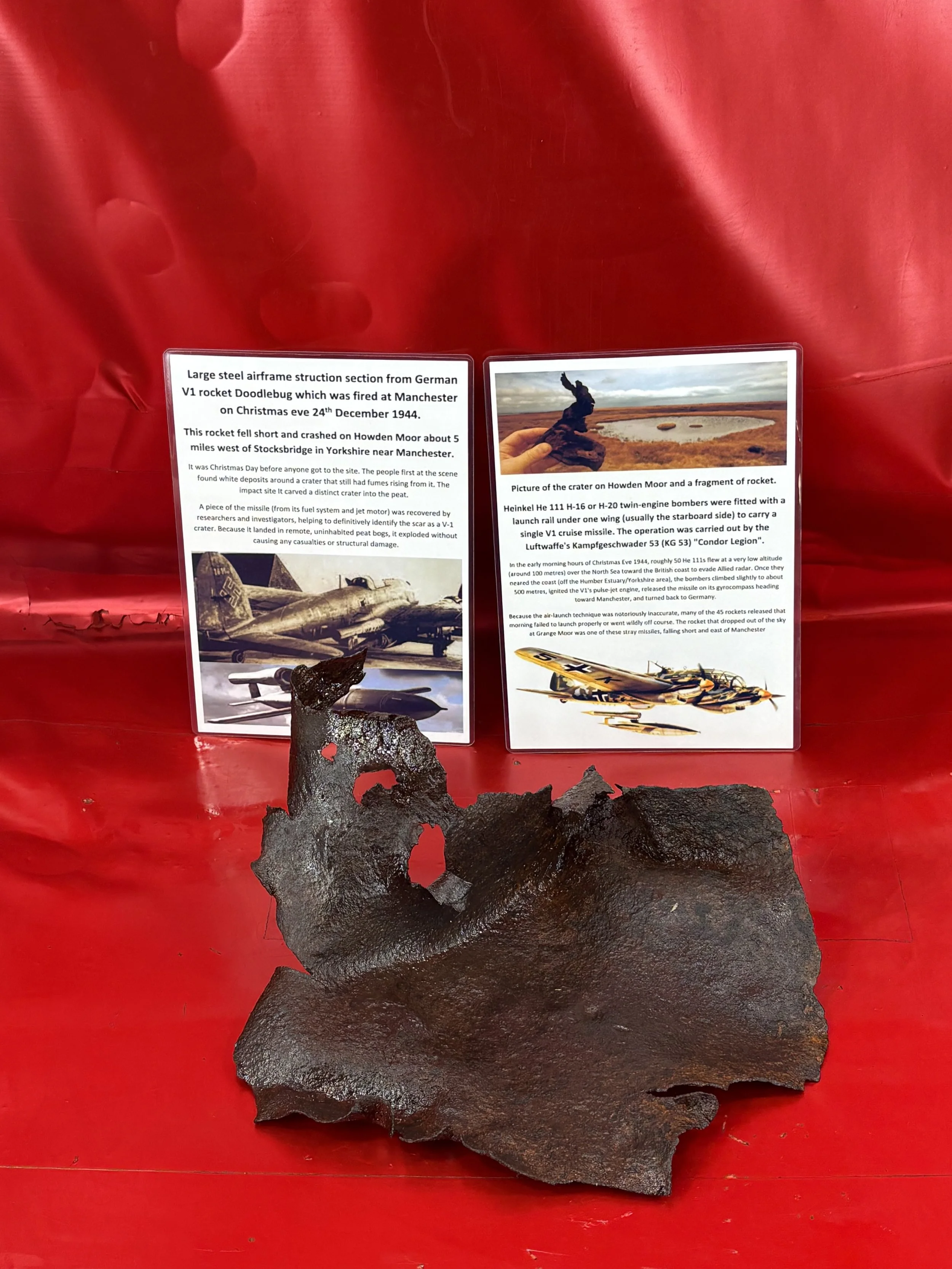 Image 1 of 9
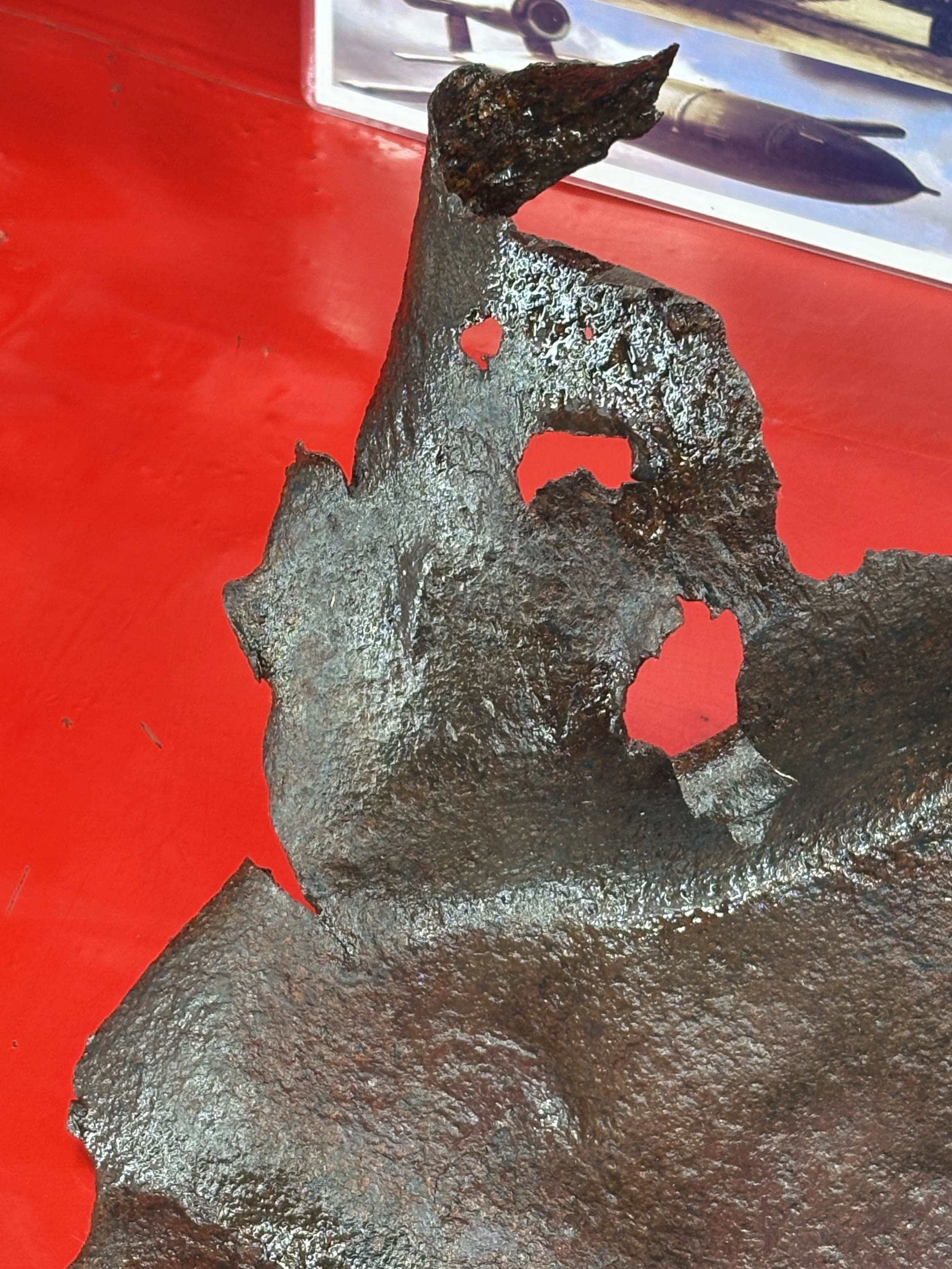 Image 2 of 9
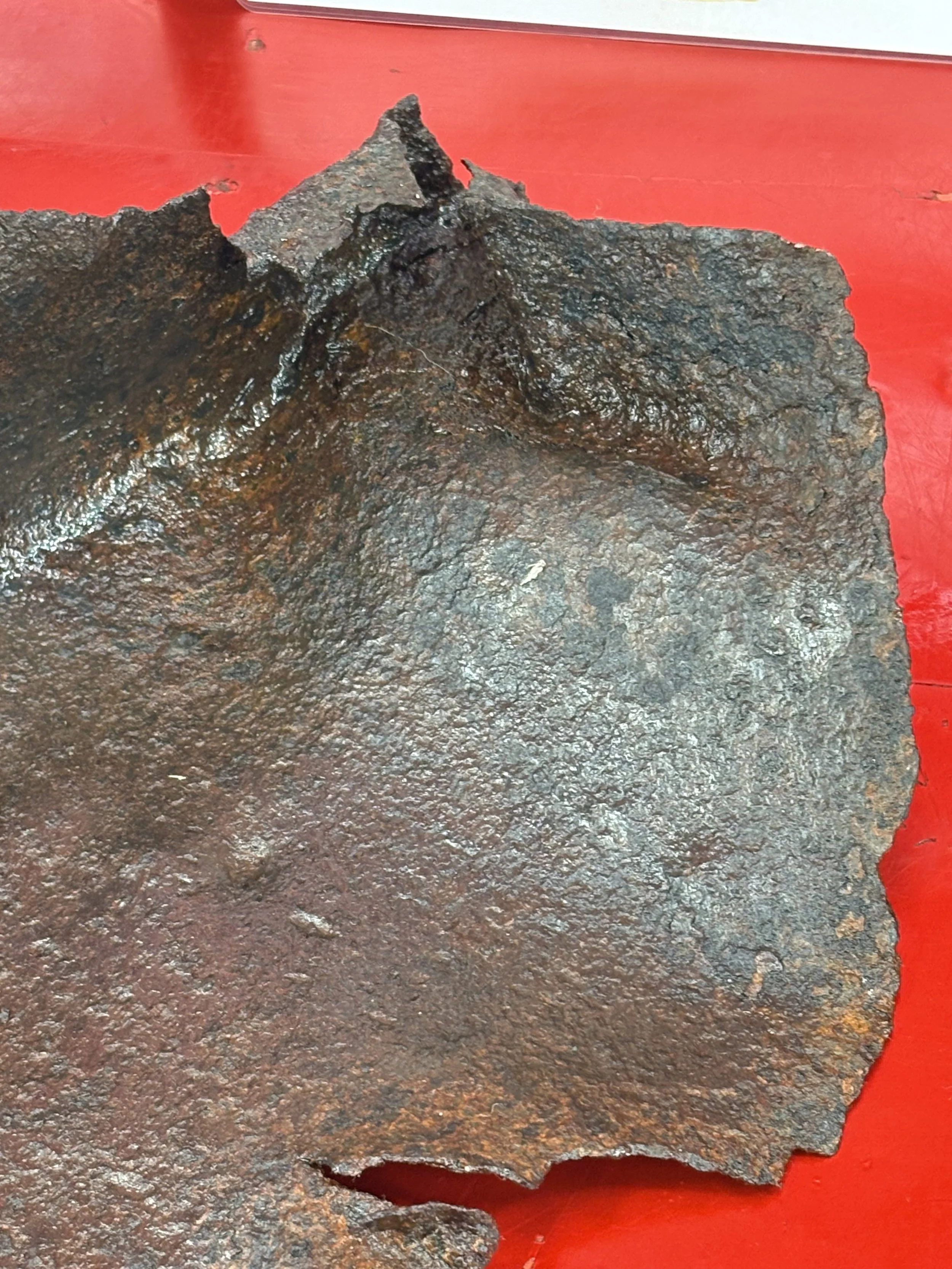 Image 3 of 9
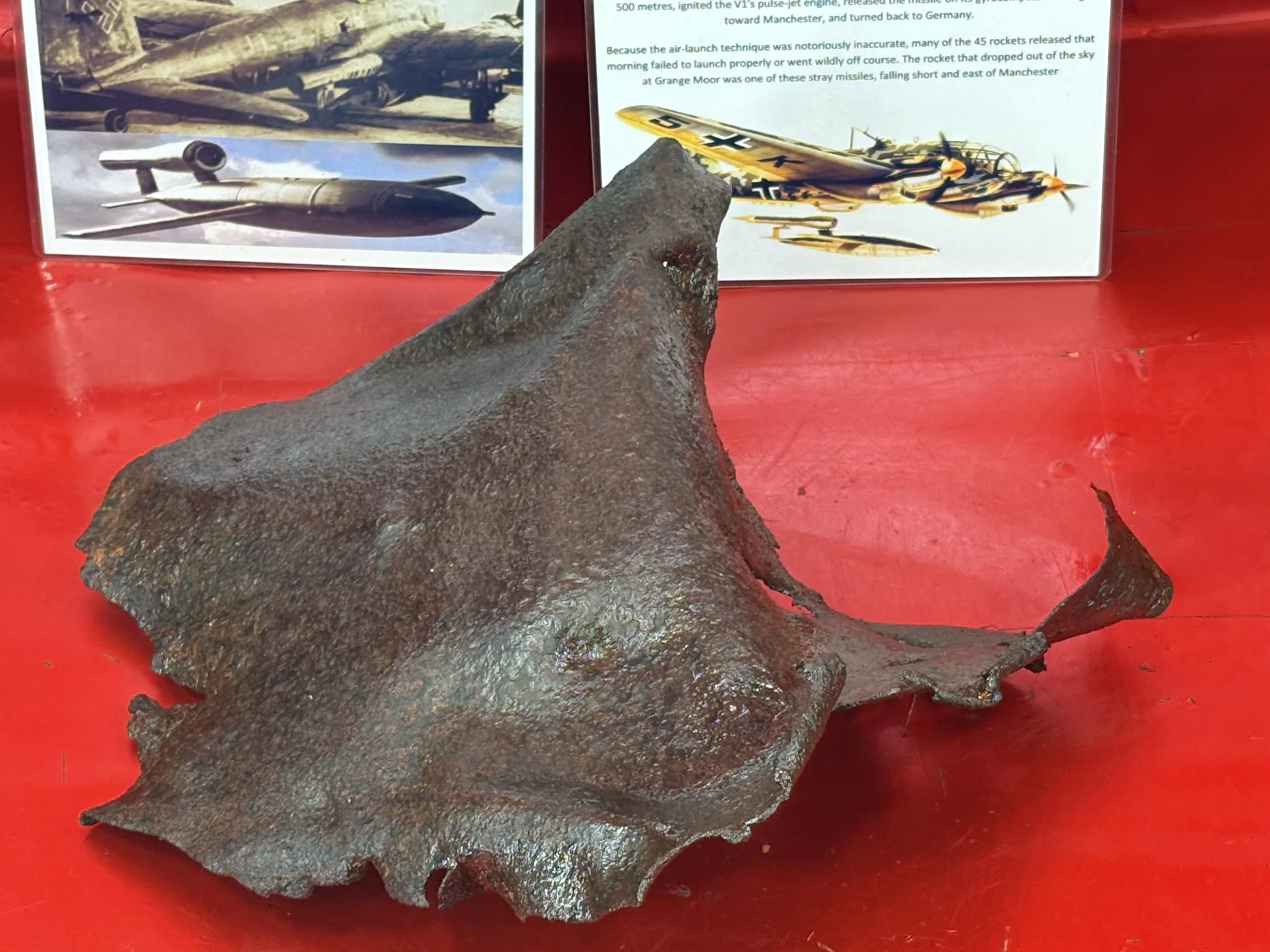 Image 4 of 9
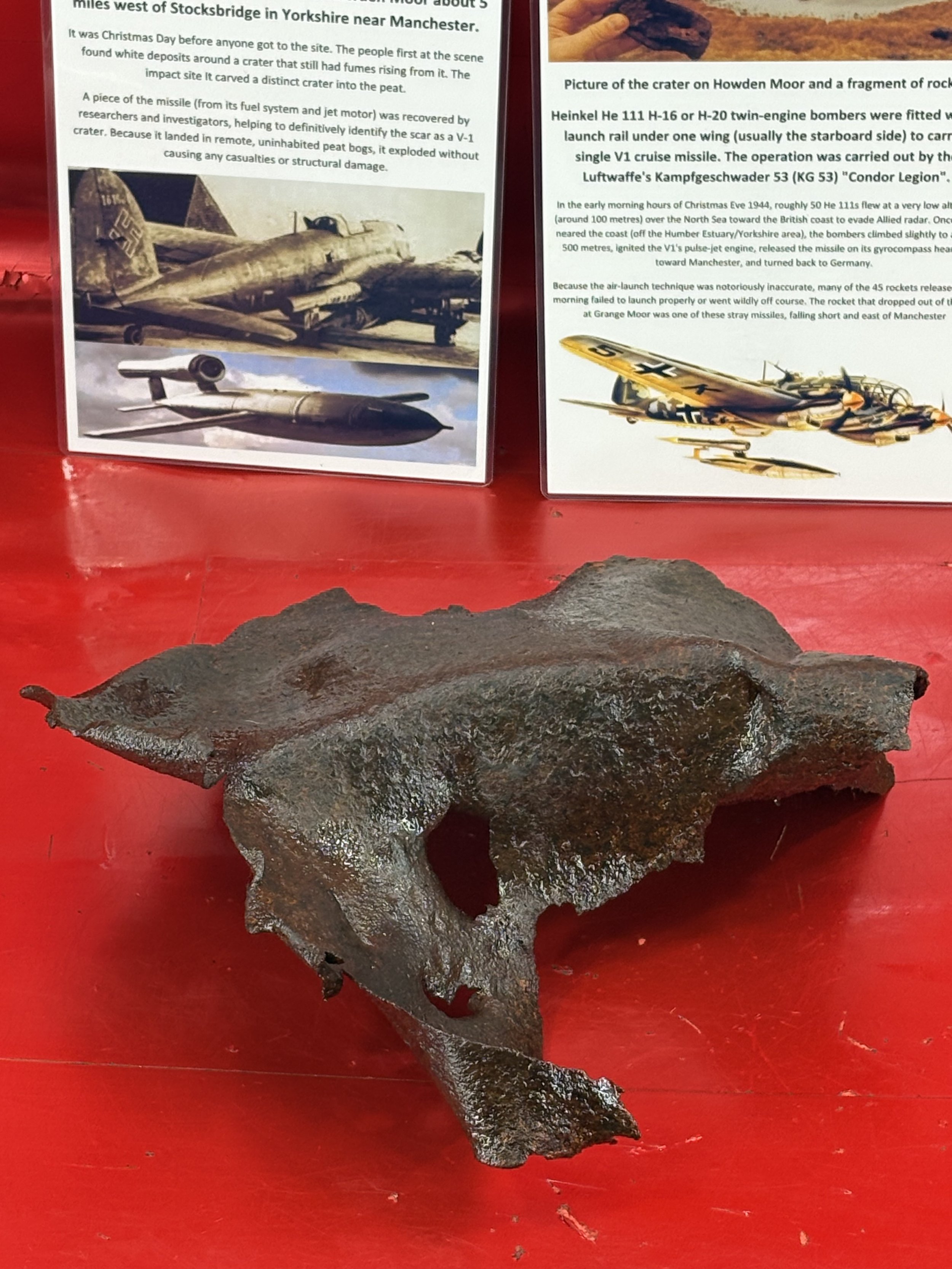 Image 5 of 9
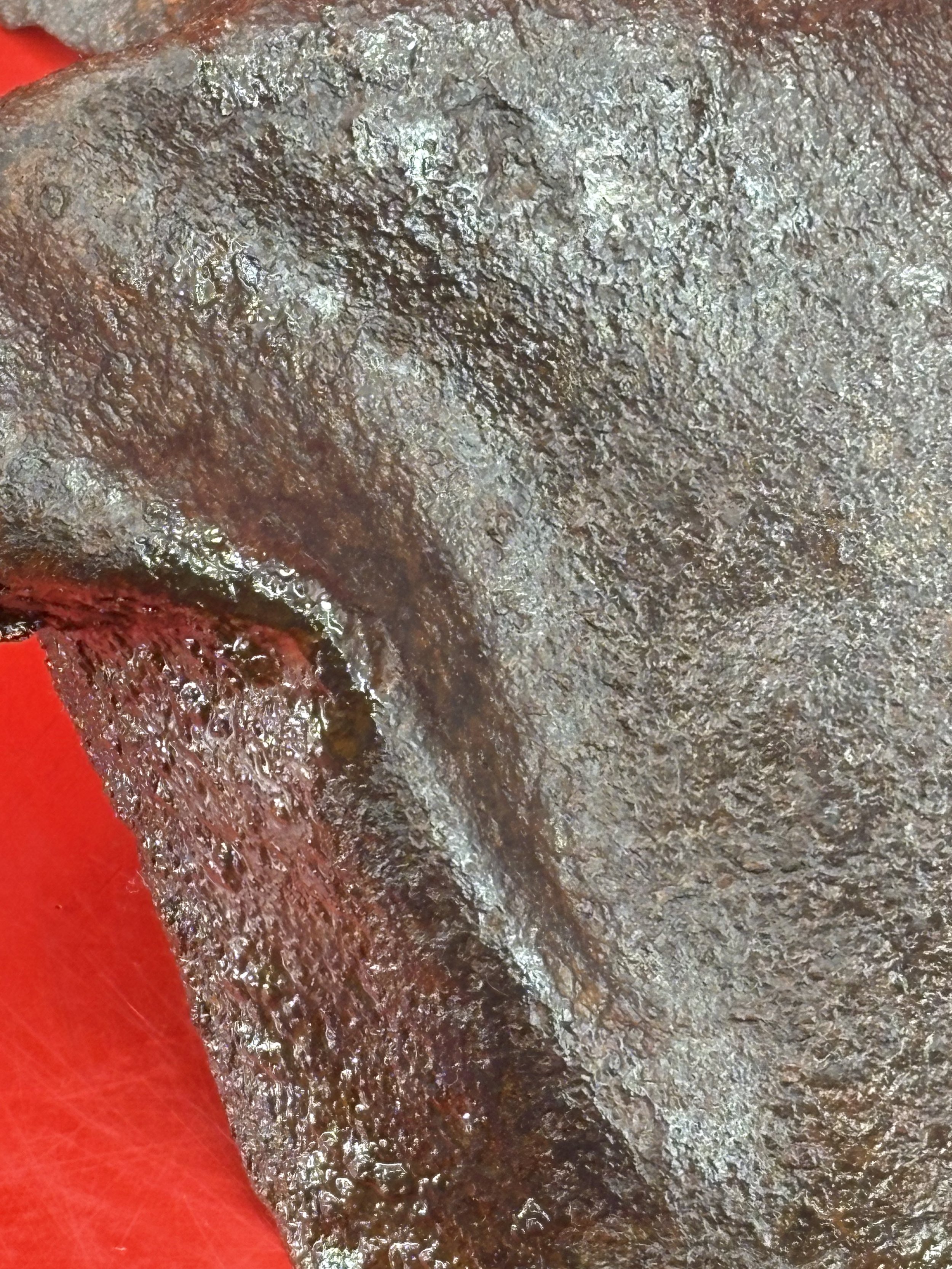 Image 6 of 9
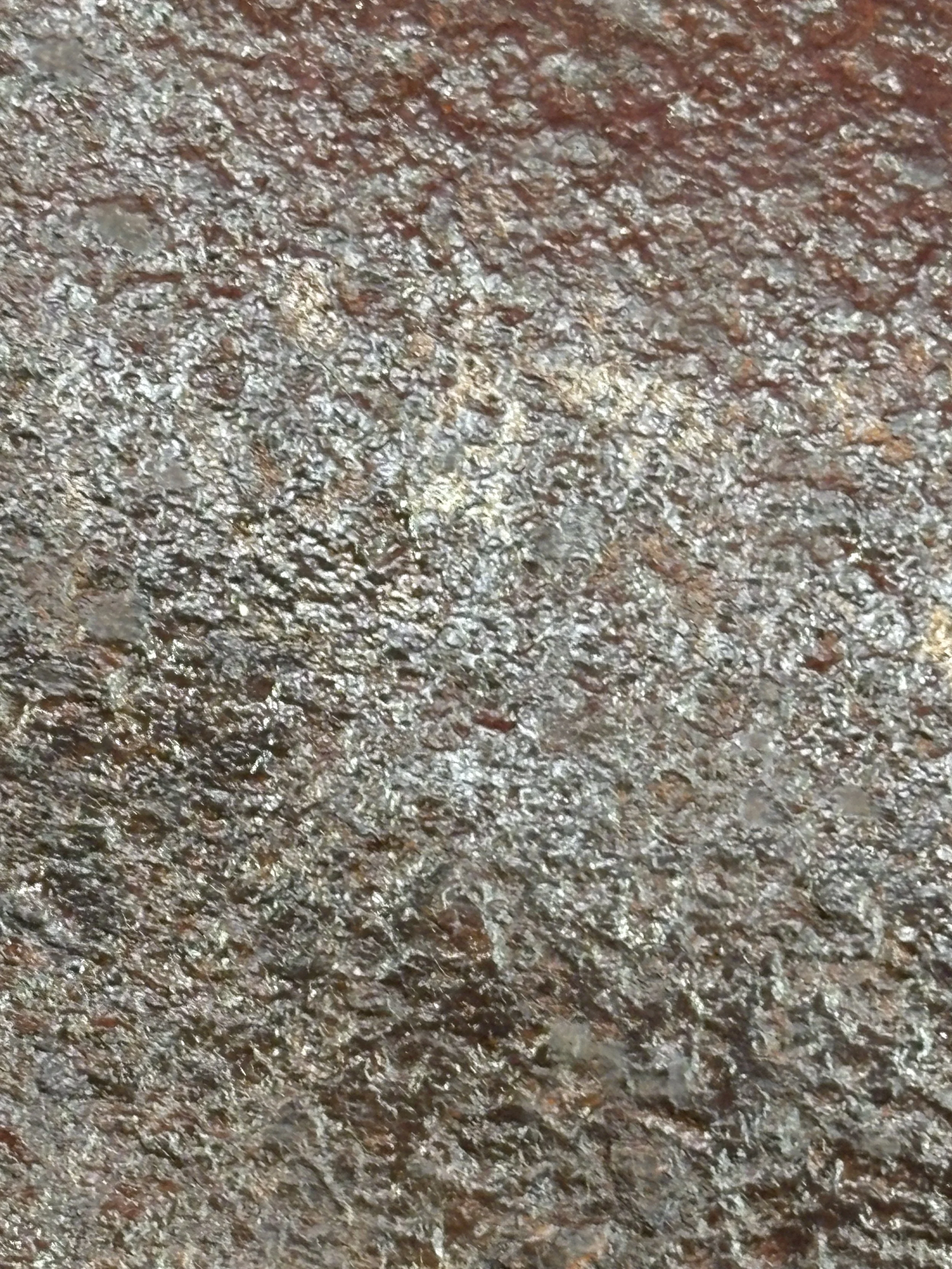 Image 7 of 9
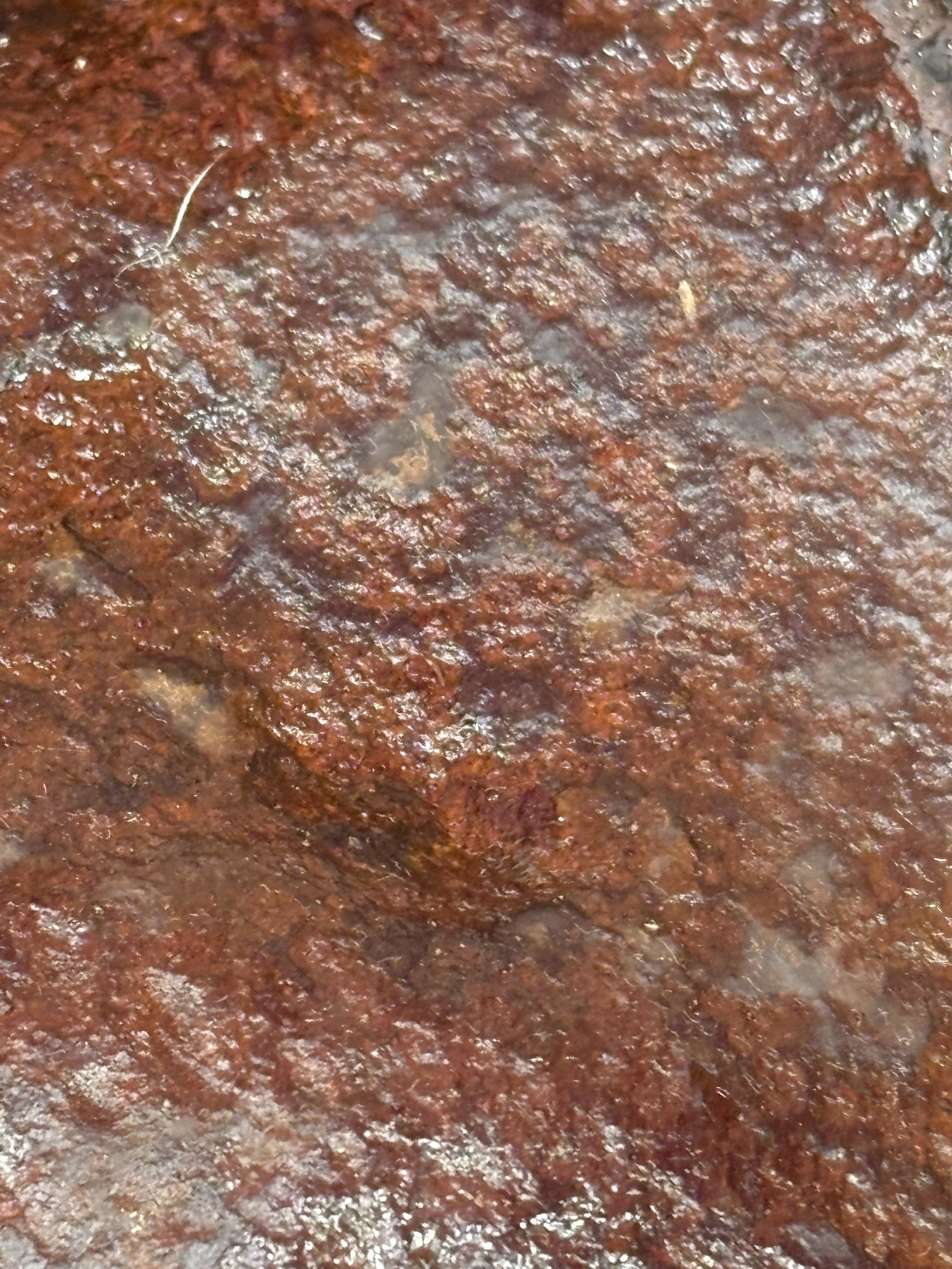 Image 8 of 9
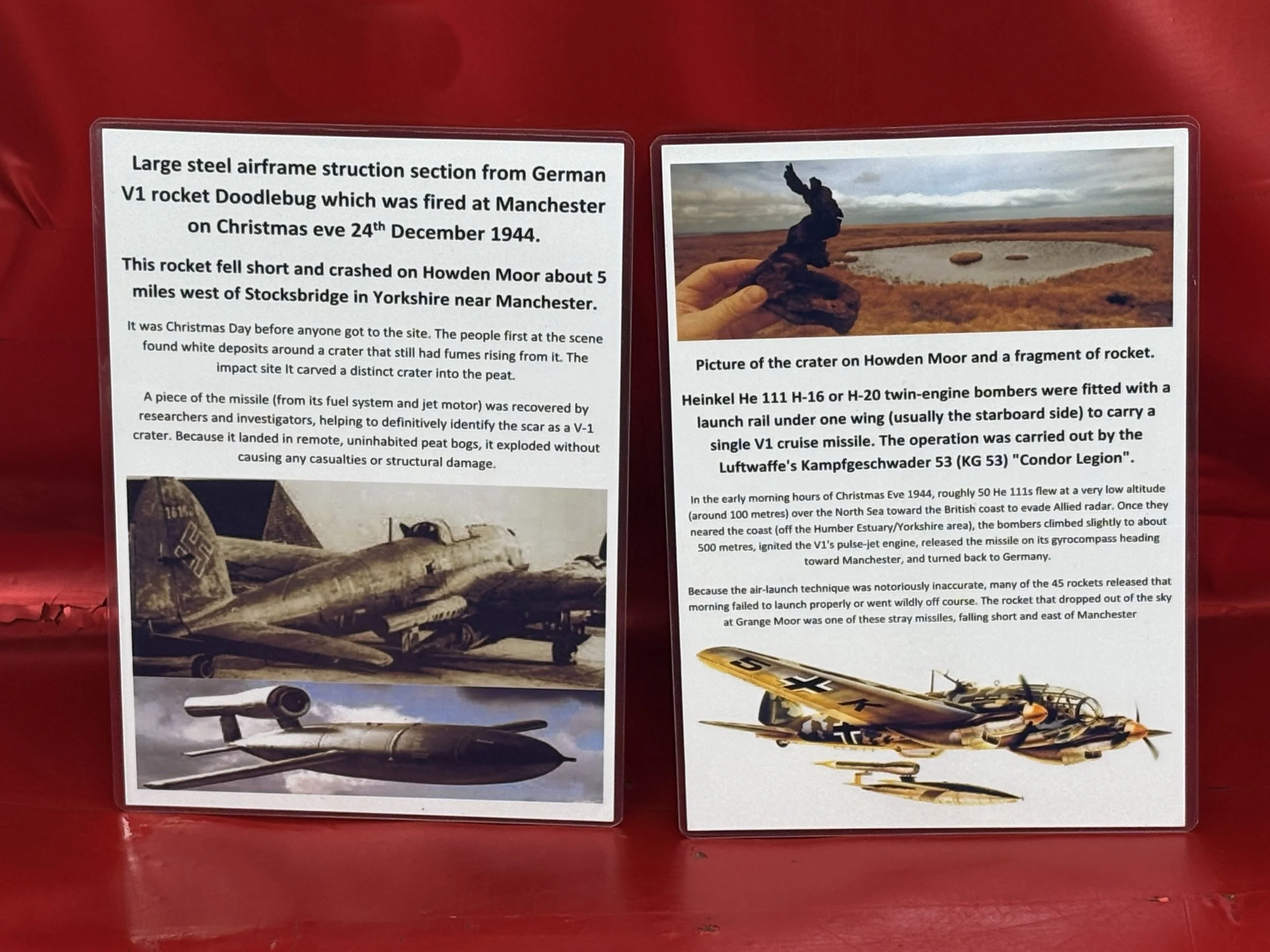 Image 9 of 9