This is a lovely condition French M1886 pattern quill handle bayonet which has its nice shiny brass handle. The bayonet blade is snapped but only at the tip is a near complete blade which has been treated after recovery to make it nice and solid but the handle is complete. It has its lovely original colours and is a very nice relic in solid condition, which has been nicely cleaned and is perfect for display or any collection. The bayonet would have been used by a French Chasseurs Alpin soldier as it was recovered from Vosges Mountains the battle of the Lingekopf, 1915 in France. The bayonet comes with 2 x A5 laminated information cards with many pictures and map.
The Battle of the Lingekopf (or Battle of Le Linge) was a harrowing World War I conflict fought from 20 July to 16 October 1915 along a 3.5-kilometre stretch of the Vosges Mountains near Orbey and Colmar, Alsace. Triggered by the French 129th and 47th Divisions to seize fortified high ground from the German 6th Bavarian Landwehr Division, the offensive dissolved into a nightmarish, close-quarters war of attrition across steep, rocky terrain ranging between 900 and 1,100 metres in altitude. Despite initial failed French assaults on the opening day, relentless artillery barrages, devastating infantry charges, and the early use of poison gas and flamethrowers, the French were unable to break the reinforced German defenses, which featured intricate stone-lined trenches and concrete machine-gun pillboxes built into the summits. The three-month stalemate resulted in a staggering 17,000 total casualties, claiming the lives of roughly 10,000 French and 7,000 German soldiers—the vast majority of whom were young men between 19 and 20 years old—for virtually zero strategic territorial gain before the front line solidified until the 1918 Armistice. Today, the site is classified as a historic monument and remains exceptionally well-preserved as the Mémorial du Linge, an open-air museum run by volunteers where visitors can walk through three distinct routes of the hauntingly close German and French trench systems, view recovered personal relics, and visit the nearby military cemeteries
This is a lovely condition French M1886 pattern quill handle bayonet which has its nice shiny brass handle. The bayonet blade is snapped but only at the tip is a near complete blade which has been treated after recovery to make it nice and solid but the handle is complete. It has its lovely original colours and is a very nice relic in solid condition, which has been nicely cleaned and is perfect for display or any collection. The bayonet would have been used by a French Chasseurs Alpin soldier as it was recovered from Vosges Mountains the battle of the Lingekopf, 1915 in France. The bayonet comes with 2 x A5 laminated information cards with many pictures and map.
The Battle of the Lingekopf (or Battle of Le Linge) was a harrowing World War I conflict fought from 20 July to 16 October 1915 along a 3.5-kilometre stretch of the Vosges Mountains near Orbey and Colmar, Alsace. Triggered by the French 129th and 47th Divisions to seize fortified high ground from the German 6th Bavarian Landwehr Division, the offensive dissolved into a nightmarish, close-quarters war of attrition across steep, rocky terrain ranging between 900 and 1,100 metres in altitude. Despite initial failed French assaults on the opening day, relentless artillery barrages, devastating infantry charges, and the early use of poison gas and flamethrowers, the French were unable to break the reinforced German defenses, which featured intricate stone-lined trenches and concrete machine-gun pillboxes built into the summits. The three-month stalemate resulted in a staggering 17,000 total casualties, claiming the lives of roughly 10,000 French and 7,000 German soldiers—the vast majority of whom were young men between 19 and 20 years old—for virtually zero strategic territorial gain before the front line solidified until the 1918 Armistice. Today, the site is classified as a historic monument and remains exceptionally well-preserved as the Mémorial du Linge, an open-air museum run by volunteers where visitors can walk through three distinct routes of the hauntingly close German and French trench systems, view recovered personal relics, and visit the nearby military cemeteries

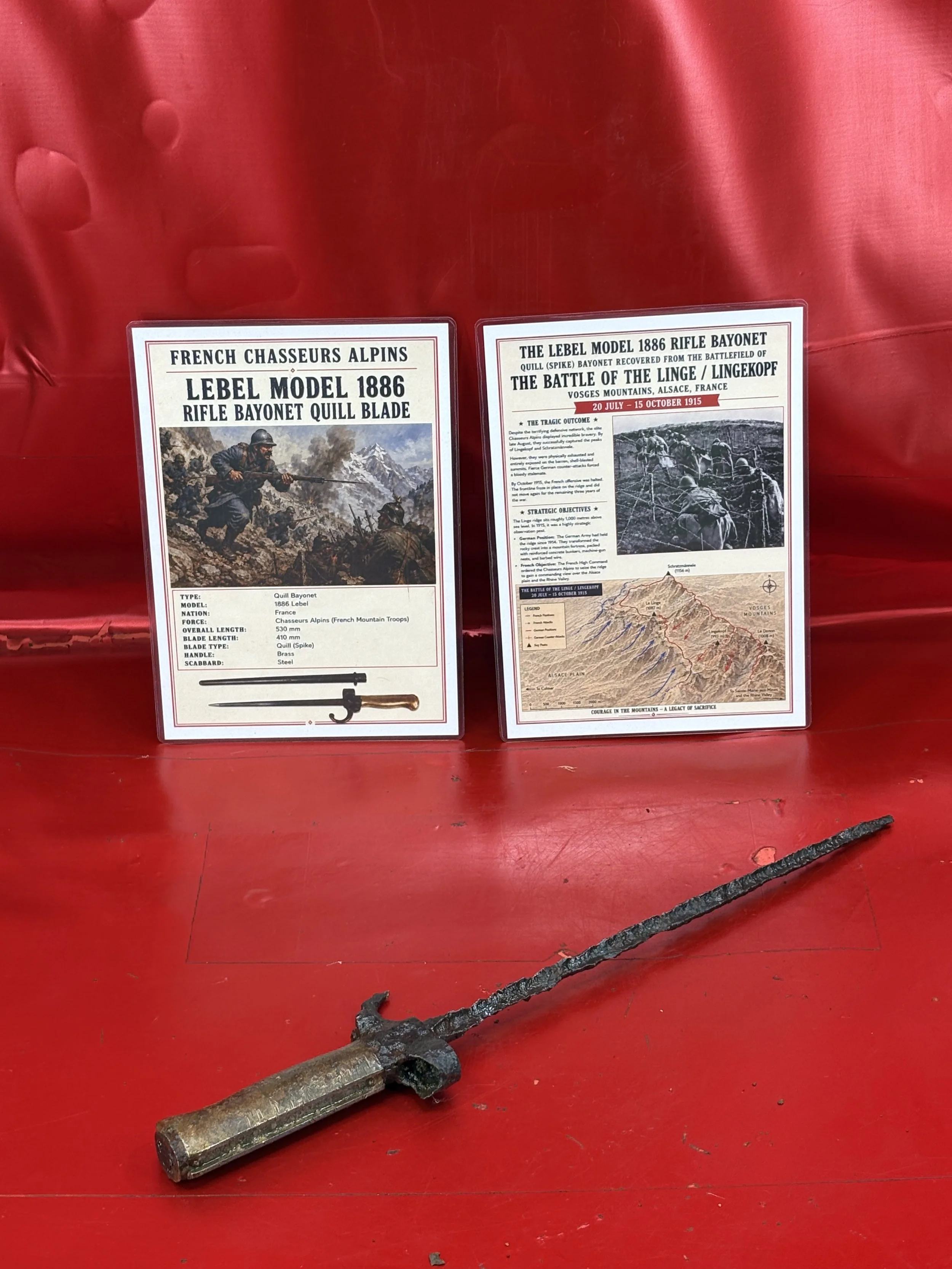 Image 1 of 11
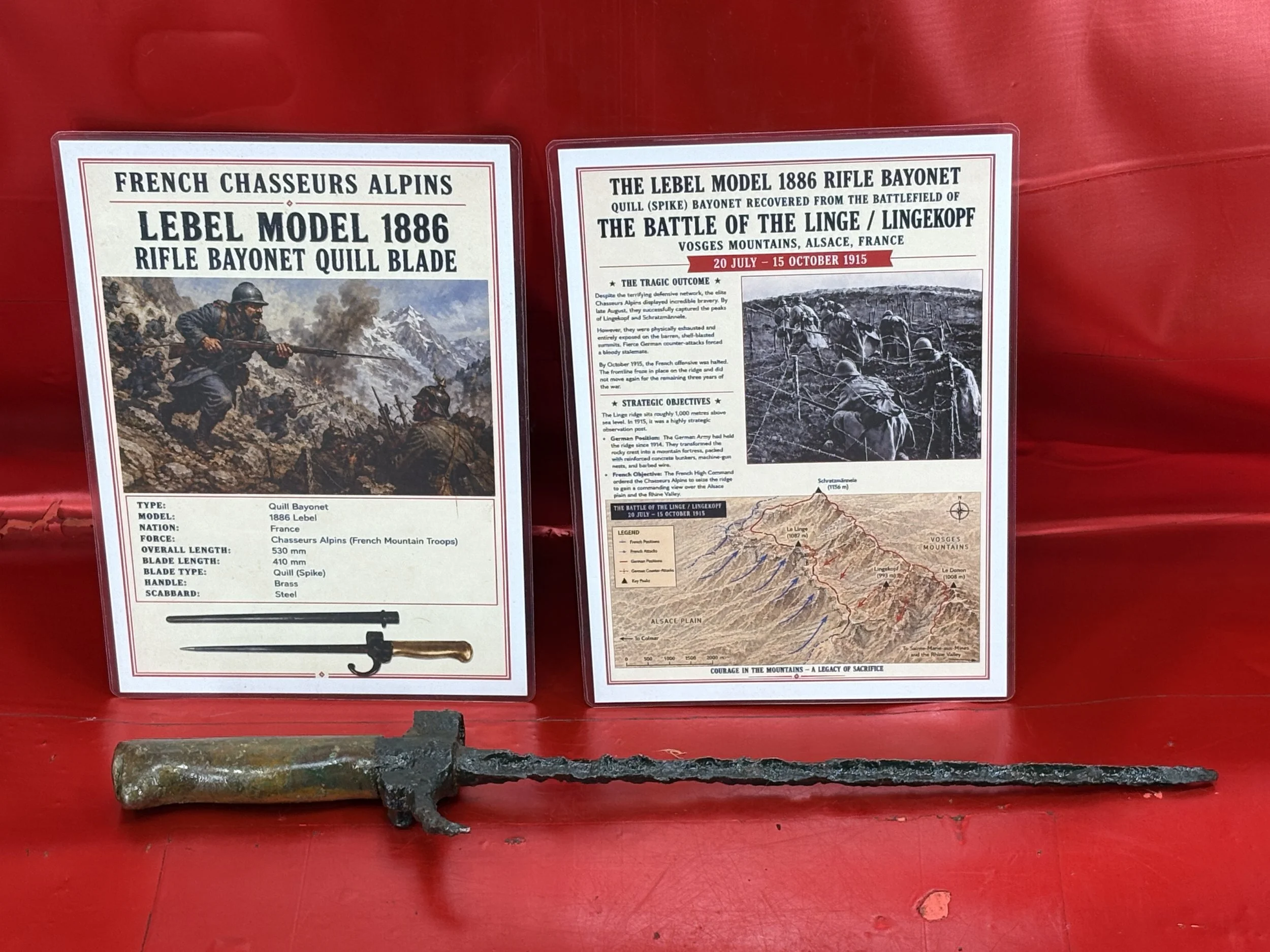 Image 2 of 11
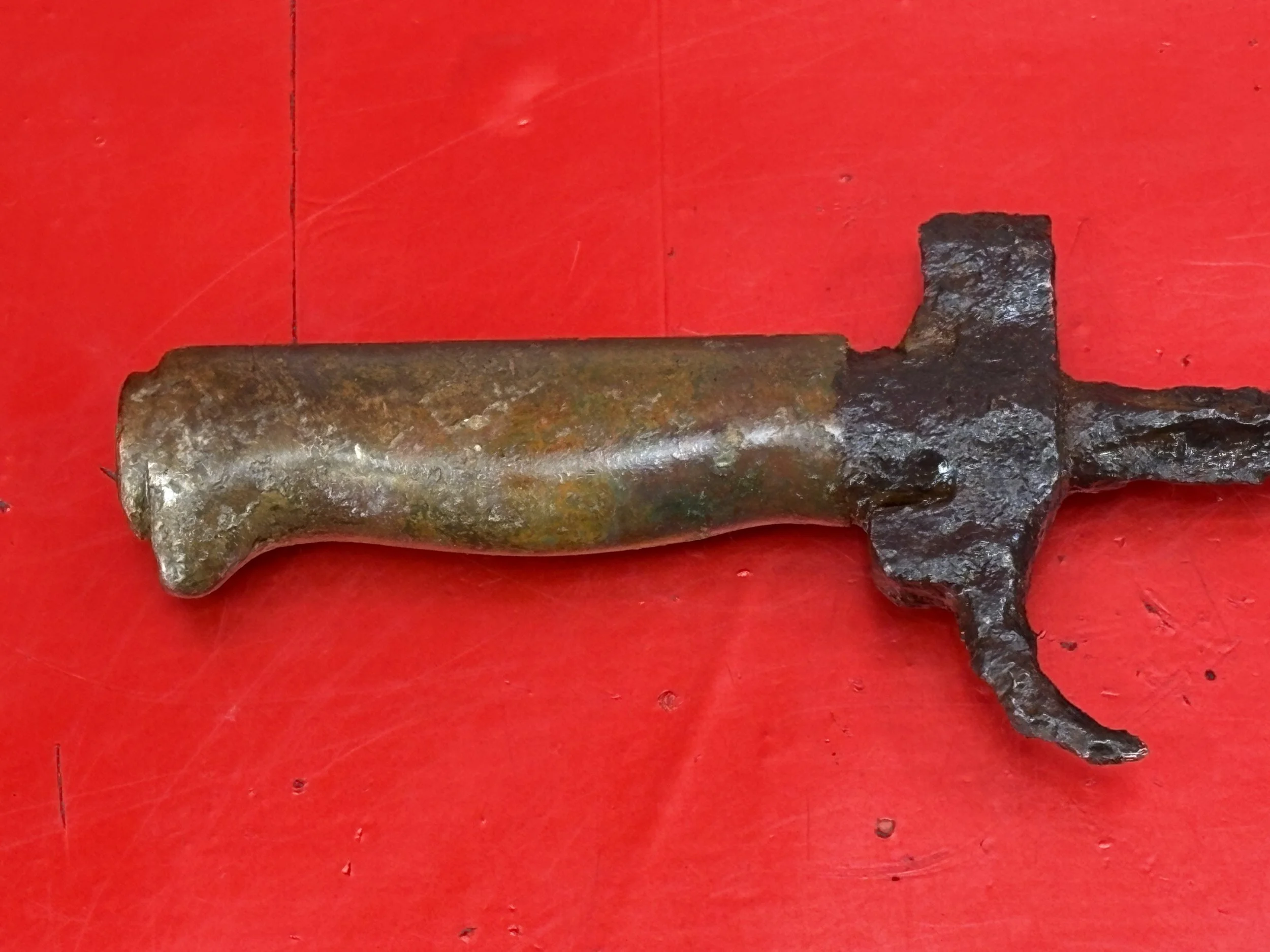 Image 3 of 11
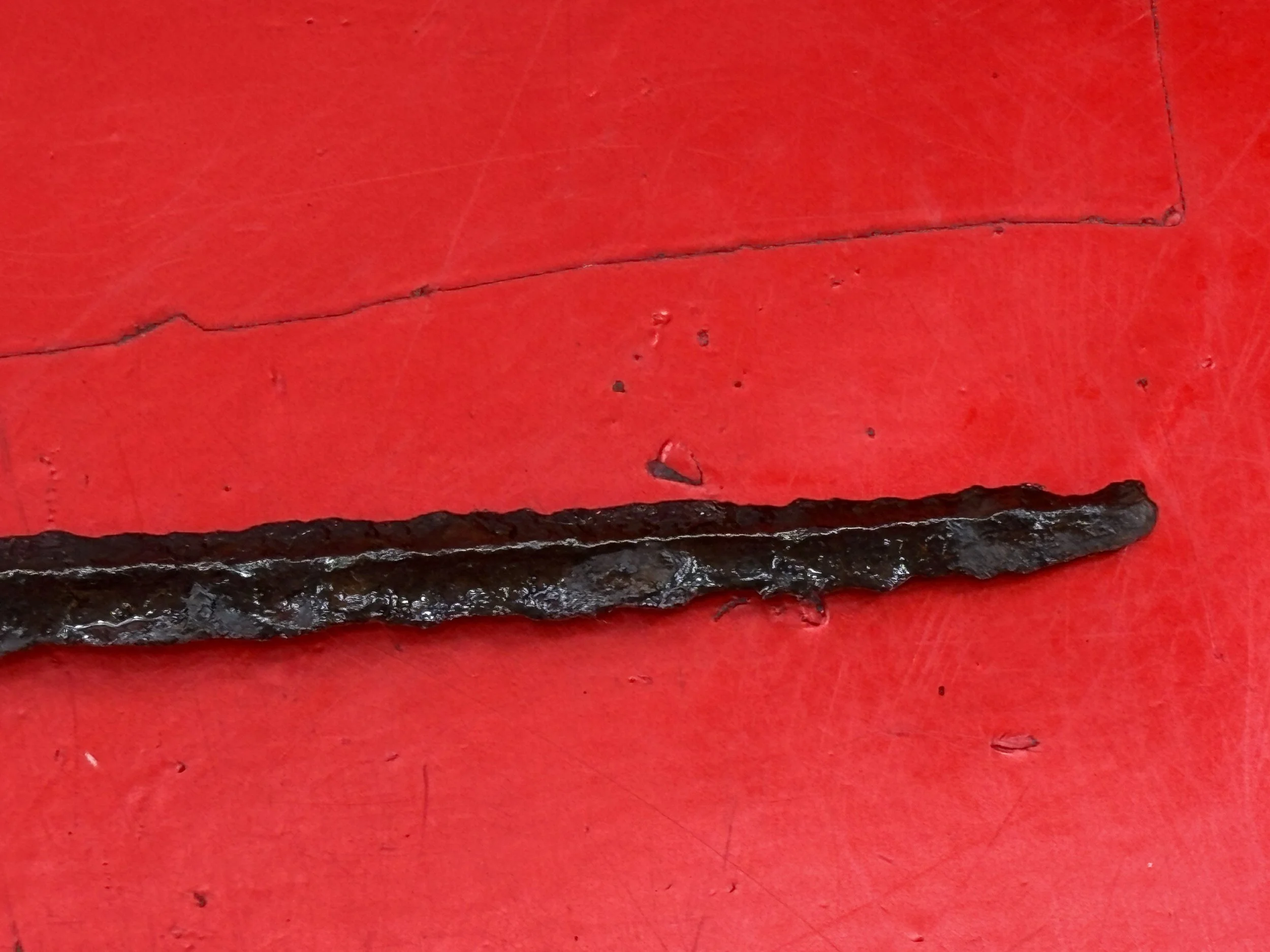 Image 4 of 11
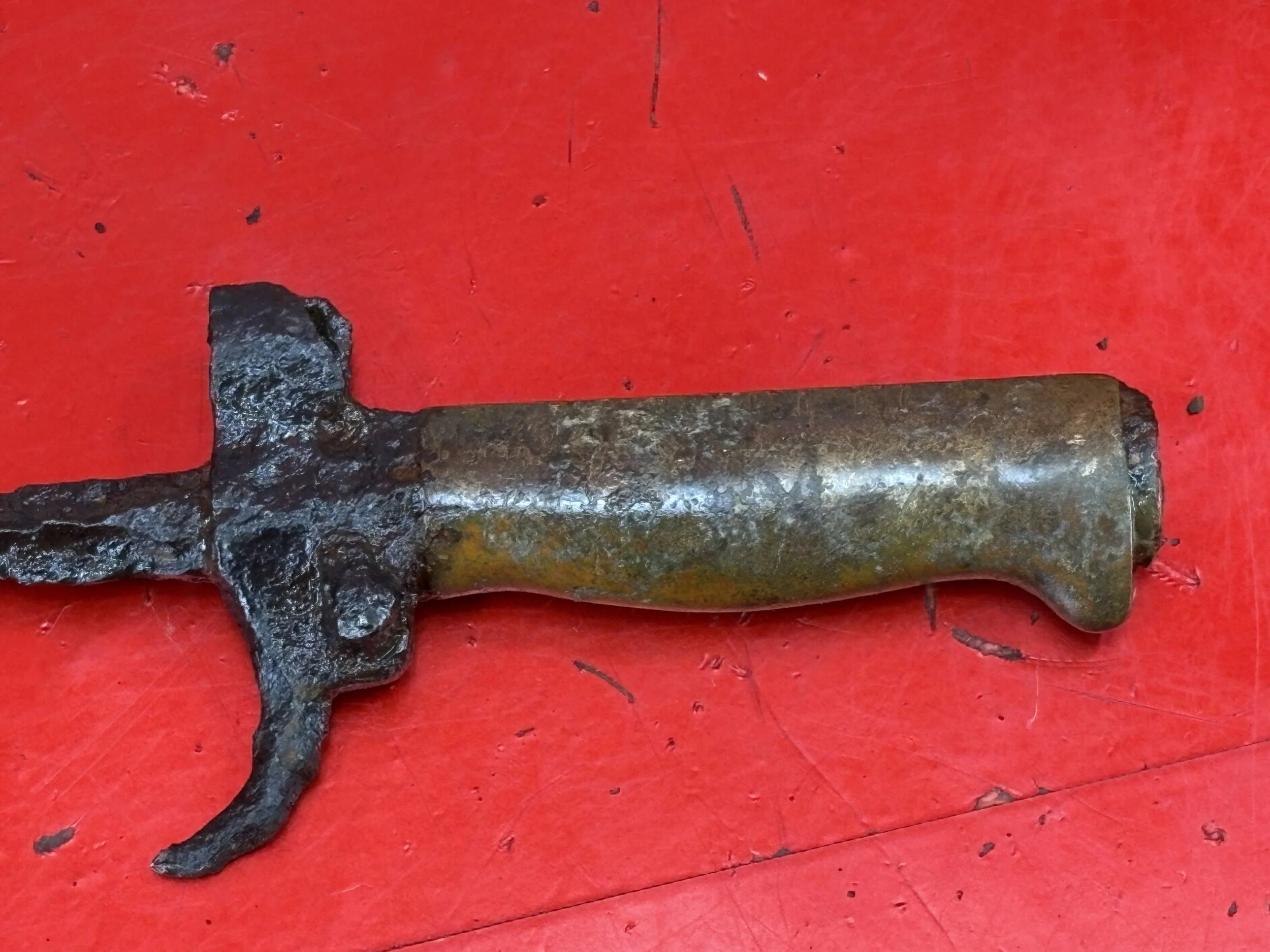 Image 5 of 11
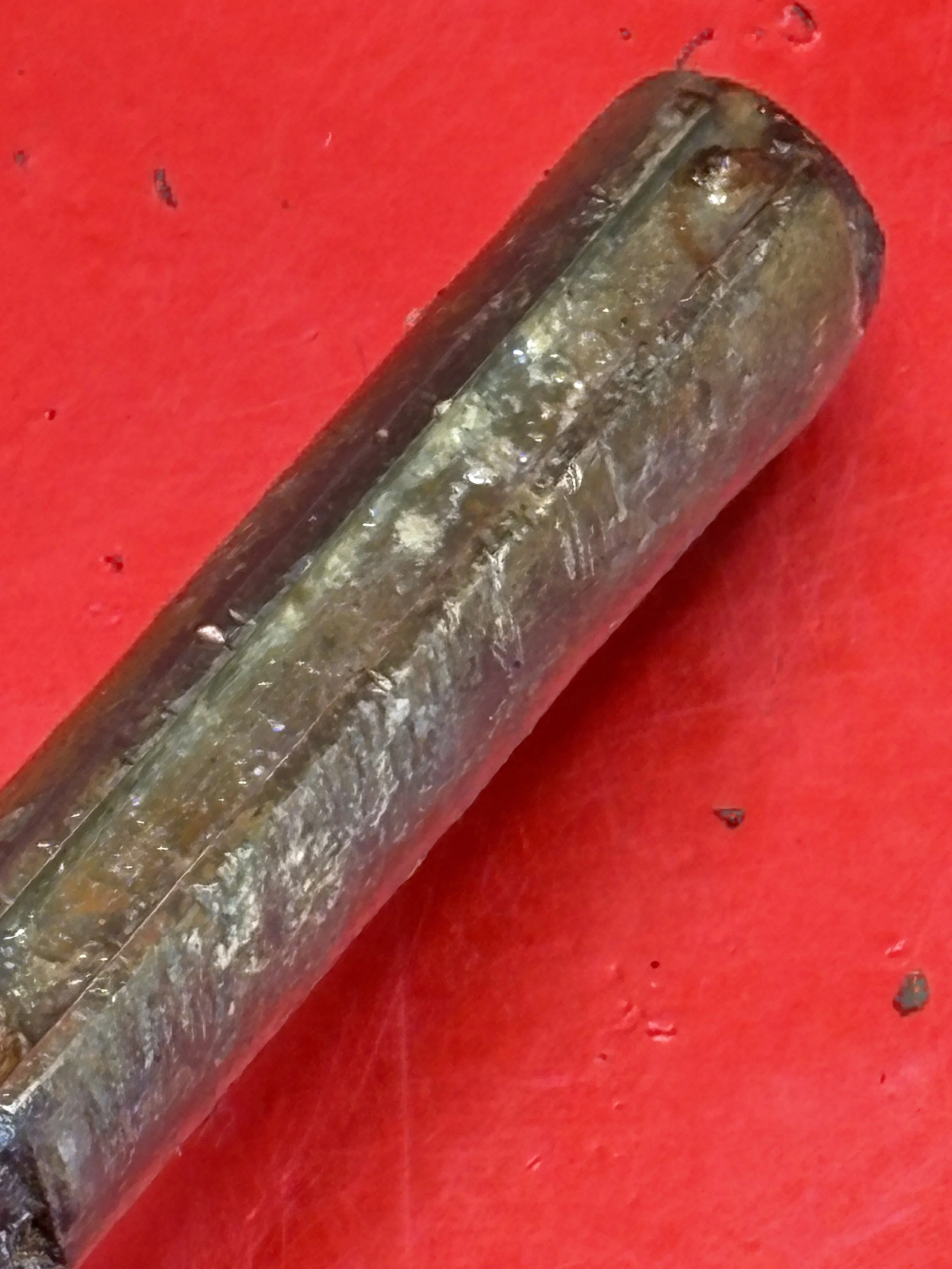 Image 6 of 11
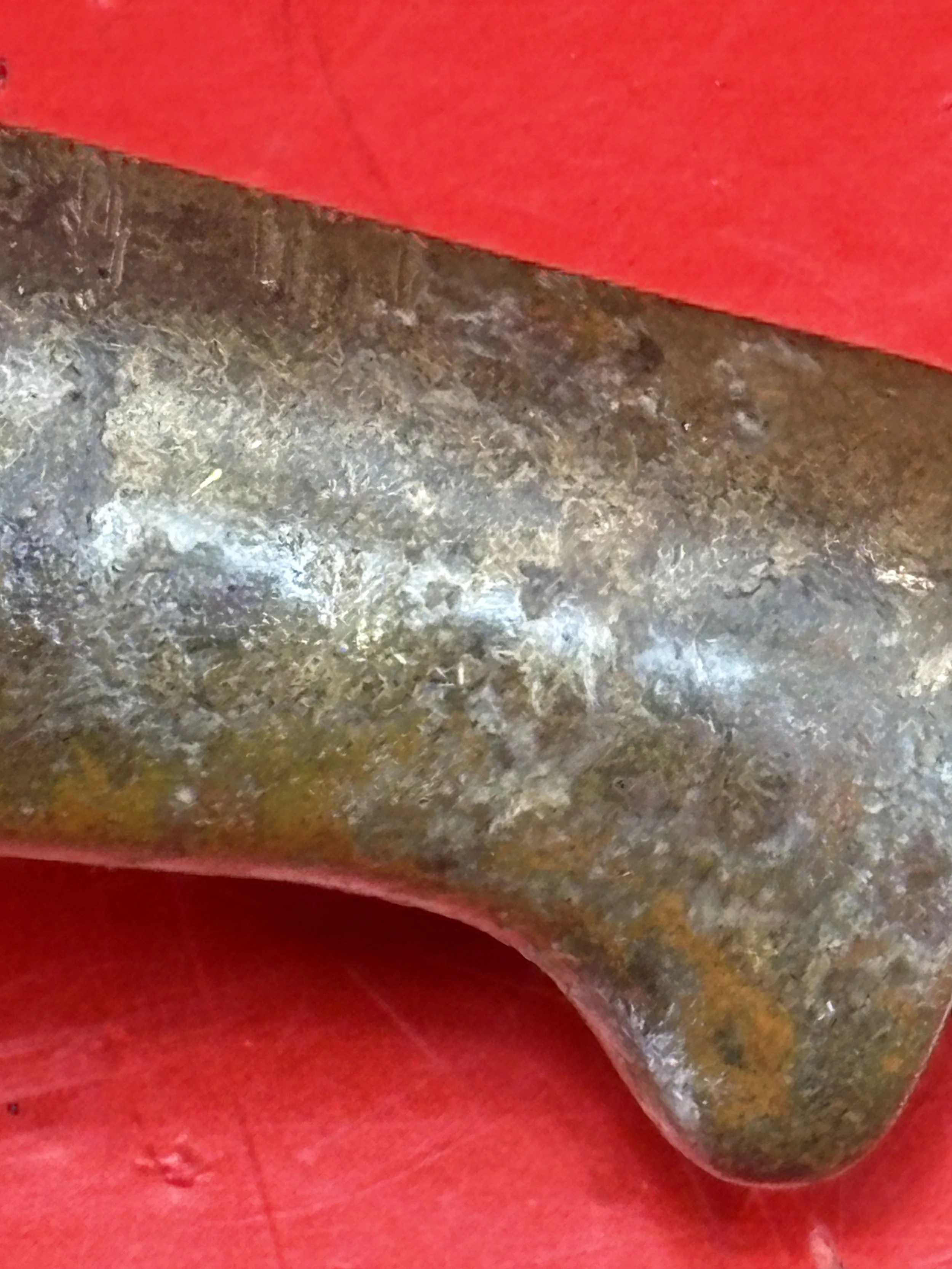 Image 7 of 11
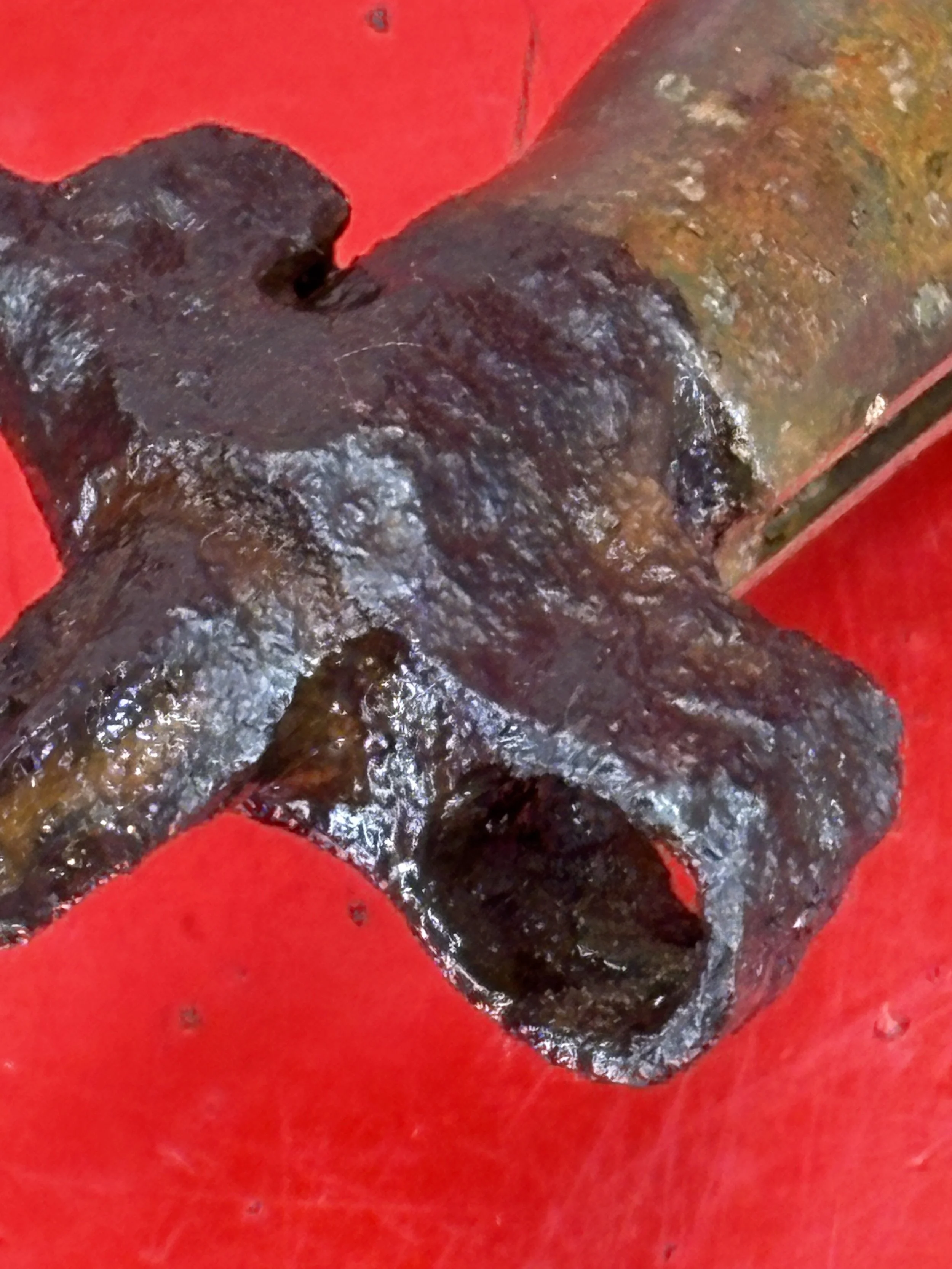 Image 8 of 11
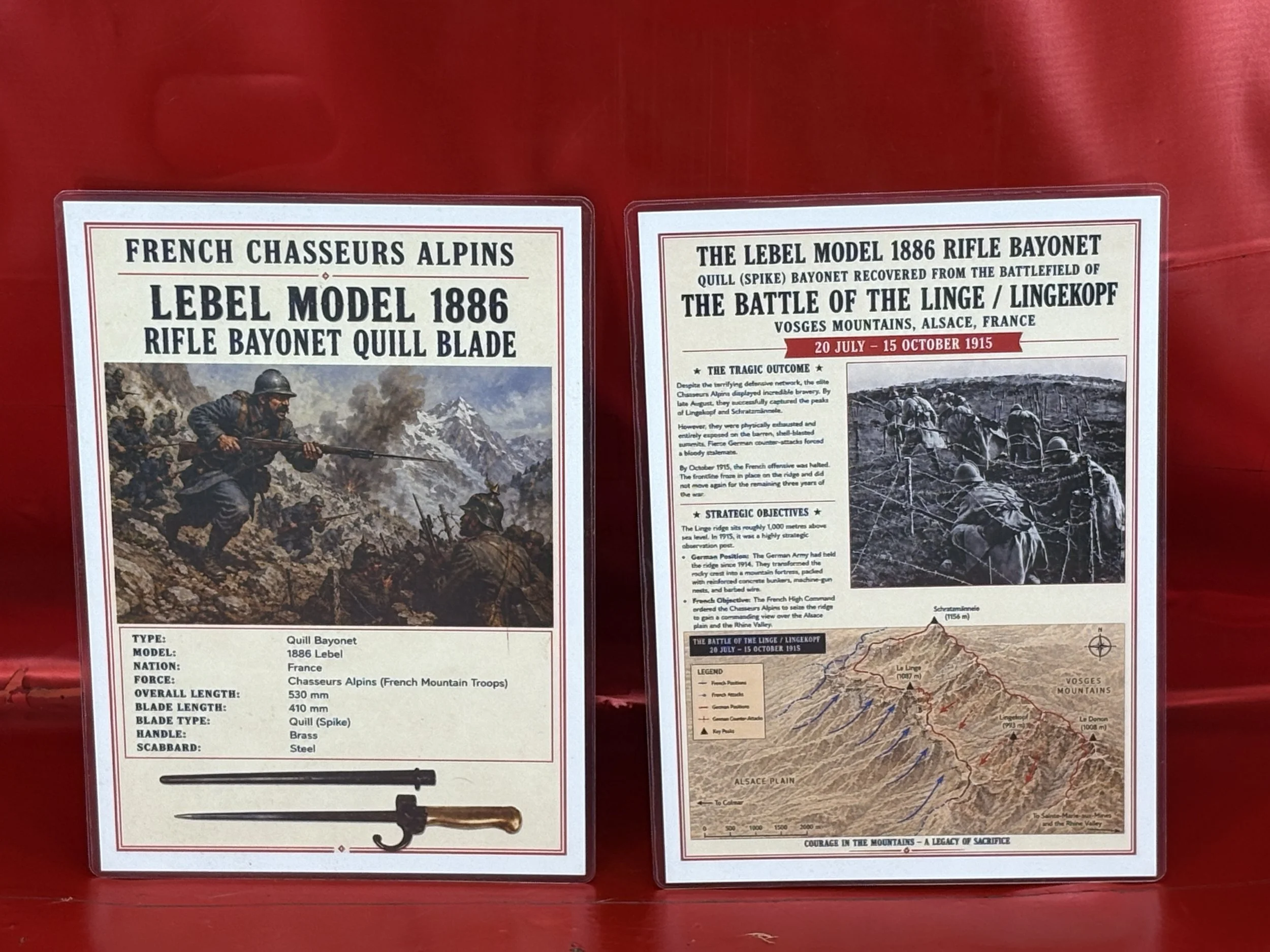 Image 9 of 11
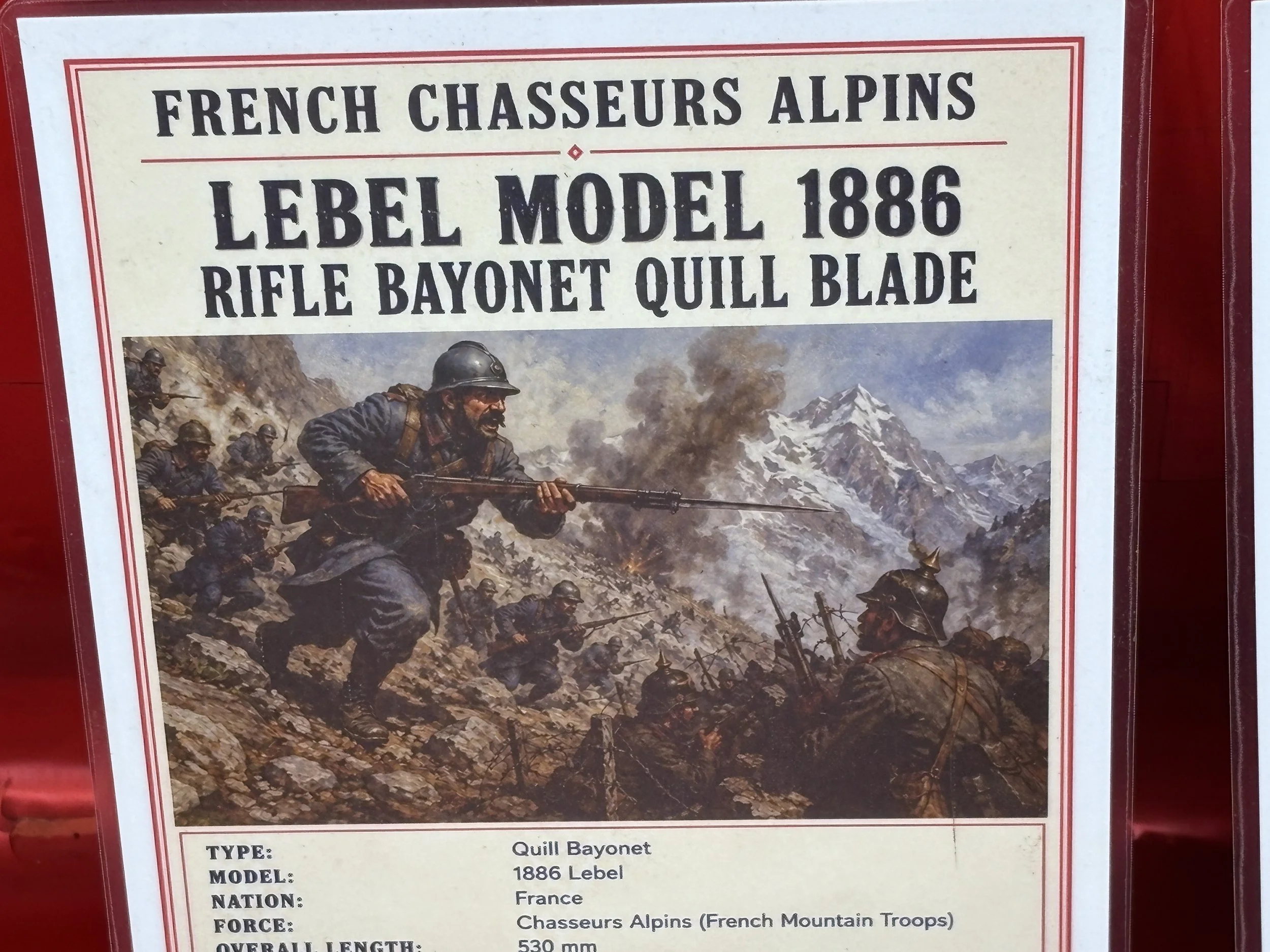 Image 10 of 11
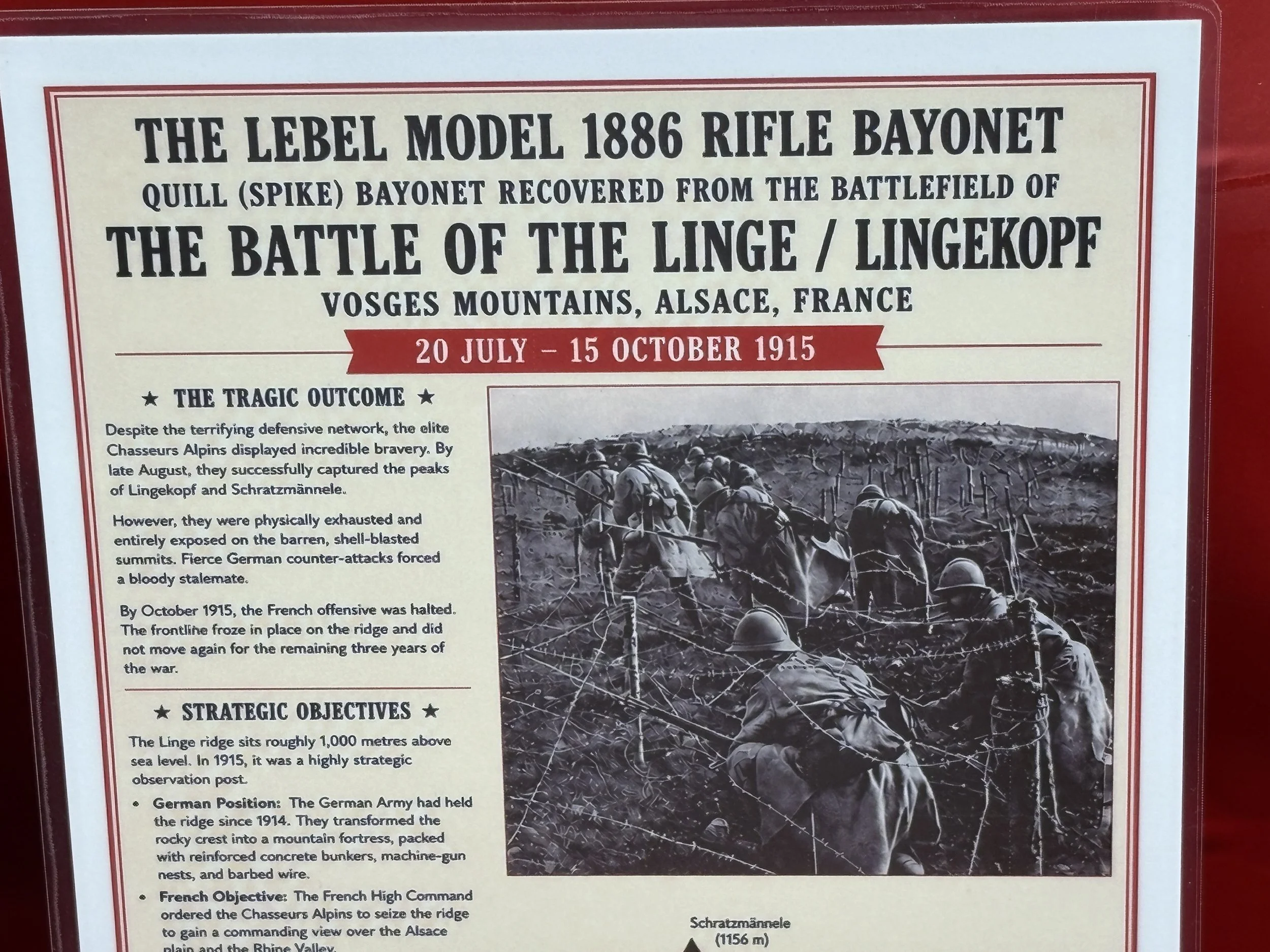 Image 11 of 11