This a group of large internal engine parts 3 of them in all The relics which are in nice condition and still retain some of there original wartime finish. There is a large section of mag allow engine case with black paintwork remains also a large pipework connector brass and steel made and a aluminium section which is a large pipework bracket connector. All the parts have torn, bent and distorted by the impact of the crash but remain in good, solid condition. They have been carefully cleaned while preserving its original character and wartime patina.
The relics come with 2 x A5 laminated information cards with pictures, map and diagrams making it an excellent display piece for any aviation or Second World War collection.
The parts are from RAF Short Stirling EF268 (coded QS-R) was a Mark IV transport and glider tug aircraft belonging to No. 620 Squadron of the Royal Air Force, which was shot down by German flak on D-Day, 6th June 1944, killing all 26 men on board.
The Mission and the Crash
On the night of 5/6 June 1944, Stirling EF268 took off from RAF Fairford at 23:35 as part of Operation Tonga, the airborne phase of the Allied D-Day landings. The aircraft was carrying six RAF crew members and 20 paratroopers from the 7th (Light Infantry) Parachute Battalion, aiming to drop them near Caen to secure vital bridges and flanks.
As the aircraft crossed the Normandy coast at a low altitude near Cabourg, it came under intense German anti-aircraft fire. Hit heavily by flak, the Stirling collided with trees and crashed violently on Sarlabot Hill on the outskirts of Dives-sur-Mer, close to the Houlgate coastal artillery battery.
The aircraft burst into flames and burned through the night, resulting in the loss of everyone on board.
Casualties and Commemoration
Initially buried by local French citizens in a temporary mass grave in a field adjoining the crash site, the remains of the crew and paratroopers were later exhumed. Today, they rest together at the CWGC La Delivrande War Cemetery in Douvres-la-Delivrande, France

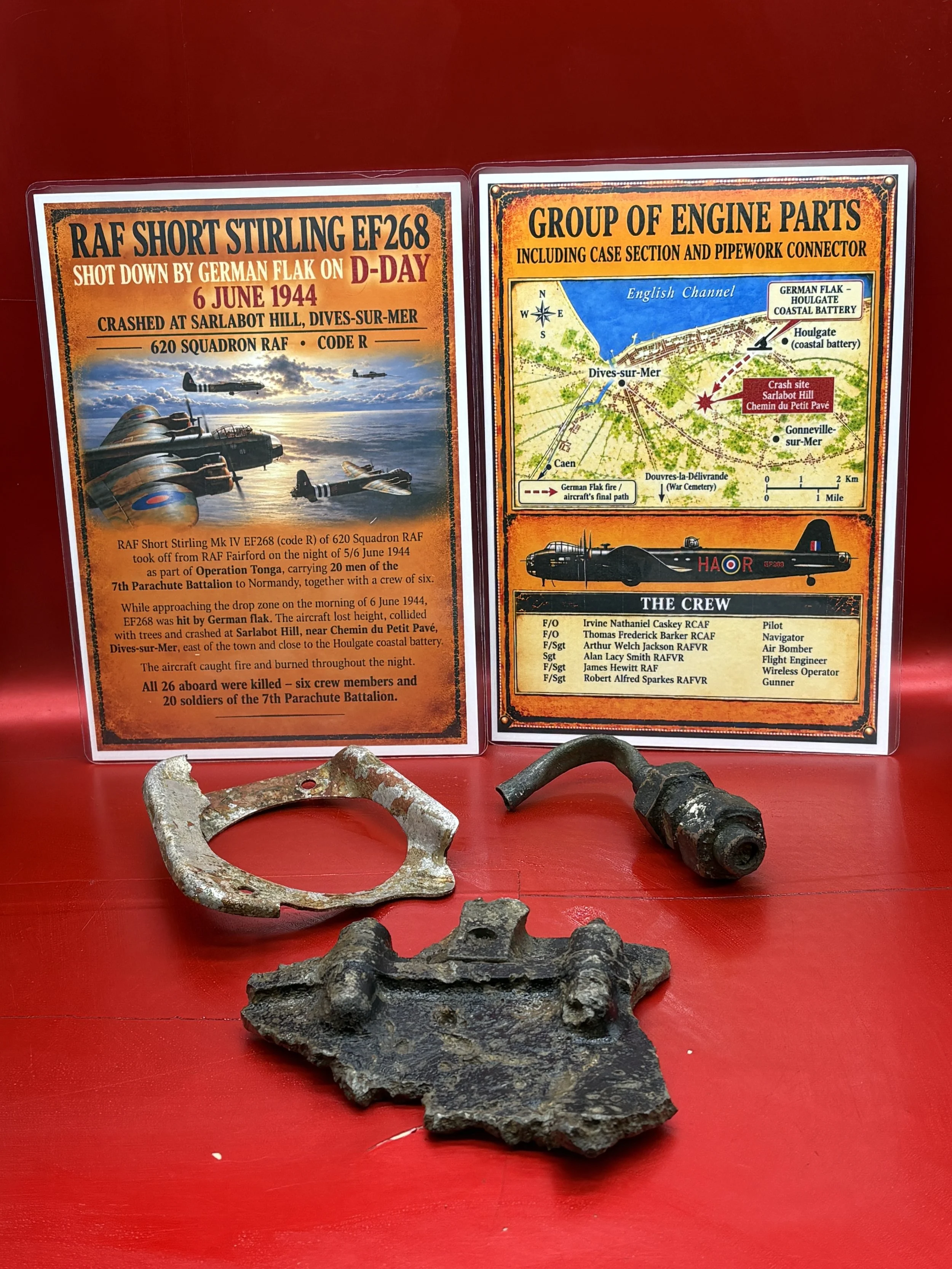 Image 1 of 10
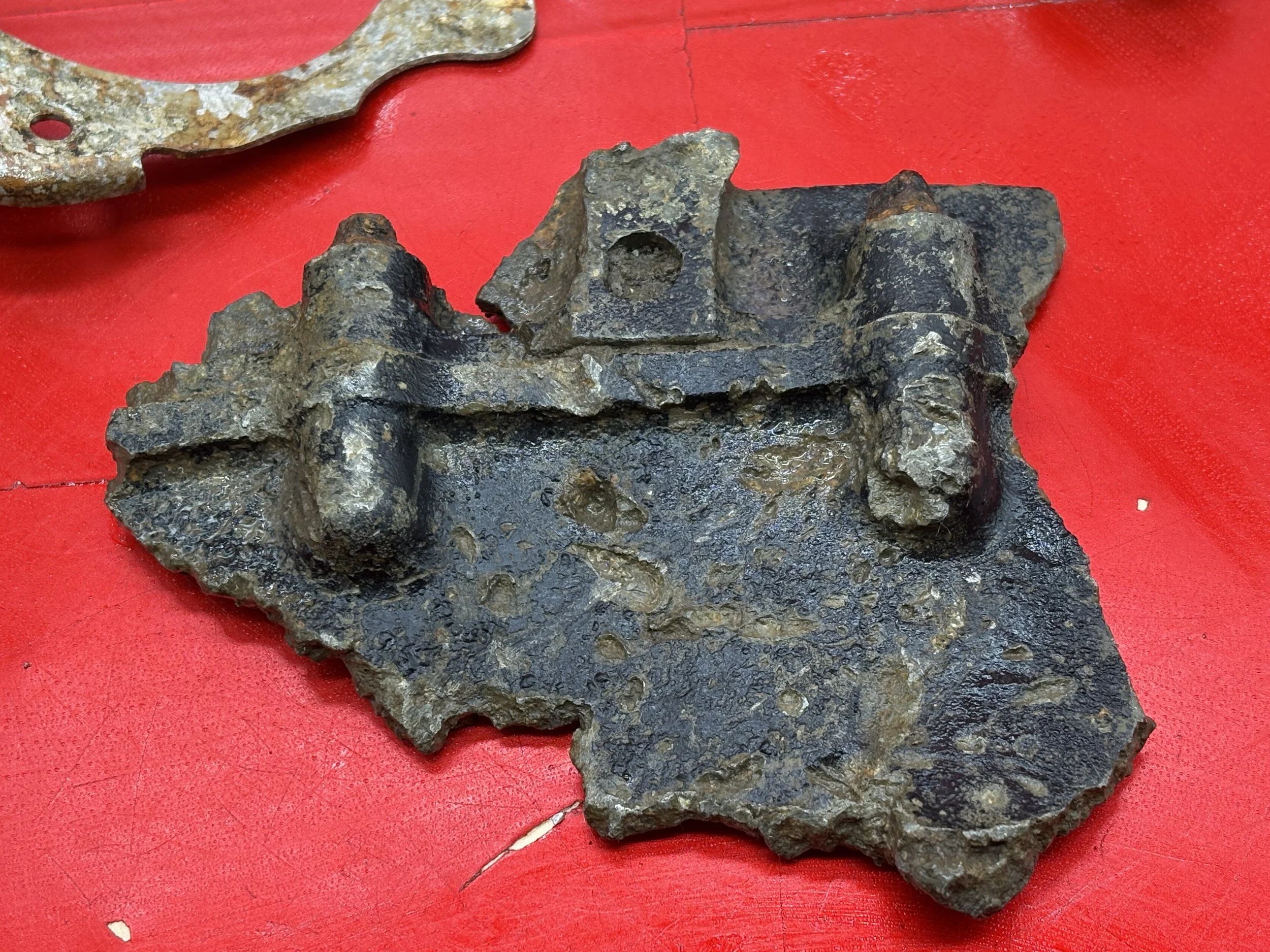 Image 2 of 10
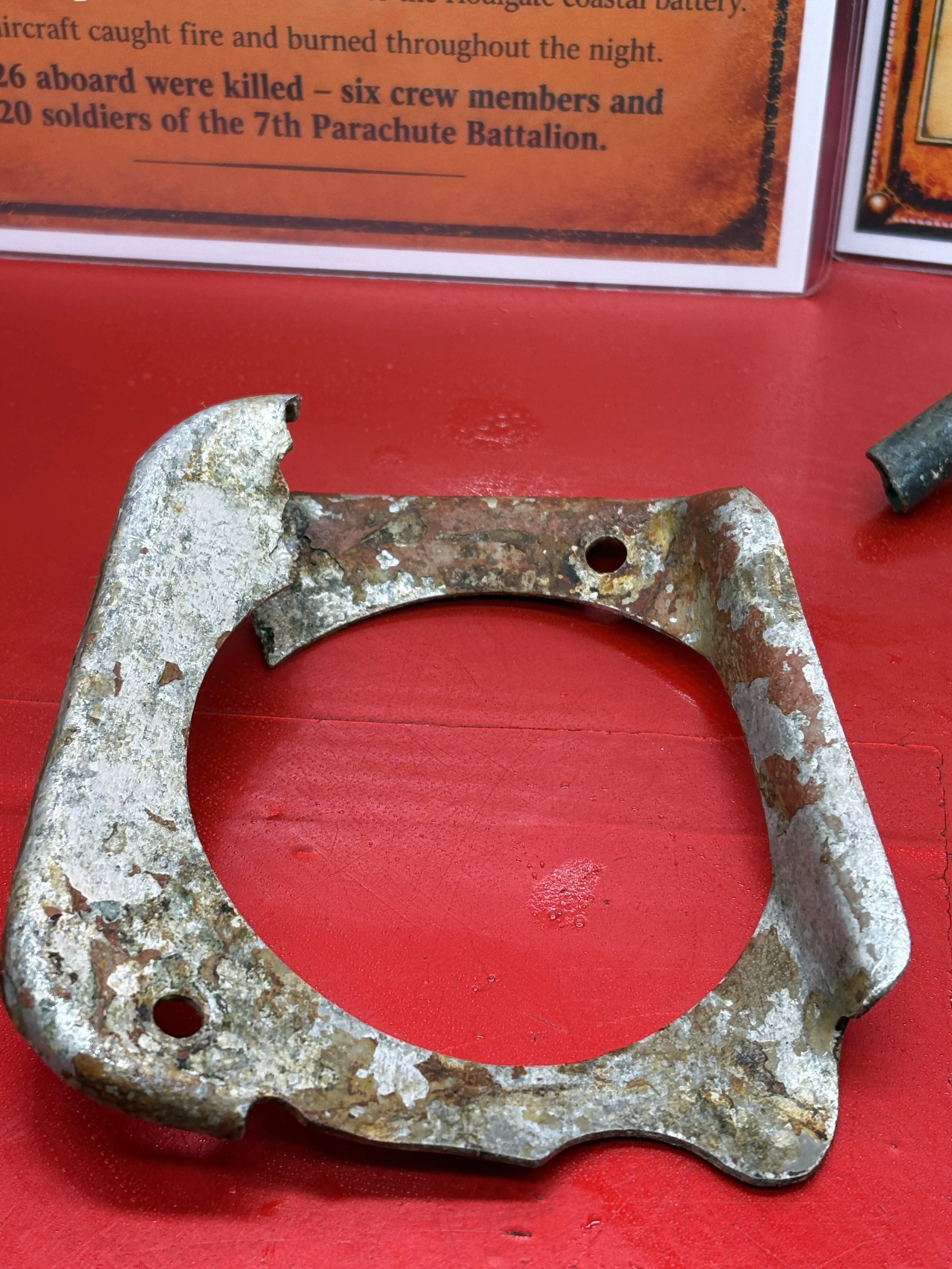 Image 3 of 10
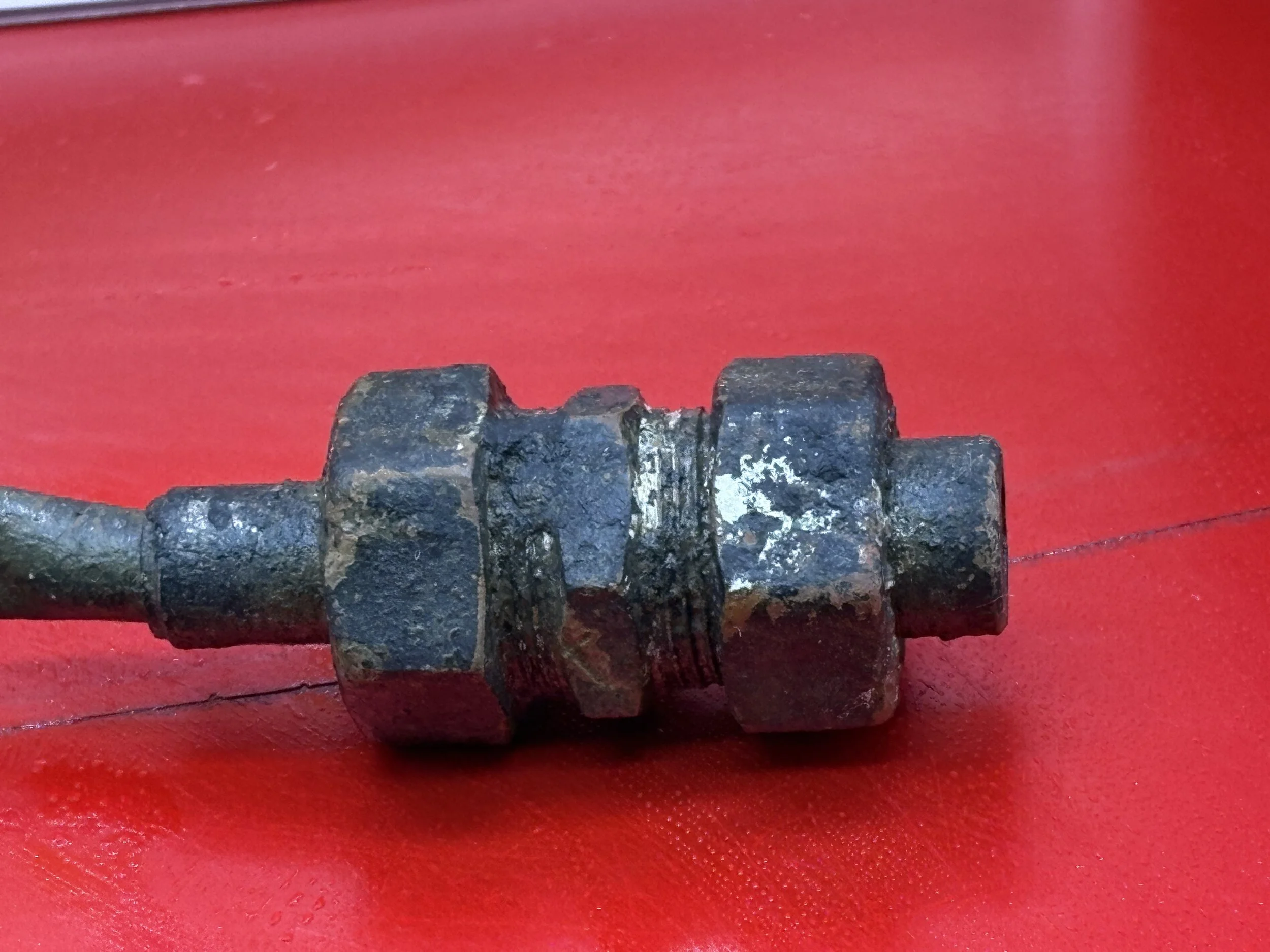 Image 4 of 10
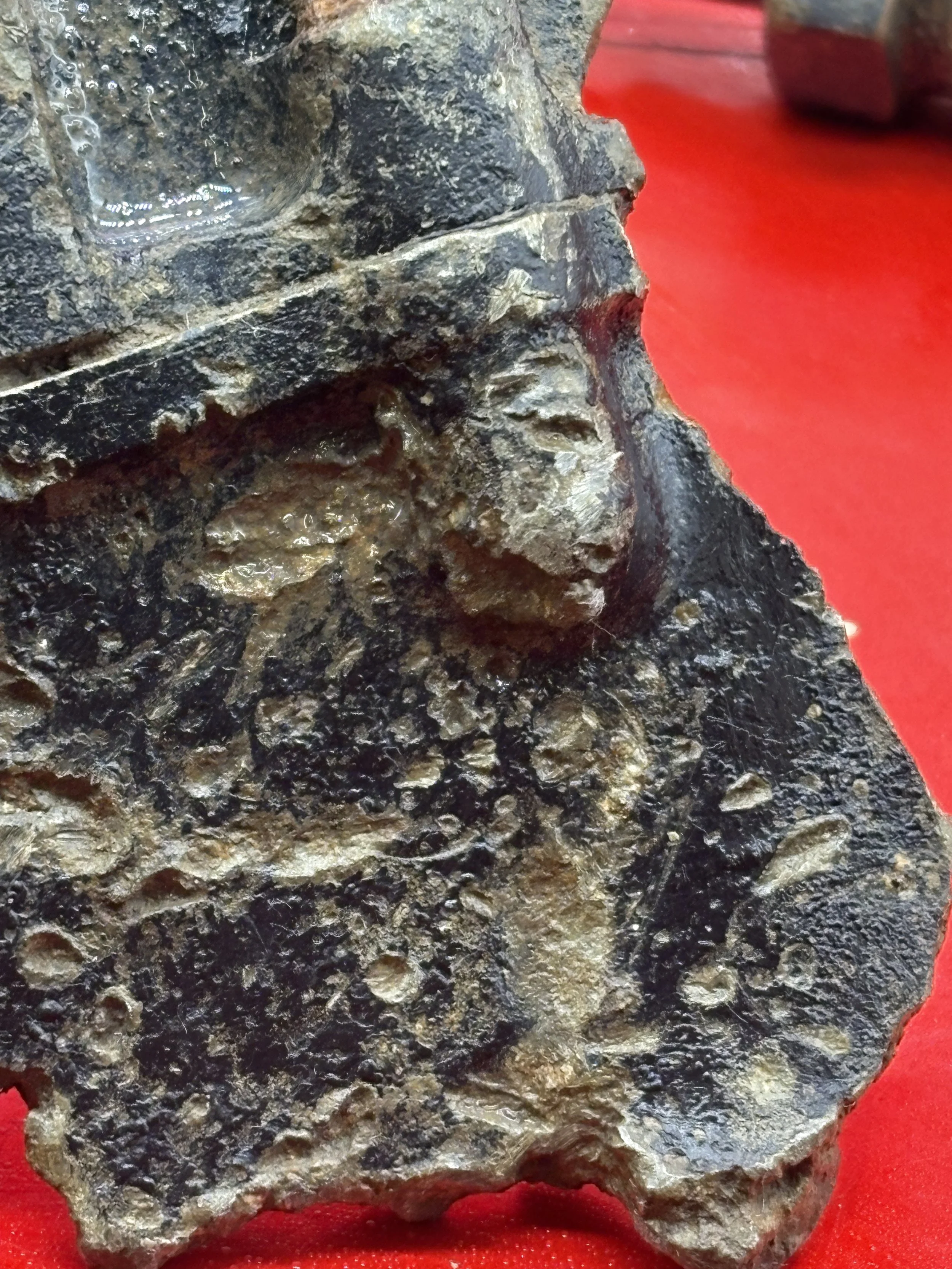 Image 5 of 10
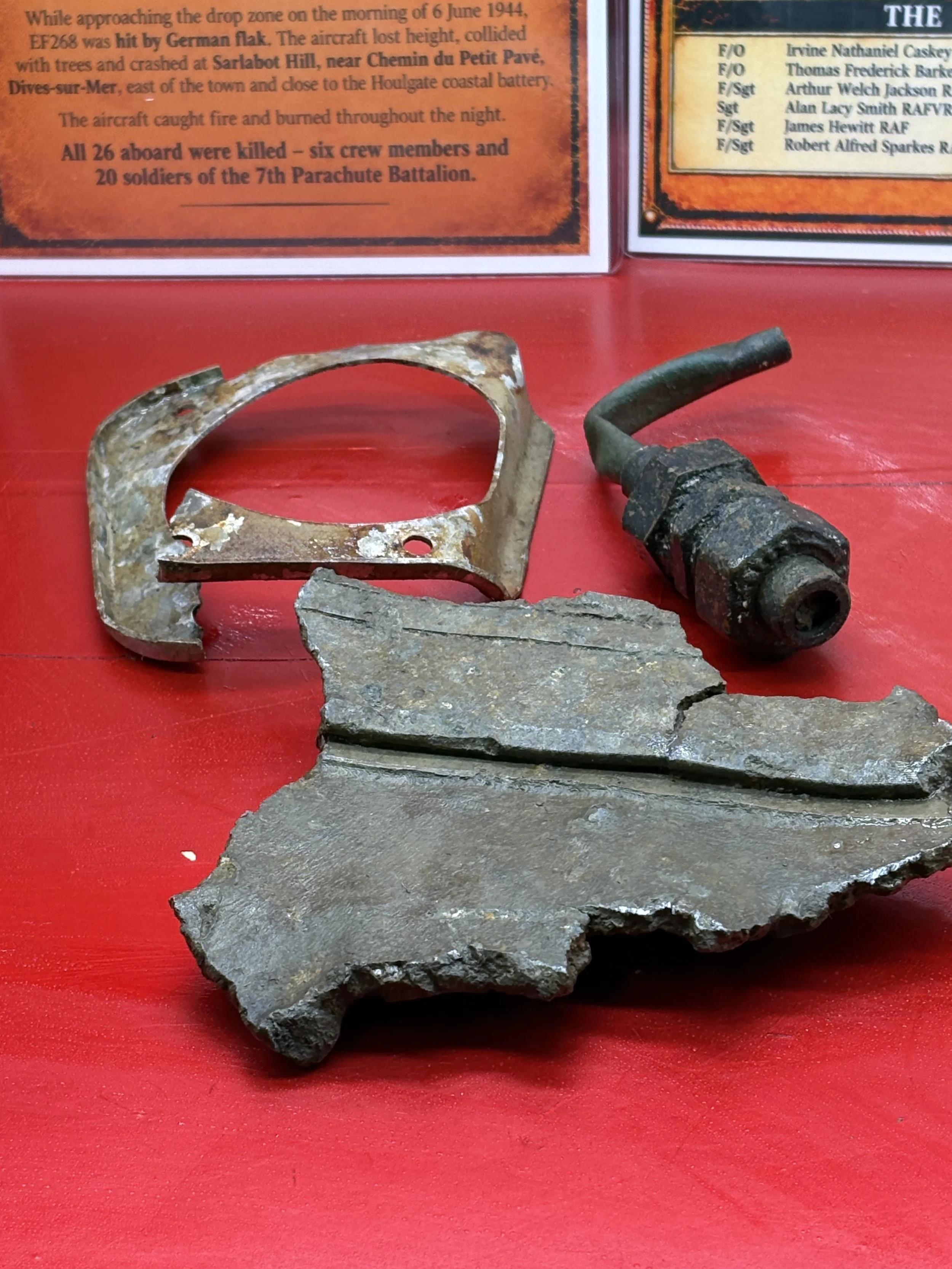 Image 6 of 10
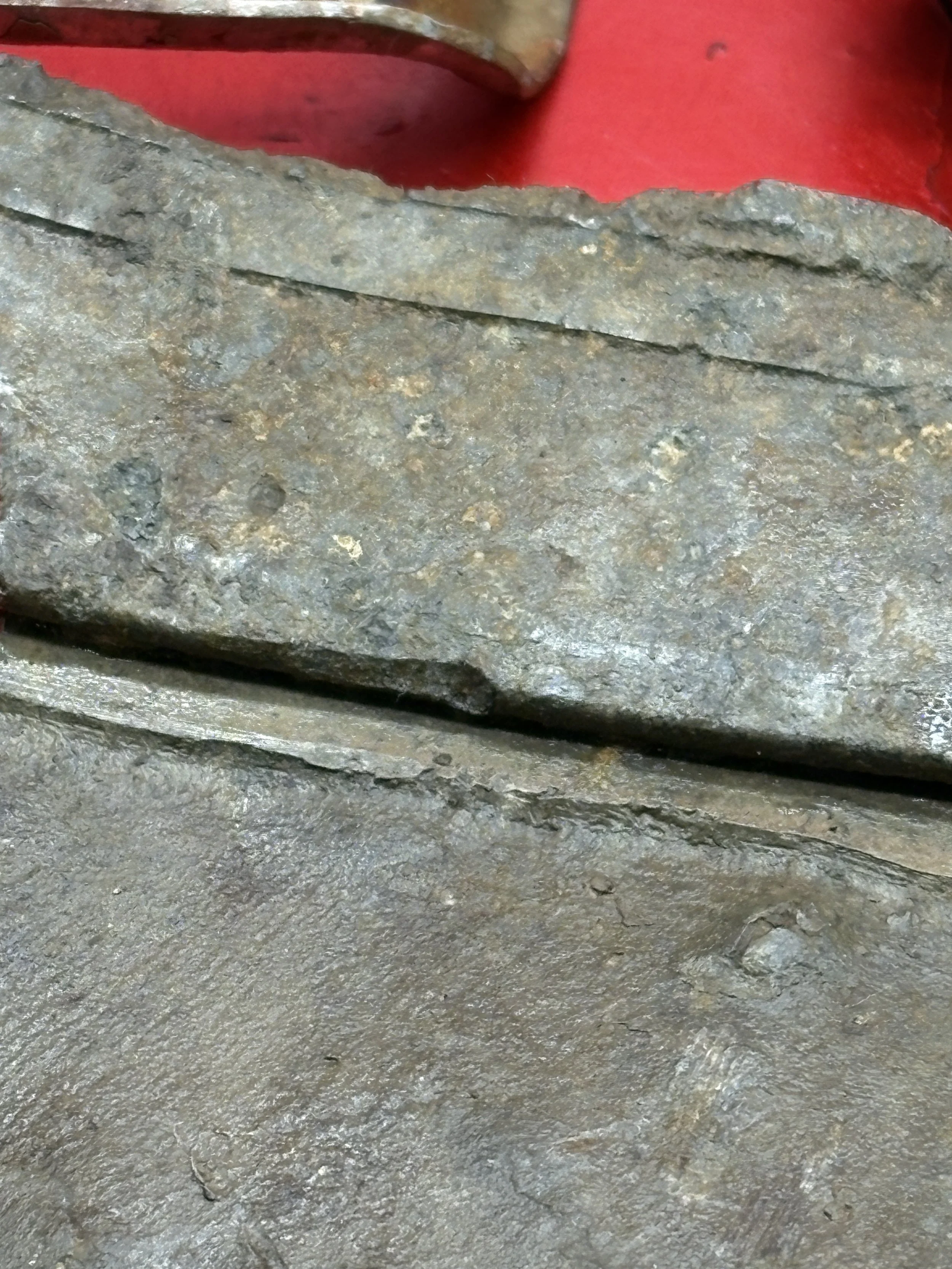 Image 7 of 10
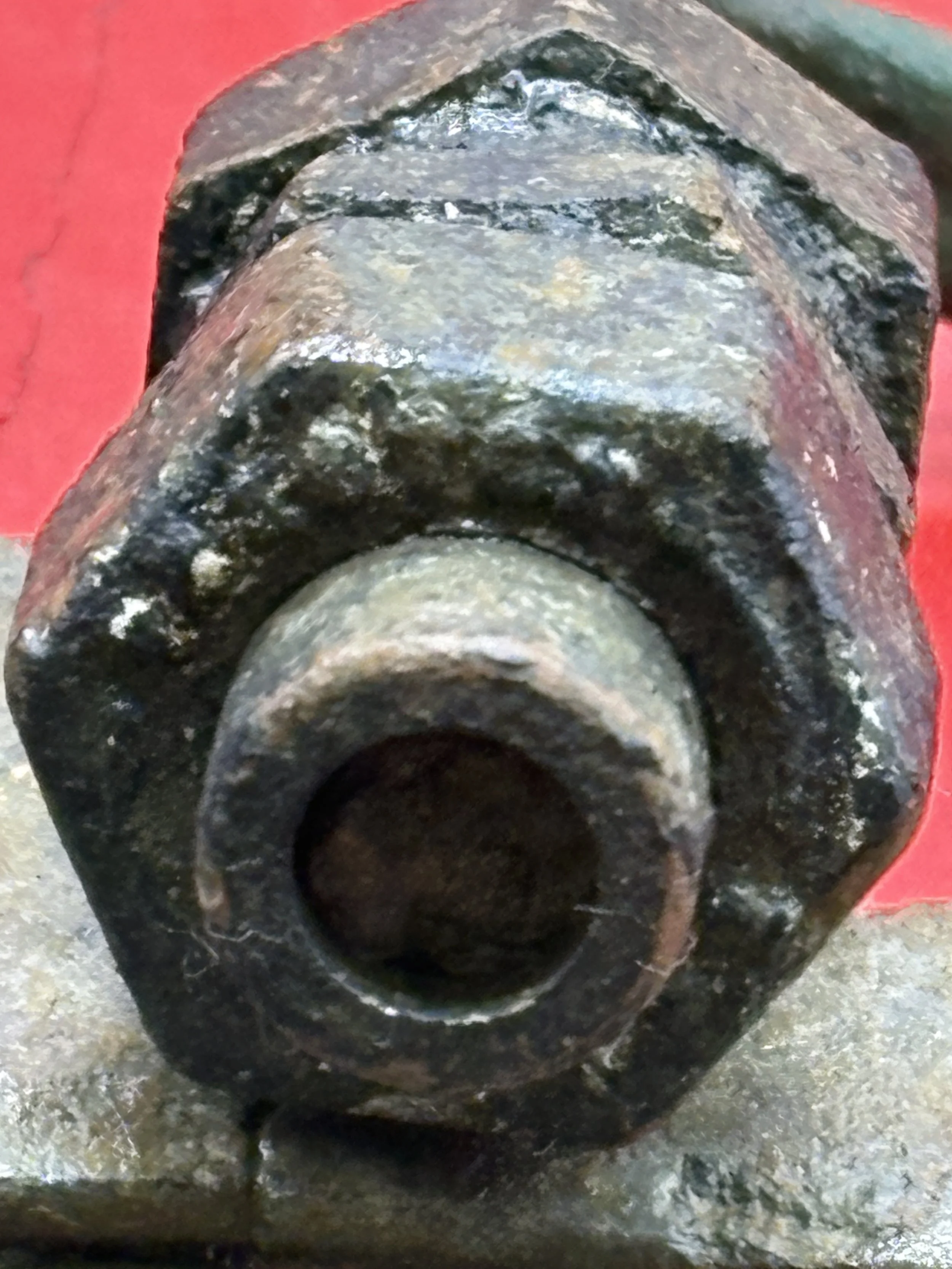 Image 8 of 10
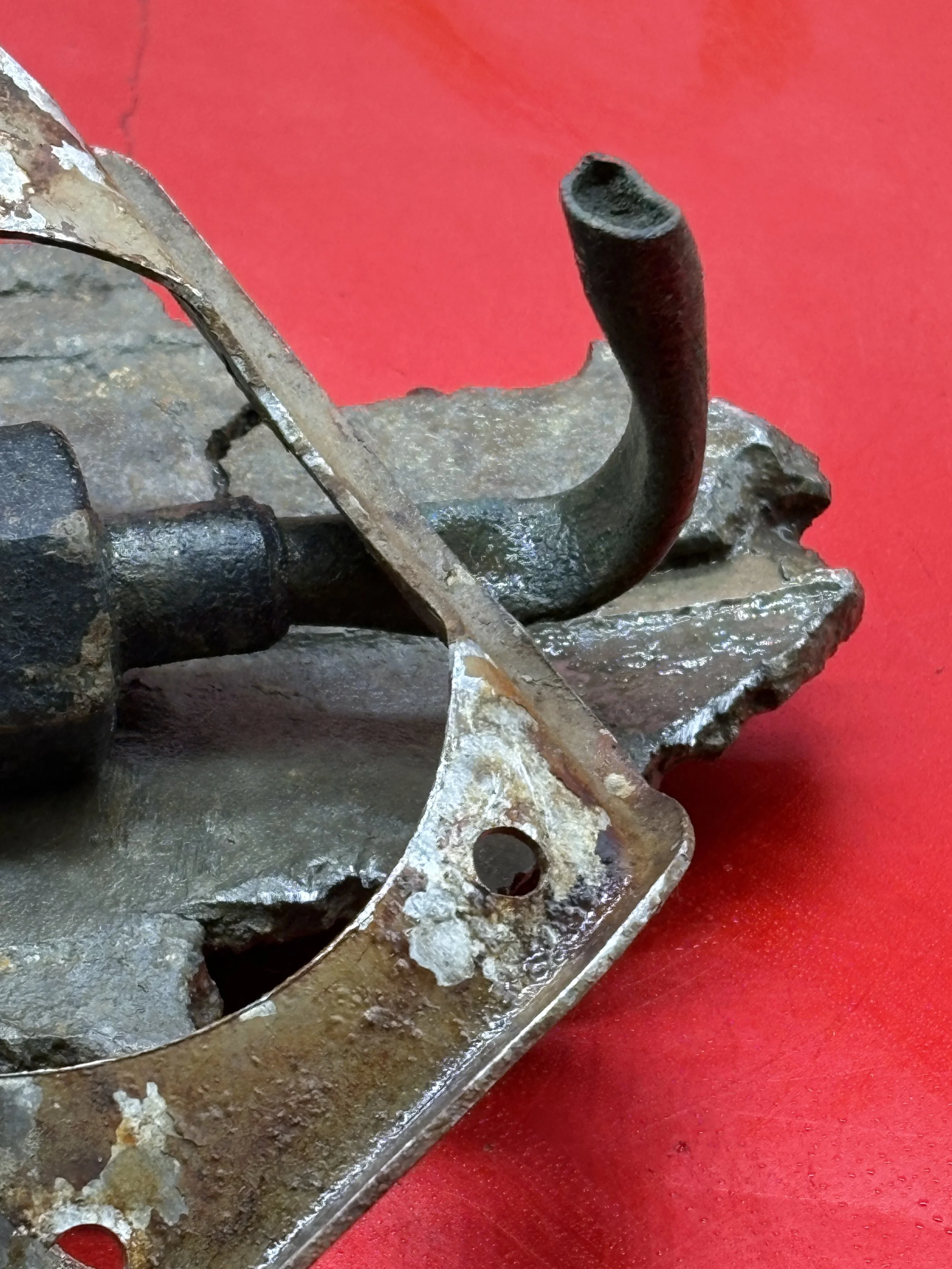 Image 9 of 10
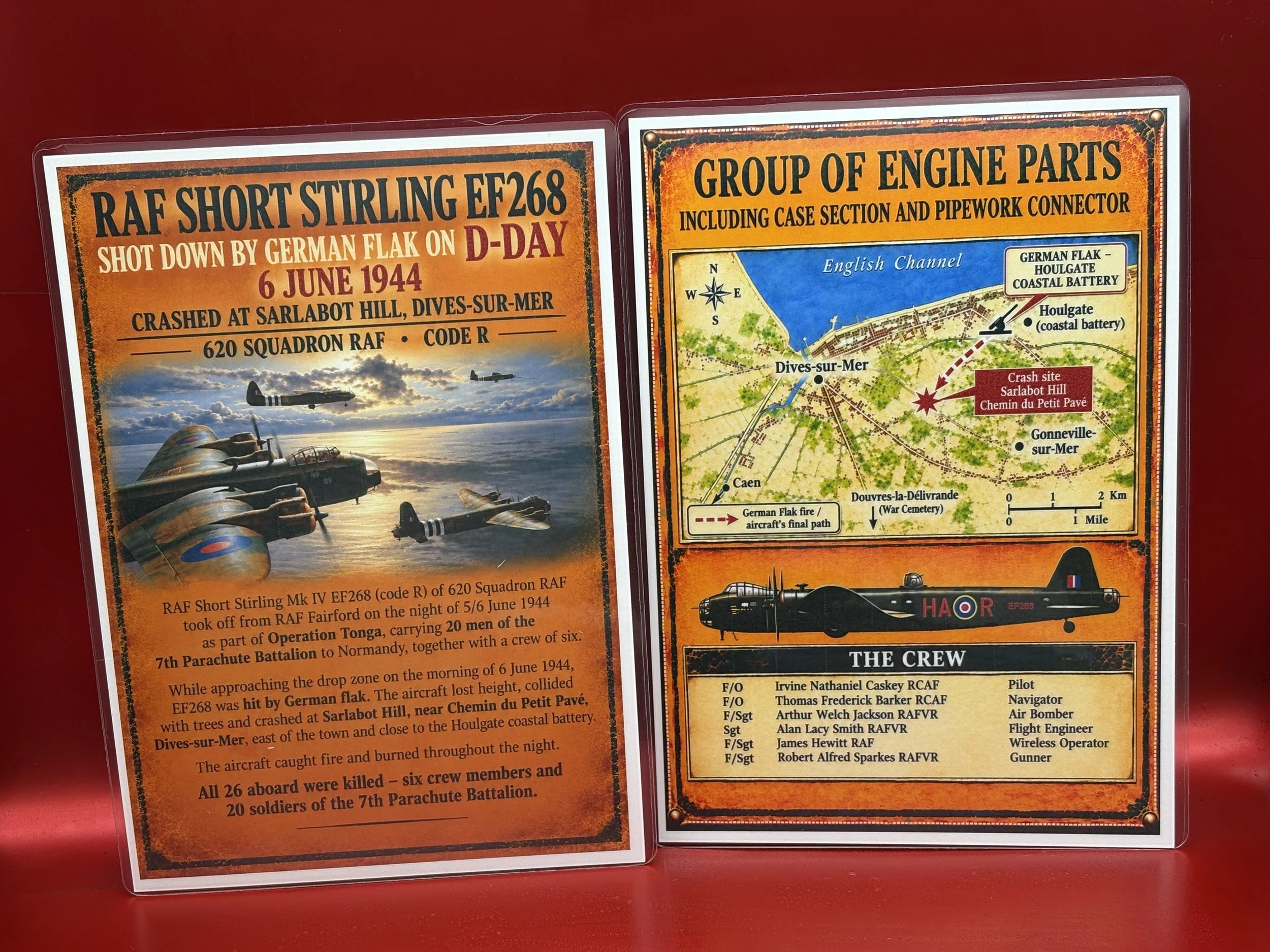 Image 10 of 10