This is a rare group of parts a there is very little about as there has never been a full recovery of the aircraft and some cleared at the time of the crash. The parts were recovered in 1992 by the aircraft archaeologist the late Alan Brown.
This group which are 7 parts in all 6 are bakerite parts all have some sort of marking and stamp relating to Air Ministry and a bras part which is made by Walters made radio part.
The parts which are 1-2 half inches long all have ripped and bent up but the impact of the crash but are in nice solid condition with some original colours they have been nicely cleaned and are perfect for display or any collection. The parts come from RAF Lancaster bomber JB532,shot down by German anti-aircraft gun flak fire on the night of 1/2 January 1944 on the large new years day raid launched by the RAF over Berlin. The bomber crashed south of Berlin near the town of Trebbin approximately 250 meters north west of village of Gobbeuthen .The parts come with 2 x A5 laminated information cards with precise picture and map of the crash site and a picture of the individual items and descriptions of what they are with each item.
On the bitterly cold night of January 1, 1944, Avro Lancaster JB532 (code LE-X) took off from RAF East Kirkby at 23:55 hours, bound for the heavily defended heart of Germany. On board was an exceptionally skilled, multi-national crew of eight. Unusually, this was an expanded team; alongside the highly reliable 20-year-old Canadian pilot, Flight Lieutenant Douglas Allister MacDonald, DFC, sat Wing Commander Kenneth Frederick Vare, AFC. Wing Commander Vare, an experienced 30-year-old New Zealander, was flying along as a second pilot. The rest of the tightly-knit crew comprised a talented mix of Royal Air Force and Australian airmen: Navigator Flying Officer Niels Erik Westergaard, DFC; Flight Engineer Sergeant Robert Francis Smale, MiD; Bomb Aimer Flight Sergeant John Mowbray Turnbull; Wireless Operator Sergeant William Richard Tyrie, DFM; Mid-Upper Gunner Flight Sergeant William Jenkins; and Australian Rear Gunner Flight Sergeant William Joseph Roche. Many of these young men had already been decorated for their bravery and skill in previous combat sorties.
The mission to bomb Berlin was a perilous undertaking, and on their return leg in the early hours of January 2, 1944, tragedy struck. Caught in a web of searchlights and heavy anti-aircraft fire over the southern outskirts of the target area, the Lancaster was severely hit by German flak batteries. The intense shelling caused catastrophic structural failure, tearing the aircraft apart in mid-air. The crippled heavy bomber plunged from the sky and crashed 300 yards northwest of the village of Großbeuthen, roughly 18 miles southwest of Berlin, where it exploded upon impact. There were no survivors, and the brave crew was initially laid to rest by locals in the Gross Beuthen Parish Cemetery before being permanently moved after the war to the Berlin War
This is a rare group of parts a there is very little about as there has never been a full recovery of the aircraft and some cleared at the time of the crash. The parts were recovered in 1992 by the aircraft archaeologist the late Alan Brown.
This group which are 7 parts in all 6 are bakerite parts all have some sort of marking and stamp relating to Air Ministry and a bras part which is made by Walters made radio part.
The parts which are 1-2 half inches long all have ripped and bent up but the impact of the crash but are in nice solid condition with some original colours they have been nicely cleaned and are perfect for display or any collection. The parts come from RAF Lancaster bomber JB532,shot down by German anti-aircraft gun flak fire on the night of 1/2 January 1944 on the large new years day raid launched by the RAF over Berlin. The bomber crashed south of Berlin near the town of Trebbin approximately 250 meters north west of village of Gobbeuthen .The parts come with 2 x A5 laminated information cards with precise picture and map of the crash site and a picture of the individual items and descriptions of what they are with each item.
On the bitterly cold night of January 1, 1944, Avro Lancaster JB532 (code LE-X) took off from RAF East Kirkby at 23:55 hours, bound for the heavily defended heart of Germany. On board was an exceptionally skilled, multi-national crew of eight. Unusually, this was an expanded team; alongside the highly reliable 20-year-old Canadian pilot, Flight Lieutenant Douglas Allister MacDonald, DFC, sat Wing Commander Kenneth Frederick Vare, AFC. Wing Commander Vare, an experienced 30-year-old New Zealander, was flying along as a second pilot. The rest of the tightly-knit crew comprised a talented mix of Royal Air Force and Australian airmen: Navigator Flying Officer Niels Erik Westergaard, DFC; Flight Engineer Sergeant Robert Francis Smale, MiD; Bomb Aimer Flight Sergeant John Mowbray Turnbull; Wireless Operator Sergeant William Richard Tyrie, DFM; Mid-Upper Gunner Flight Sergeant William Jenkins; and Australian Rear Gunner Flight Sergeant William Joseph Roche. Many of these young men had already been decorated for their bravery and skill in previous combat sorties.
The mission to bomb Berlin was a perilous undertaking, and on their return leg in the early hours of January 2, 1944, tragedy struck. Caught in a web of searchlights and heavy anti-aircraft fire over the southern outskirts of the target area, the Lancaster was severely hit by German flak batteries. The intense shelling caused catastrophic structural failure, tearing the aircraft apart in mid-air. The crippled heavy bomber plunged from the sky and crashed 300 yards northwest of the village of Großbeuthen, roughly 18 miles southwest of Berlin, where it exploded upon impact. There were no survivors, and the brave crew was initially laid to rest by locals in the Gross Beuthen Parish Cemetery before being permanently moved after the war to the Berlin War

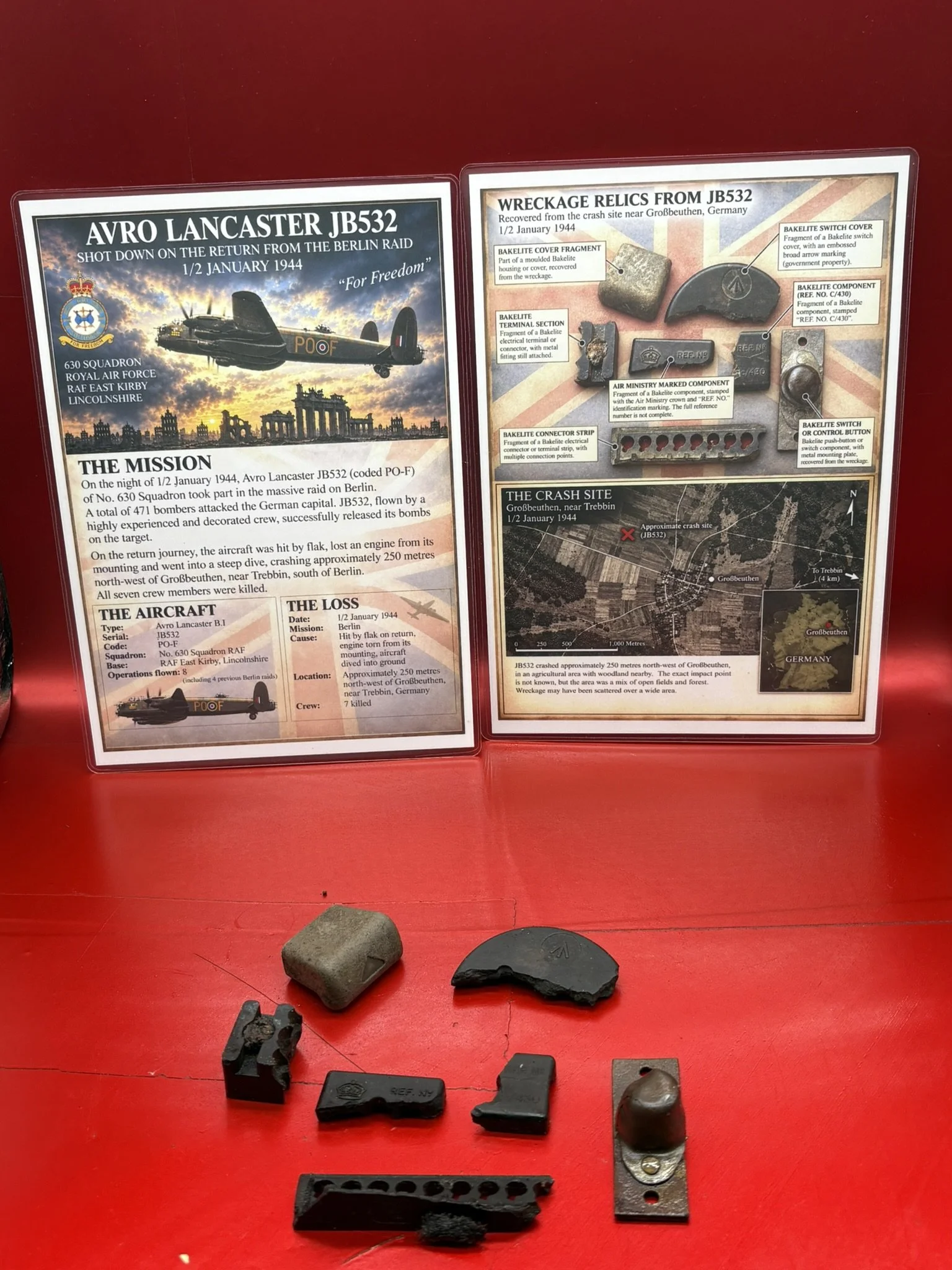 Image 1 of 11
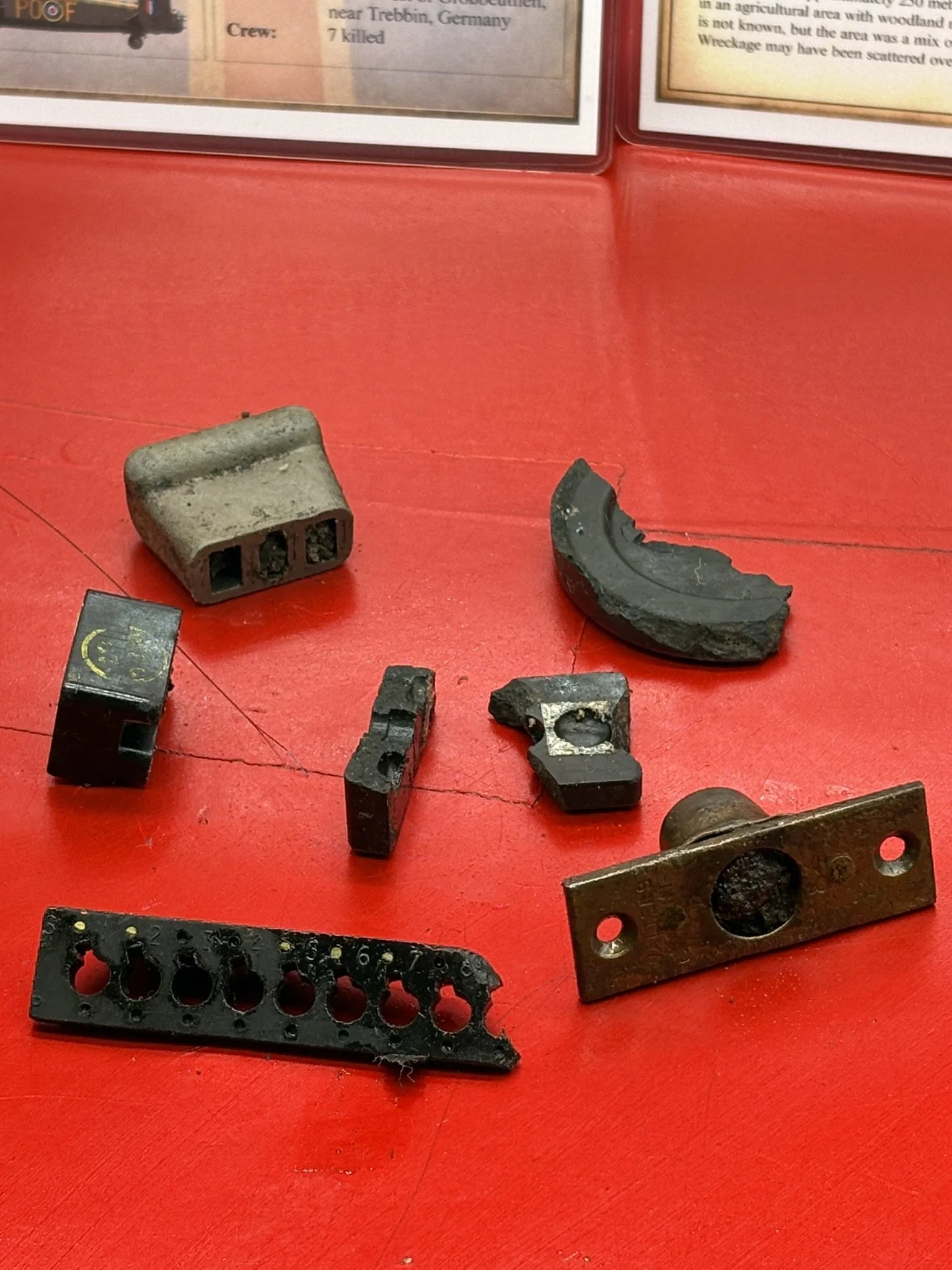 Image 2 of 11
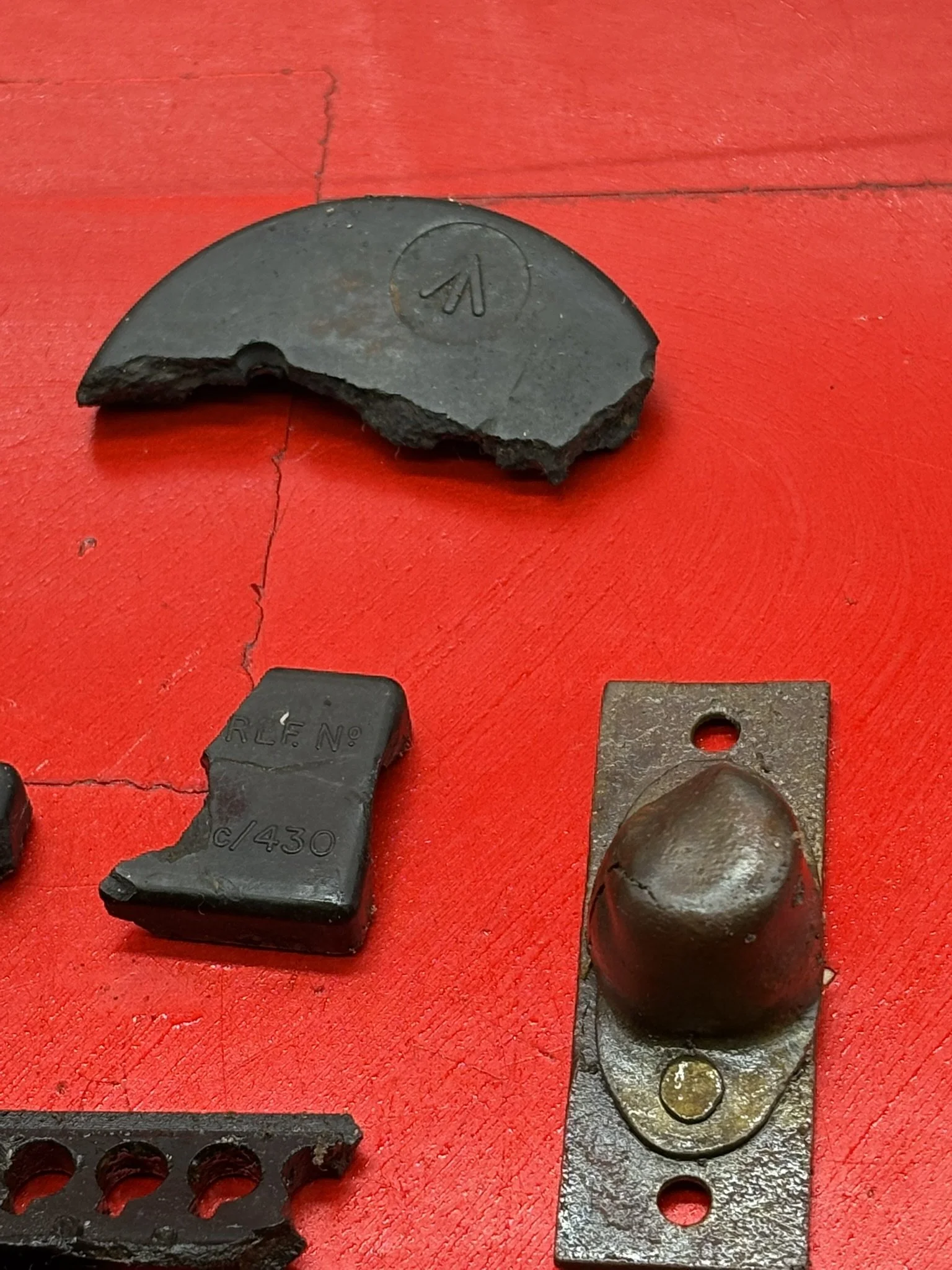 Image 3 of 11
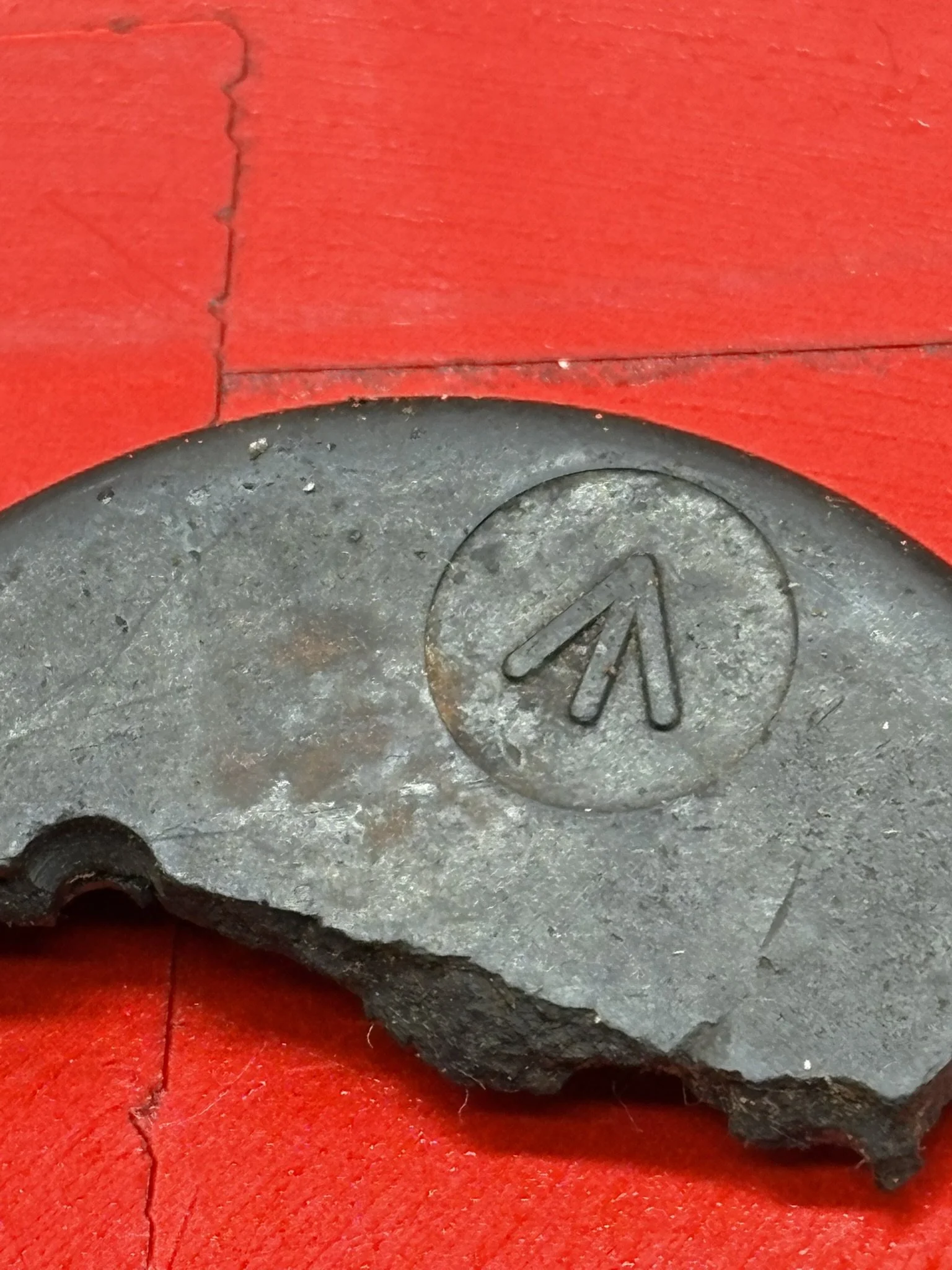 Image 4 of 11
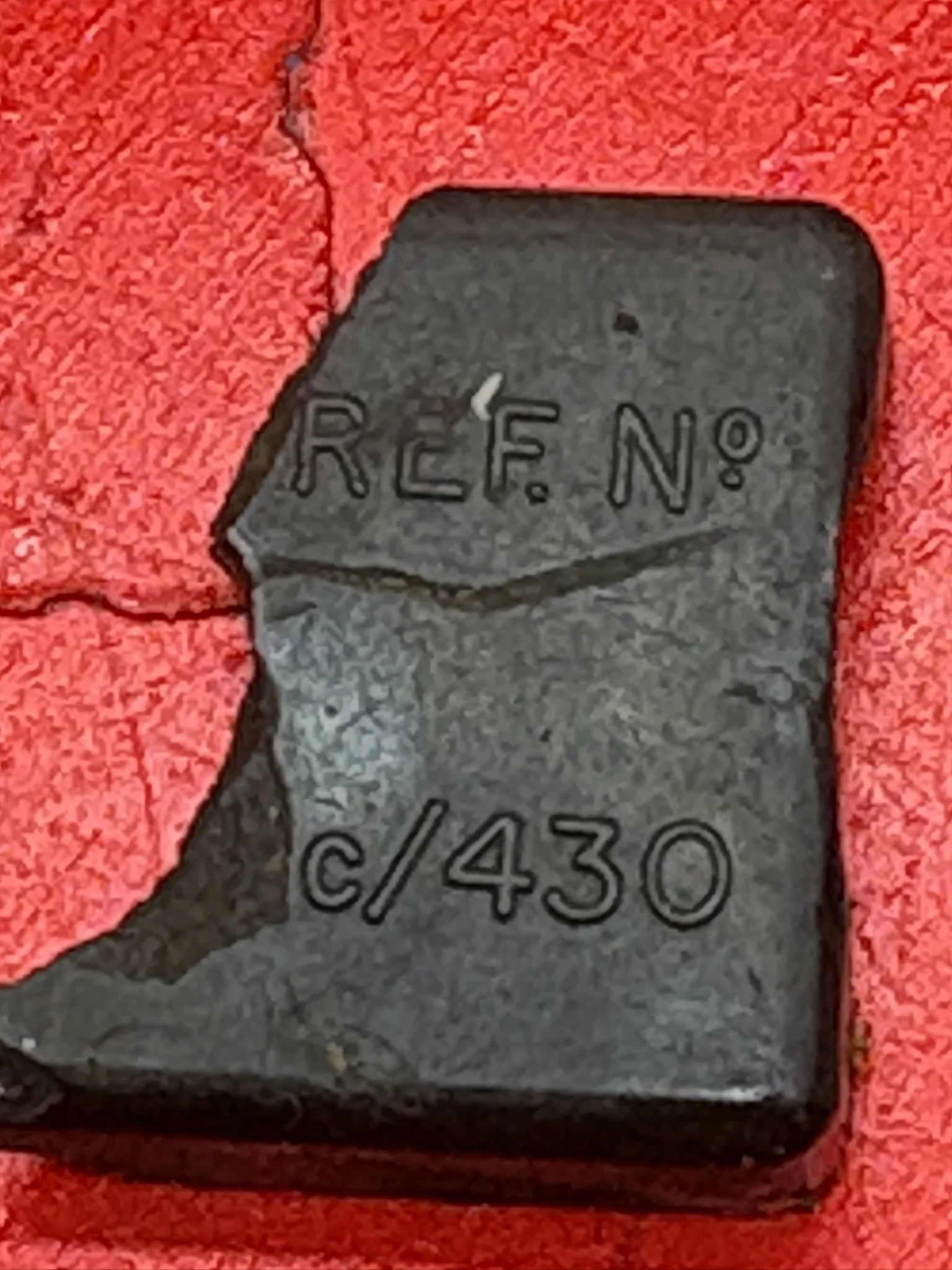 Image 5 of 11
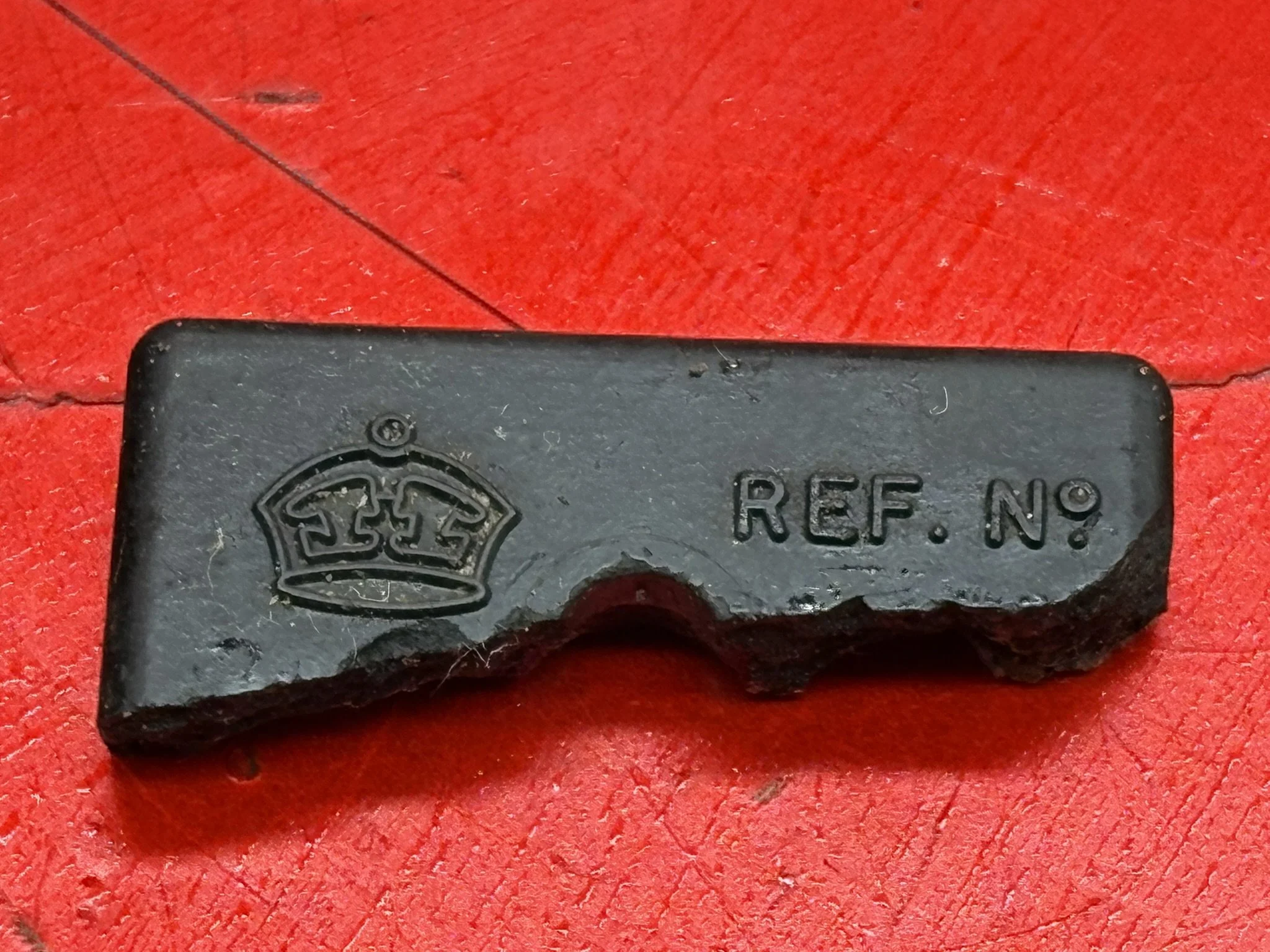 Image 6 of 11
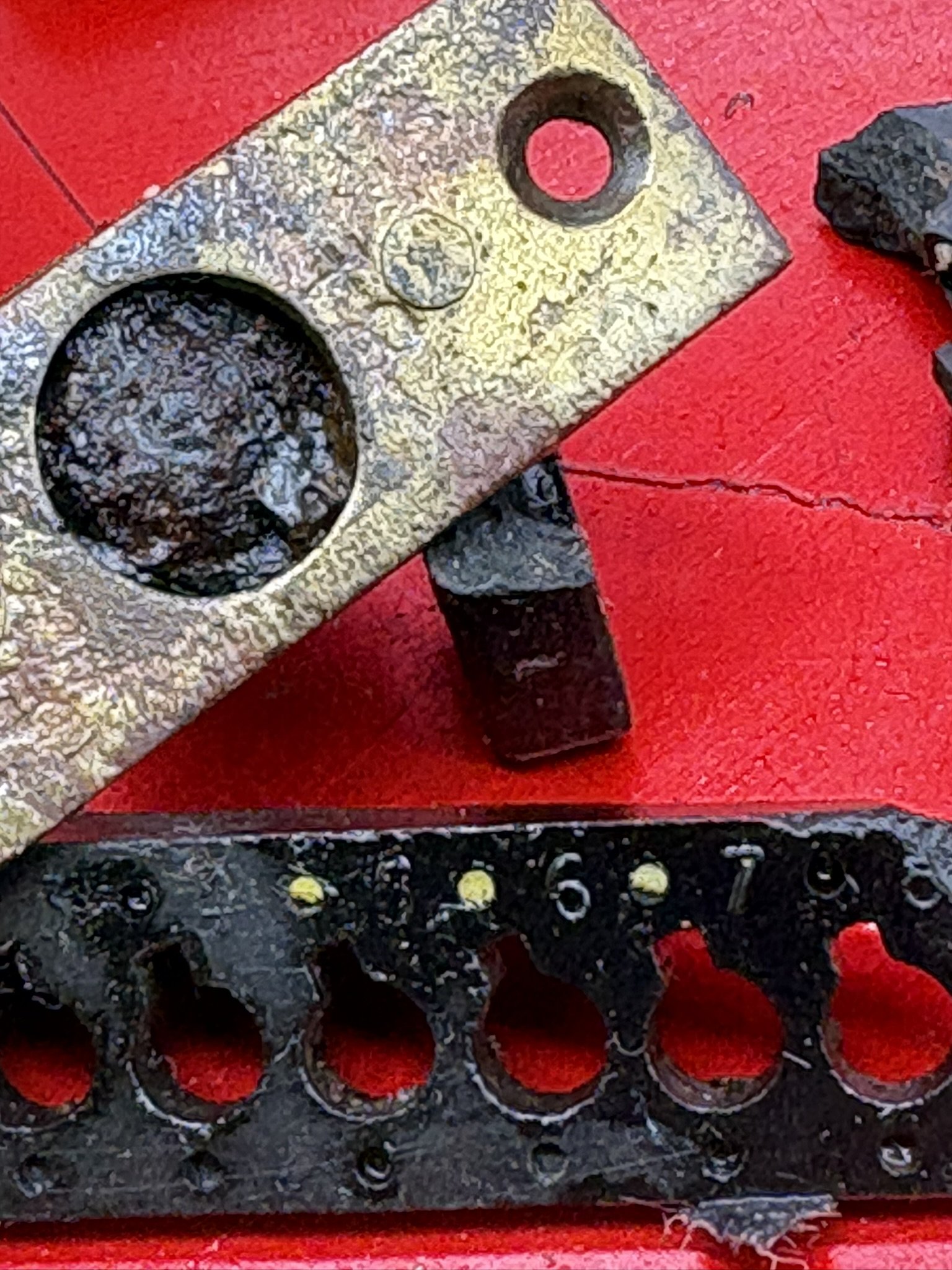 Image 7 of 11
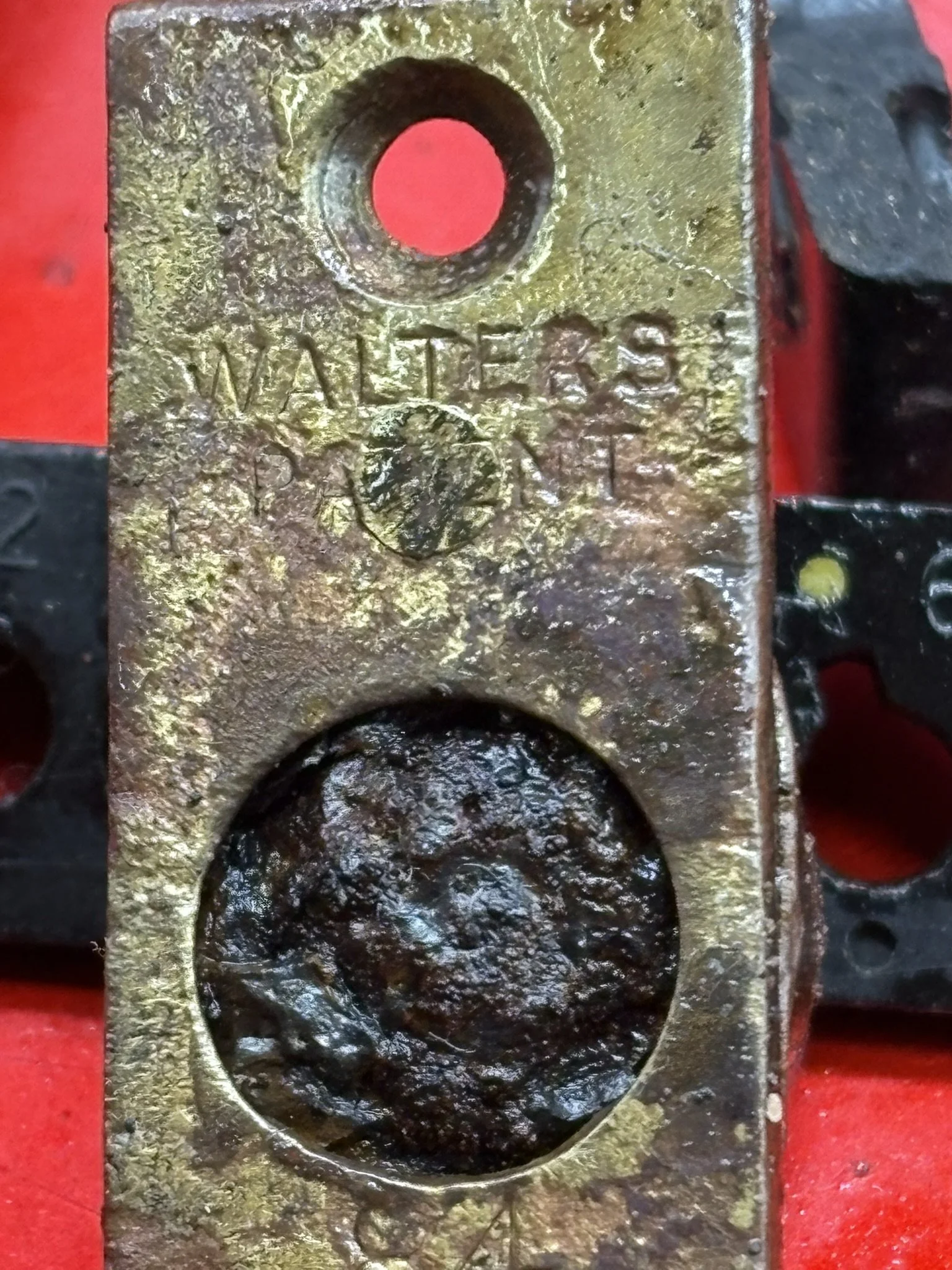 Image 8 of 11
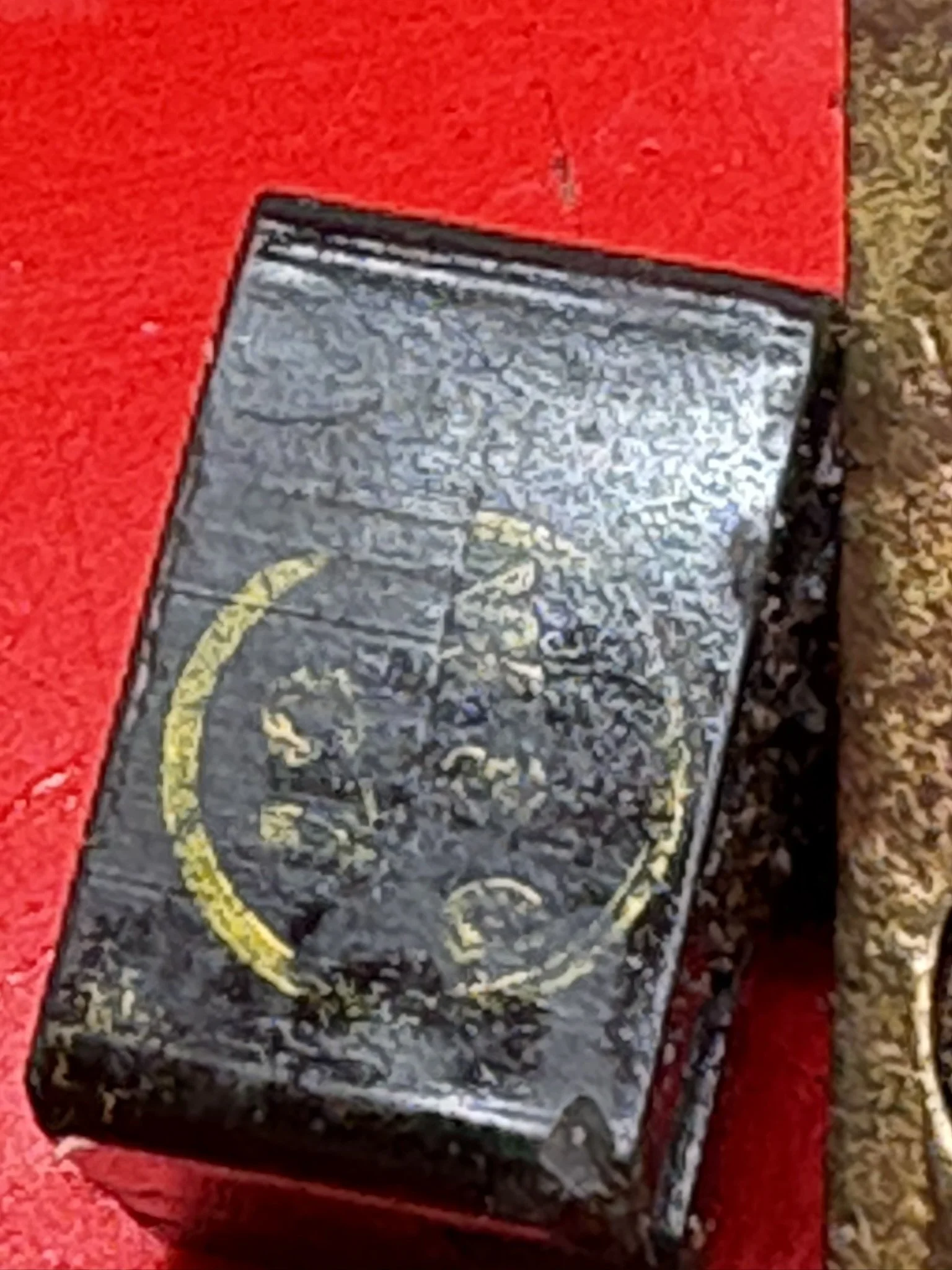 Image 9 of 11
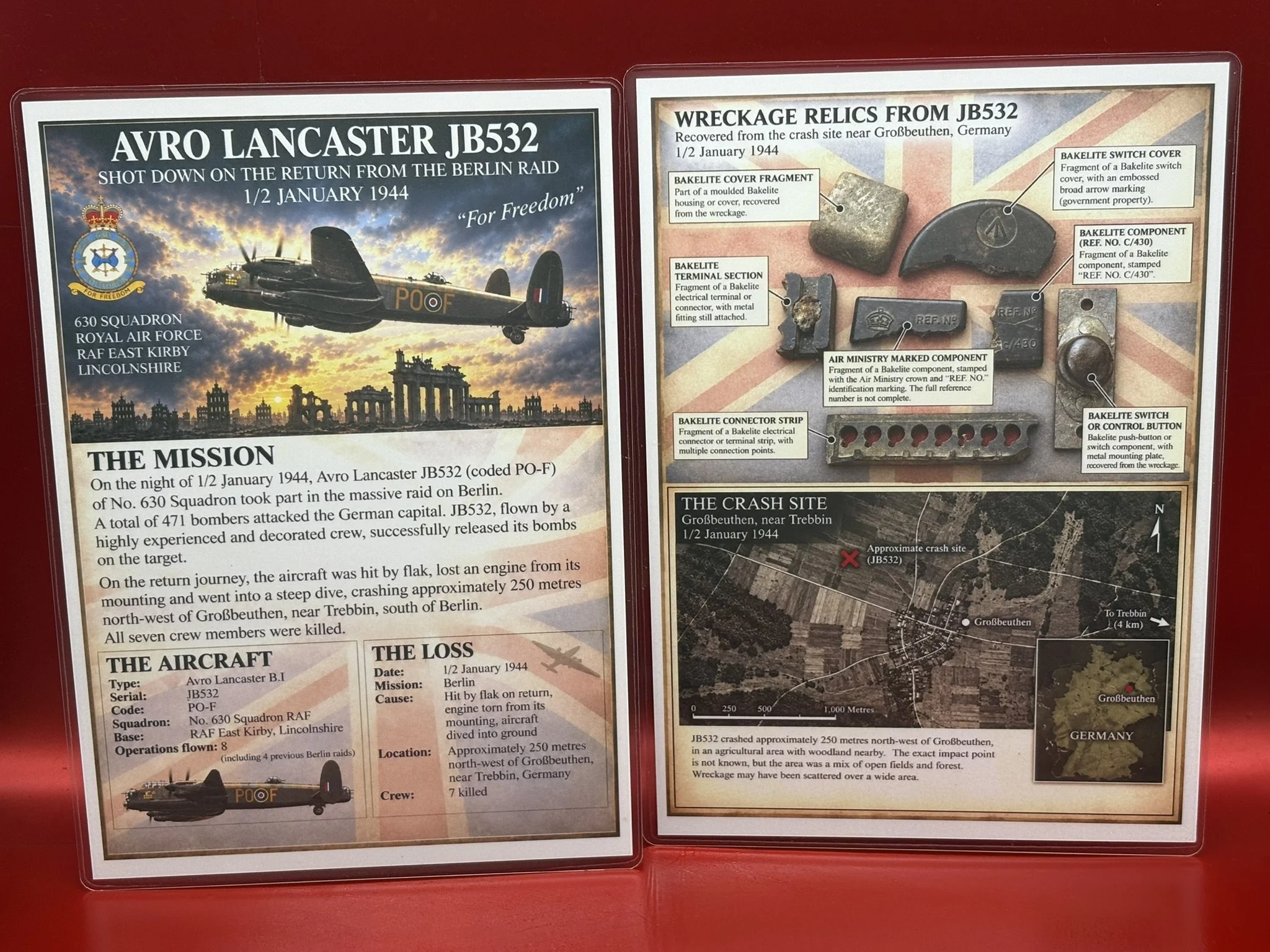 Image 10 of 11
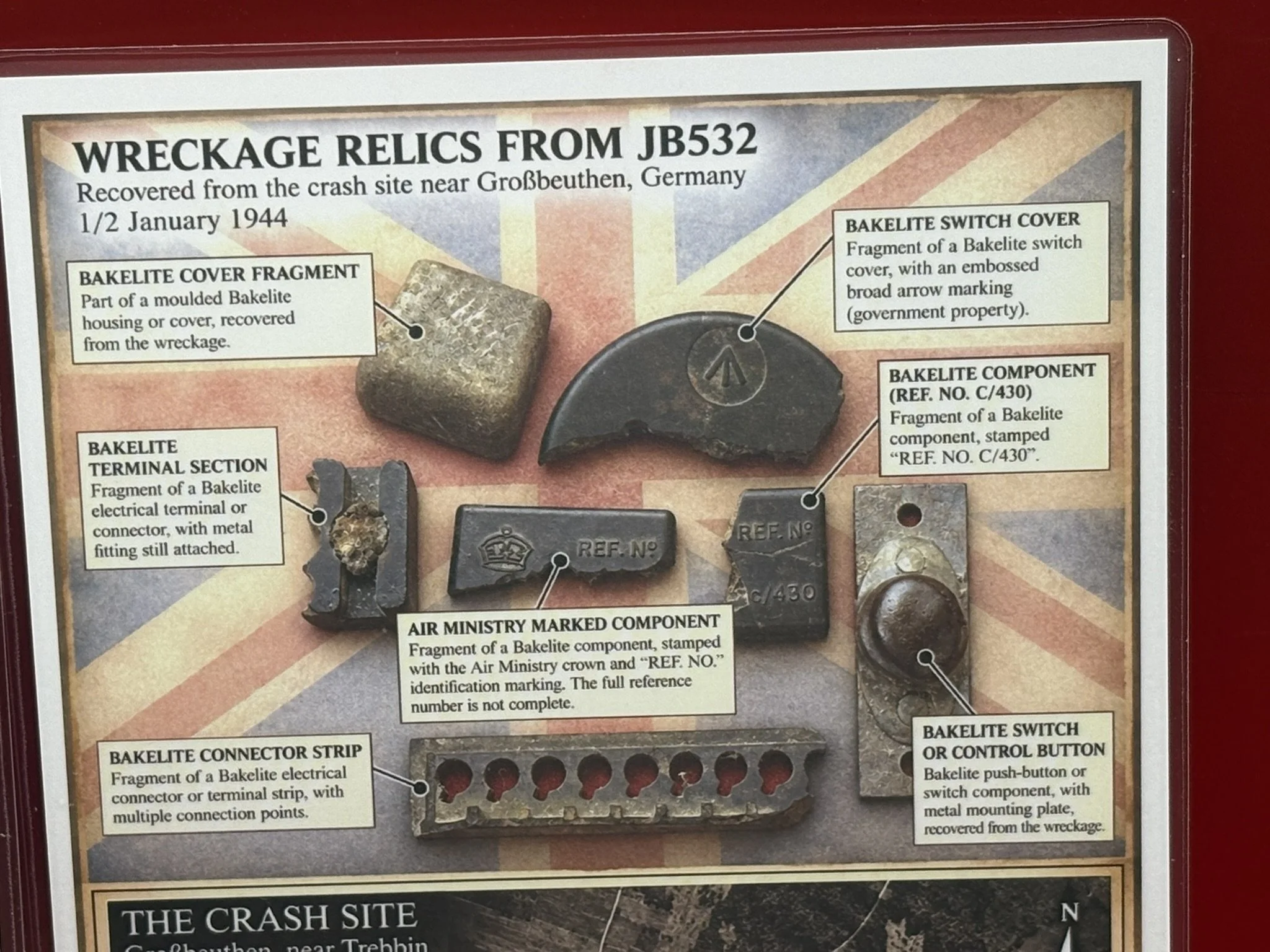 Image 11 of 11