This is a rare, glass-framed fuselage stiffening bead recovered from a German V1 Flying Bomb (Doodlebug). Recognisable structural components from V1 rockets are exceptionally difficult to find, making this a scarce and highly collectable wartime relic.
The section still retains clear remnants of its original black paintwork. Although rusty, it remains solid and stable despite being torn and bent during the impact of the crash. The relic has been carefully cleaned while preserving its authentic wartime appearance.
For display, the piece has been professionally mounted in a glass-fronted box frame with a selection of photographs. The frame measures approximately 10 inches by 10 inches, making it an attractive display piece for any military collection. It also comes complete with two laminated A5 information cards containing historical information and photographs.
This relic was recovered from the crash site of a German V1 Flying Bomb at Pattenden Lane, near the village of Marden, close to Maidstone in Kent. It is believed to have crashed sometime between July and September 1944.
Between 13 June 1944 and 29 March 1945, more than 2,200 V1 Flying Bombs fell on London, while approximately 2,400 struck Kent. Marden itself experienced 15 V1 impacts during this period.
On 3 July 1944, a V1 that had been brought down by anti-aircraft fire crashed into the Army Camp at Pattenden Lane. The explosion claimed the lives of ten members of the Royal Army Service Corps and one member of the Army Catering Corps, while a further eight people were seriously injured. The victims are buried in two collective graves at Marden Cemetery.
Later, in September 1944, another V1, trailing flames from its rear and pursued by an RAF Mustang, flew low over the village before crashing in the same area.
Although it is impossible to determine exactly which of these two V1 Flying Bombs this relic came from, it is believed to have originated from one of them. It represents a rare opportunity to own an authentic piece from the V1 campaign against Britain and is a fascinating relic of the Second World War.
This is a rare, glass-framed fuselage stiffening bead recovered from a German V1 Flying Bomb (Doodlebug). Recognisable structural components from V1 rockets are exceptionally difficult to find, making this a scarce and highly collectable wartime relic.
The section still retains clear remnants of its original black paintwork. Although rusty, it remains solid and stable despite being torn and bent during the impact of the crash. The relic has been carefully cleaned while preserving its authentic wartime appearance.
For display, the piece has been professionally mounted in a glass-fronted box frame with a selection of photographs. The frame measures approximately 10 inches by 10 inches, making it an attractive display piece for any military collection. It also comes complete with two laminated A5 information cards containing historical information and photographs.
This relic was recovered from the crash site of a German V1 Flying Bomb at Pattenden Lane, near the village of Marden, close to Maidstone in Kent. It is believed to have crashed sometime between July and September 1944.
Between 13 June 1944 and 29 March 1945, more than 2,200 V1 Flying Bombs fell on London, while approximately 2,400 struck Kent. Marden itself experienced 15 V1 impacts during this period.
On 3 July 1944, a V1 that had been brought down by anti-aircraft fire crashed into the Army Camp at Pattenden Lane. The explosion claimed the lives of ten members of the Royal Army Service Corps and one member of the Army Catering Corps, while a further eight people were seriously injured. The victims are buried in two collective graves at Marden Cemetery.
Later, in September 1944, another V1, trailing flames from its rear and pursued by an RAF Mustang, flew low over the village before crashing in the same area.
Although it is impossible to determine exactly which of these two V1 Flying Bombs this relic came from, it is believed to have originated from one of them. It represents a rare opportunity to own an authentic piece from the V1 campaign against Britain and is a fascinating relic of the Second World War.

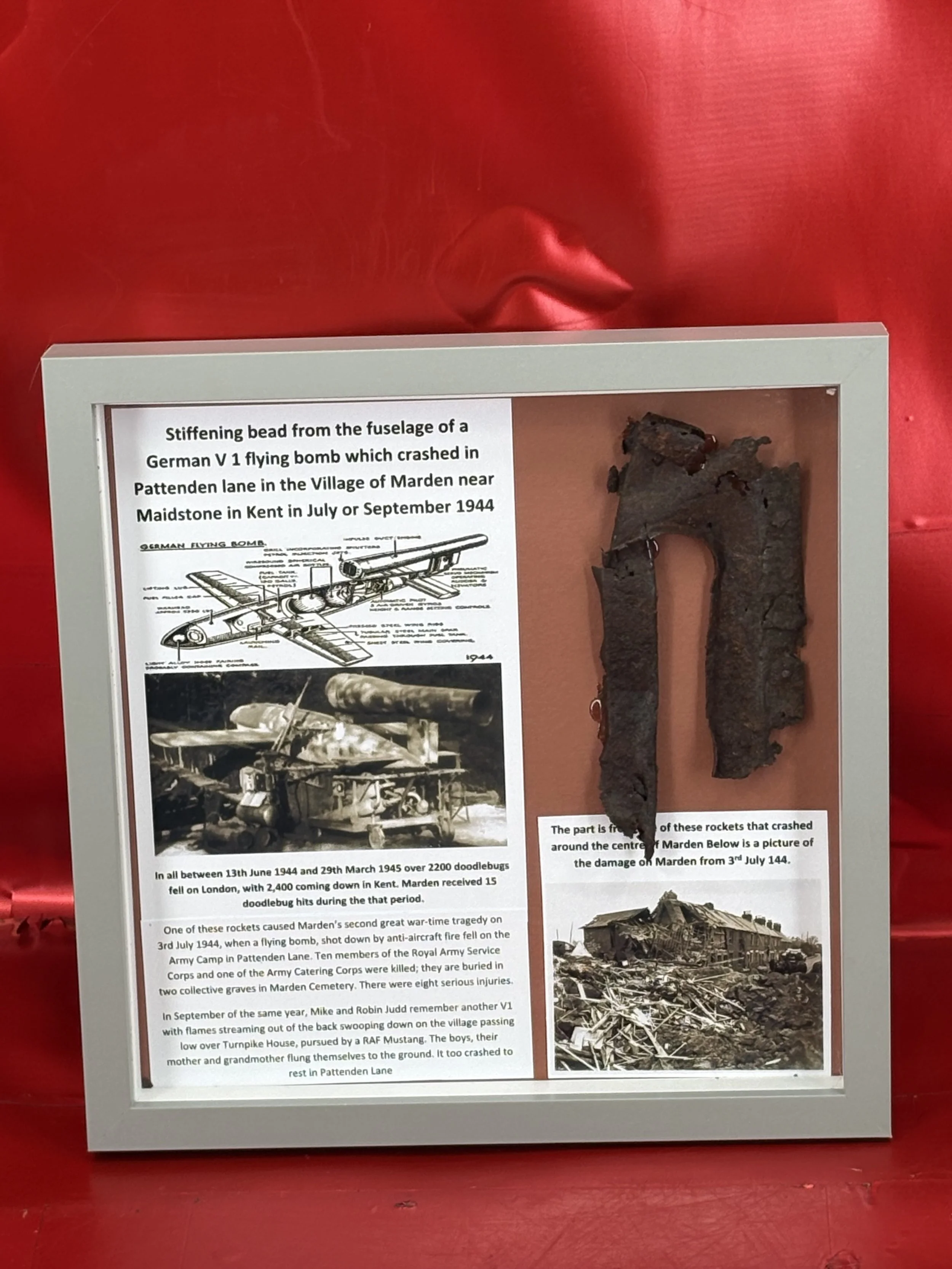 Image 1 of 8
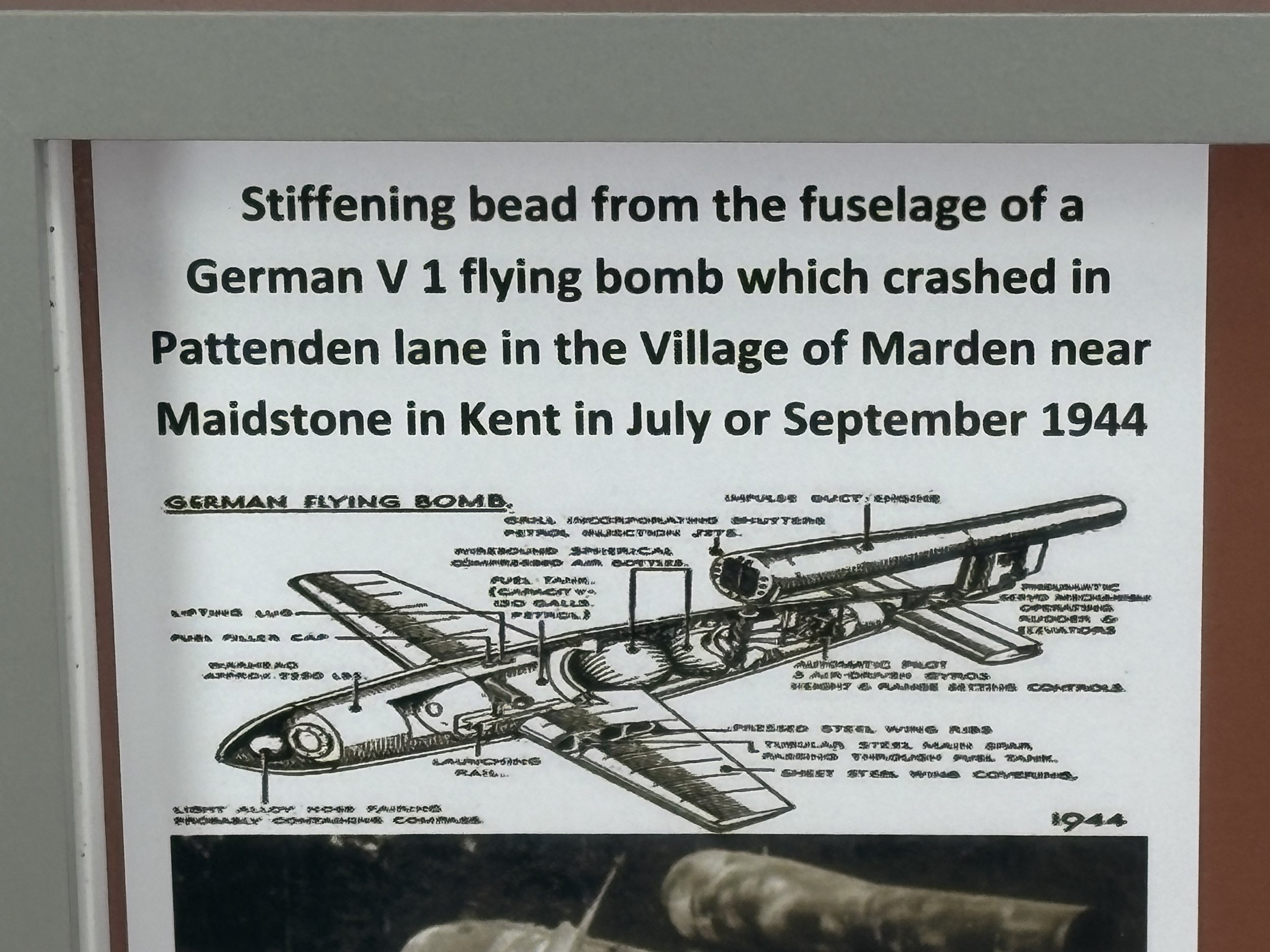 Image 2 of 8
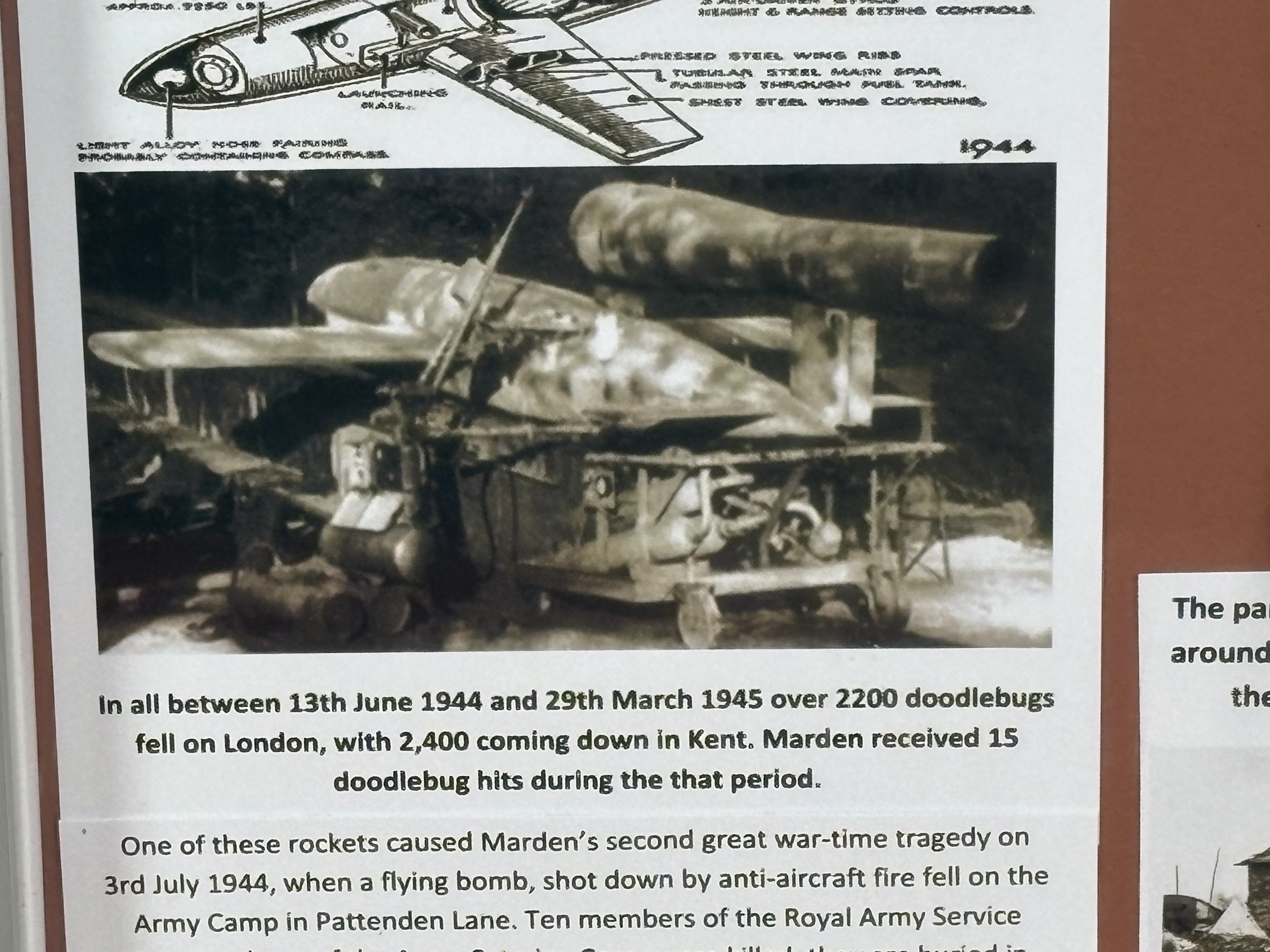 Image 3 of 8
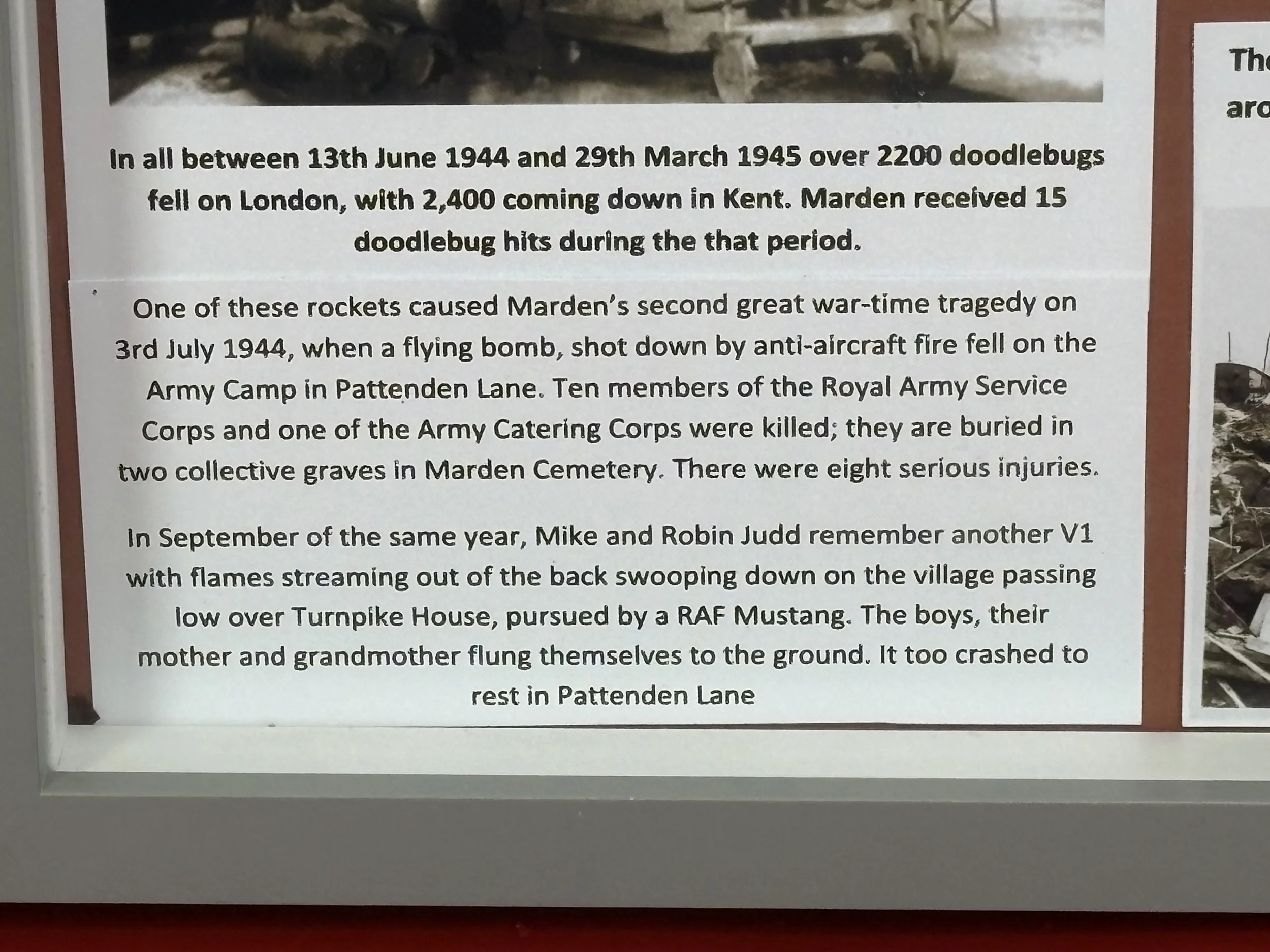 Image 4 of 8
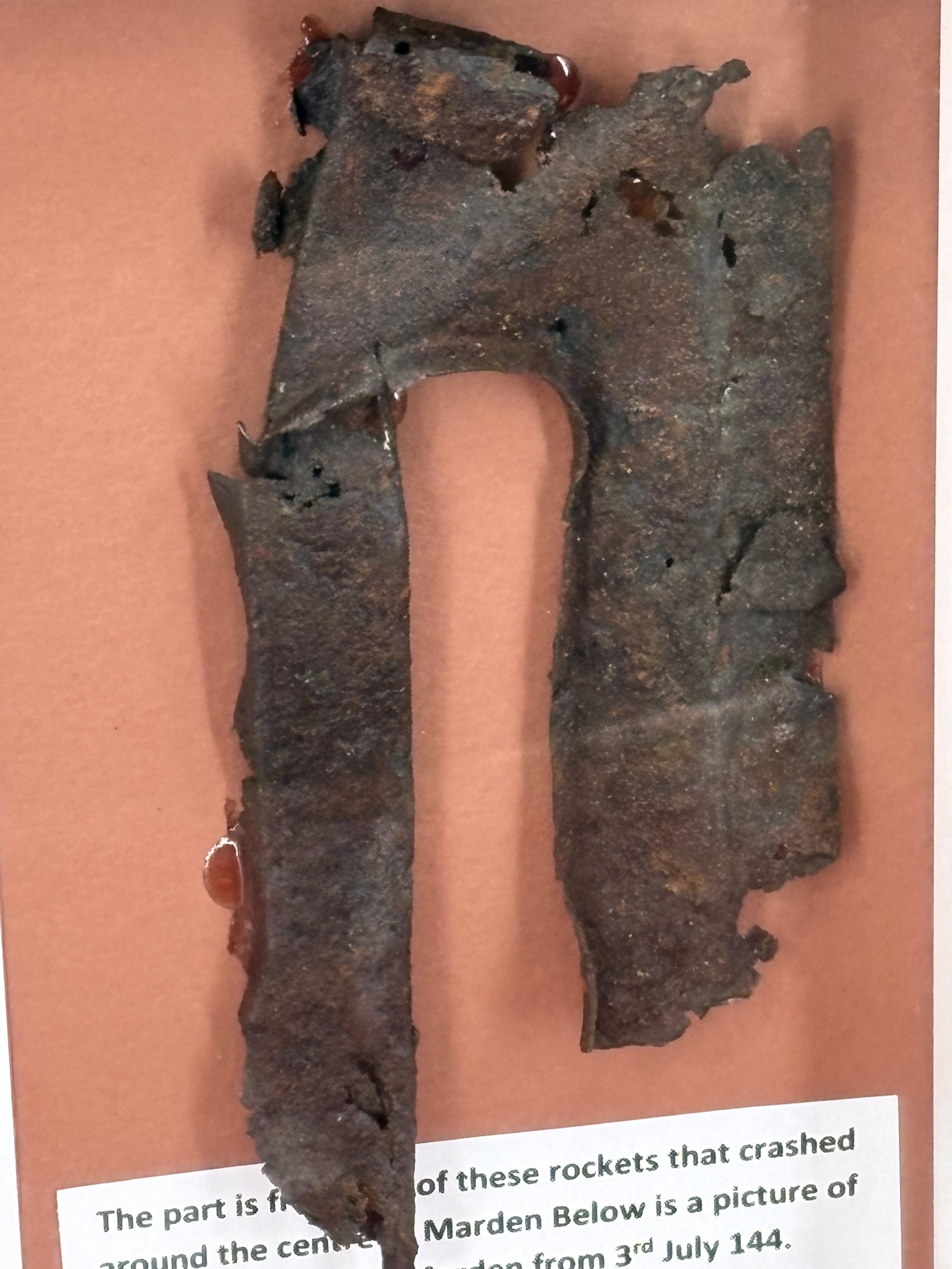 Image 5 of 8
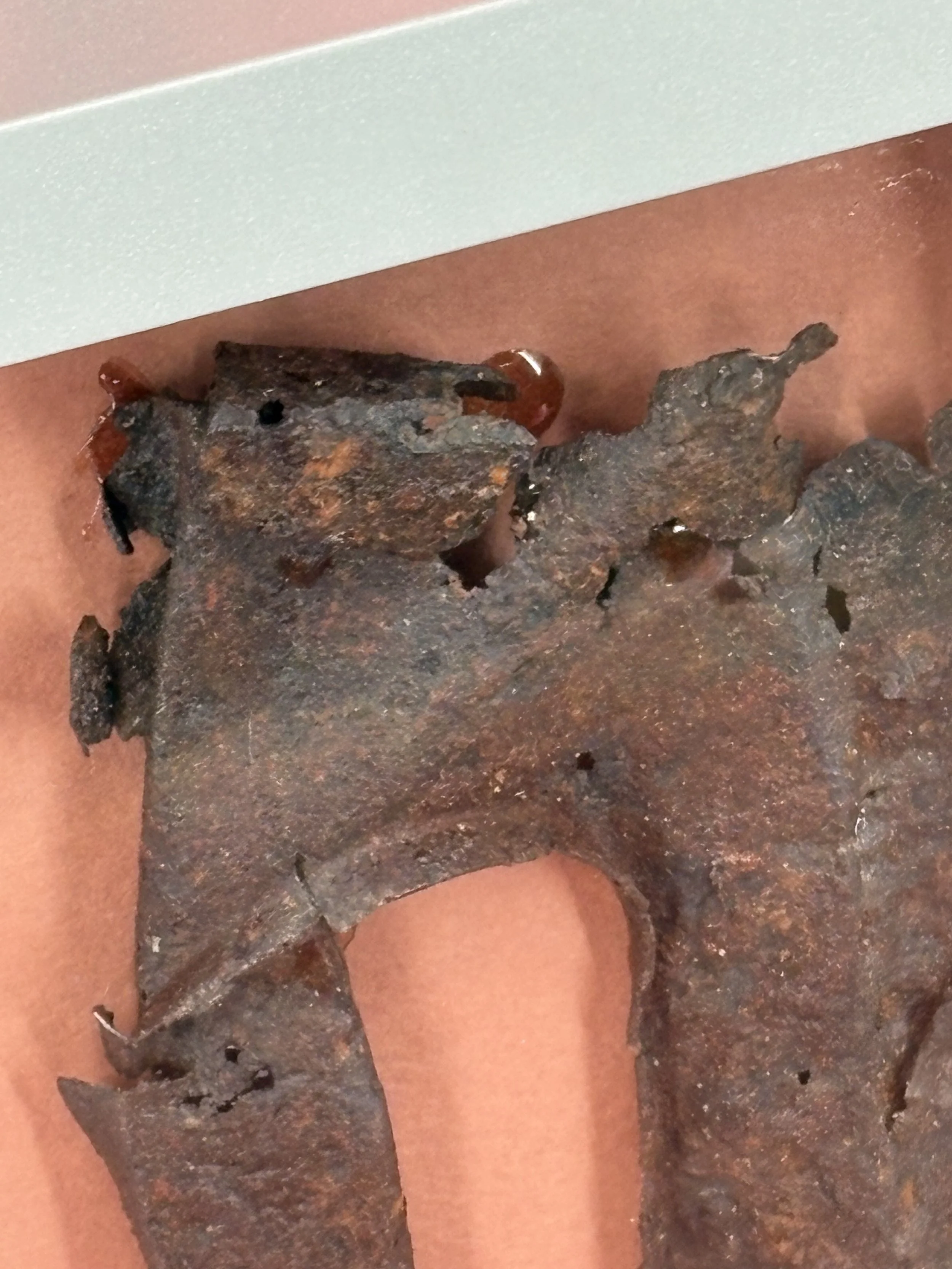 Image 6 of 8
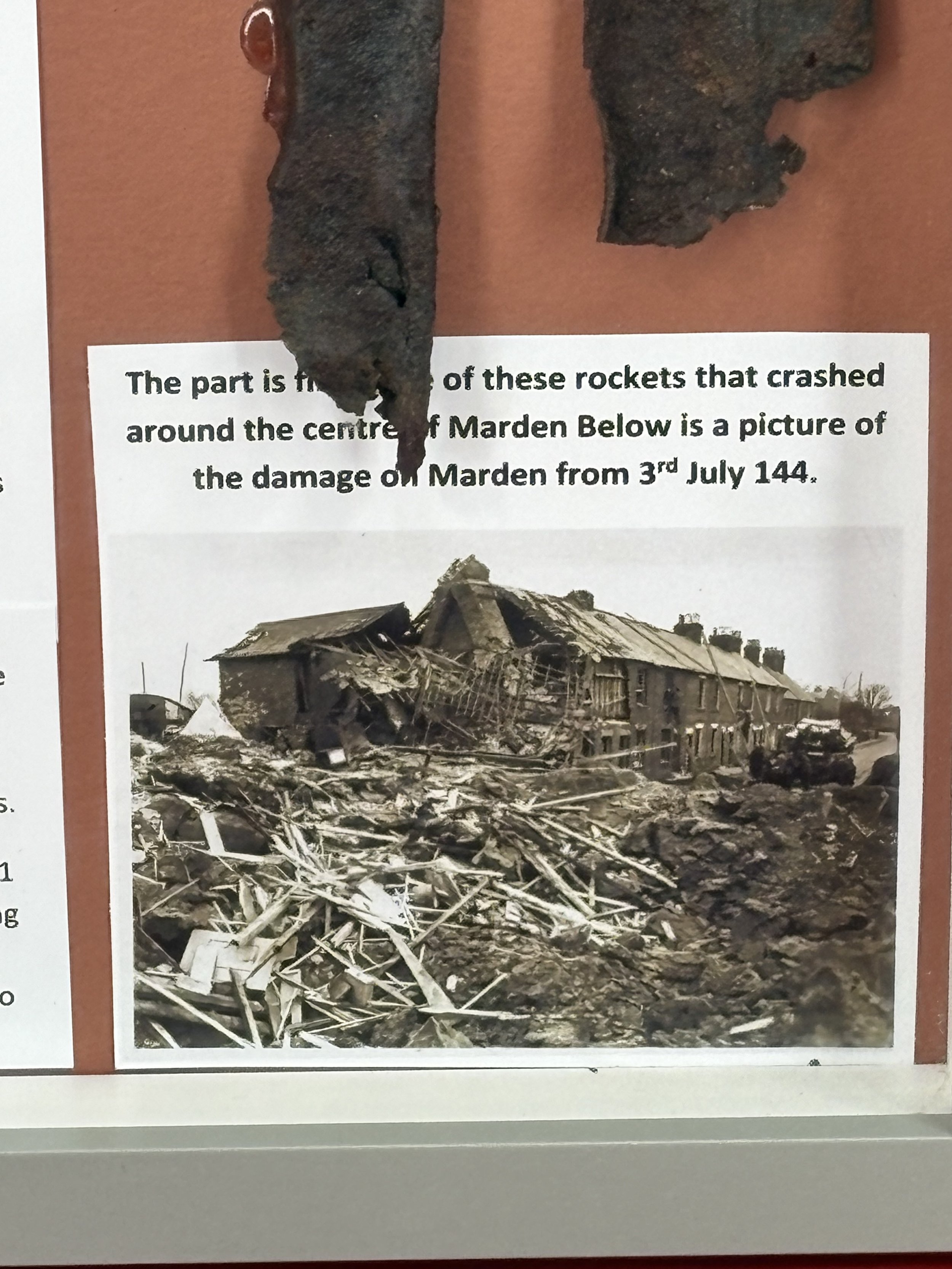 Image 7 of 8
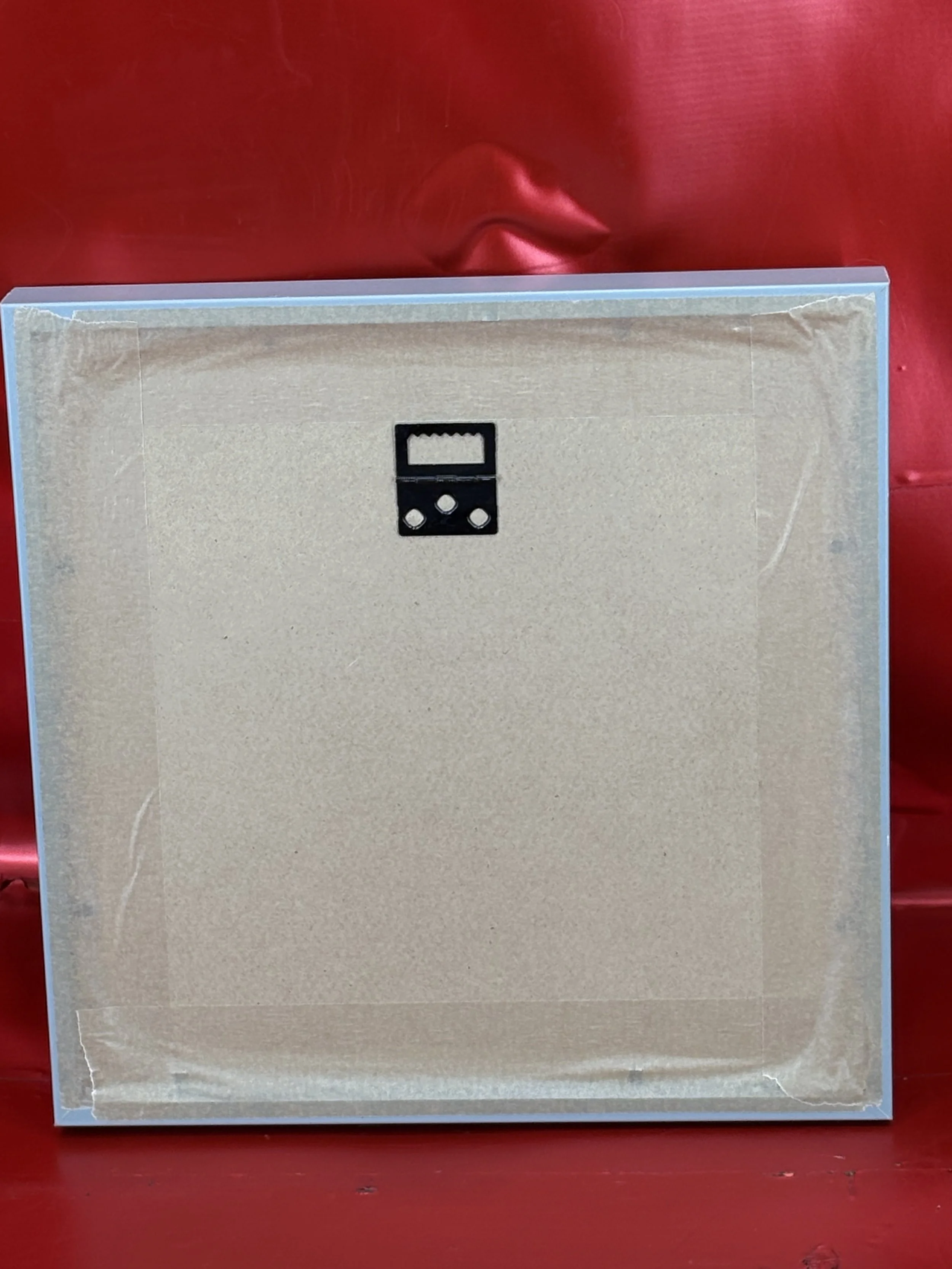 Image 8 of 8