This is an authentic, glass-framed large aluminium airframe section recovered from a German Heinkel He111 bomber on a famous Christmas raid. The relic which is in lovely condition still retains some of its original wartime finish and lots of original blue undercoat undercoat paintwork and yellow paintwork from part of the aircraft insignia from fuselage or wing, making it an attractive and increasingly scarce piece from one of the Luftwaffe's most recognisable aircraft.
The aluminium section has torn, bent and distorted by the impact of the crash but remains in good, solid condition. The part has been carefully cleaned while preserving its original character and wartime patina.
The relic is presented in a glass-fronted box frame, complete with aircraft information, making it an excellent display piece for any aviation or Second World War collection. The frame measures approximately 12 half inches by 12 half inches.
This parts come from German Heinkel He111 bomber number 3107 in 3./Kampfgeschwader 55 on a famous Christmas raid.
On the night of 22 December 1940, a He 111P-4 coded G1+PL, reported as Werknummer 3107 and associated with 3./Kampfgeschwader 55 (KG 55), was involved in a German raid directed at Manchester. The raid formed part of the Luftwaffe’s continuing night offensive against British industrial cities during the Blitz. Manchester and the surrounding industrial area were important targets because of their factories, rail links and other war-related infrastructure. The aircraft approached Britain across the English Channel, but before it could complete its mission it was intercepted by a British night fighter.
The interception and crash site. The aircraft is reported to have been attacked by a Boulton Paul Defiant night fighter of No. 141 Squadron, flown by Pilot Officer James G. Benson with Sergeant Blain as his air gunner. The damaged Heinkel crashed at Underwood House, near Etchingham in East Sussex, well south of Manchester and close to the route from the Channel into south-east England. Local accounts describe the bomber coming down in flames; a later recollection states that the impact was close enough to damage the roof of the house. The four-man crew listed on the associated display were Unteroffizier Bruno Zimmermann (pilot), Gefreiter August Wroblewski (flight engineer), Gefreiter Adolf Wäibel (wireless operator) and Flieger Walter Richter (observer). Zimmermann, Wroblewski and Wäibel were killed, while Richter survived and became a prisoner of war. Some details of the aircraft’s serial number, exact flight path and engagement remain insufficiently corroborated in the sources located, so they should be treated as reported identifications pending confirmation from original loss records.

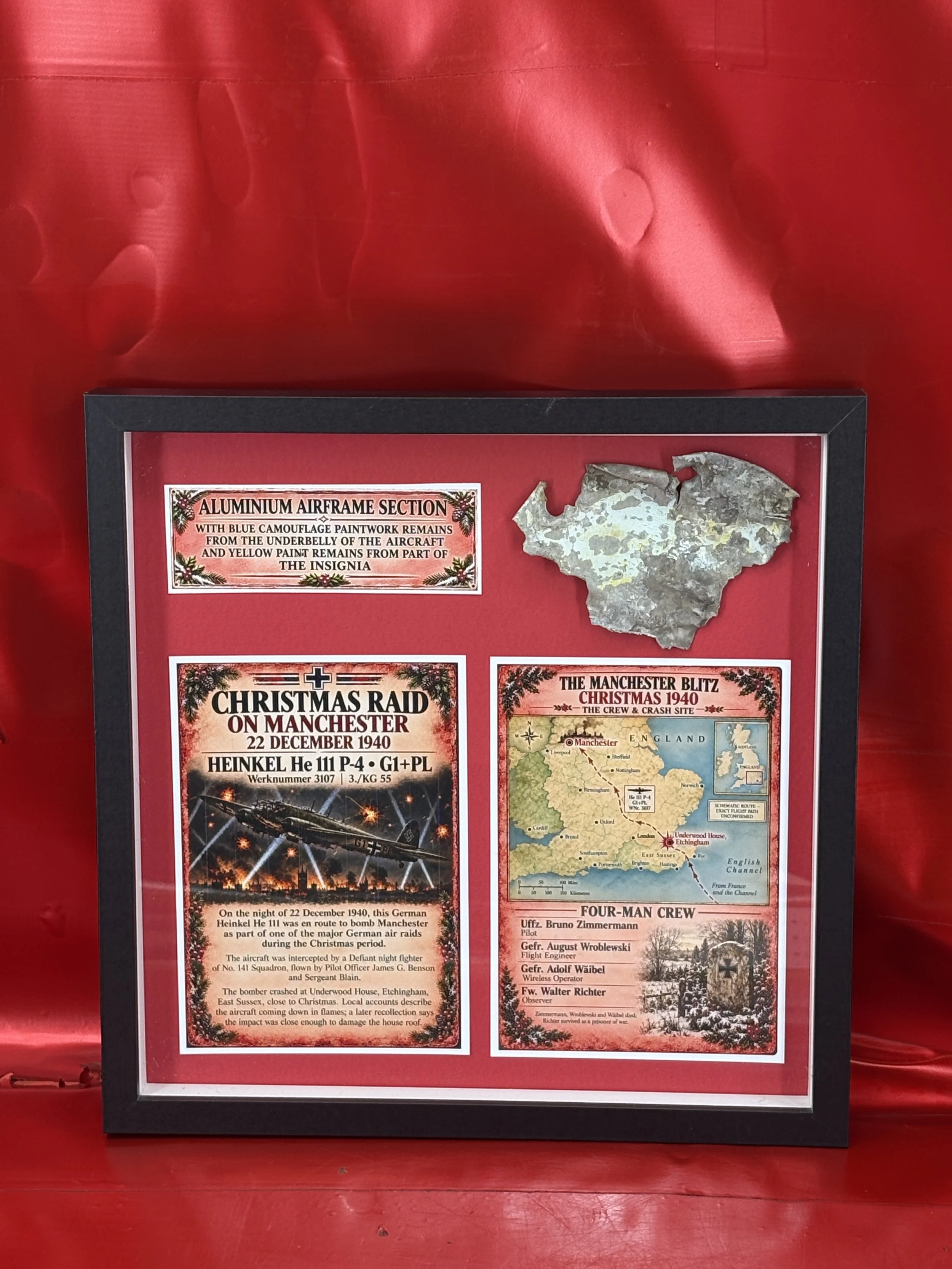 Image 1 of 8
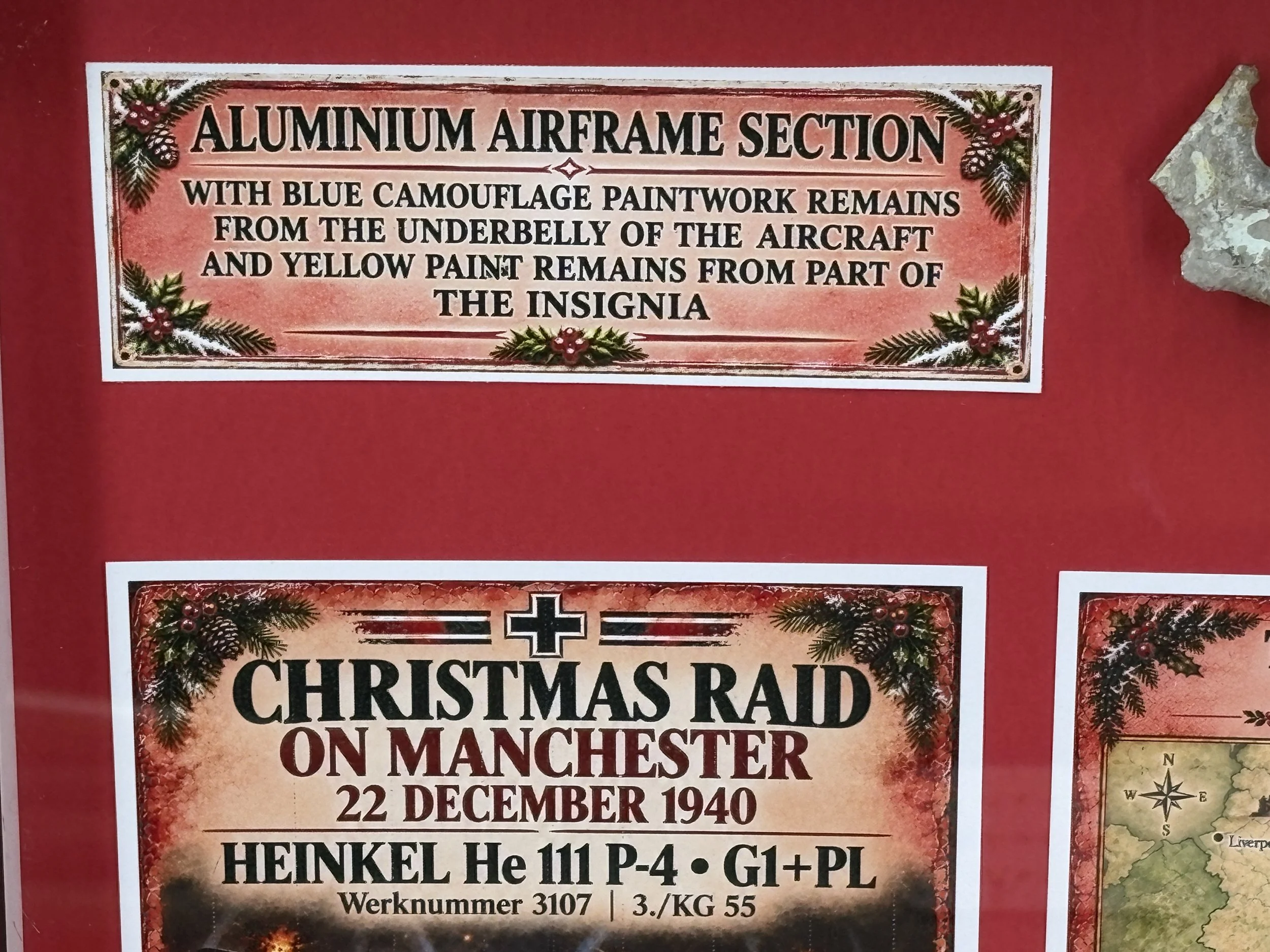 Image 2 of 8
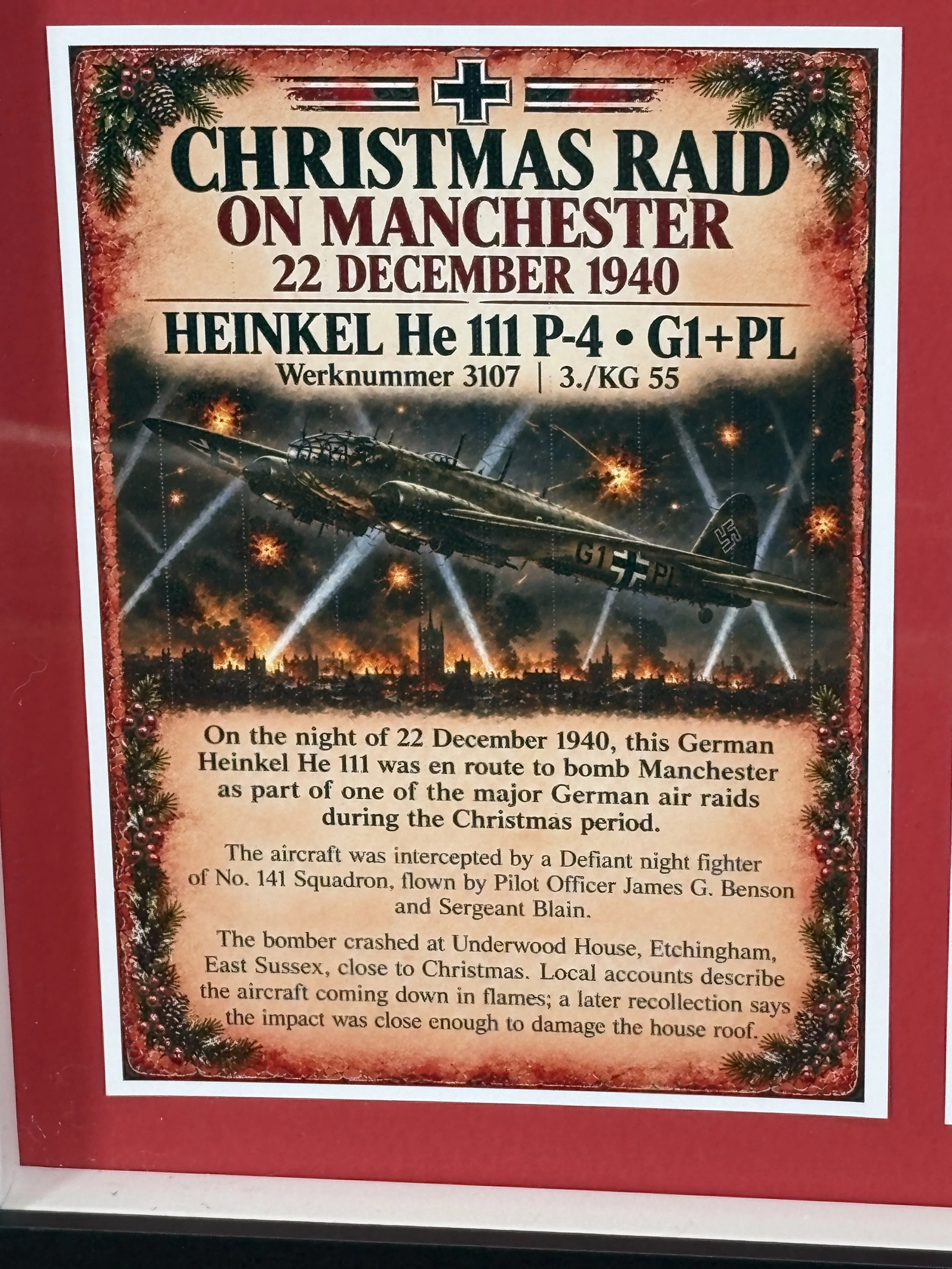 Image 3 of 8
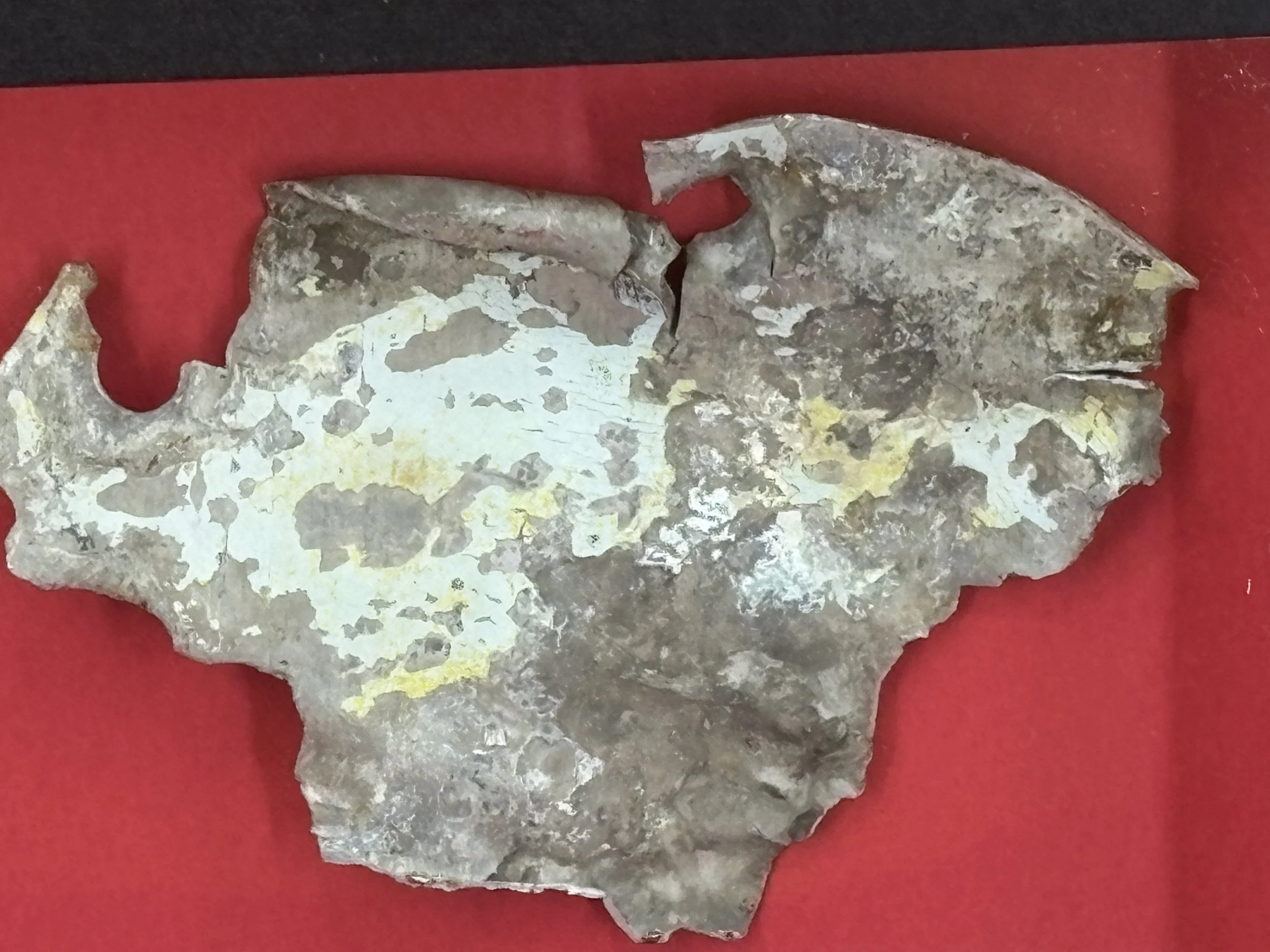 Image 4 of 8
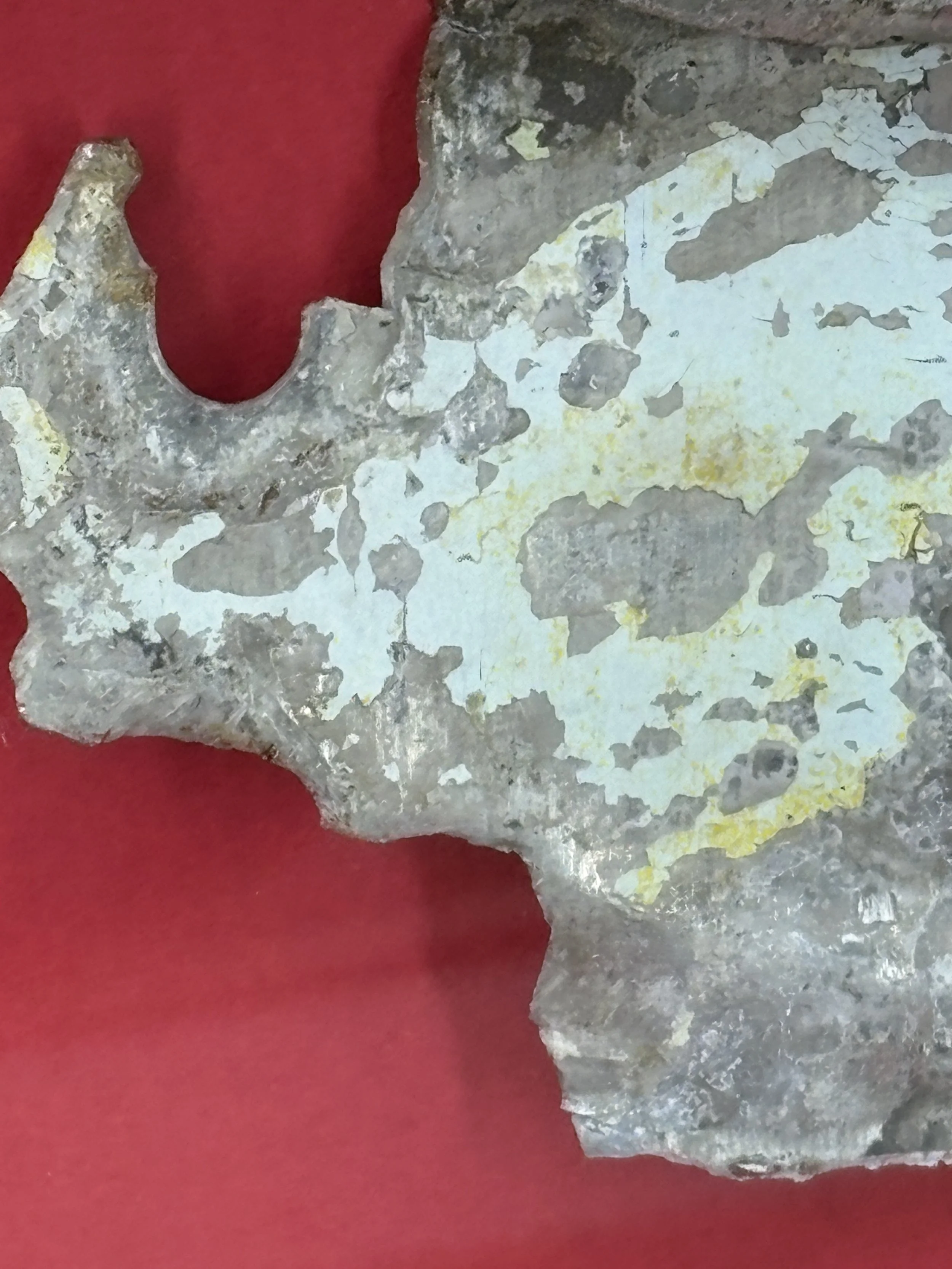 Image 5 of 8
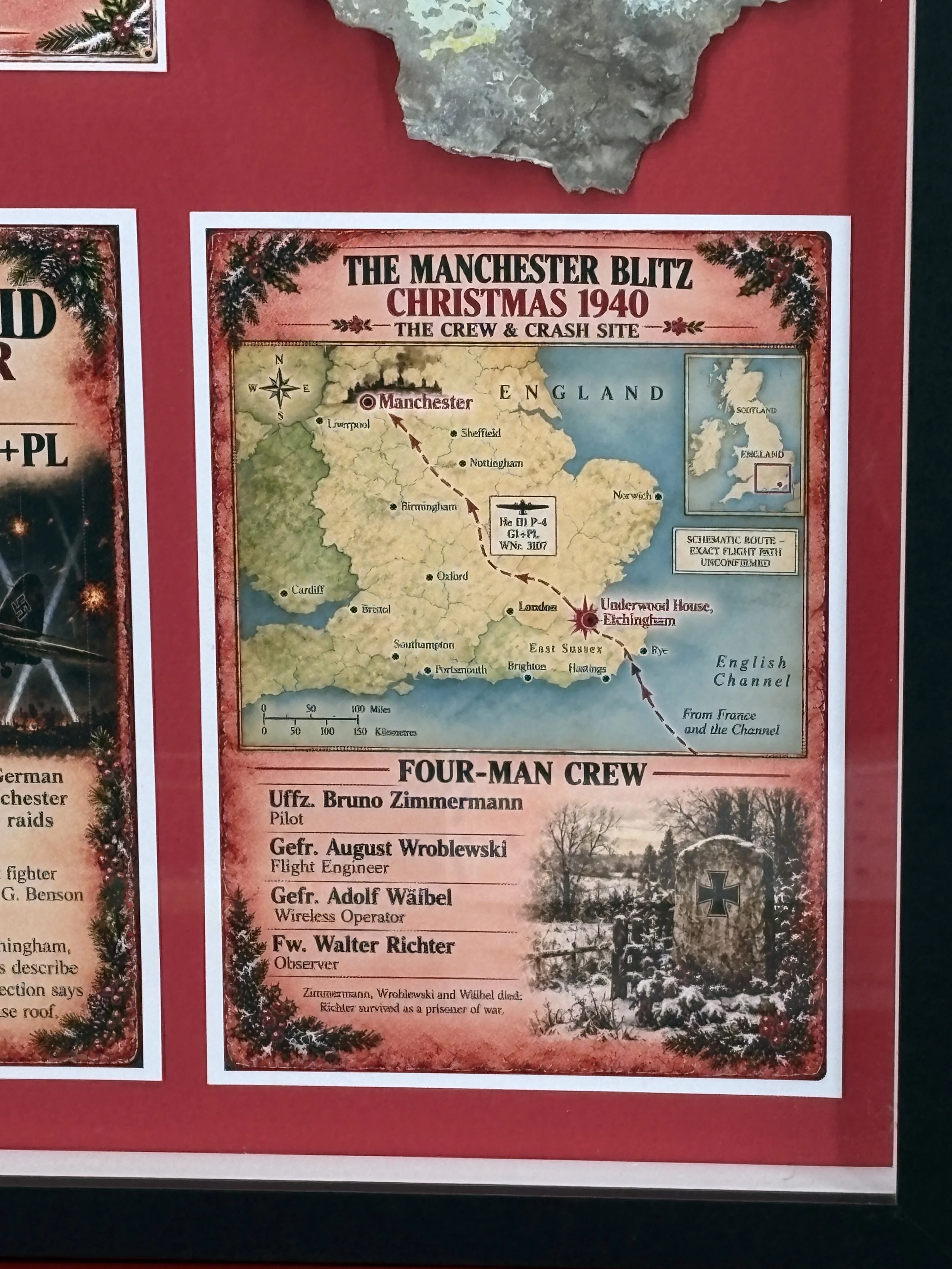 Image 6 of 8
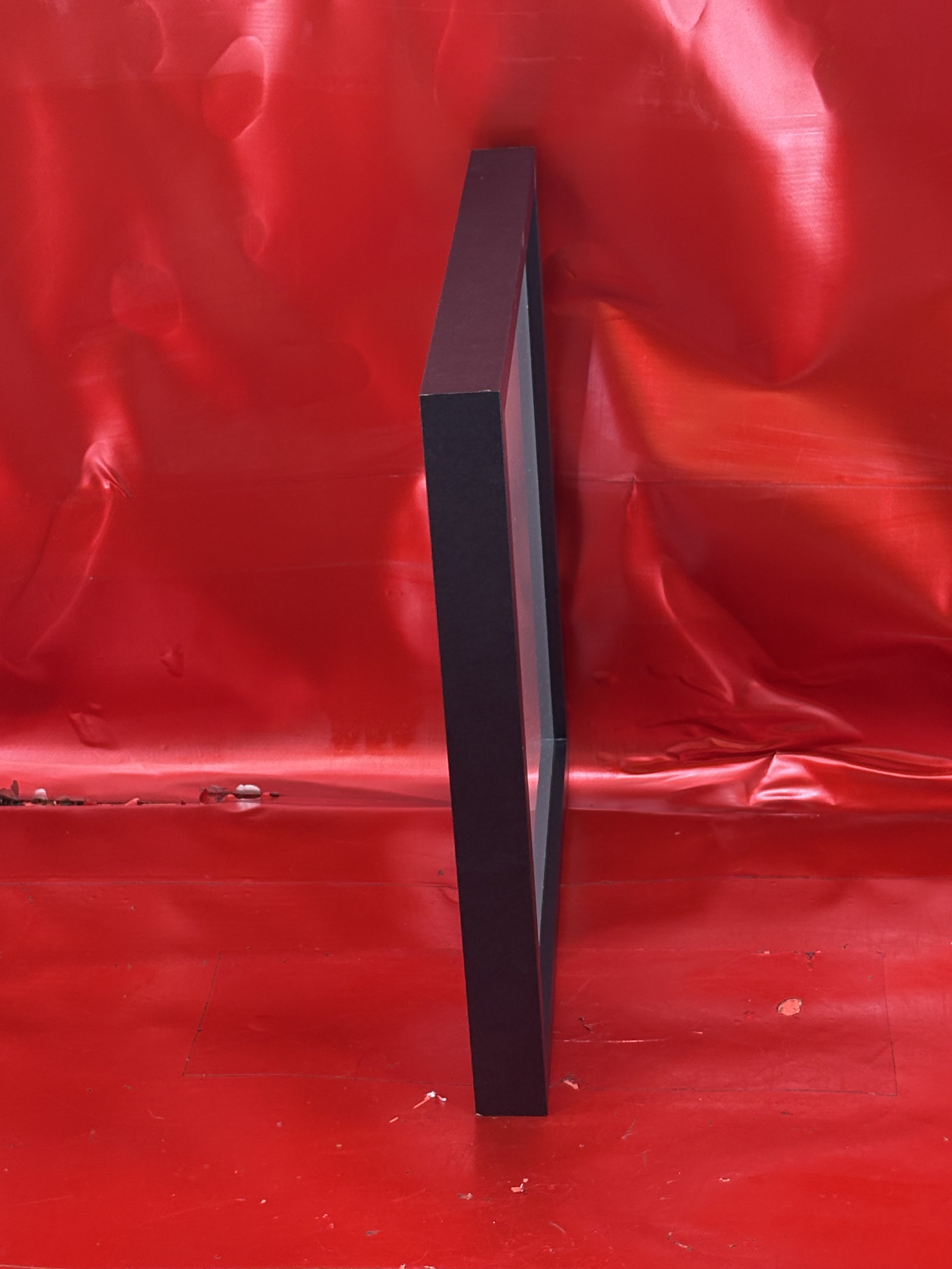 Image 7 of 8
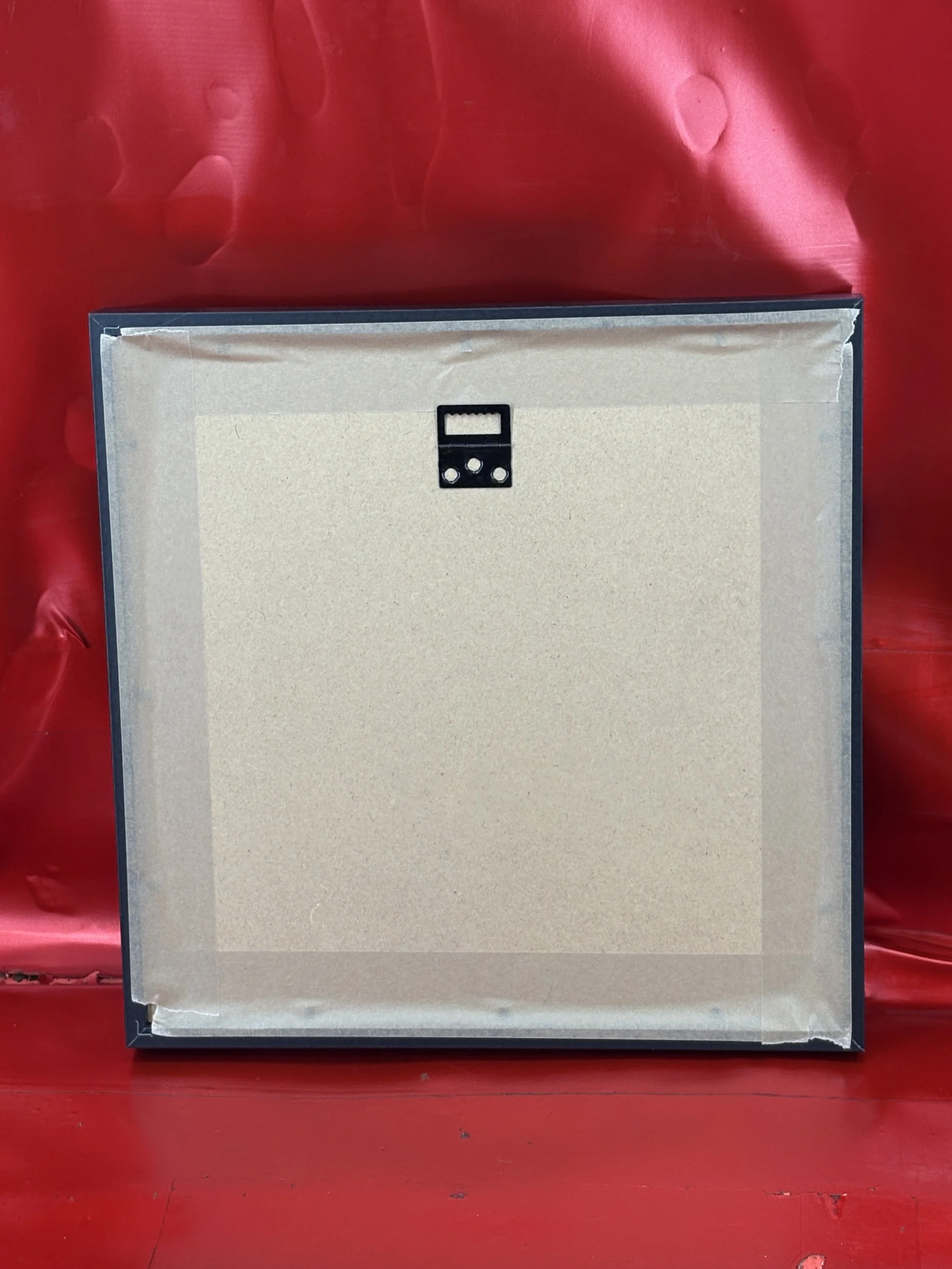 Image 8 of 8