This is an authentic, glass-framed pair of aluminium airframe sections recovered from a Australian airforce Lancaster bomber which was lost on Christmas Eve. The relics which are in lovely condition still retain some of there original wartime finish and some original black paintwork remains, making it an attractive and increasingly scarce piece from the RAF’s most recognisable and famous bomber aircraft which there is not many parts around from this particular Lancaster about at all.
The aluminium sections have torn, bent and distorted by the impact of the crash but remains in good, solid condition. They have been carefully cleaned while preserving its original character and wartime patina.
The relics are presented in a glass-fronted box frame, complete with aircraft information, making it an excellent display piece for any aviation or Second World War collection. The frame measures approximately 12 half inches by 12 half inches.
These parts come from Lancaster Mk III PB255, coded AR-E, served with No. 460 Squadron, Royal Australian Air Force, operating from RAF Binbrook in Lincolnshire as part of RAF Bomber Command. On Christmas Eve, 24 December 1944, it took off at about 14:50 on a mission to bomb Cologne, Germany, during the Allied air offensive against German transport and industrial targets. The aircraft carried a substantial load: one 4,000 lb bomb, one 1,000 lb bomb and eight 500 lb bombs. The crew comprised seven airmen, six serving with the RAAF and one with the RAF Volunteer Reserve. The mission took place while Allied forces were fighting to contain the German Ardennes offensive, and Bomber Command continued operations against targets supporting the German war effort.
The interception and crash site. While crossing the Netherlands on the way to Cologne, PB255 was intercepted by a German night fighter, probably an aircraft flown by Lieutenant Kalmbach of IV./NJG 6, although that identification is not certain. The Lancaster was badly damaged and exploded over the Oostelbeers area, in the province of North Brabant, at approximately 18:50 on 24 December 1944. The aircraft disintegrated and wreckage was scattered across the woodland near the Oostelbeers Heide. A Canadian chaplain who visited the area recovered personal effects, including a wristwatch belonging to wireless operator/air gunner Russell Ian Stewart; this helped identify the aircraft and its crew. All seven crew members were killed: Flying Officer Michael Carleton Skarratt, Sergeant Thomas Charles Newman, Flight Sergeant Robert John Dickie, Flying Officer John Michael Ward, Flight Sergeant Russell Ian Stewart, Flight Sergeant Cyril Keith Deed and Flight Sergeant Graham Fowler Day. They were buried together at the Roman Catholic Churchyard in Oostelbeers. Their loss on Christmas Eve is remembered as part of the heavy cost paid by Bomber Command crews during the air campaign over occupied Europe.

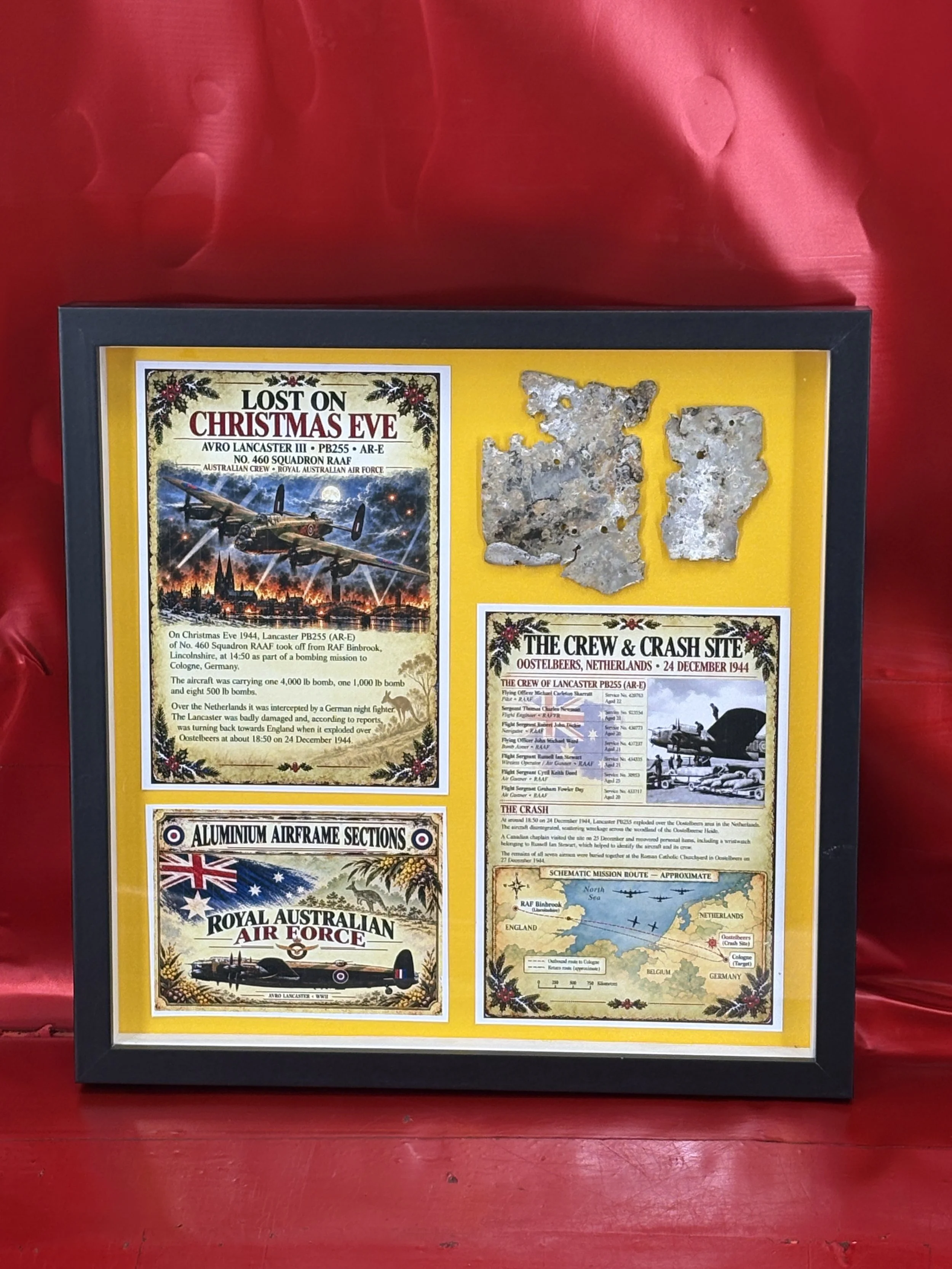 Image 1 of 9
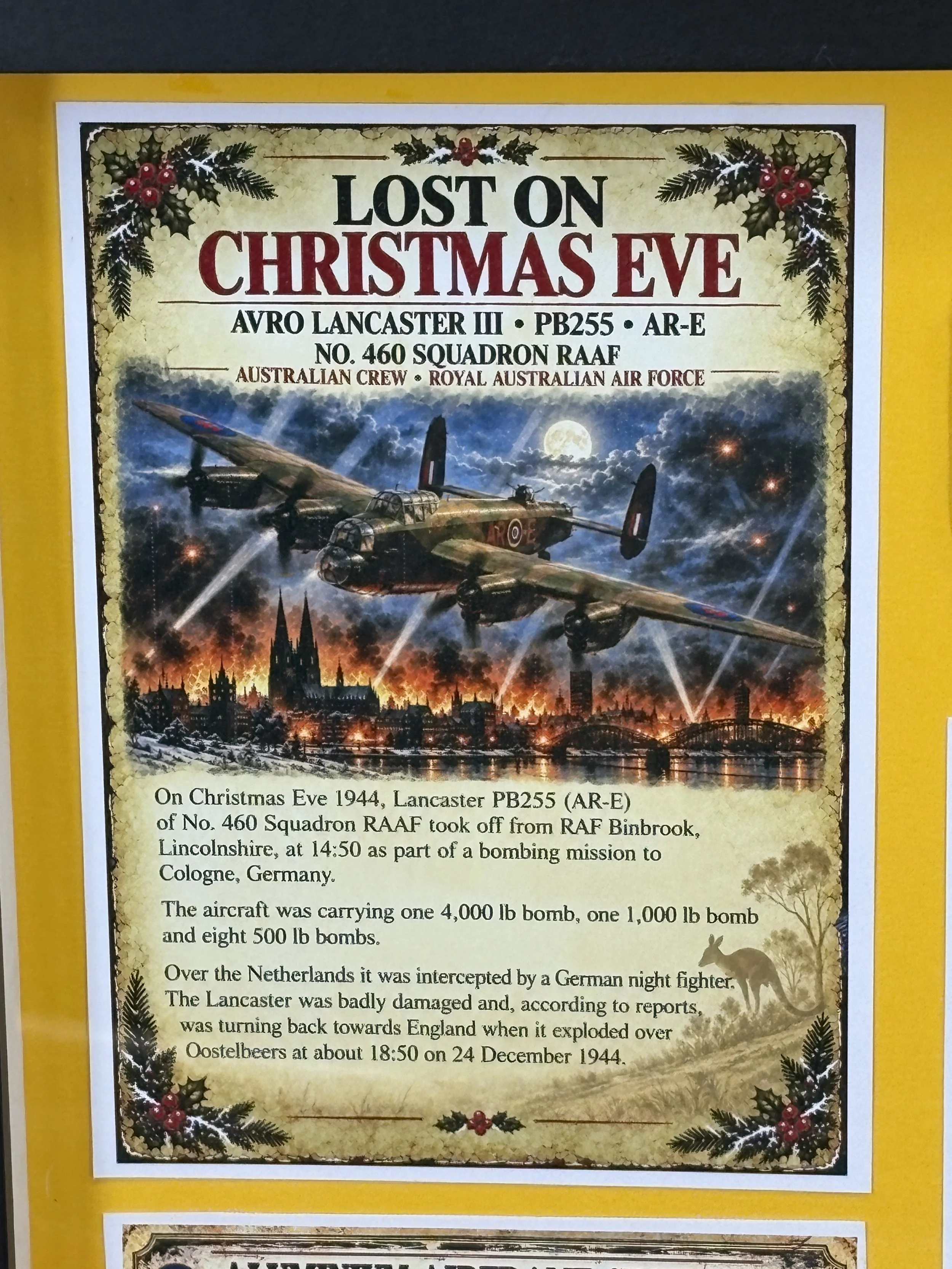 Image 2 of 9
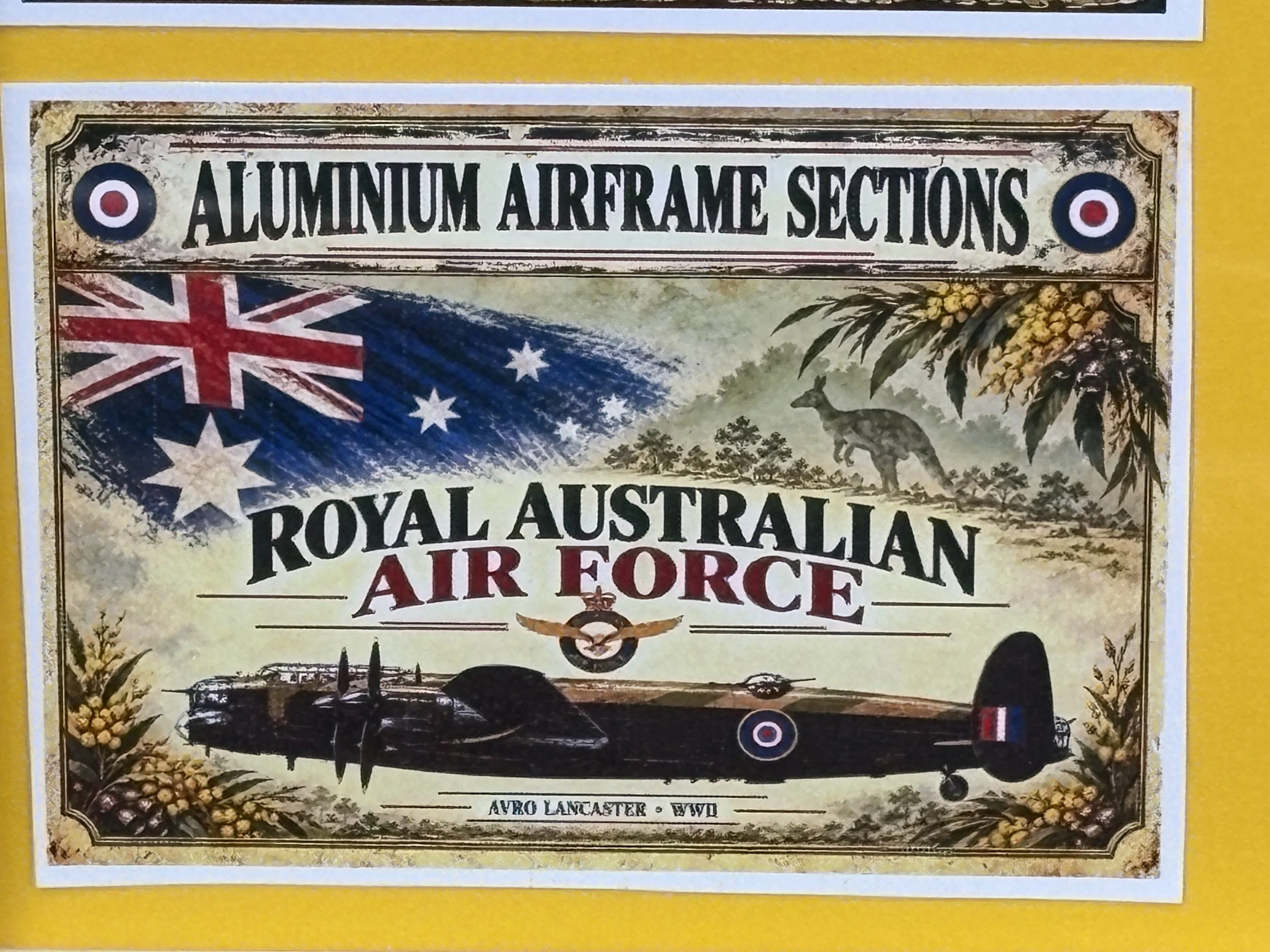 Image 3 of 9
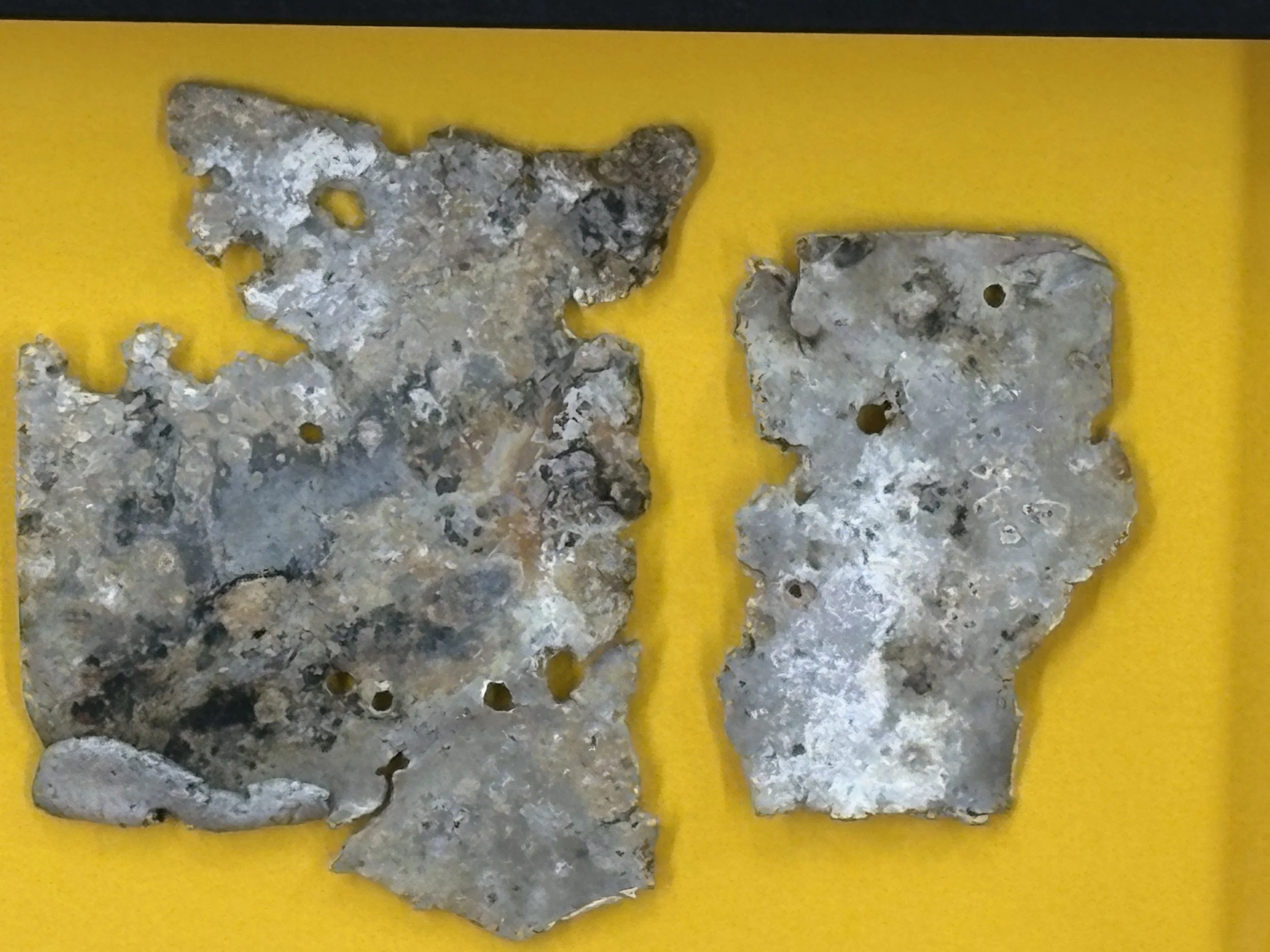 Image 4 of 9
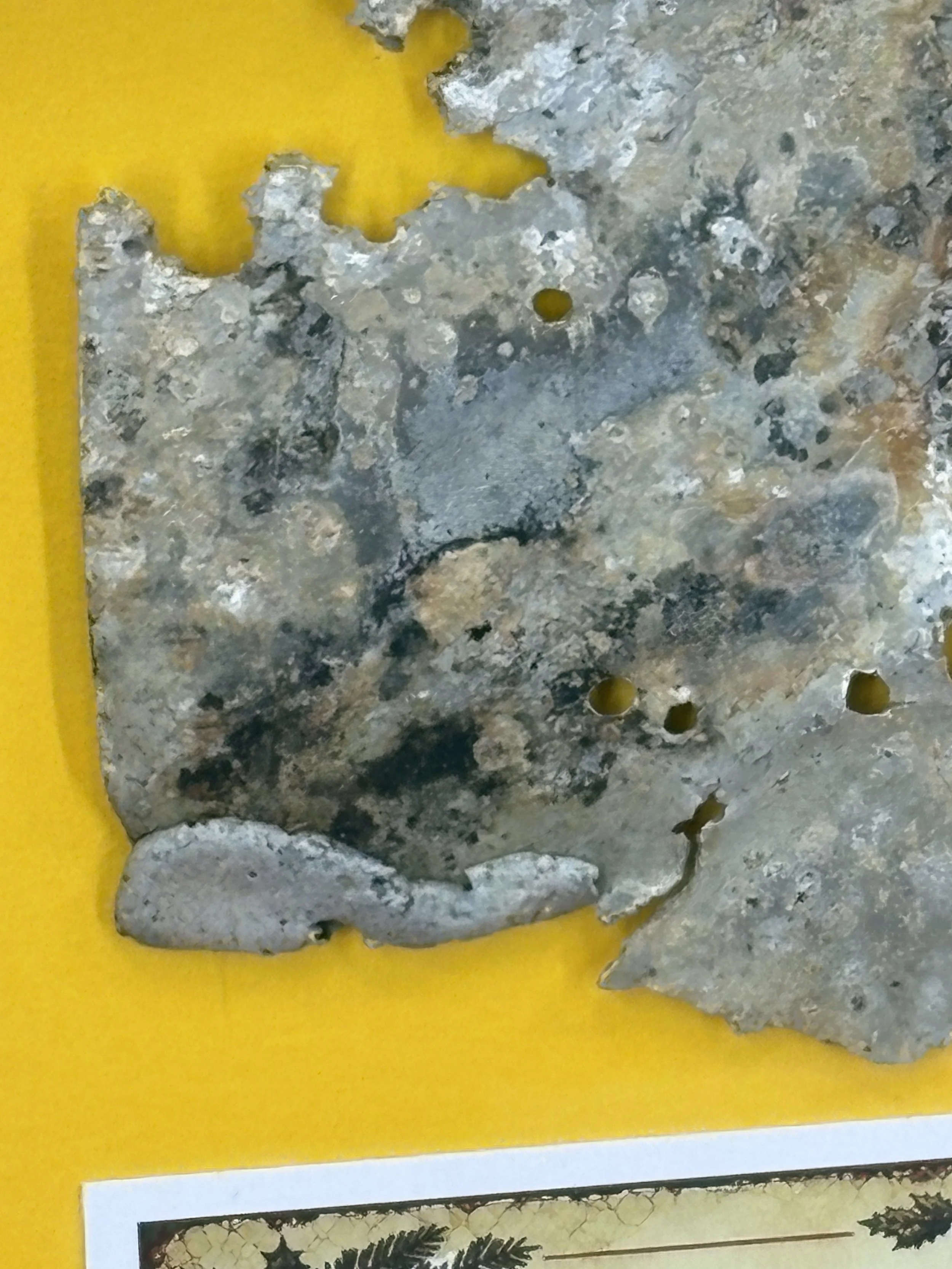 Image 5 of 9
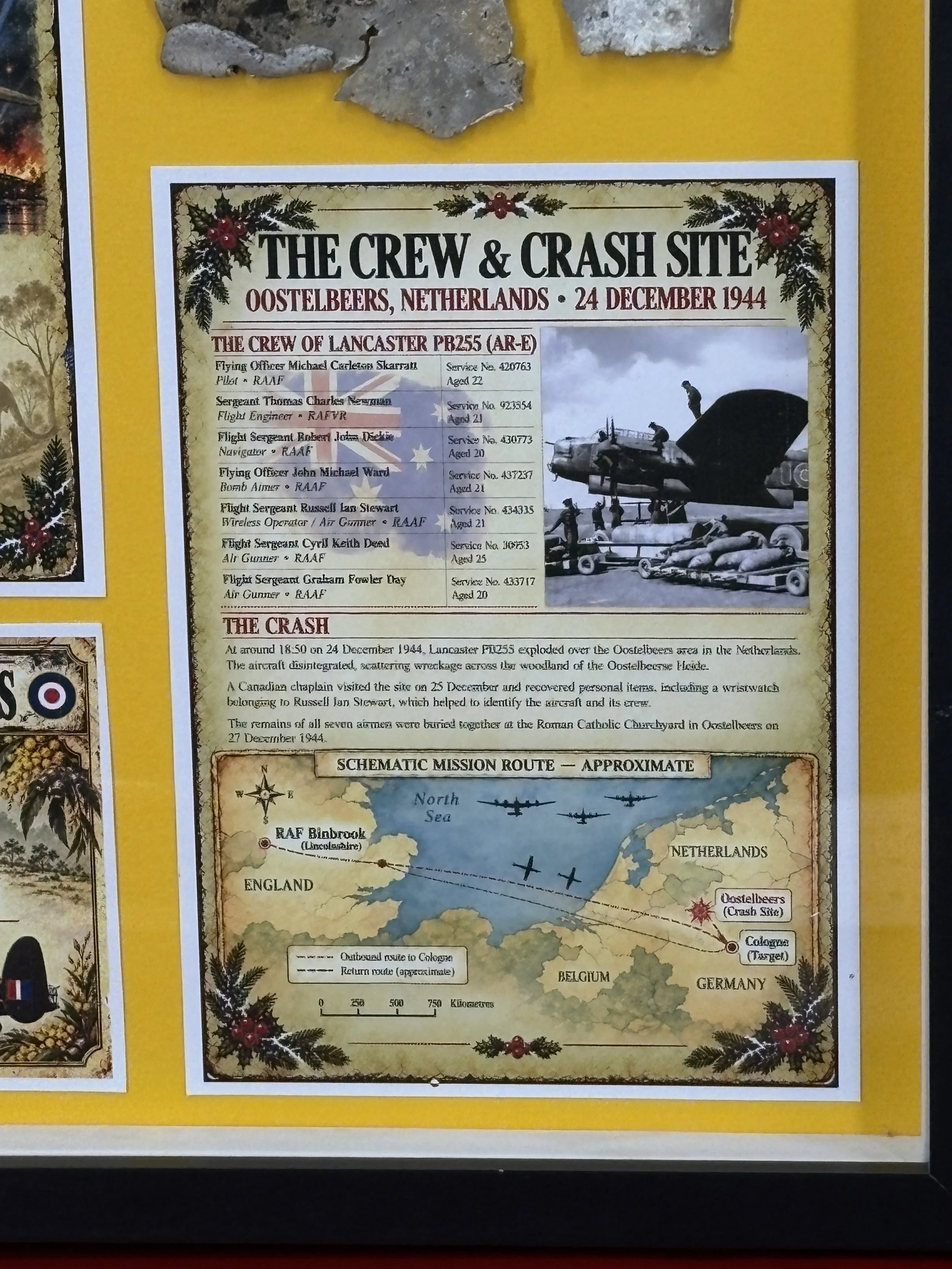 Image 6 of 9
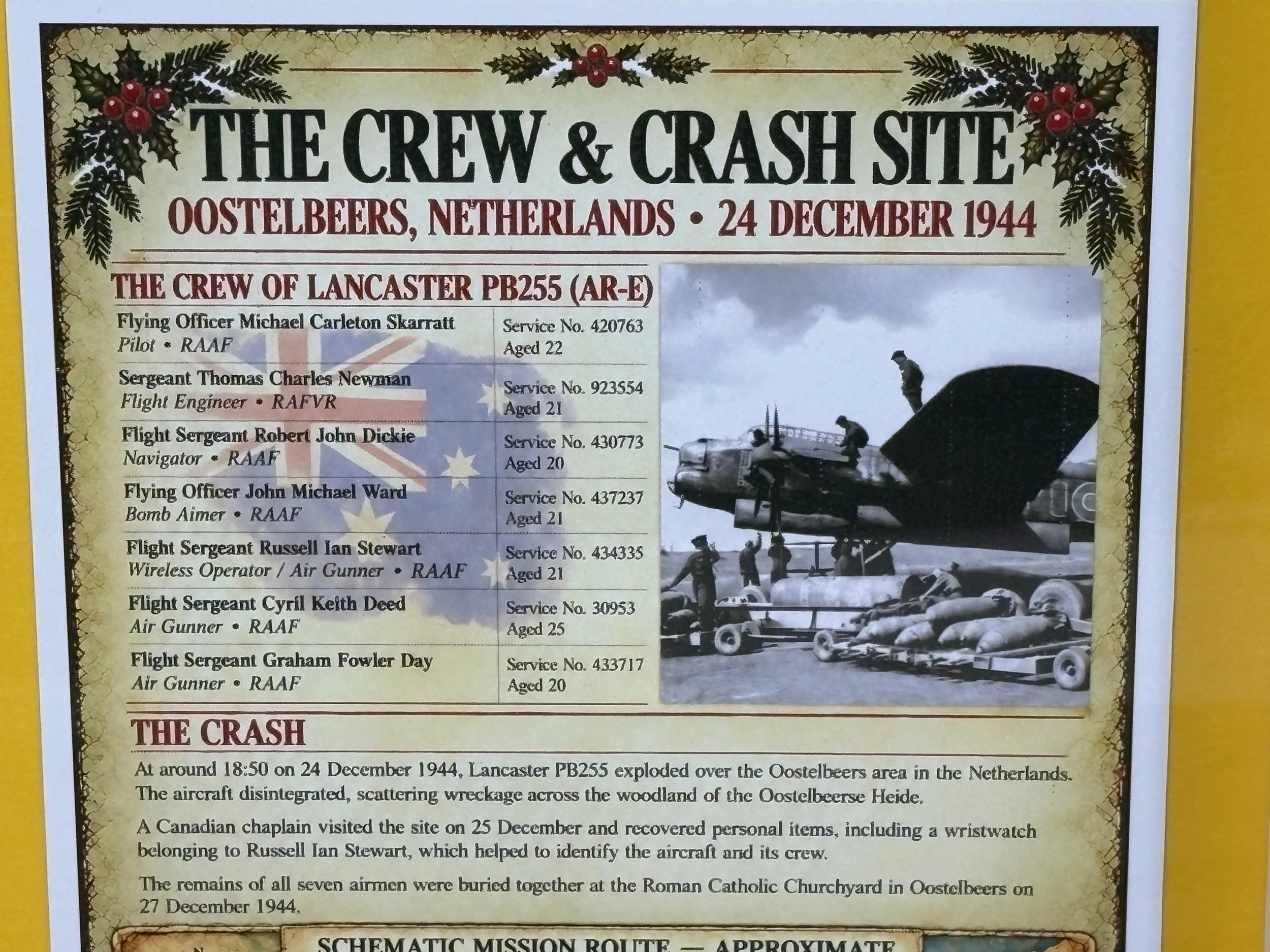 Image 7 of 9
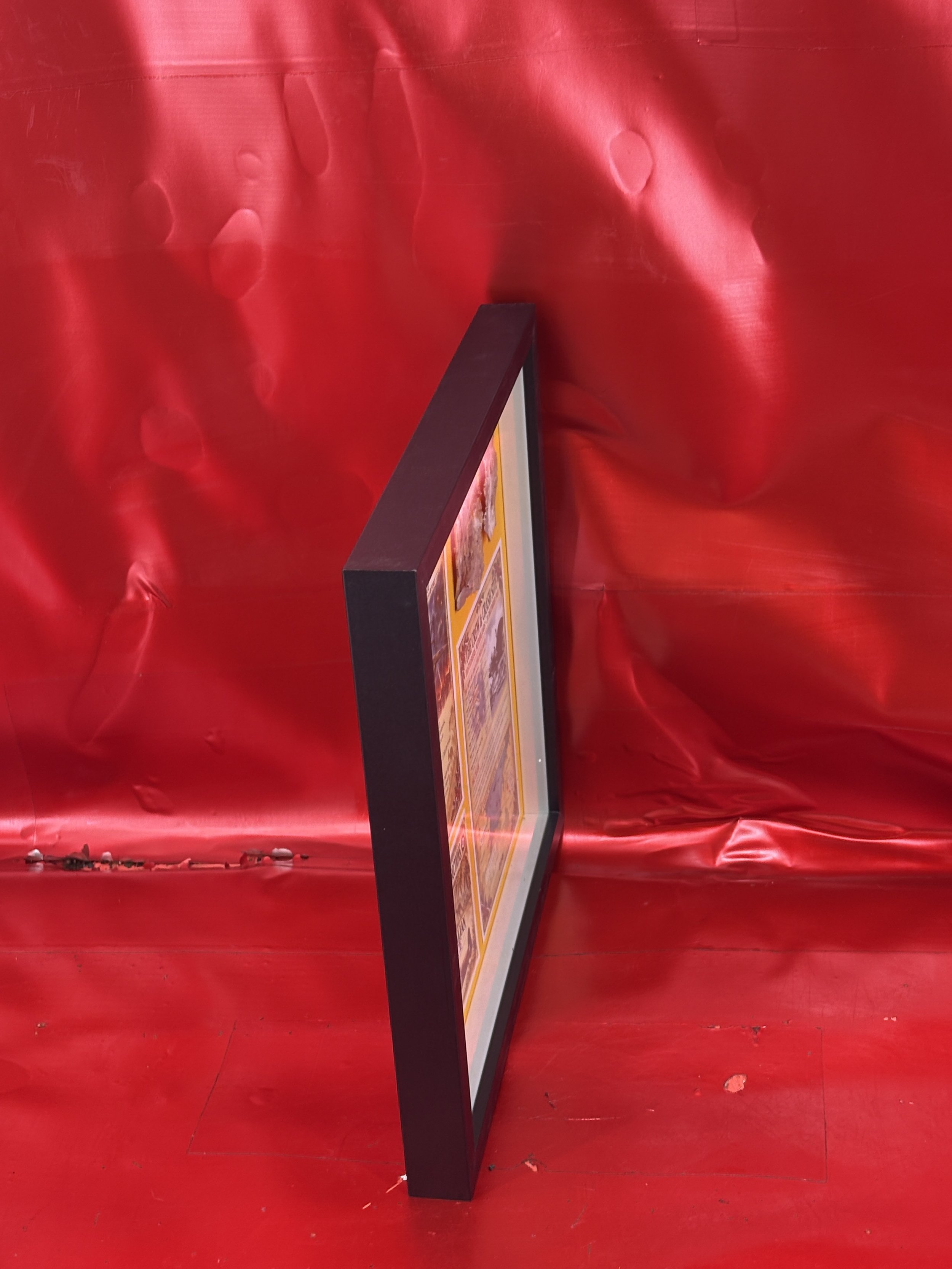 Image 8 of 9
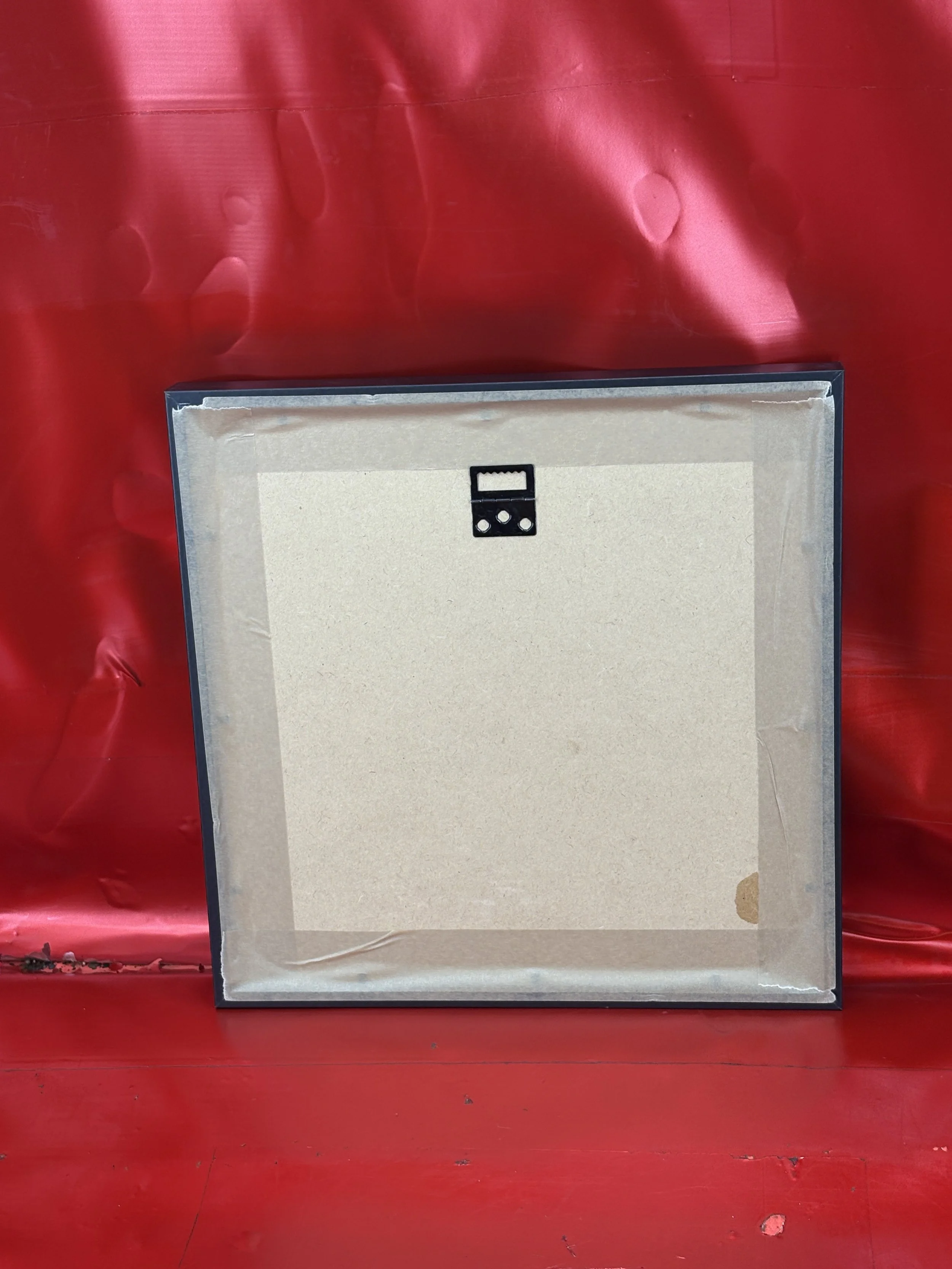 Image 9 of 9