Sale Price:
£45.00
Original Price:
£65.00
German WWII U 10al dynamotor box for power supply to the panzer radio transmitter 10 W.S.C (Fu5)
box is in solid condition and has been cleaned. Great addition to a Tiger I parts collection!
approximate overall dimensions ;
29cm x 25cm x 9cm
Recovered from the area that the Tiger tank equipped Pz.Abt.508 fought in around the Anzio beachhead in March 1944.
In early February 1944 the battalion was sent to oppose Allied landings at Anzio. Transportation by rail ended at Ficulle in Italy, far from the enemy beachhead. Because Allied air superiority made further rail transport difficult, the battalion drove the remaining distance, via Rome. One Tiger caught fire en route and was destroyed in an explosion. Sixty percent of the Tigers suffered mechanical breakdown on the 200-kilometre journey through the narrow, winding, mountainous roads. By 14 Feb, the first company deployed piecemeal in the Anzio region near Aprilia. On 29 Feb the second company was part of the final attack towards the beachhead, from Cisterna. Its advance was restricted to roads surrounded by marshy areas, and the attack stalled due to strong resistance. Eight Tigers were disabled by anti-tank fire from the American 601st Tank Destroyer Battalion, accurate naval artillery fire, and mines. All were recovered under enemy fire over the next five days, but four were later written off as beyond repair
German WWII U 10al dynamotor box for power supply to the panzer radio transmitter 10 W.S.C (Fu5)
box is in solid condition and has been cleaned. Great addition to a Tiger I parts collection!
approximate overall dimensions ;
29cm x 25cm x 9cm
Recovered from the area that the Tiger tank equipped Pz.Abt.508 fought in around the Anzio beachhead in March 1944.
In early February 1944 the battalion was sent to oppose Allied landings at Anzio. Transportation by rail ended at Ficulle in Italy, far from the enemy beachhead. Because Allied air superiority made further rail transport difficult, the battalion drove the remaining distance, via Rome. One Tiger caught fire en route and was destroyed in an explosion. Sixty percent of the Tigers suffered mechanical breakdown on the 200-kilometre journey through the narrow, winding, mountainous roads. By 14 Feb, the first company deployed piecemeal in the Anzio region near Aprilia. On 29 Feb the second company was part of the final attack towards the beachhead, from Cisterna. Its advance was restricted to roads surrounded by marshy areas, and the attack stalled due to strong resistance. Eight Tigers were disabled by anti-tank fire from the American 601st Tank Destroyer Battalion, accurate naval artillery fire, and mines. All were recovered under enemy fire over the next five days, but four were later written off as beyond repair

 Image 1 of 12
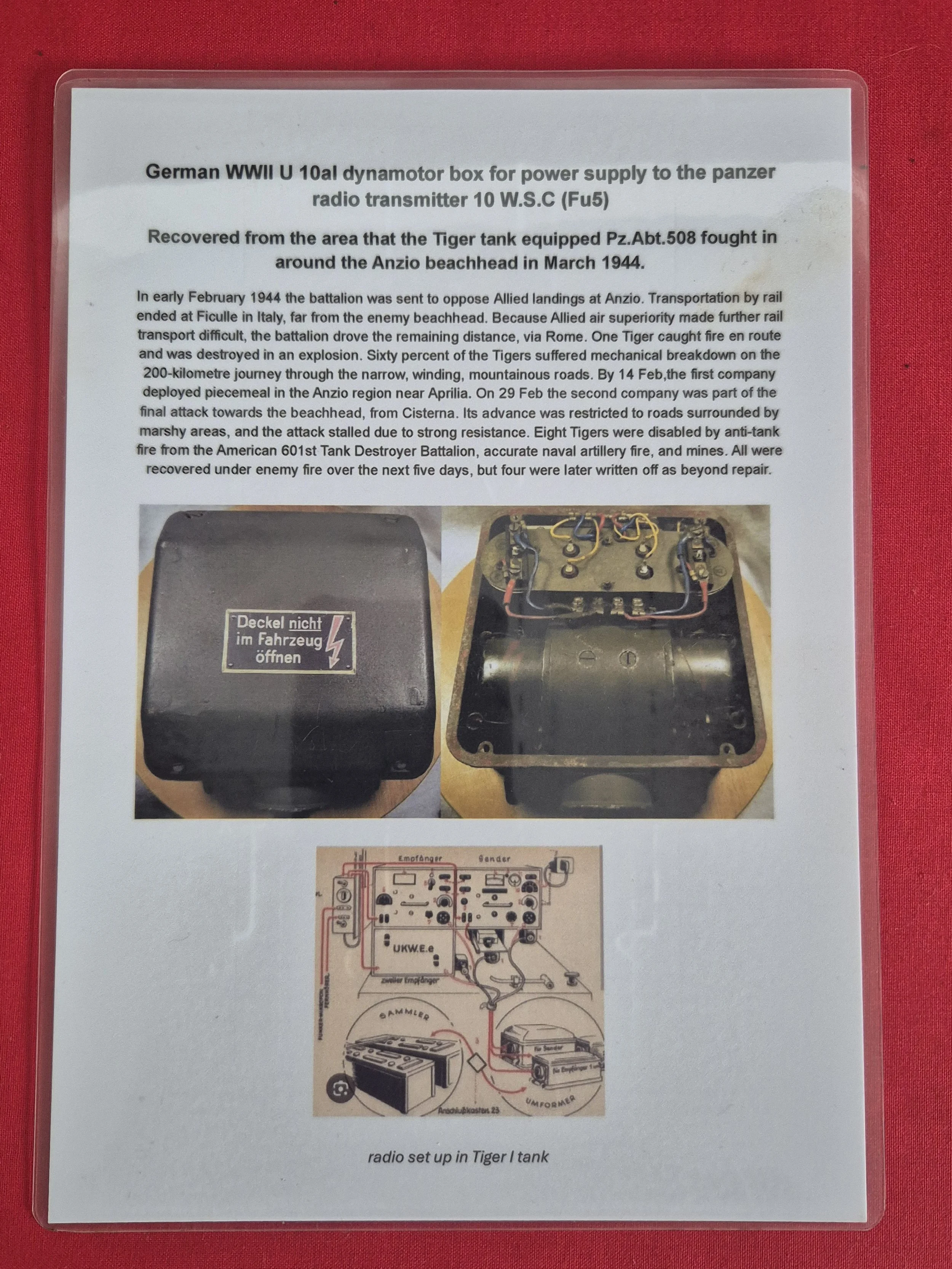 Image 2 of 12
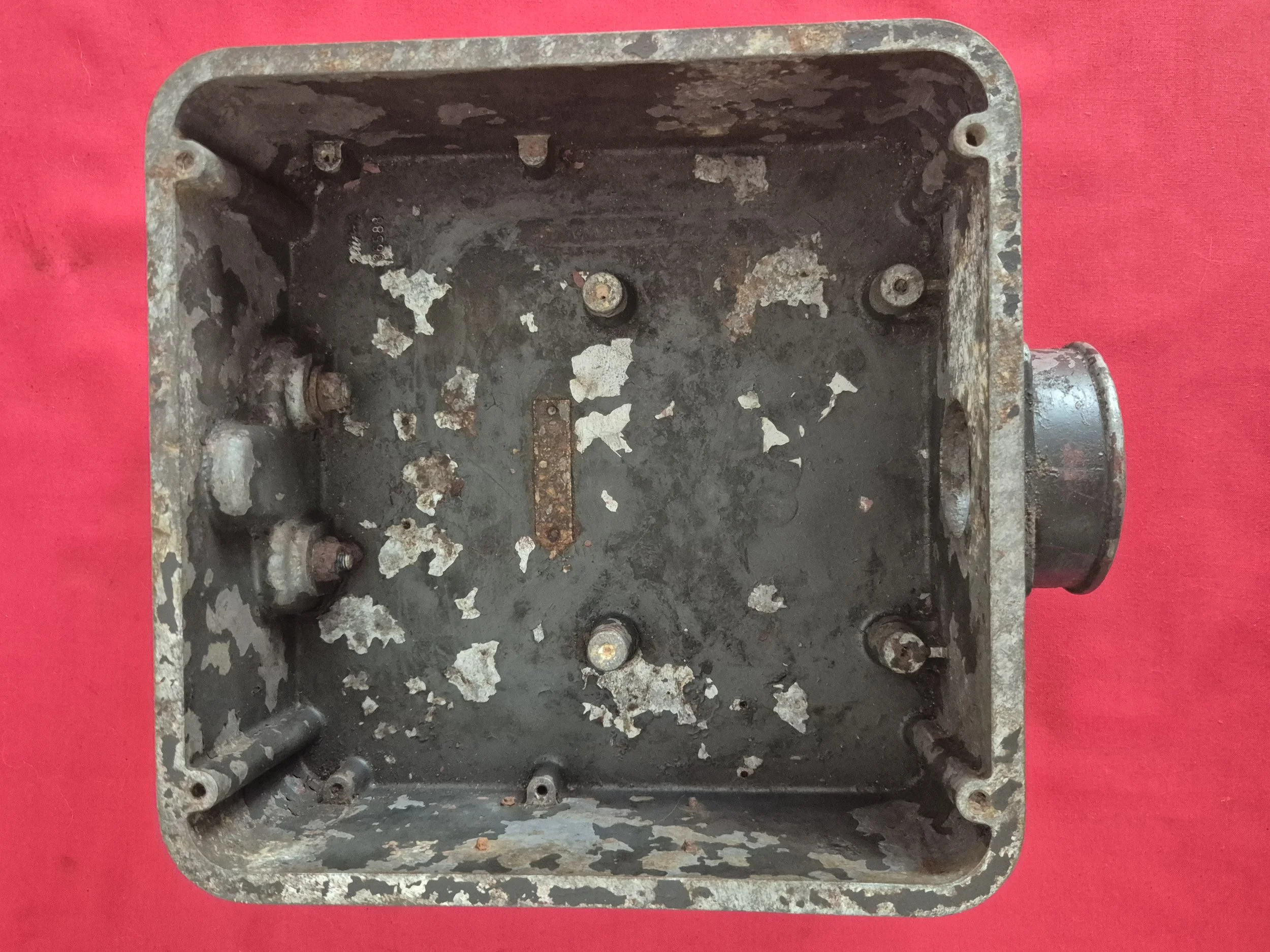 Image 3 of 12
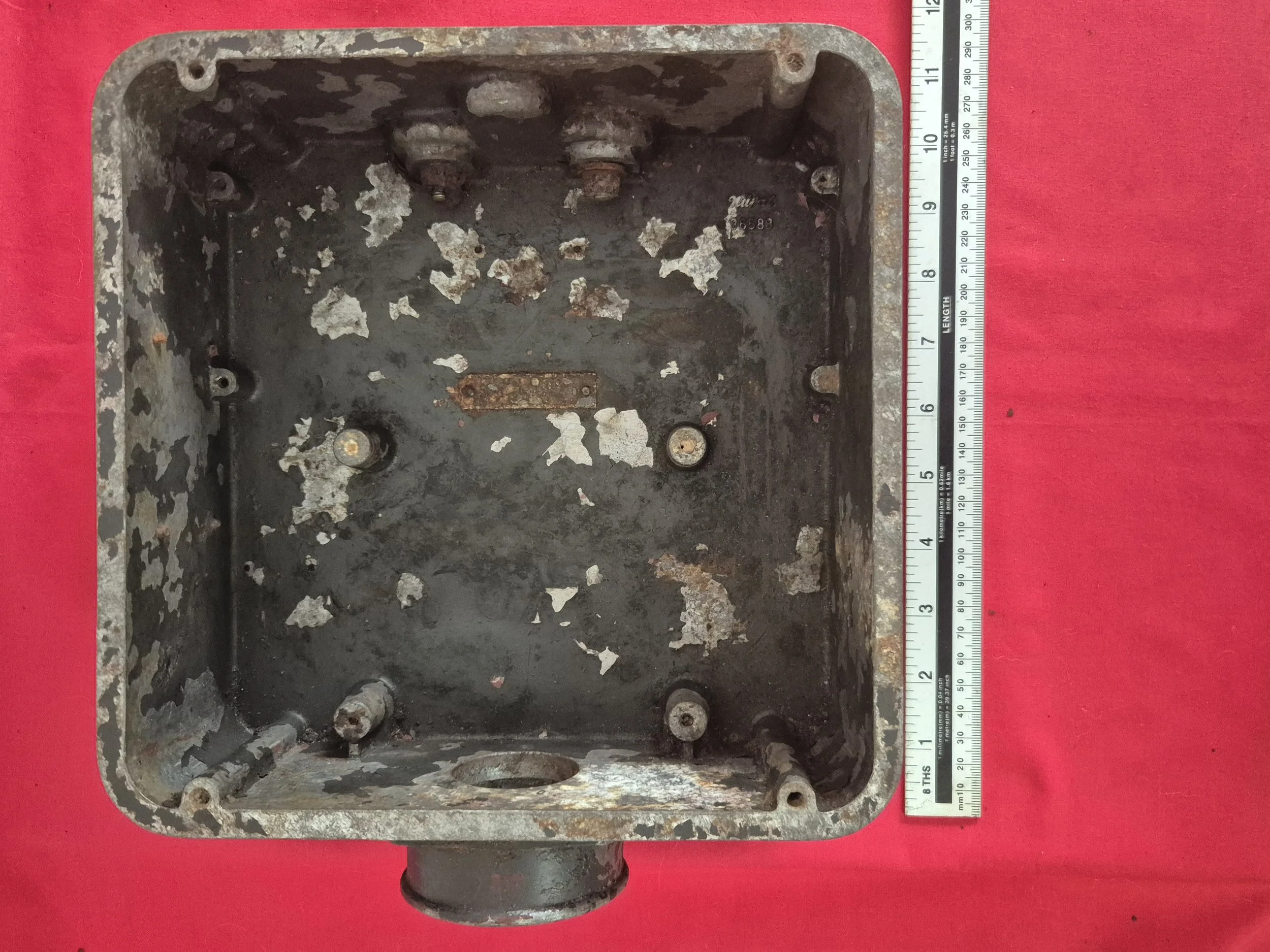 Image 4 of 12
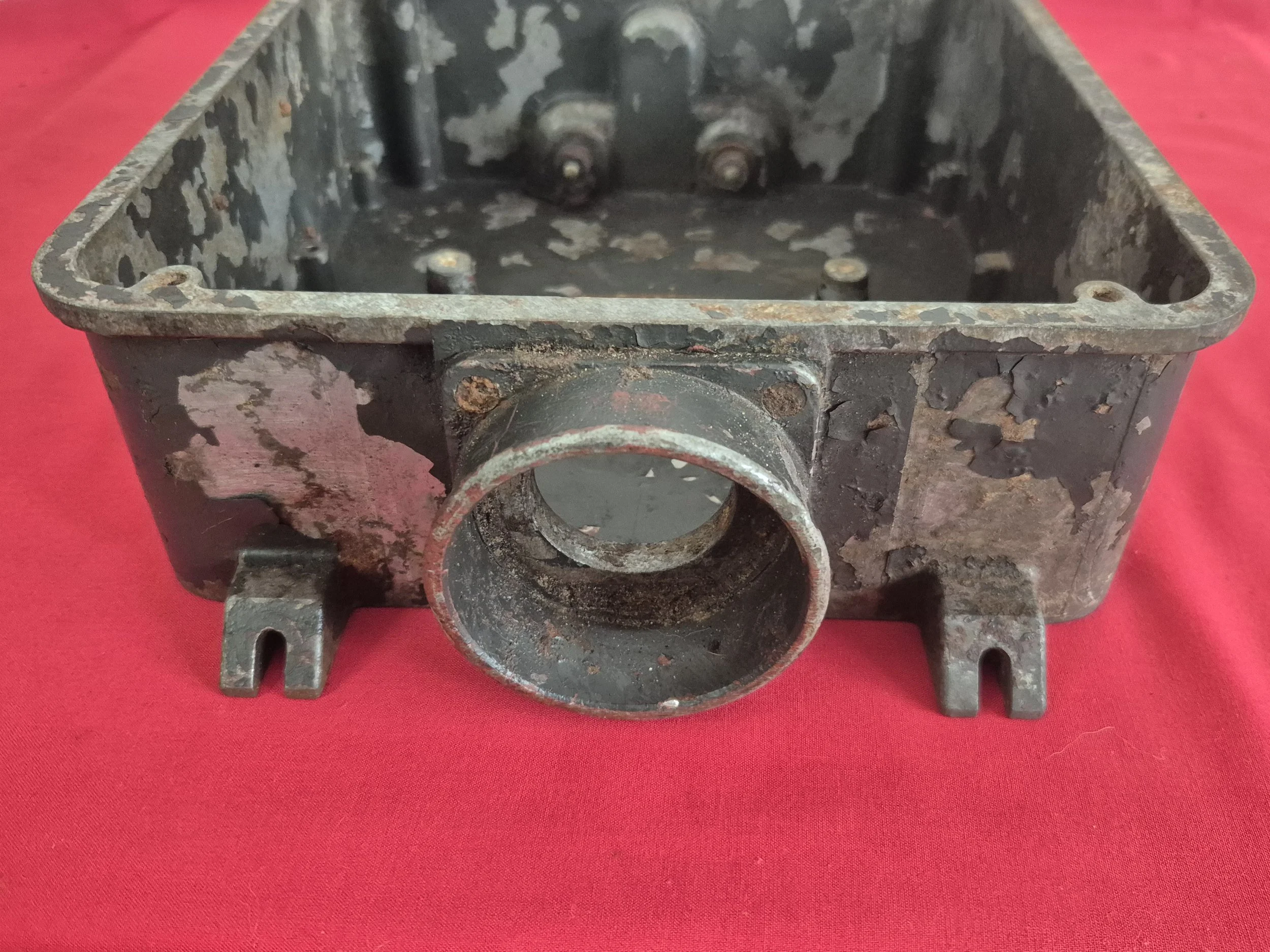 Image 5 of 12
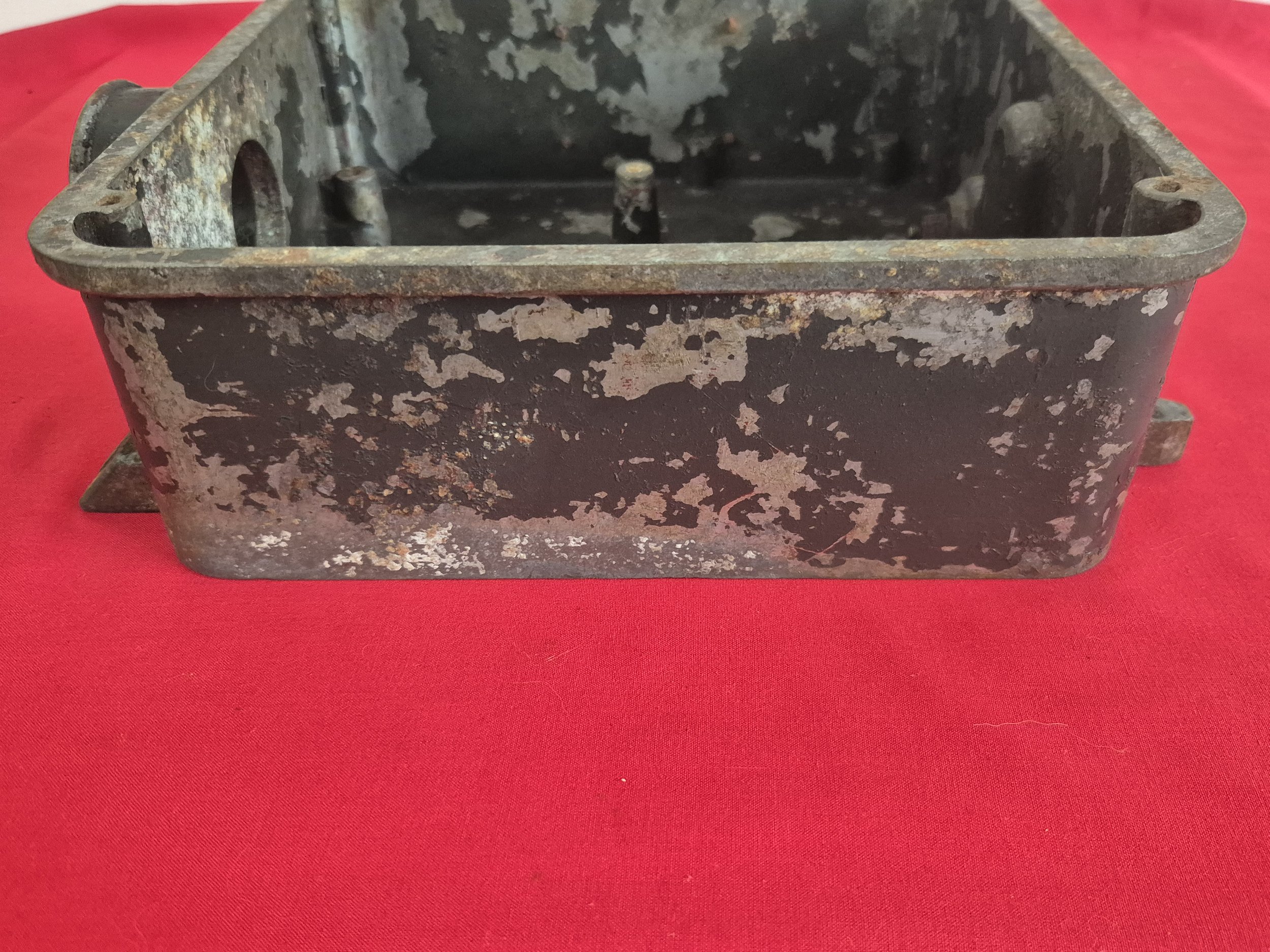 Image 6 of 12
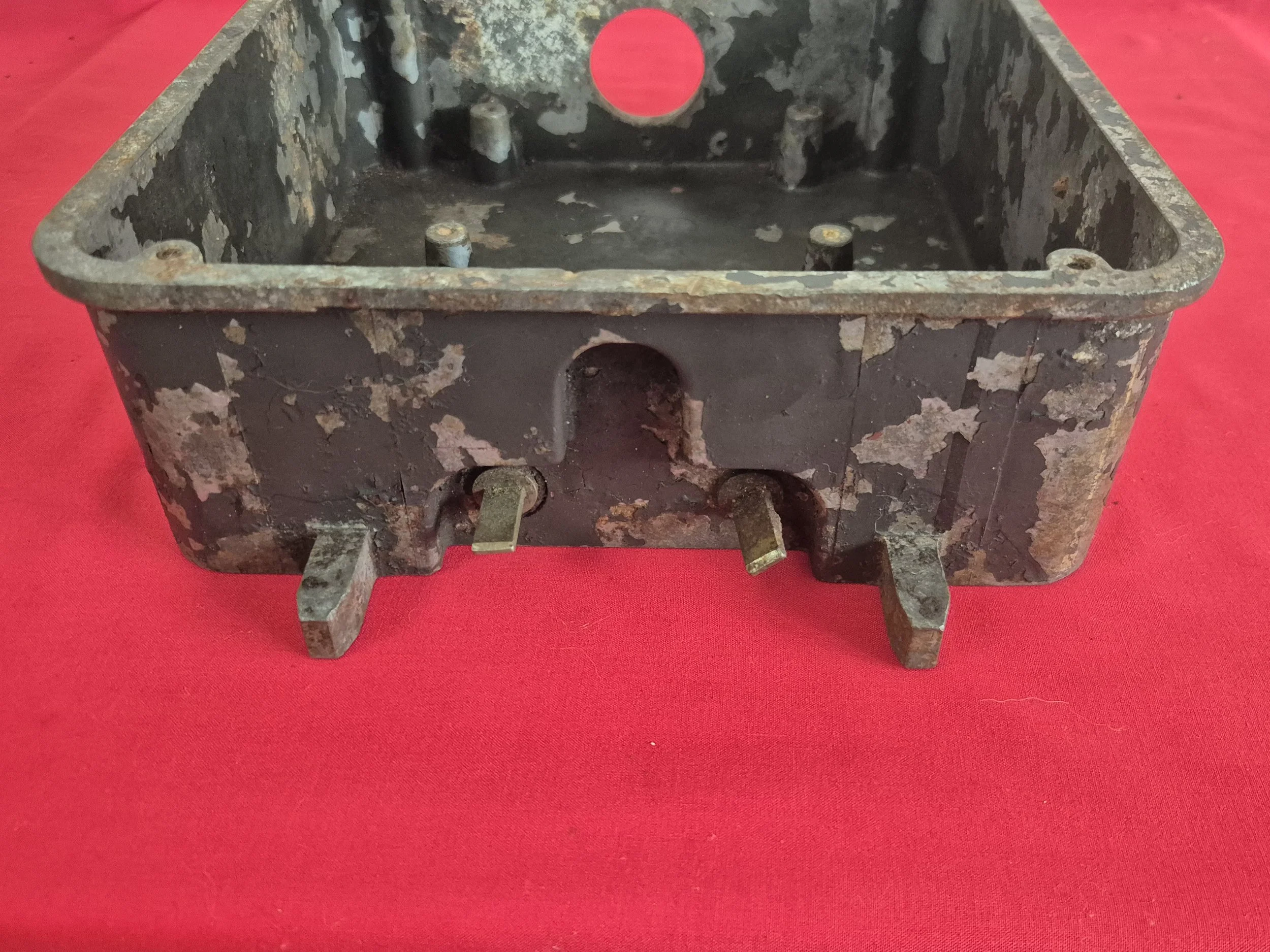 Image 7 of 12
 Image 8 of 12
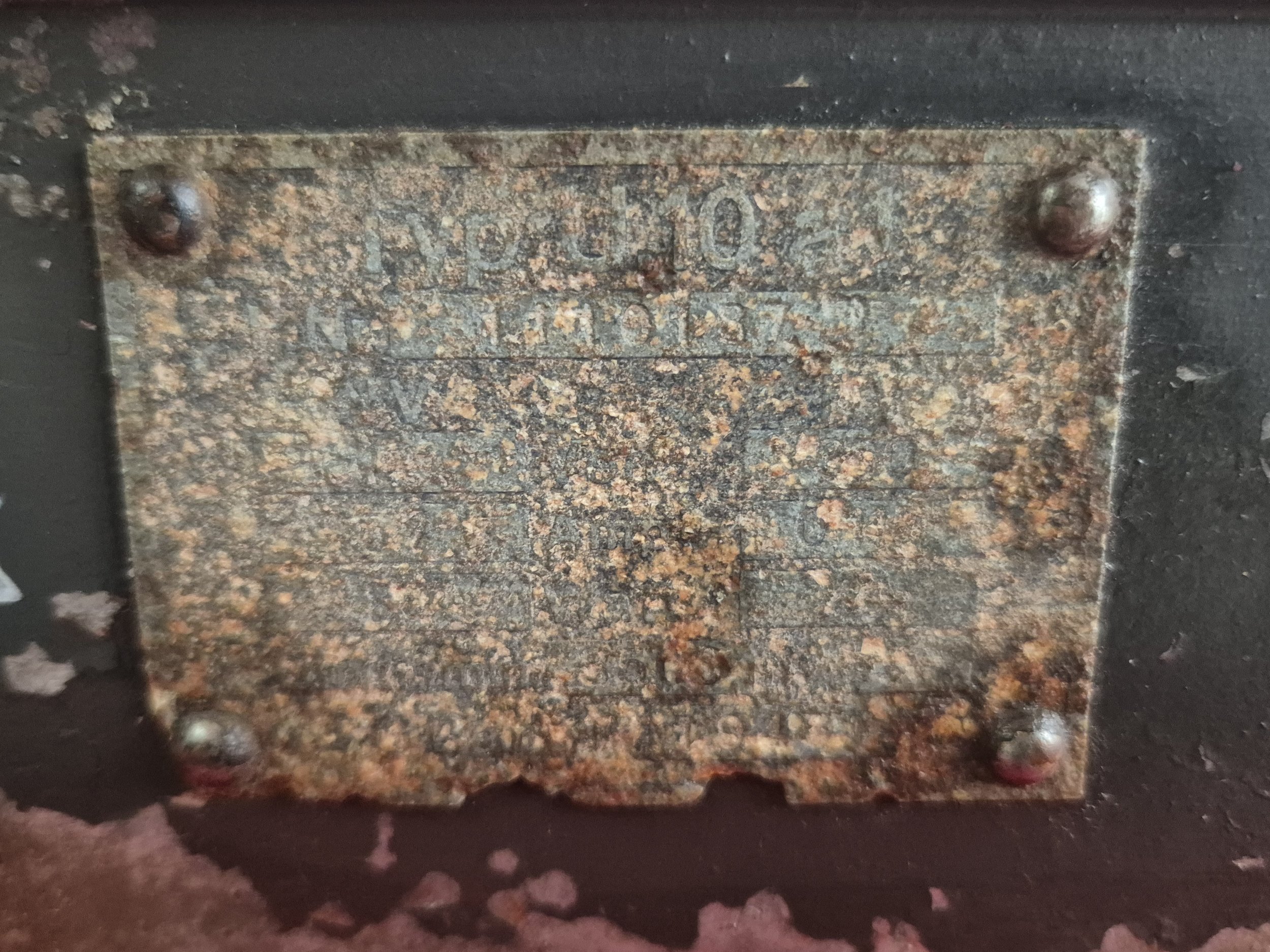 Image 9 of 12
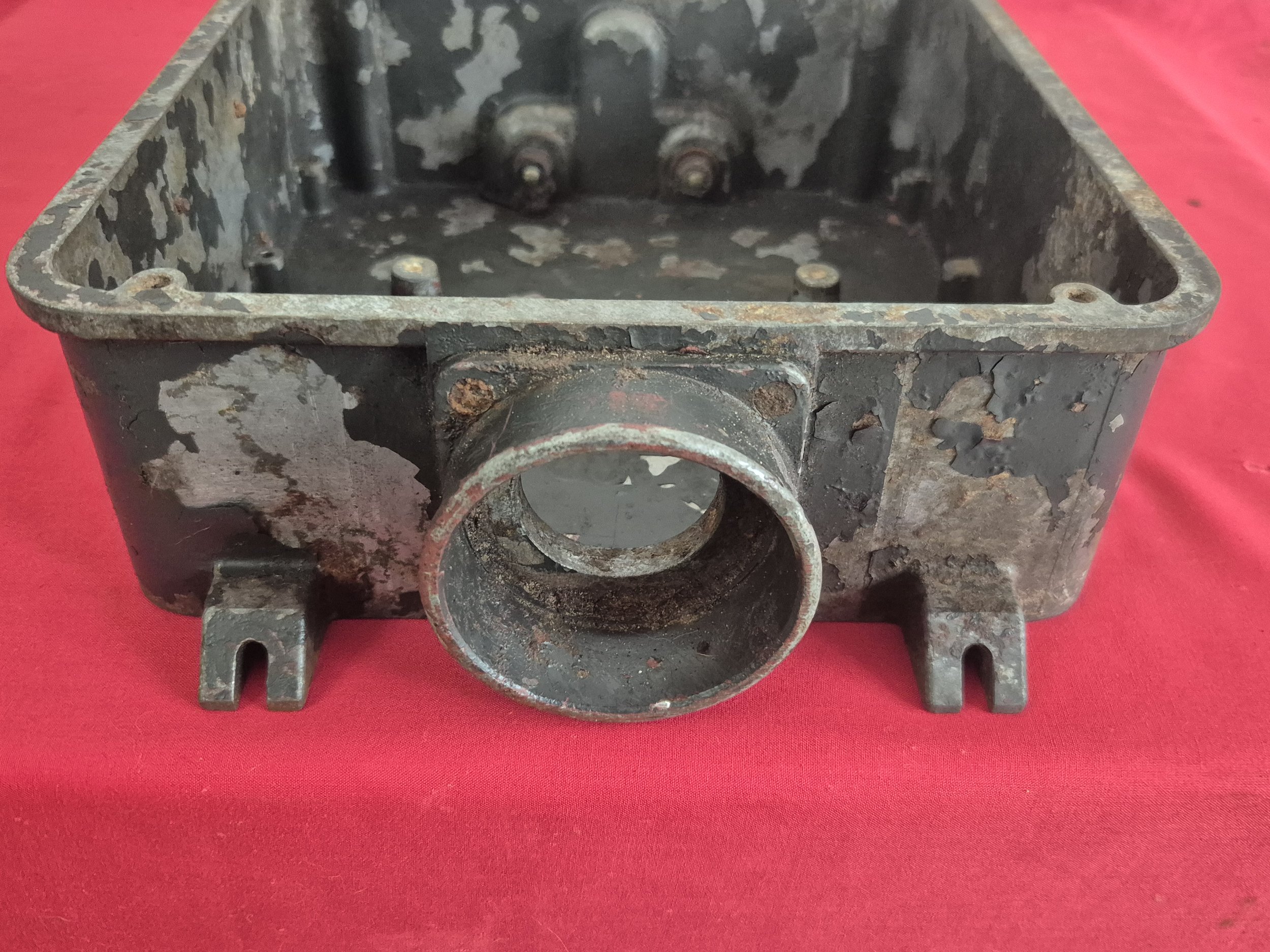 Image 10 of 12
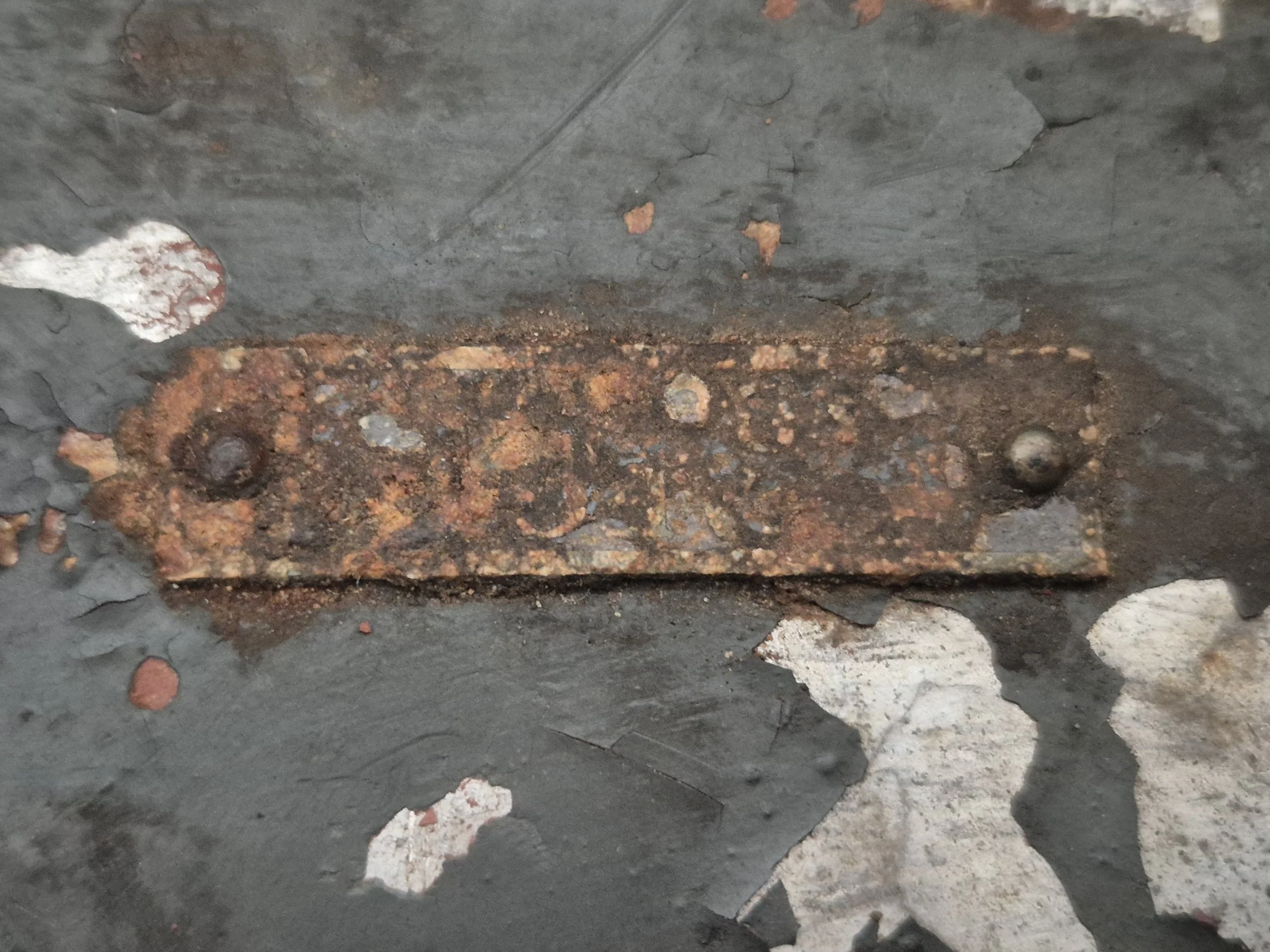 Image 11 of 12
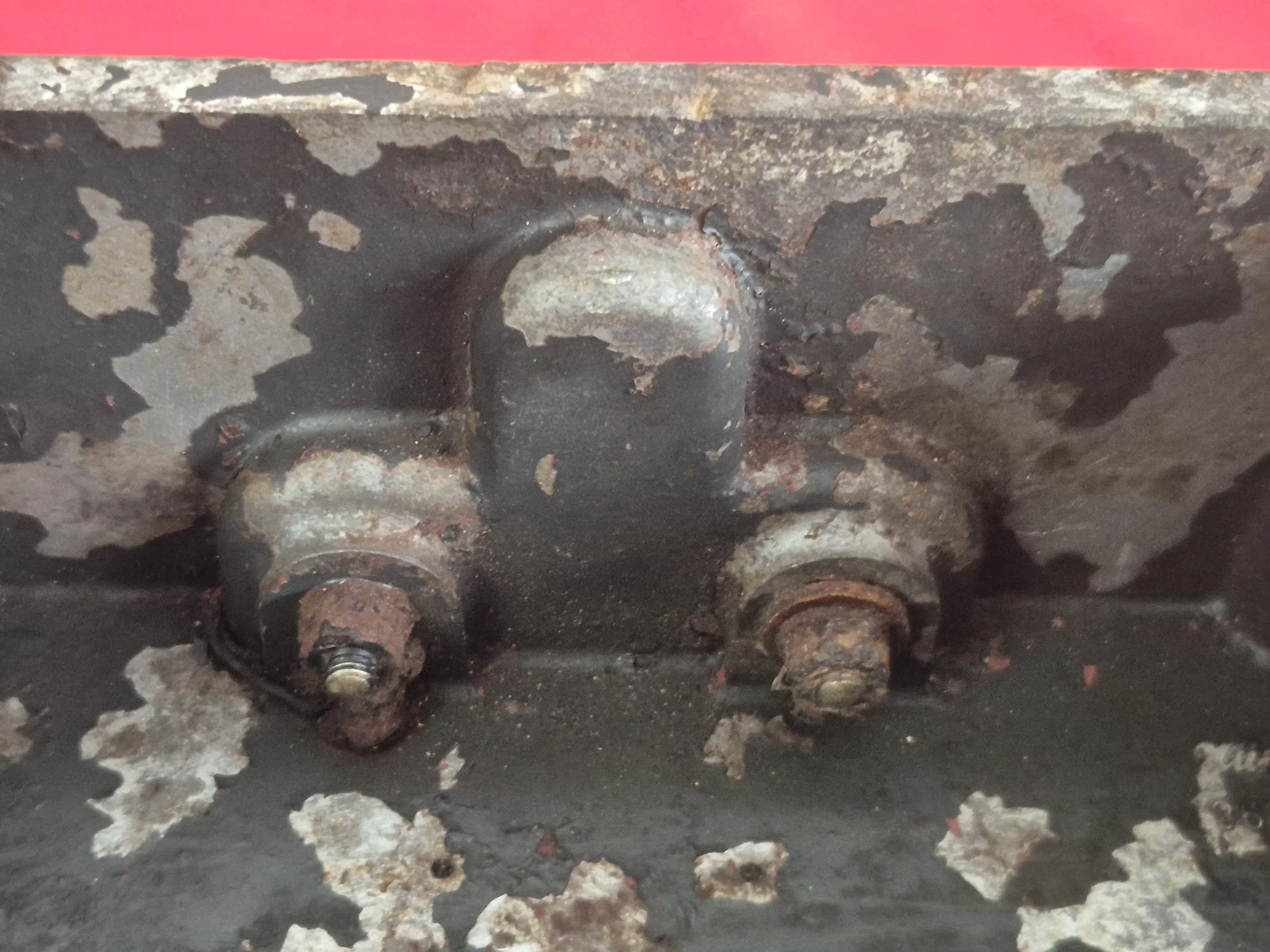 Image 12 of 12