This is a dog tag for infantry soldier Franz Schreckling in Füsilier-Regiment Nr. 33 fought they fought on the Eastern front for most of the war then transferred to the Somme in 1918 for the Kaisers offensive.The tag is rare to find from the battlefield in this a nice condition with most of its markings still nice clear to see overall nice relic but solid condition; not crumbling or breaking up, but does have a bit of damage but nothing to bad and has been well cleaned and is perfect for display or any collection. The tag was recovered on the Somme battlefield from the site of a former British prisoner-of-war holding camp (prisoner cage) near Amiens. This site was used to process captured German soldiers during the Allied Hundred Days Offensive of 1918 and the Battle of Amiens in August 1918.
The tag comes with 2xA5 laminated information sheets with pictures.
Franz Schreckling was in II. Ersatz-Bataillon, Füsilier-Regiment Nr. 33 (2nd Replacement Battalion, Fusilier Regiment No. 33) and appears to describe him as a Reservist (Res.).
Franz Schreckling’s was sent from the replacement battalion to reinforce the active regiment during the final phase of the war. As a reservist processed through the regiment’s replacement system, he may have arrived on the Western Front in late 1917 or early 1918.
The active regiment associated with this tag was Füsilier-Regiment “Graf Roon” (Ostpreußisches) Nr. 33, a historic East Prussian regiment of the Prussian Army. At the outbreak of war in August 1914, the regiment formed part of the 2nd Infantry Division, itself belonging to the prestigious I Army Corps.
During the early years of the war, the regiment served on the Eastern Front. As part of the 2nd Infantry Division it participated in the campaigns that defeated the Russian invasion of East Prussia, including operations connected with the battles of Tannenberg and the Masurian Lakes. The division continued to fight against Russian forces through Poland, Lithuania, and other sectors of the Eastern Front until the collapse of Imperial Russia in 1917.
Following Russia’s withdrawal from the war, German divisions were transferred west for the final effort to achieve victory before the growing arrival of American forces. The 2nd Infantry Division was among those formations redeployed to France for the large German offensive in early 1918.
In March 1918 Germany launched Operation Michael, the opening phase of the Spring Offensive (Kaiserschlacht). German forces advanced across the old Somme battlefield, recapturing towns such as Péronne, Bapaume, and Albert while driving toward Amiens.This is where he would have been taken prisoner properly in around August 1918.
This is a dog tag for infantry soldier Franz Schreckling in Füsilier-Regiment Nr. 33 fought they fought on the Eastern front for most of the war then transferred to the Somme in 1918 for the Kaisers offensive.The tag is rare to find from the battlefield in this a nice condition with most of its markings still nice clear to see overall nice relic but solid condition; not crumbling or breaking up, but does have a bit of damage but nothing to bad and has been well cleaned and is perfect for display or any collection. The tag was recovered on the Somme battlefield from the site of a former British prisoner-of-war holding camp (prisoner cage) near Amiens. This site was used to process captured German soldiers during the Allied Hundred Days Offensive of 1918 and the Battle of Amiens in August 1918.
The tag comes with 2xA5 laminated information sheets with pictures.
Franz Schreckling was in II. Ersatz-Bataillon, Füsilier-Regiment Nr. 33 (2nd Replacement Battalion, Fusilier Regiment No. 33) and appears to describe him as a Reservist (Res.).
Franz Schreckling’s was sent from the replacement battalion to reinforce the active regiment during the final phase of the war. As a reservist processed through the regiment’s replacement system, he may have arrived on the Western Front in late 1917 or early 1918.
The active regiment associated with this tag was Füsilier-Regiment “Graf Roon” (Ostpreußisches) Nr. 33, a historic East Prussian regiment of the Prussian Army. At the outbreak of war in August 1914, the regiment formed part of the 2nd Infantry Division, itself belonging to the prestigious I Army Corps.
During the early years of the war, the regiment served on the Eastern Front. As part of the 2nd Infantry Division it participated in the campaigns that defeated the Russian invasion of East Prussia, including operations connected with the battles of Tannenberg and the Masurian Lakes. The division continued to fight against Russian forces through Poland, Lithuania, and other sectors of the Eastern Front until the collapse of Imperial Russia in 1917.
Following Russia’s withdrawal from the war, German divisions were transferred west for the final effort to achieve victory before the growing arrival of American forces. The 2nd Infantry Division was among those formations redeployed to France for the large German offensive in early 1918.
In March 1918 Germany launched Operation Michael, the opening phase of the Spring Offensive (Kaiserschlacht). German forces advanced across the old Somme battlefield, recapturing towns such as Péronne, Bapaume, and Albert while driving toward Amiens.This is where he would have been taken prisoner properly in around August 1918.

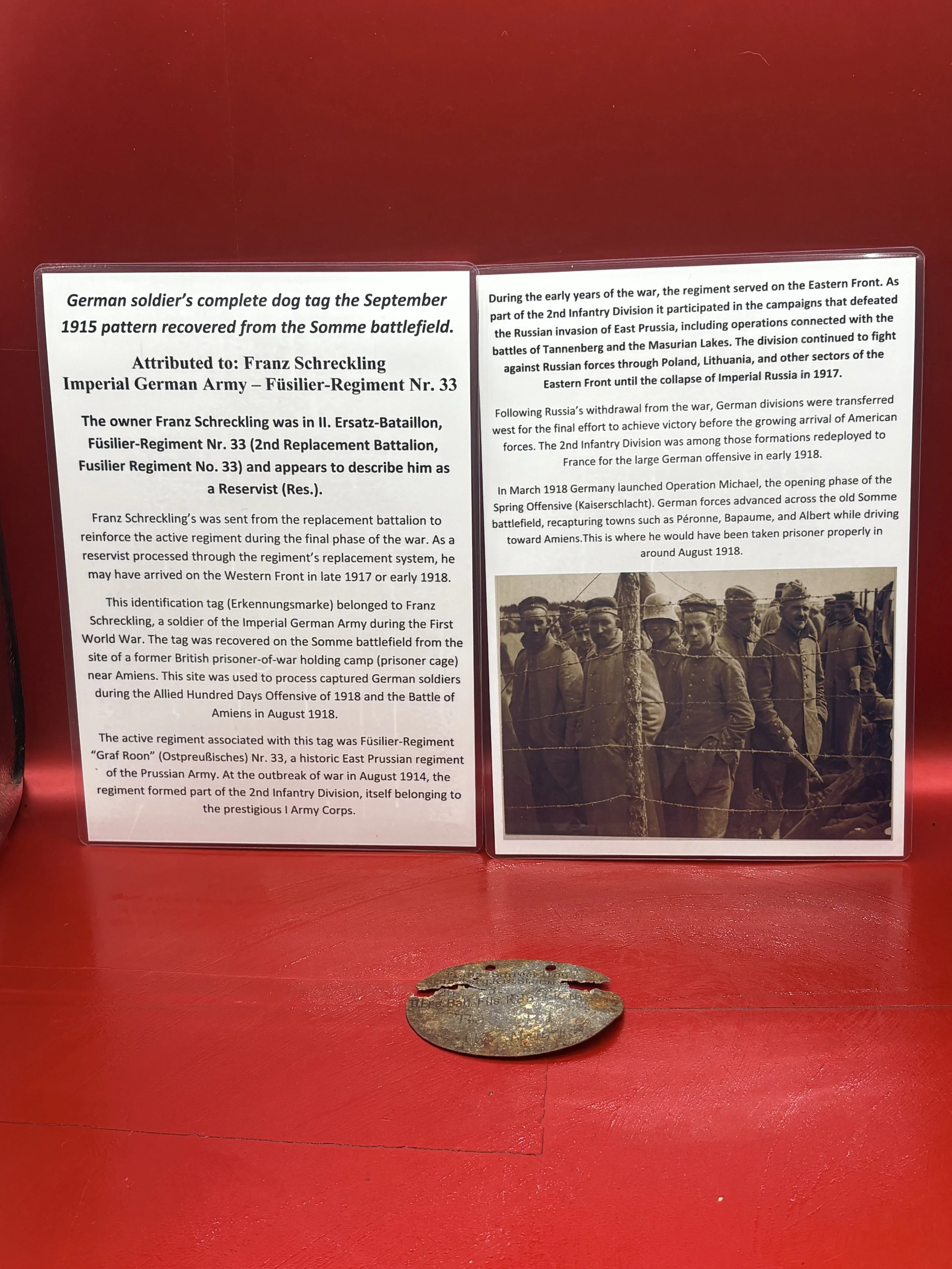 Image 1 of 9
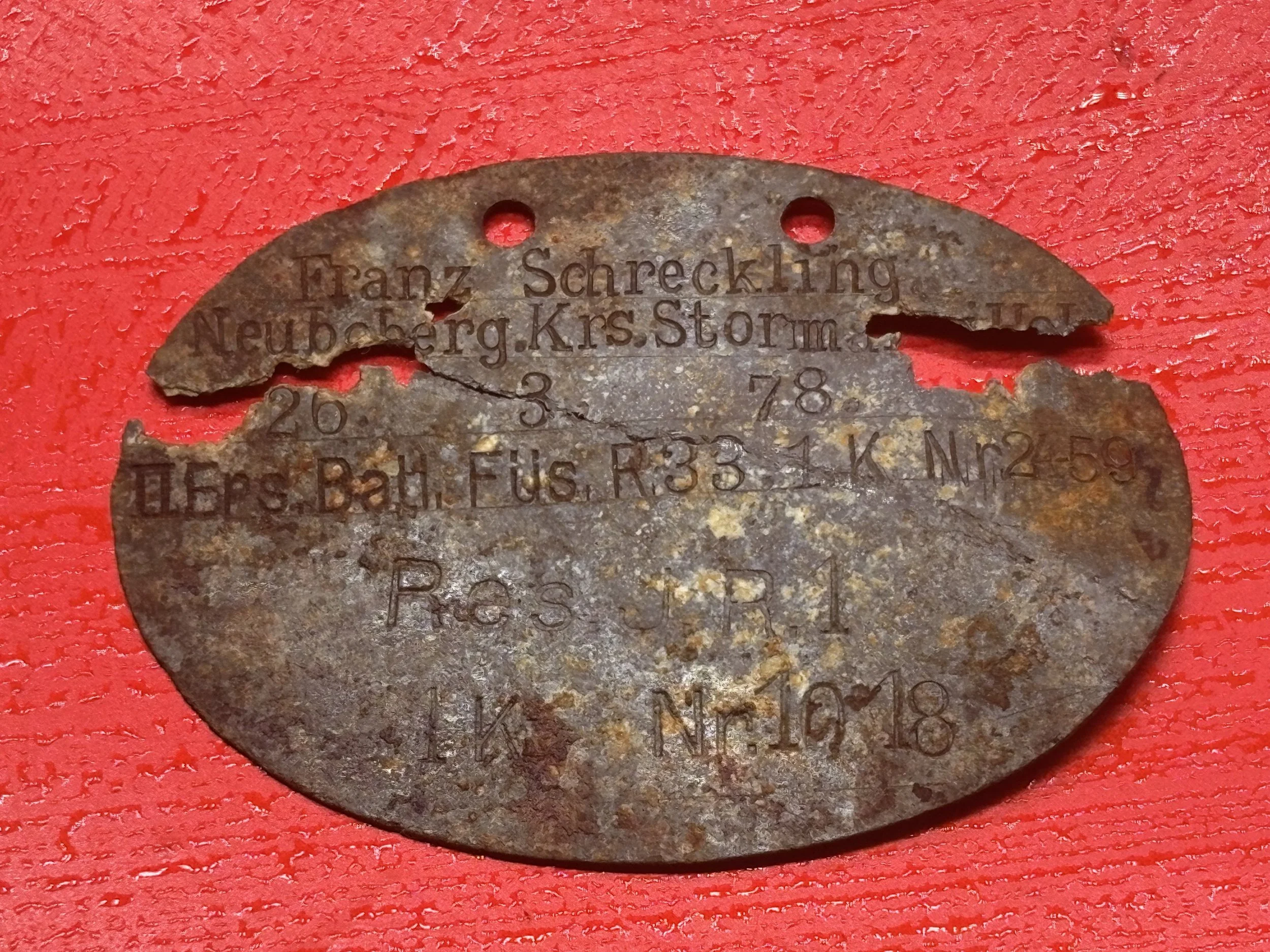 Image 2 of 9
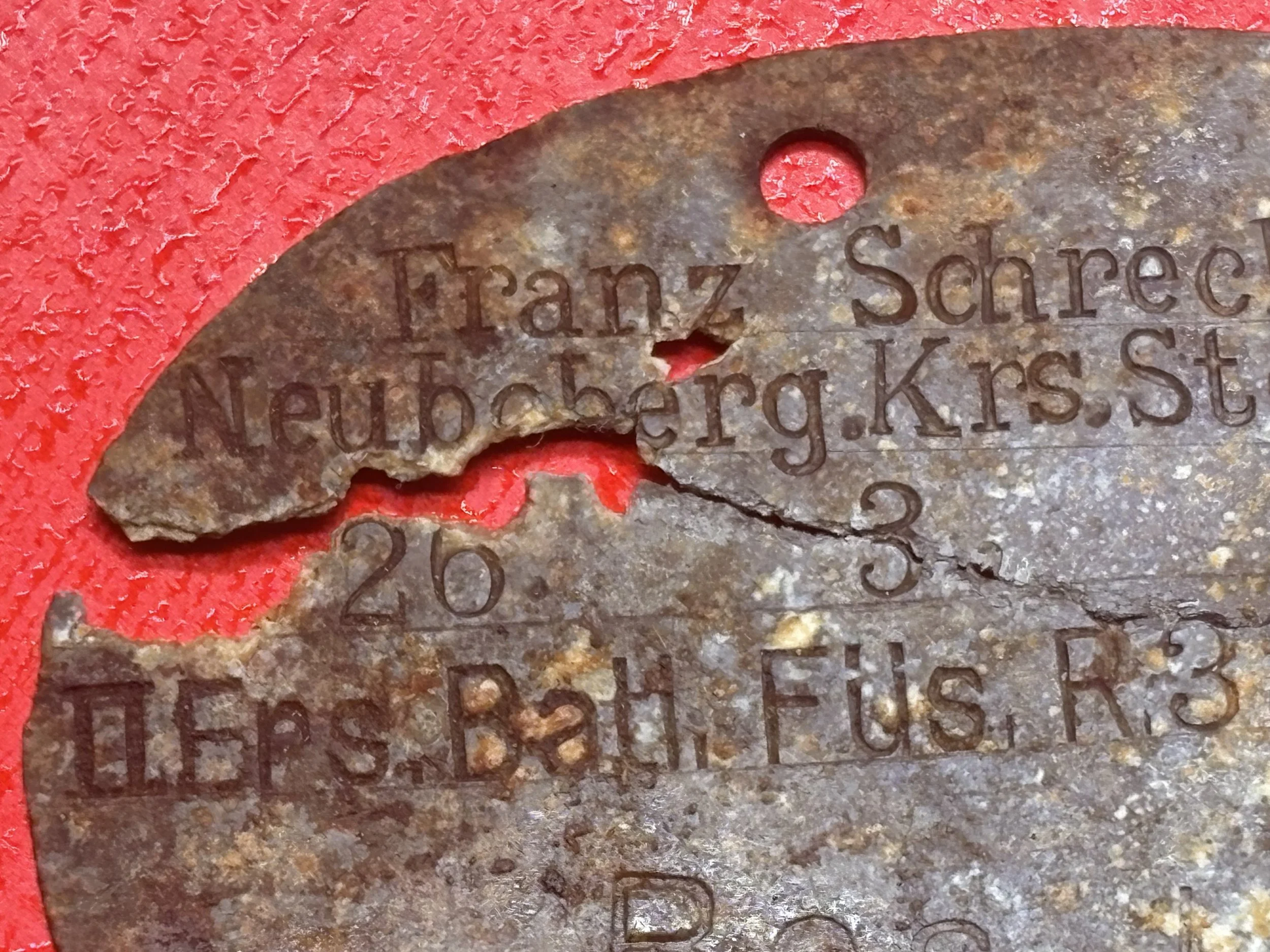 Image 3 of 9
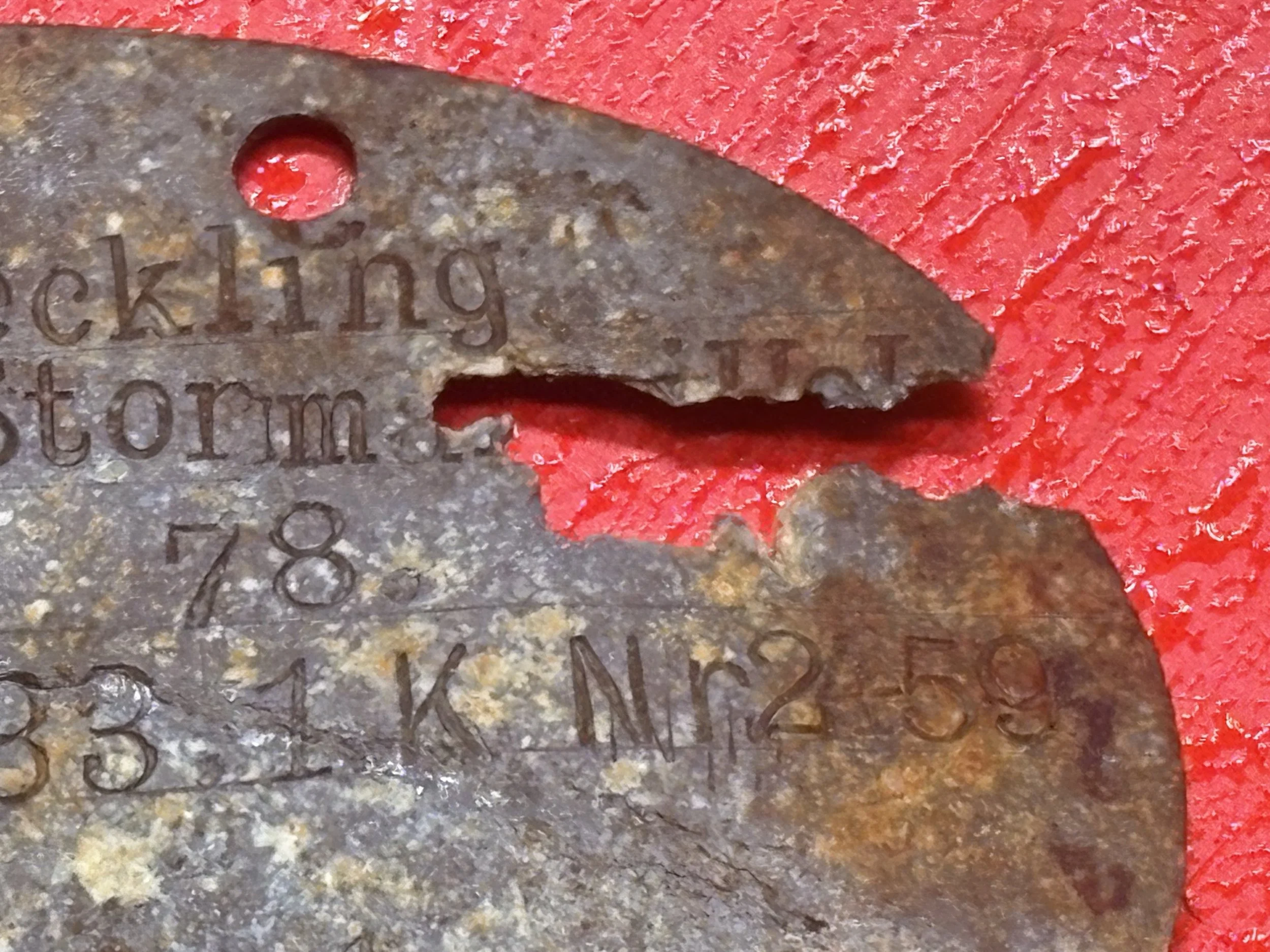 Image 4 of 9
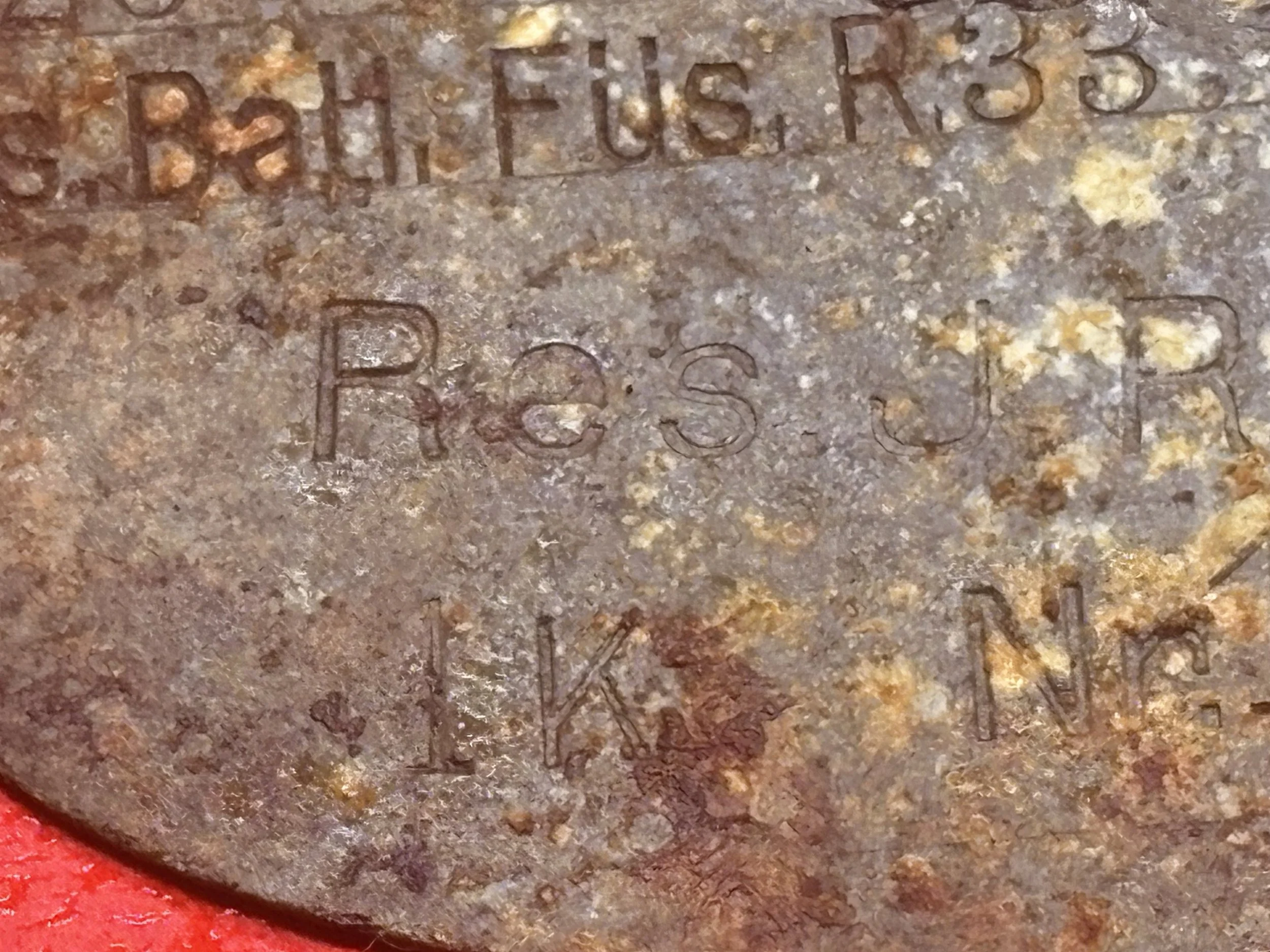 Image 5 of 9
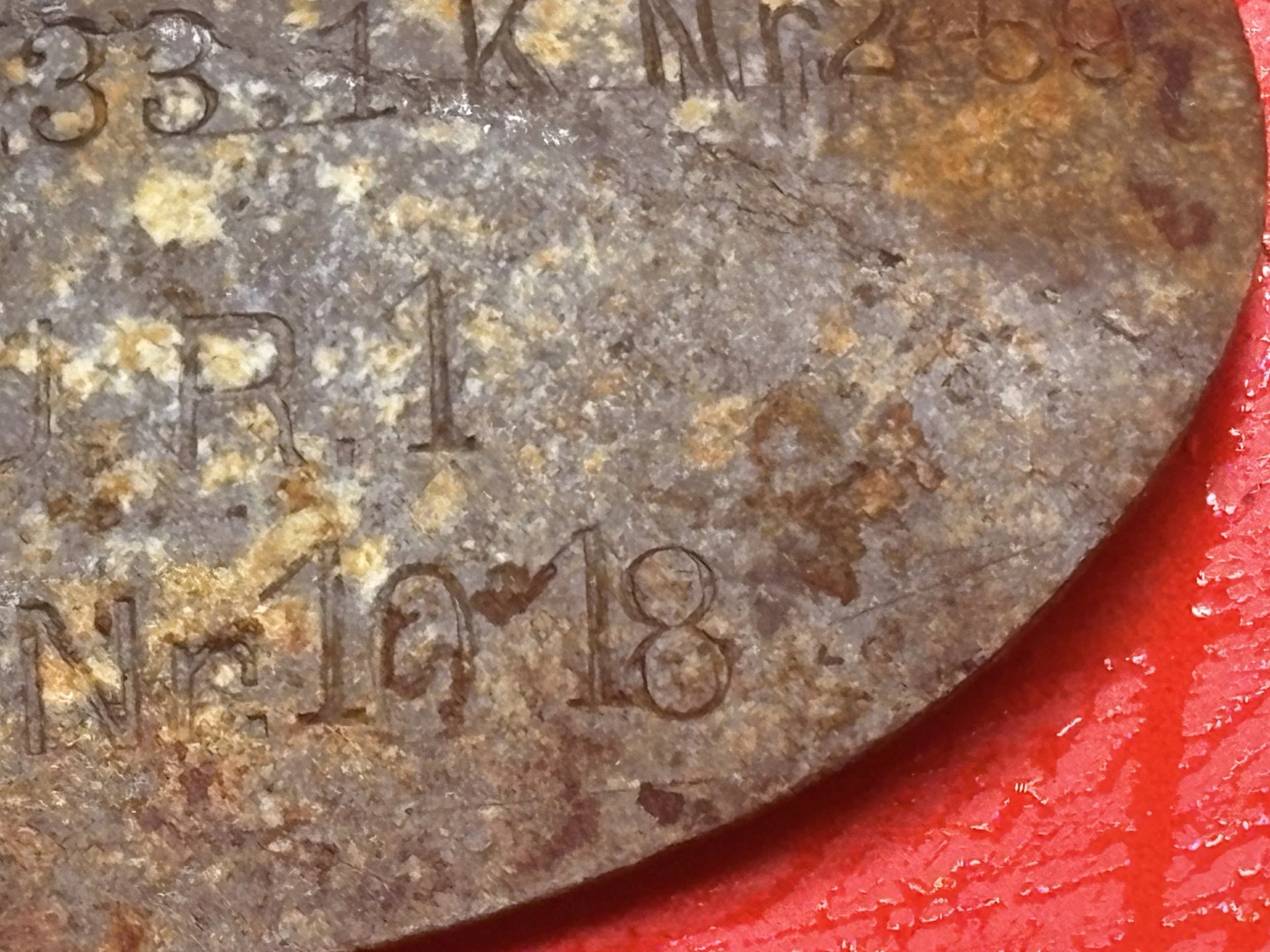 Image 6 of 9
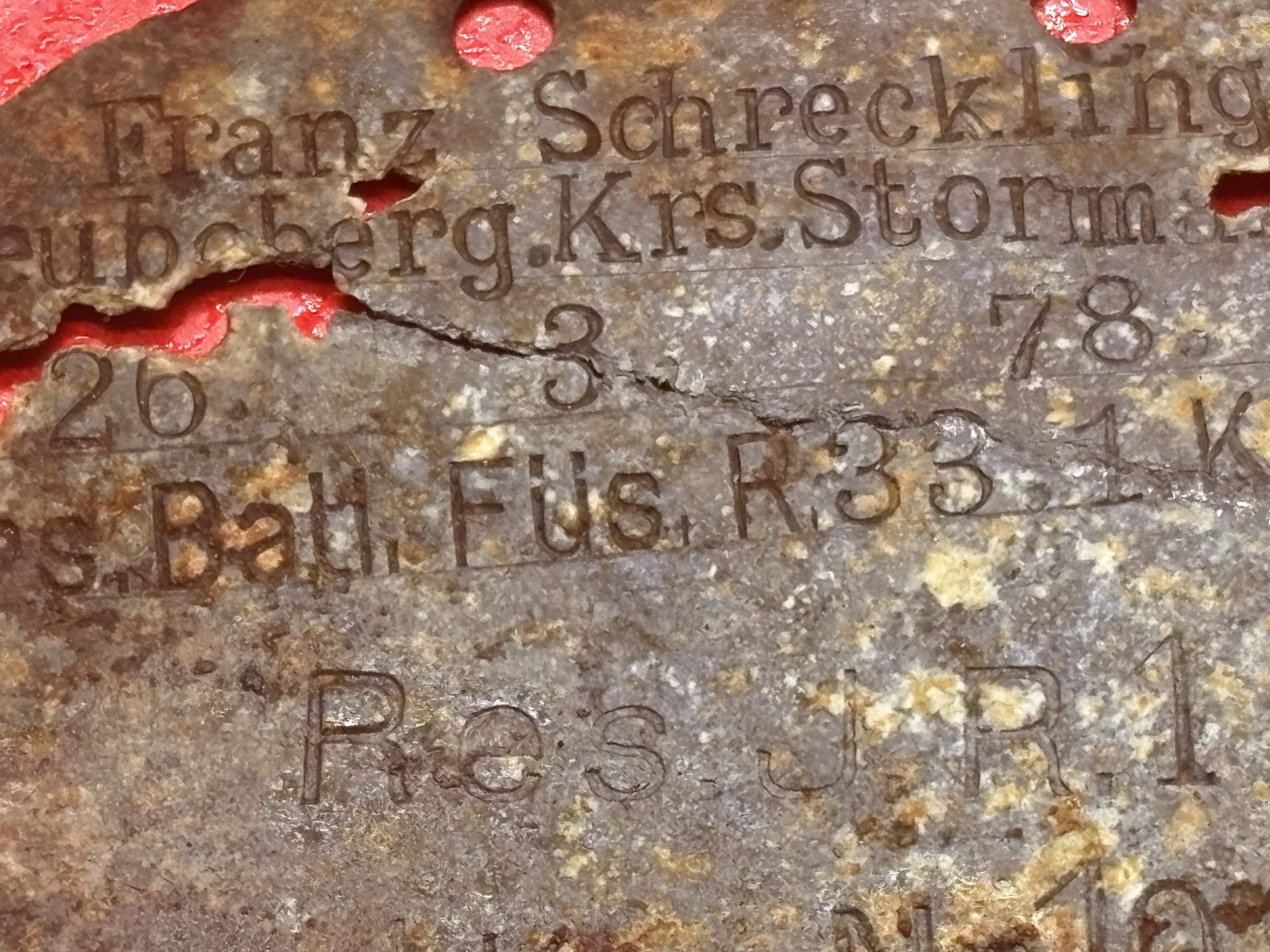 Image 7 of 9
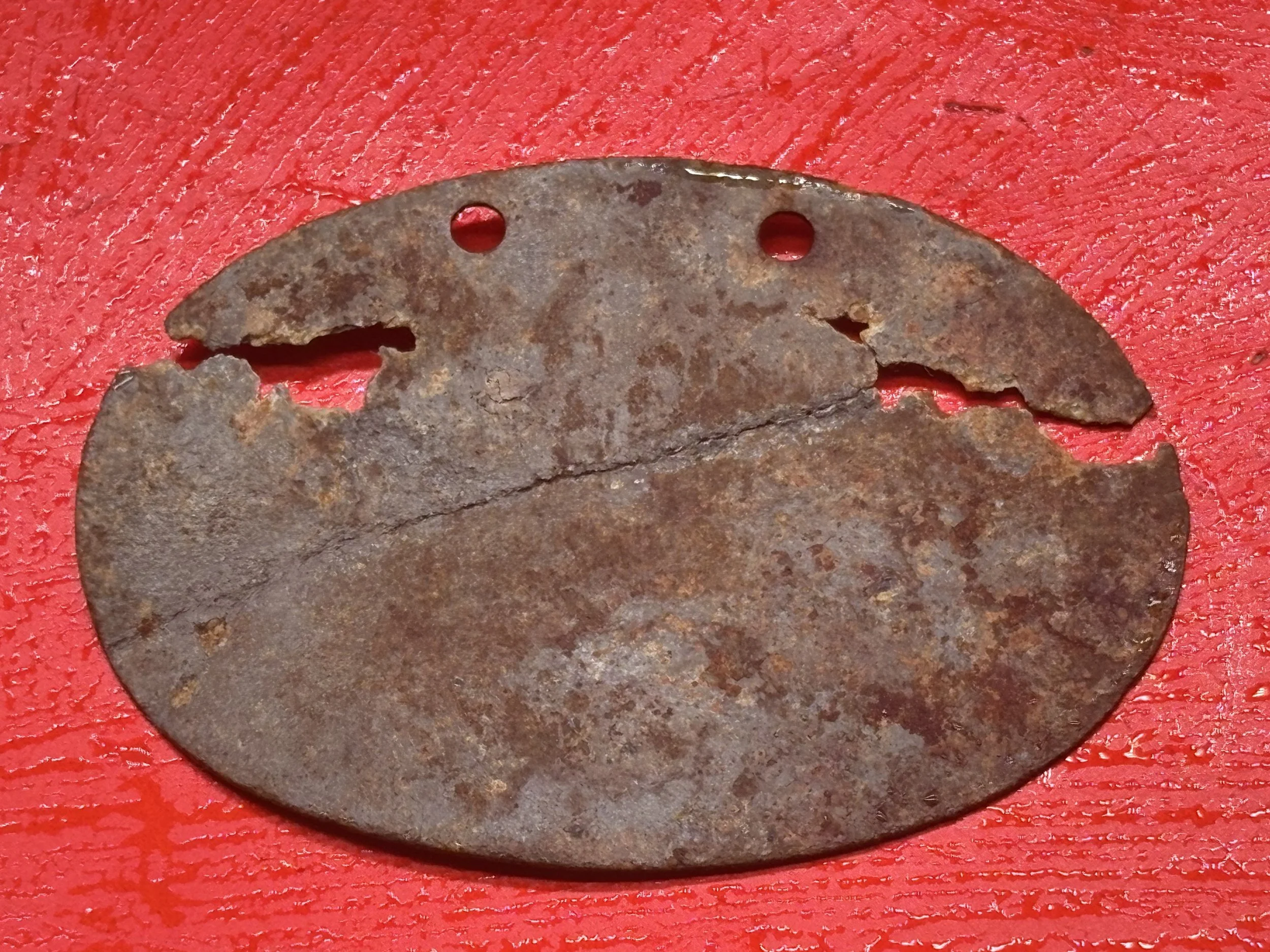 Image 8 of 9
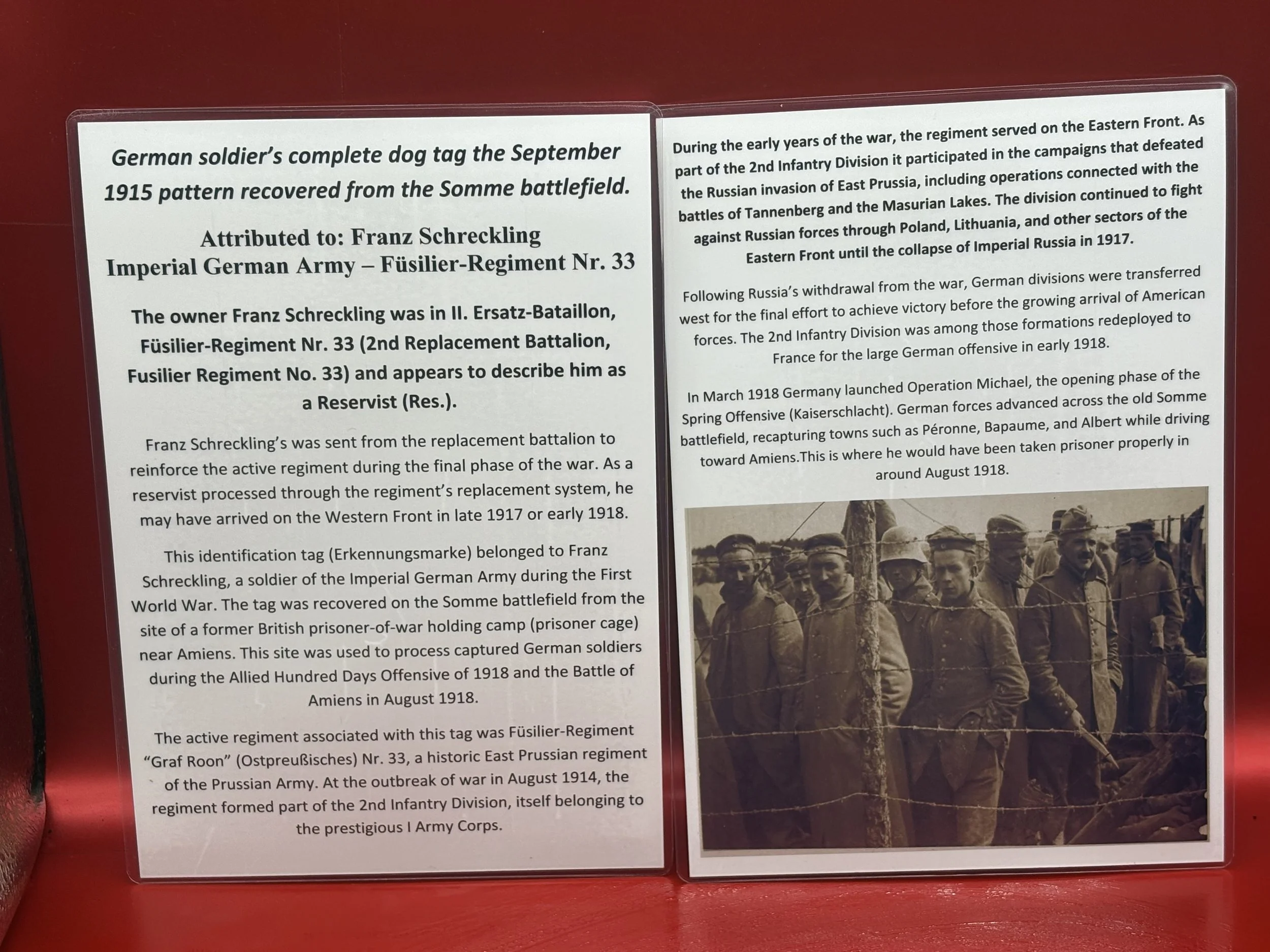 Image 9 of 9