This is a German soldiers dog tag for soldier Diedrich Jasper Reserve-Fußartillerie-Regiment Nr. 23 they operated the heaviest artillery guns in the German Army. The tag is rare to find from the battlefield in this a nice condition with all of its markings still fairly clear to see overall nice relic but solid condition; not crumbling or breaking up, and has been well cleaned and is perfect for display or any collection. The tag was recovered on the Somme battlefield from the site of a former British prisoner-of-war holding camp (prisoner cage) near Amiens. This site was used to process captured German soldiers during the Allied Hundred Days Offensive of 1918 and the Battle of Amiens in August 1918.
The tag comes with 3xA5 laminated information sheets with pictures.
Diedrich Jasper From Elmendorf, Oldenburg, Germany
Born: 4 November 1882, Personal military number: 133
The disc is stamped with his name, home village, date of birth and military unit. Diedrich Jasper was born in Elmendorf, a village in the Grand Duchy of Oldenburg in north-west Germany. When war broke out in August 1914, he was already 31 years old, significantly older than the teenage and early-twenties recruits which were common.
Foot Artillery units required trained specialists rather than simply manpower. Older reservists were frequently employed because experience and technical knowledge were highly valued. Unlike ordinary field artillery, Foot Artillery (Fußartillerie) operated the heaviest weapons available to the Imperial German Army.
Although Diedrich Jasper's exact battery is unknown, a reserve heavy artillery regiment on the Western Front could have operated weapons such as:
15 cm cemetery schwere Feldhaubitze 13 (yy?DrsFH 13)
This was one of Germany's standard heavy howitzers and was extensively used on the Somme.
21 cm Mörser 16 and the 10 cm Kanone 17
Both are powerful siege and destruction weapons capable of demolishing trenches, strongpoints and artillery positions. Used for counter-battery fire and deep bombardment
Unlike infantry regiments, heavy artillery units were often moved between armies and corps according to operational needs.
Rather than serving permanently within one division, batteries could be detached wherever major offensives or defensive operations required additional firepower. Heavy artillery formations therefore appeared repeatedly at the most important battlefields of the war
Heavy artillery was essential in every one of these operations. the Imperial German Army maintained numerous Foot Artillery regiments equipped with heavy guns and howitzers for major offensive and defensive operations
In March 1918 Germany launched Operation Michael, the opening phase of the Spring Offensive (Kaiserschlacht). German forces advanced across the old Somme battlefield, recapturing towns such as Péronne, Bapaume, and Albert while driving toward Amiens. This is where Diedrich Jasper at the age of 35 years old would have been taken prisoner properly in around August 1918.
This is a German soldiers dog tag for soldier Diedrich Jasper Reserve-Fußartillerie-Regiment Nr. 23 they operated the heaviest artillery guns in the German Army. The tag is rare to find from the battlefield in this a nice condition with all of its markings still fairly clear to see overall nice relic but solid condition; not crumbling or breaking up, and has been well cleaned and is perfect for display or any collection. The tag was recovered on the Somme battlefield from the site of a former British prisoner-of-war holding camp (prisoner cage) near Amiens. This site was used to process captured German soldiers during the Allied Hundred Days Offensive of 1918 and the Battle of Amiens in August 1918.
The tag comes with 3xA5 laminated information sheets with pictures.
Diedrich Jasper From Elmendorf, Oldenburg, Germany
Born: 4 November 1882, Personal military number: 133
The disc is stamped with his name, home village, date of birth and military unit. Diedrich Jasper was born in Elmendorf, a village in the Grand Duchy of Oldenburg in north-west Germany. When war broke out in August 1914, he was already 31 years old, significantly older than the teenage and early-twenties recruits which were common.
Foot Artillery units required trained specialists rather than simply manpower. Older reservists were frequently employed because experience and technical knowledge were highly valued. Unlike ordinary field artillery, Foot Artillery (Fußartillerie) operated the heaviest weapons available to the Imperial German Army.
Although Diedrich Jasper's exact battery is unknown, a reserve heavy artillery regiment on the Western Front could have operated weapons such as:
15 cm cemetery schwere Feldhaubitze 13 (yy?DrsFH 13)
This was one of Germany's standard heavy howitzers and was extensively used on the Somme.
21 cm Mörser 16 and the 10 cm Kanone 17
Both are powerful siege and destruction weapons capable of demolishing trenches, strongpoints and artillery positions. Used for counter-battery fire and deep bombardment
Unlike infantry regiments, heavy artillery units were often moved between armies and corps according to operational needs.
Rather than serving permanently within one division, batteries could be detached wherever major offensives or defensive operations required additional firepower. Heavy artillery formations therefore appeared repeatedly at the most important battlefields of the war
Heavy artillery was essential in every one of these operations. the Imperial German Army maintained numerous Foot Artillery regiments equipped with heavy guns and howitzers for major offensive and defensive operations
In March 1918 Germany launched Operation Michael, the opening phase of the Spring Offensive (Kaiserschlacht). German forces advanced across the old Somme battlefield, recapturing towns such as Péronne, Bapaume, and Albert while driving toward Amiens. This is where Diedrich Jasper at the age of 35 years old would have been taken prisoner properly in around August 1918.

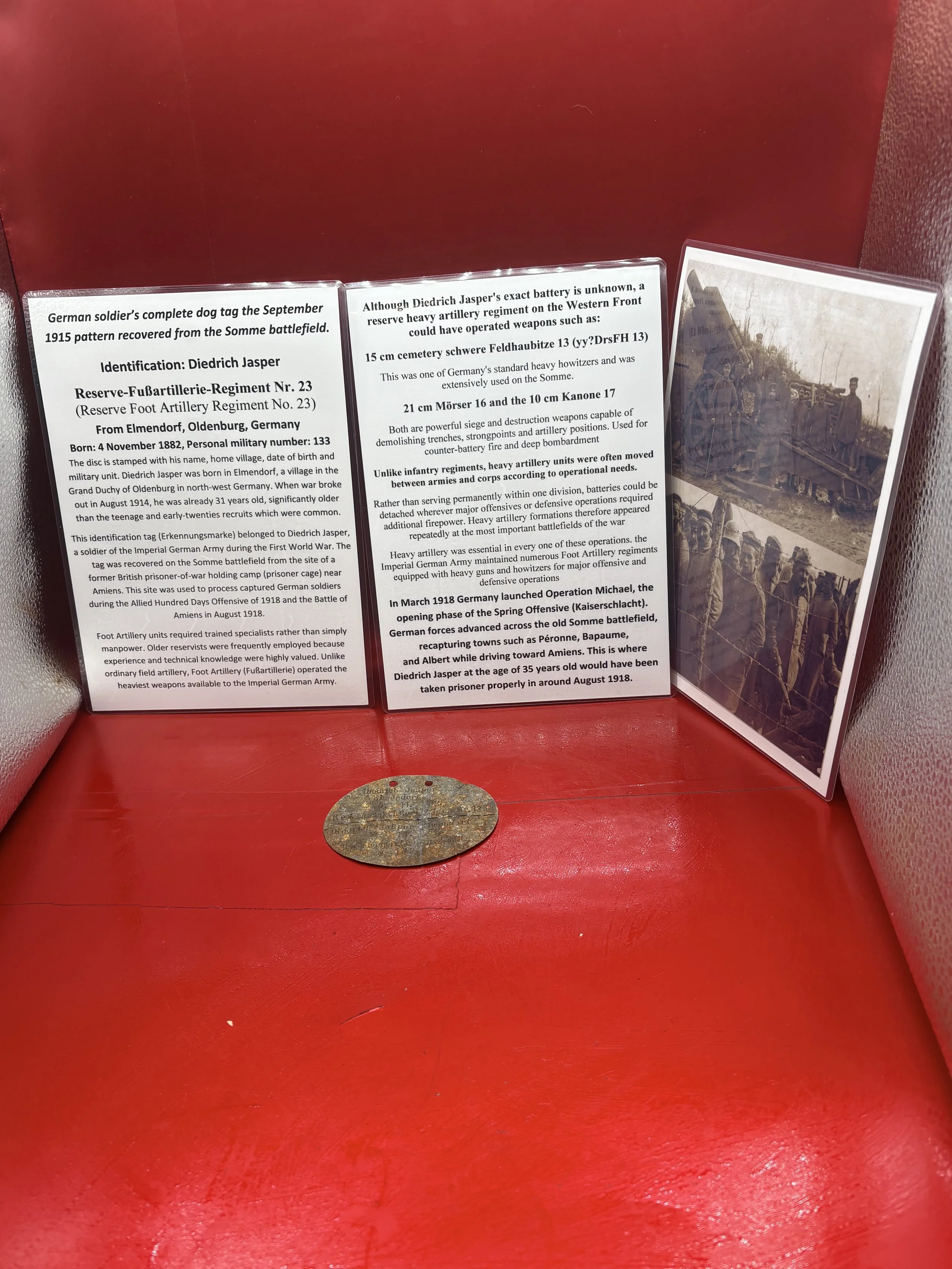 Image 1 of 8
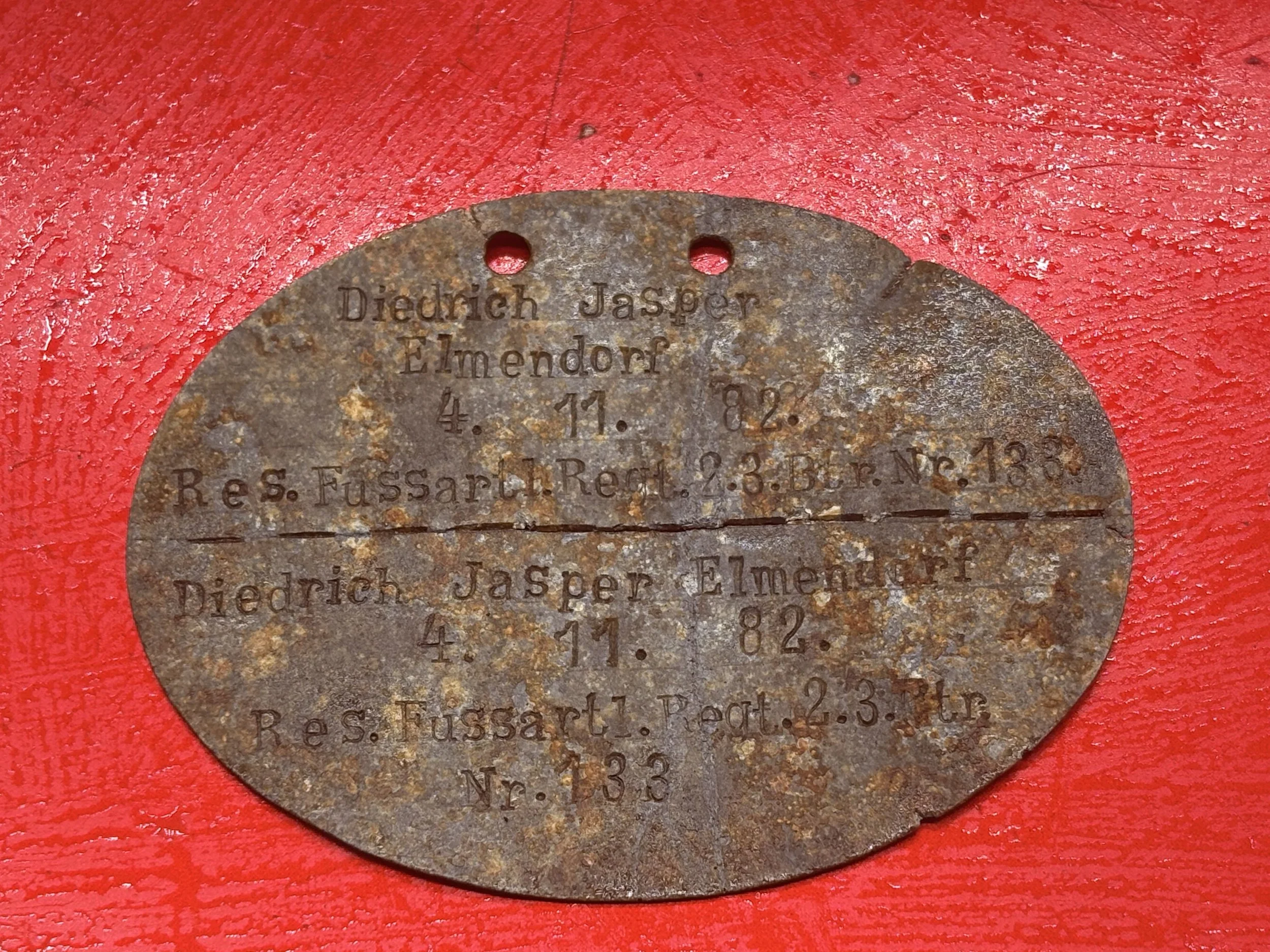 Image 2 of 8
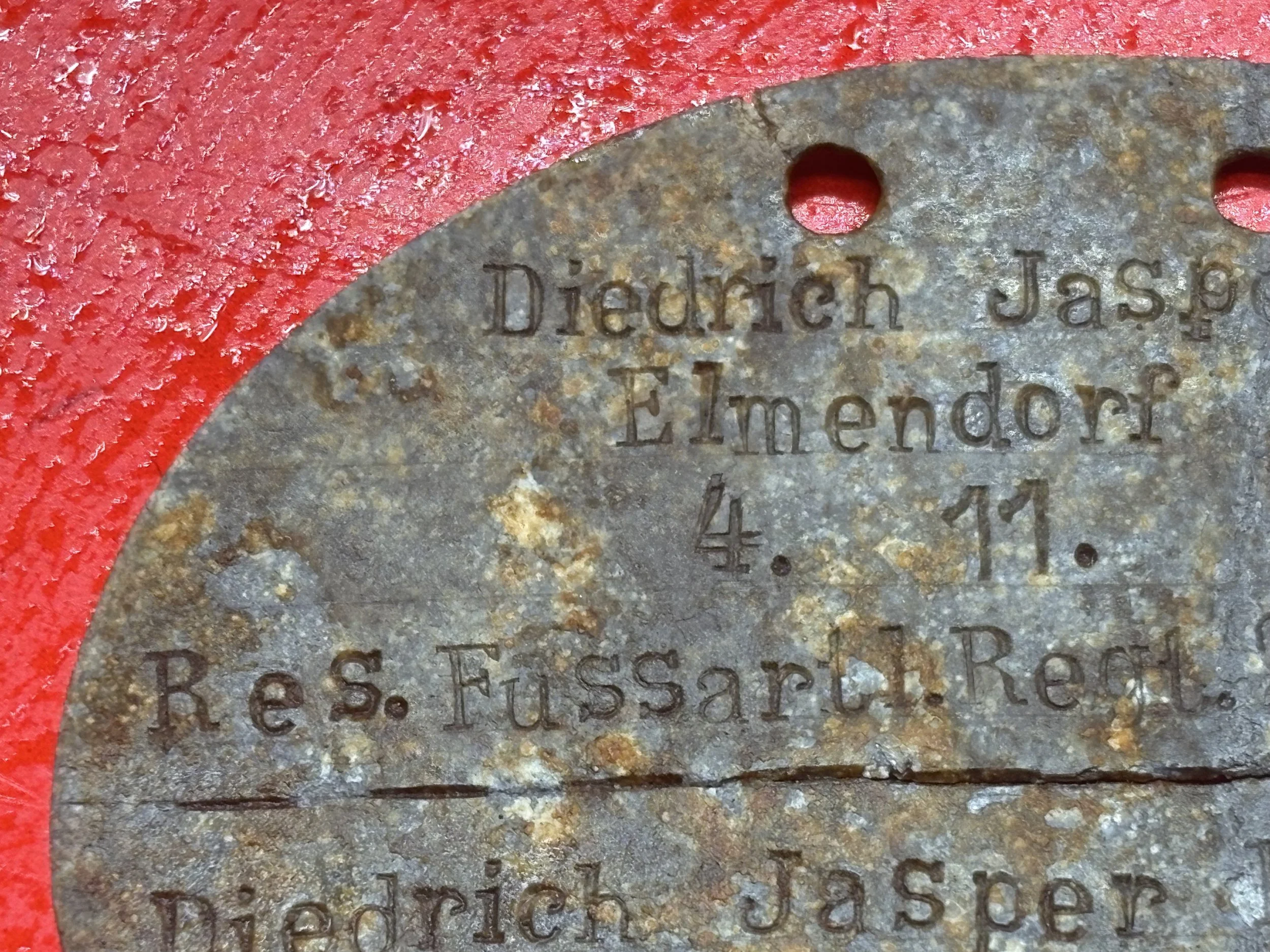 Image 3 of 8
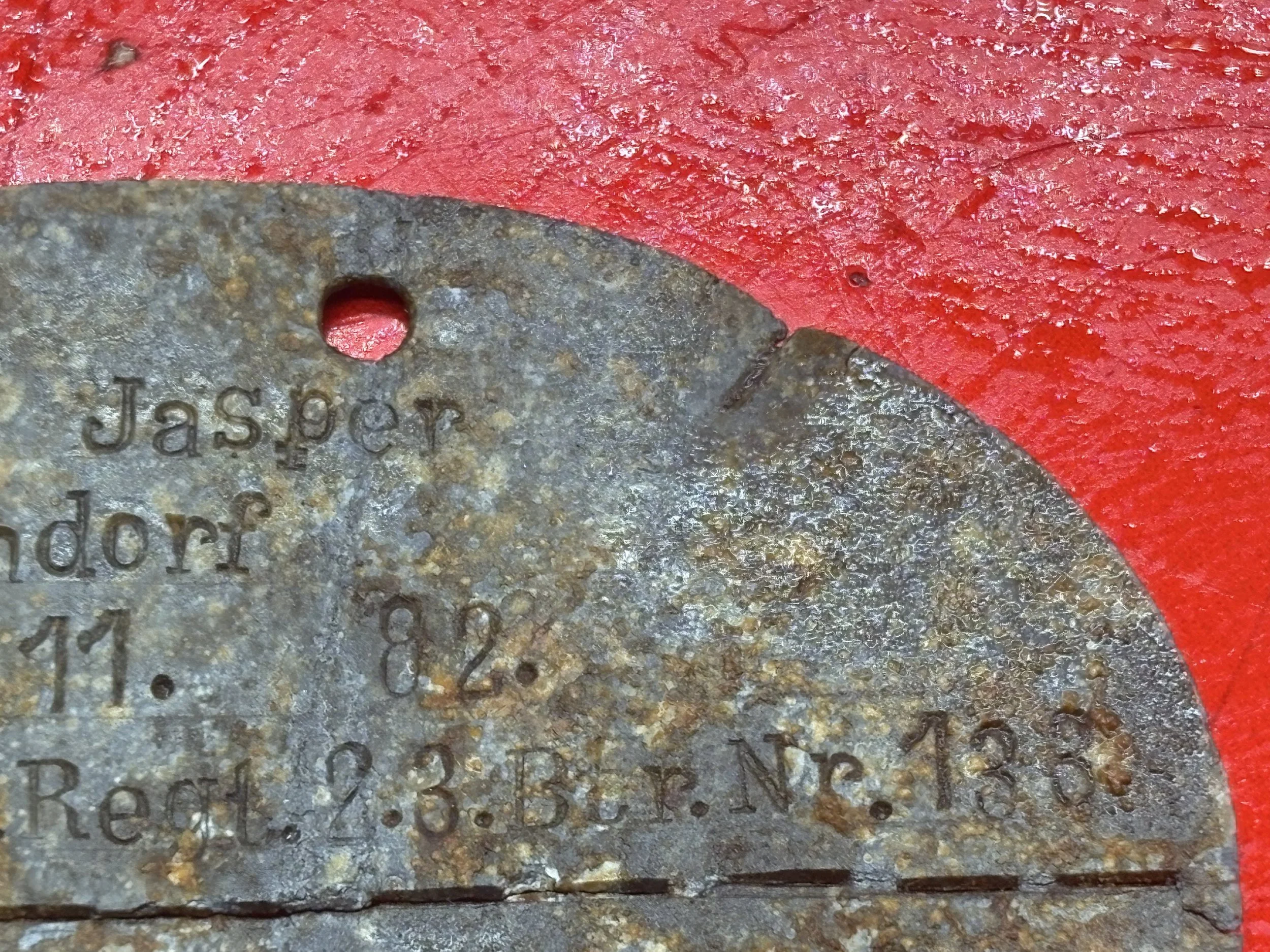 Image 4 of 8
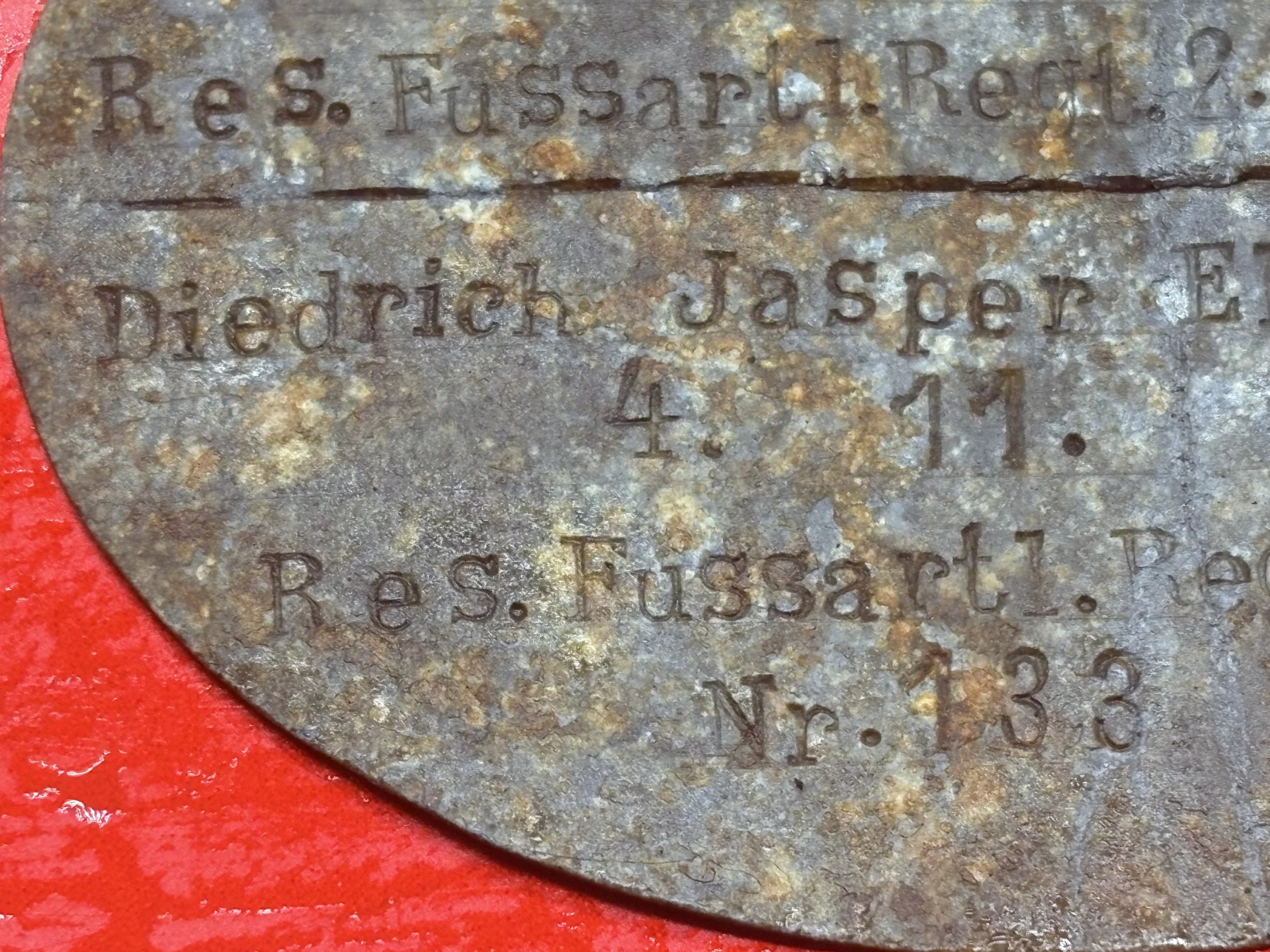 Image 5 of 8
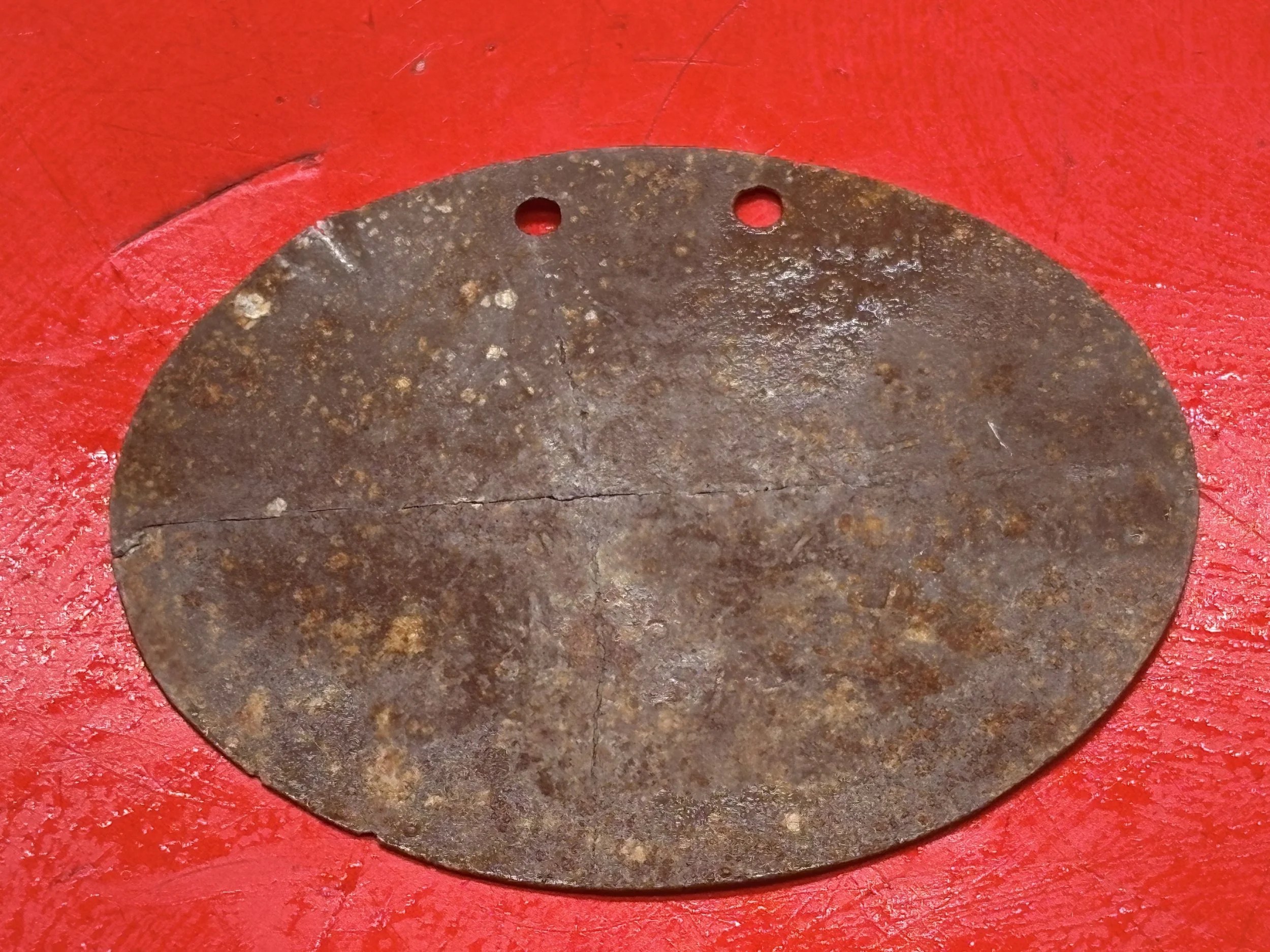 Image 6 of 8
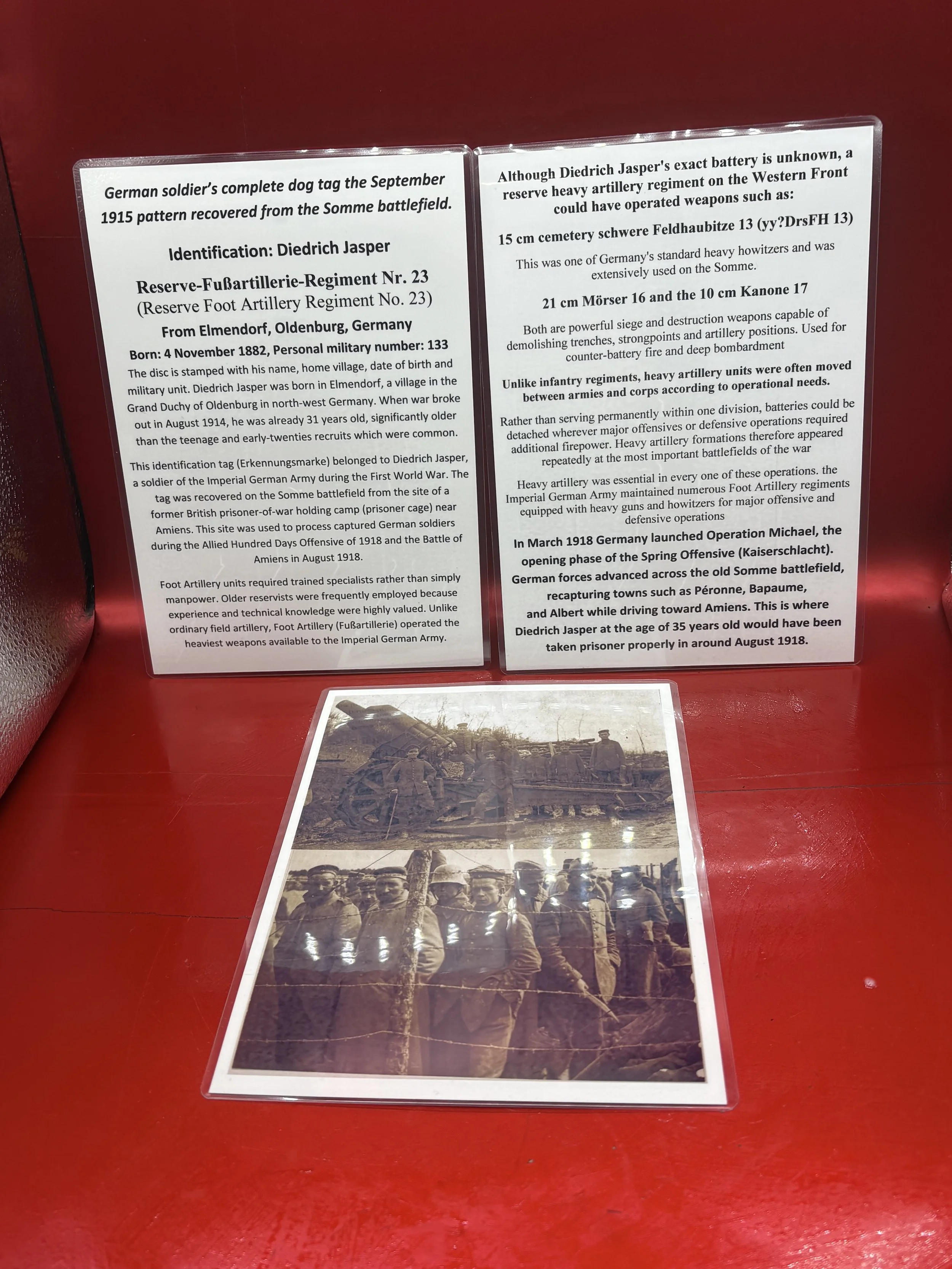 Image 7 of 8
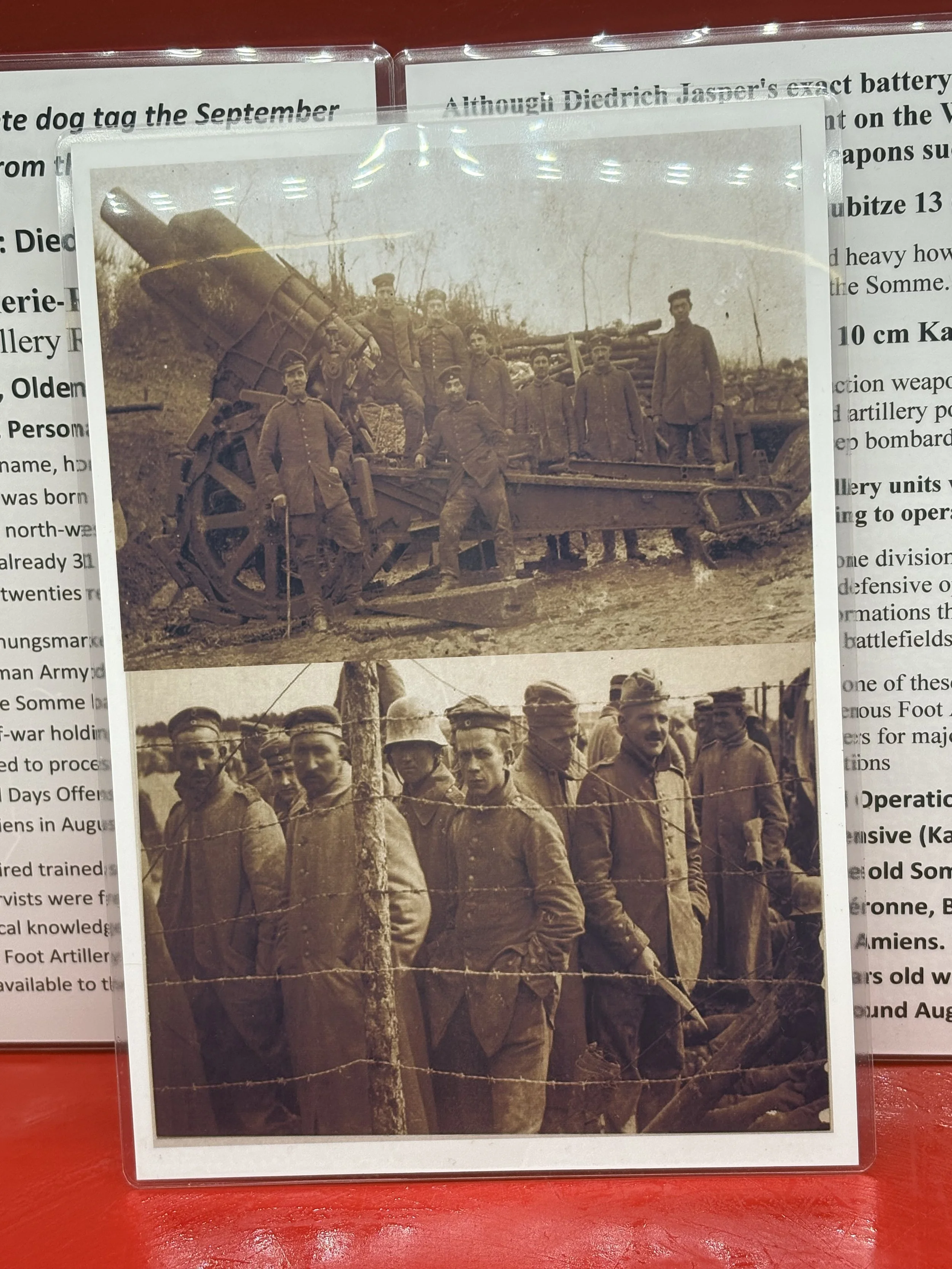 Image 8 of 8