German M42 helmet likely from the 116th Panzer Division with remains of original black rubber foliage band still stuck to the shell, recovered from the woods around the village of Mont near Houffalize in the Ardennes forest.
Amazingly rare to find a relic helmet with the rubber band still in place!
Helmet has a good amount of original paint remaining outside - rubber band is still attached for just over halfway, other parts perished and detached with a small section missing
Between January 3 and 16, 1945, during the withdrawal toward Houffalize, the 116th Panzer Division's understrength Panzergrenadier regiments (the 60th and 156th) bore the brunt of the brutal rear-guard fighting in this sector. Frozen, depleted, and facing massive American superiority in artillery and manpower, these infantrymen dug into the icy hills to delay the U.S. pincer movement. While their few remaining tanks were immobilized by fuel shortages, the Panzergrenadiers fought desperate, close-quarters defensive actions in the snow, absorbing heavy casualties to keep the vital escape corridor open until the final pullback on January 16.

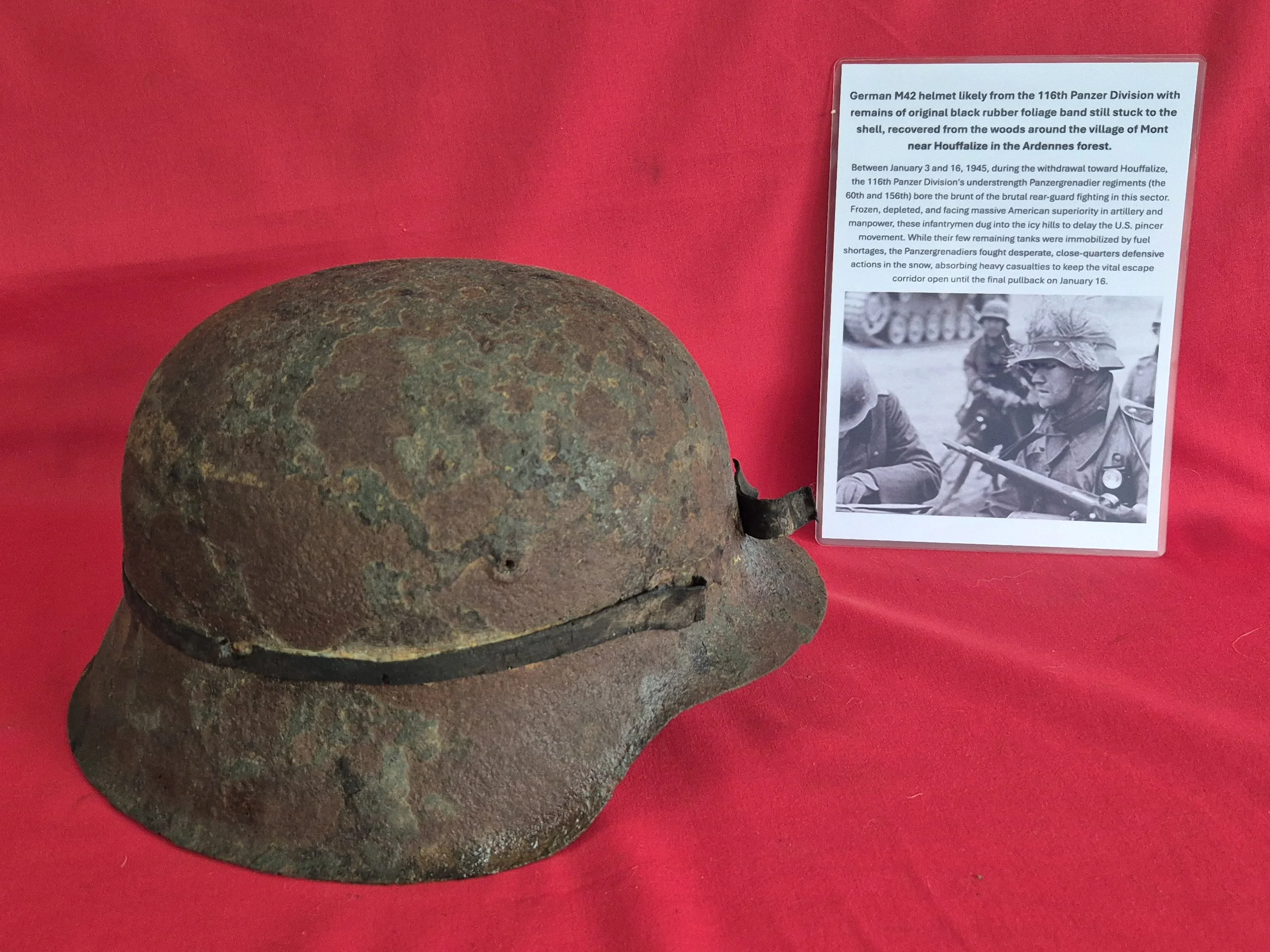 Image 1 of 15
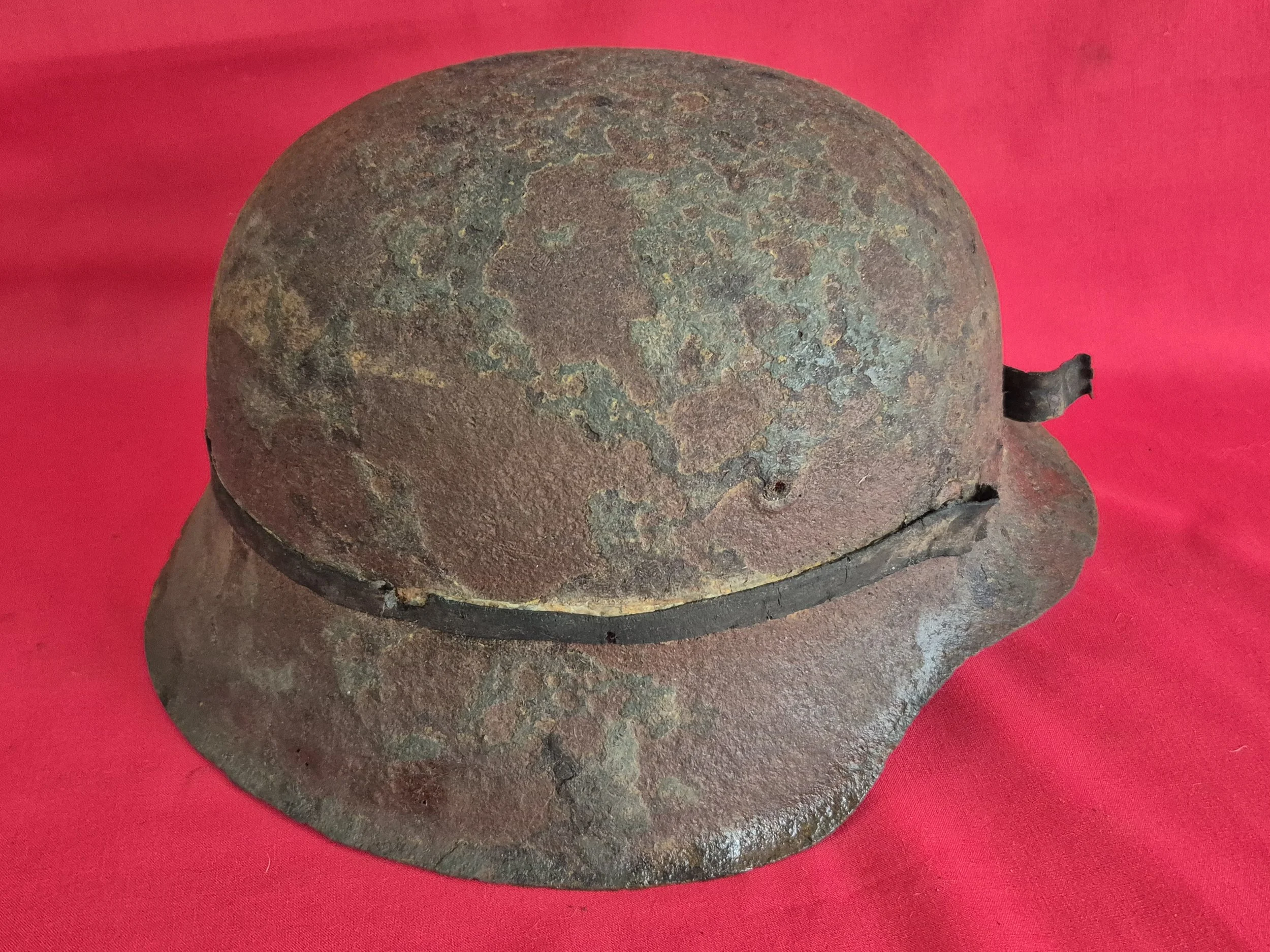 Image 2 of 15
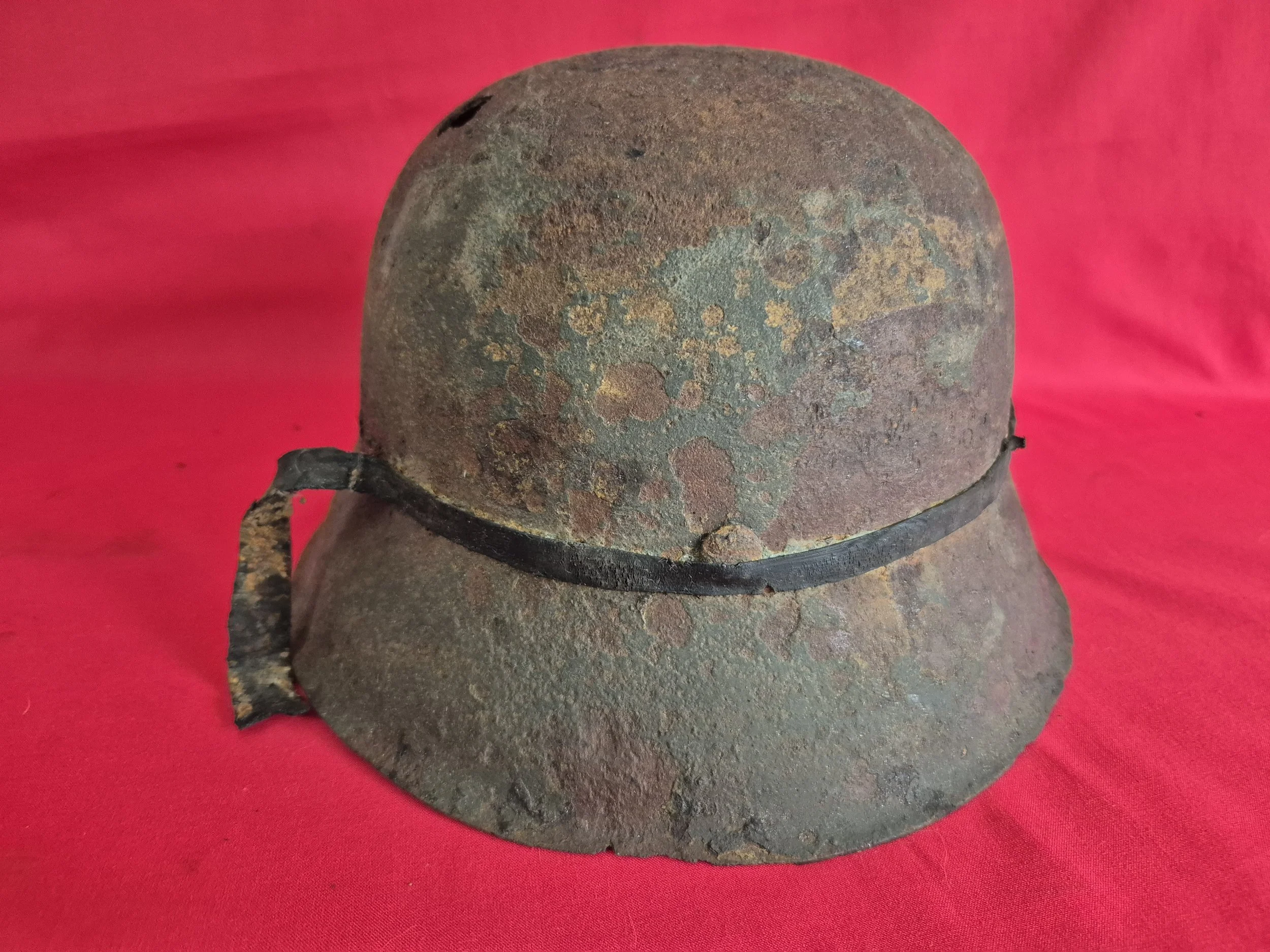 Image 3 of 15
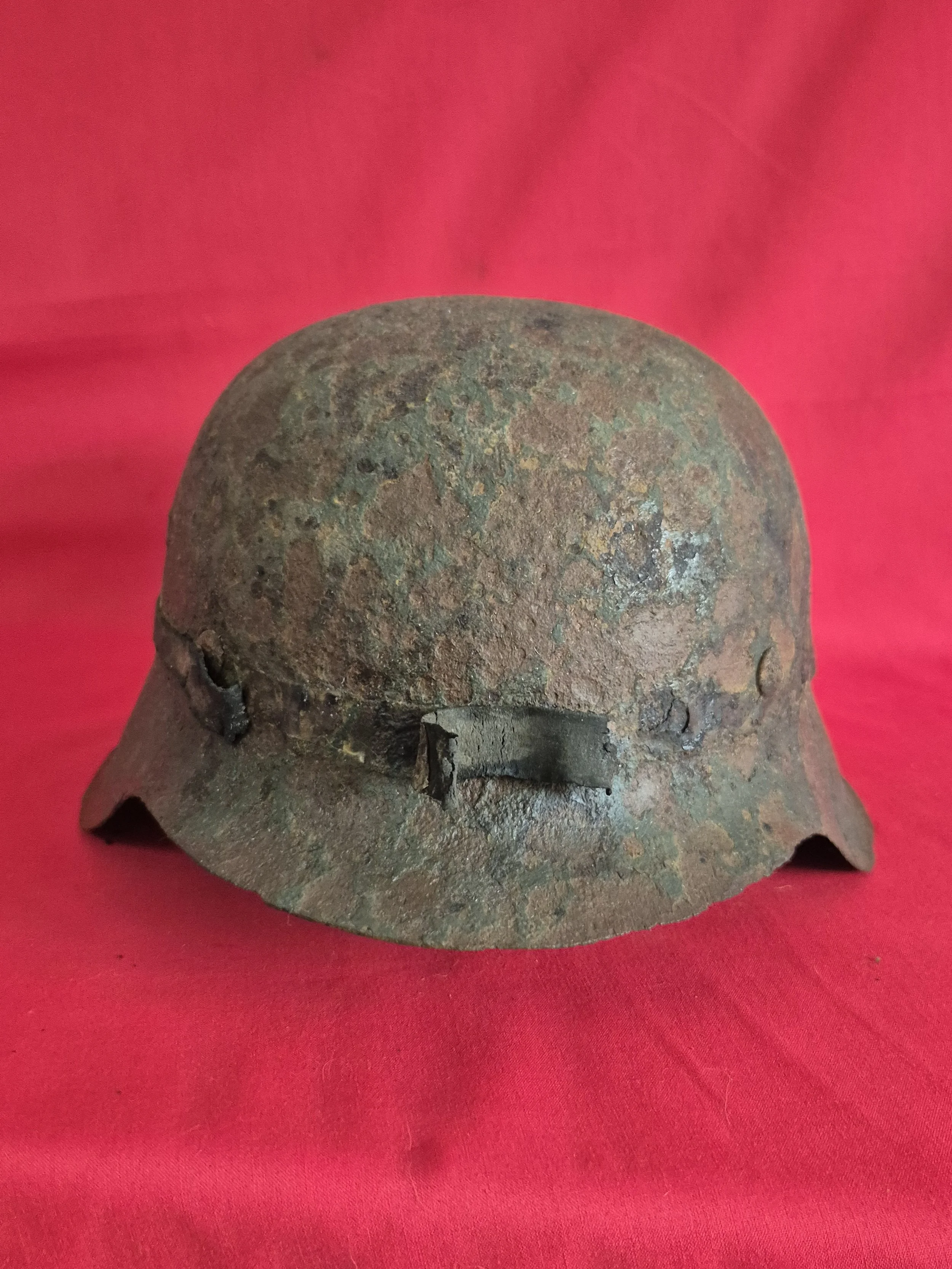 Image 4 of 15
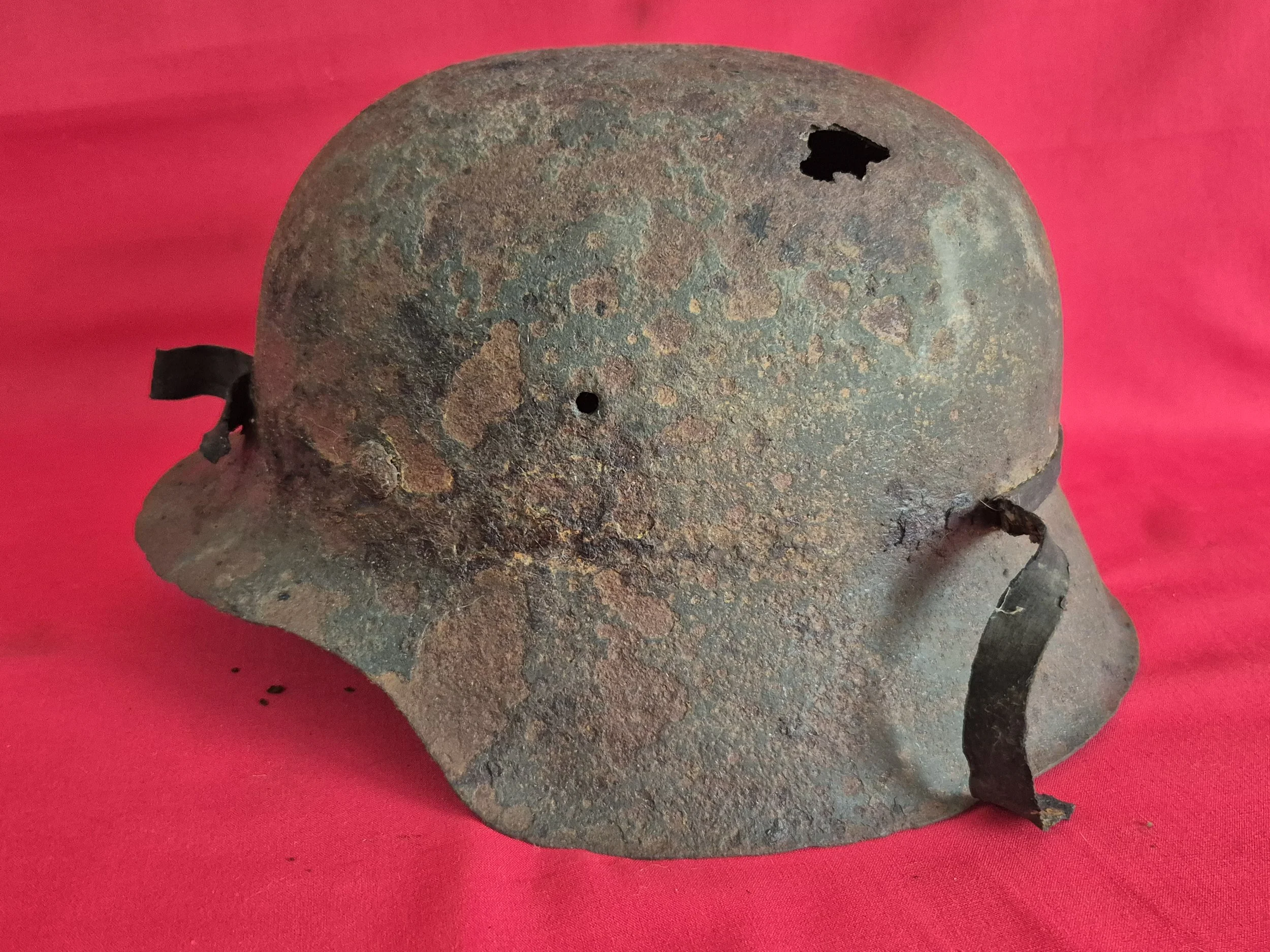 Image 5 of 15
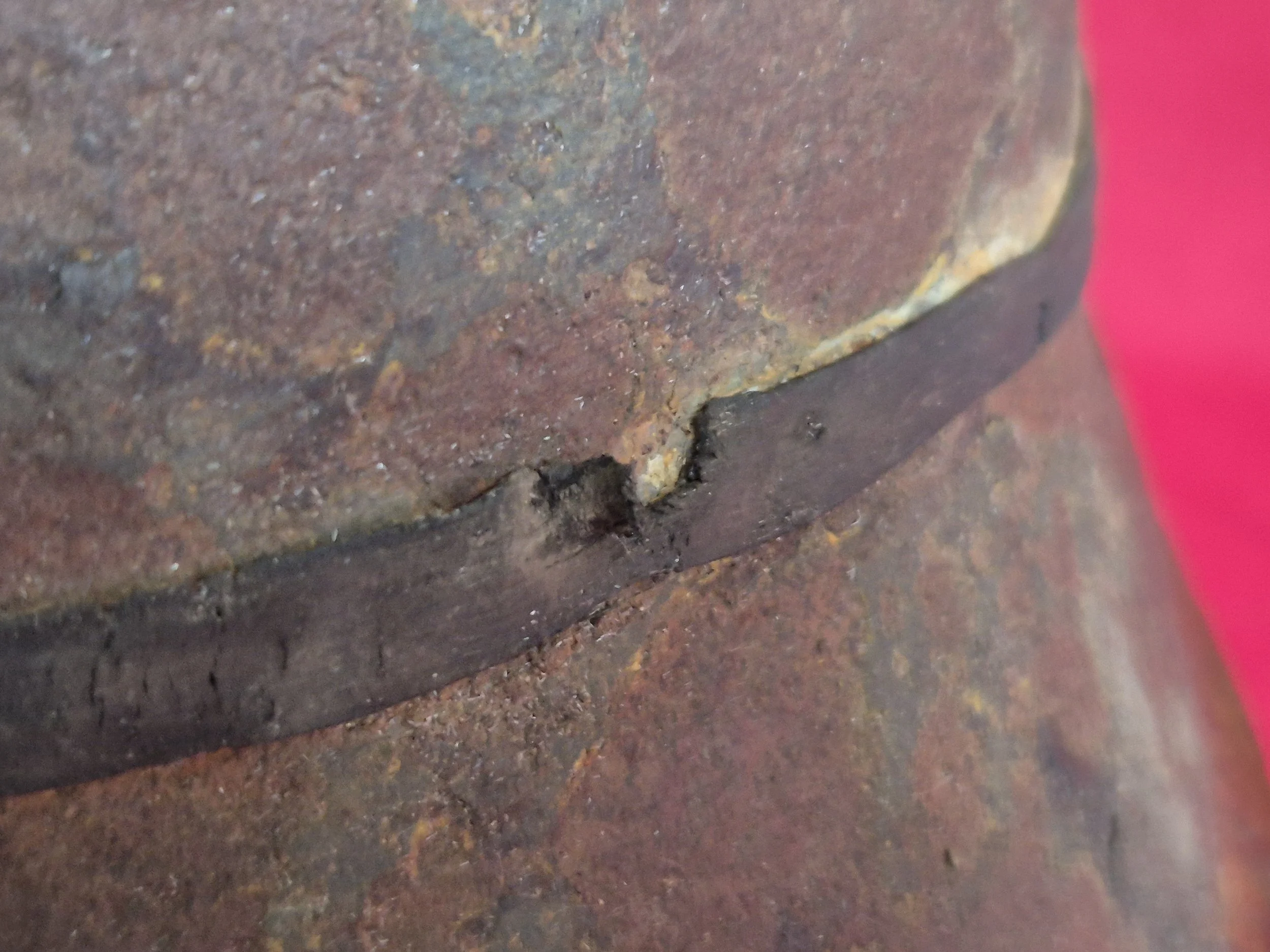 Image 6 of 15
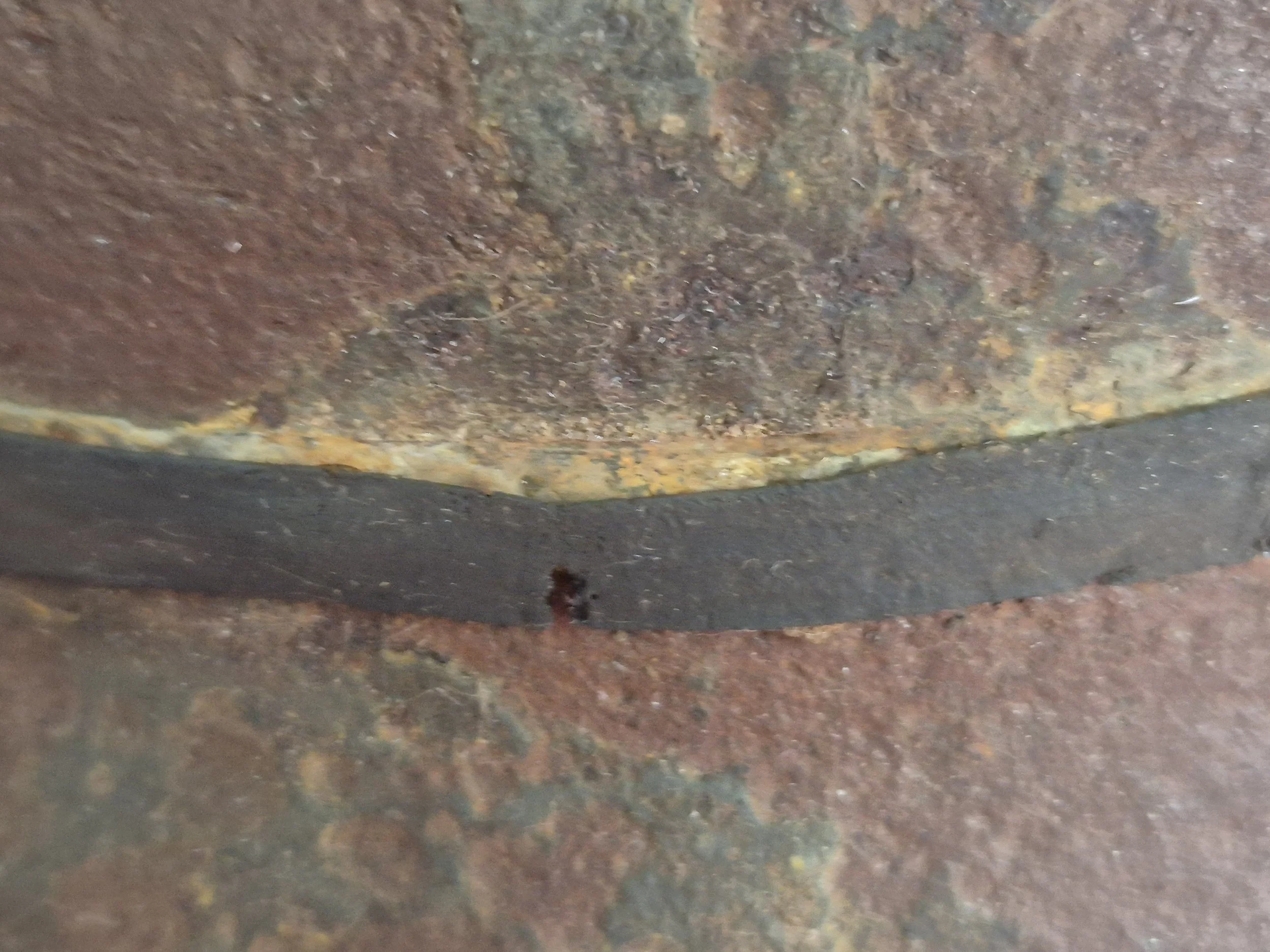 Image 7 of 15
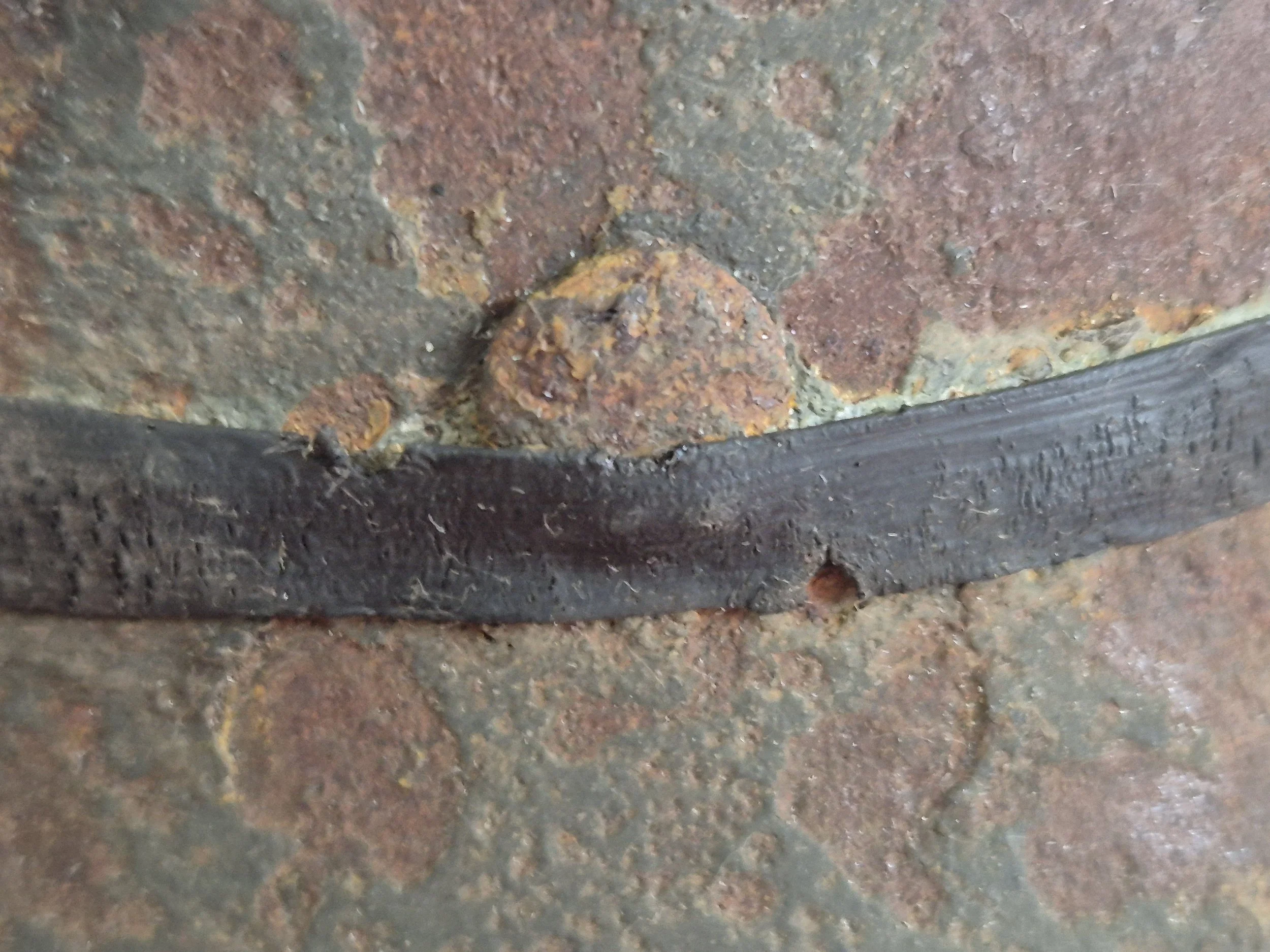 Image 8 of 15
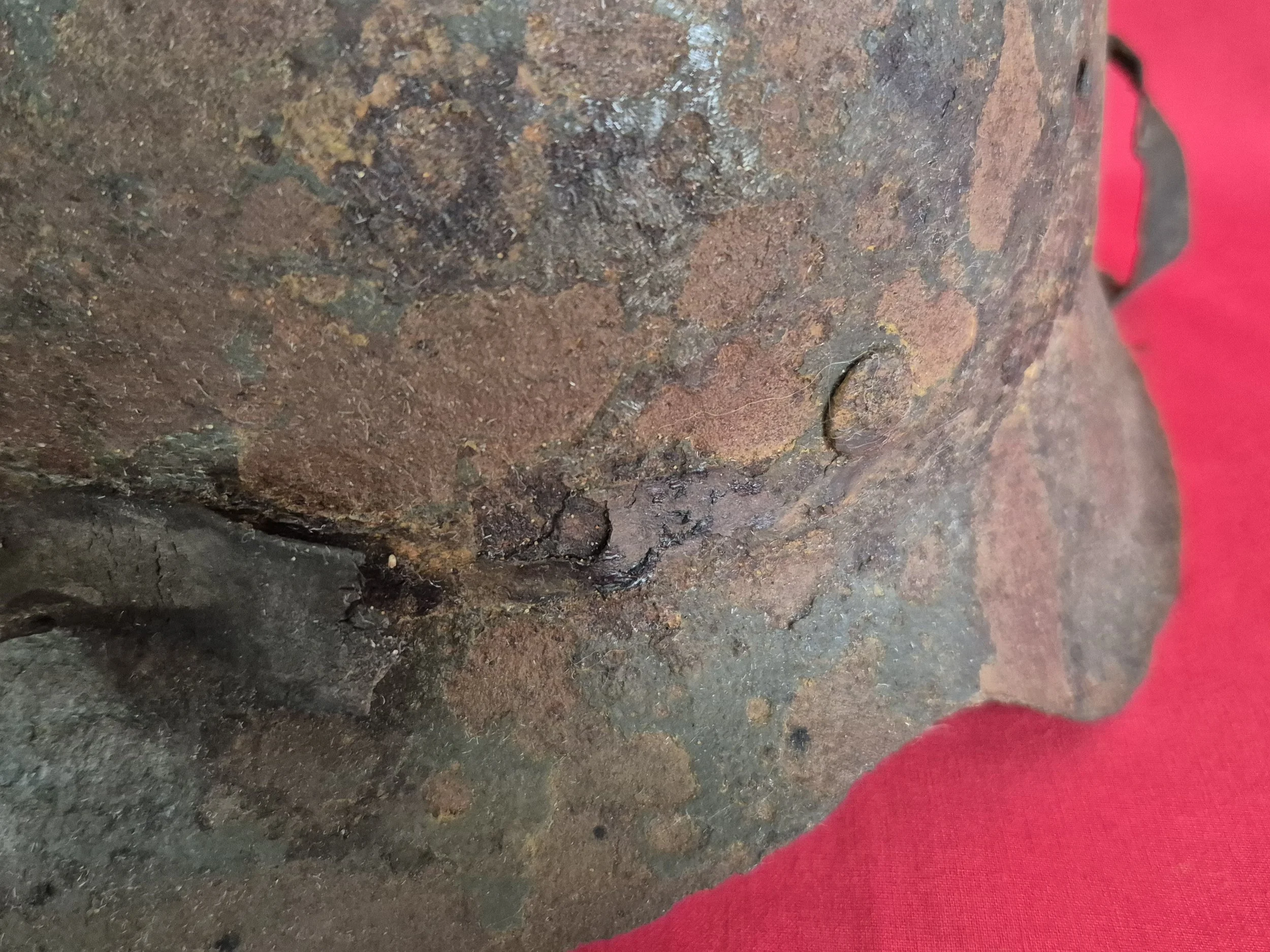 Image 9 of 15
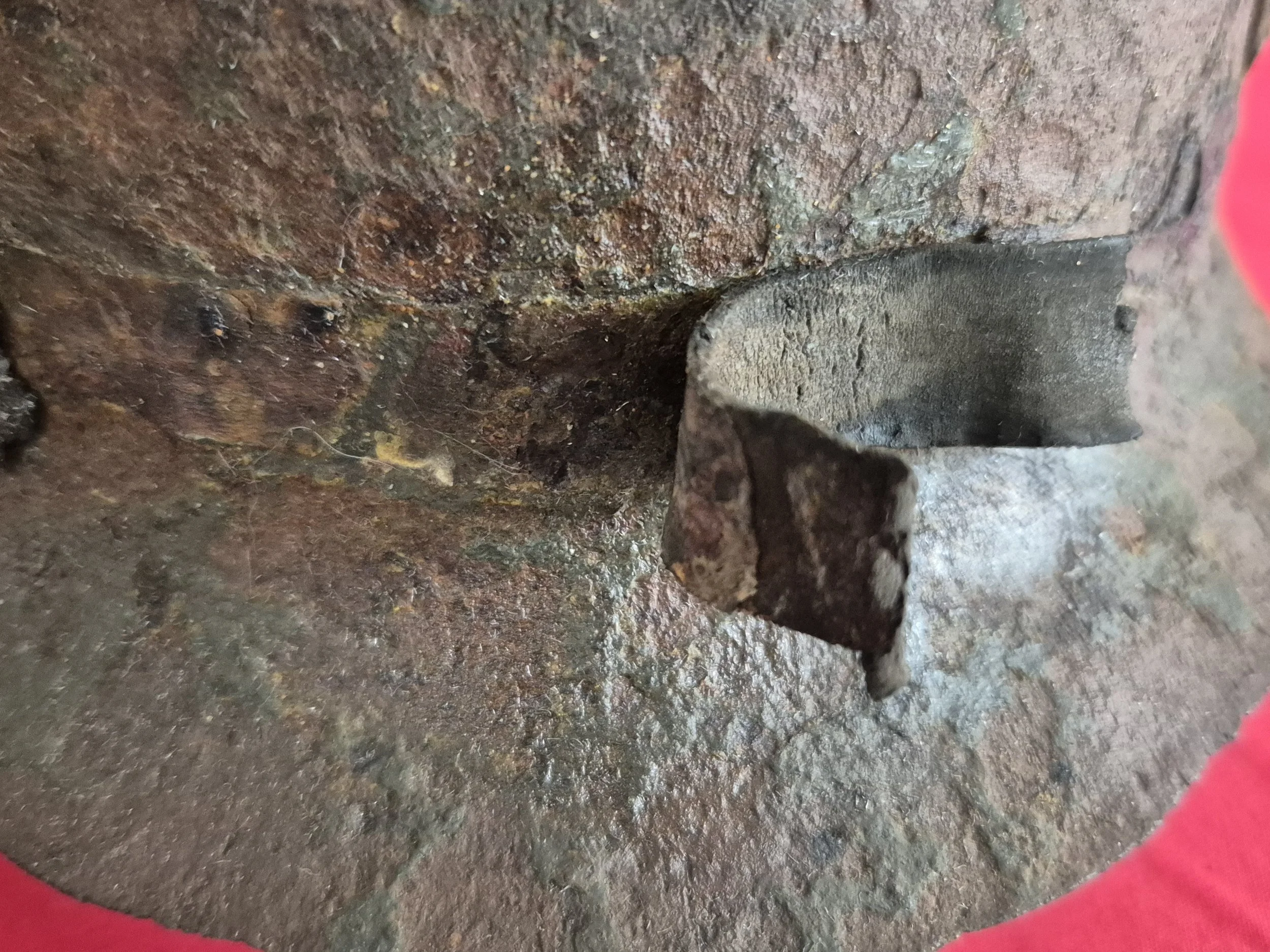 Image 10 of 15
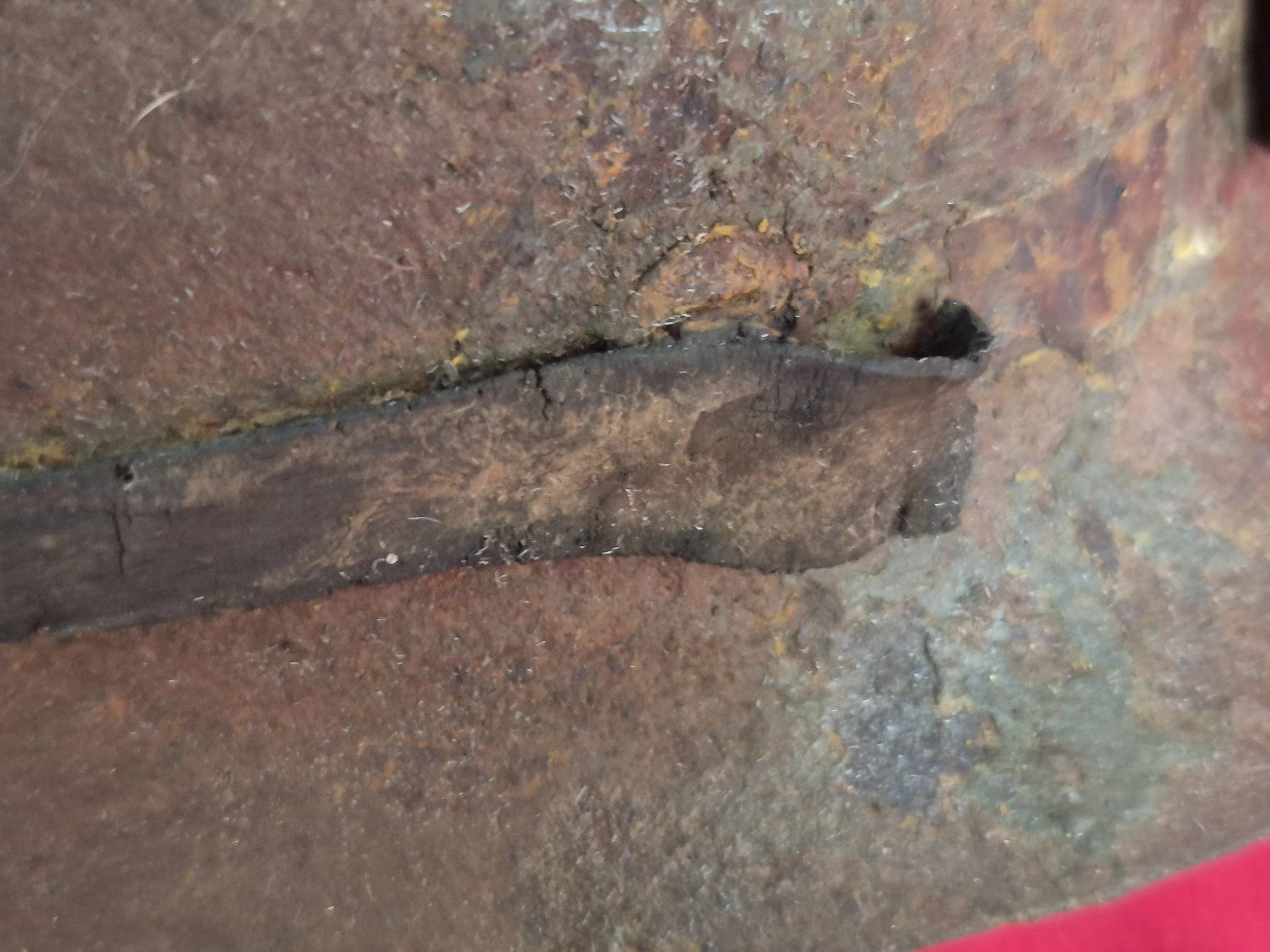 Image 11 of 15
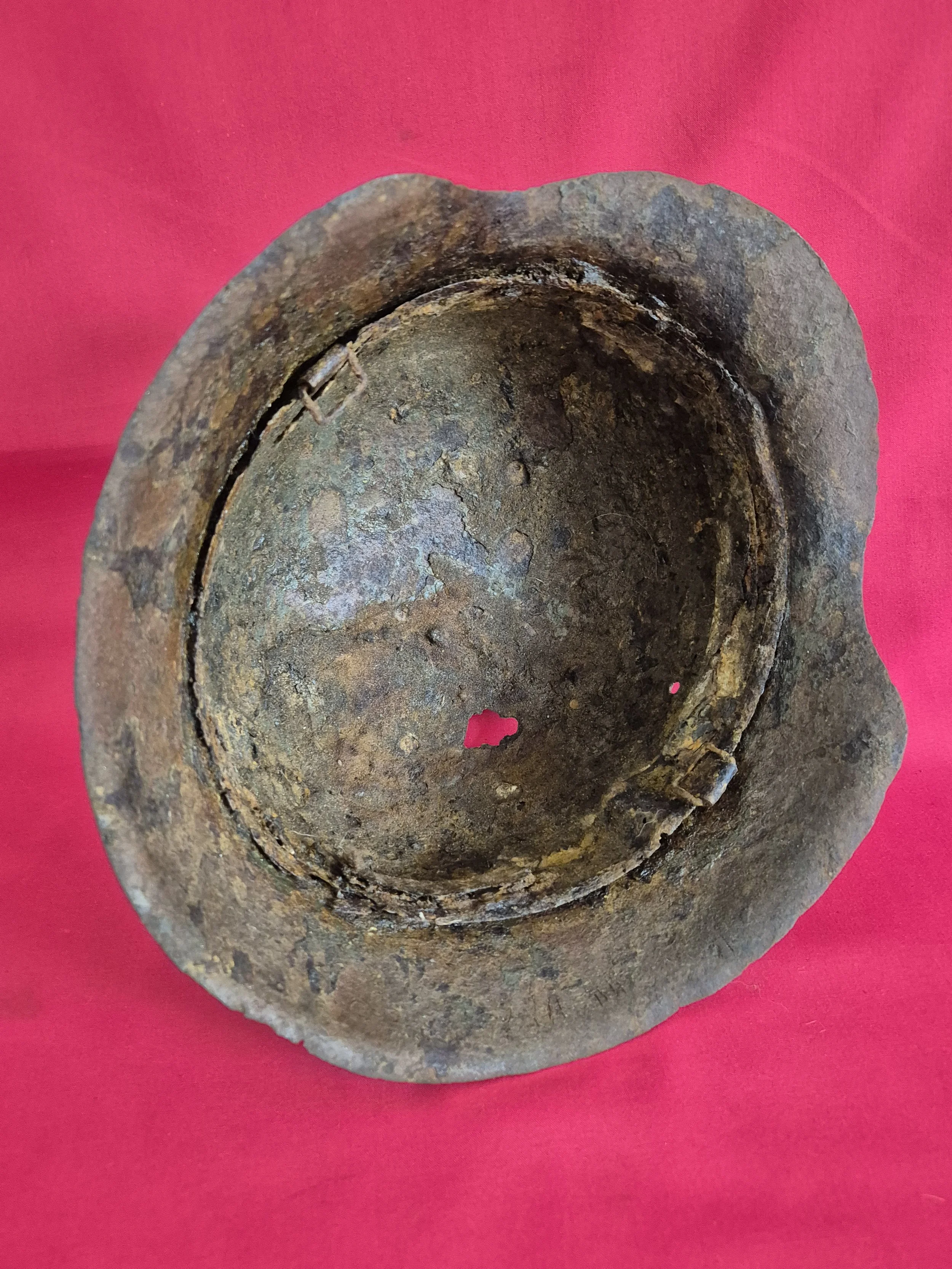 Image 12 of 15
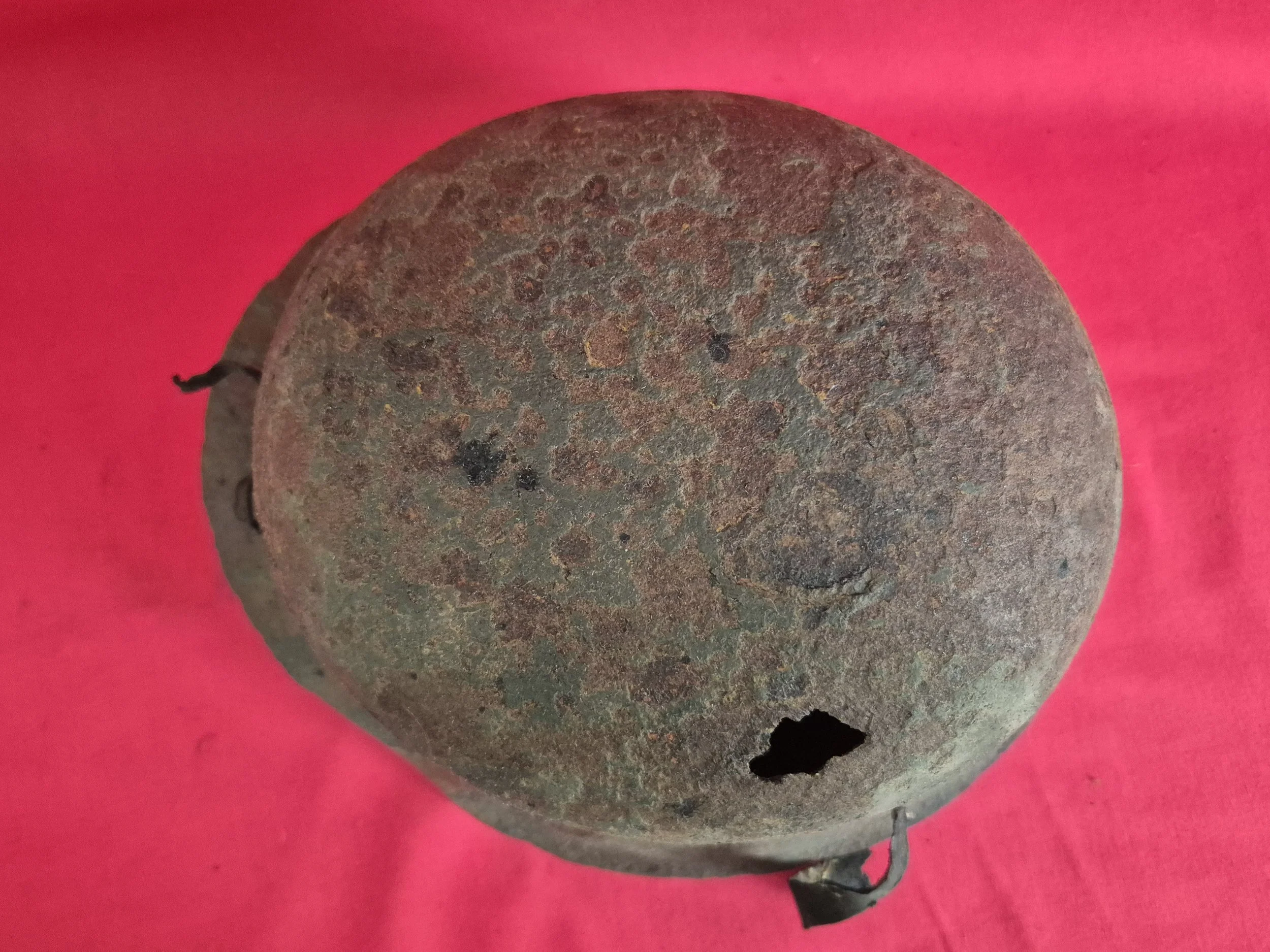 Image 13 of 15
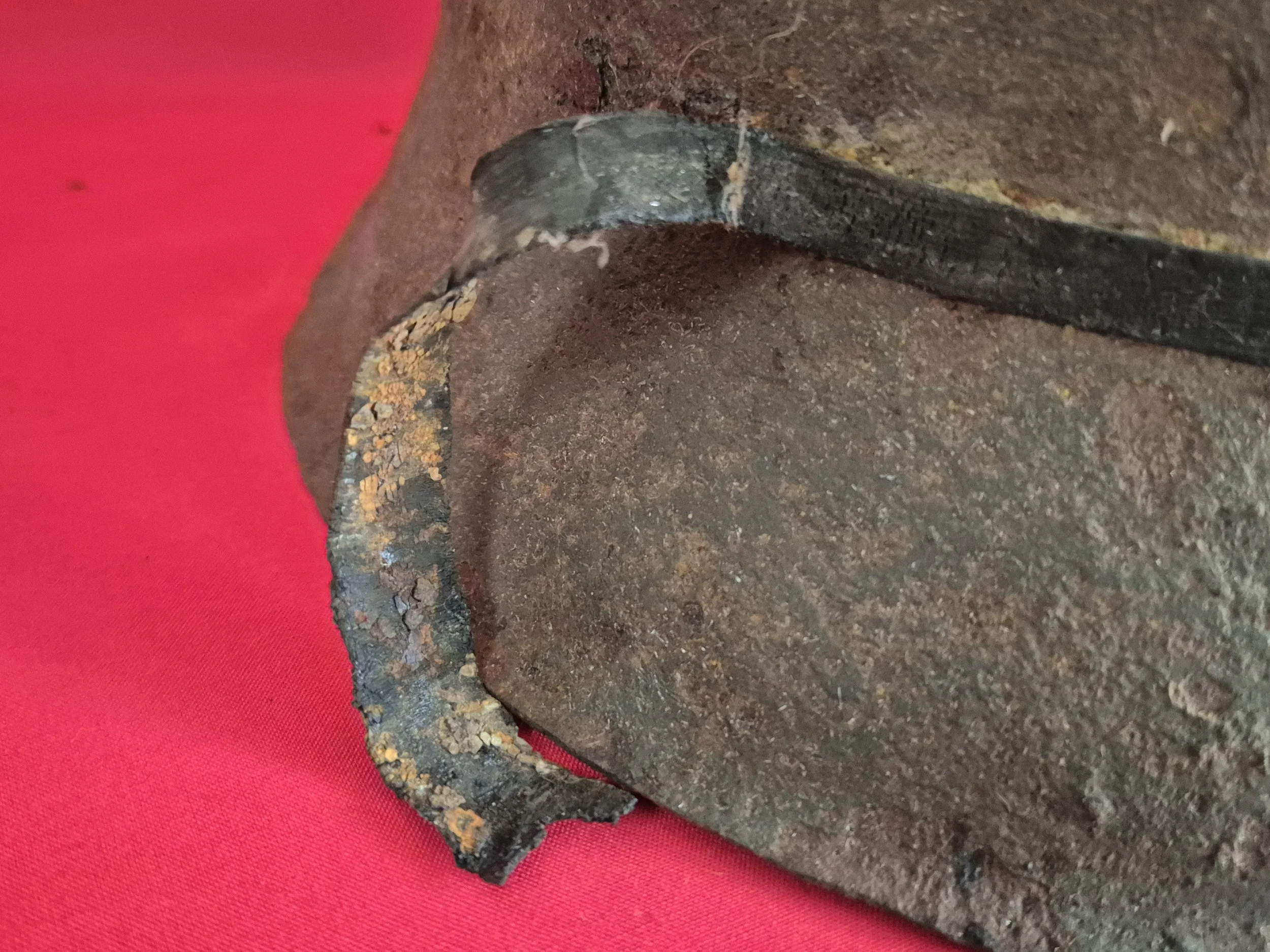 Image 14 of 15
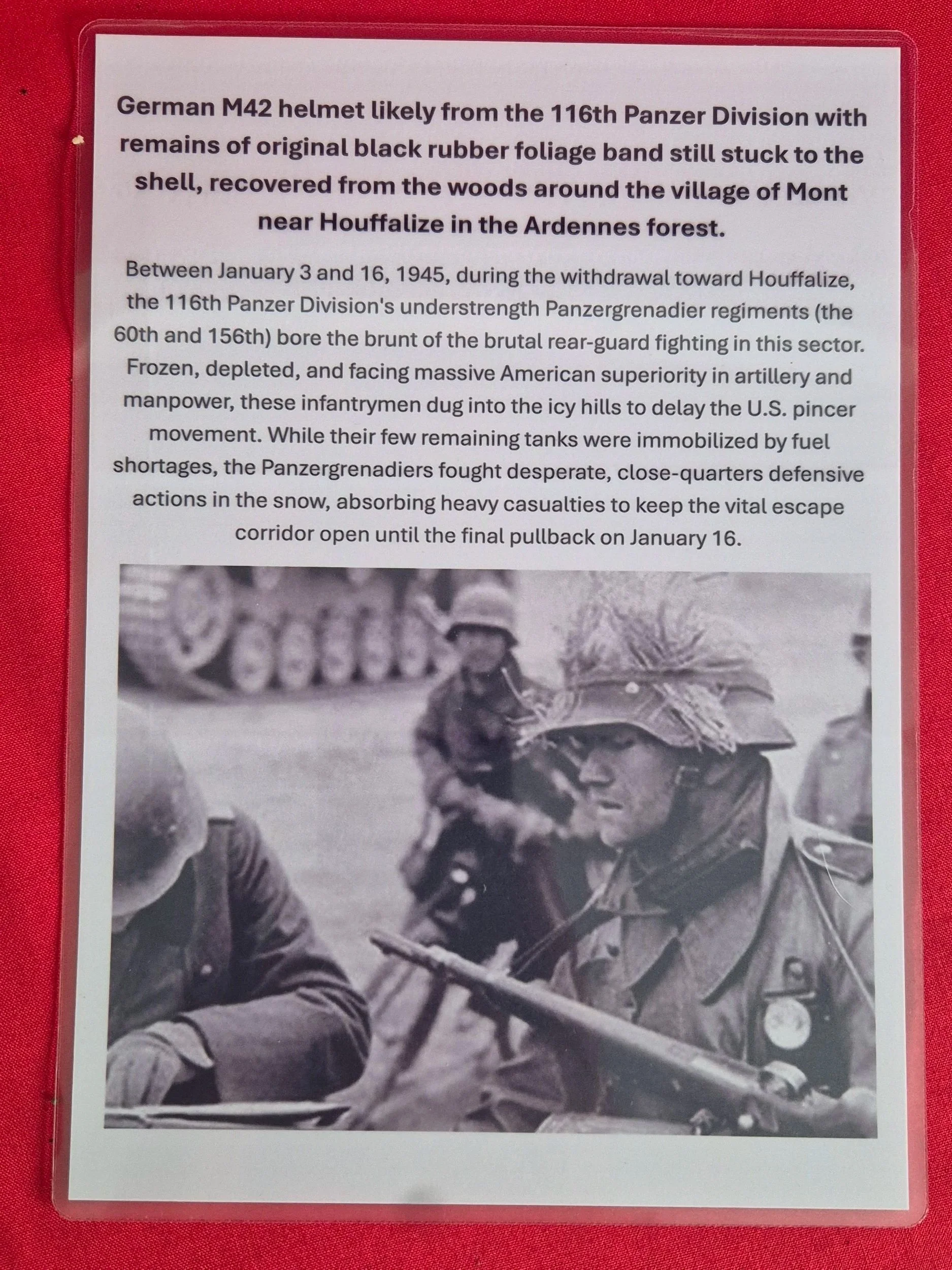 Image 15 of 15