German Luftwaffe vegetable mess serving bowl, recovered at the Deelen airbase (5km north of Arnhem) in Holland. used as a night fighter base by the Luftwaffe.
Fliegerhorst Deelen evolved into the ultimate command hub & premier base of the Luftwaffe’s night fighter arm (Nachtjagd) during WW II. Captured as a minor grass strip in 1940, the Germans systematically transformed it into a massive, heavily camouflaged 40-square-kilometer "fortress airfield" complete with heated concrete runways, false farmhouses hiding aircraft hangars, & an extensive narrow-gauge railway for munitions transport. Deelen served as the primary home base for Nachtjagdgeschwader 1 (NJG 1)—the most successful night fighter unit of the war—whose radar-equipped Messerschmitt Bf 110s & Junkers Ju 88s intercepted Allied bomber streams passing through the "Kammhuber Line." At its operational heart sat the Diogenes bunker, a massive, reinforced concrete command center where radar operators tracked British bombers and radioed real-time intercept vectors directly to the night fighters overhead, making Deelen a catastrophic bottleneck for Royal Air Force Bomber Command until devastating Allied air raids dismantled its infrastructure in late 1944.

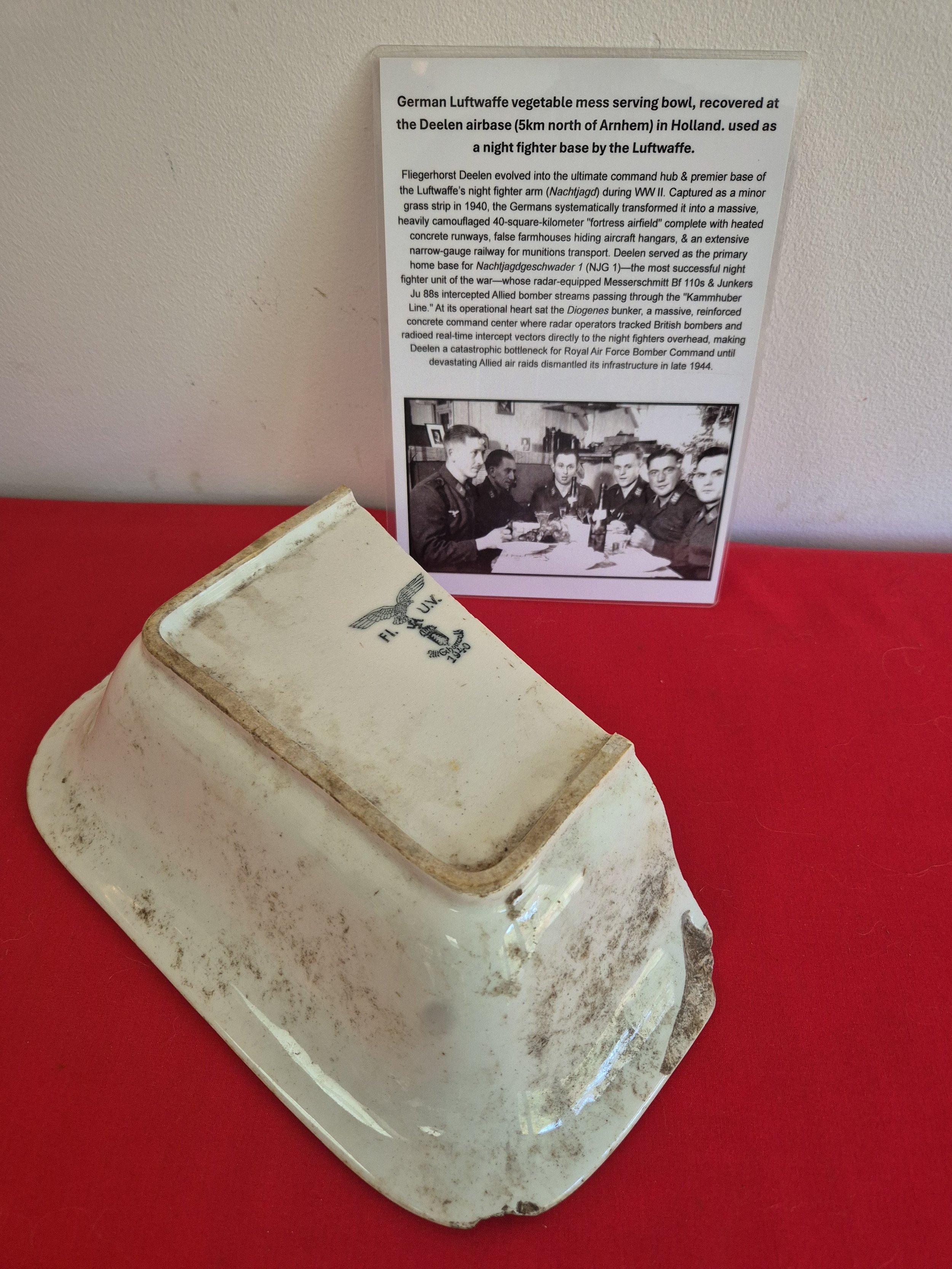 Image 1 of 5
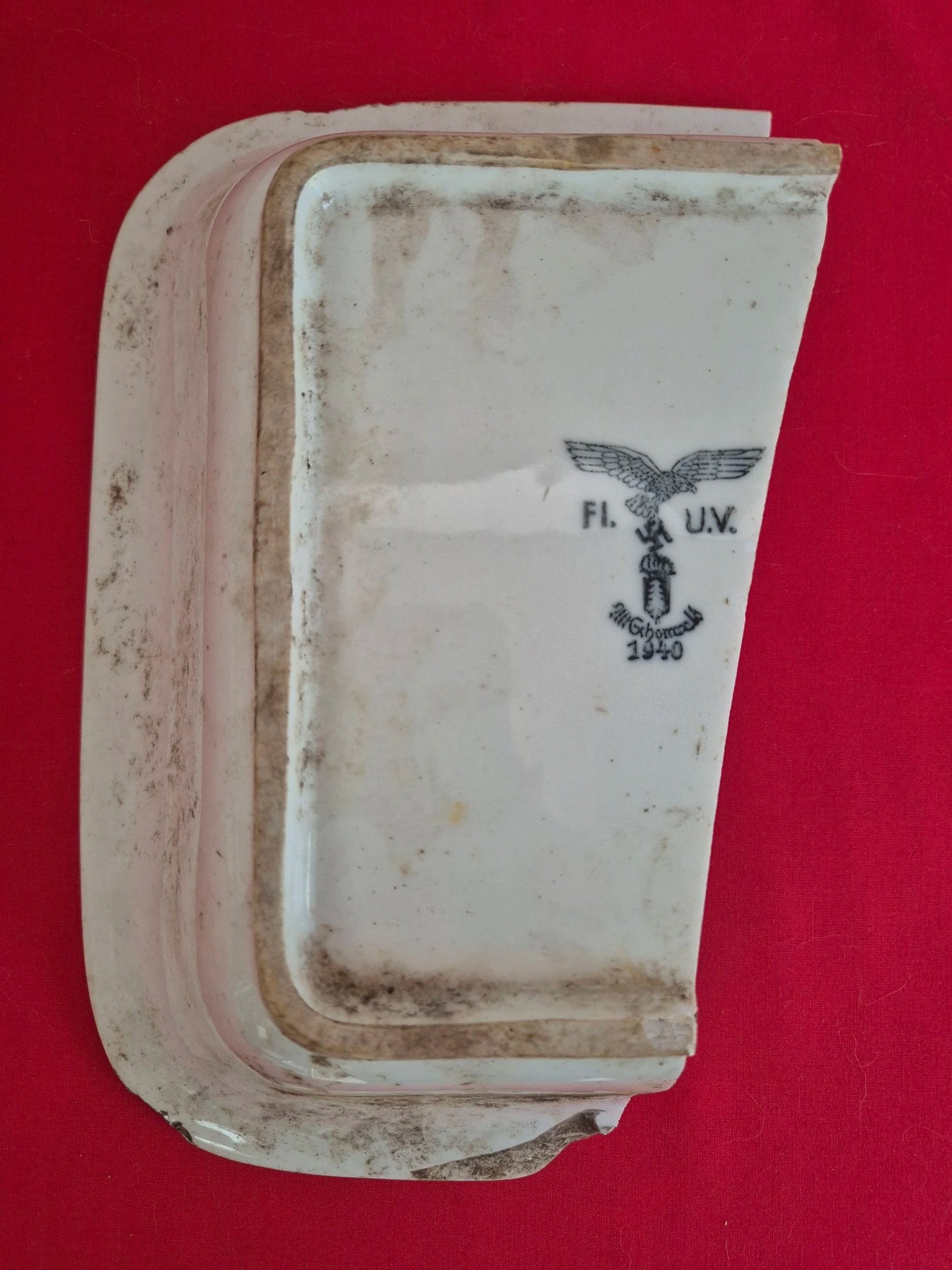 Image 2 of 5
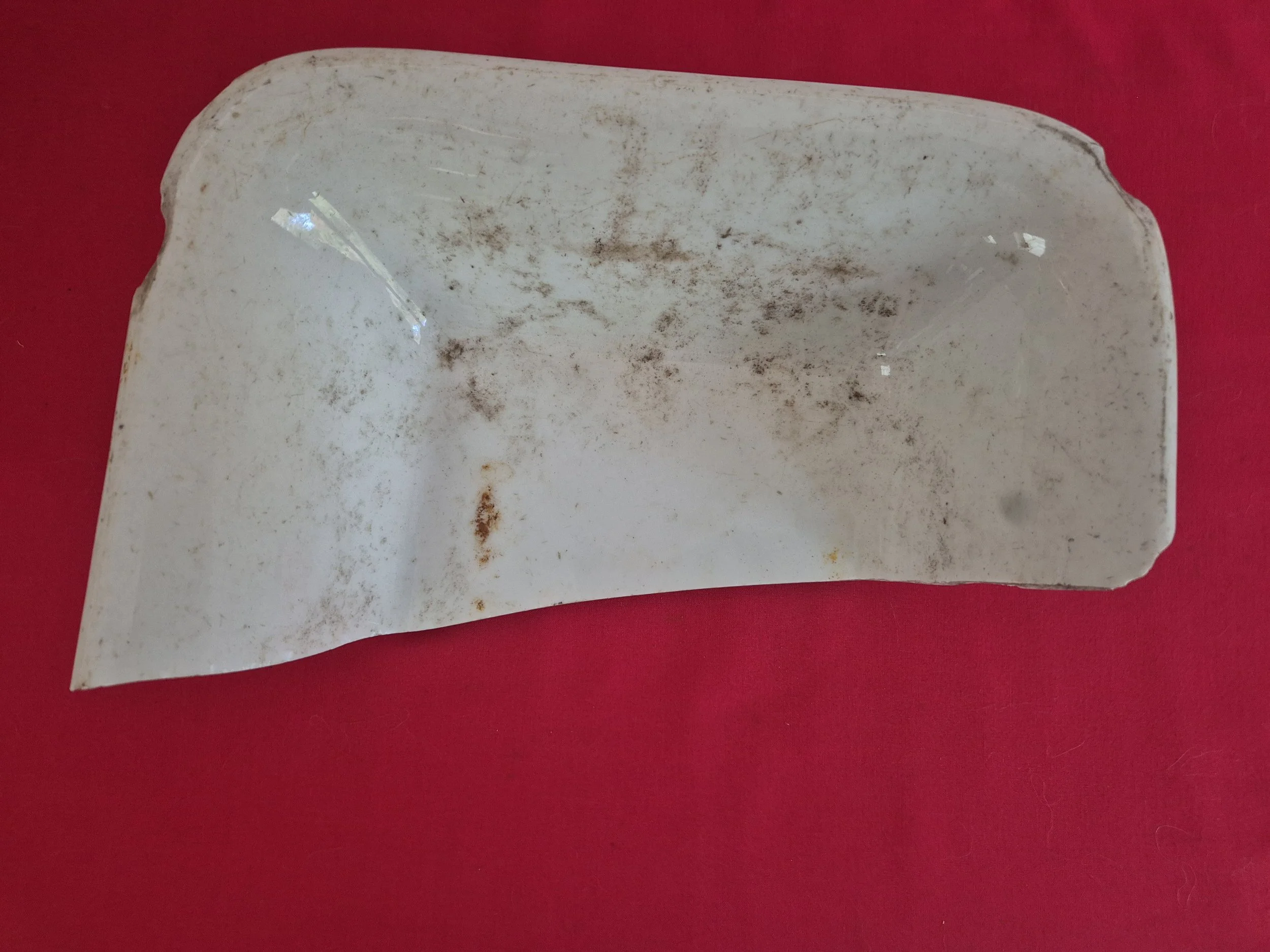 Image 3 of 5
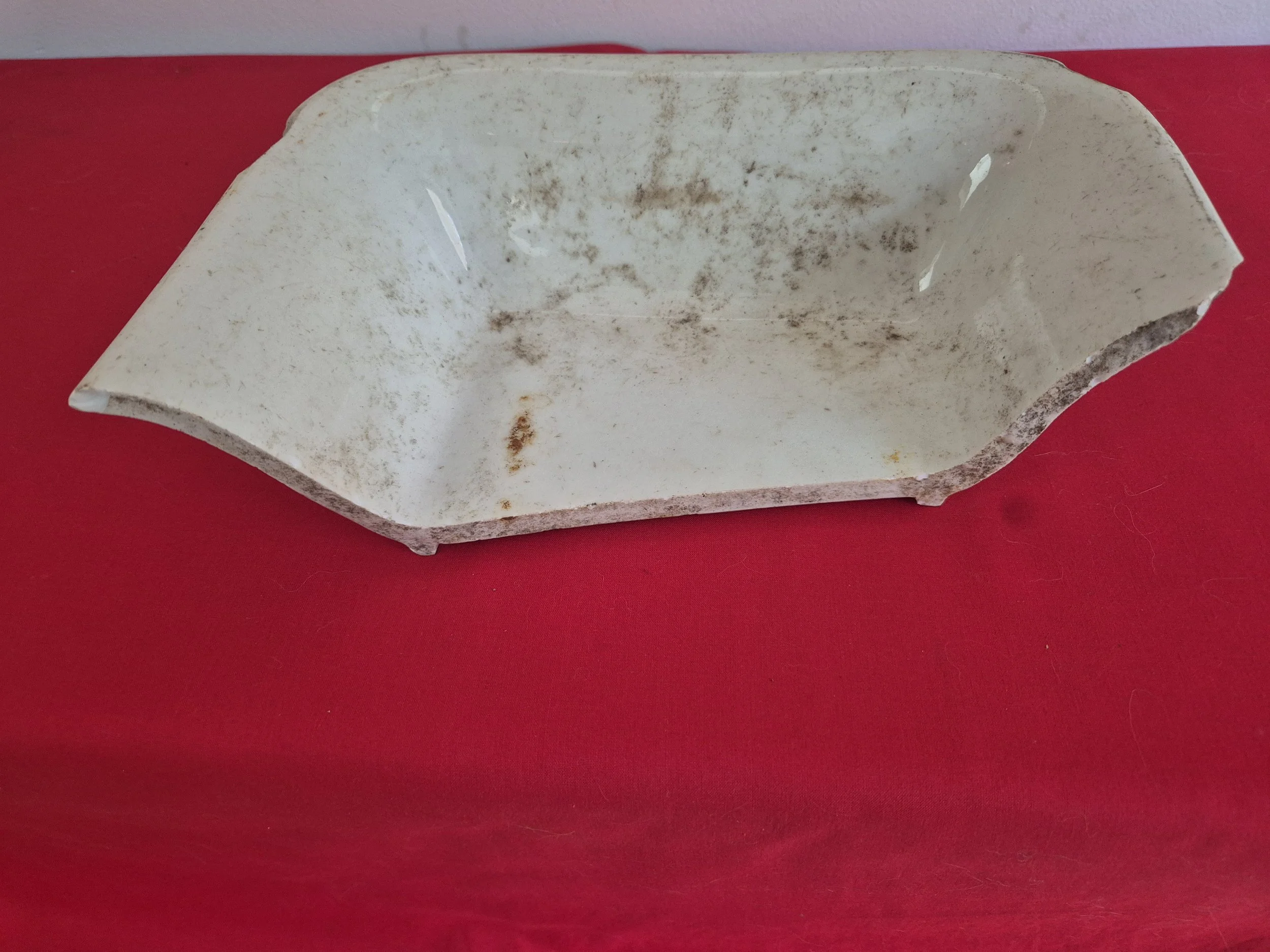 Image 4 of 5
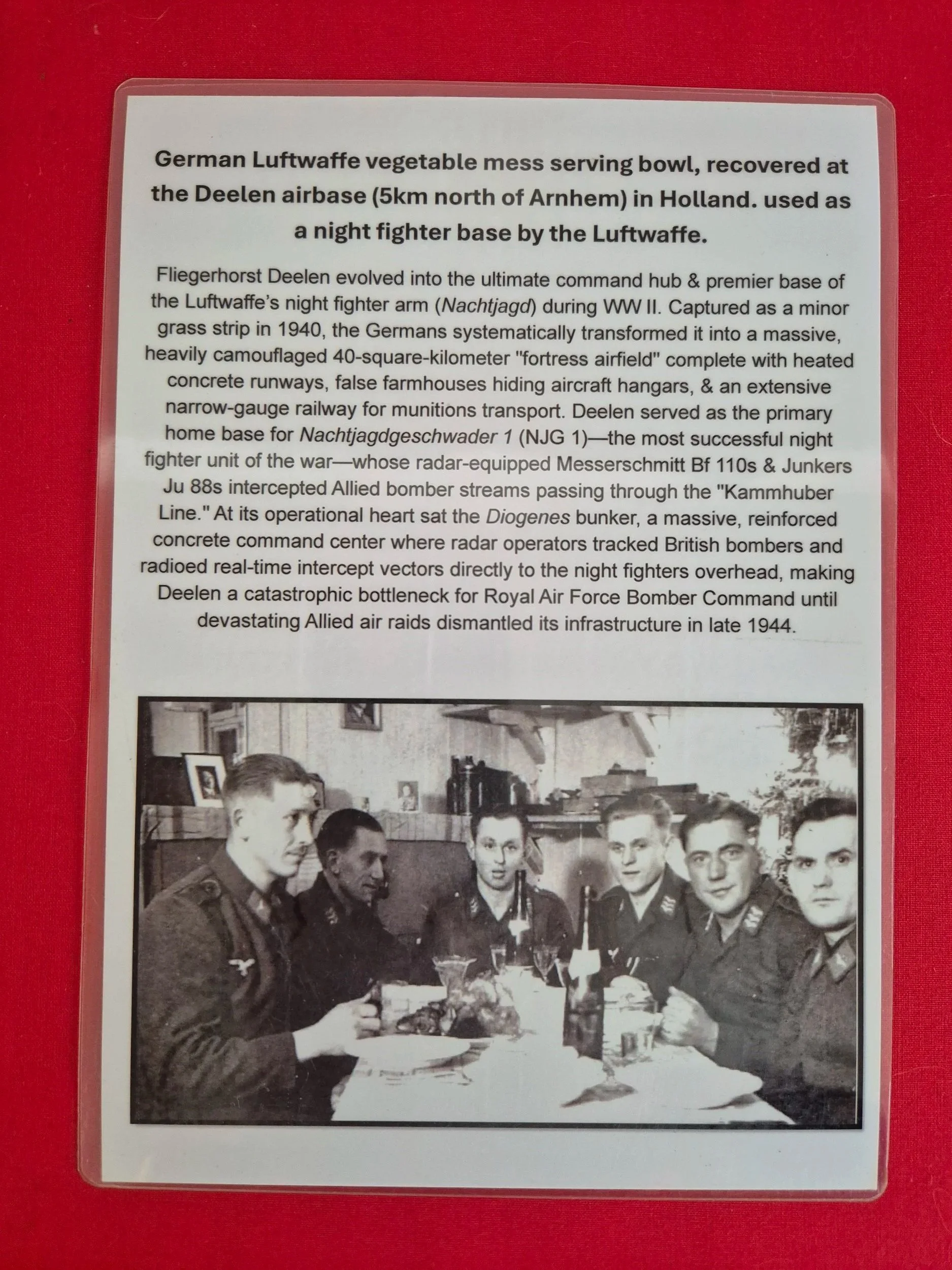 Image 5 of 5