This is a German soldiers gas mask tin which is not complete but has lots of original green paintwork clear to see and has the handwritten number remains on the top rim which was done by the soldier themselves. The tin is missing its lid which is rusty with some rust holes and damage and has miss shaped with an explosion or from being lost in the river. The tin remains solid and with lots of original colour it has has been carefully cleaned, and is perfect for display or any collection.
The gas mask tin was recovered from the river in the Diersfordt Forest this area defended by the German 1st Parachute Army on the Rhine river during the battles of March 1945 during operation Plunder and Varsity. The tin comes with 2xA5 laminated information cards with many pictures and a map showing the location of the recovery.
THE RHINE CROSSING – OPERATION PLUNDER & VARSITY
Wesel • Diersfordter Wald • Issel River • March 1945
Historical Background
In late March 1945, the Allies launched Operation Plunder, the major assault across the River Rhine into Germany. On 23 March British and American ground forces began crossing the Rhine around Wesel, followed on 24 March by Operation Varsity, the large airborne assault east of the river. British and American airborne troops landed around the Diersfordter Wald, Hamminkeln and the Issel River to seize key ground, bridges and routes and to prevent German forces from disrupting the Rhine bridgehead.
German Forces
The principal German formation defending this sector was the German 1st Parachute Army (1. Fallschirm-Armee). The formations most directly involved around the airborne landing area included the 7th Parachute Division (7. Fallschirmjäger-Division) and the 84th Infantry Division. Both were heavily depleted by this stage of the war, but they put up determined resistance around the Diersfordter Wald, Hamminkeln and the Issel River.
Allied Forces
Operation Varsity was carried out principally by the British 6th Airborne Division and the US 17th Airborne Division. They supported the British 2nd Army and US 9th Army, which were conducting the Rhine crossings under Operation Plunder, with the Canadian First Army also taking part in the wider Rhine offensive.
The Significance of the Battle
The Diersfordter Wald and Issel River formed important defensive obstacles immediately beyond the Rhine. The German 1st Parachute Army used the woodland, river crossings and prepared positions to delay the Allied advance. The capture of these positions during Plunder and Varsity helped secure the Rhine bridgehead and opened the way for the Allied advance deeper into Germany.
24 March 1945 – Operation Varsity
This is a German soldiers gas mask tin which is not complete but has lots of original green paintwork clear to see and has the handwritten number remains on the top rim which was done by the soldier themselves. The tin is missing its lid which is rusty with some rust holes and damage and has miss shaped with an explosion or from being lost in the river. The tin remains solid and with lots of original colour it has has been carefully cleaned, and is perfect for display or any collection.
The gas mask tin was recovered from the river in the Diersfordt Forest this area defended by the German 1st Parachute Army on the Rhine river during the battles of March 1945 during operation Plunder and Varsity. The tin comes with 2xA5 laminated information cards with many pictures and a map showing the location of the recovery.
THE RHINE CROSSING – OPERATION PLUNDER & VARSITY
Wesel • Diersfordter Wald • Issel River • March 1945
Historical Background
In late March 1945, the Allies launched Operation Plunder, the major assault across the River Rhine into Germany. On 23 March British and American ground forces began crossing the Rhine around Wesel, followed on 24 March by Operation Varsity, the large airborne assault east of the river. British and American airborne troops landed around the Diersfordter Wald, Hamminkeln and the Issel River to seize key ground, bridges and routes and to prevent German forces from disrupting the Rhine bridgehead.
German Forces
The principal German formation defending this sector was the German 1st Parachute Army (1. Fallschirm-Armee). The formations most directly involved around the airborne landing area included the 7th Parachute Division (7. Fallschirmjäger-Division) and the 84th Infantry Division. Both were heavily depleted by this stage of the war, but they put up determined resistance around the Diersfordter Wald, Hamminkeln and the Issel River.
Allied Forces
Operation Varsity was carried out principally by the British 6th Airborne Division and the US 17th Airborne Division. They supported the British 2nd Army and US 9th Army, which were conducting the Rhine crossings under Operation Plunder, with the Canadian First Army also taking part in the wider Rhine offensive.
The Significance of the Battle
The Diersfordter Wald and Issel River formed important defensive obstacles immediately beyond the Rhine. The German 1st Parachute Army used the woodland, river crossings and prepared positions to delay the Allied advance. The capture of these positions during Plunder and Varsity helped secure the Rhine bridgehead and opened the way for the Allied advance deeper into Germany.
24 March 1945 – Operation Varsity

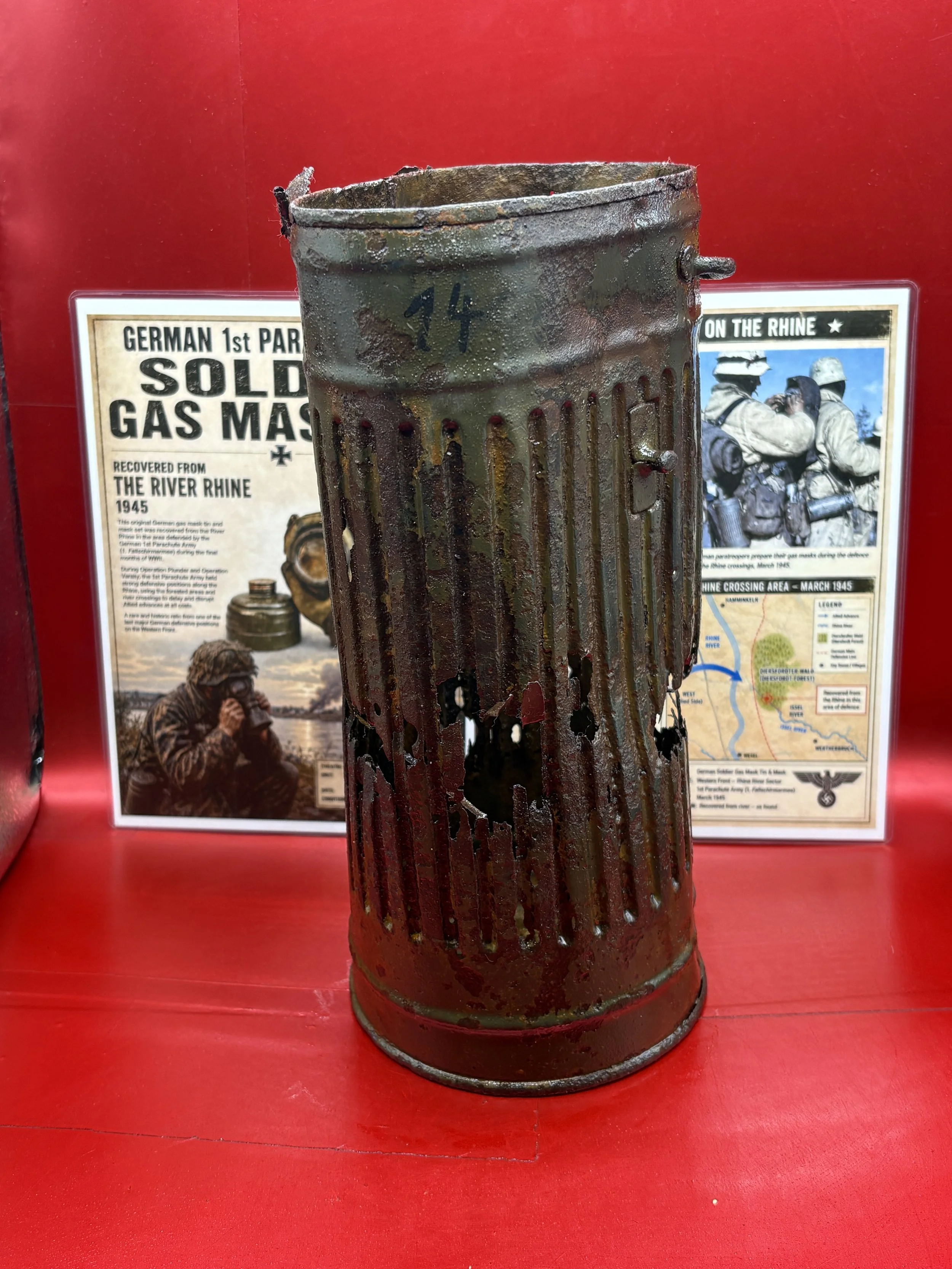 Image 1 of 9
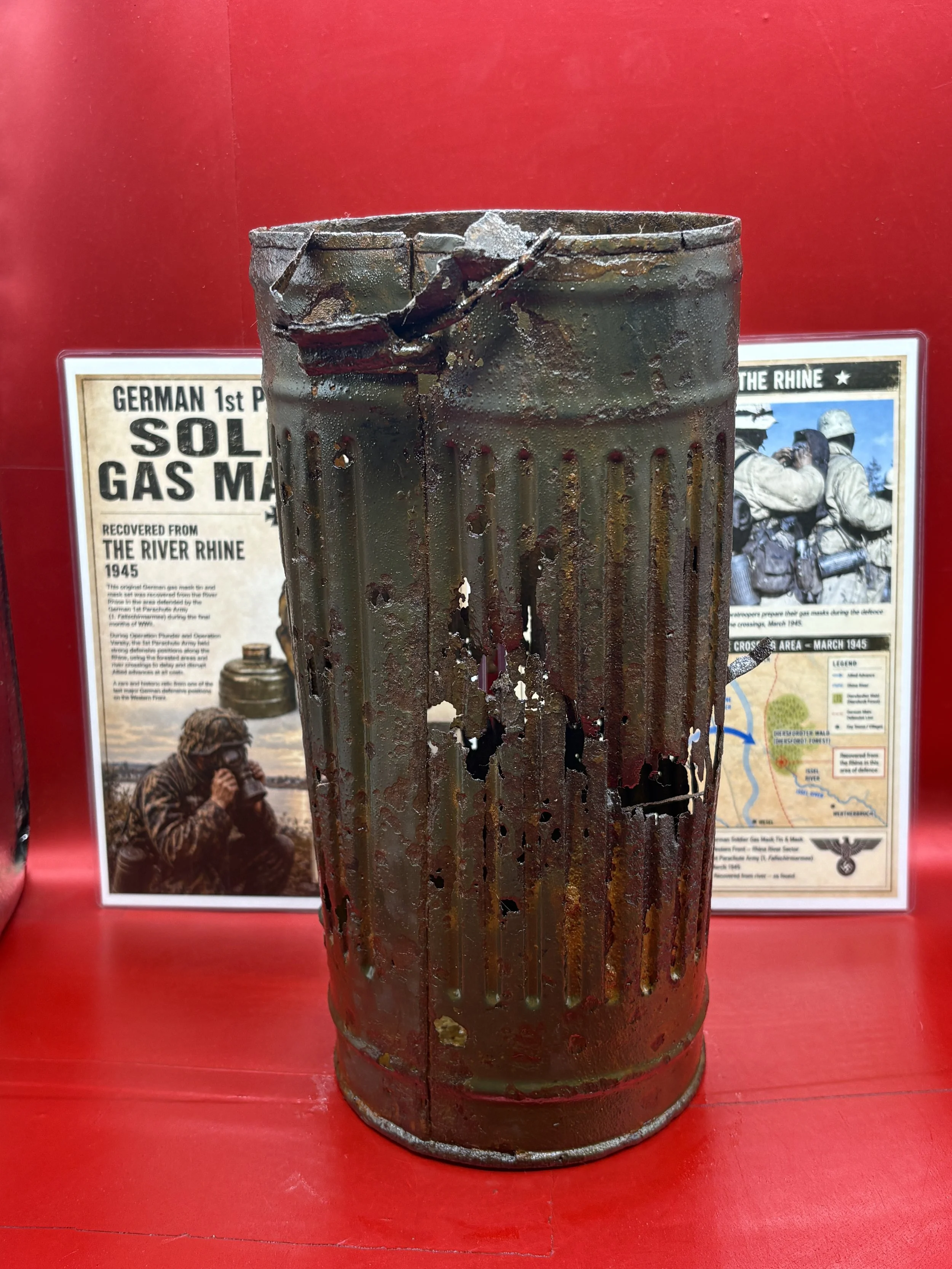 Image 2 of 9
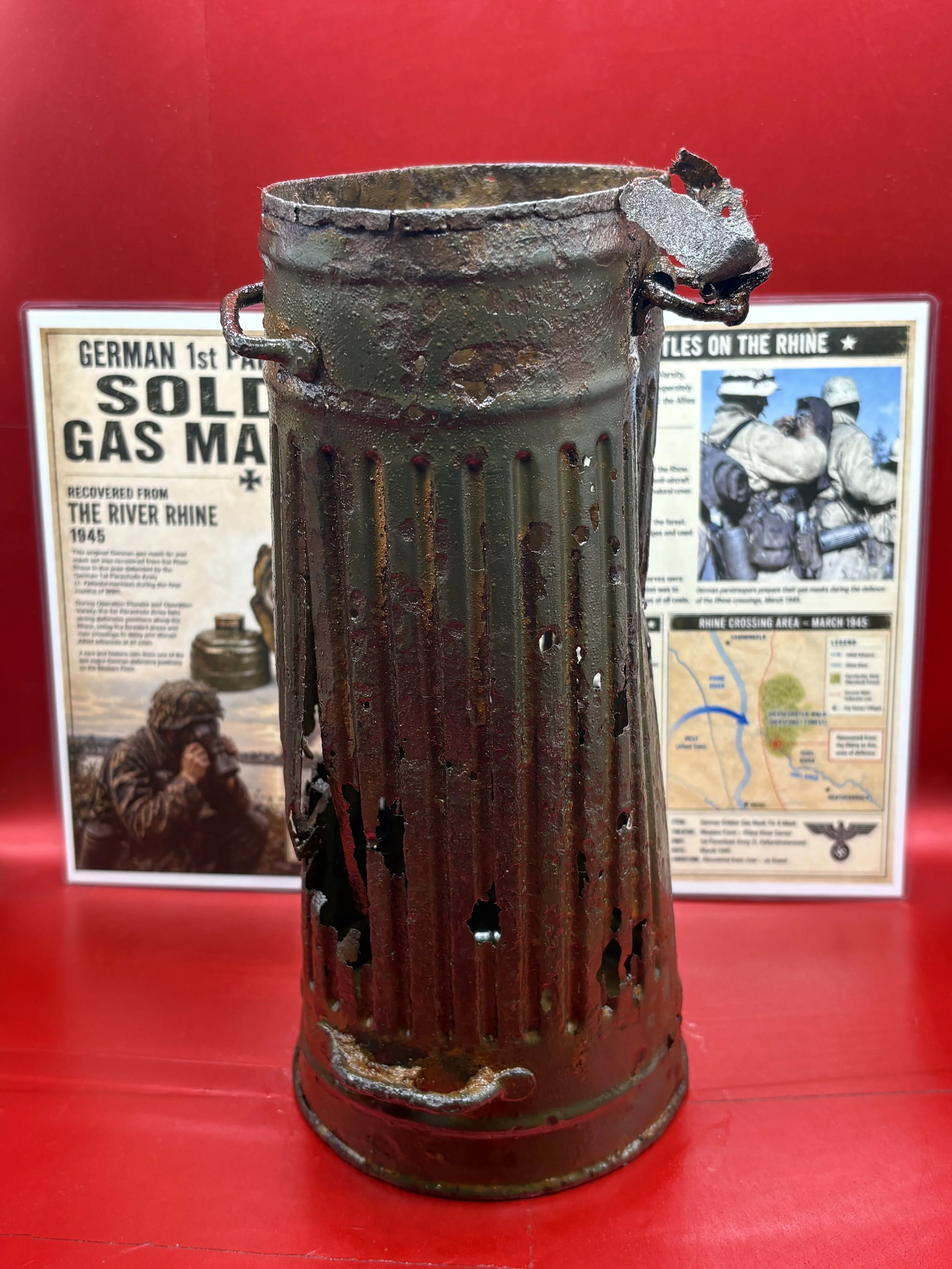 Image 3 of 9
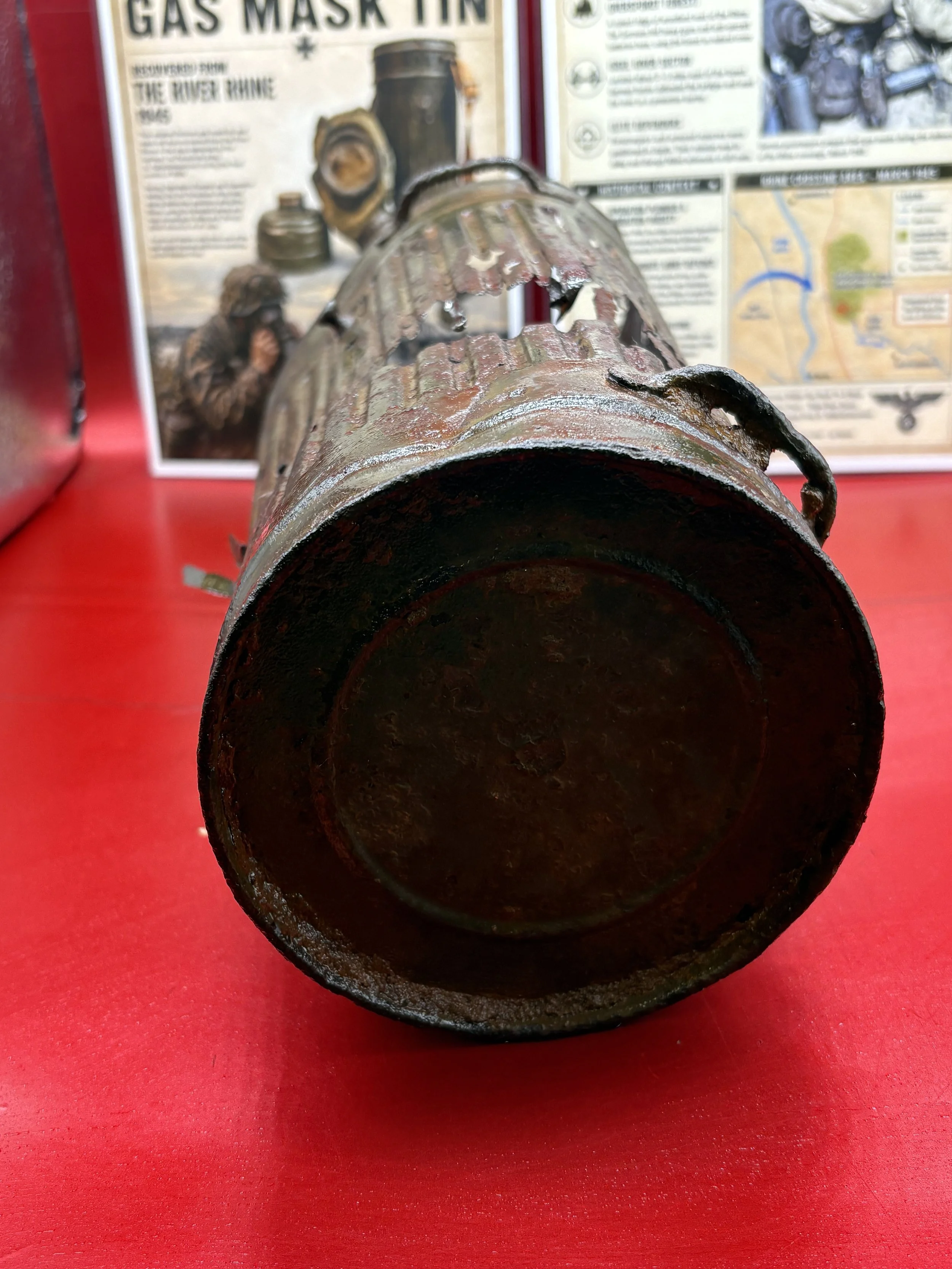 Image 4 of 9
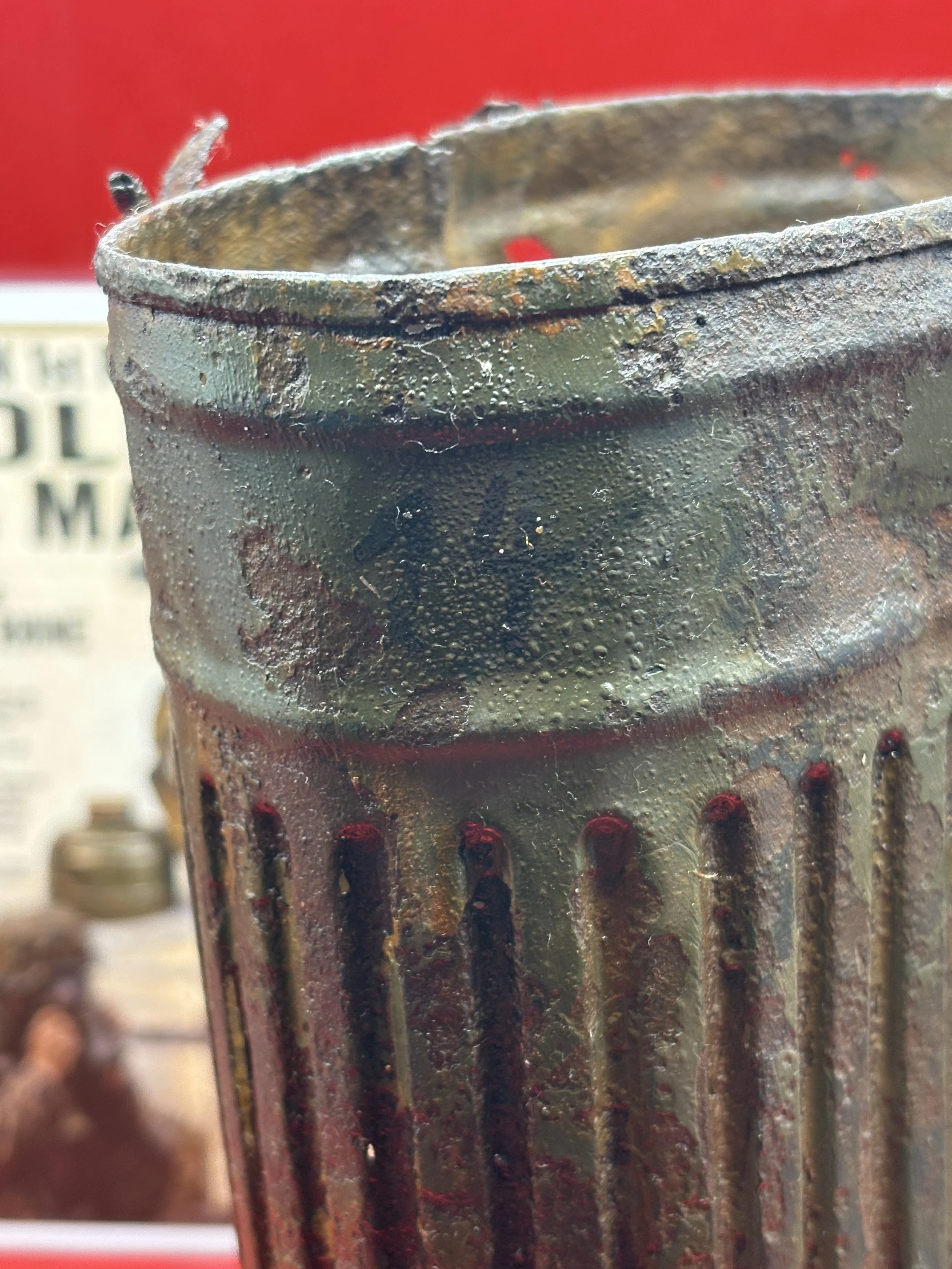 Image 5 of 9
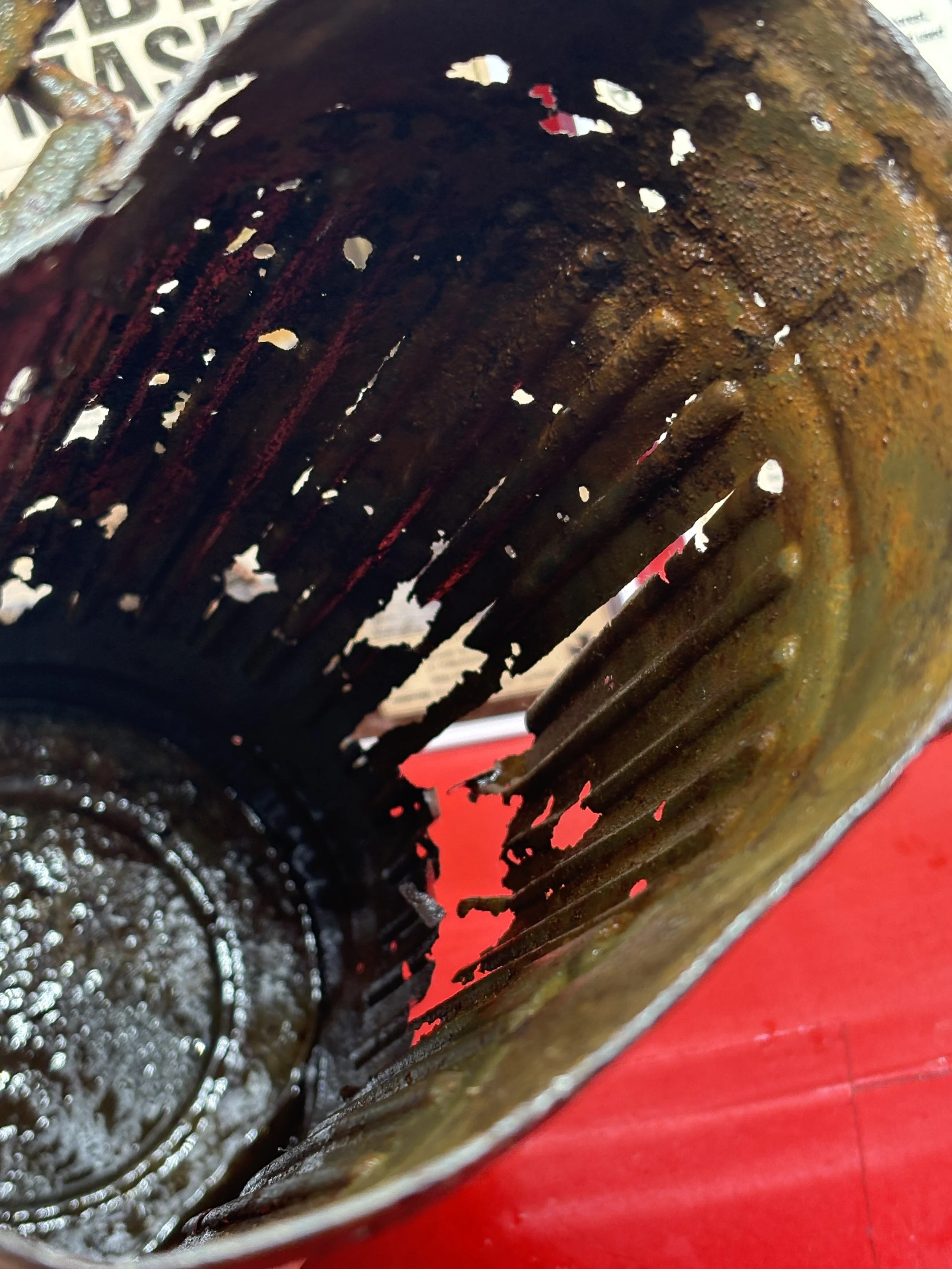 Image 6 of 9
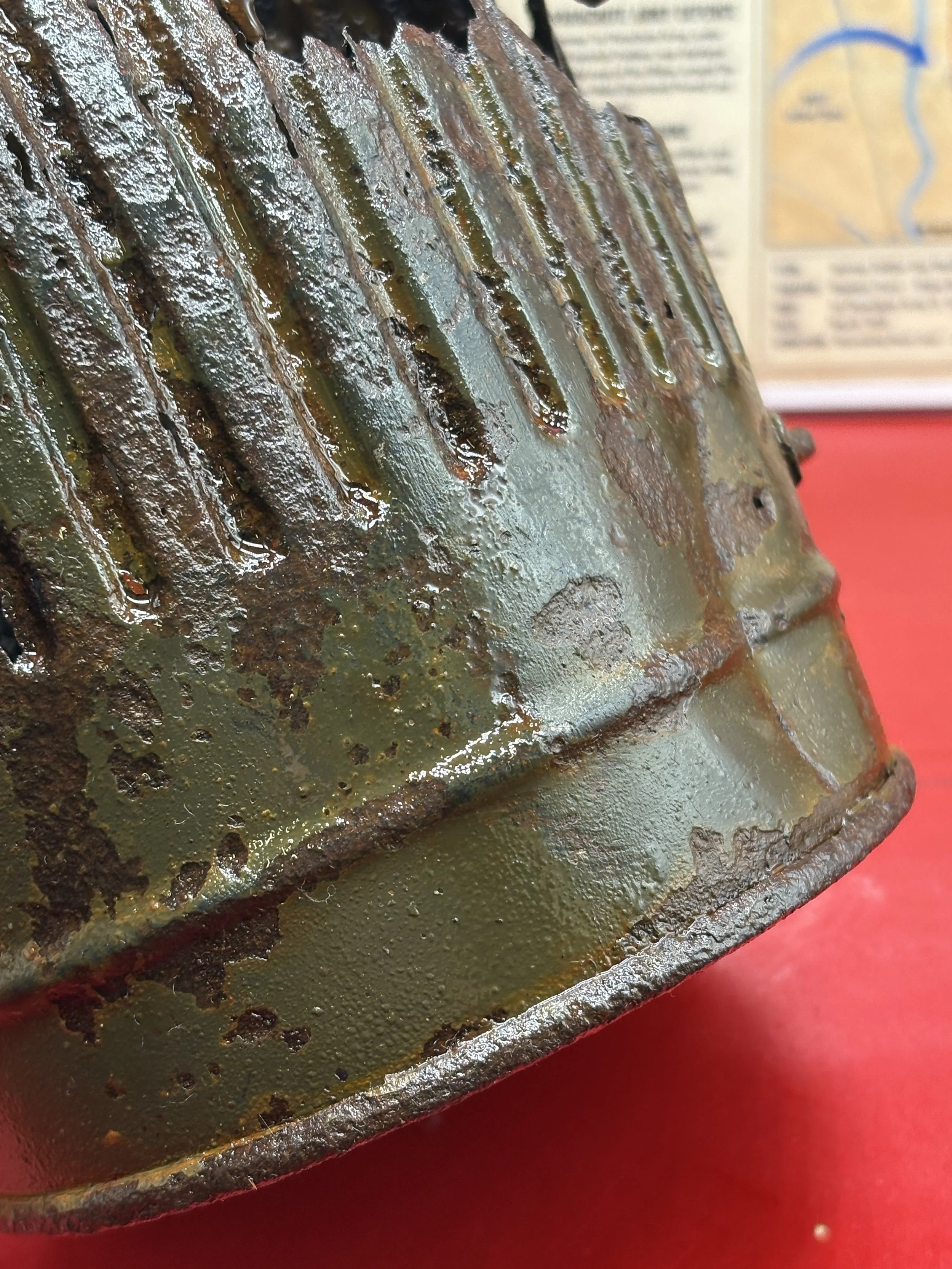 Image 7 of 9
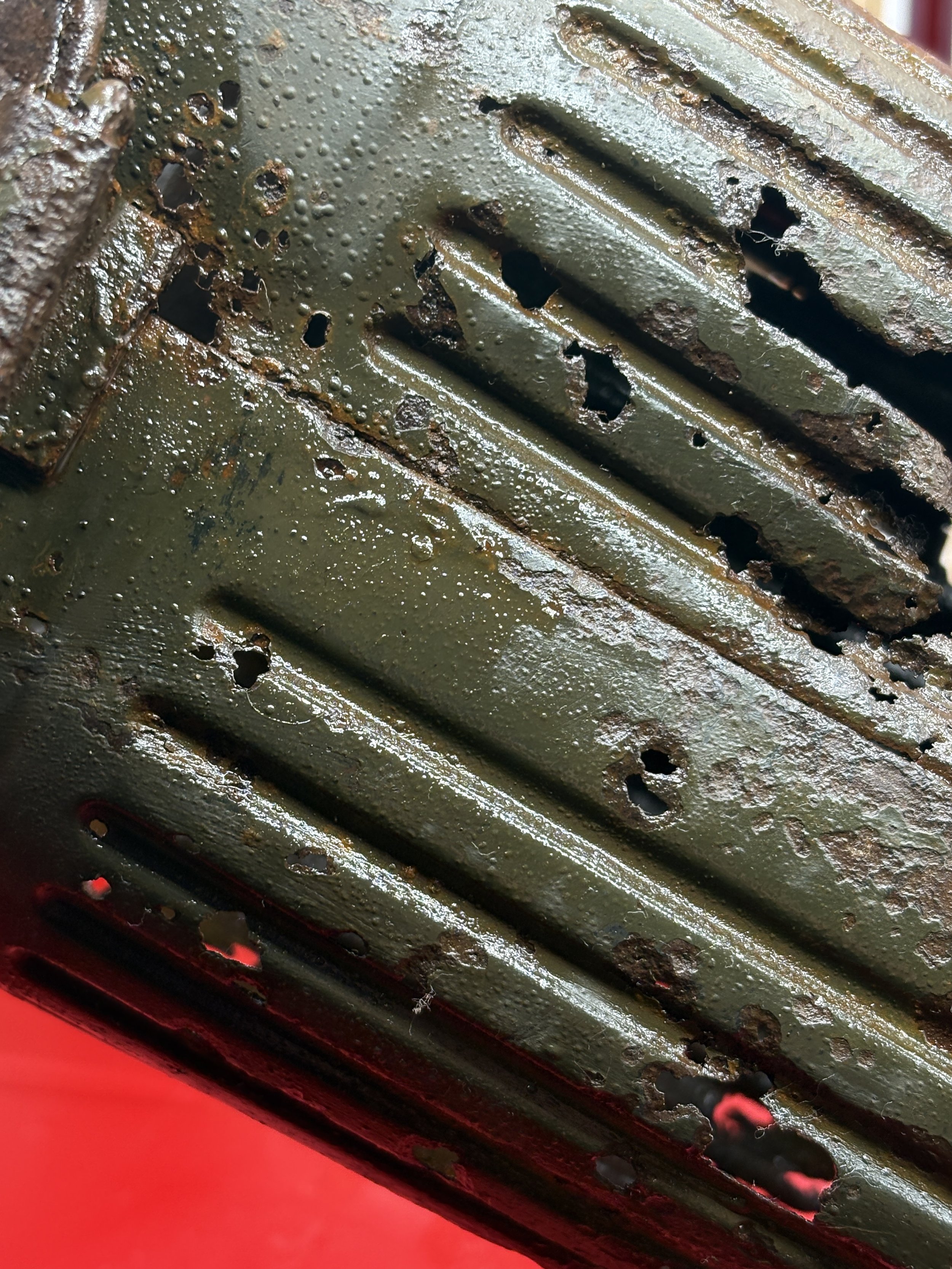 Image 8 of 9
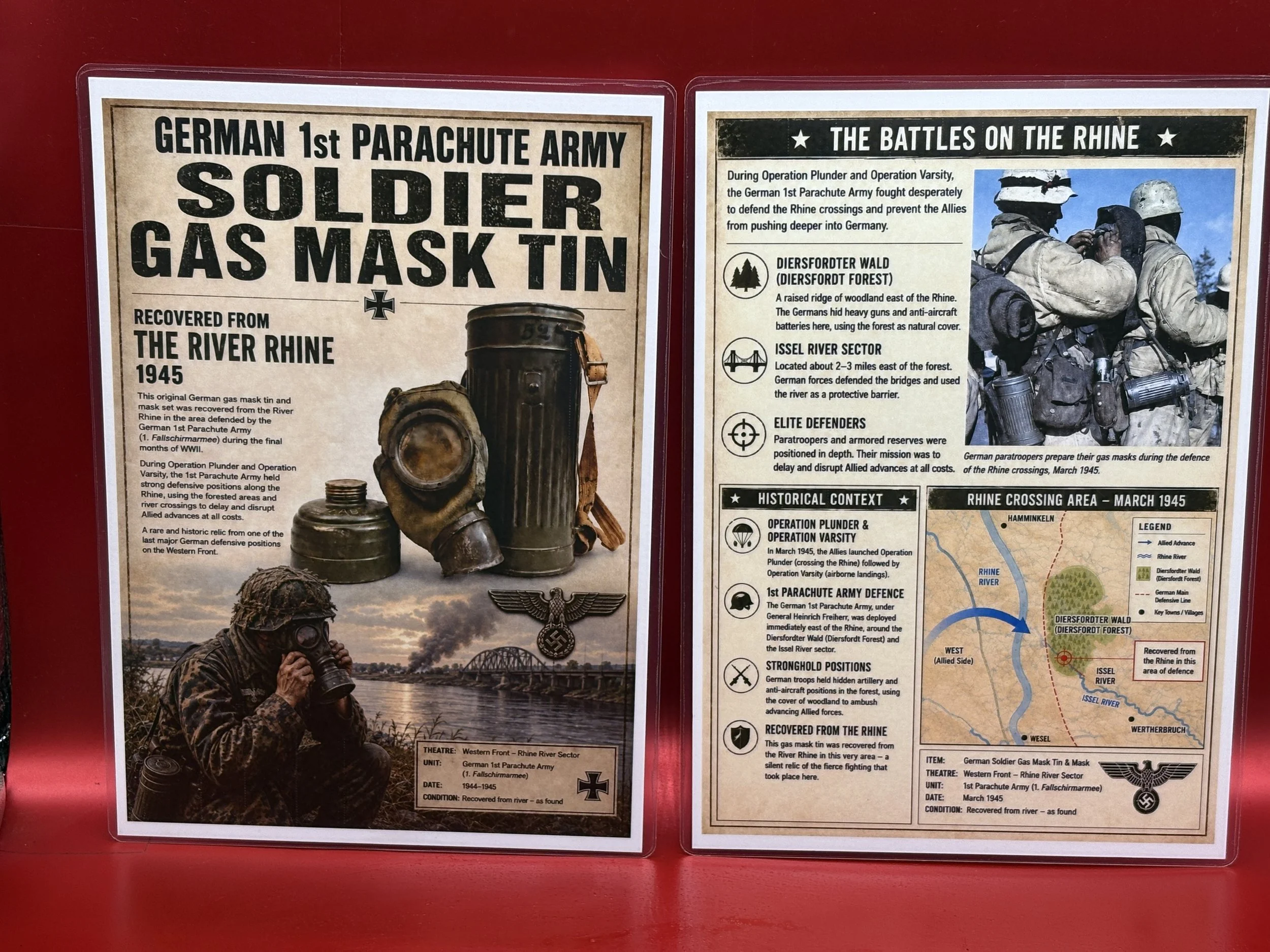 Image 9 of 9