Front inner nylon panels from a US glider pilot’s M2 flak vest.
Recovered from the 82nd Airbourne Division’s glider landing zones (LZ/DZ N & T) on the high ground around Groesbeek, southeast of Nijmegen. Elements of the division landed here as reinforcements on 18 & 19 September 1944 during Operation Market Garden.
The vest consisted of three panels with inner and outer layers. Hundreds of metal plates made of 1mm thick manganese steel approximately 2 inch square were sewn individually into rows inside the heavy nylon lining, laid out to overlap each other. Manganese steel was chosen for its unique metallurgical properties. It has incredible impact toughness and possesses a quality called work hardening. The moment a piece of jagged, low-velocity anti-aircraft shrapnel (flak) struck the metal, the violent impact caused the steel's molecular structure to instantly harden at the point of contact, absorbing the shock and stopping the fragment from penetrating.
Weighing nearly 8kg these vests were discarded by the American pilots as soon as they had landed by pulling a red quick release cord on the chest which was linked to cords and lift-the-dot fasteners causing the heavy armour to split open and fall away..
Front inner nylon panels from a US glider pilot’s M2 flak vest.
Recovered from the 82nd Airbourne Division’s glider landing zones (LZ/DZ N & T) on the high ground around Groesbeek, southeast of Nijmegen. Elements of the division landed here as reinforcements on 18 & 19 September 1944 during Operation Market Garden.
The vest consisted of three panels with inner and outer layers. Hundreds of metal plates made of 1mm thick manganese steel approximately 2 inch square were sewn individually into rows inside the heavy nylon lining, laid out to overlap each other. Manganese steel was chosen for its unique metallurgical properties. It has incredible impact toughness and possesses a quality called work hardening. The moment a piece of jagged, low-velocity anti-aircraft shrapnel (flak) struck the metal, the violent impact caused the steel's molecular structure to instantly harden at the point of contact, absorbing the shock and stopping the fragment from penetrating.
Weighing nearly 8kg these vests were discarded by the American pilots as soon as they had landed by pulling a red quick release cord on the chest which was linked to cords and lift-the-dot fasteners causing the heavy armour to split open and fall away..

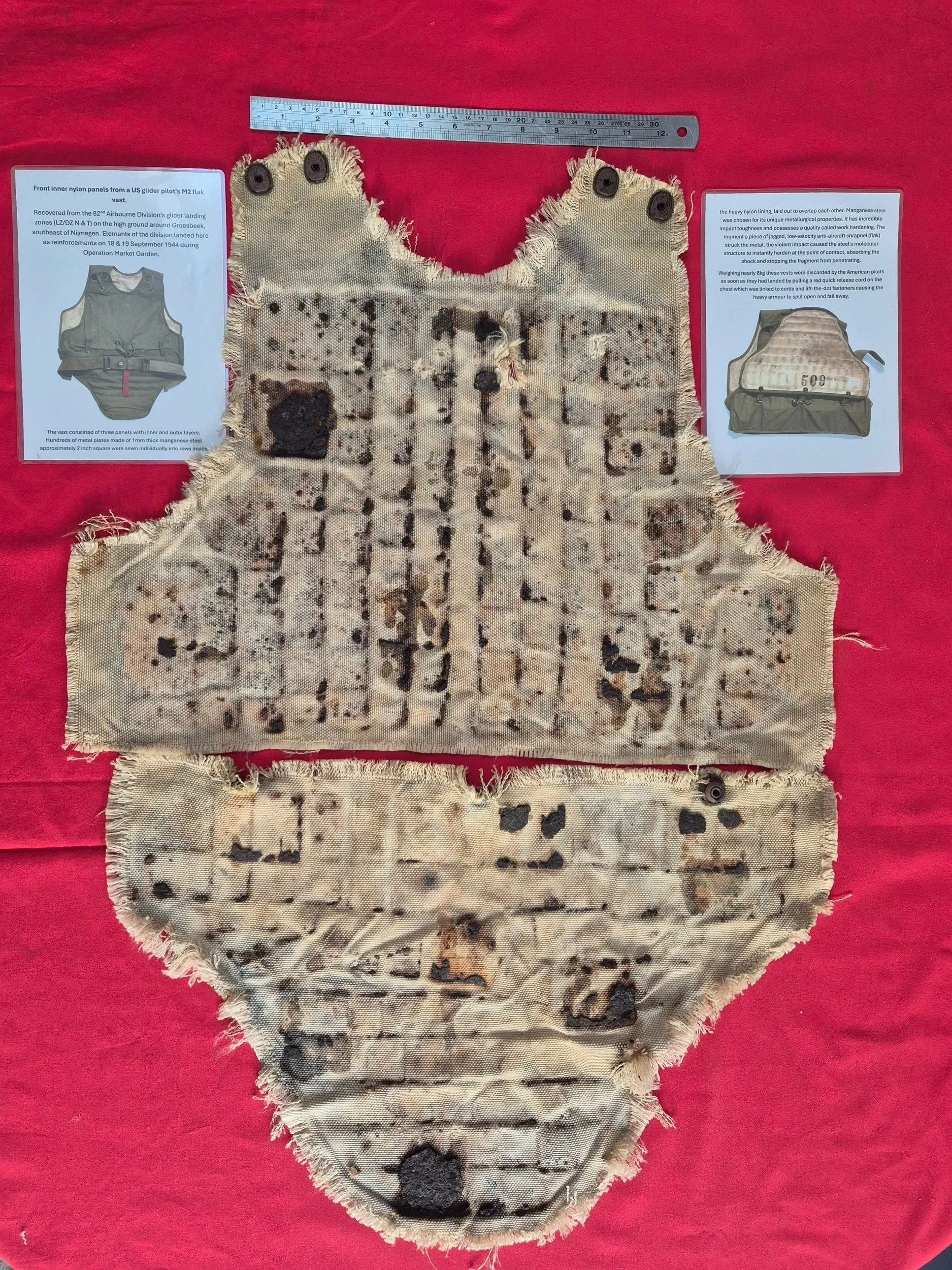 Image 1 of 7
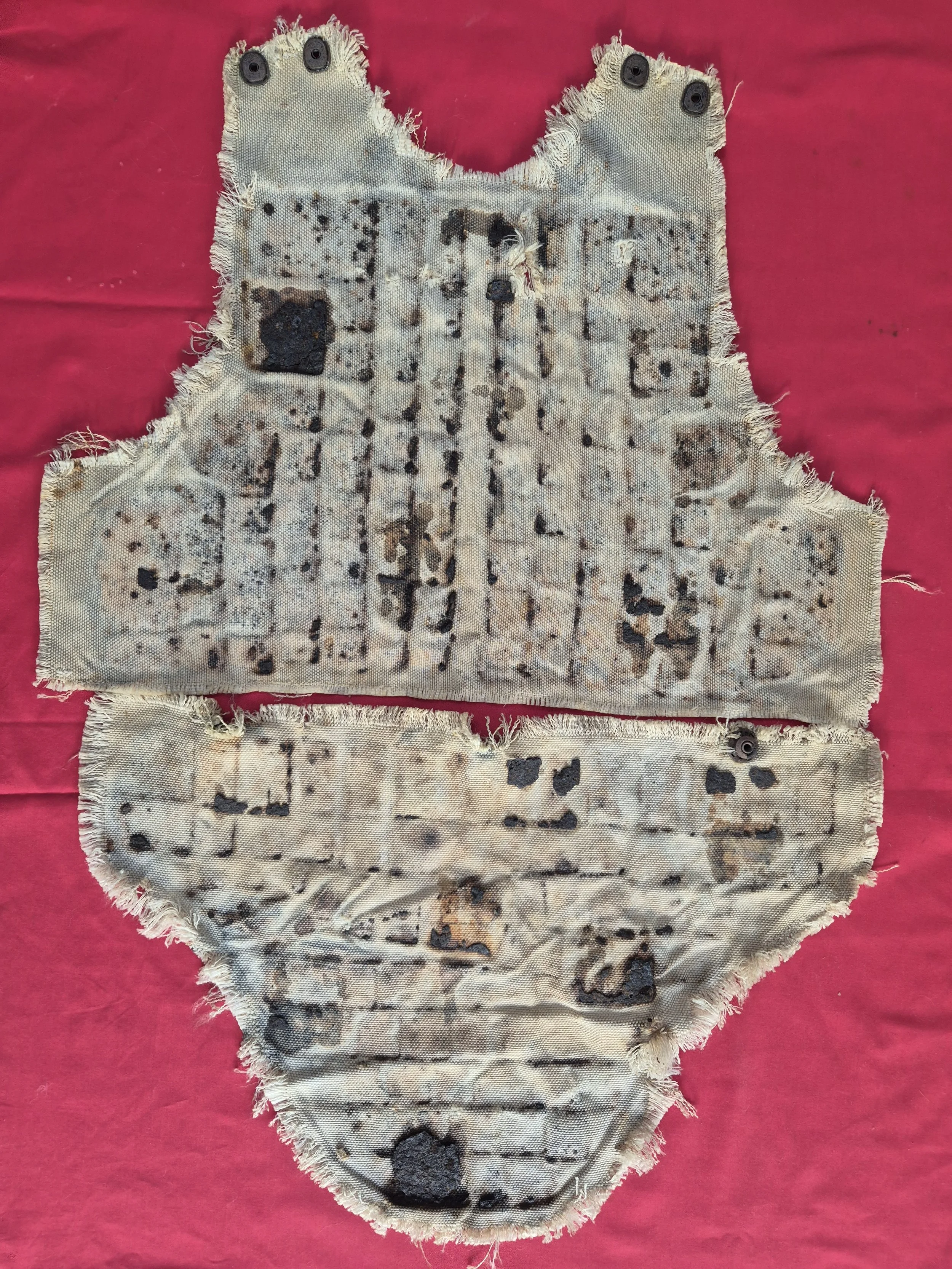 Image 2 of 7
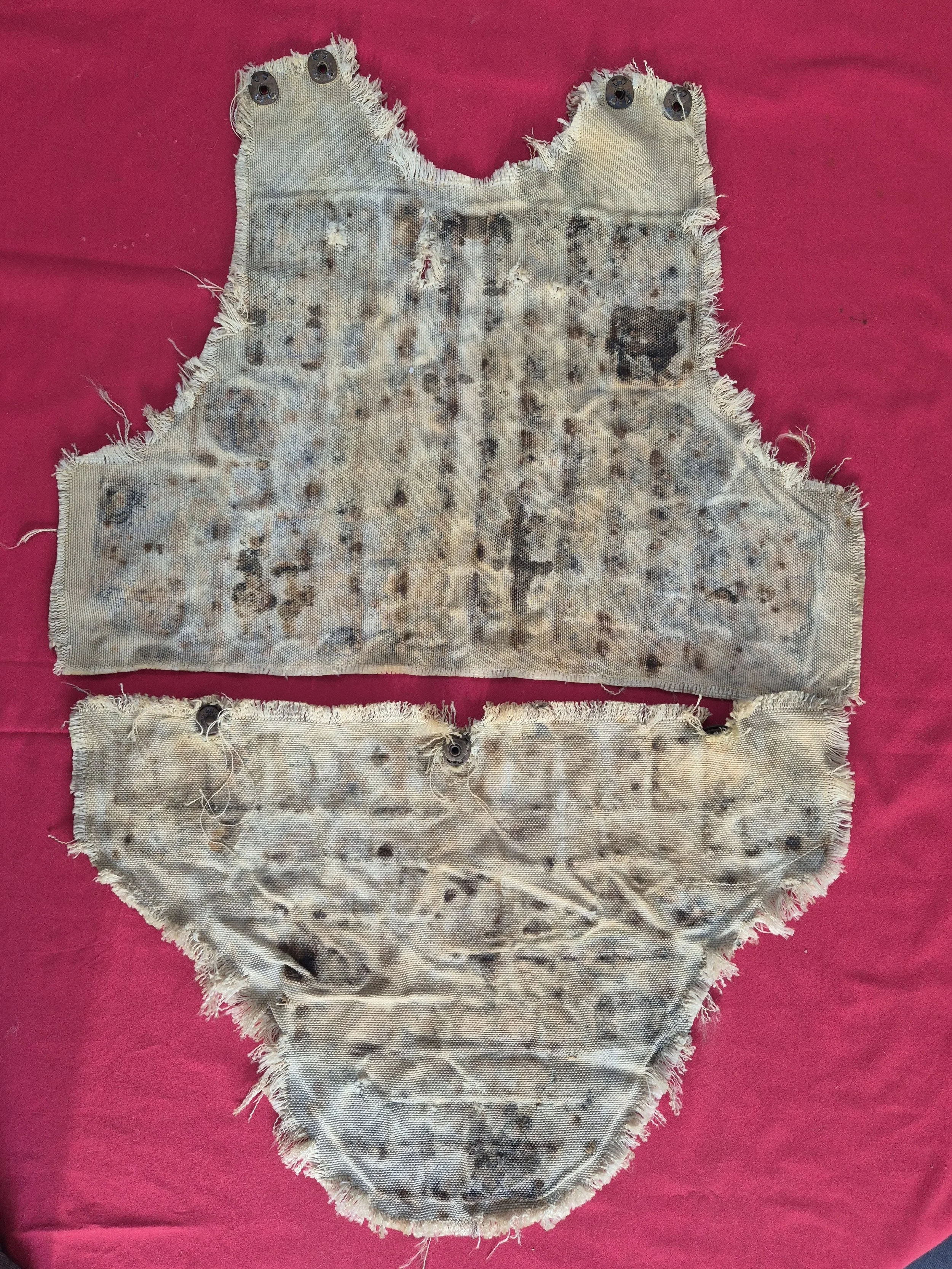 Image 3 of 7
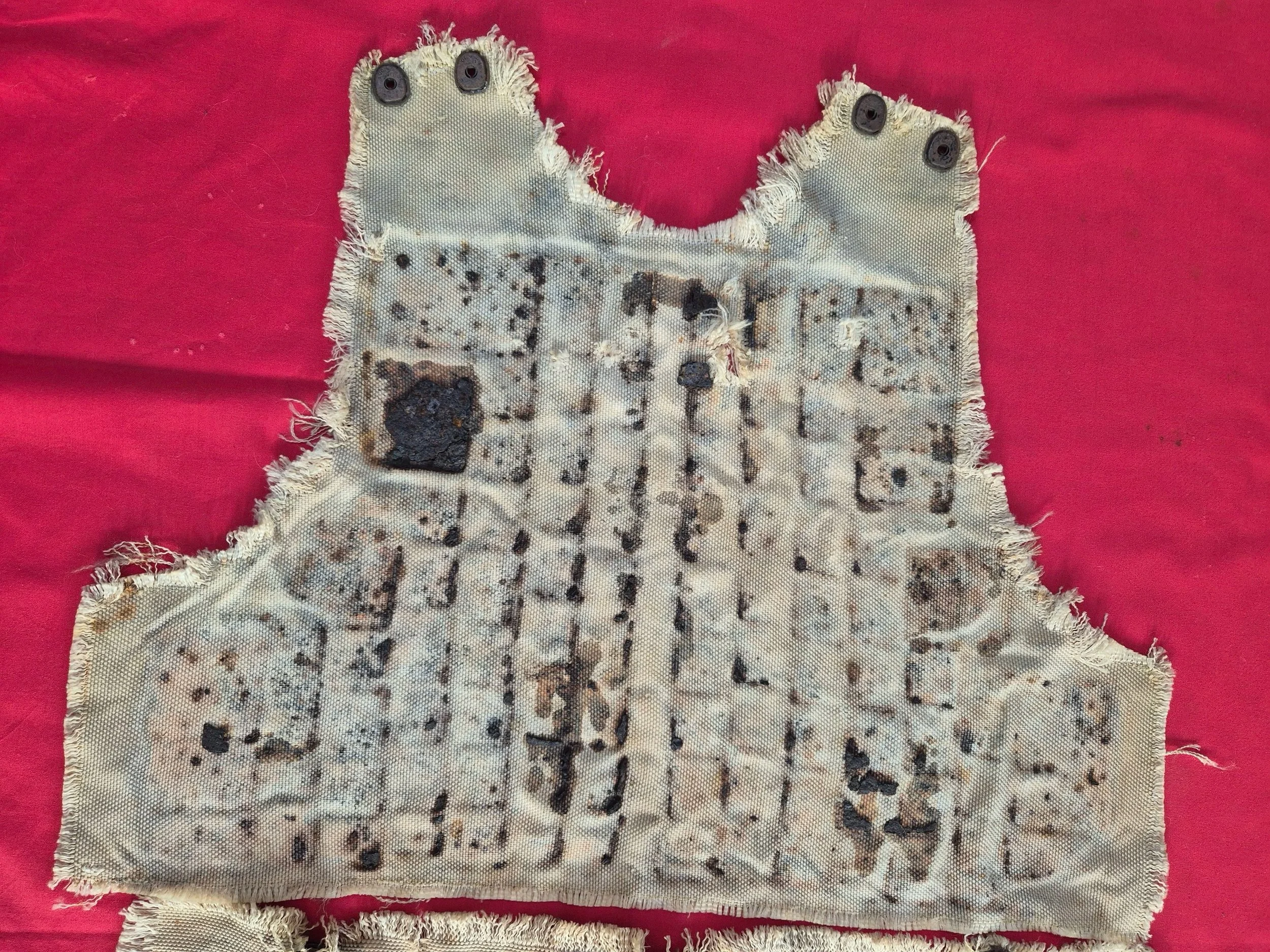 Image 4 of 7
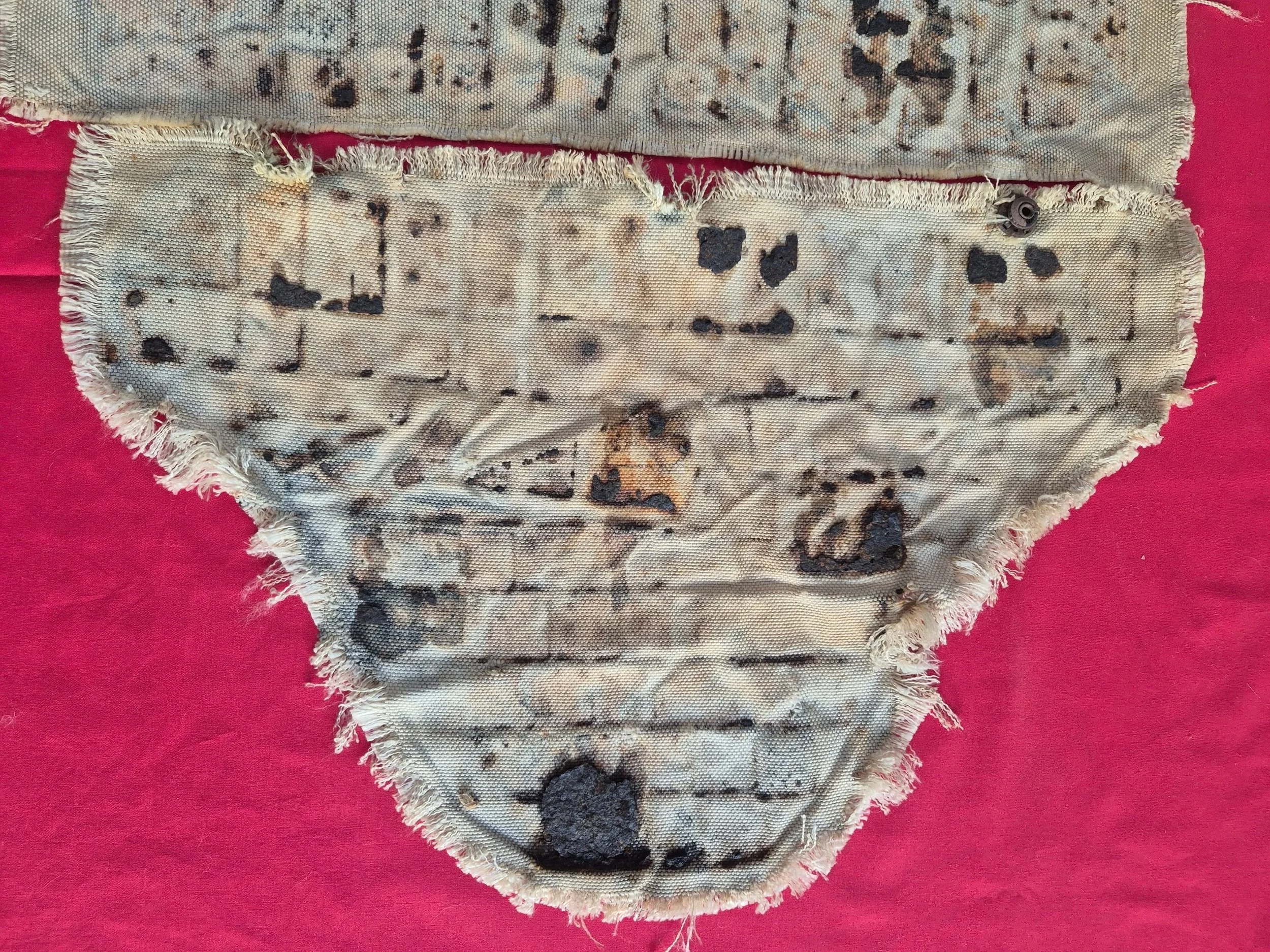 Image 5 of 7
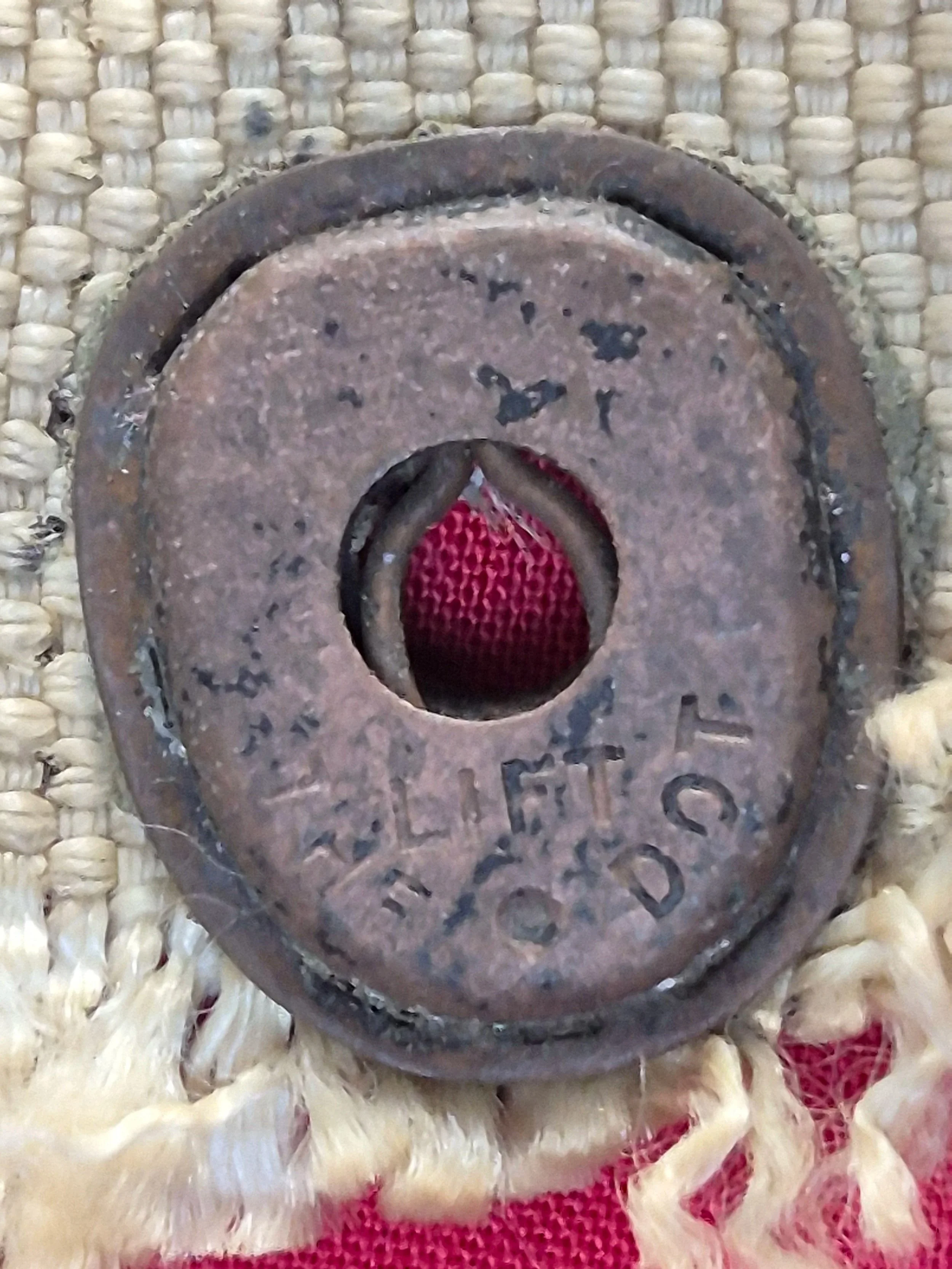 Image 6 of 7
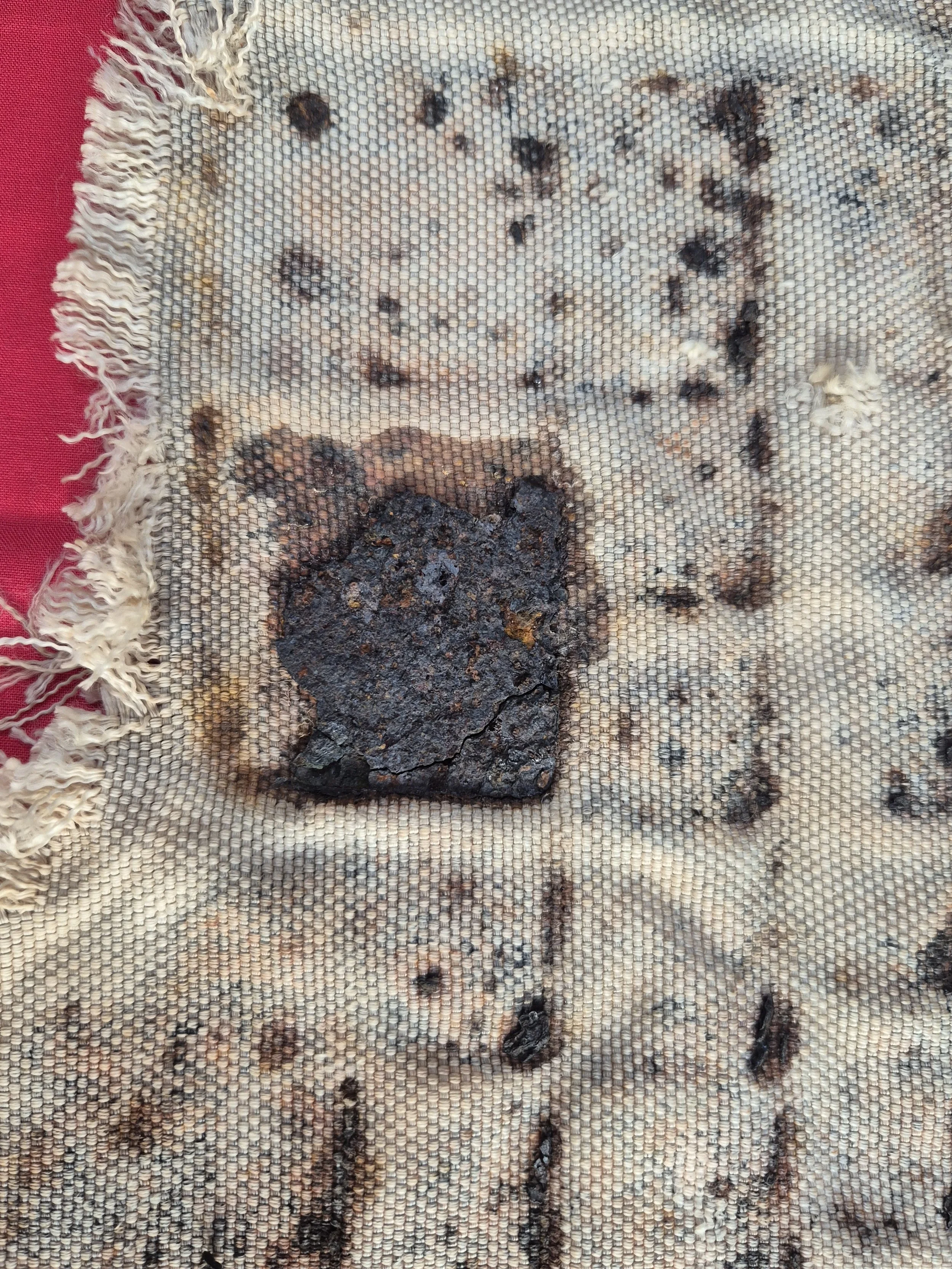 Image 7 of 7