This is a nice and rare find from the battlefield in this condition which is French citron model 1916 Grenade with lots of black paint remains and clear to see maker stamp on the side looks like dated 1918 i have never seen this before on one of these grenades.The grenade is missing its bottom plate but is the complete outer case which is completely inert and empty it is rusty but solid with no rust holes or damage it has been nicely cleaned and is perfect for display or any collection. The grenade was recovered from the Somme battlefield of 1916-1918.The grenade comes with A5 laminated information card with picture,
The grenade Citron Foug modèle 1916 is a evolution of this 'asparagus' grenade, mainly designed to reduce the weight and improve the fragmentation properties. Its 'citron' ('lemon') nickname was obviously given by its very recognizabe profile. Despite its rudimentary design and its relative dangerosity, its lean manufacturing cost and process allowed this grenade to be made by a lot of manufacturers and available in big quantities, and therefore massively used from 1916 until the end of the war.
This is a nice and rare find from the battlefield in this condition which is French citron model 1916 Grenade with lots of black paint remains and clear to see maker stamp on the side looks like dated 1918 i have never seen this before on one of these grenades.The grenade is missing its bottom plate but is the complete outer case which is completely inert and empty it is rusty but solid with no rust holes or damage it has been nicely cleaned and is perfect for display or any collection. The grenade was recovered from the Somme battlefield of 1916-1918.The grenade comes with A5 laminated information card with picture,
The grenade Citron Foug modèle 1916 is a evolution of this 'asparagus' grenade, mainly designed to reduce the weight and improve the fragmentation properties. Its 'citron' ('lemon') nickname was obviously given by its very recognizabe profile. Despite its rudimentary design and its relative dangerosity, its lean manufacturing cost and process allowed this grenade to be made by a lot of manufacturers and available in big quantities, and therefore massively used from 1916 until the end of the war.

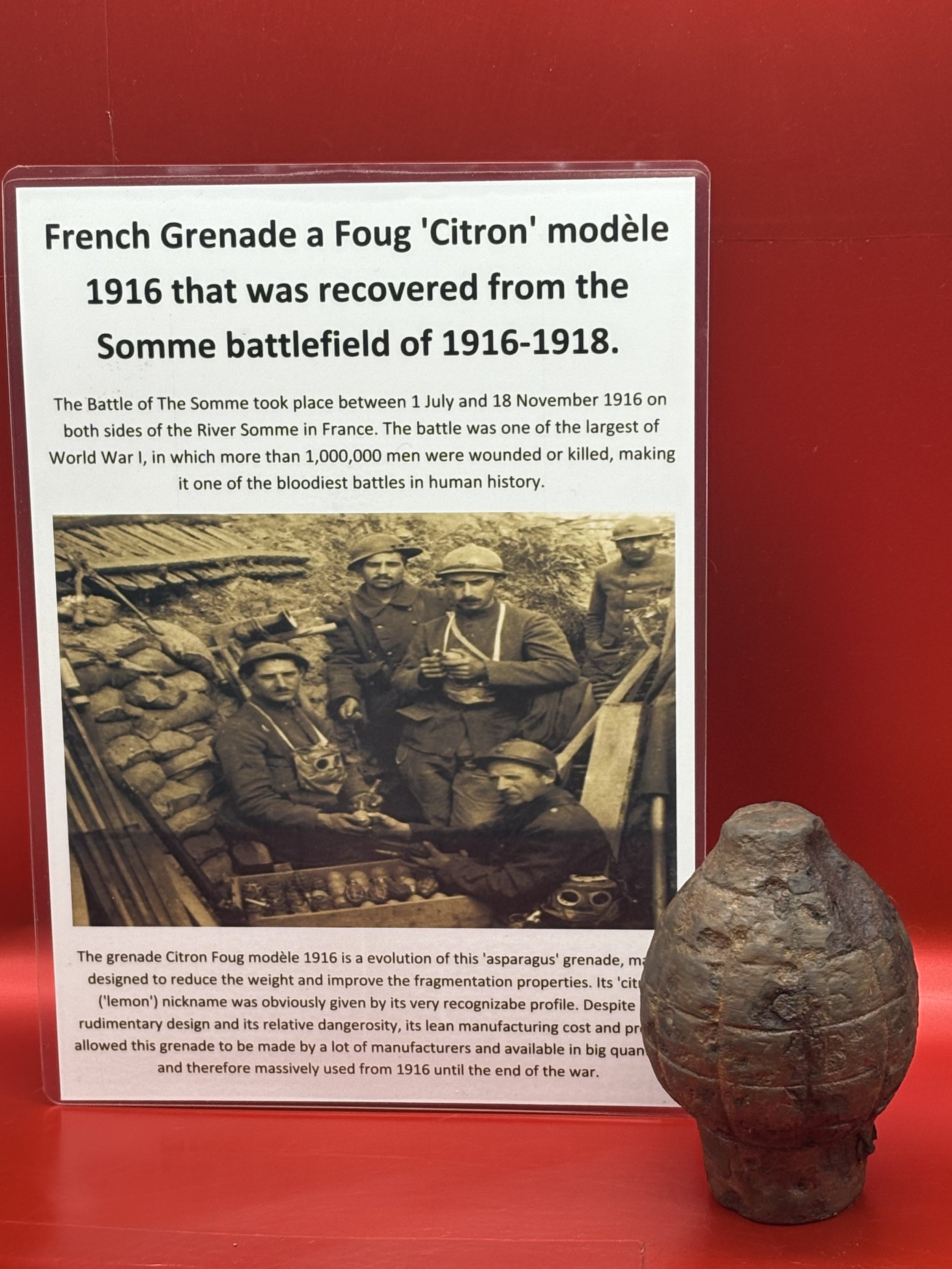 Image 1 of 9
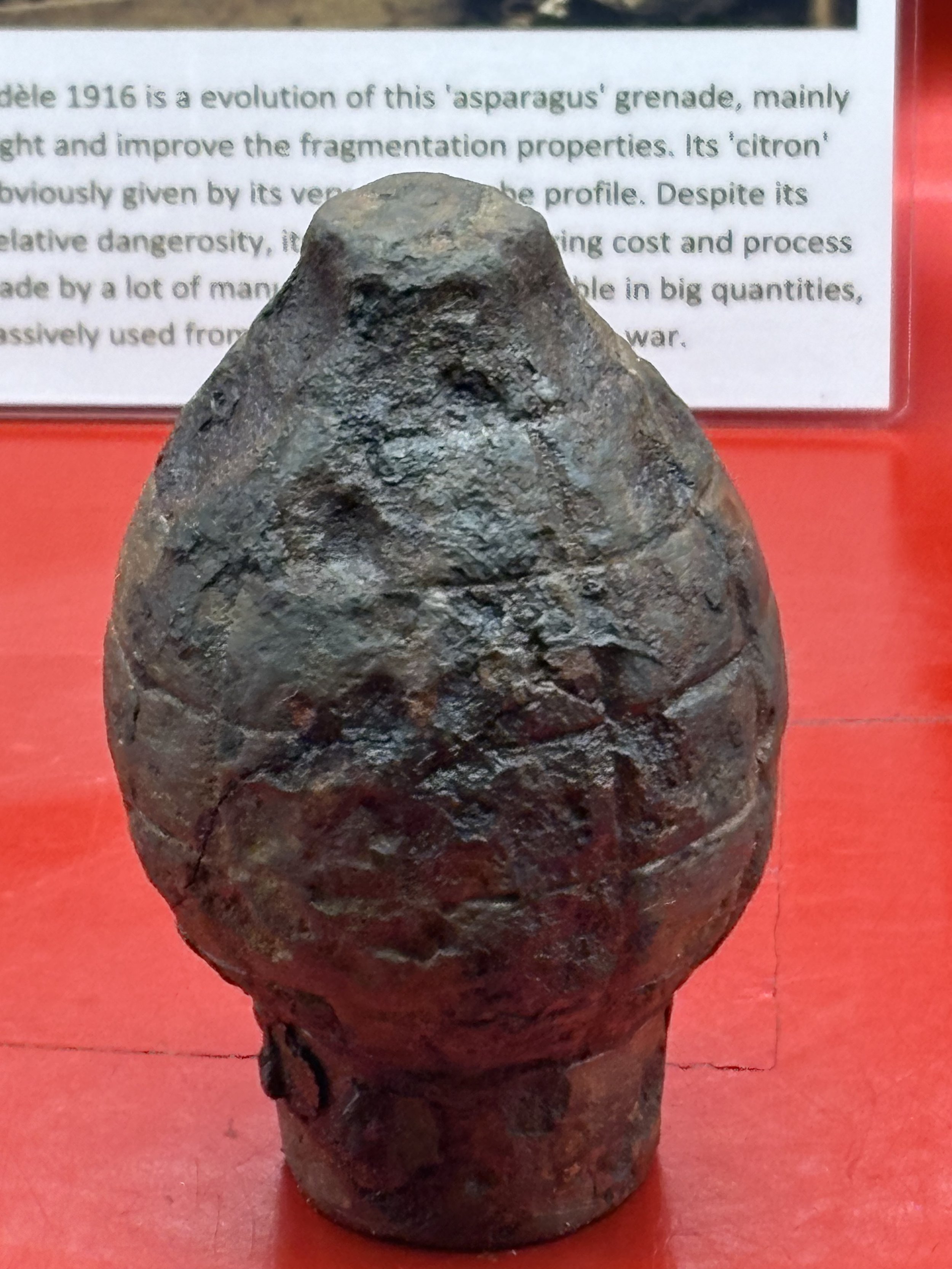 Image 2 of 9
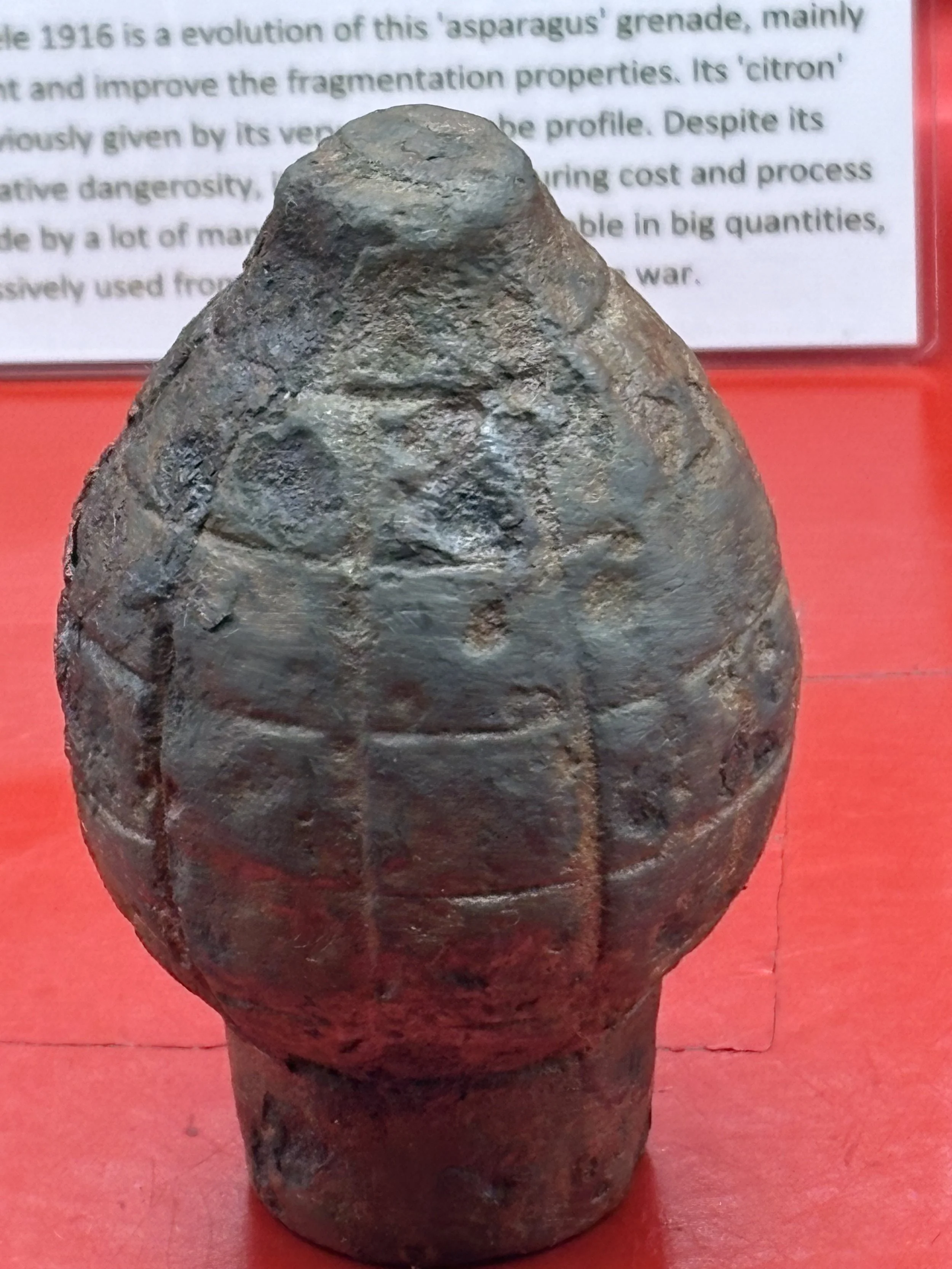 Image 3 of 9
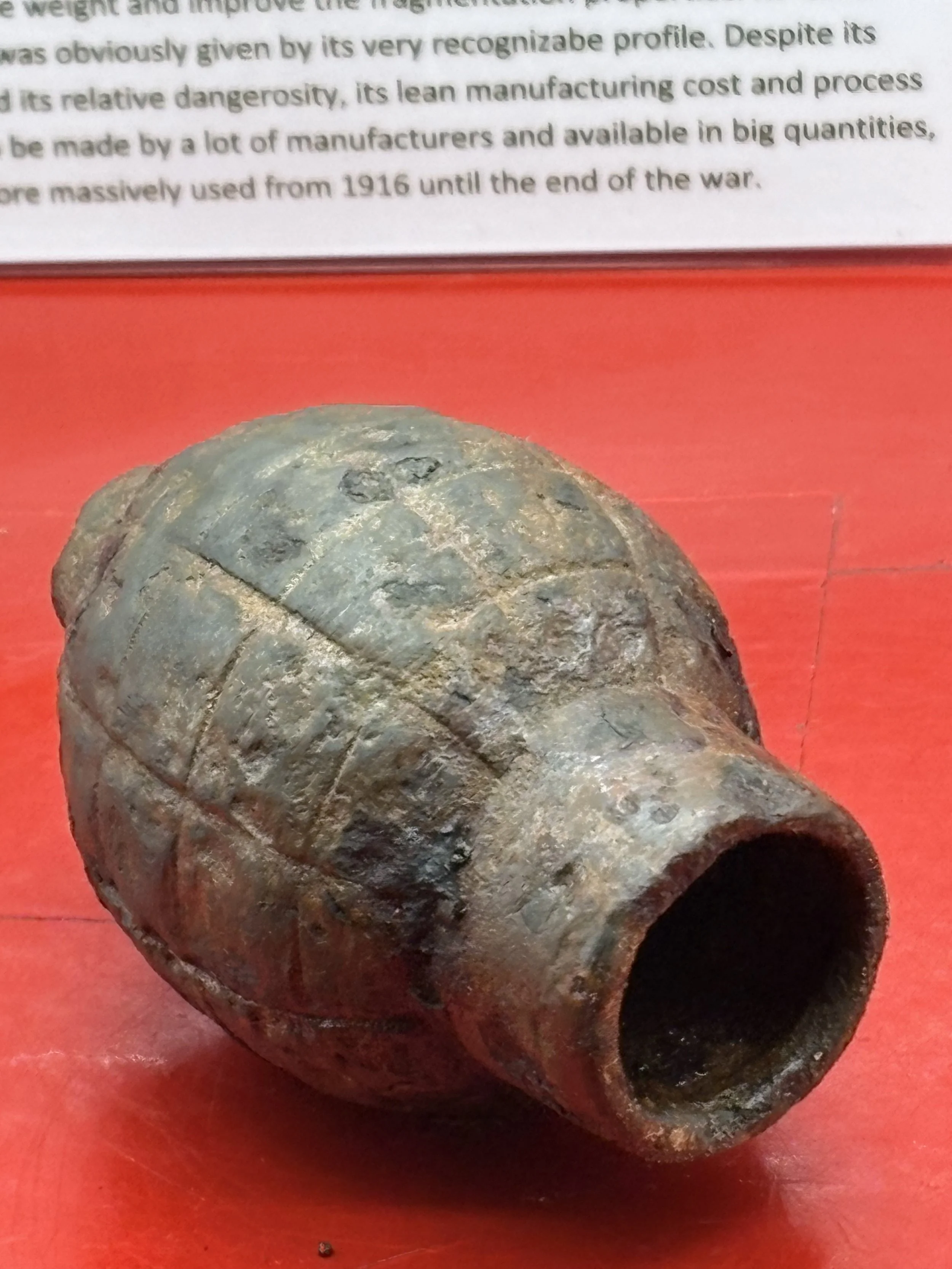 Image 4 of 9
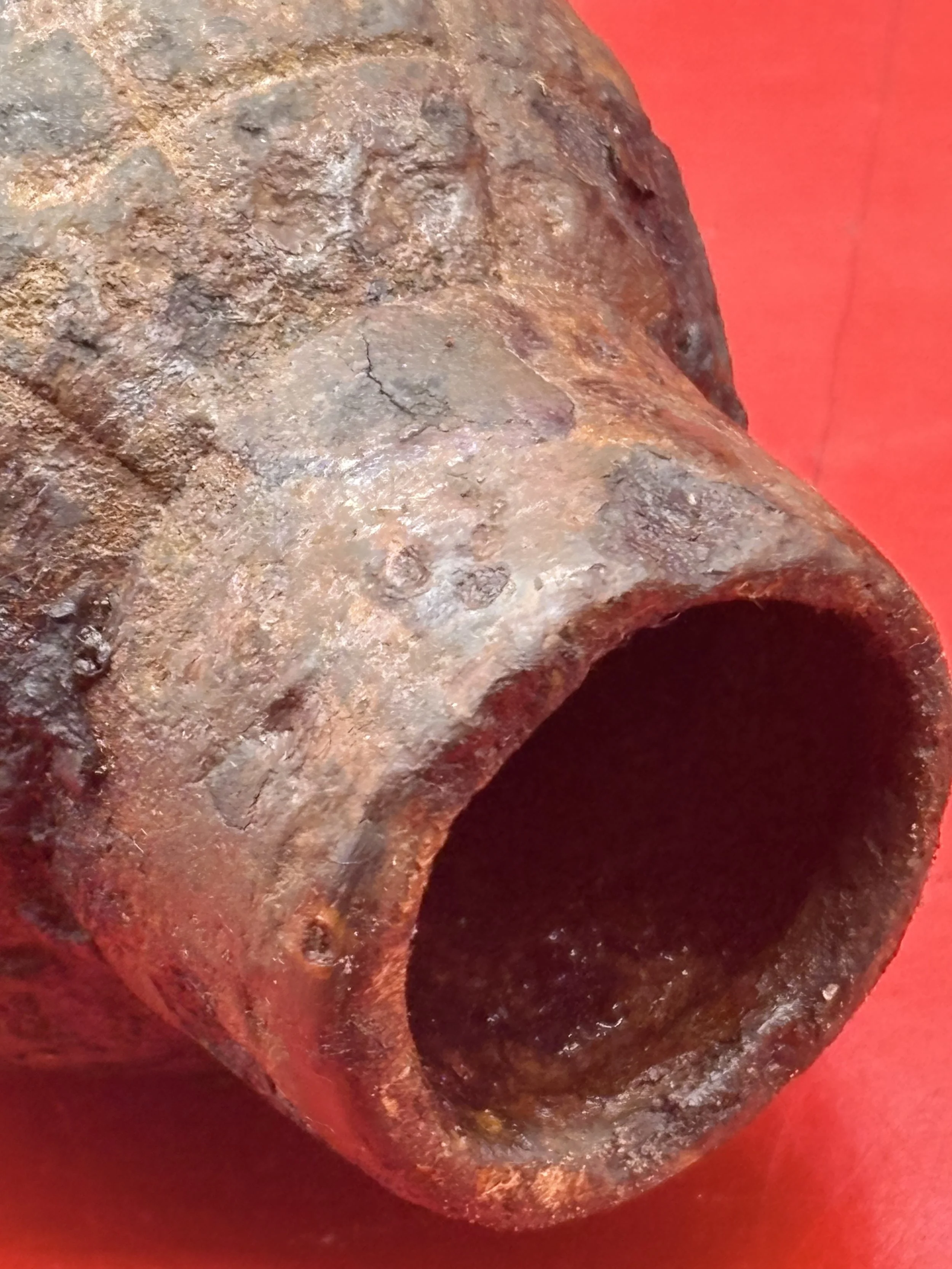 Image 5 of 9
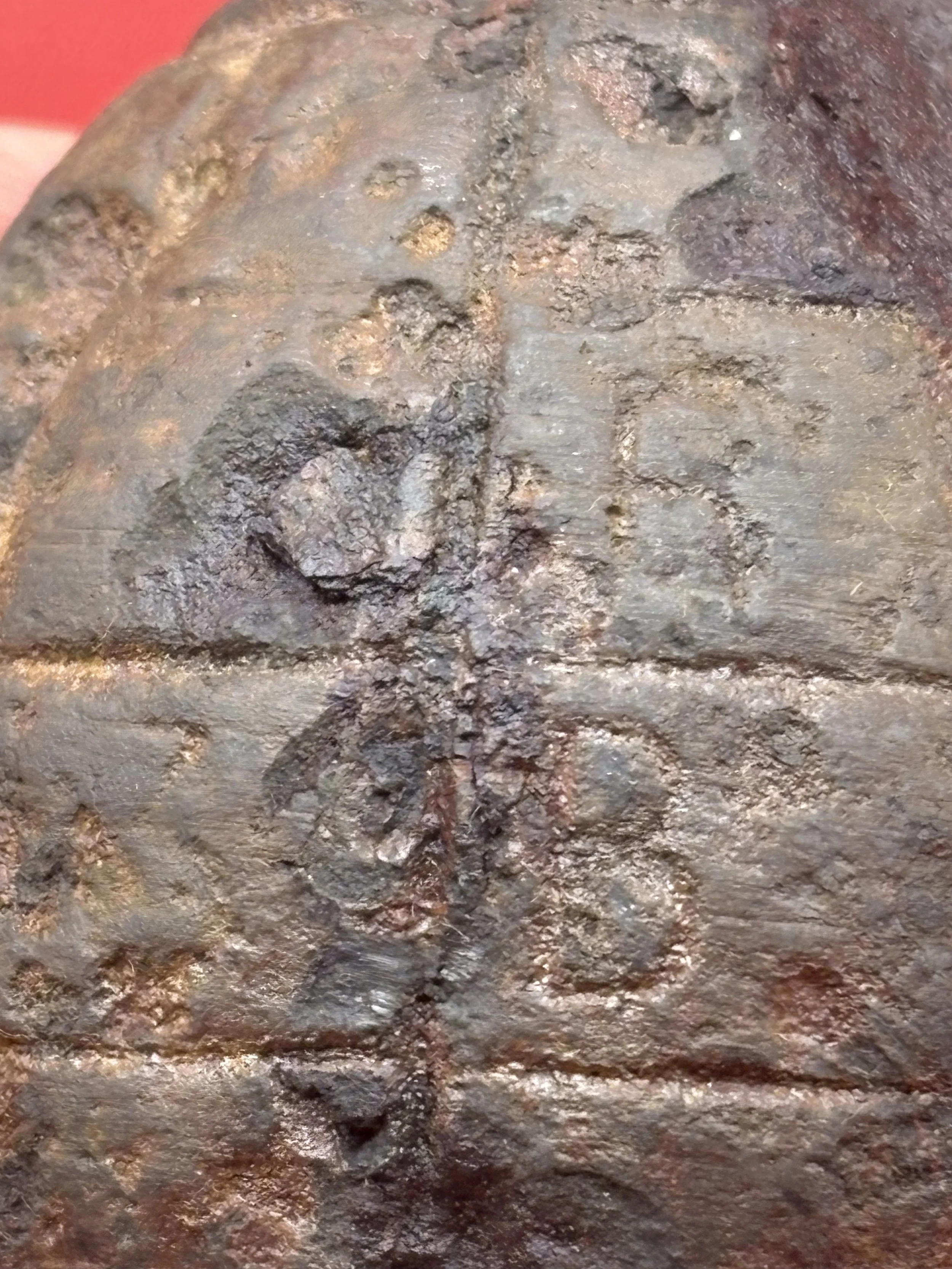 Image 6 of 9
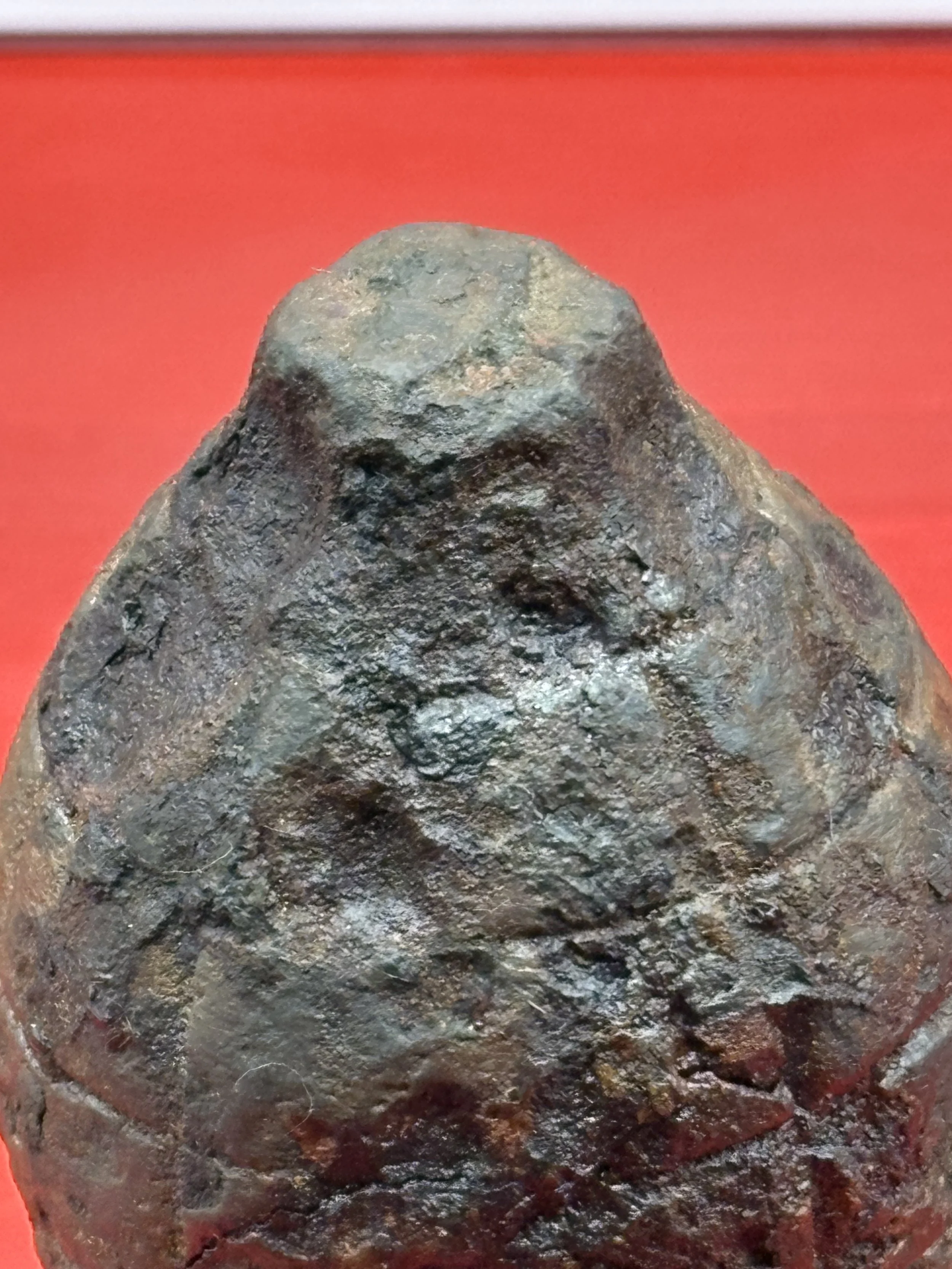 Image 7 of 9
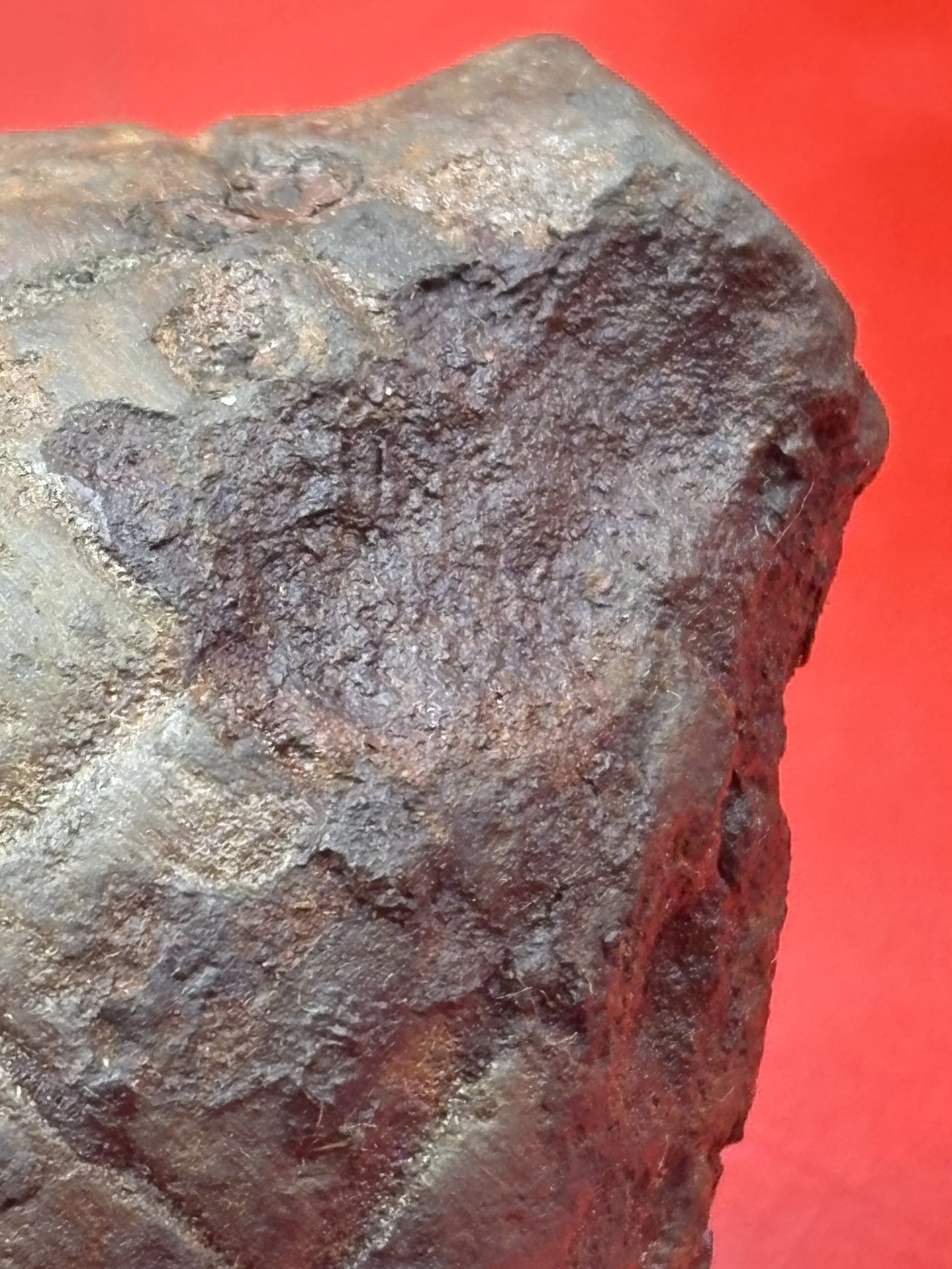 Image 8 of 9
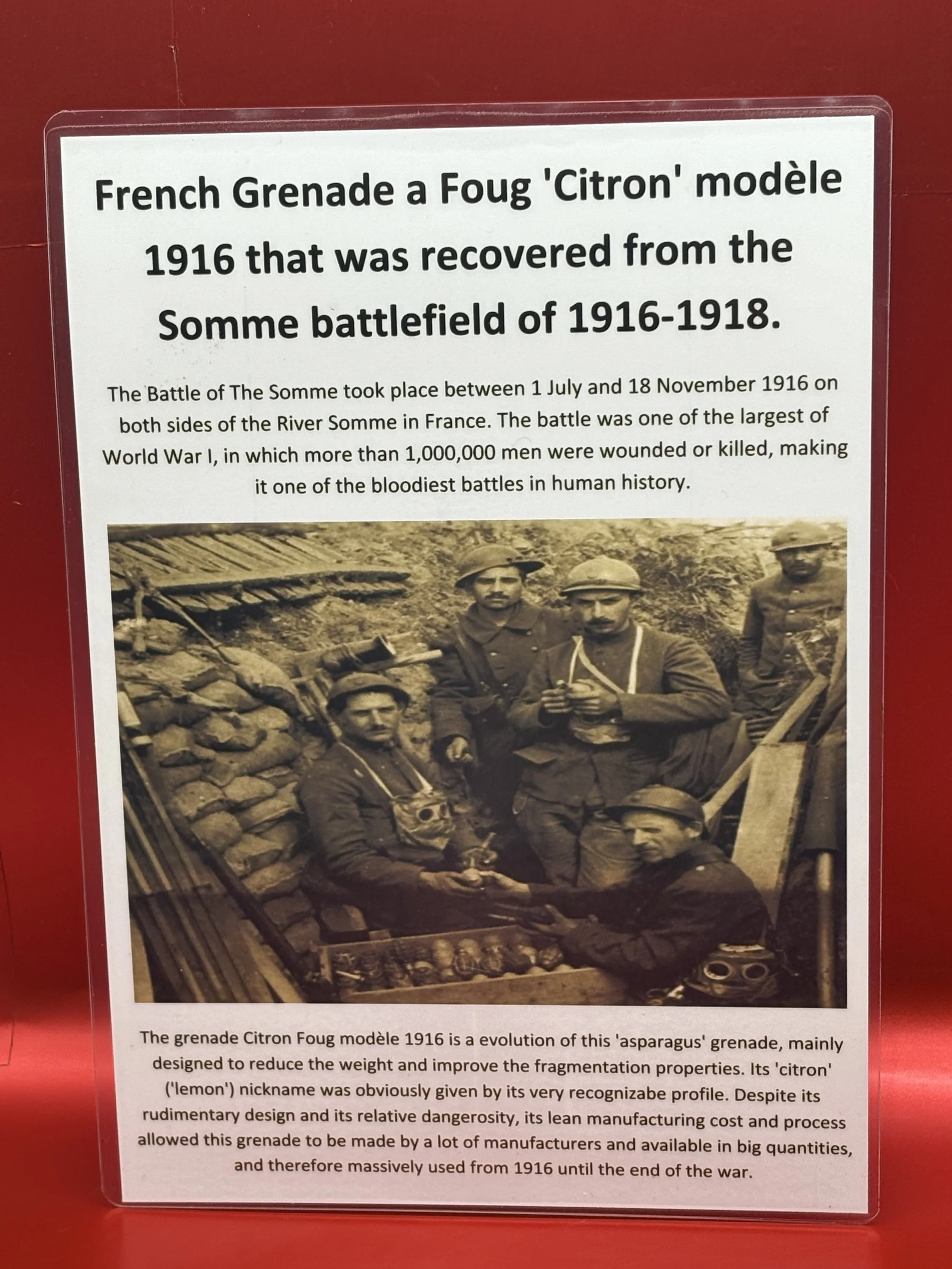 Image 9 of 9