Sale Price:
£45.00
Original Price:
£65.00
This is a counterweight from the leading edge of an aileron or elevator which is to balance the surface of the aircraft during flight which is steel made solid heavy part..
The part is only very lightly rusty with some original colour and original black paintwork it is in nice solid condition not damaged by the impact crash because it is solid steel it is in relic but solid condition and has been nicely cleaned perfect for display or any collection and is 6 half inches long by 2 inches wide in size. The part comes from a German Ju88 bomber, which was carrying a Messerschmitt 109 as part of a Mistel combination.
This weight originates from a Junkers Ju88 Mistel of KG66 that was shot down at Hothfield near Ashford, Kent, at 23:45 on 1 September 1944. The aircraft exploded on impact, creating a crater 12 feet deep and 40 feet wide. Between 1-2 September 1944, two Mistel aircraft of III/KG66 crashed in the UK, both believed to have been launched against shipping targets one at Warsop, Nottinghamshire, and the other at Hothfield, Kent. The Ju88 was acting as a Pfadfinder (pathfinder), marking targets for other bomber units using the Y-Verfahren (Kampf) and Egon bombing/navigation systems.
The Mistel system involved a bomber airframe, usually a Ju88, with the entire nose crew compartment replaced by a specially designed explosive-filled nose and a fighter aircraft mounted on top, joined by struts. The fighter pilot would fly the combination to the target, release the unmanned bomber to hit the target, and return safely. The first Mistel flew in July 1943, and Luftwaffe test unit KG 200 began the programme under the code name Beethoven.
This is a counterweight from the leading edge of an aileron or elevator which is to balance the surface of the aircraft during flight which is steel made solid heavy part..
The part is only very lightly rusty with some original colour and original black paintwork it is in nice solid condition not damaged by the impact crash because it is solid steel it is in relic but solid condition and has been nicely cleaned perfect for display or any collection and is 6 half inches long by 2 inches wide in size. The part comes from a German Ju88 bomber, which was carrying a Messerschmitt 109 as part of a Mistel combination.
This weight originates from a Junkers Ju88 Mistel of KG66 that was shot down at Hothfield near Ashford, Kent, at 23:45 on 1 September 1944. The aircraft exploded on impact, creating a crater 12 feet deep and 40 feet wide. Between 1-2 September 1944, two Mistel aircraft of III/KG66 crashed in the UK, both believed to have been launched against shipping targets one at Warsop, Nottinghamshire, and the other at Hothfield, Kent. The Ju88 was acting as a Pfadfinder (pathfinder), marking targets for other bomber units using the Y-Verfahren (Kampf) and Egon bombing/navigation systems.
The Mistel system involved a bomber airframe, usually a Ju88, with the entire nose crew compartment replaced by a specially designed explosive-filled nose and a fighter aircraft mounted on top, joined by struts. The fighter pilot would fly the combination to the target, release the unmanned bomber to hit the target, and return safely. The first Mistel flew in July 1943, and Luftwaffe test unit KG 200 began the programme under the code name Beethoven.

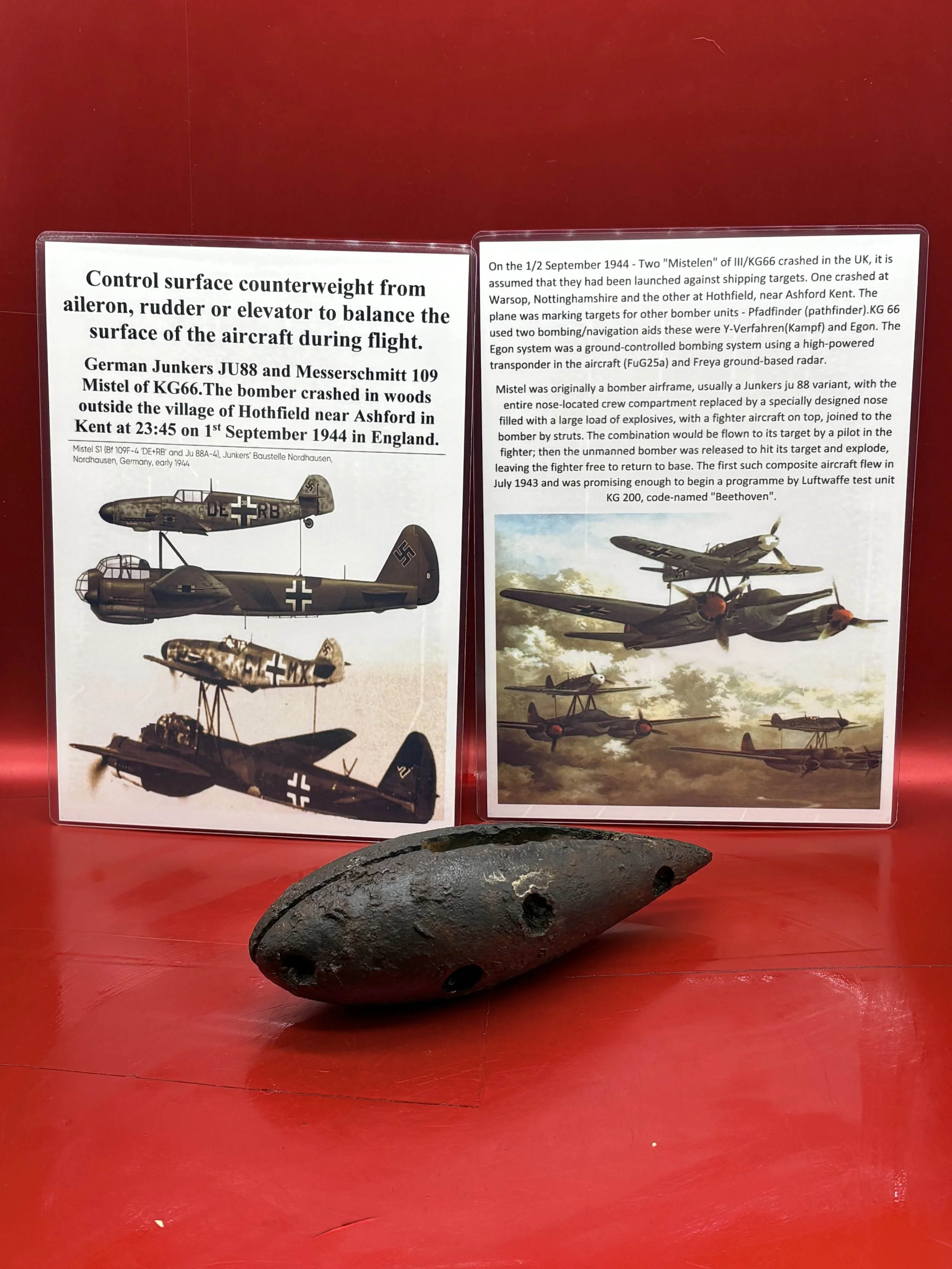 Image 1 of 9
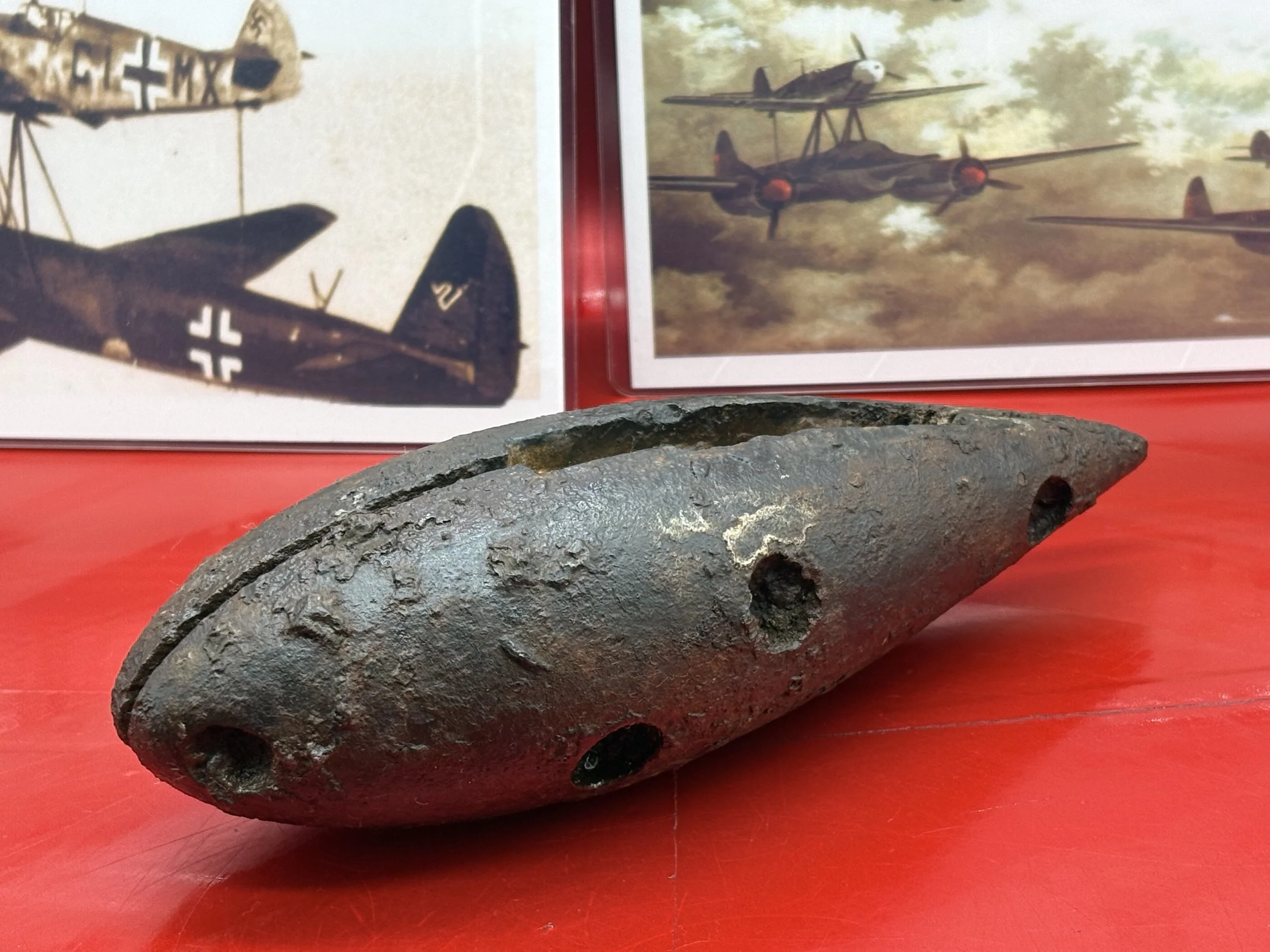 Image 2 of 9
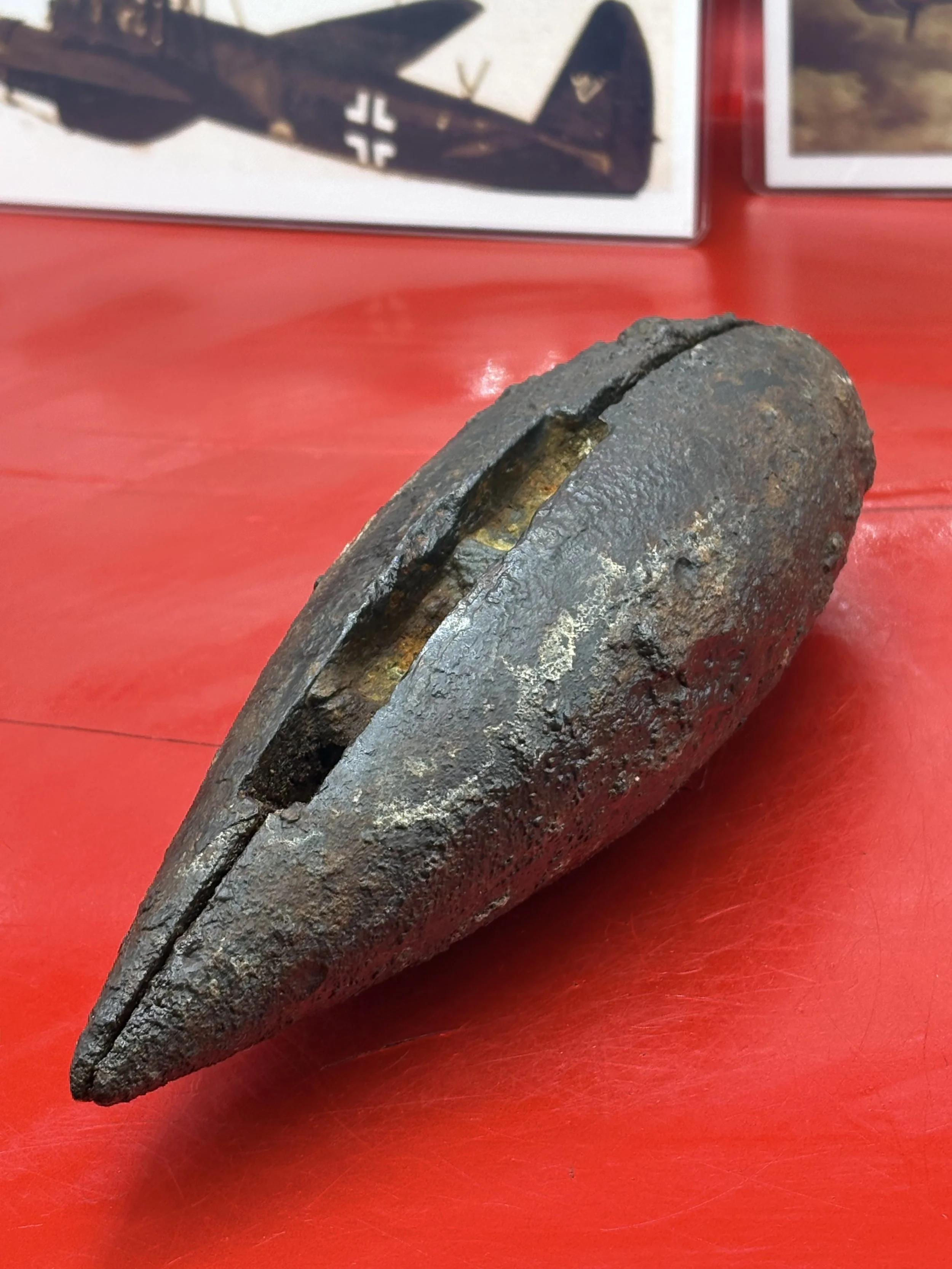 Image 3 of 9
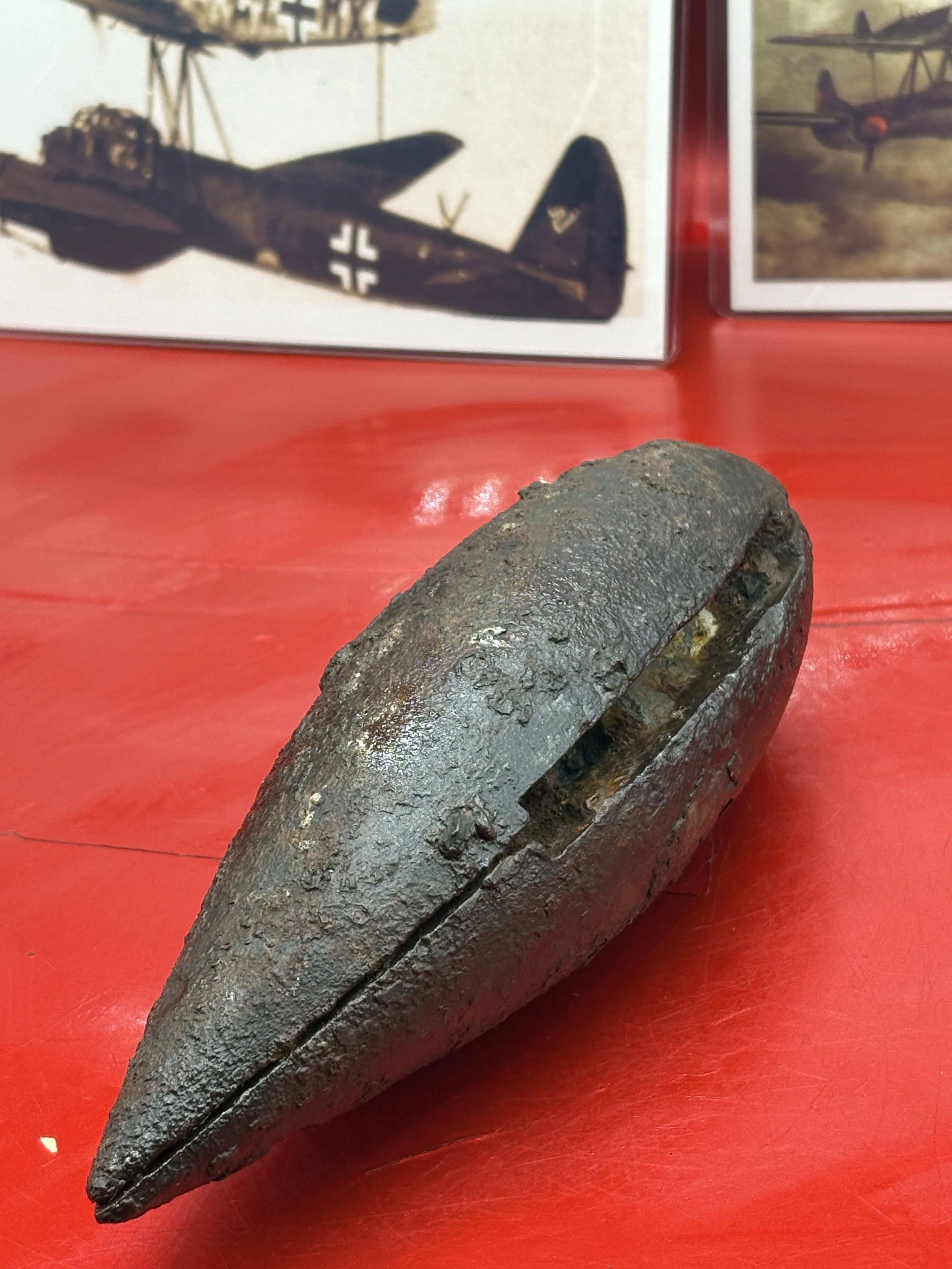 Image 4 of 9
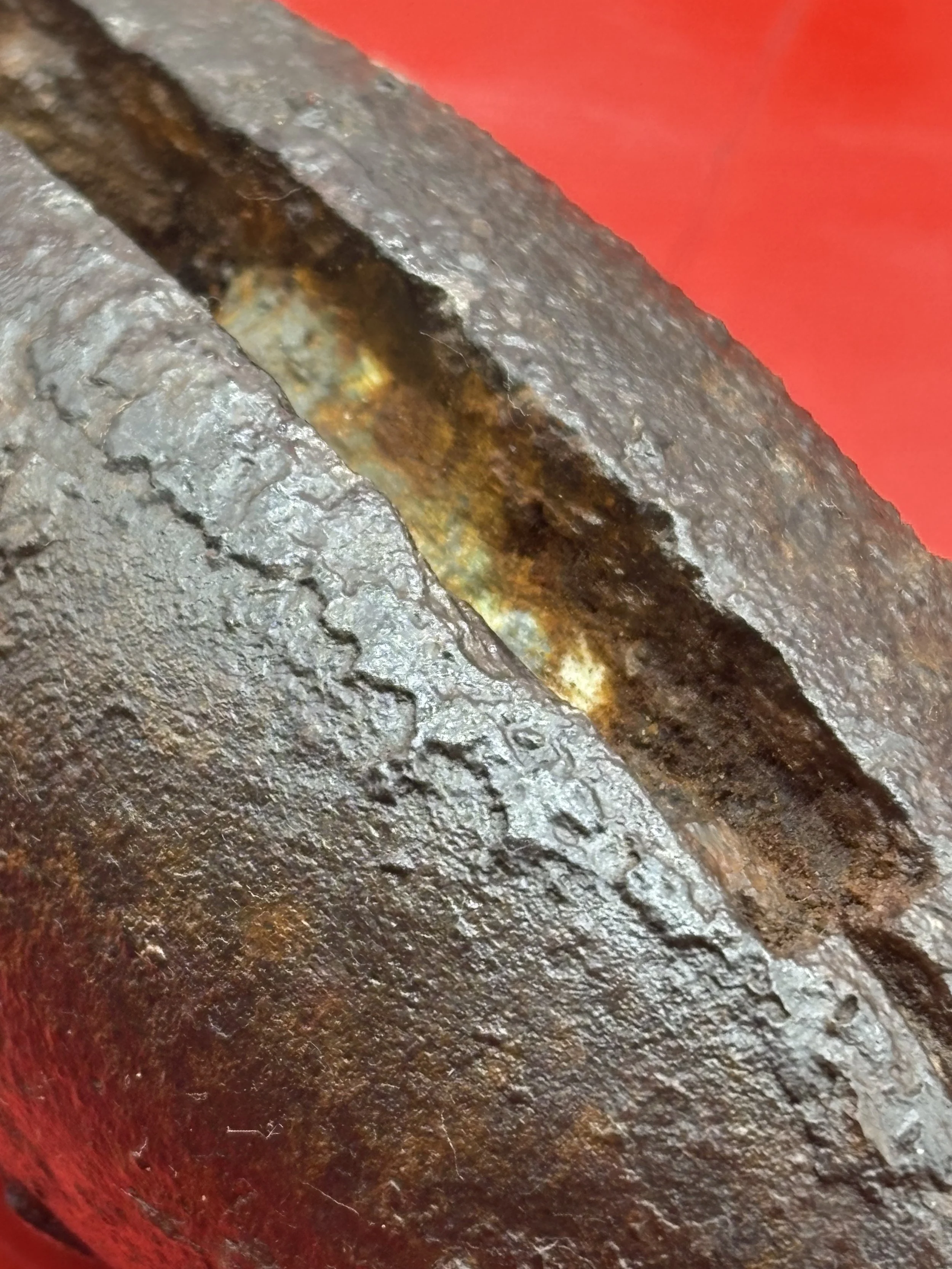 Image 5 of 9
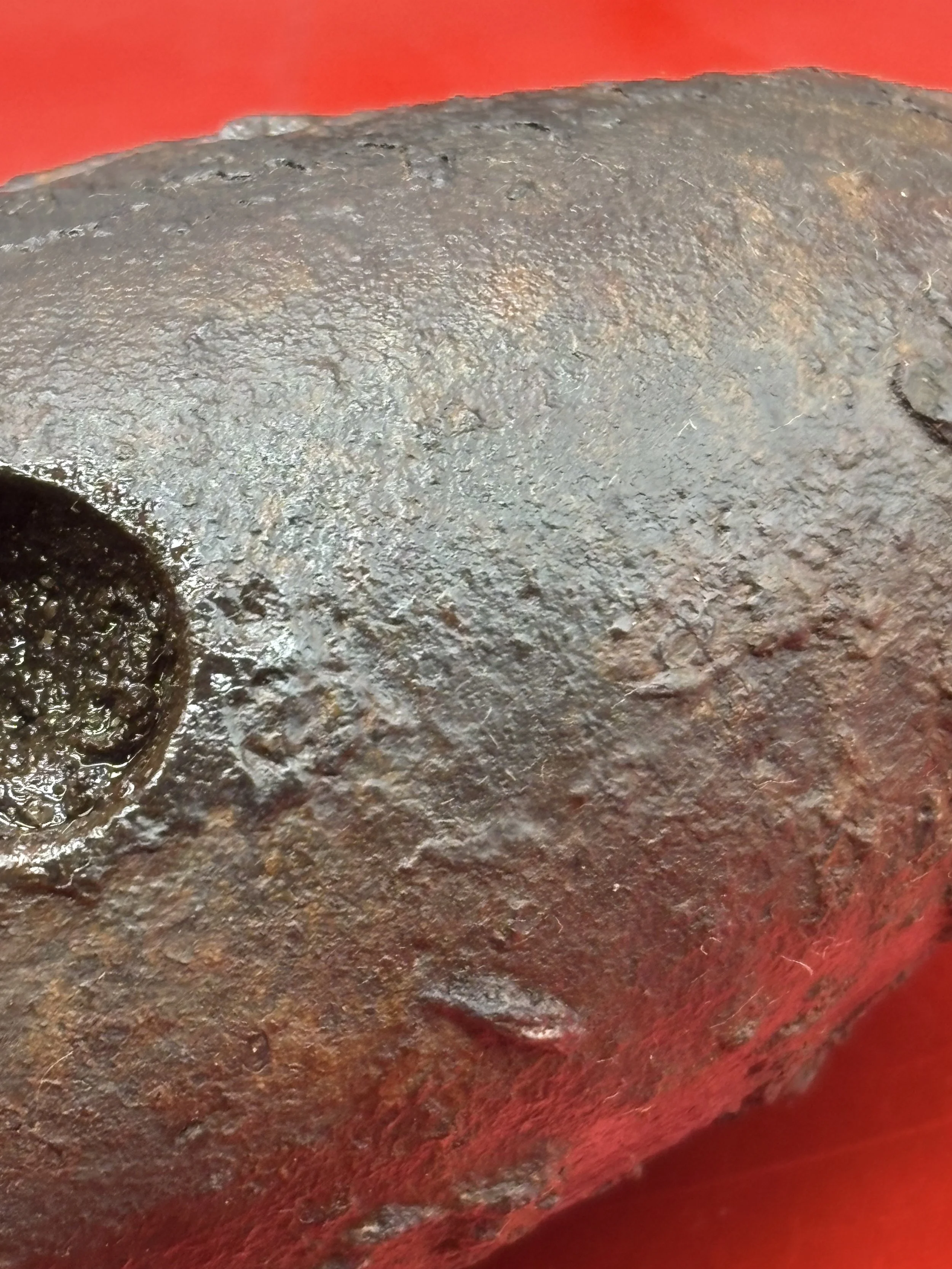 Image 6 of 9
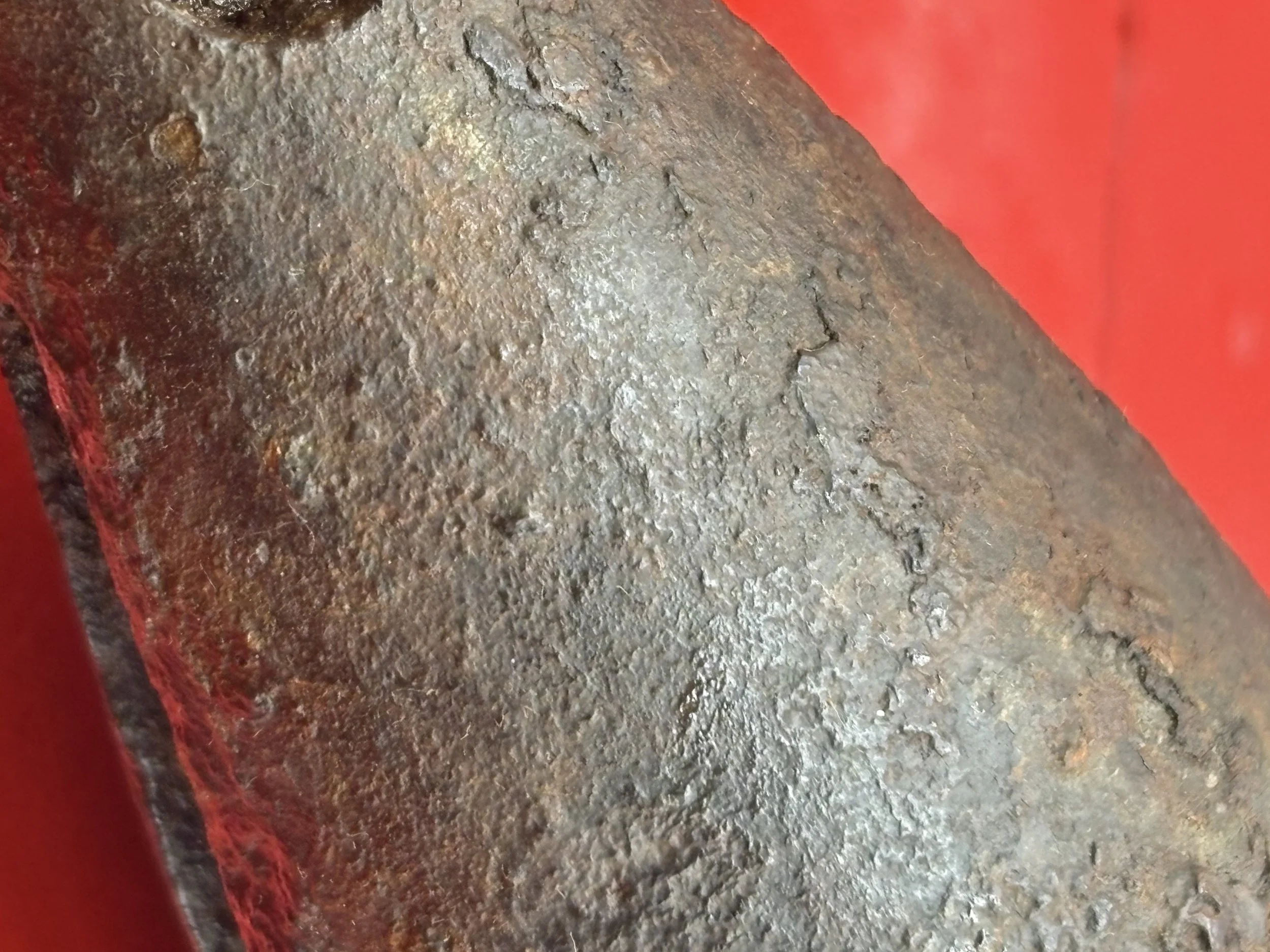 Image 7 of 9
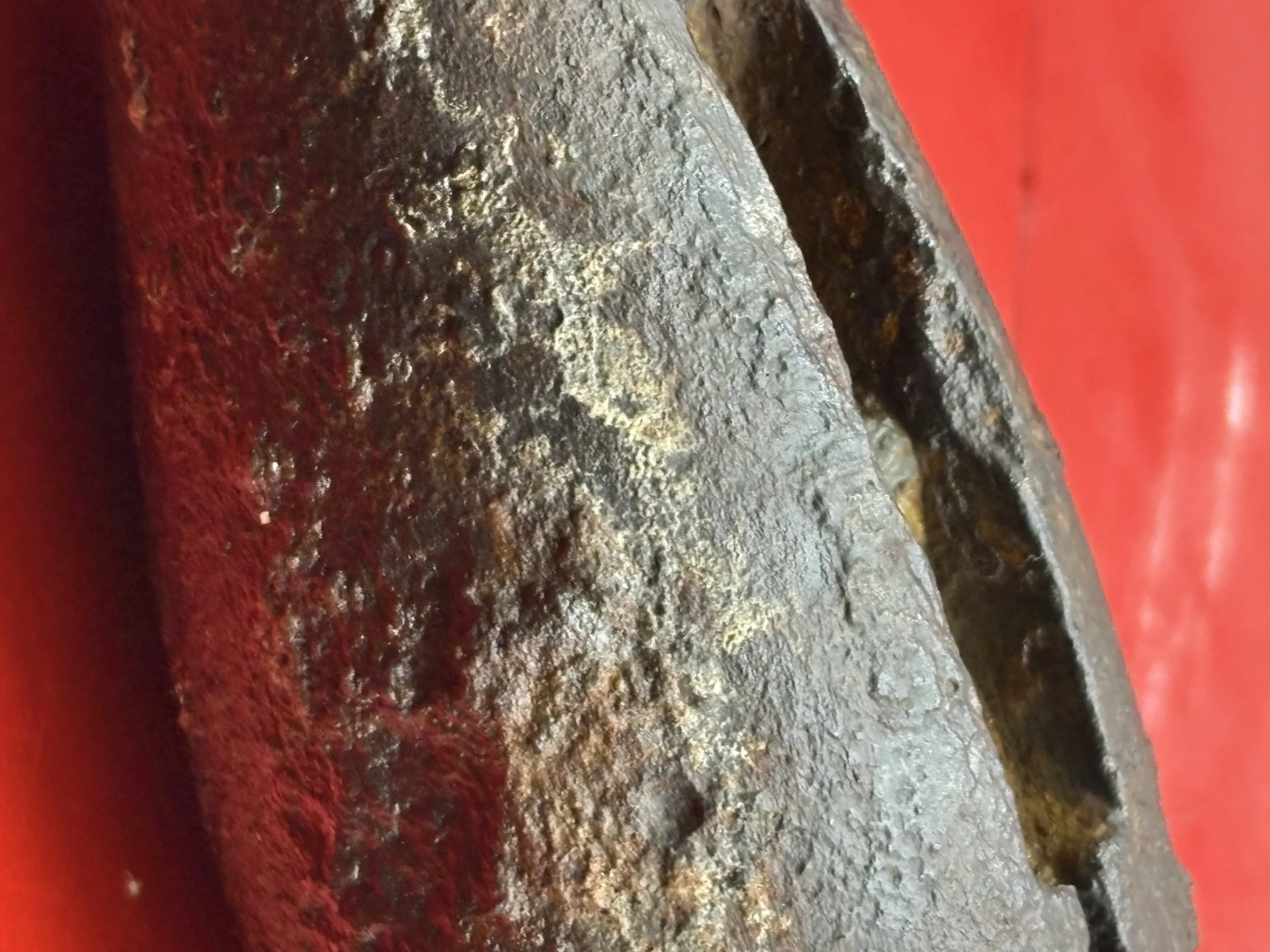 Image 8 of 9
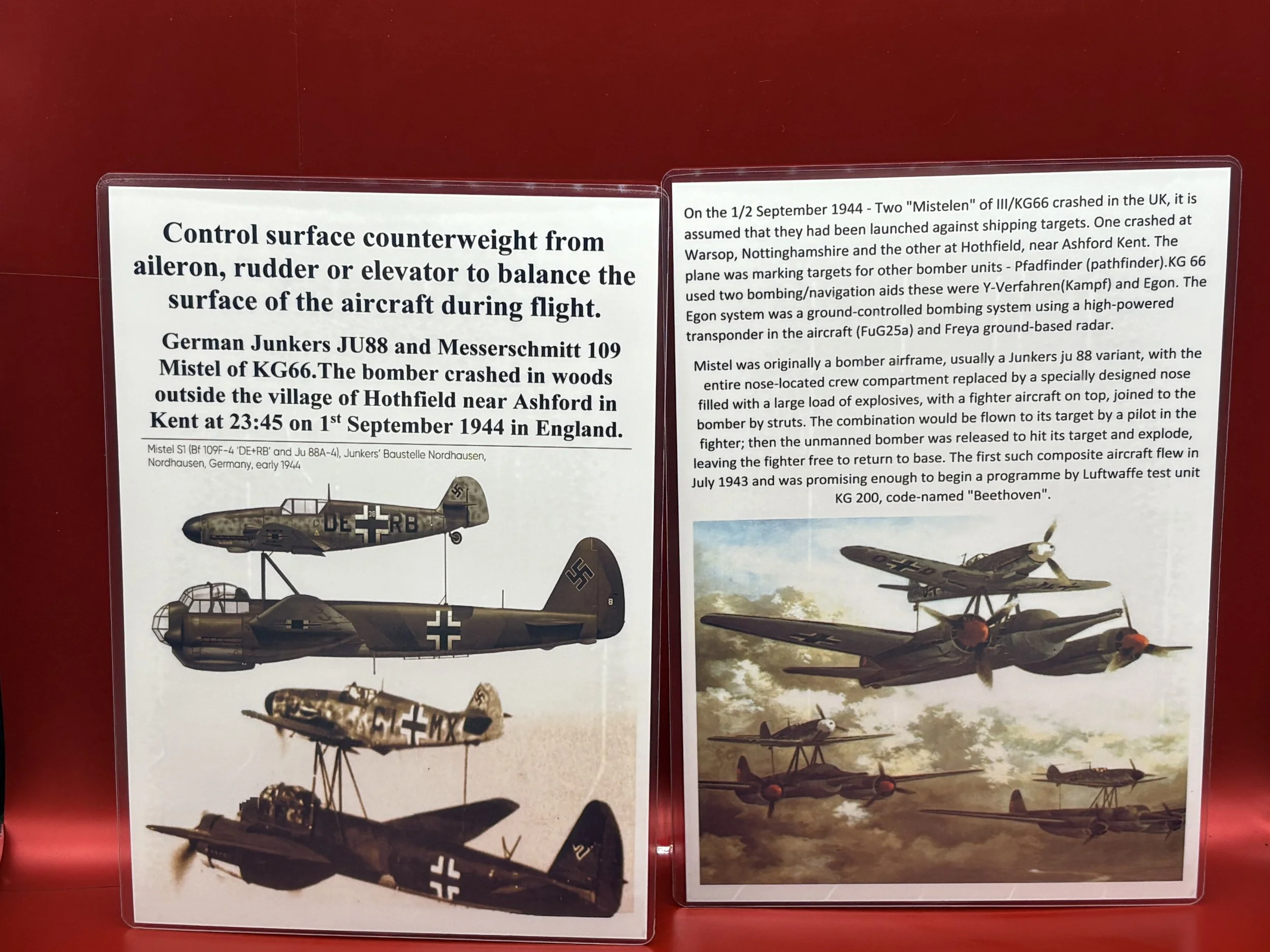 Image 9 of 9