Collection of cockpit oxygen and avionics components recovered from the wreckage of Junkers Ju 88 C-4 (WNr 0345), that crashed near Peterborough during a night intruder mission 17th April 1941
Parts in group are;
Oxygen regulator cradle - This stamped sheet-metal mounting cradle secures the WWII Luftwaffe Fl.30470 Auer oxygen regulator to the Junkers Ju 88 starboard cockpit wall. Featuring a flanged backplate and curved protective cage with eight oval cutouts, it shields the delicate internal breathing bag (Membranlunge) from accidental crew impact while supporting top-mounted pressure gauges.
Stamped aluminium cover stencilled FuG25 -belonged to the early-war Telefunken FuG 25 Zwilling identification friend-or-foe (IFF) transponder (SE.25 or TG.25 module). Mounted on an AR 25 shock frame inside the Ju 88 C-4’s rear fuselage radio bay, the unit automatically responded to German Würzburg ground radar pulses, identifying the night intruder as friendly to Luftwaffe flak batteries and radar controllers.
24-volt radio-interference suppression box - (Entstörkasten LEst. K1, Fl. 32572) served a Junkers Ju 88 C-4 night fighter’s autopilot course-control system. Mounted in the fuselage electrical bay alongside the servo wiring, its internal chokes and capacitors filtered out electrical noise from the steering motors to prevent static in the aircraft’s sensitive radio receivers.
shielded 10-pin harness connector (Ln. 28326 / Ln. 28327) with cable remains belonged to the FuG 101 low-altitude radio altimeter system. Mounted inside a recessed bay beneath the outer wing mainplane, it linked the aircraft’s screened wiring loom to the plug-in transmitter (S 101) or receiver (E 101) unit. Unlike standard barometric altimeters—which measured height above sea level and could drift with changing weather—the Siemens-built FuG 101 bounced radio signals off the ground or water to show the crew their exact, real-time height above the terrain below on a cockpit dial (across 0–150 metre and 0–750 metre scales). This accurate ground clearance was vital for Luftwaffe night fighters and night intruders, enabling crews to operate safely in total darkness and poor visibility—whether hugging the ground to evade enemy radar, stalking Allied bombers at low altitude, or making blind approaches back to blacked-out airfields.
Condition of items as per the photographs. The wire attached to the 10 pin harness connector is only hanging on by a few strands of wire.
Operating with 4./NJG 2 from Gilze-Rijen airfield in the Netherlands, Junkers Ju 88 C-4 (Werknummer 0345, coded R4+BM) was a twin-engine night intruder fitted with a solid, cannon-armed nose. On the night of 17 April 1941, pilot Obergefreiter Wilhelm Beetz and his two crewmen flew a long-range intruder sortie over East Anglia to hunt RAF bombers. While operating near Peterborough, the aircraft caught fire mid-air and plunged vertically into soft Fenland clay near Thorney at 21:23 hours, killing all three crew members. Because the wreckage buried itself deeply on impact, wartime investigators could never definitively prove what sparked the blaze, though historians attribute the loss most likely to British anti-aircraft fire, an uncredited RAF night fighter interception, or a catastrophic Jumo 211 engine or fuel fire.

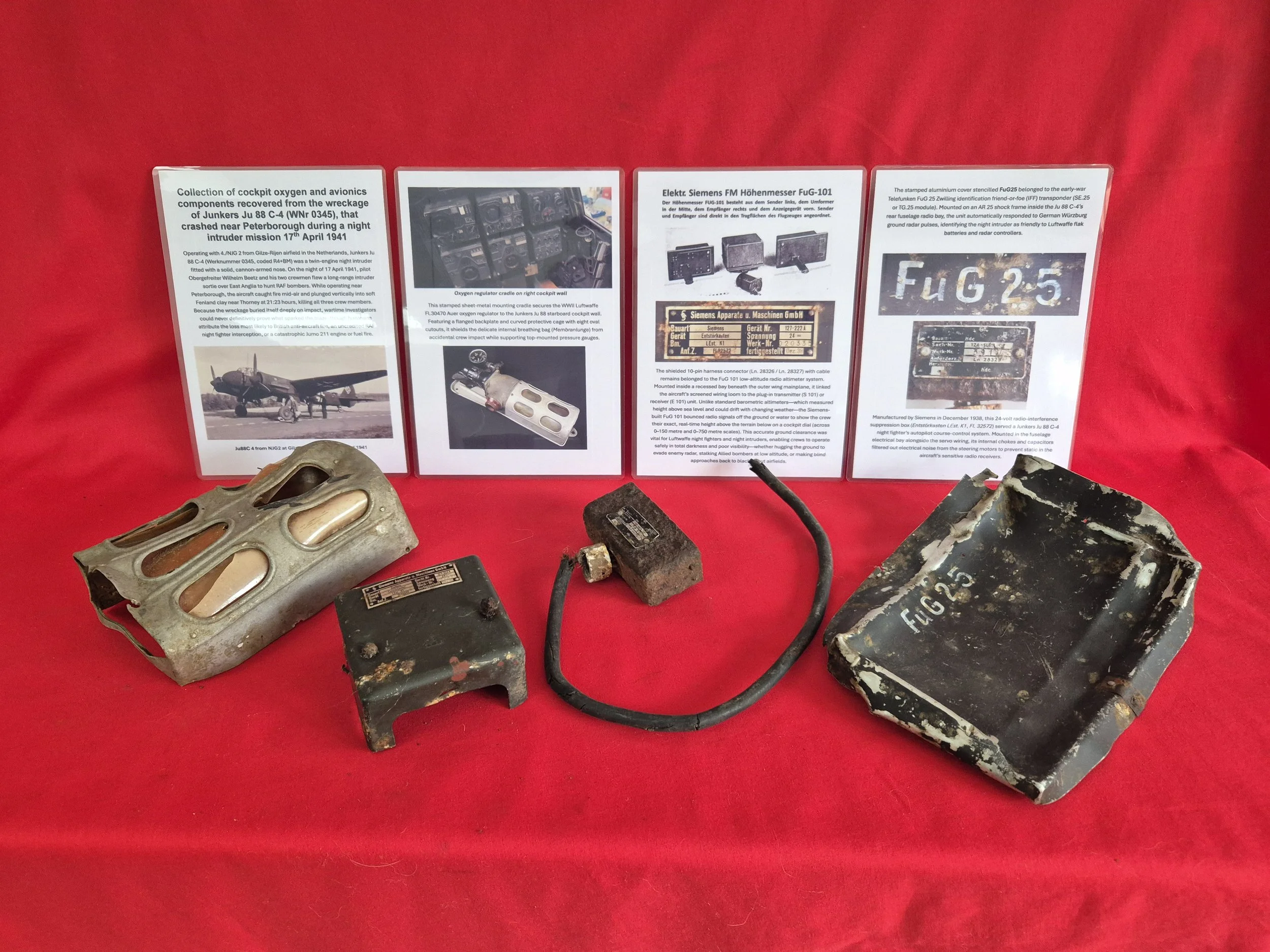 Image 1 of 17
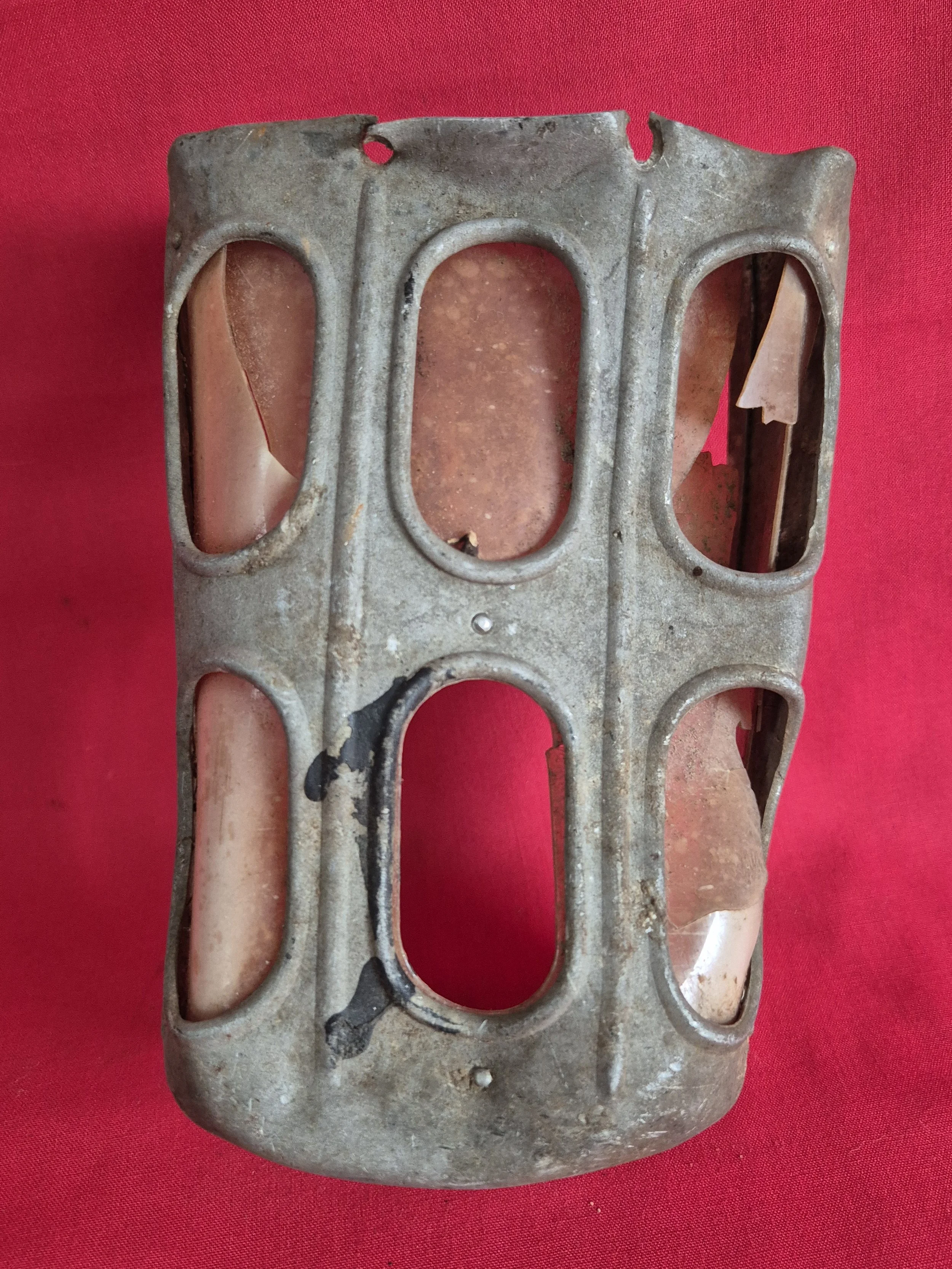 Image 2 of 17
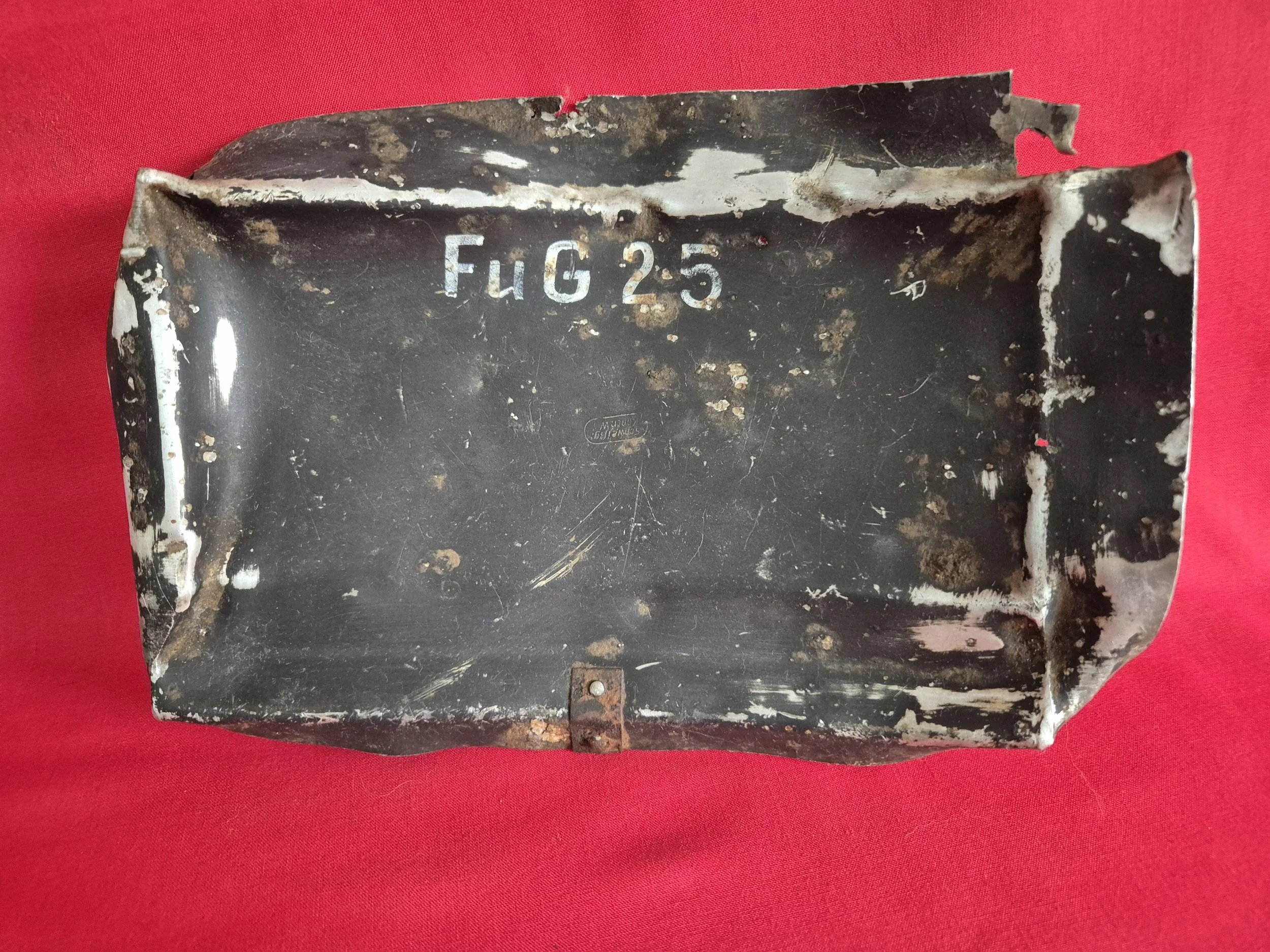 Image 3 of 17
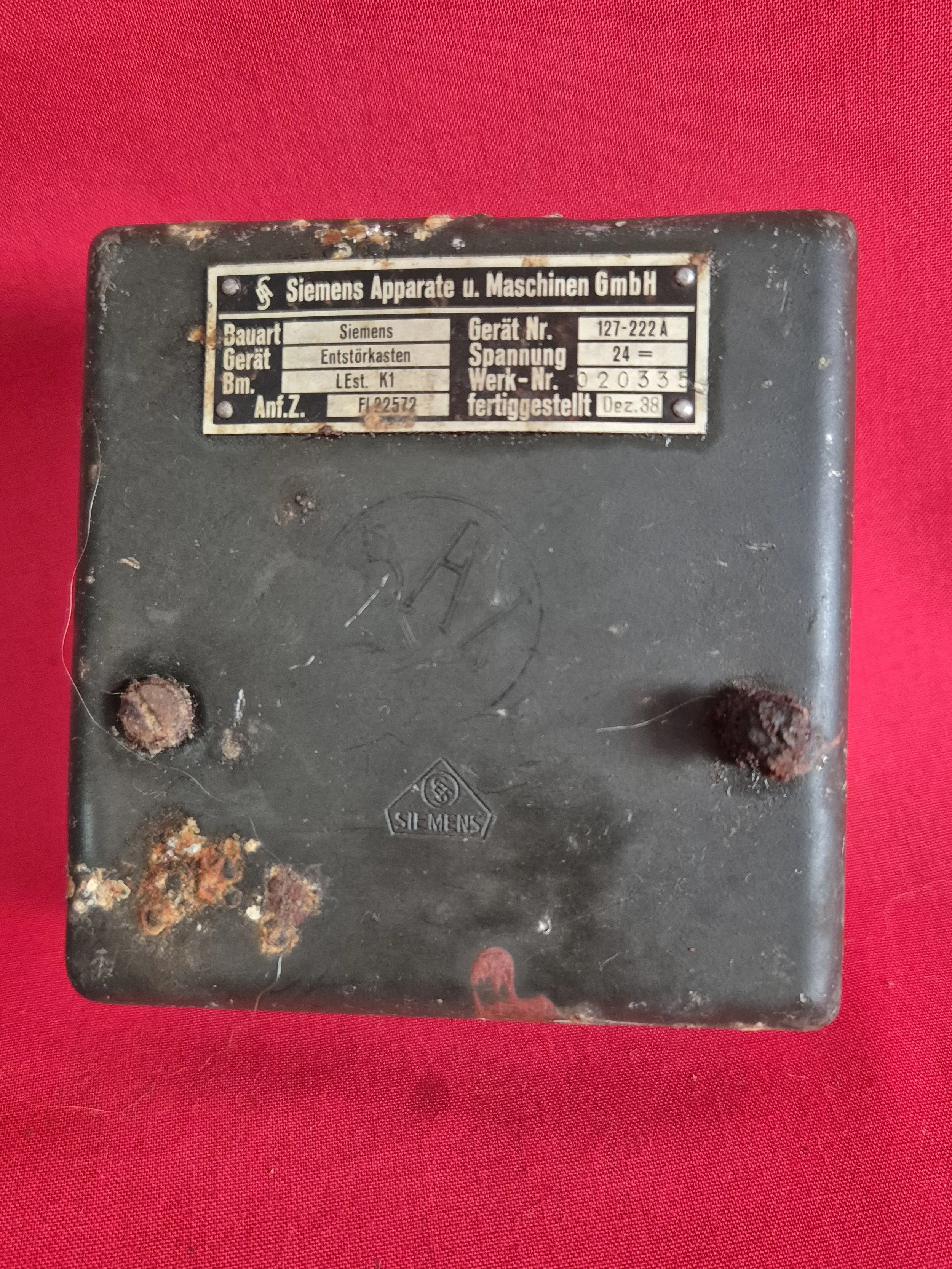 Image 4 of 17
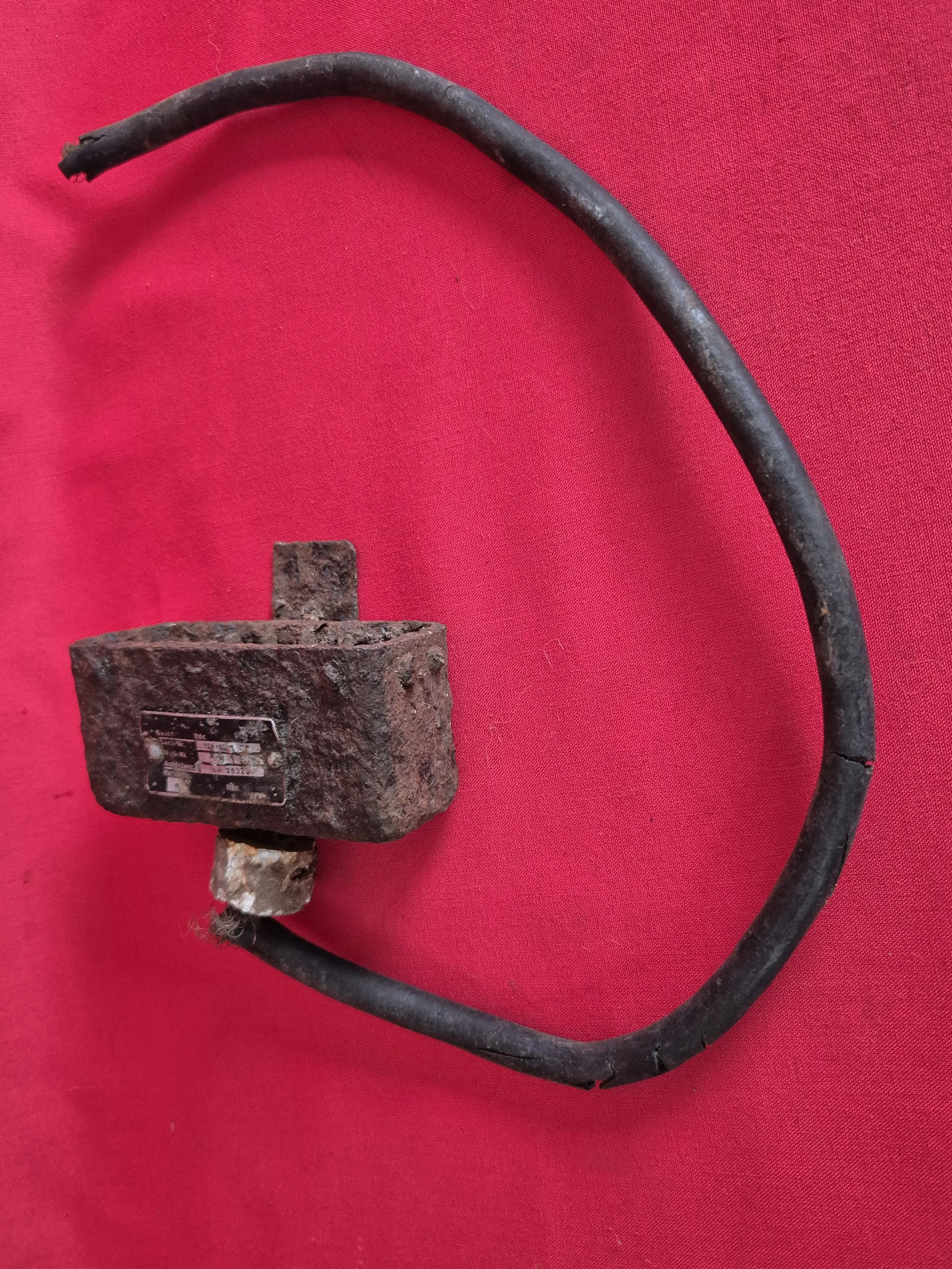 Image 5 of 17
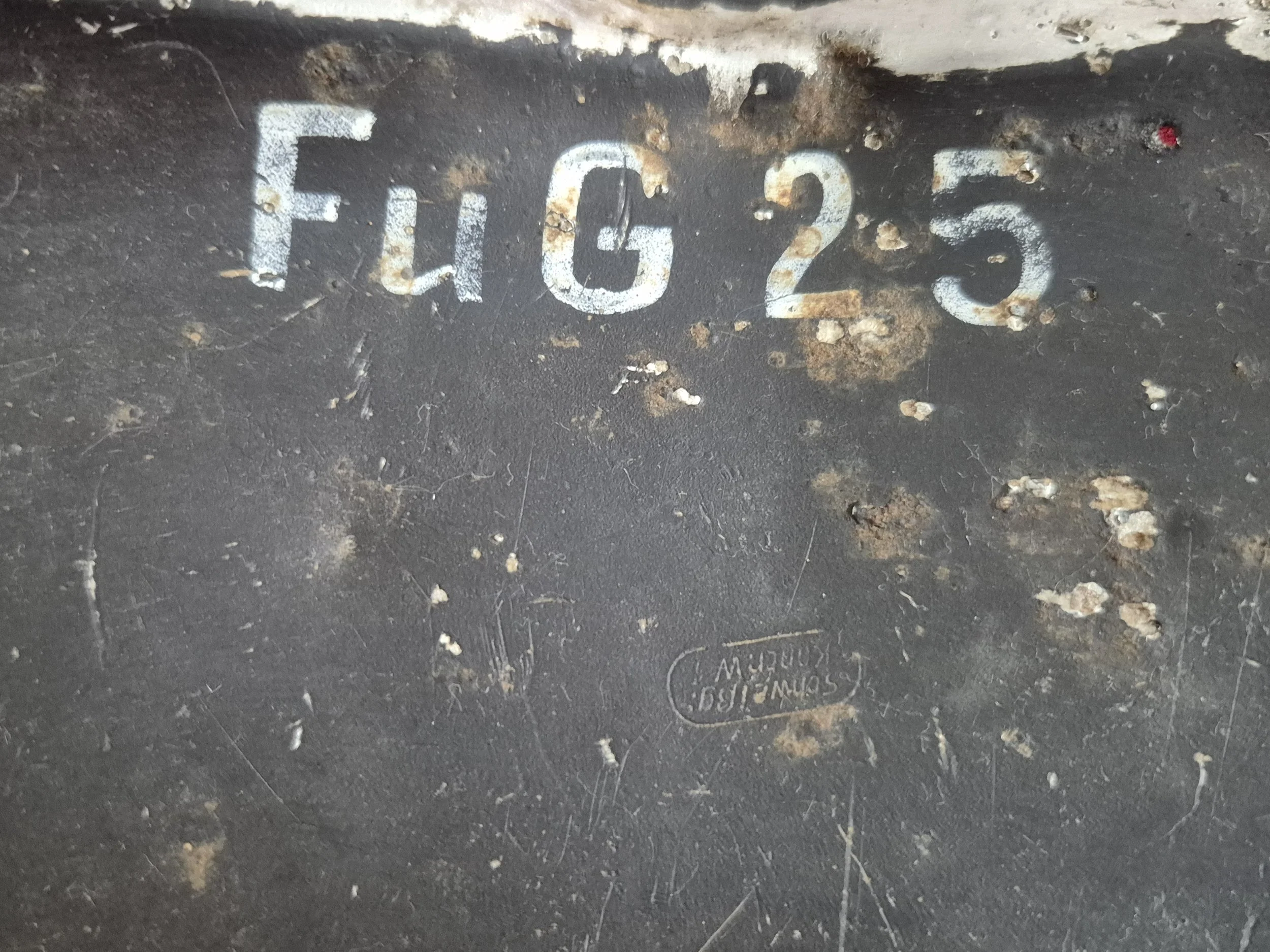 Image 6 of 17
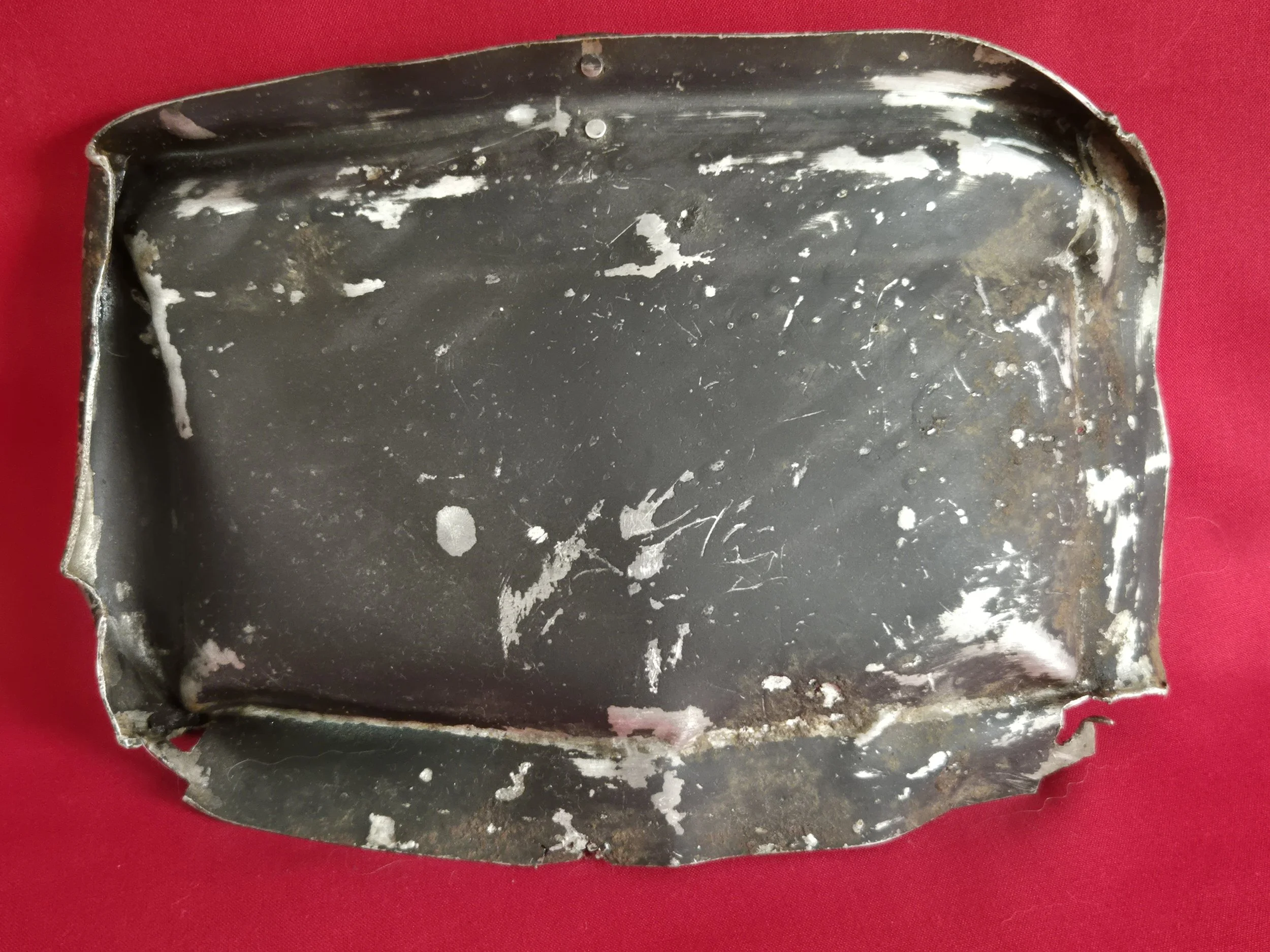 Image 7 of 17
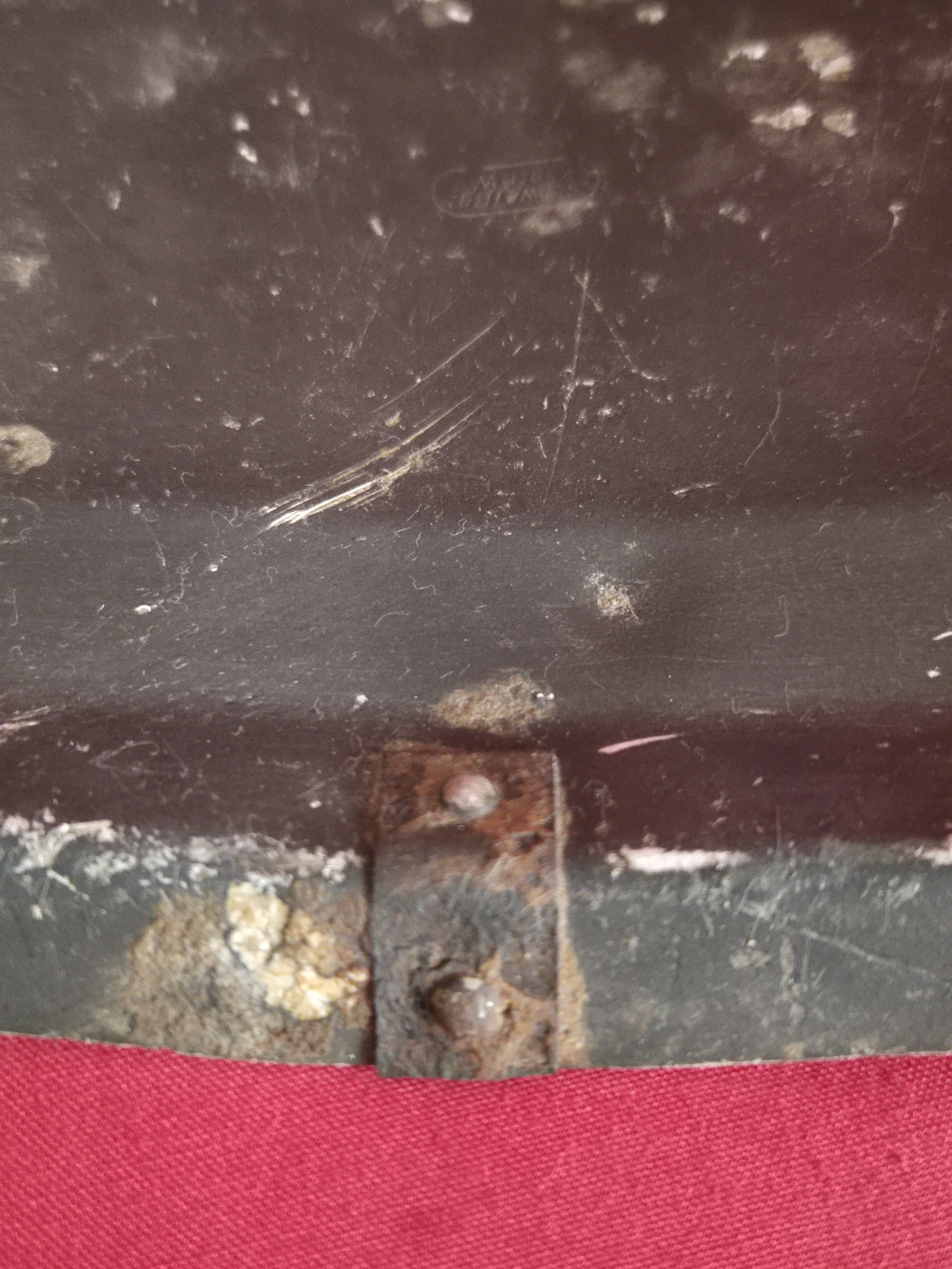 Image 8 of 17
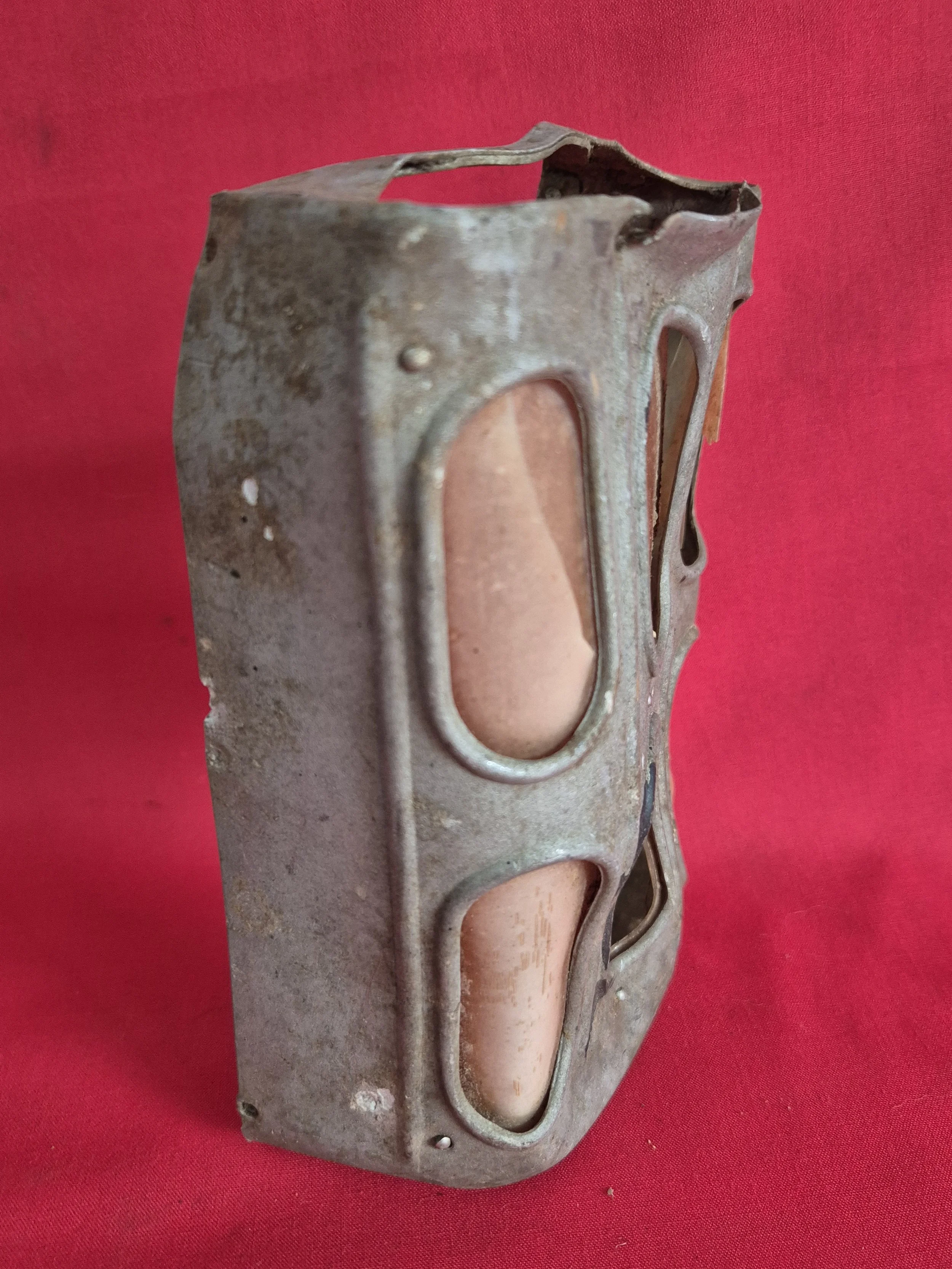 Image 9 of 17
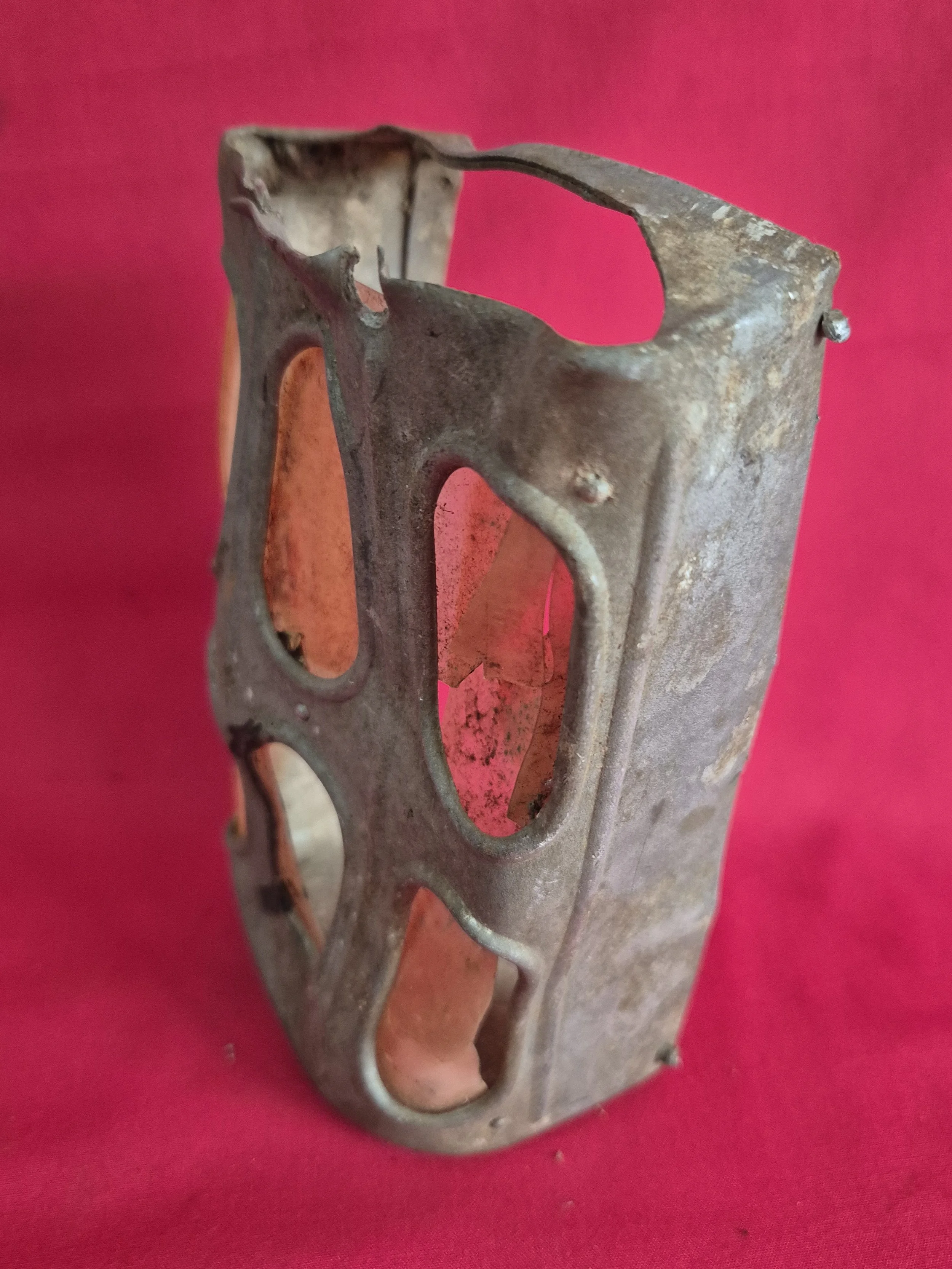 Image 10 of 17
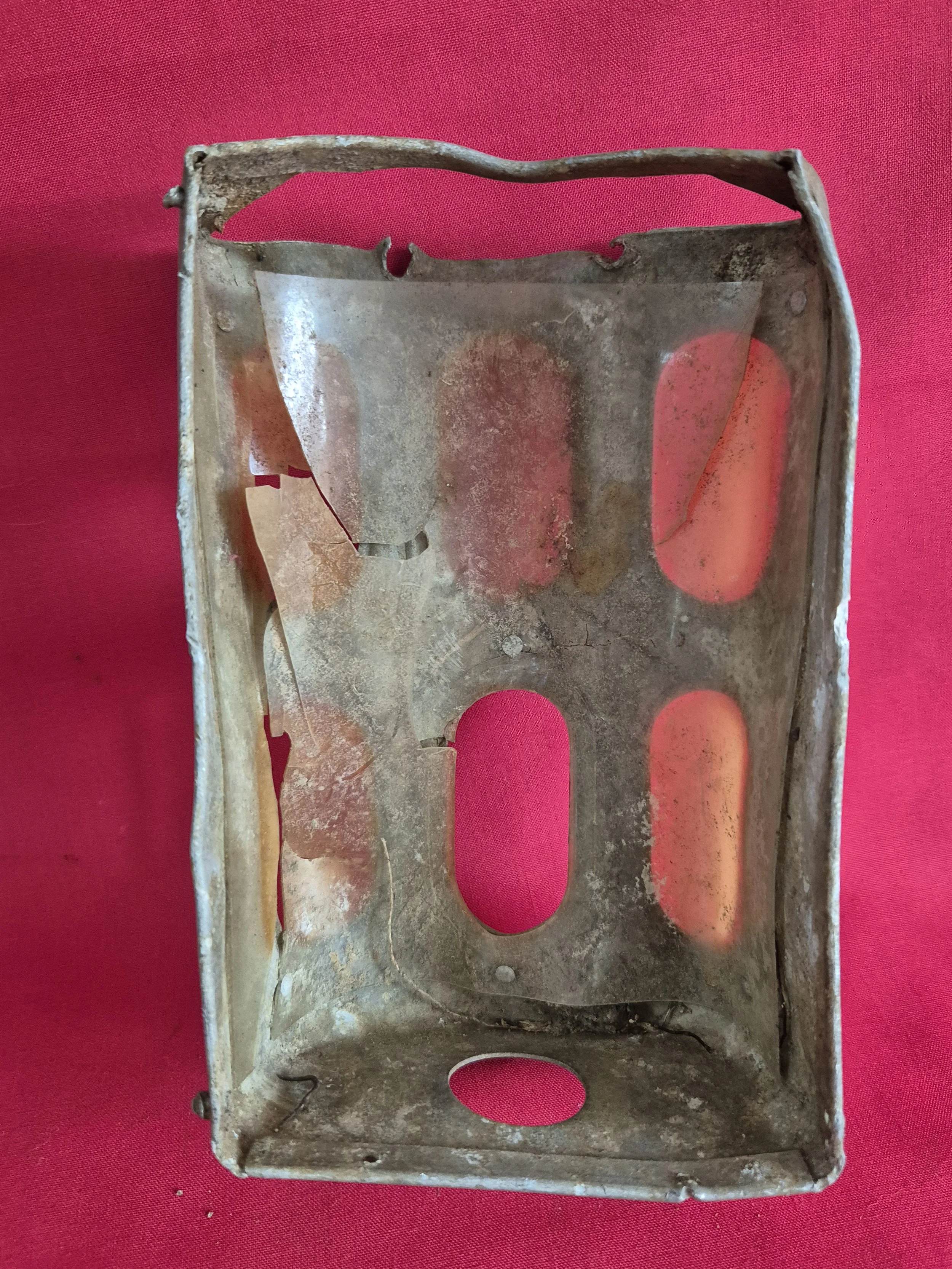 Image 11 of 17
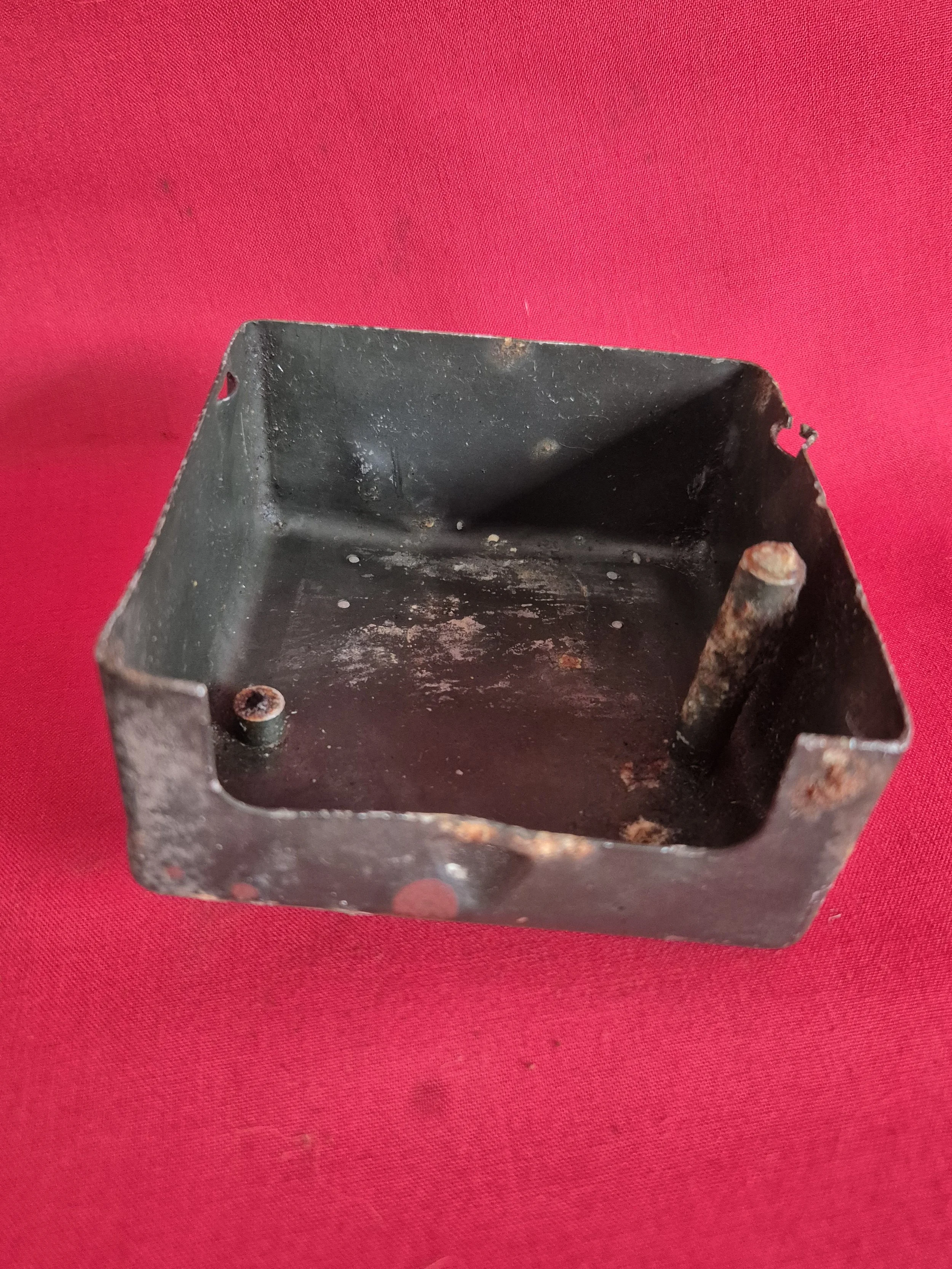 Image 12 of 17
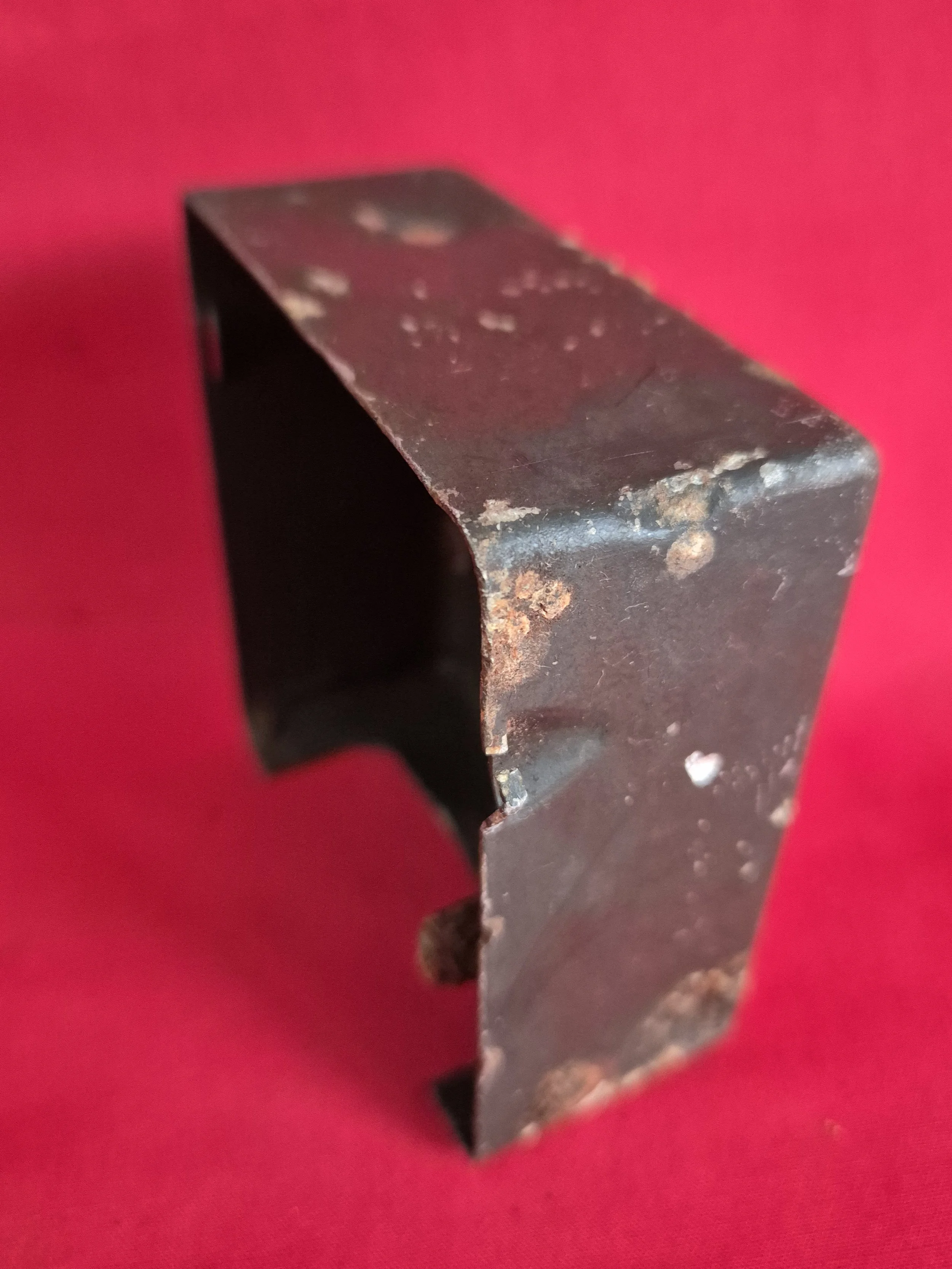 Image 13 of 17
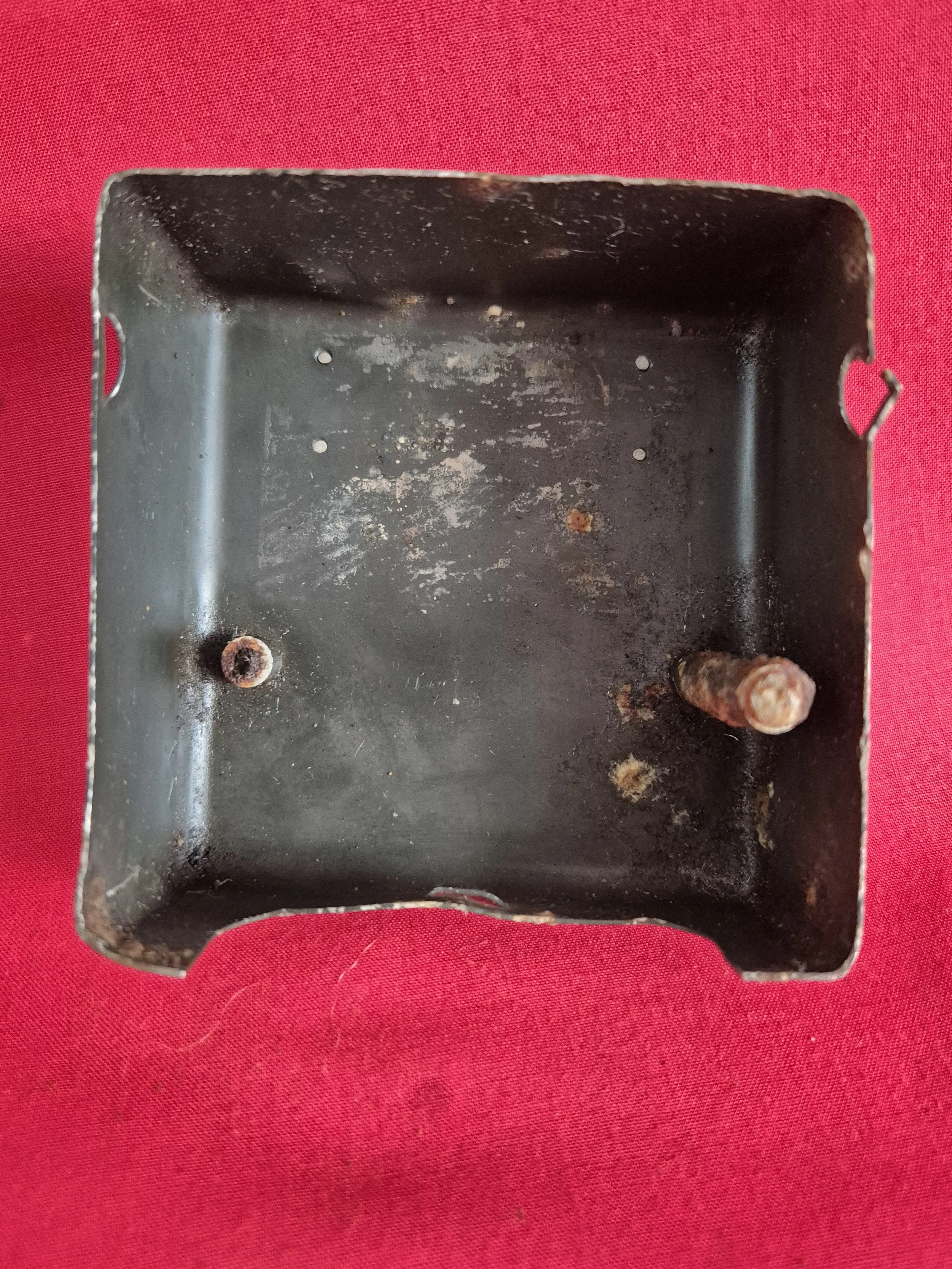 Image 14 of 17
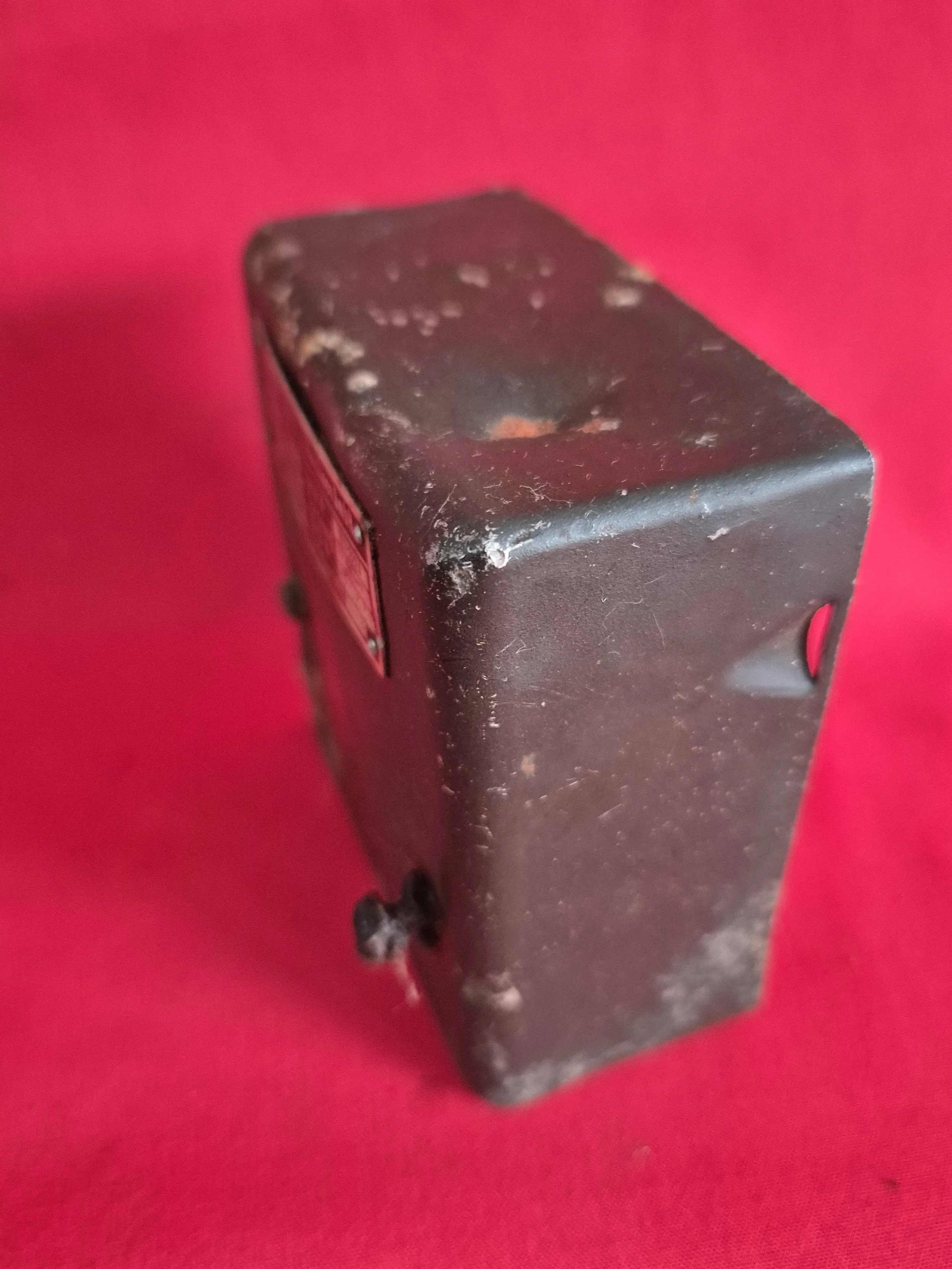 Image 15 of 17
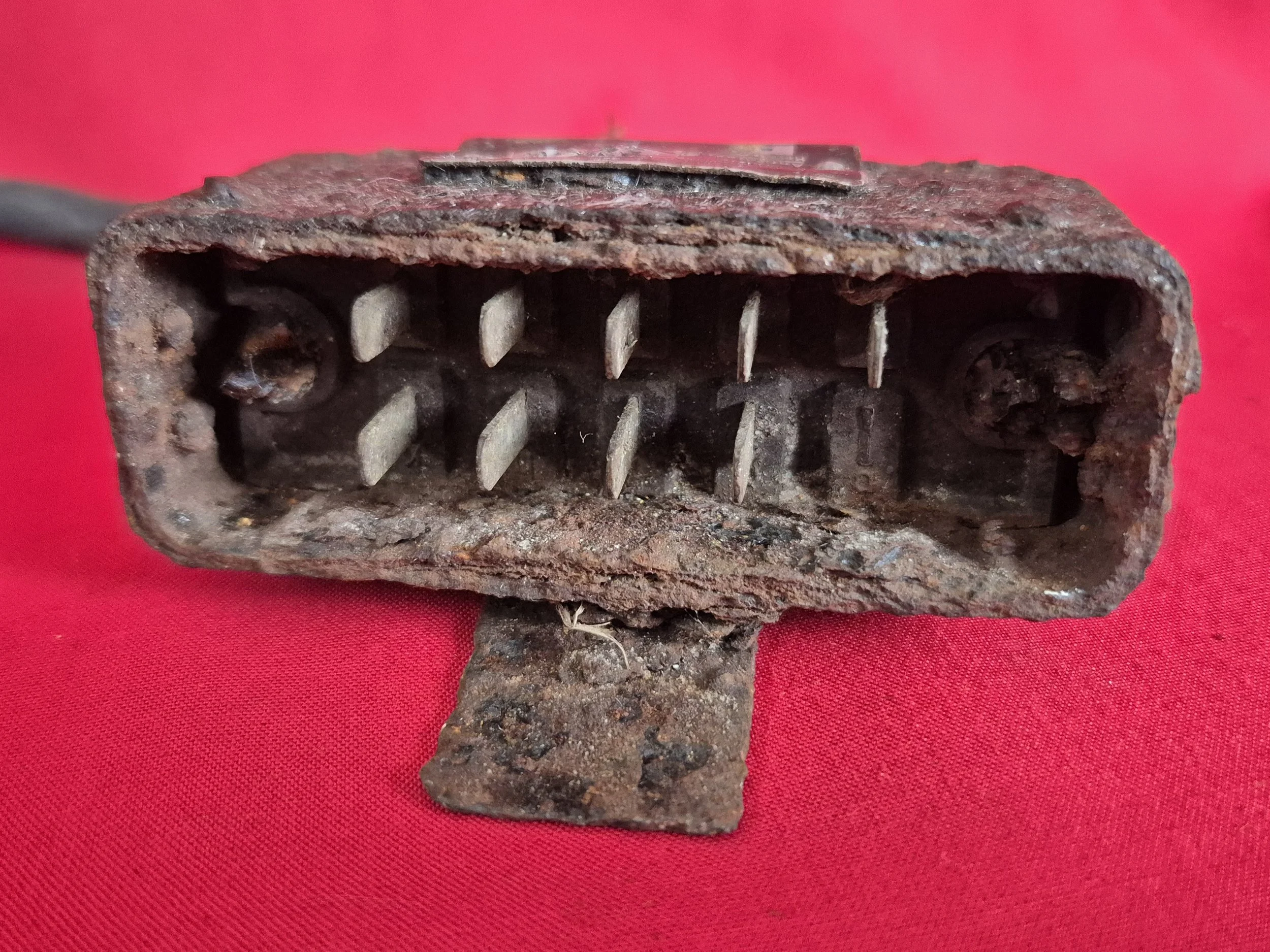 Image 16 of 17
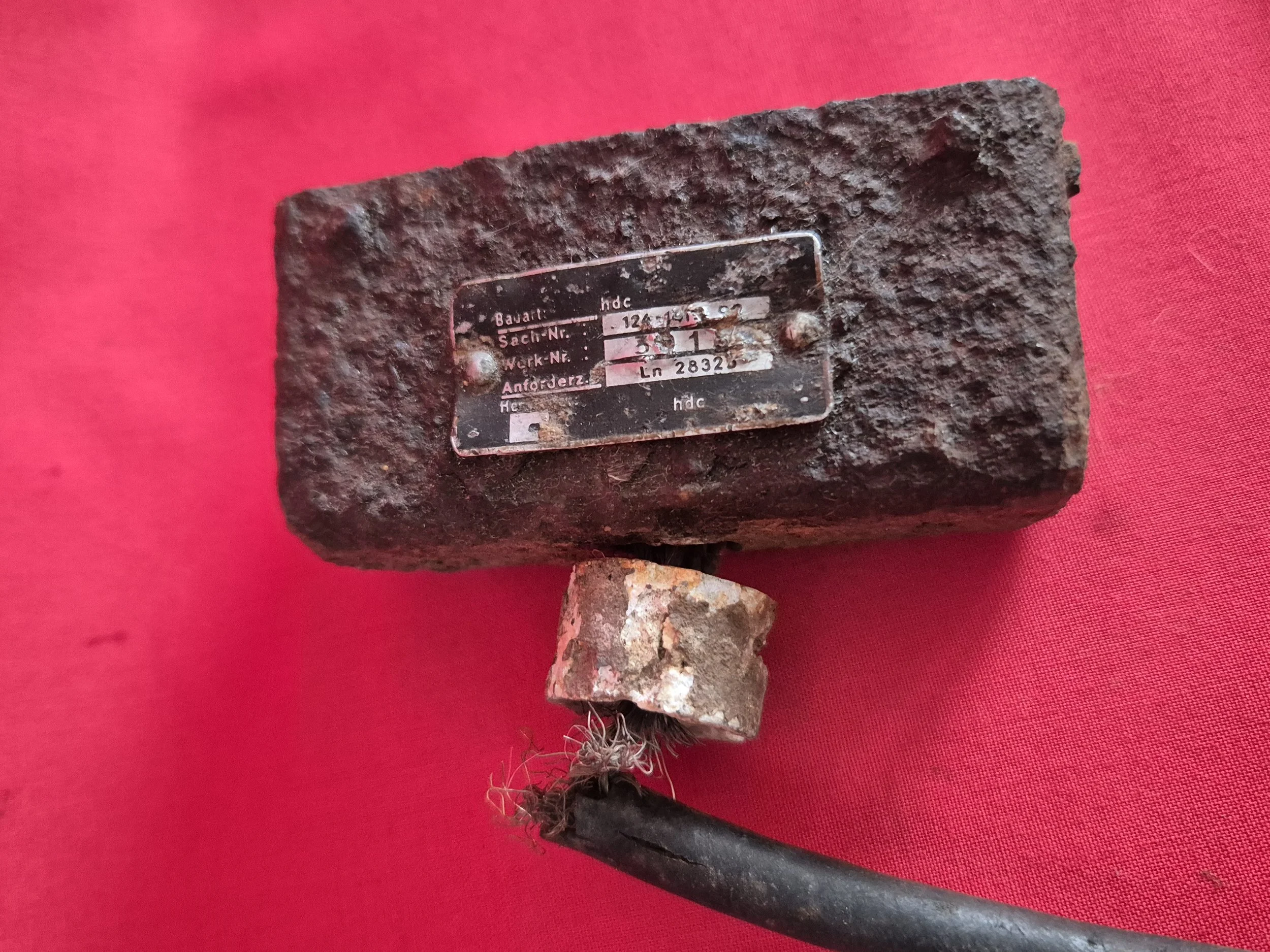 Image 17 of 17