Super rare pre WW1 German 15cm T.H. fortress gun brass case dated 1901 in near mint condition. Complete with the brass cross piece used to hold propellant charge in place.
Note - this case is not cut down - the length is 46mm.
approximate dimensions;
case length 46mm
case mouth 157mm
rim diameter 169mm
One of these guns can still be seen in France at the Feste Alvensleben (Fort de Plappeville - north and south batteries) in Metz
This item does not come with a laminated information card.
History of this gun;
The explosive shell 'crisis' shook the fortification world in 1885, demonstrating the superiority of the new steel high explosive shells on the existing forts made in concrete or masonery, whose artillery was exposed at open air on parapets.
Each nation then began reinforcing works of their fortresses, including the shielding of their artillery. In Germany, the Major Schumann proposed a heavy cupola made of thick steel, similar to a turtle shell. This first received in 1888 a 21 cm Krupp howitzer, then from 1893 a 15 cm Krupp howitzer. This weapon is named 15 cm TH ('Turm Haubitze' - Cupola howitzer), sometimes named 15 cm PTH ('Panzer Turm Haubitze' - Shielded cupola howitzer).
These howitzers had no recoil recuperation system, so that the whole shot energy was only taken back by the considerable mass of the cupola and its gun, as well as their static link to the ground. The Schumann cupola had to be elevated some 2 inches above the ground before firing, disconnecting it from the static sheild ring and therefore avoiding any damage to the joint. As a counter-part, the cupola oscillated some moments after the shot.
In 1914, the Metz German fortifications included 26 cupola howitzers 15 cm TH.
Super rare pre WW1 German 15cm T.H. fortress gun brass case dated 1901 in near mint condition. Complete with the brass cross piece used to hold propellant charge in place.
Note - this case is not cut down - the length is 46mm.
approximate dimensions;
case length 46mm
case mouth 157mm
rim diameter 169mm
One of these guns can still be seen in France at the Feste Alvensleben (Fort de Plappeville - north and south batteries) in Metz
This item does not come with a laminated information card.
History of this gun;
The explosive shell 'crisis' shook the fortification world in 1885, demonstrating the superiority of the new steel high explosive shells on the existing forts made in concrete or masonery, whose artillery was exposed at open air on parapets.
Each nation then began reinforcing works of their fortresses, including the shielding of their artillery. In Germany, the Major Schumann proposed a heavy cupola made of thick steel, similar to a turtle shell. This first received in 1888 a 21 cm Krupp howitzer, then from 1893 a 15 cm Krupp howitzer. This weapon is named 15 cm TH ('Turm Haubitze' - Cupola howitzer), sometimes named 15 cm PTH ('Panzer Turm Haubitze' - Shielded cupola howitzer).
These howitzers had no recoil recuperation system, so that the whole shot energy was only taken back by the considerable mass of the cupola and its gun, as well as their static link to the ground. The Schumann cupola had to be elevated some 2 inches above the ground before firing, disconnecting it from the static sheild ring and therefore avoiding any damage to the joint. As a counter-part, the cupola oscillated some moments after the shot.
In 1914, the Metz German fortifications included 26 cupola howitzers 15 cm TH.

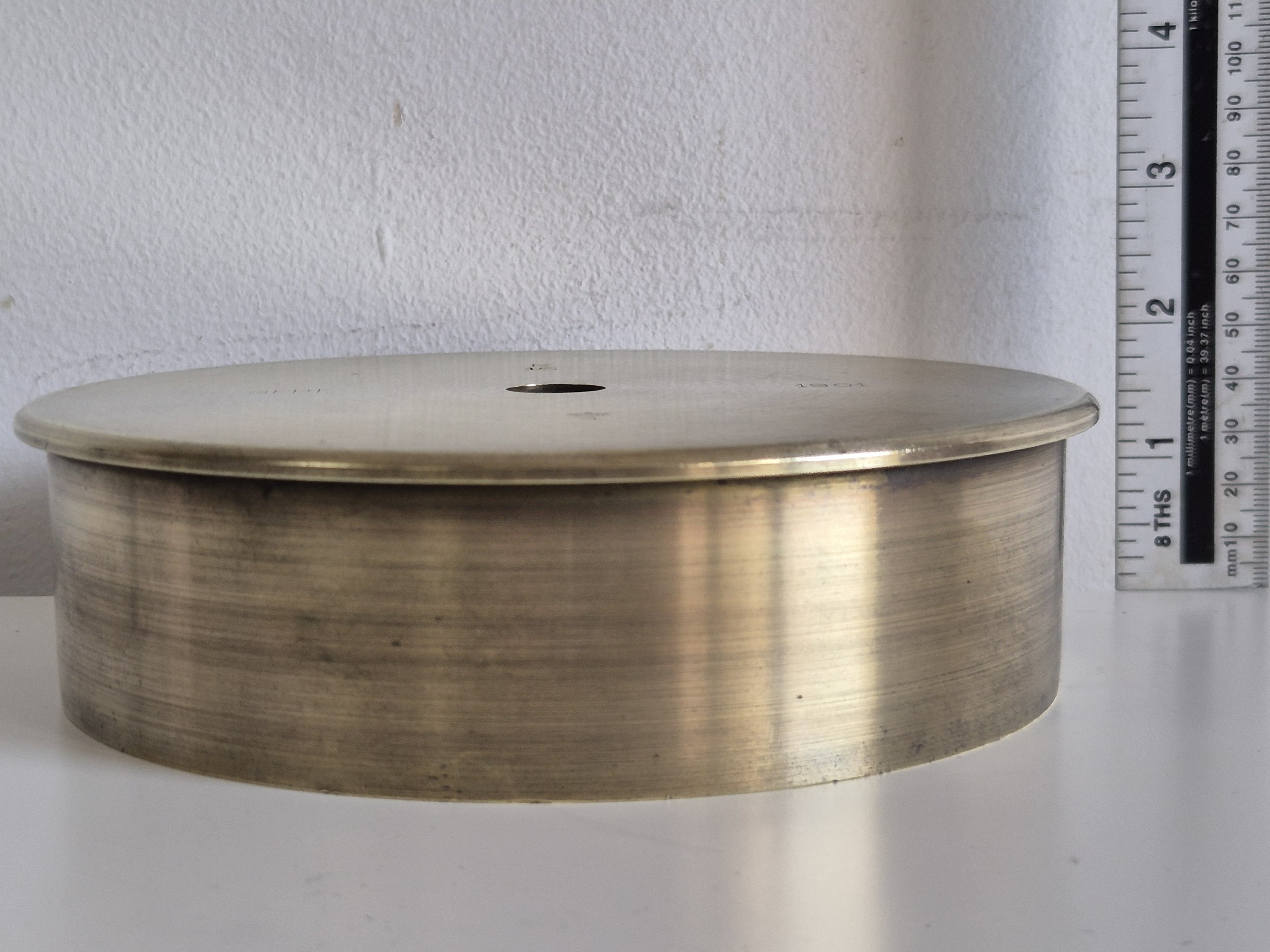 Image 1 of 4
 Image 2 of 4
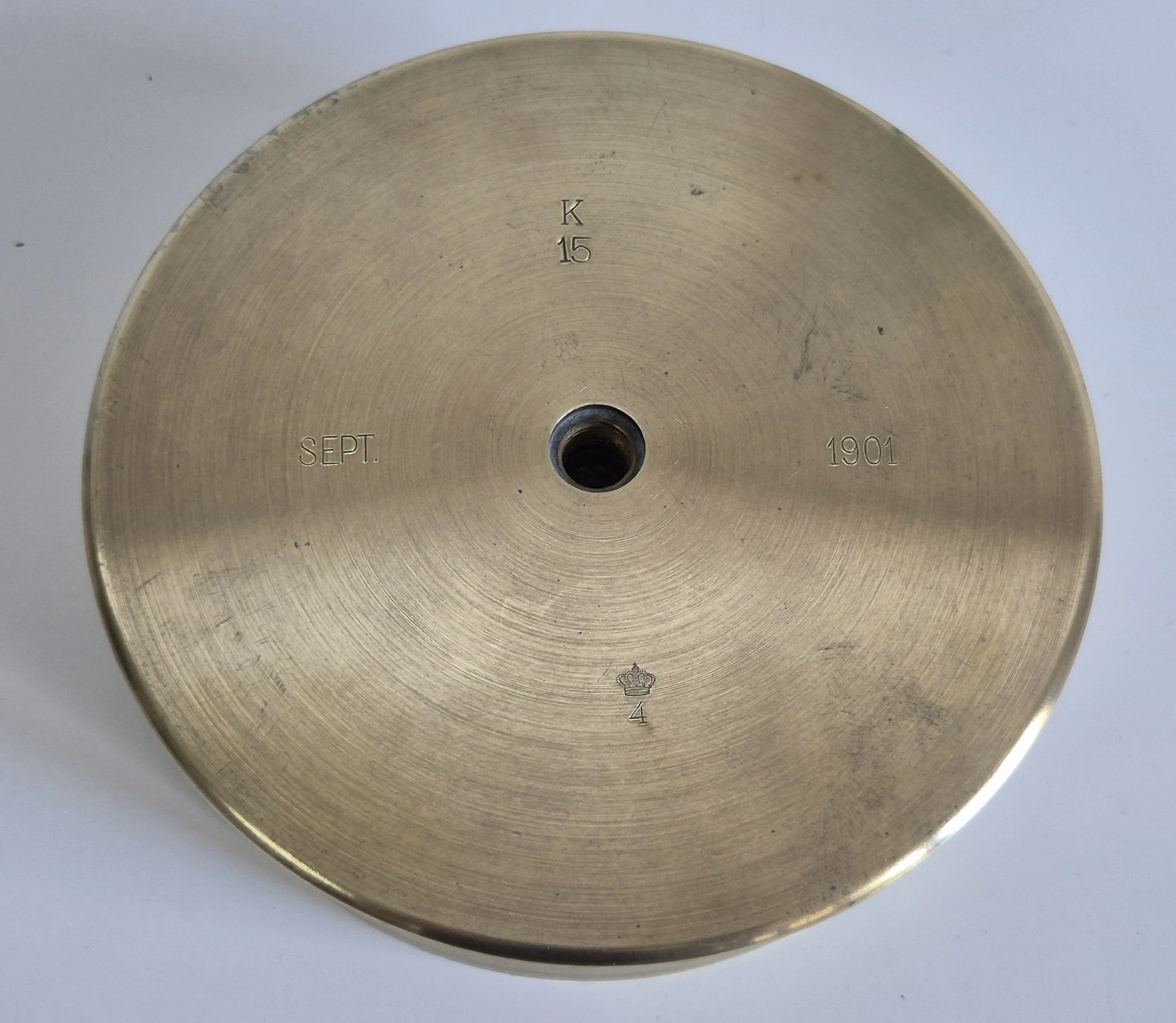 Image 3 of 4
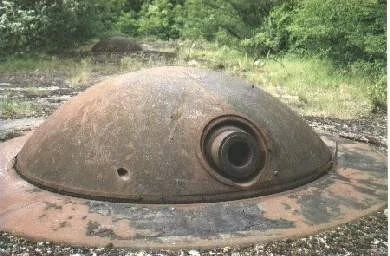 Image 4 of 4