Back cover from either the SK or SL unit on the FuG 10 aircraft radio from Heinkel He111 of 8 Staffel, Kampfgeschwader 55 – crashed at Rowlands Castle 8th October 1940
On the evening of 8 October 1940, the Heinkel He 111 P-2 (G1+MS) took off from Villacoublay airfield near Paris with a crew of five under the command of Feldwebel Ernst Ens, joining a Luftwaffe raid targeting Thorney Island aerodrome on the English south coast. Crossing the Channel at dusk in deteriorating weather, the bomber flew low over Hampshire and released its bombs near Havant around 19:30, fatally striking three civilians before continuing inland toward the South Downs. Almost immediately afterward, the low-flying aircraft was caught in searchlight beams and engaged by heavy ground fire from Royal Artillery searchlight regiment Lewis guns, sustaining critical damage. Losing altitude rapidly in the darkness, the Heinkel clipped a tall pine tree on the edge of the Stansted Park estate near Rowlands Castle and plunged nose-first onto the cricket pitch directly in front of Stansted House, where its remaining fuel and ordnance detonated in a massive explosion that obliterated the aircraft and killed all five crew members instantly.

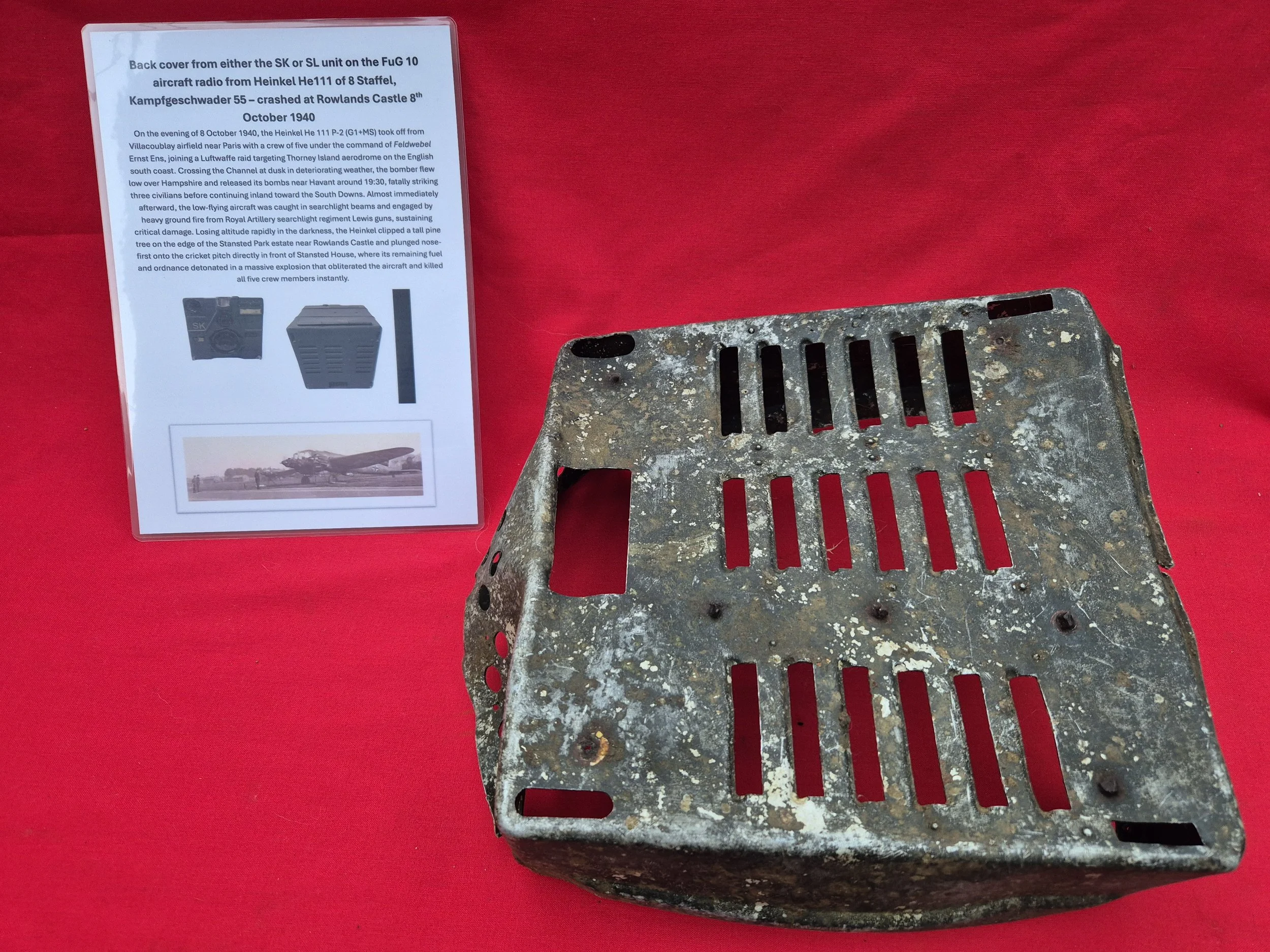 Image 1 of 6
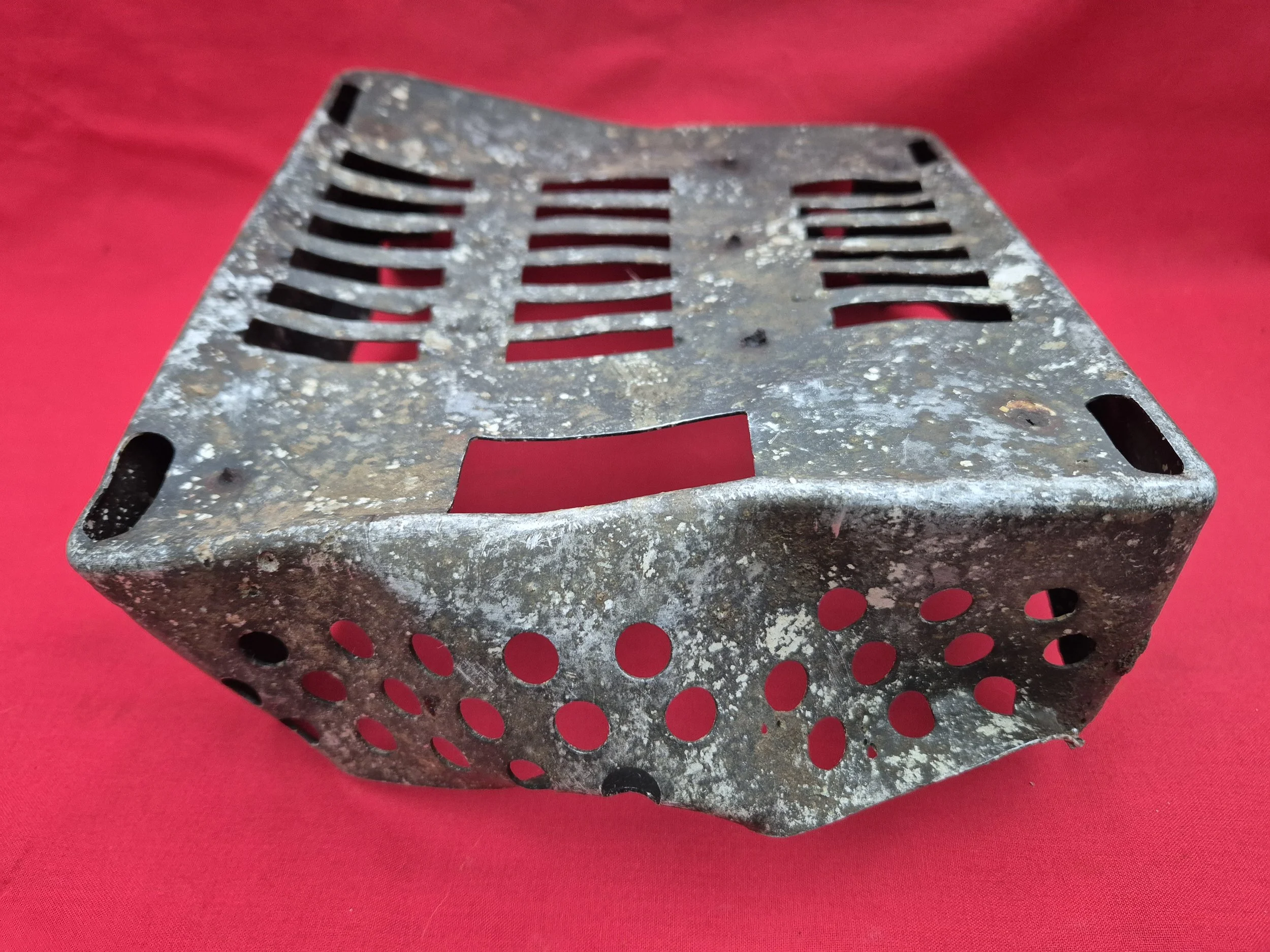 Image 2 of 6
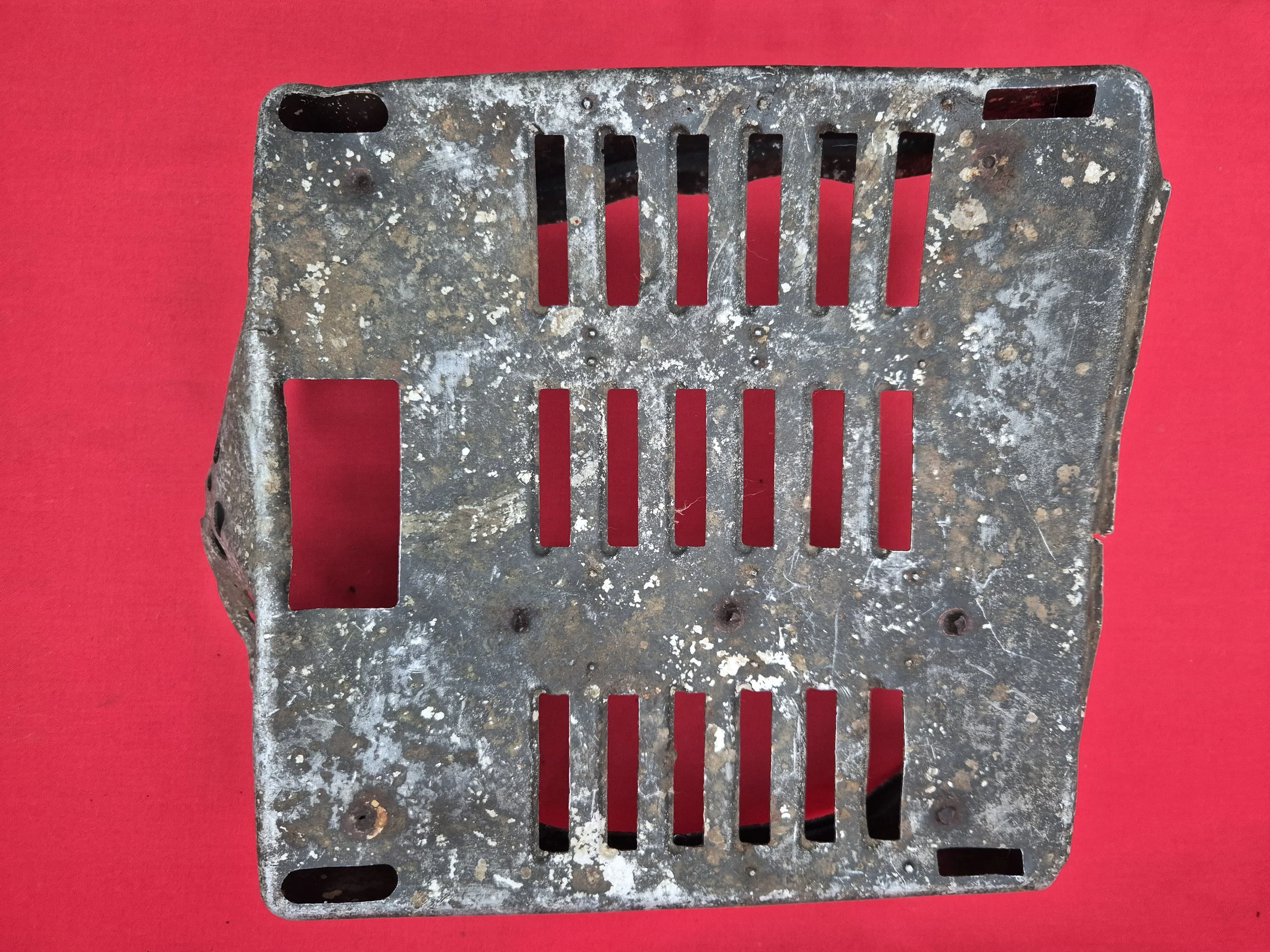 Image 3 of 6
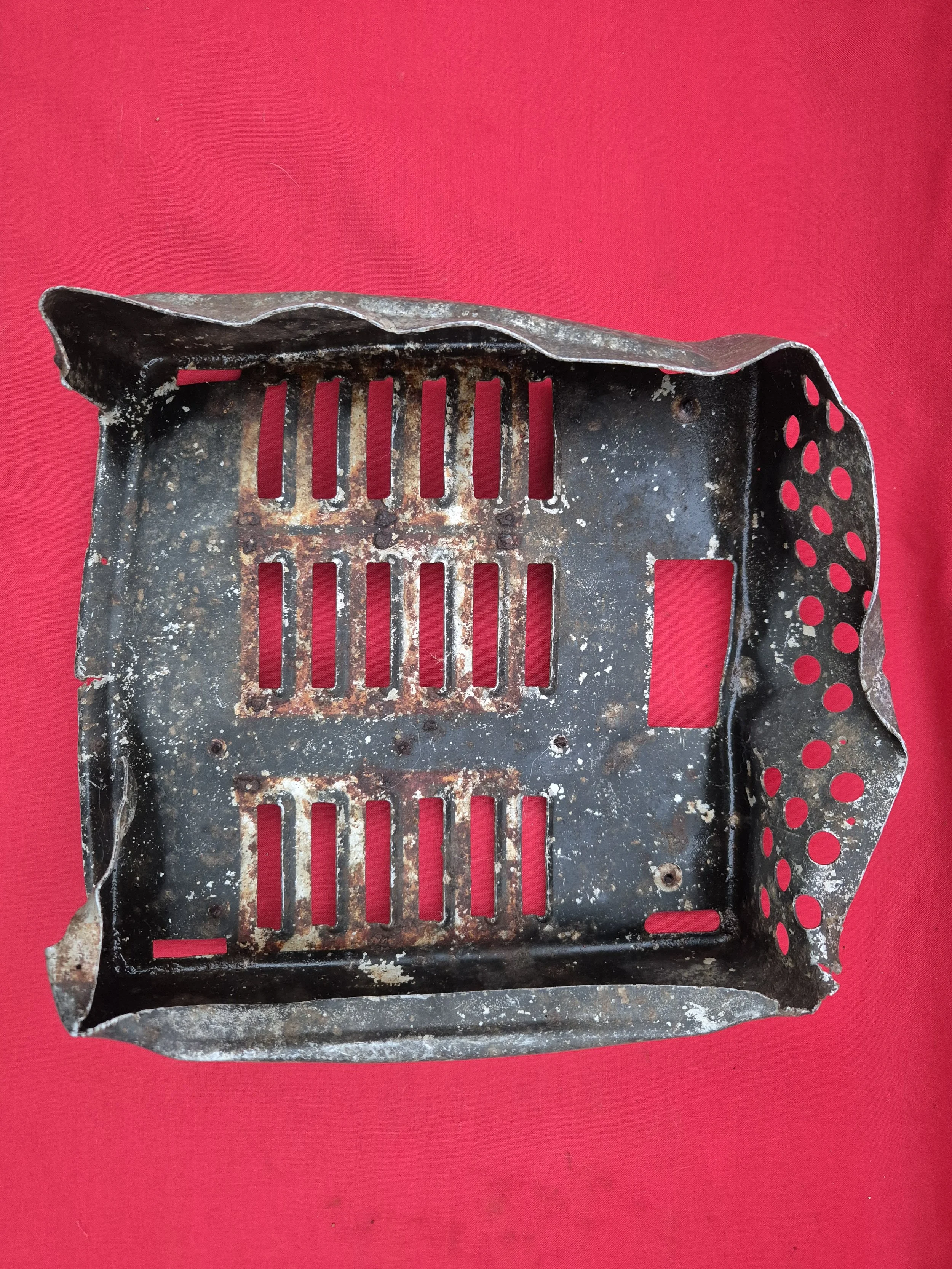 Image 4 of 6
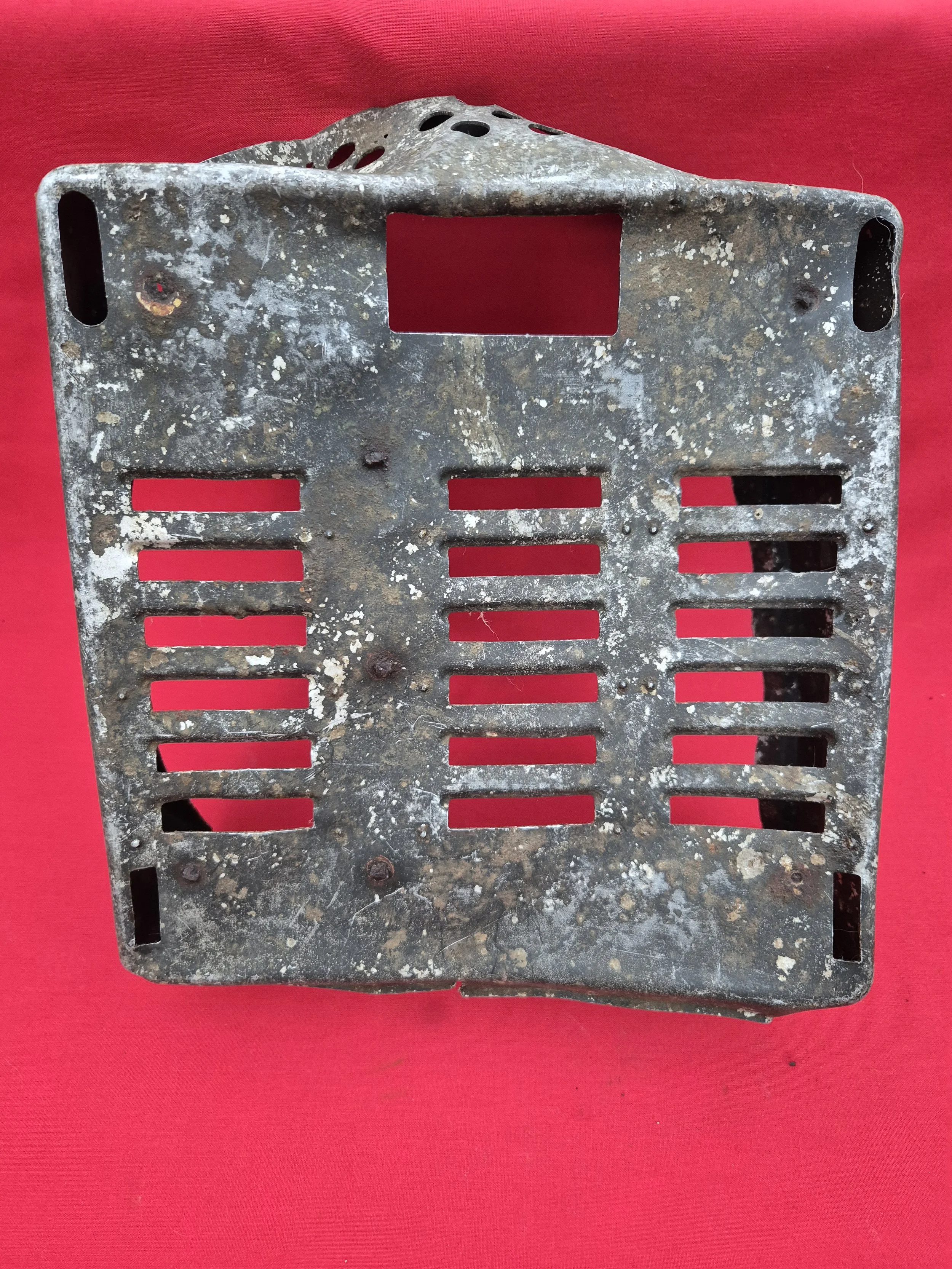 Image 5 of 6
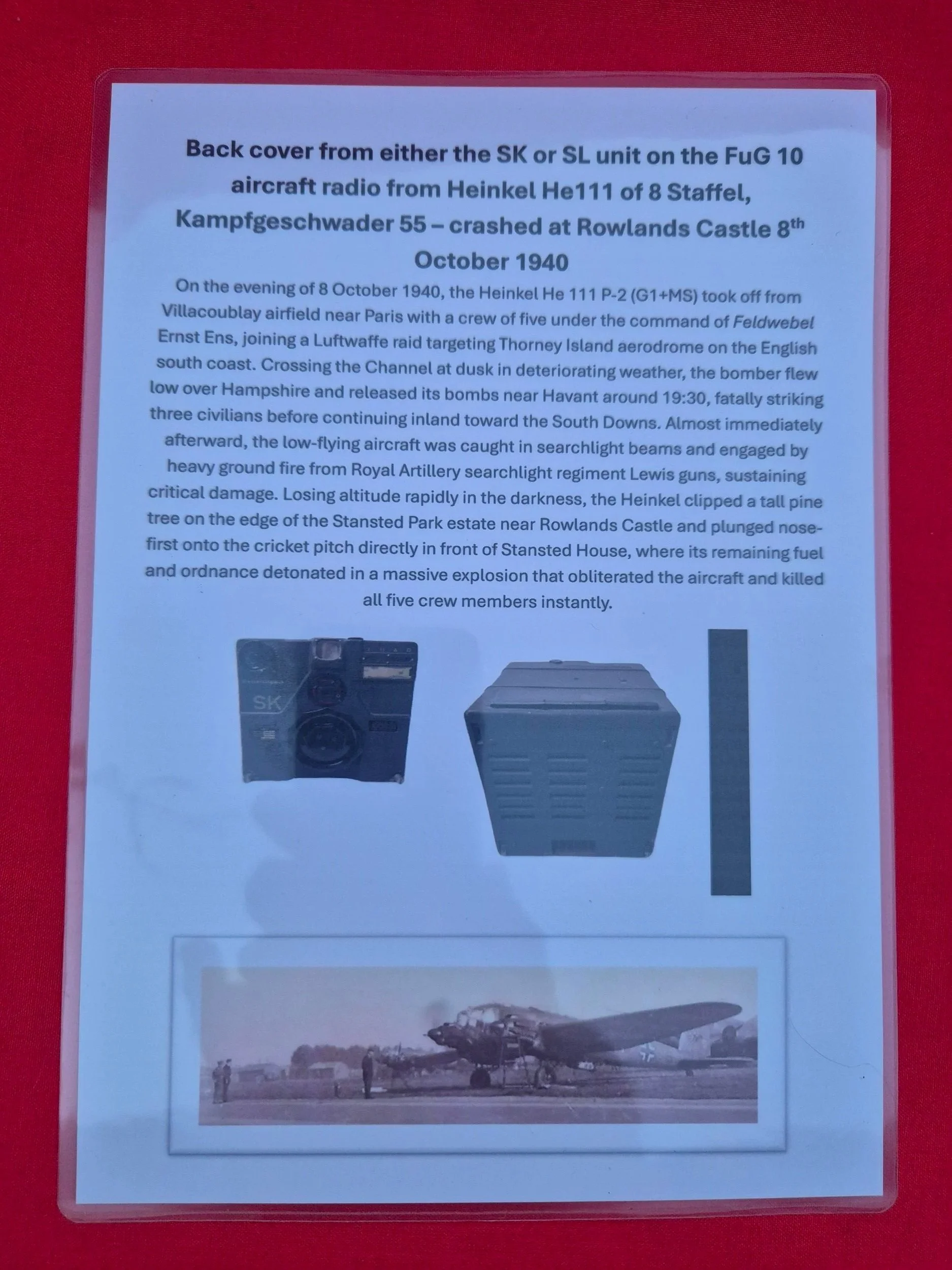 Image 6 of 6