This is a aluminium made structure part which has no real paint work remains left but still with some original colour and unusual to get aluminium part from v1 rocket. The part which has ripped and bent up by the impact of the crash it is still very solid and not braking up or falling apart and has been very well cleaned the part is inches long by 2 half inches wide in size and a very rare one for display or any collection and a very rare to find from this famous rocket. The part comes from airborn launched from German a He111 bomber, V1 "doodlebug" flying bomb which at 6:20 am on Christmas Eve (December 24) 1944 it crashed and detonated in a field east of Dumb Steeple Farm at Grange Moor, near Huddersfield. It is locally celebrated as "Grange Moor’s V1 Day," as it was the only district around Huddersfield struck by a V1 rocket.
The part comes with 2 x A5 laminated information sheet with pictures of the crash site.
The explosion created a crater measuring an estimated 33 feet in diameter and 4 to 5 feet deep. Around 130 local properties suffered varying degrees of damage, including shattered windows, blown-in doors, and ruined roofs. The Methodist Chapel on Briestfield Road, also village church, school, and local pub, were extensively damaged.
Heinkel He 111 H-16 or H-20 twin-engine bombers were fitted with a launch rail under one wing (usually the starboard side) to carry a single V1 cruise missile. The operation was carried out by the Luftwaffe's Kampfgeschwader 53 (KG 53) "Condor Legion".
In the early morning hours of Christmas Eve 1944, roughly 50 He 111s flew at a very low altitude (around 100 metres) over the North Sea toward the British coast to evade Allied radar. Once they neared the coast (off the Humber Estuary/Yorkshire area), the bombers climbed slightly to about 500 metres, ignited the V1's pulse-jet engine, released the missile on its gyrocompass heading toward Manchester, and turned back to Germany.
Because the air-launch technique was notoriously inaccurate, many of the 45 rockets released that morning failed to launch properly or went wildly off course. The rocket that dropped out of the sky at Grange Moor was one of these stray missiles, falling short and east of Manchester
This is a aluminium made structure part which has no real paint work remains left but still with some original colour and unusual to get aluminium part from v1 rocket. The part which has ripped and bent up by the impact of the crash it is still very solid and not braking up or falling apart and has been very well cleaned the part is inches long by 2 half inches wide in size and a very rare one for display or any collection and a very rare to find from this famous rocket. The part comes from airborn launched from German a He111 bomber, V1 "doodlebug" flying bomb which at 6:20 am on Christmas Eve (December 24) 1944 it crashed and detonated in a field east of Dumb Steeple Farm at Grange Moor, near Huddersfield. It is locally celebrated as "Grange Moor’s V1 Day," as it was the only district around Huddersfield struck by a V1 rocket.
The part comes with 2 x A5 laminated information sheet with pictures of the crash site.
The explosion created a crater measuring an estimated 33 feet in diameter and 4 to 5 feet deep. Around 130 local properties suffered varying degrees of damage, including shattered windows, blown-in doors, and ruined roofs. The Methodist Chapel on Briestfield Road, also village church, school, and local pub, were extensively damaged.
Heinkel He 111 H-16 or H-20 twin-engine bombers were fitted with a launch rail under one wing (usually the starboard side) to carry a single V1 cruise missile. The operation was carried out by the Luftwaffe's Kampfgeschwader 53 (KG 53) "Condor Legion".
In the early morning hours of Christmas Eve 1944, roughly 50 He 111s flew at a very low altitude (around 100 metres) over the North Sea toward the British coast to evade Allied radar. Once they neared the coast (off the Humber Estuary/Yorkshire area), the bombers climbed slightly to about 500 metres, ignited the V1's pulse-jet engine, released the missile on its gyrocompass heading toward Manchester, and turned back to Germany.
Because the air-launch technique was notoriously inaccurate, many of the 45 rockets released that morning failed to launch properly or went wildly off course. The rocket that dropped out of the sky at Grange Moor was one of these stray missiles, falling short and east of Manchester

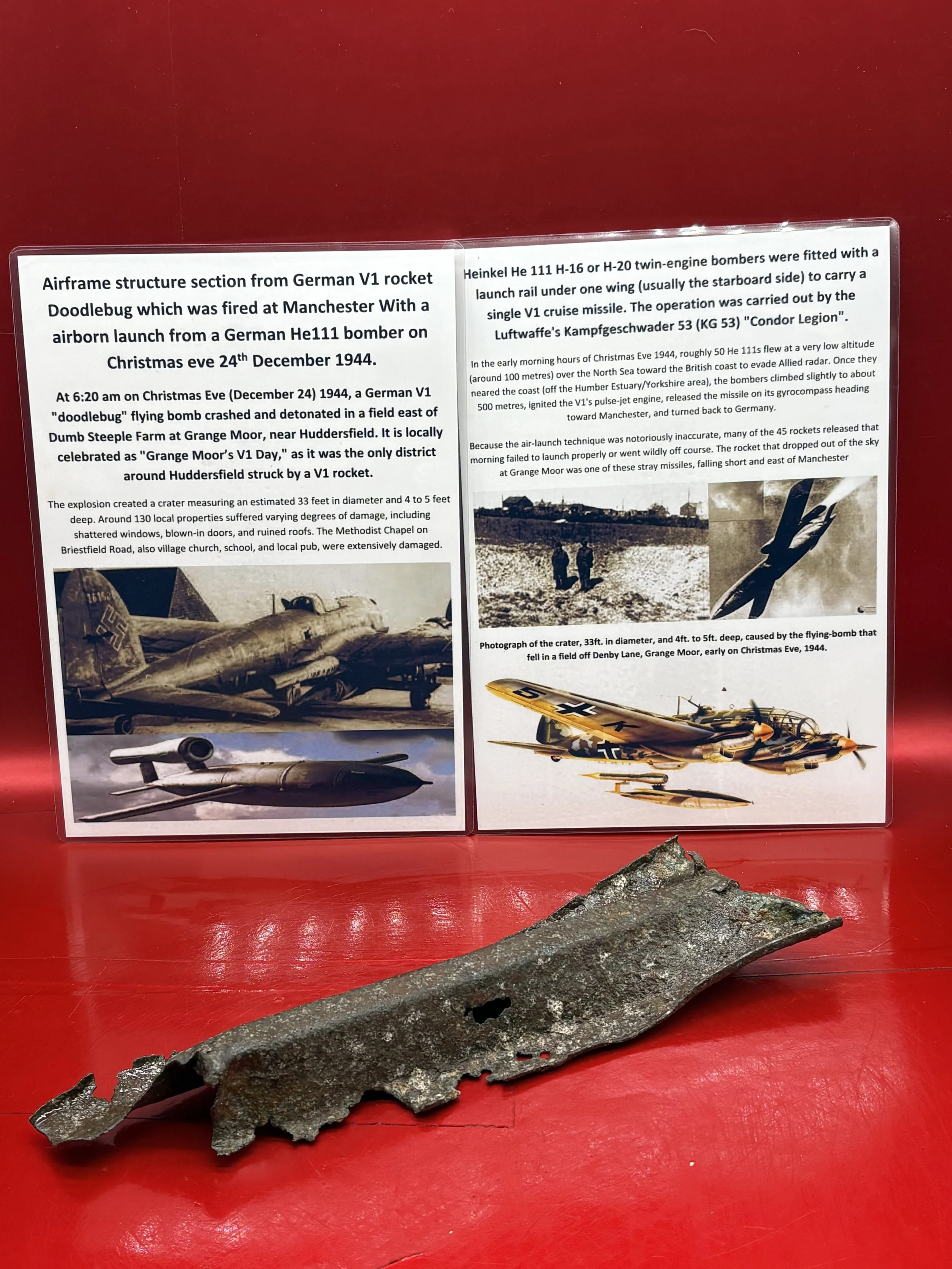 Image 1 of 8
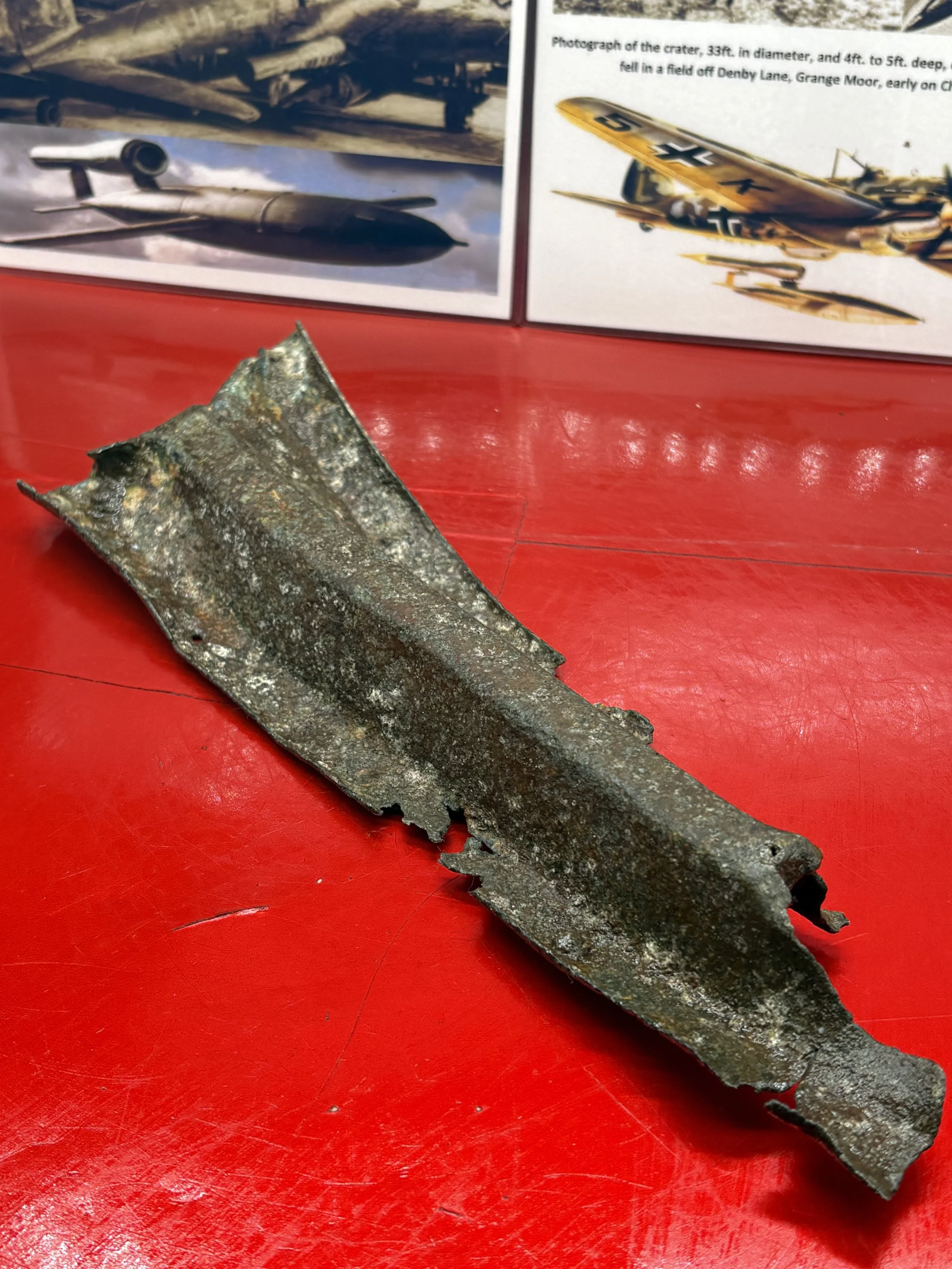 Image 2 of 8
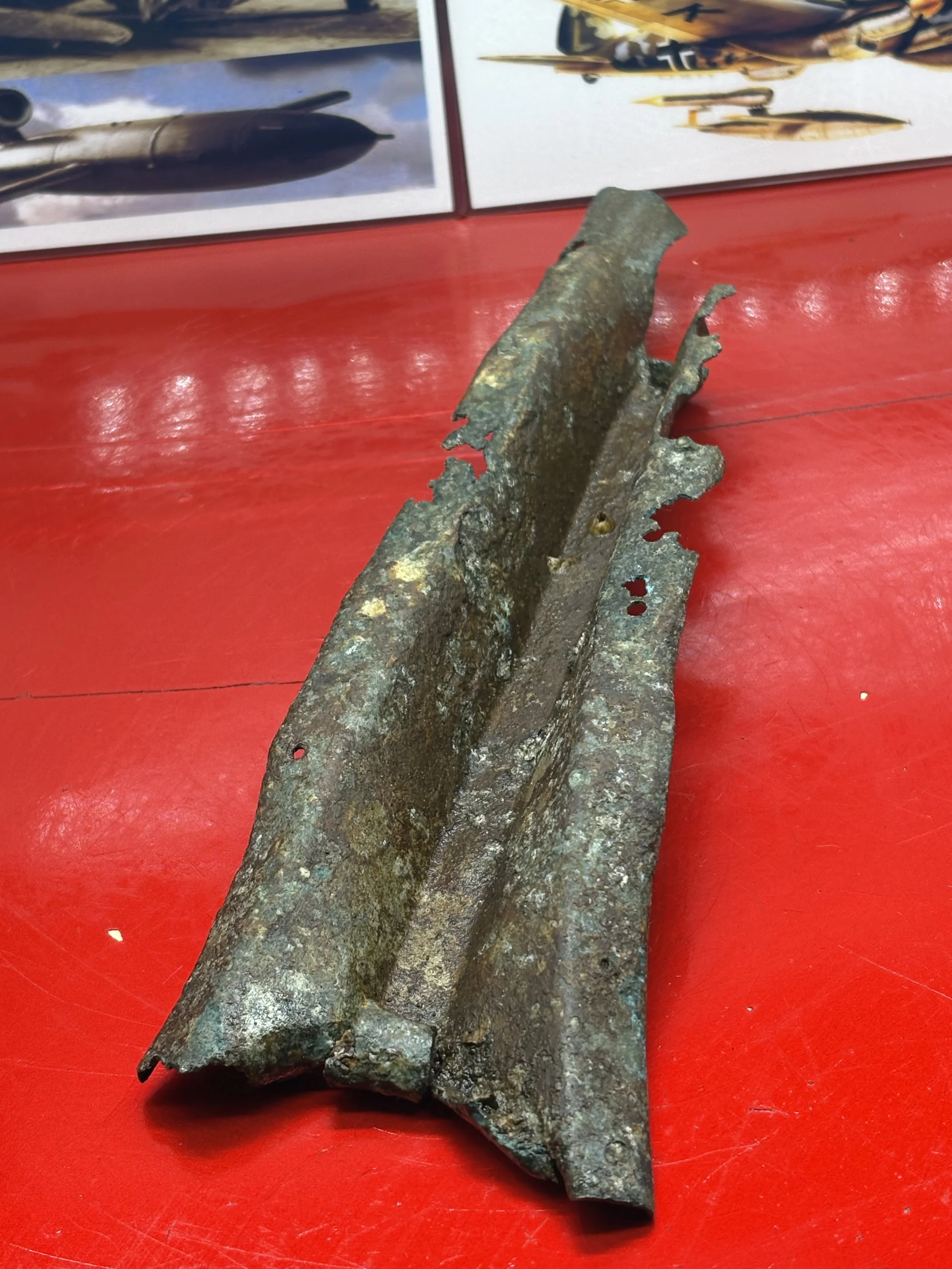 Image 3 of 8
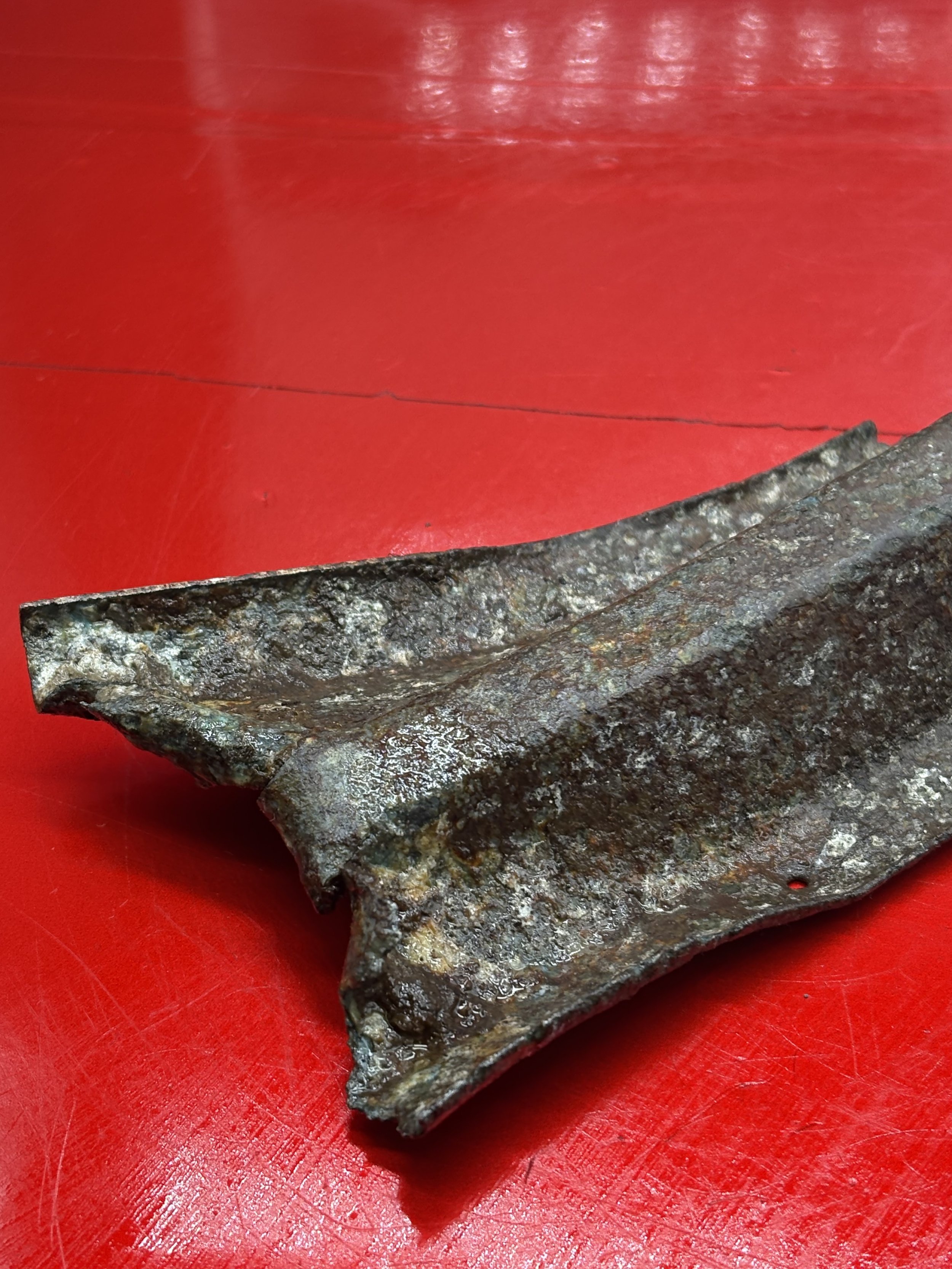 Image 4 of 8
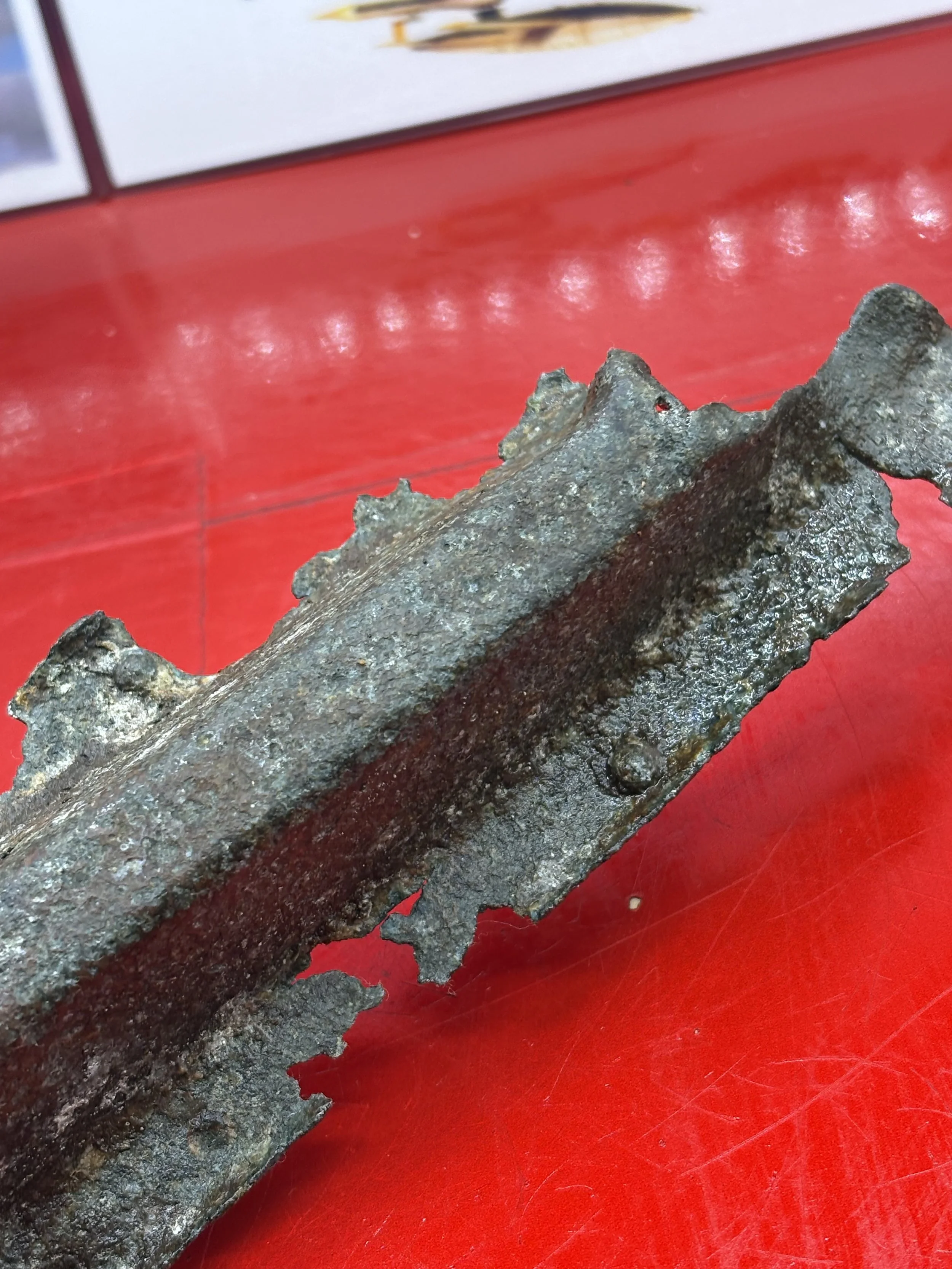 Image 5 of 8
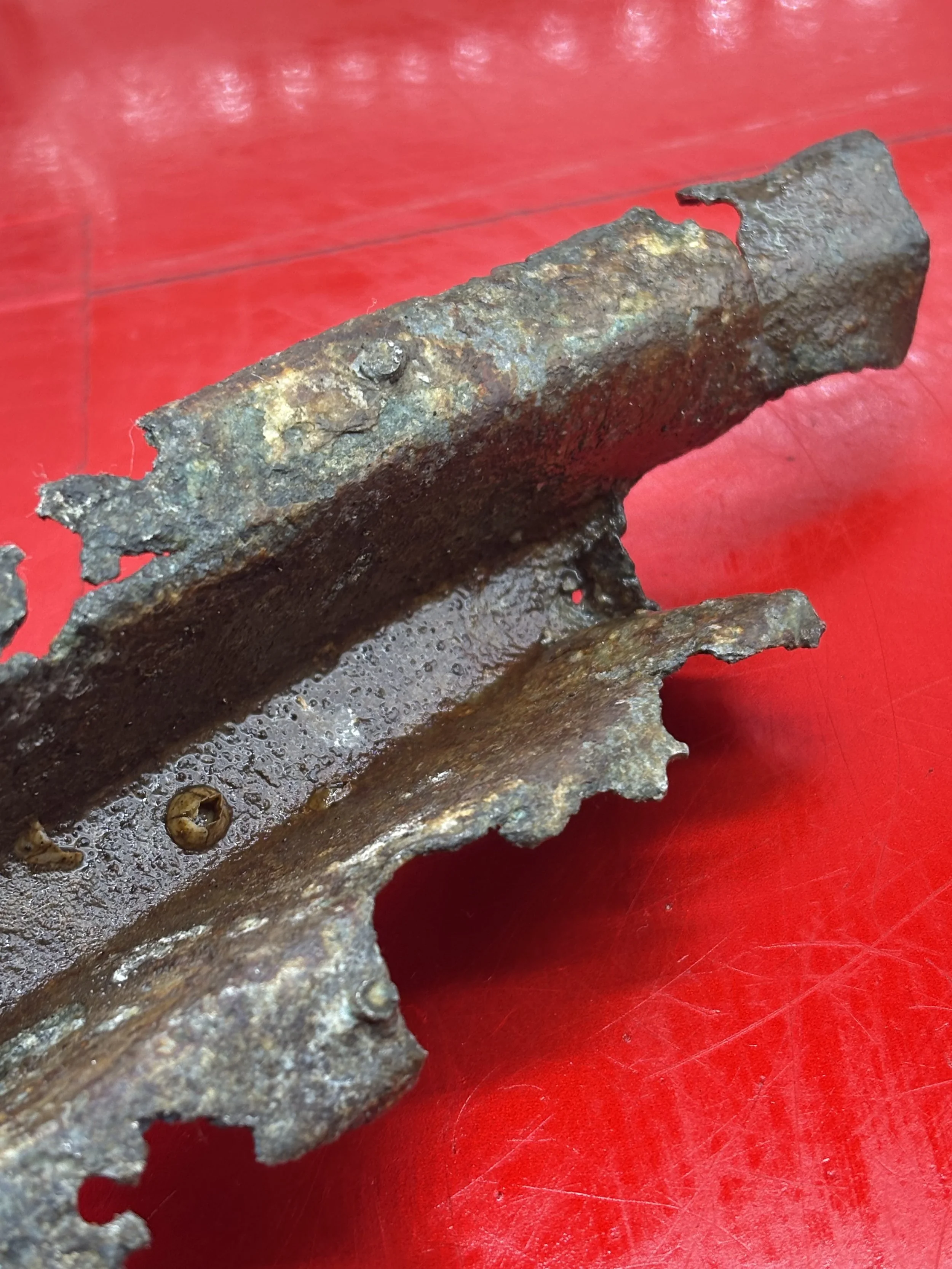 Image 6 of 8
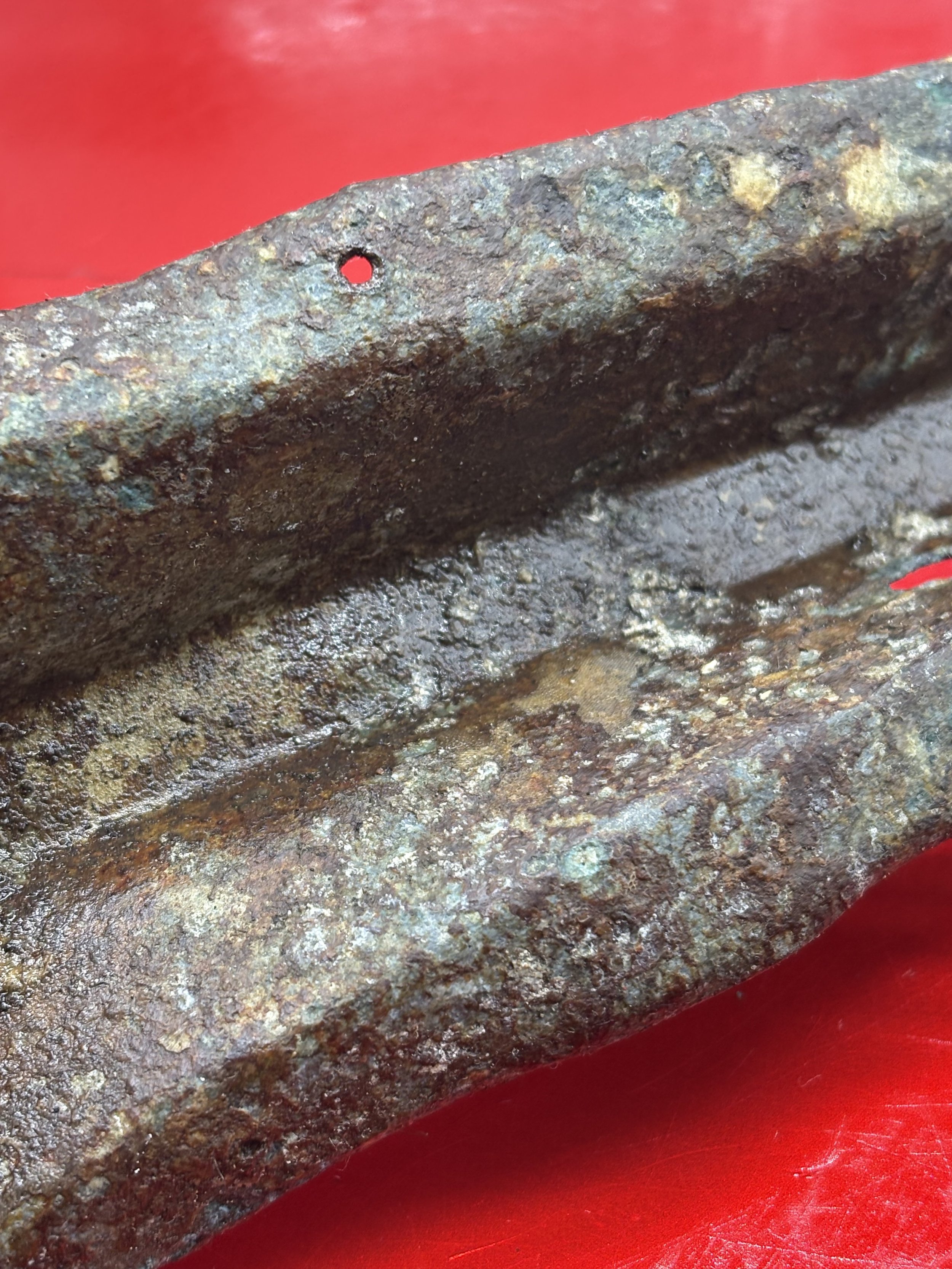 Image 7 of 8
 Image 8 of 8