This is a lovely clean aluminium airframe section the piece retains areas of its original grey paintwork, still clearly visible and well preserved. The structure shows evidence of crash impact, having been torn and bent on contact, yet remains solid and stable. It has been carefully cleaned while preserving its authentic relic character. Measuring approximately 4 inches by 2 half inches, it is an impressive and highly displayable piece, ideal for any serious collection. The part comes from German Luftwaffe Junkers Ju 87 D-4 Stuka dive bomber number 1113 shot down by anti-aircraft fire and crashed on Island of Kos in Greece on 3 October 1943 and is a rare relic from the war in the Mediterranean.
The section comes with 2×A5 laminated information cards with pictures and a map.
On October 3, 1943, during the fiercely contested Battle of Kos, a German Luftwaffe Junkers Ju 87 D-4 Stuka dive bomber was shot down over the Greek island of Kos. Operating under the unit 1st Staffel, Sturmkampfgeschwader 3 (1/StG 3), this specific aircraft bore the factory serial number (Werknummer 1113) and carried the radio code SU + FH. The Stuka was flying a low-altitude mission, weaving through the rugged Aragi ravine alongside other aircraft from Rhodes in a tactical attempt to surprise British and Italian anti-aircraft crews defending the vital Kos airfield. However, defensive ground fire intercepted the formation, hitting the aircraft and causing it to crash violently into the rough, isolated terrain of the island.
The wreckage remained lost and obscured by nature for eight decades until a dedicated team of local researchers successfully located the crash site. By carefully analyzing fragmented, bullet-riddled metal pieces, spark plugs, and an intact inspection hatch, the team cross-referenced the physical evidence with official wartime Luftwaffe casualty logs to positively identify the specific aircraft. The discovery finally shed light on the exact location of the crash, bringing a conclusive end to an 80-year-old mystery from the Dodecanese campaign.
This is a lovely clean aluminium airframe section the piece retains areas of its original grey paintwork, still clearly visible and well preserved. The structure shows evidence of crash impact, having been torn and bent on contact, yet remains solid and stable. It has been carefully cleaned while preserving its authentic relic character. Measuring approximately 4 inches by 2 half inches, it is an impressive and highly displayable piece, ideal for any serious collection. The part comes from German Luftwaffe Junkers Ju 87 D-4 Stuka dive bomber number 1113 shot down by anti-aircraft fire and crashed on Island of Kos in Greece on 3 October 1943 and is a rare relic from the war in the Mediterranean.
The section comes with 2×A5 laminated information cards with pictures and a map.
On October 3, 1943, during the fiercely contested Battle of Kos, a German Luftwaffe Junkers Ju 87 D-4 Stuka dive bomber was shot down over the Greek island of Kos. Operating under the unit 1st Staffel, Sturmkampfgeschwader 3 (1/StG 3), this specific aircraft bore the factory serial number (Werknummer 1113) and carried the radio code SU + FH. The Stuka was flying a low-altitude mission, weaving through the rugged Aragi ravine alongside other aircraft from Rhodes in a tactical attempt to surprise British and Italian anti-aircraft crews defending the vital Kos airfield. However, defensive ground fire intercepted the formation, hitting the aircraft and causing it to crash violently into the rough, isolated terrain of the island.
The wreckage remained lost and obscured by nature for eight decades until a dedicated team of local researchers successfully located the crash site. By carefully analyzing fragmented, bullet-riddled metal pieces, spark plugs, and an intact inspection hatch, the team cross-referenced the physical evidence with official wartime Luftwaffe casualty logs to positively identify the specific aircraft. The discovery finally shed light on the exact location of the crash, bringing a conclusive end to an 80-year-old mystery from the Dodecanese campaign.

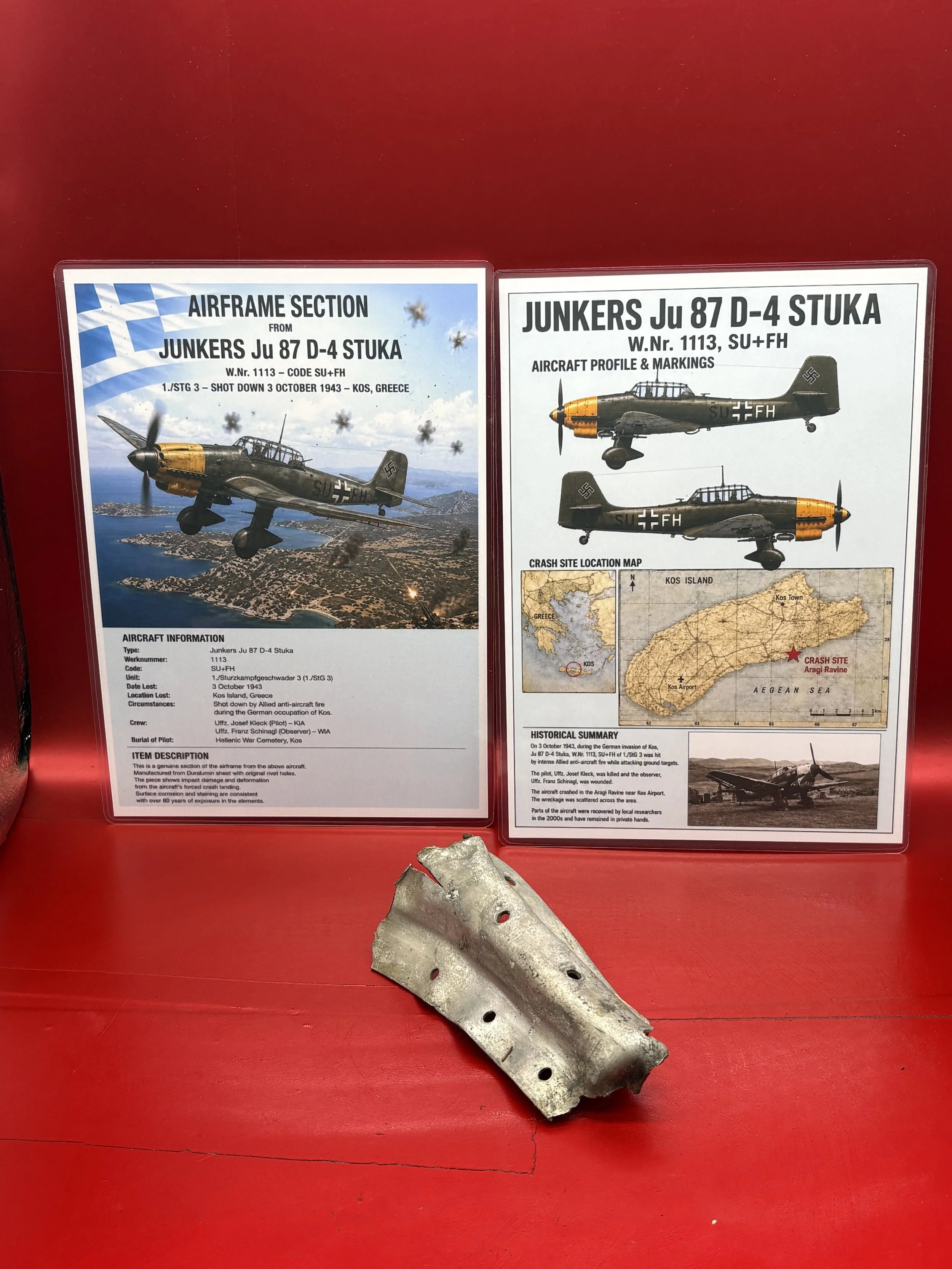 Image 1 of 8
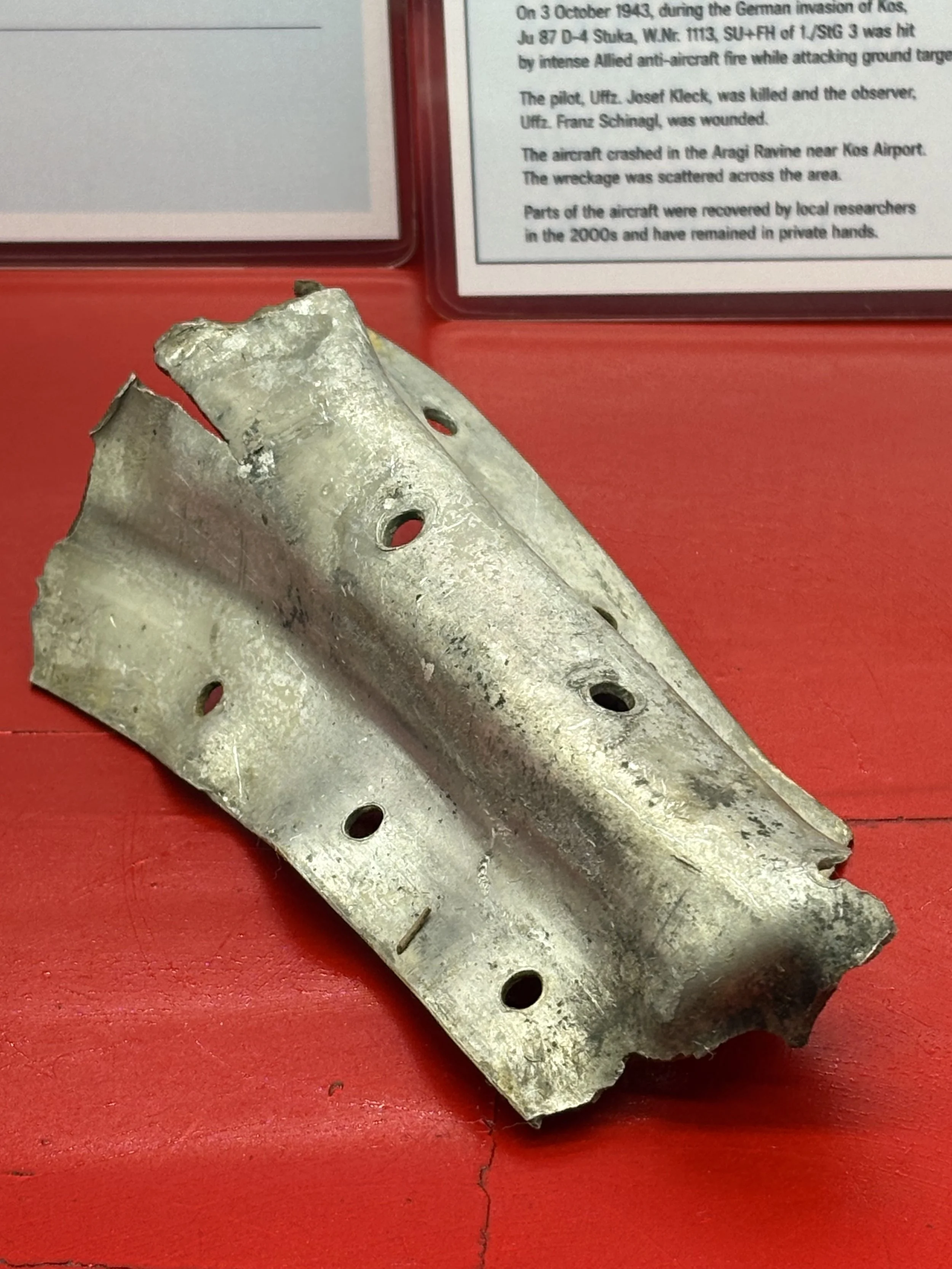 Image 2 of 8
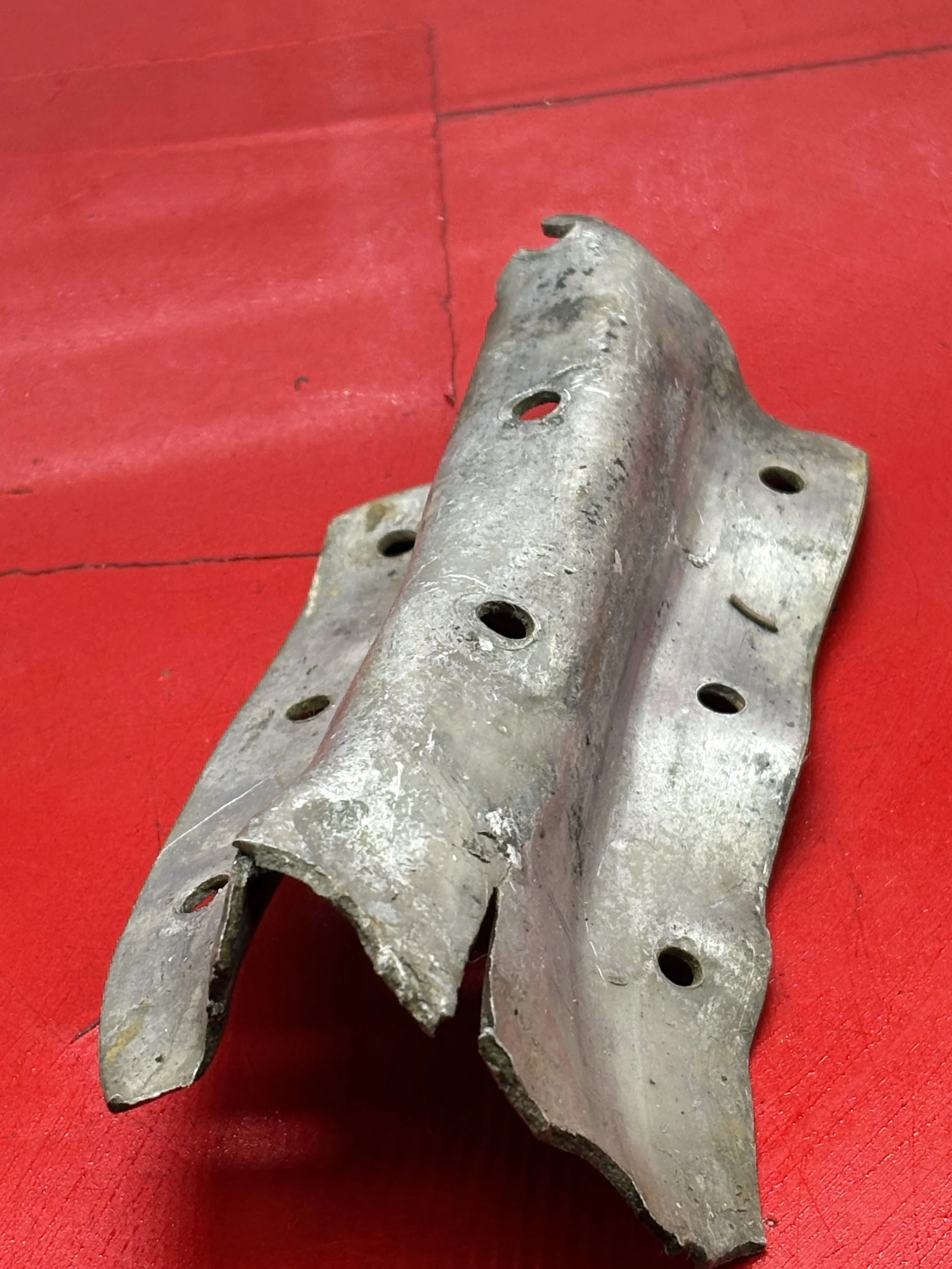 Image 3 of 8
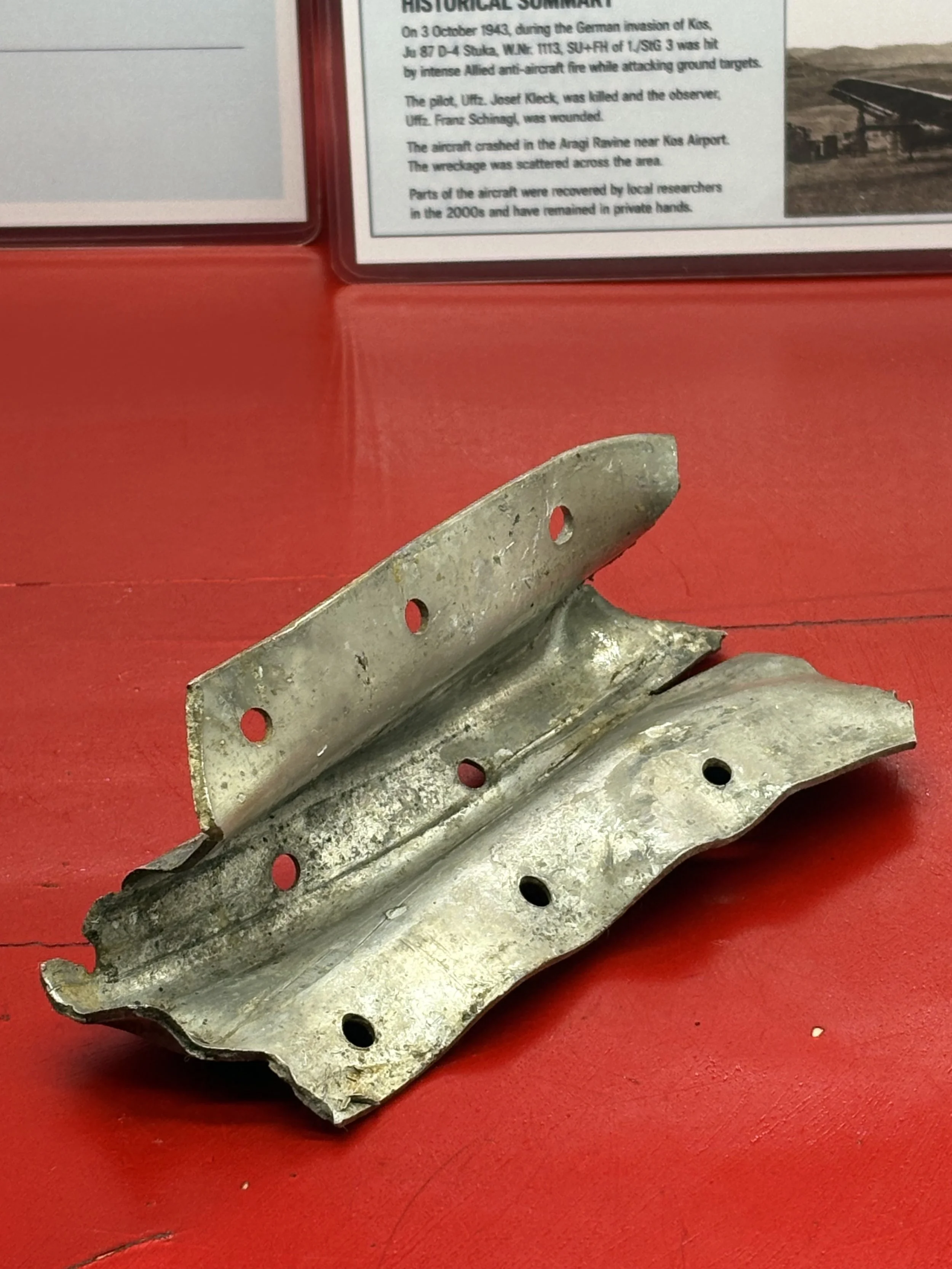 Image 4 of 8
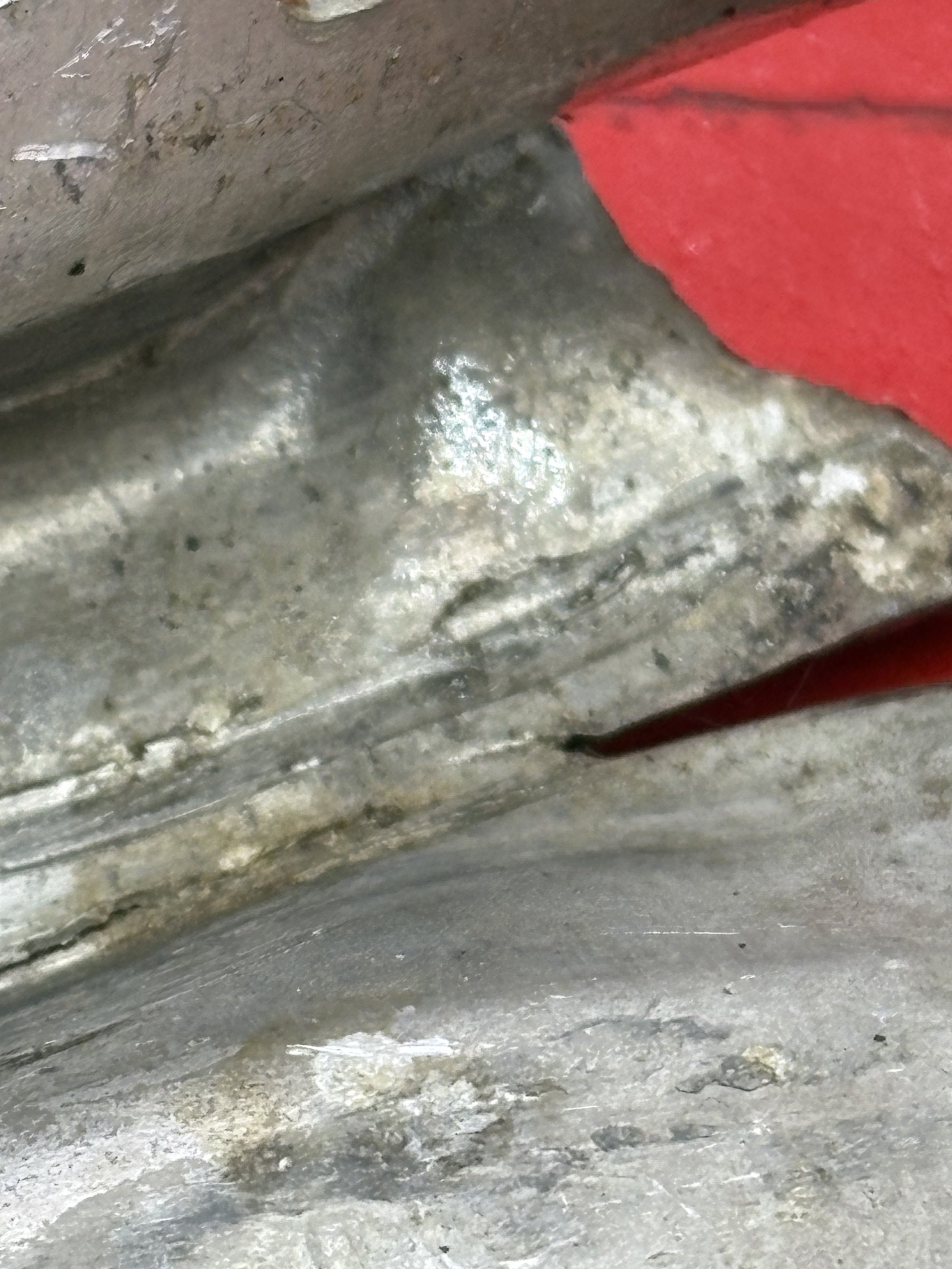 Image 5 of 8
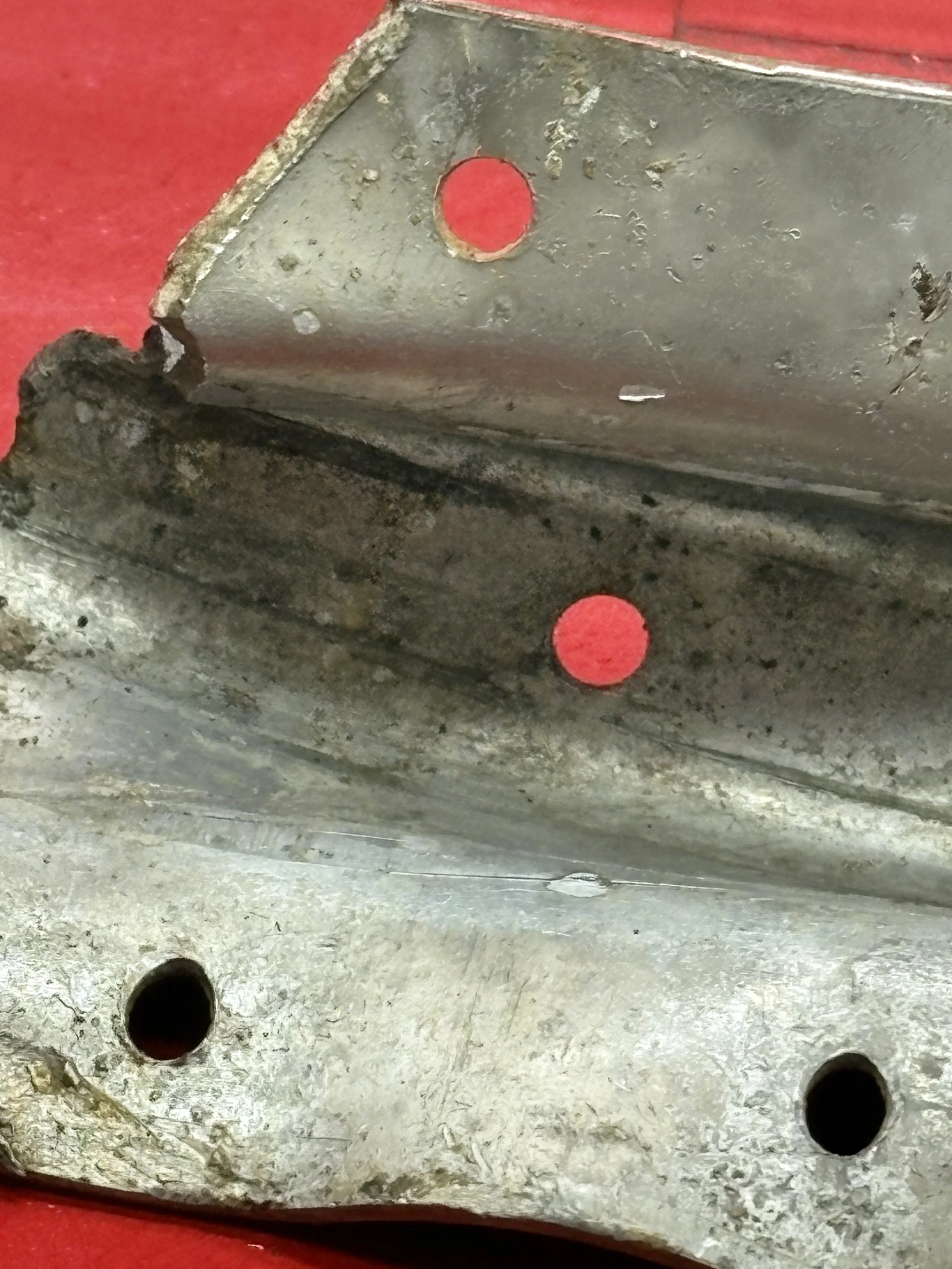 Image 6 of 8
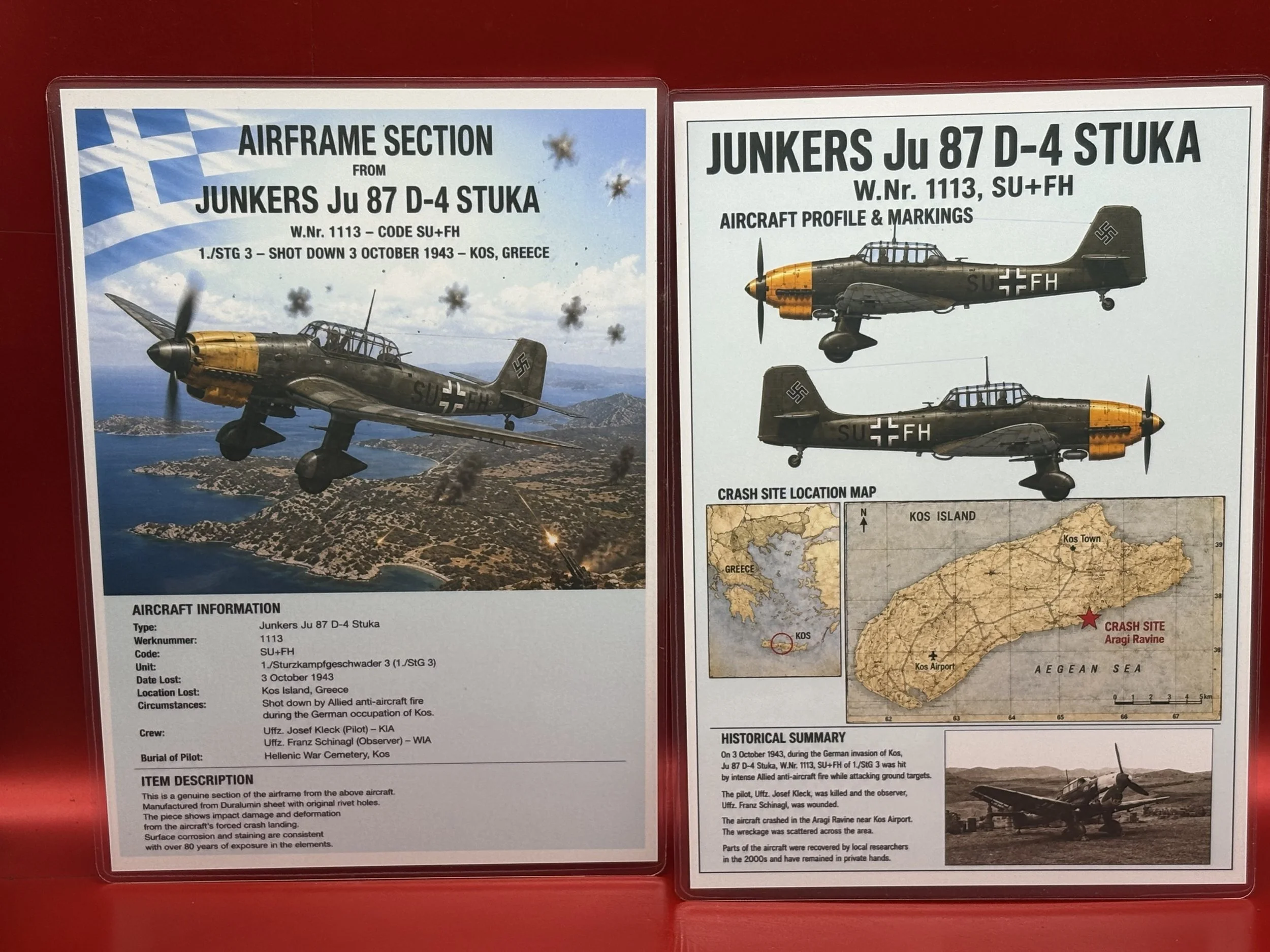 Image 7 of 8
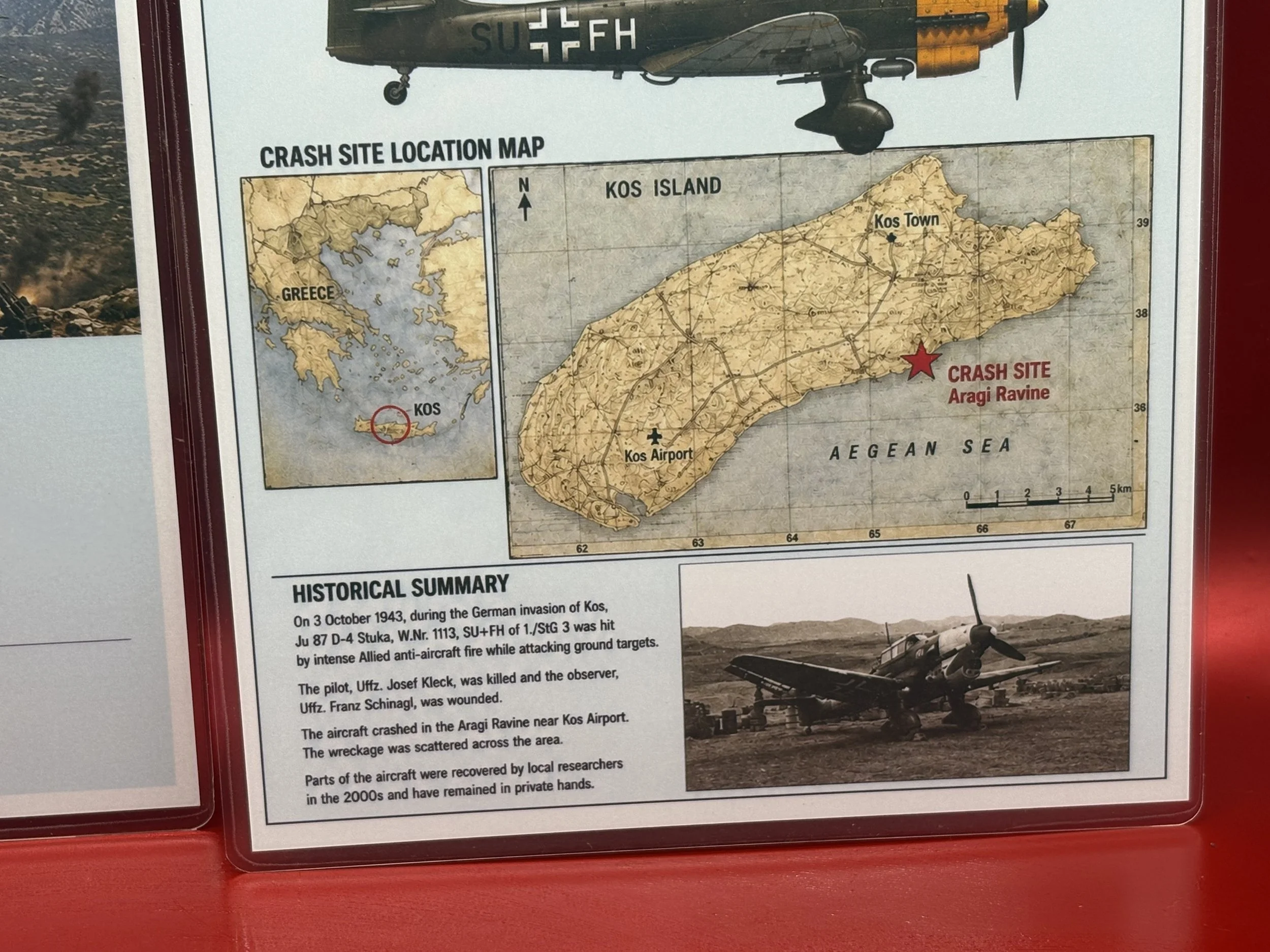 Image 8 of 8