12.8 cm Selbstfahrlafette – Sturer Emil
German experimental self-propelled anti-fortification gun
ONLY TWO BUILT !
ammunition container for a 12.8cm Sprgr L/4,5 projectile recovered from the Stalingrad battlefield in 2014.
Container is in solid relic condition with holes in various places. Locking catches present but seized solid. Unfortunately no lid - lost to time .Lots of original paint and remains of stencilling . could be enhanced greatly if cleaned with oxalic acid and then preserved. But be careful - you won’t find another one!
Possibly one of the rarest WW2 German ammunition containers you will ever see let alone have the chance to own ! The ultimate piece for any collection !!!!
The 12.8 cm Selbstfahrlafette auf VK30.01(H), or Sturer Emil, was an open-topped anti-tank weapon that utilised Germany’s new 128mm K40 L/61 gun – quite possibly one of the deadliest guns of the war. It was based on an extended VK30.01(H) chassis – which was Henschel’s early development of the Tiger I that never made the final design. Out of the order for eight 0-series prototypes hulls only four were built, as the preliminary tests showed the vehicle did not perform very well. Out of the four built, two were extended and then converted to the Selbstfahrlafette auf VK30.01(H) tank destroyers. The hull was the first to utilise the interleaved road wheels – which helped distribute the weight of the vehicle along the tracks more evenly. To arm the Sturer Emil, the German army made a contract with Rheinmetall to produce two guns with bunker busting capabilities (to overcome armoured fortifications that the west had started to build to aid their defence against invasion; such as the French Maginot Line) to arm the open topped weapon – Rheinmetall responded with the 12.8cm K40 L/61, which was based on the 12.8cm Flak 40 anti-aircraft gun. This gun could launch a shell at 880m/s and could penetrate 150mm of armour at 1000m and 120mm at 2000m. This is what made the Sturer Emil such a phantom on the battlefield.the self-propelled gun was designed as an anti-tank weapon but was also intended to be used as a fortification destroyer and bunker buster weapon. In reality, the Sturer Emil was only used as a tank destroyer and was a very effective and deadly anti-tank weapon. Due to its thin armour, the Sturer Emil held back and fought from a distance where it would be hard to spot and almost impossible to kill. Of the two Sturer Emils that existed ‘Max’ was destroyed in action and 'Moritz' was captured by the Red Army in Stalingrad
12.8 cm Selbstfahrlafette – Sturer Emil
German experimental self-propelled anti-fortification gun
ONLY TWO BUILT !
ammunition container for a 12.8cm Sprgr L/4,5 projectile recovered from the Stalingrad battlefield in 2014.
Container is in solid relic condition with holes in various places. Locking catches present but seized solid. Unfortunately no lid - lost to time .Lots of original paint and remains of stencilling . could be enhanced greatly if cleaned with oxalic acid and then preserved. But be careful - you won’t find another one!
Possibly one of the rarest WW2 German ammunition containers you will ever see let alone have the chance to own ! The ultimate piece for any collection !!!!
The 12.8 cm Selbstfahrlafette auf VK30.01(H), or Sturer Emil, was an open-topped anti-tank weapon that utilised Germany’s new 128mm K40 L/61 gun – quite possibly one of the deadliest guns of the war. It was based on an extended VK30.01(H) chassis – which was Henschel’s early development of the Tiger I that never made the final design. Out of the order for eight 0-series prototypes hulls only four were built, as the preliminary tests showed the vehicle did not perform very well. Out of the four built, two were extended and then converted to the Selbstfahrlafette auf VK30.01(H) tank destroyers. The hull was the first to utilise the interleaved road wheels – which helped distribute the weight of the vehicle along the tracks more evenly. To arm the Sturer Emil, the German army made a contract with Rheinmetall to produce two guns with bunker busting capabilities (to overcome armoured fortifications that the west had started to build to aid their defence against invasion; such as the French Maginot Line) to arm the open topped weapon – Rheinmetall responded with the 12.8cm K40 L/61, which was based on the 12.8cm Flak 40 anti-aircraft gun. This gun could launch a shell at 880m/s and could penetrate 150mm of armour at 1000m and 120mm at 2000m. This is what made the Sturer Emil such a phantom on the battlefield.the self-propelled gun was designed as an anti-tank weapon but was also intended to be used as a fortification destroyer and bunker buster weapon. In reality, the Sturer Emil was only used as a tank destroyer and was a very effective and deadly anti-tank weapon. Due to its thin armour, the Sturer Emil held back and fought from a distance where it would be hard to spot and almost impossible to kill. Of the two Sturer Emils that existed ‘Max’ was destroyed in action and 'Moritz' was captured by the Red Army in Stalingrad

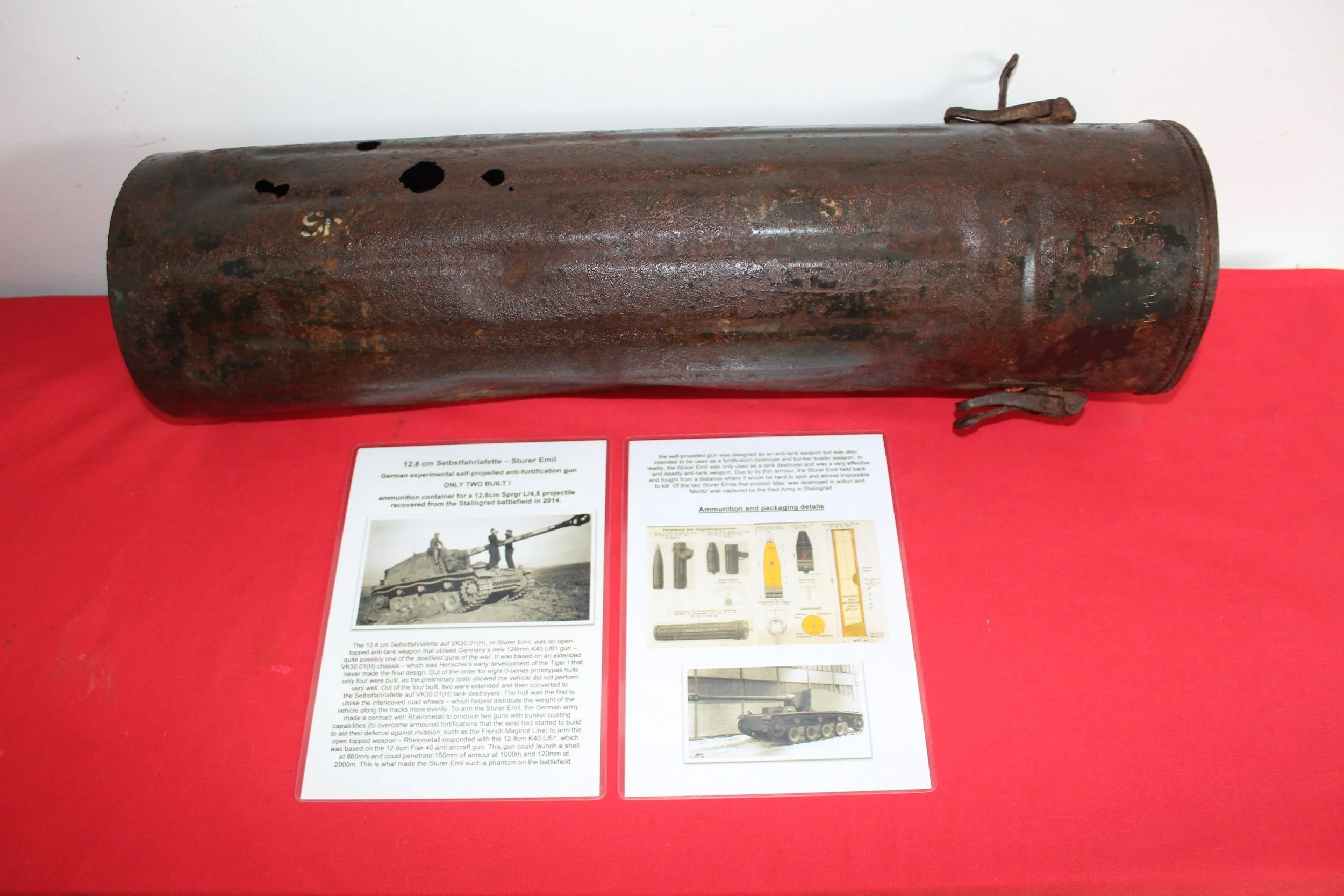 Image 1 of 14
 Image 2 of 14
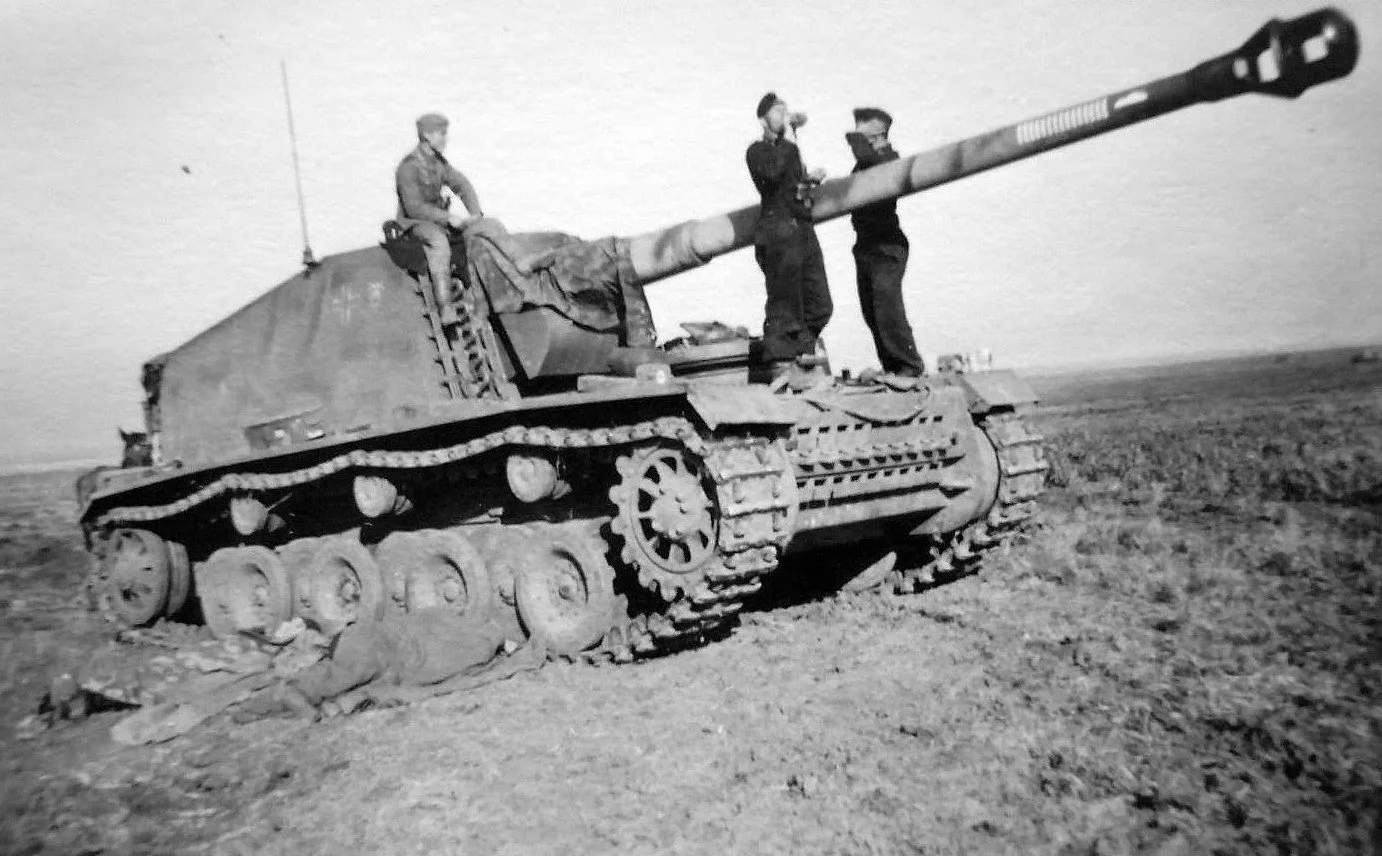 Image 3 of 14
 Image 4 of 14
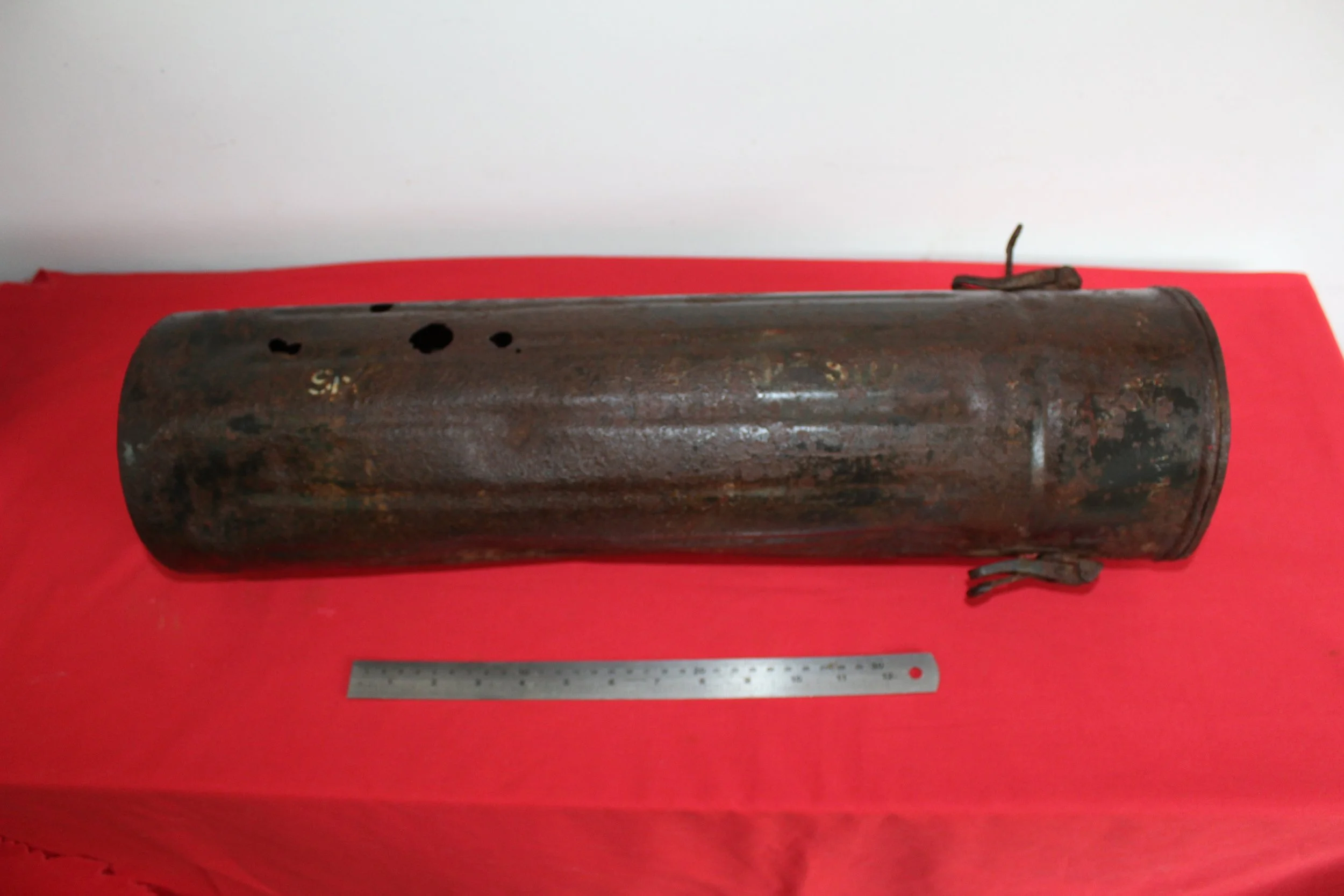 Image 5 of 14
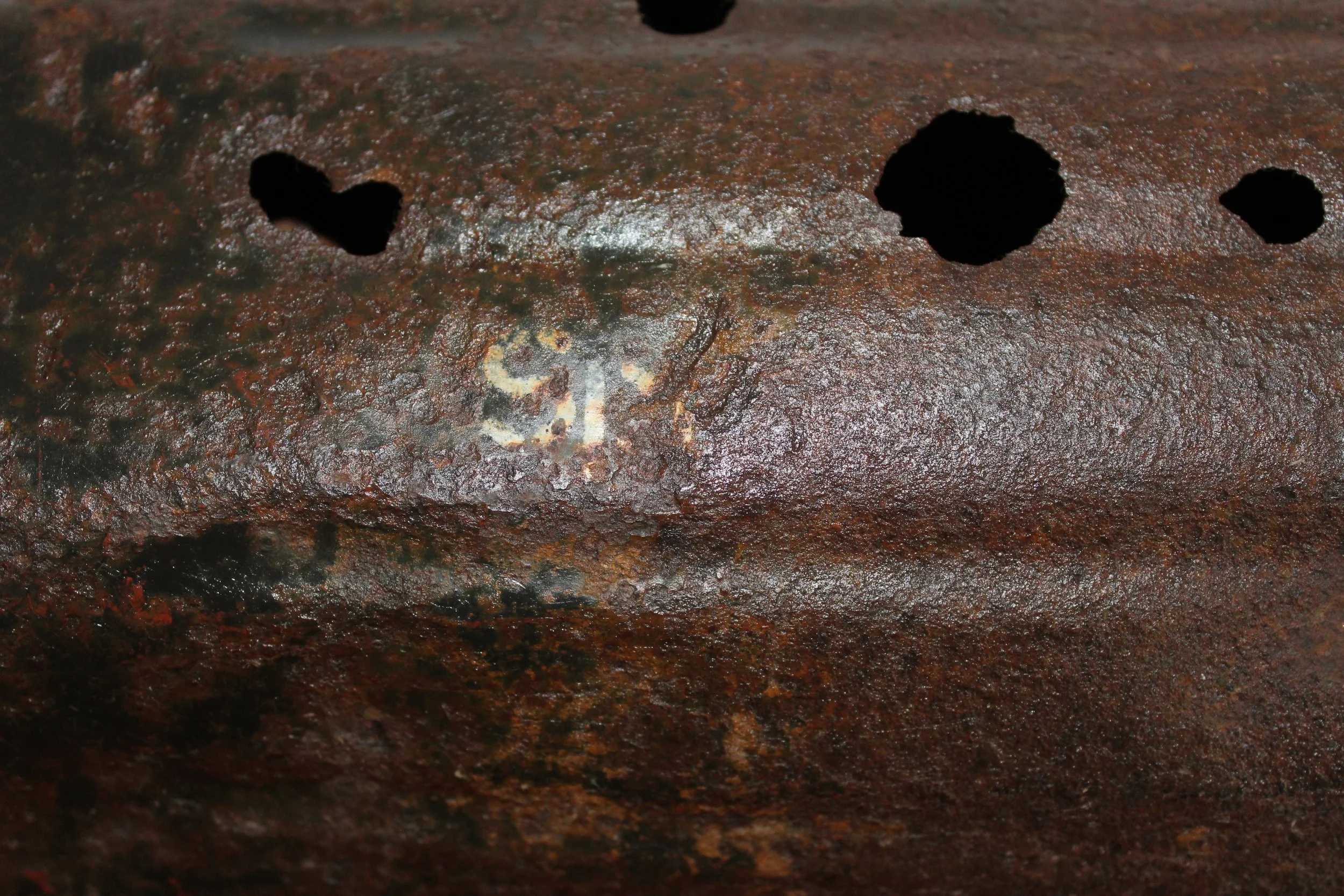 Image 6 of 14
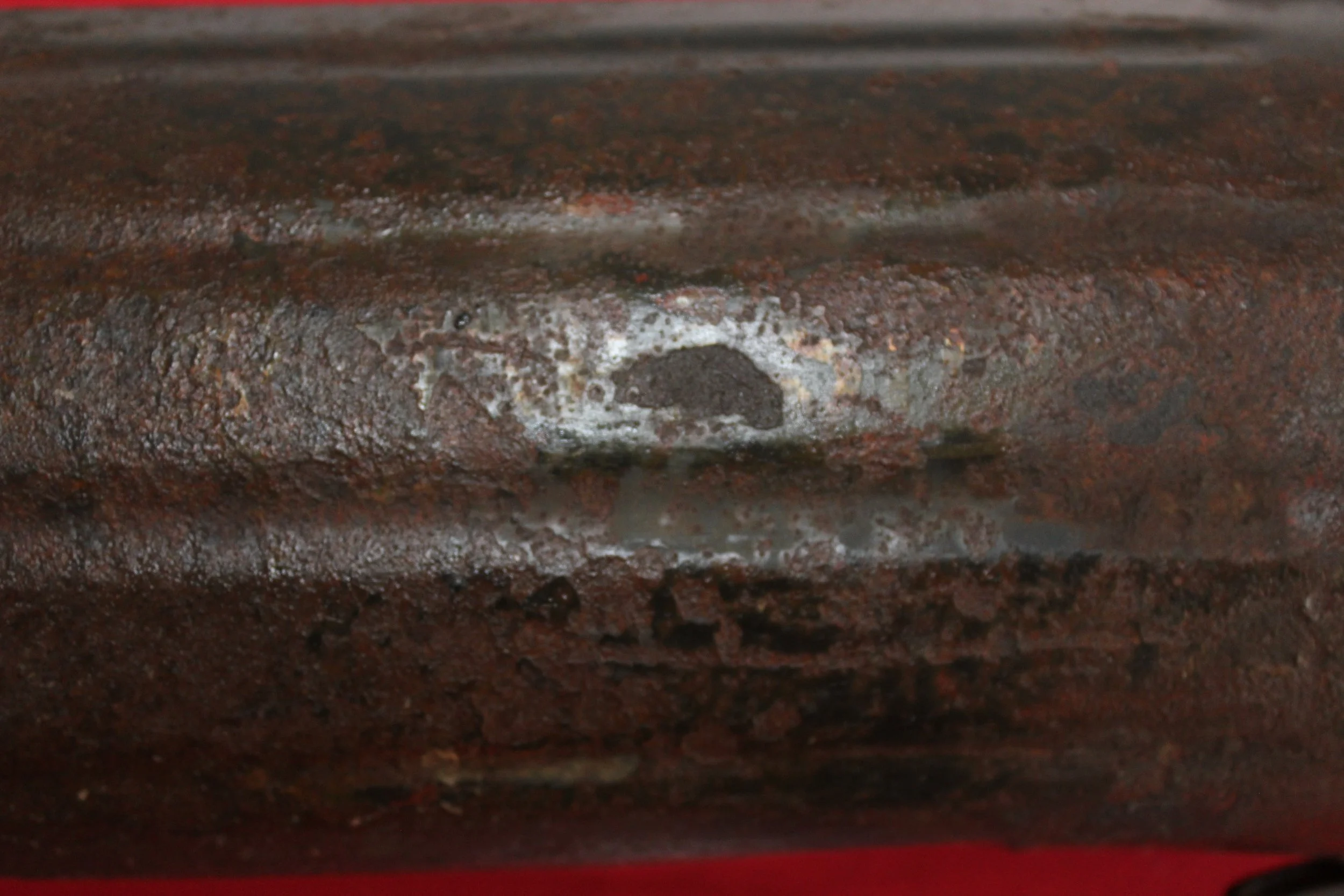 Image 7 of 14
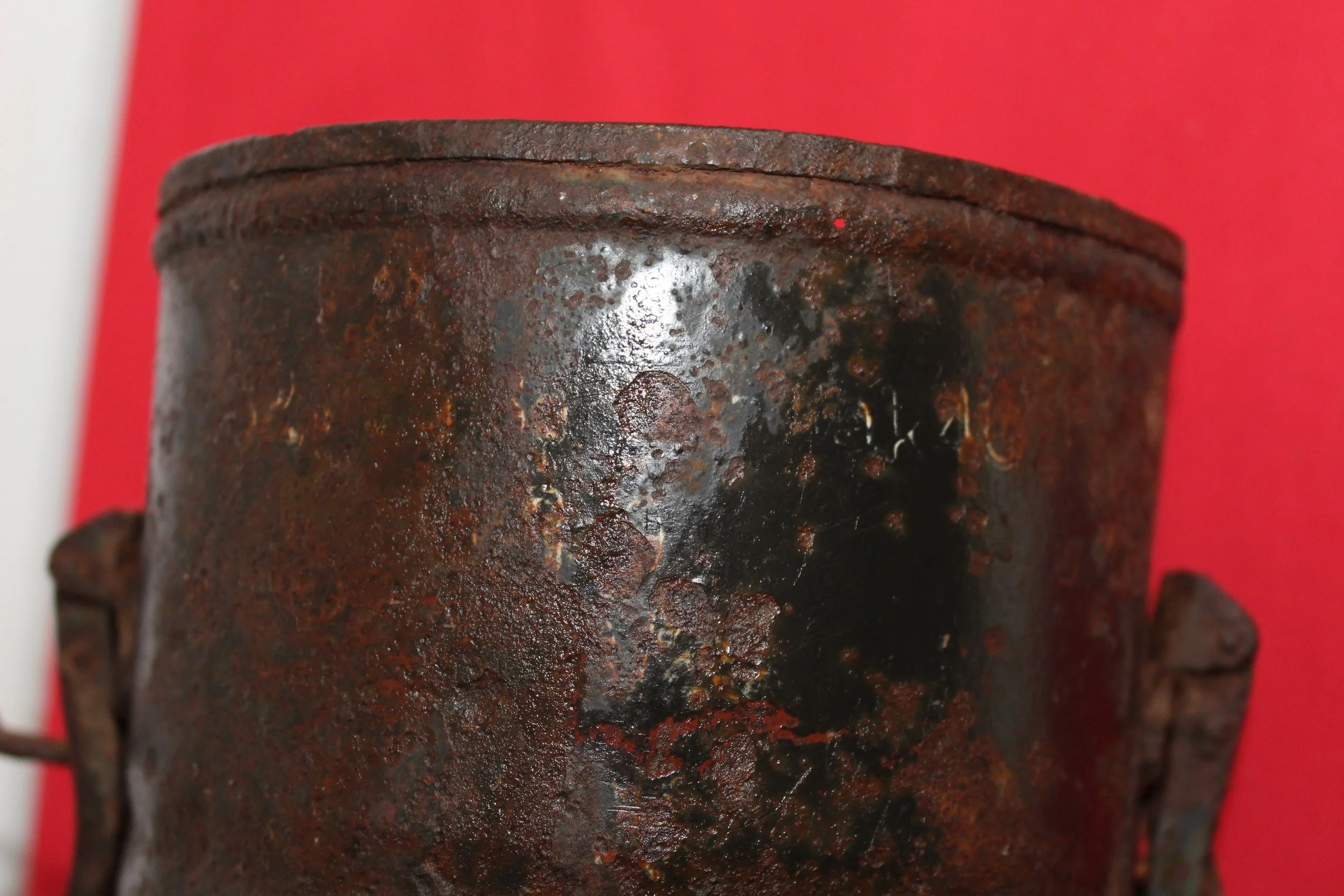 Image 8 of 14
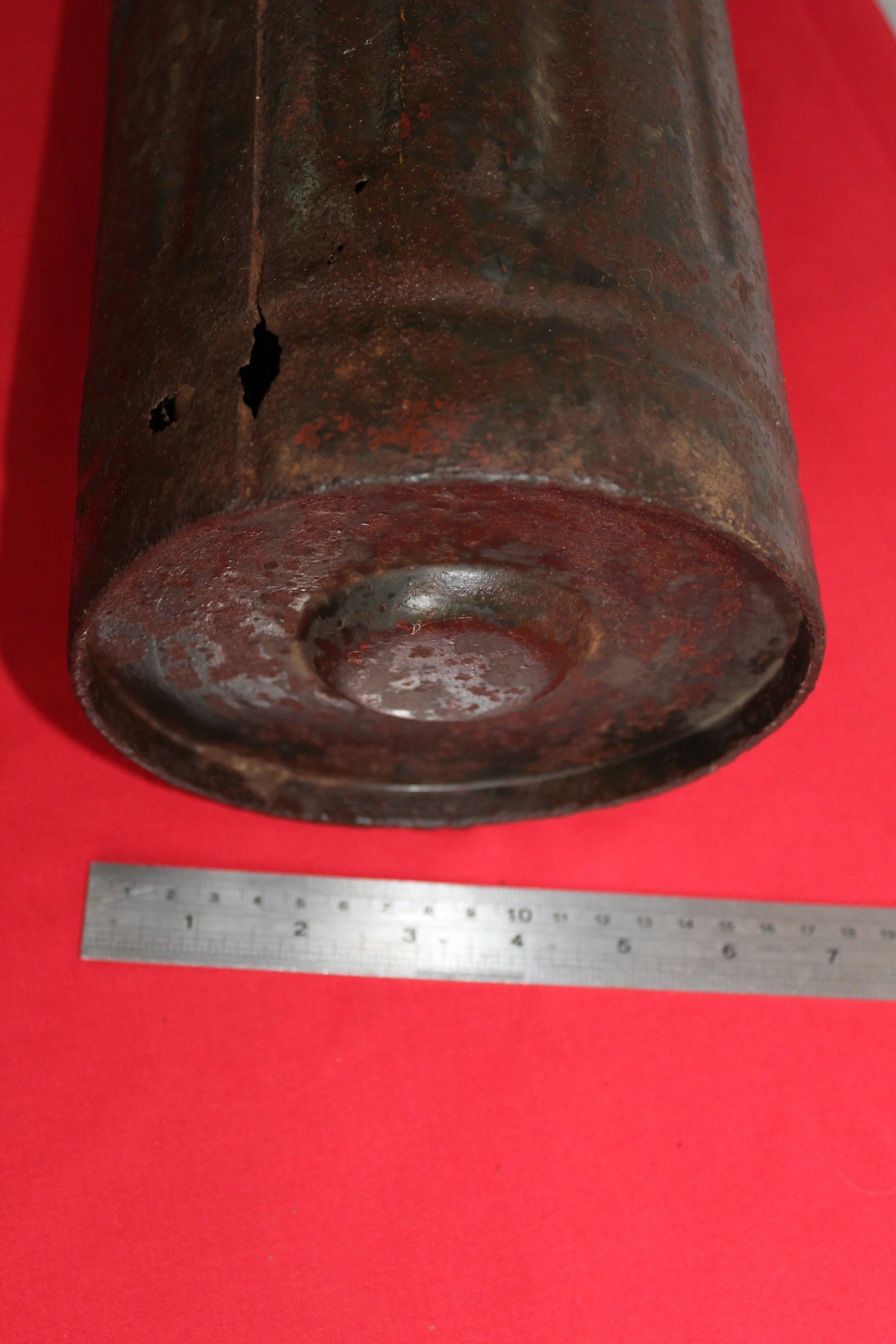 Image 9 of 14
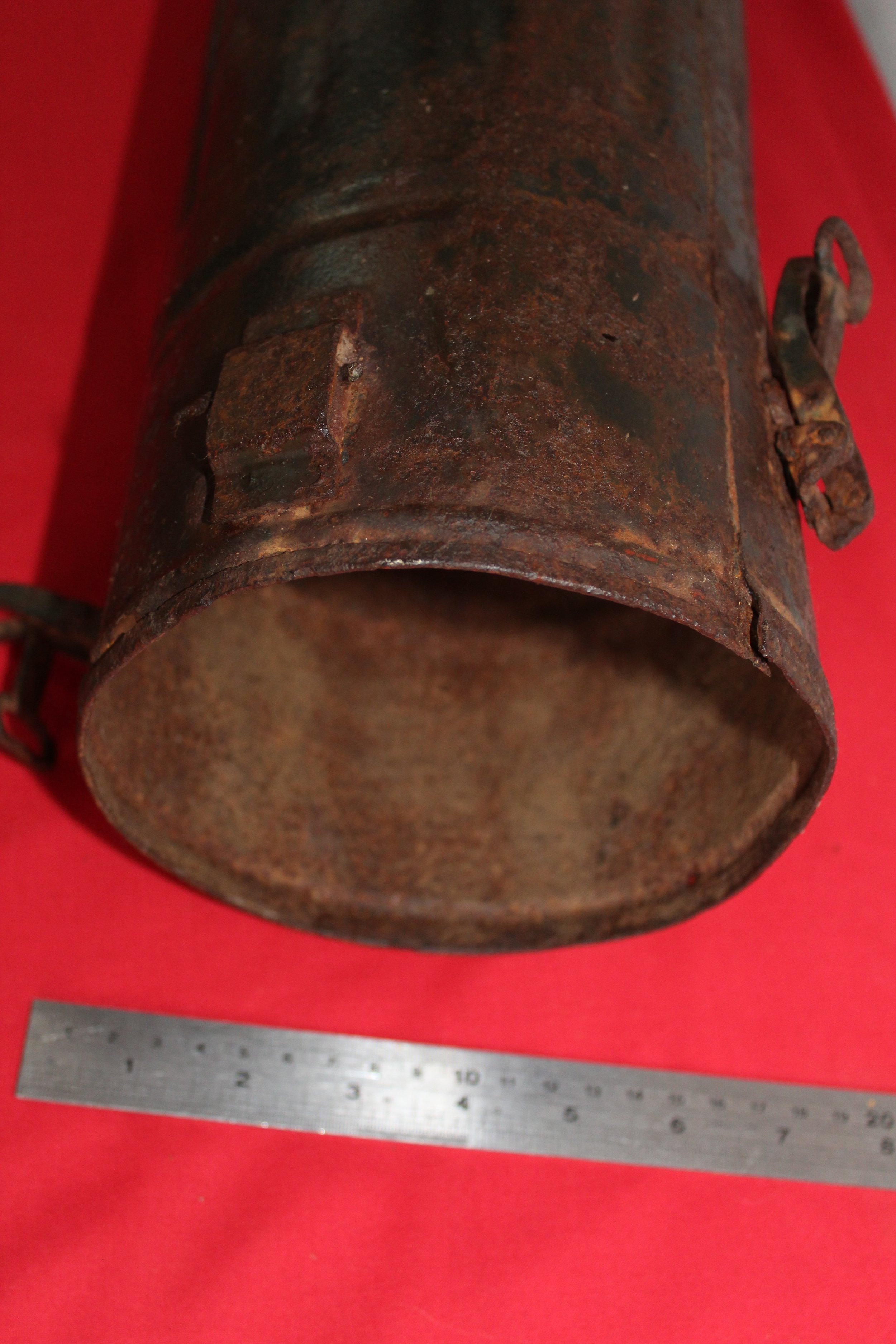 Image 10 of 14
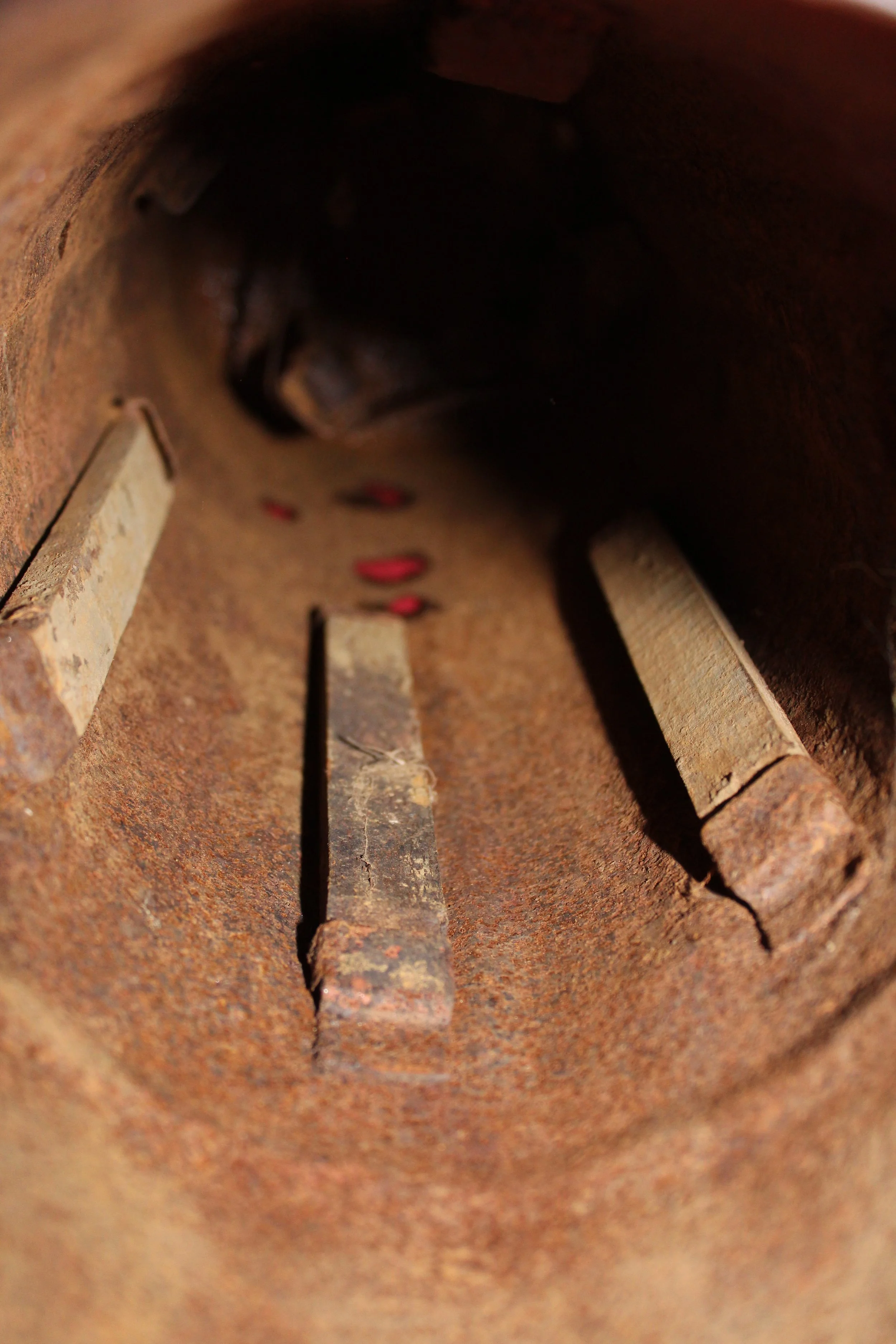 Image 11 of 14
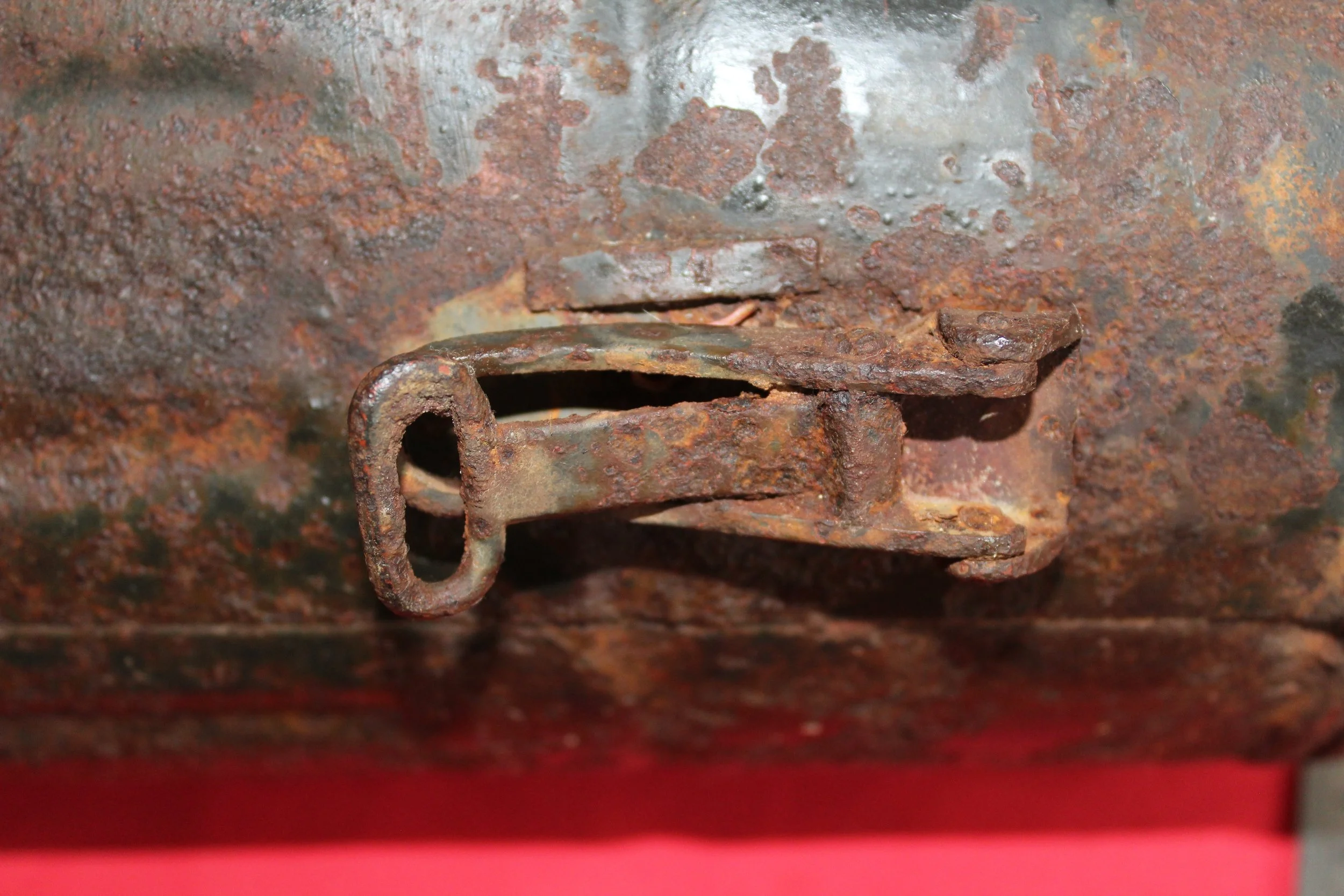 Image 12 of 14
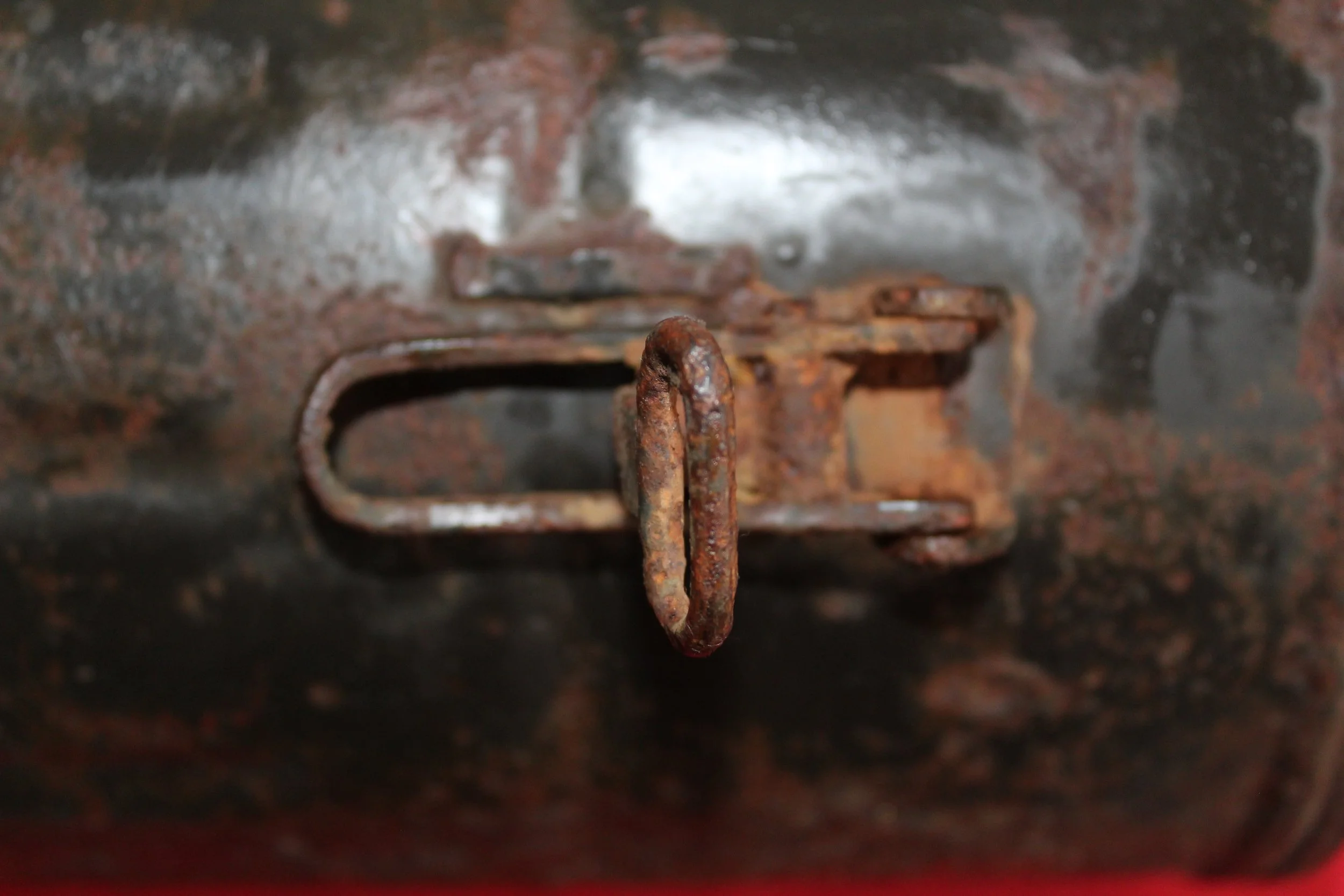 Image 13 of 14
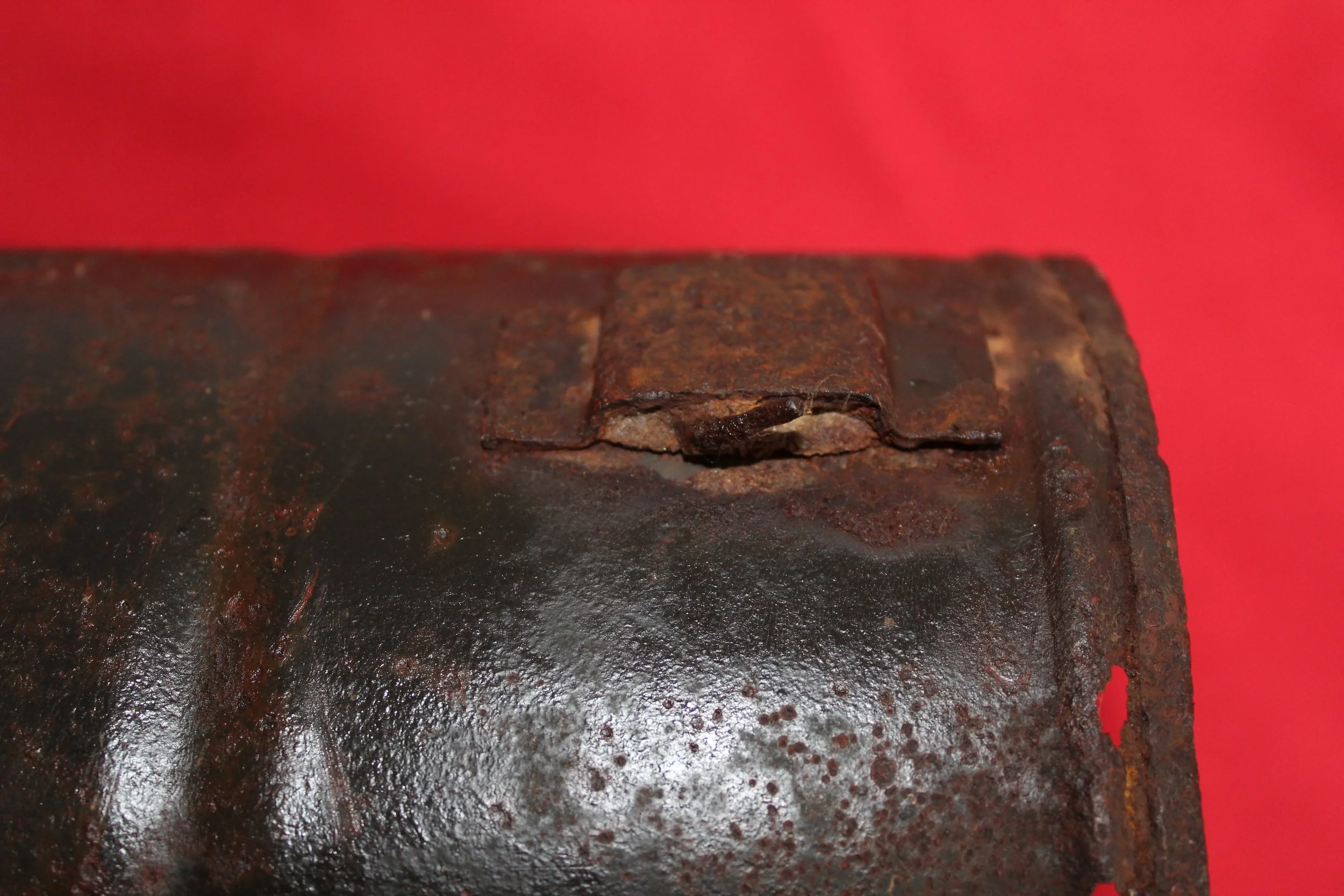 Image 14 of 14