This is a lovely condition aluminium airframe section which is a nice clean panel which is pretty much complete not badly damaged by the crash. The part which still retains its lovely original colour and green paintwork remains and is in relic condition overall lovely condition it is in relic but solid condition and has been nicely cleaned perfect for display or any collection and is 8 inches long and 5 inches wide in size. The part comes from American B17 flying fortress44-6504 OF 360th bomber squadron crashed on return from raid on railyard at Ulm in bad weather on 16th December 1944 .The part comes with 2xA5 laminated information cards with crash site pictures and map.
The bomber was on a mission to bomb a railway marshalling yard in Ulm, Germany. However, due to deteriorating weather conditions, the mission was aborted and the flight recalled. To prevent mid-air collisions, the formation of bombers was ordered to break rank and head for separate bases in the United Kingdom. On several occasions, the pilot of this B-17—Lt Kyle—requested bearings back to England, but was misled by false signals from German transmitters. This resulted in the aircraft flying too far north of the English bases.
Eventually, while flying close to the Scottish / English border, Lt. Kyle descended through the clouds in an attempt to establish visual bearings. Unfortunately, however, the pilot descended too low to clear the snow-covered Cheviots. The aircraft crashed-landed on West Hill, close to The Cheviot. It then slid across a peat bog, coming to a halt on the hill shoulder. Two crew members died in the crash. The remaining crew members escaped; some with minor, and others with severe injuries.
Three of the survivors—Lt. Kyle, F/O Hardy, and Sgt Schieferstein—staggered down the slopes to a shepherd's cottage, where they raised the alarm.
Still on the hilltop, Sgt Smith and several other crew members had taken refuge in a ditch. Several hours later, as they lay sheltering in the ditch, Sgt Smith felt a dog licking his face. The dog, Sheila* belonged to a local shepherd,John Dagg. Together with another shepherd—Frank Moscrop—Mr. Dagg had been out on the hills searching for survivors. The dog found the airmen first, and its excited barking alerted the shepherds, bringing them quickly to the scene.
When the B-17 crashed, its bomb load was still intact. (They had not been jetisoned at sea). Fortunately, these munitions had not exploded on impact with the ground. However, just as the crew reached the safety of the shepherd's cottage on lower ground, the entire bomb load exploded.

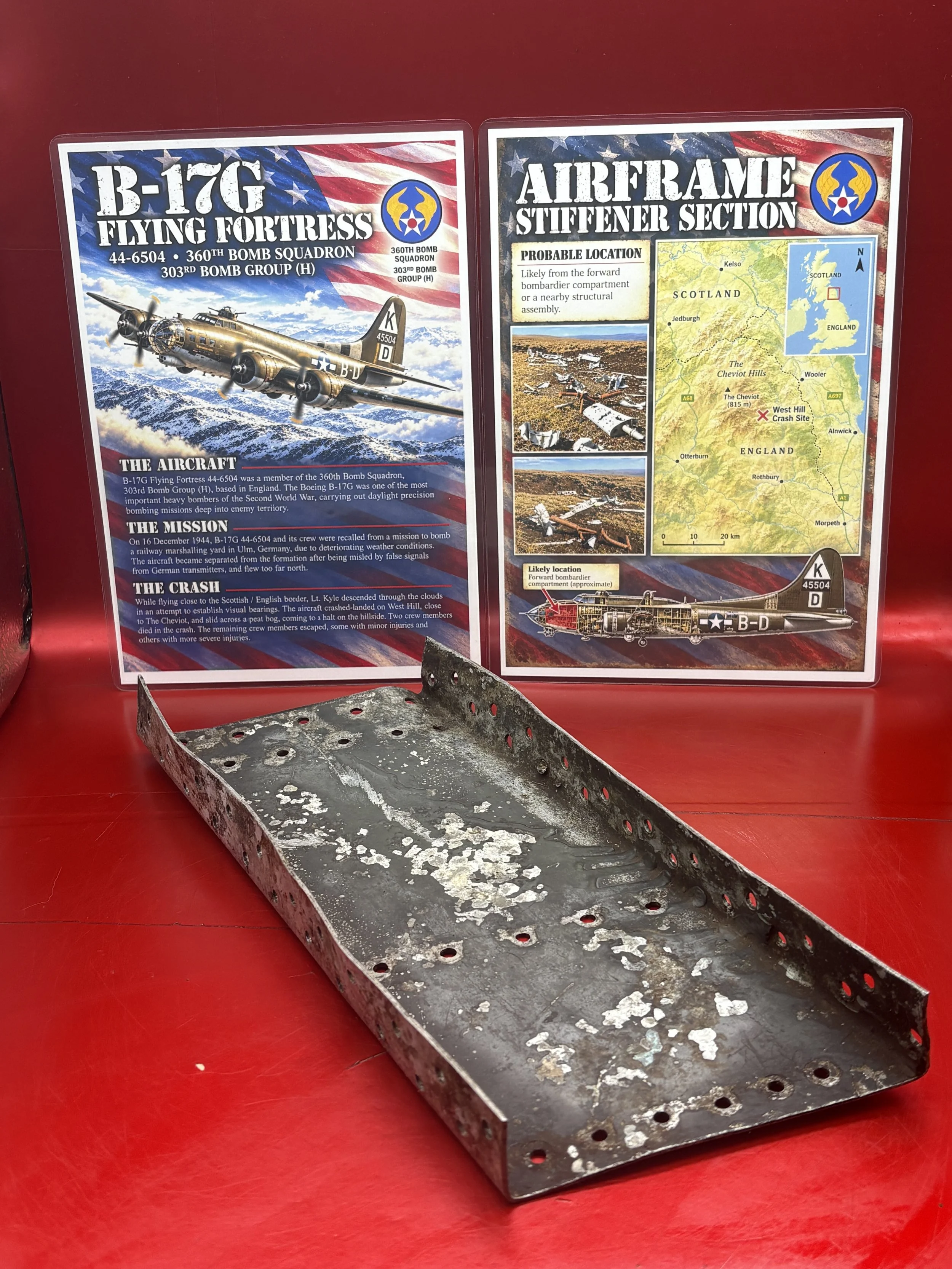 Image 1 of 9
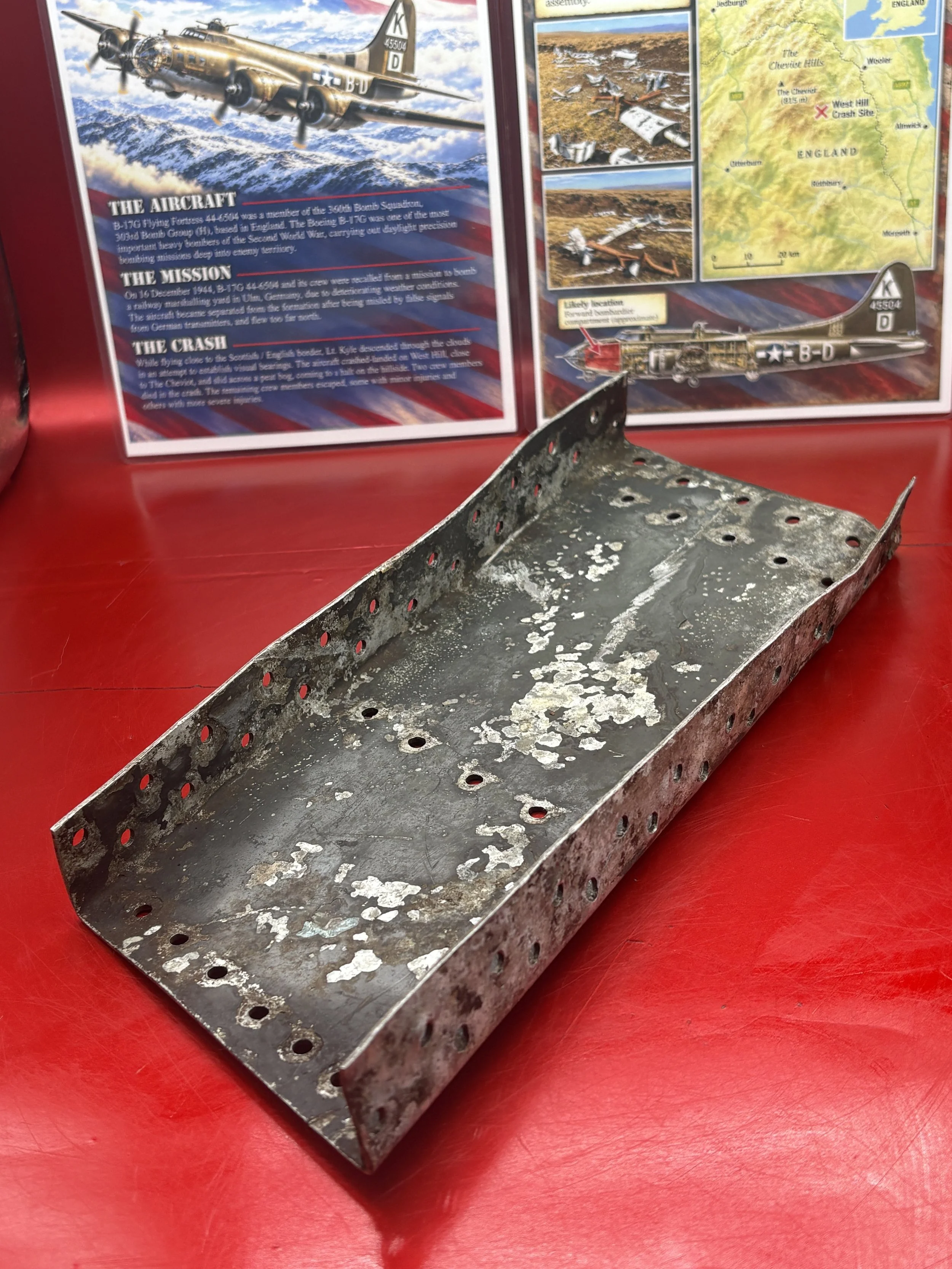 Image 2 of 9
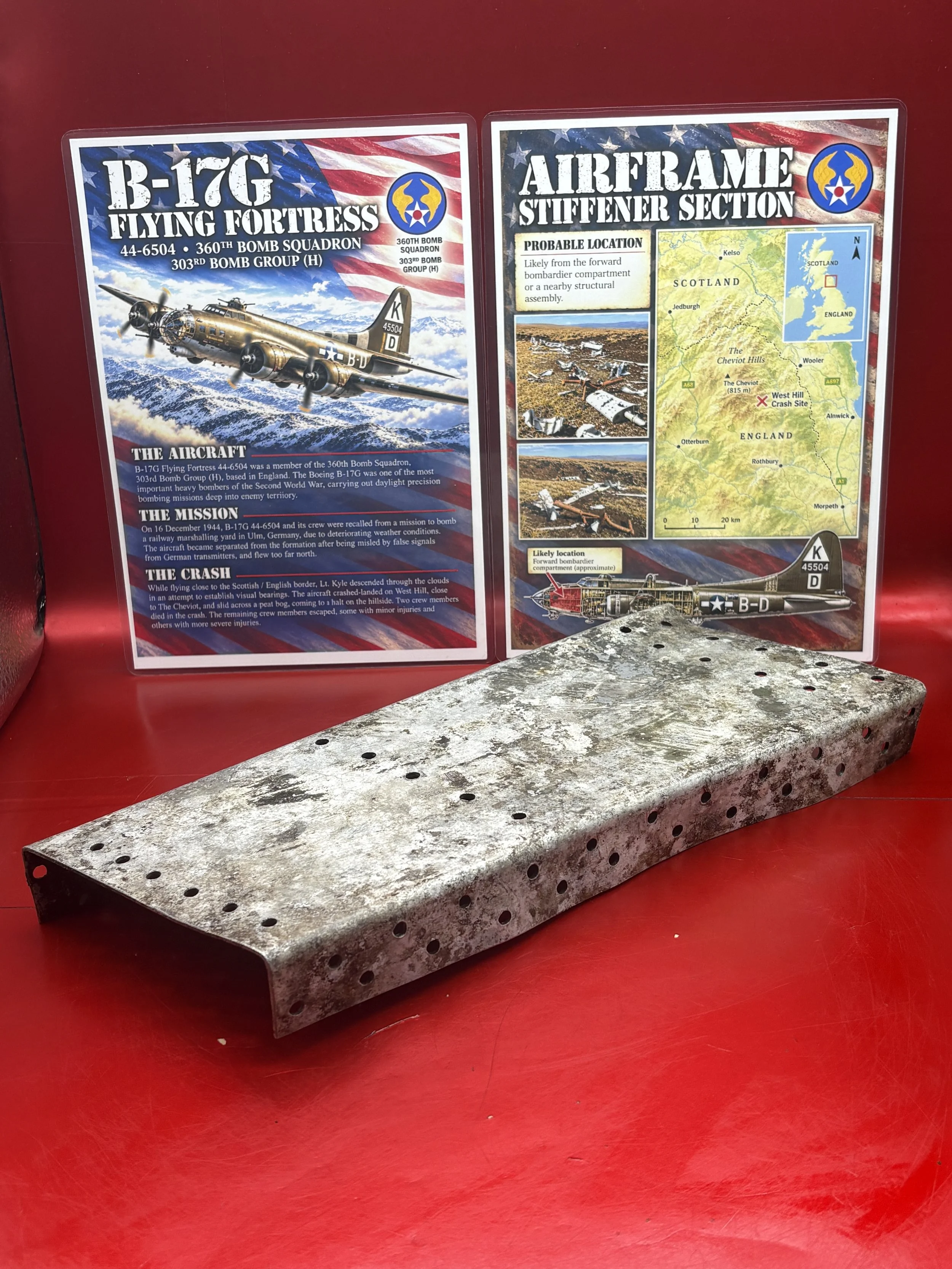 Image 3 of 9
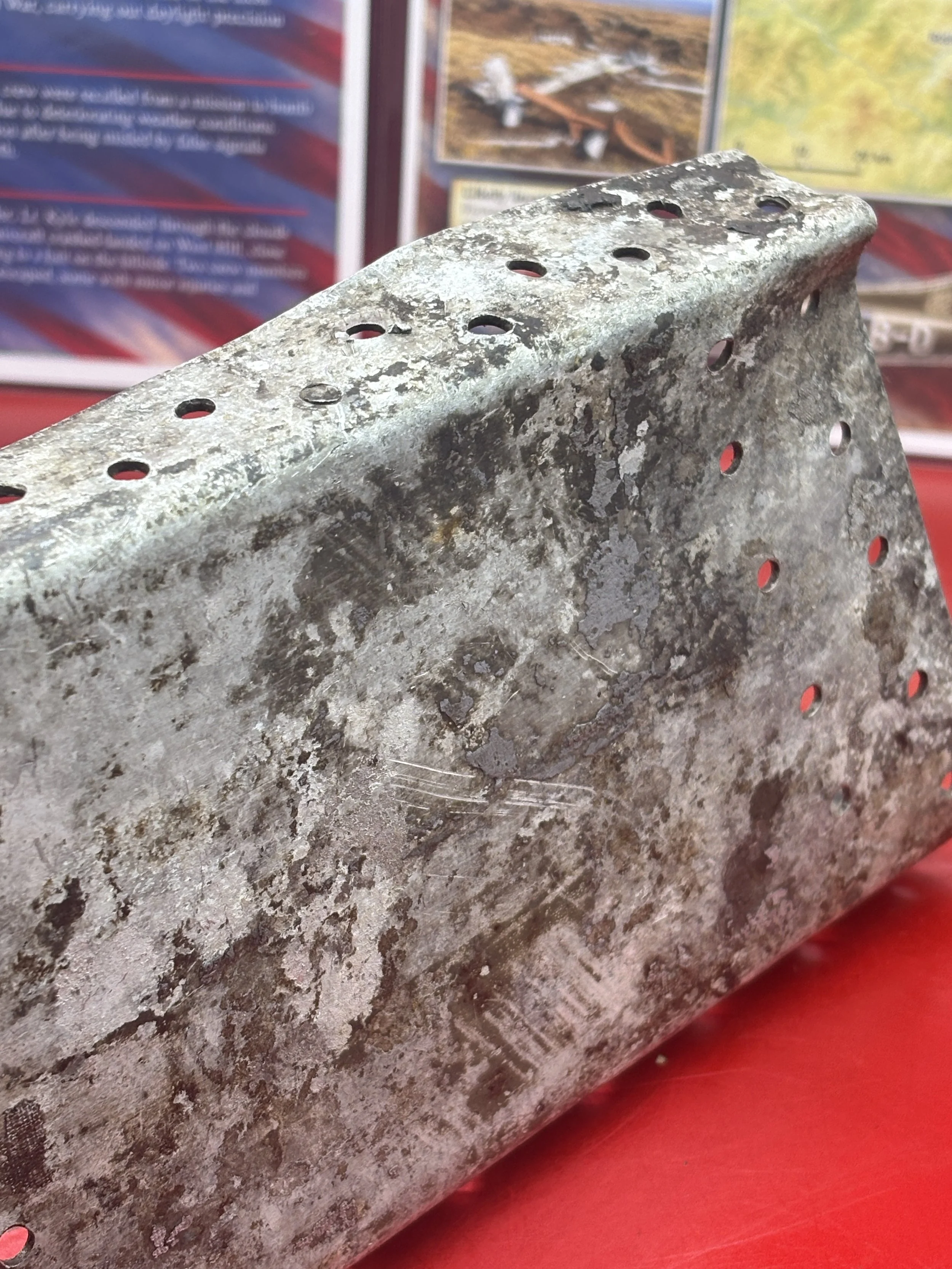 Image 4 of 9
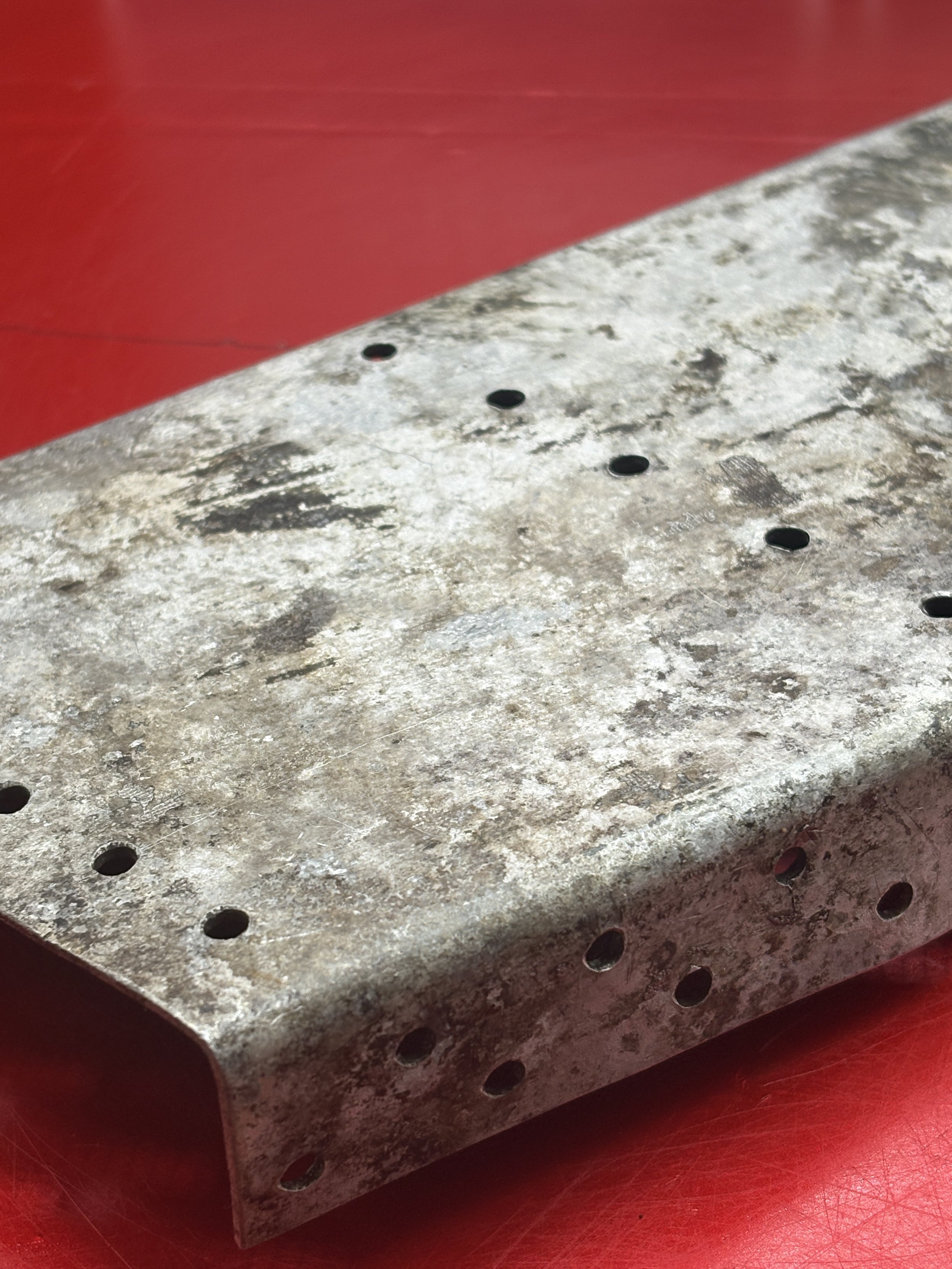 Image 5 of 9
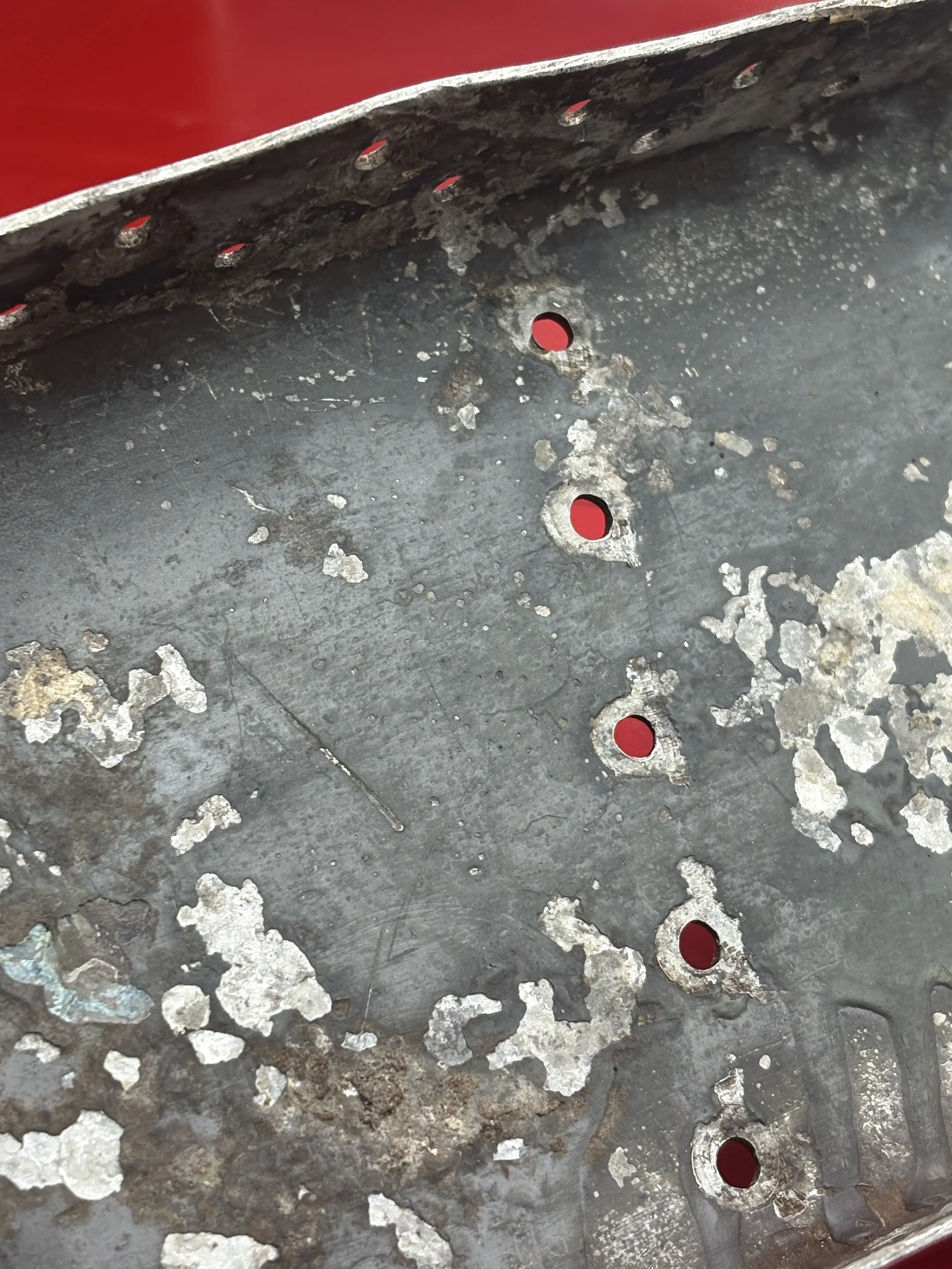 Image 6 of 9
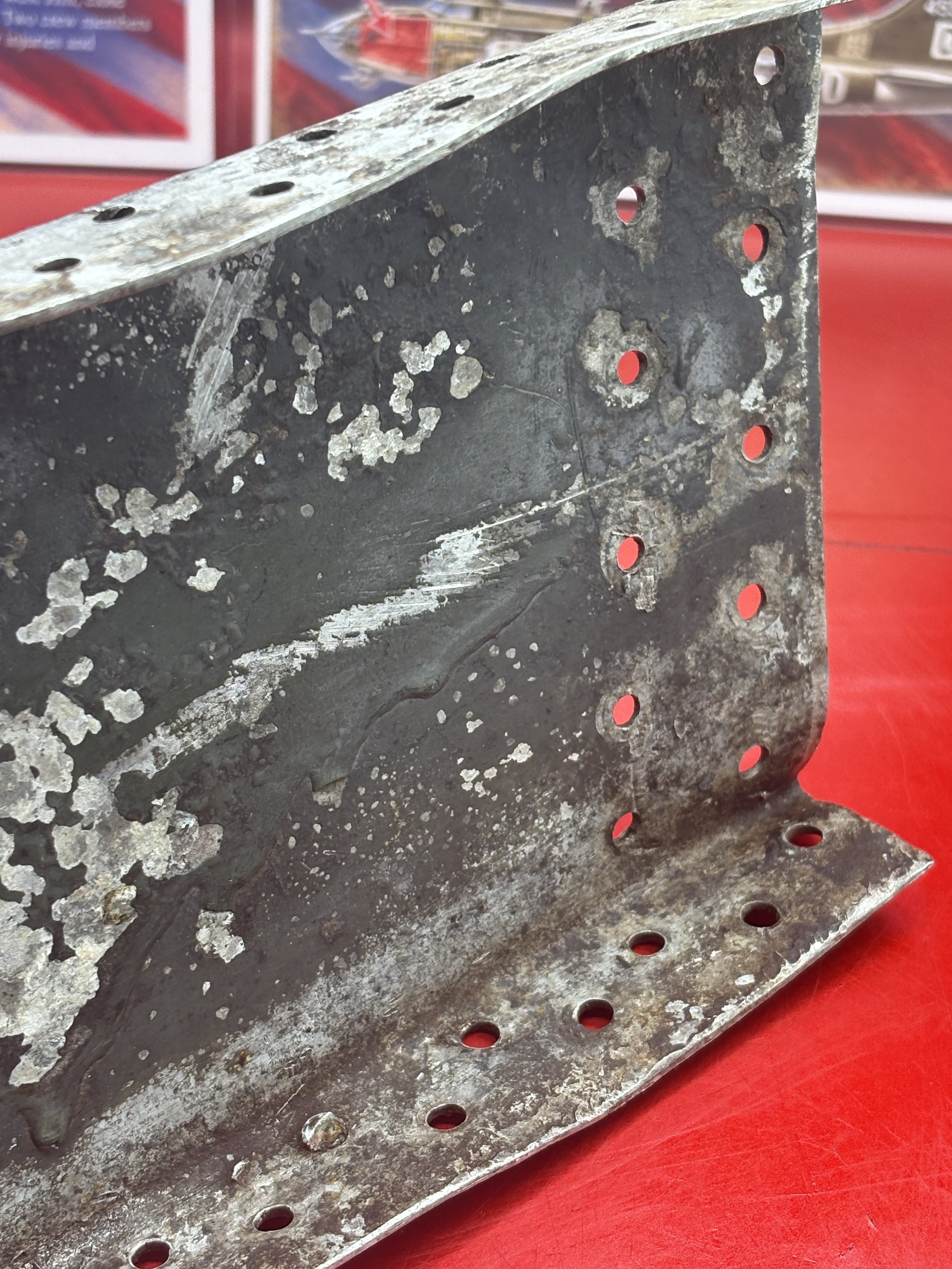 Image 7 of 9
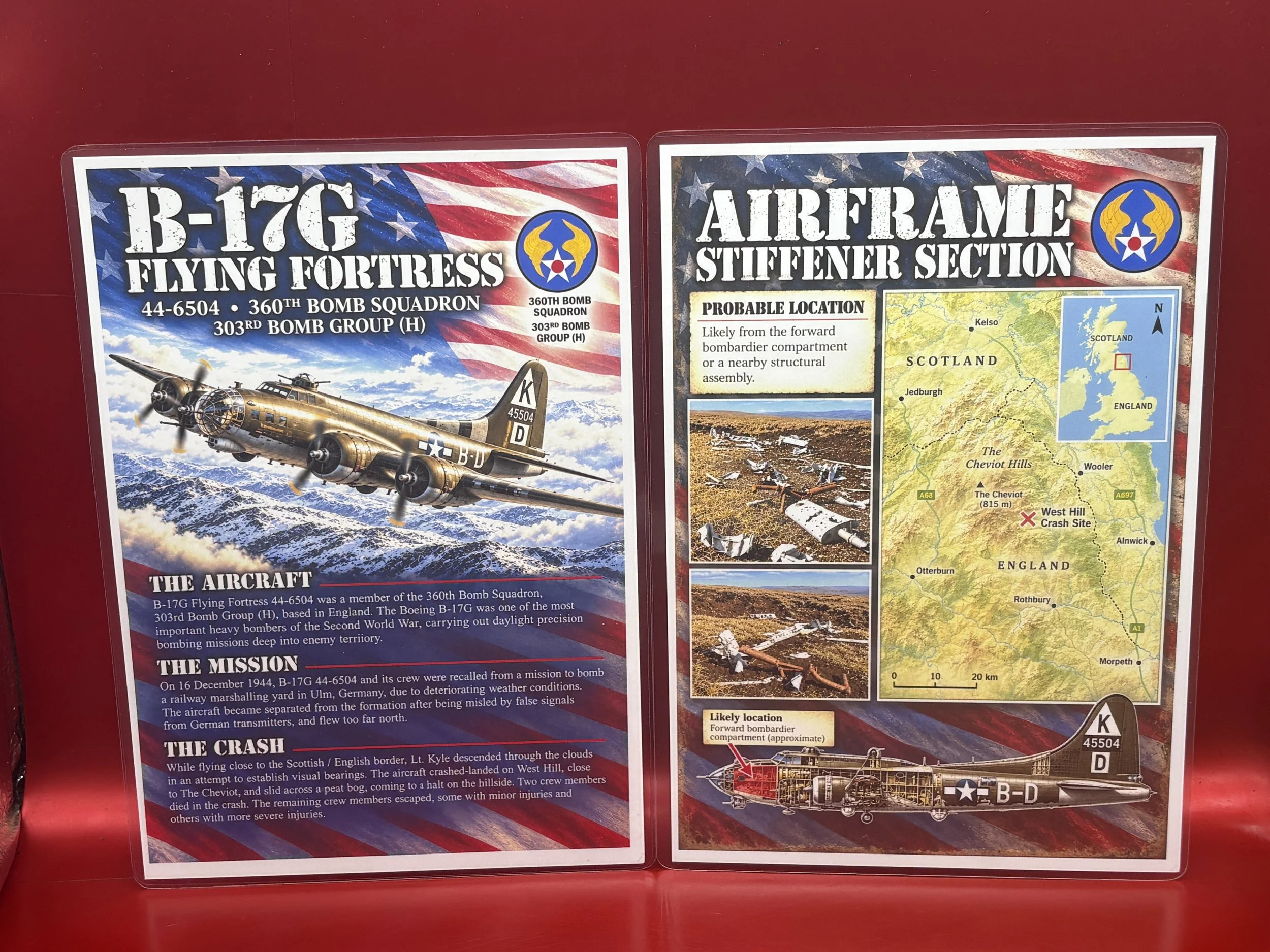 Image 8 of 9
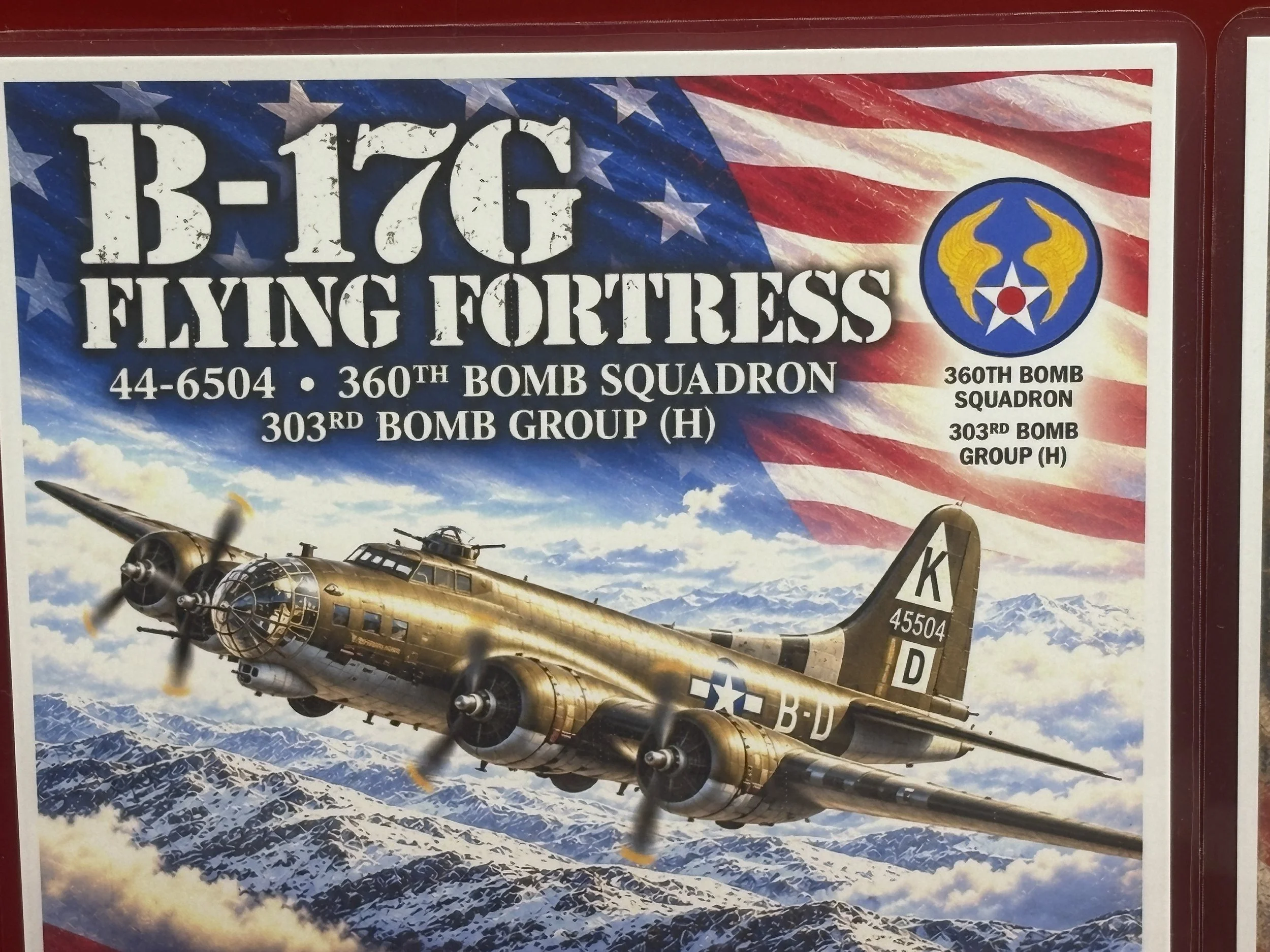 Image 9 of 9